
This lesson explores the physics of tire grip and how road surfaces impact the stability of your moped or speed pedelec. Understanding these mechanics is essential for preventing skids and maintaining control during your daily commute in Belgium.
Lesson content overview
Understanding the fundamental principles of grip, the diverse characteristics of road surfaces, and their direct impact on vehicle stability is paramount for every driver, especially for those operating light, exposed vehicles such as mopeds and speed pedelecs under the Official Belgian Driving Theory Course for Category AM License. This lesson delves into how your tires interact with the road, how different conditions can compromise this interaction, and what proactive measures you can take to maintain control and safety.
Grip, often interchangeably referred to as traction, is the essential frictional force generated between your vehicle's tires and the road surface. This force is the sole mechanism that allows you to accelerate, brake, and steer your vehicle effectively. Without adequate grip, your vehicle would simply slide uncontrollably.
The frictional force that enables a vehicle's tires to maintain contact with the road surface, allowing for controlled acceleration, braking, and steering.
The primary purpose of grip is to ensure that your vehicle responds precisely to your inputs. Whether you are accelerating away from a stop, slowing down for an intersection, or navigating a curve, sufficient grip translates your intentions into vehicle movement. When grip is reduced, the critical link between your tires and the road weakens, leading to increased stopping distances and a higher risk of skidding, particularly for two-wheeled vehicles where balance is also a factor.
Vehicle stability, therefore, is directly dependent on optimal grip. Stability refers to the ability of your moped or speed pedelec to maintain its intended path without losing control. This is especially crucial during maneuvers like turning or sudden braking. Any compromise in grip can lead to instability, causing the vehicle to slide, wobble, or even fall, particularly dangerous for Category AM vehicles.
The type and condition of the road surface profoundly influence the level of grip available to your tires. Drivers must constantly assess the road ahead and adapt their riding style to account for these variations. Failing to do so can lead to unexpected loss of traction and dangerous situations.
Dry asphalt typically offers the maximum amount of grip. This is the standard condition against which all other surfaces are measured. Under these circumstances, your tires can achieve their best performance in terms of acceleration, braking, and cornering, assuming they are properly maintained.
When asphalt becomes wet due to rain or splashes, a thin layer of water forms between your tires and the road. This water layer significantly reduces friction, thereby decreasing grip. The consequence is a noticeable increase in stopping distances and a higher risk of skidding, especially when braking or cornering. For example, a vehicle traveling at 50 km/h on a wet road might require double the stopping distance compared to a dry surface.
Do not assume modern tires eliminate the need for caution on wet surfaces. While tire technology has improved, the fundamental physics of reduced friction remain. Always reduce your speed and increase your following distance on wet roads.
Oily patches on the road surface present an extreme hazard due to their very low coefficient of friction. These are often found in areas with heavy traffic, near garages, industrial zones, or at intersections where vehicles frequently idle and drip oil. An oily patch can dramatically decrease grip, making it extremely difficult to maintain control, especially when braking or turning. Encountering such a surface unexpectedly, particularly for a moped or speed pedelec, can almost instantly lead to a loss of balance and a fall.
Gravel roads or sections covered in loose stones are highly irregular surfaces that drastically reduce grip. The loose nature of gravel means your tires struggle to find consistent purchase, leading to a sensation of floating or sliding. This surface demands significantly more care, particularly while cornering or braking, as sudden movements can easily cause the vehicle to lose stability. Reduce speed and ride smoothly on gravel.
Ice offers minimal grip, making it one of the most hazardous road conditions for any vehicle, especially for Category AM vehicles. Even light braking or turning can result in a complete loss of control. Snow also reduces grip, albeit typically not as severely as pure ice, but still requires extreme caution. In icy or snowy conditions, consider whether riding is safe at all. If you must ride, speeds should be drastically reduced, and all maneuvers should be executed with the utmost gentleness.
Drivers must always be aware of sudden changes in road conditions. Transitioning from a dry section to a wet, icy, or oily patch can cause unexpected skidding if your speed is not adjusted. Common areas for such abrupt changes include after bridges (where moisture or ice can persist longer), shaded areas, and tunnels, or where spillage might occur.
Beyond the road surface itself, the condition of your vehicle's tires plays a pivotal role in maintaining grip and stability. Among the most crucial aspects of tire maintenance is ensuring correct tire pressure.
Tire pressure refers to the amount of air inside a tire, typically measured in units like bar (in Europe) or pounds per square inch (psi). The manufacturer of your moped or speed pedelec specifies the recommended tire pressure, which is usually found in the owner's manual or on a sticker located on the vehicle (e.g., inside the glove compartment, on the frame, or near the tire valve).
The correct tire pressure is vital because it ensures the optimal contact patch between the tire tread and the road surface. The contact patch is the small area of tire rubber that is actually touching the ground at any given moment.
Maintaining correct tire pressure enhances both safety and fuel efficiency. It is a driver's legal and practical responsibility to regularly check tire pressure. This simple check ensures that your tires perform as designed, providing maximum grip and predictable handling.
Check your tire pressure at least once a month and always before a long journey. Ensure the tires are cold when checking, as driving heats them up and increases internal pressure, leading to inaccurate readings.
Belgian traffic law mandates specific behaviors to ensure safety, particularly concerning grip and road conditions. Adhering to these regulations is crucial for obtaining and maintaining your Category AM license.
Regulation 1: Drivers must always adjust their speed according to the prevailing road surface conditions. This is a mandatory rule applicable in all driving scenarios. The rationale is clear: to maintain control of the vehicle and prevent accidents. For instance, you must significantly reduce your speed when entering a section of road that is wet, covered in gravel, or appears oily, compared to driving on dry asphalt. Failing to do so can result in longer stopping distances and loss of control, increasing the risk of collision.
Regulation 2: Tire pressure must be maintained within the manufacturer’s recommended range. This is also a mandatory legal requirement for all vehicles, regardless of the road conditions. The purpose is to ensure optimal grip, handling, and vehicle stability. Regular checks of tire pressure are an integral part of a driver's responsibility. Neglecting this can lead to reduced grip, poor fuel economy, and premature tire wear, potentially resulting in fines or, more importantly, accidents.
Regulation 3: Drivers must be acutely aware of and anticipate changing road conditions, especially in known hazard zones. This mandatory awareness applies to areas like roads after bridges, tunnels, shaded sections, or locations prone to oil accumulation. The rationale is to prevent unexpected loss of traction. For example, reducing speed after crossing a bridge during rainfall prepares you for potentially wetter or icier surfaces on the other side.
Ignoring these rules can lead to serious consequences:
Several conditional factors further influence grip and vehicle stability, requiring additional caution from moped and speed pedelec drivers.
Beyond rain, other weather phenomena such as strong winds, fog, or snow can dramatically reduce grip and visibility. In these conditions, not only must speed be reduced, but following distances must also be increased significantly. Be mindful of accumulated debris or standing water that can hide hazards.
Temporary roadworks or unpaved sections, even if dry, can present unpredictable surfaces with reduced grip. Always approach such areas with extreme caution, reduce speed, and be prepared for sudden changes in traction.
While less common for AM vehicles, a heavily loaded moped or speed pedelec can affect its balance and require longer distances to stop. Ensure loads are secured and do not obstruct your view or balance.
On slippery surfaces, the risk of an accident increases for everyone. As a vulnerable road user yourself on an AM vehicle, be extra cautious when sharing the road with pedestrians or cyclists, as their movements might also be compromised by poor grip conditions. Give them ample space and anticipate their potential instability.
This lesson has highlighted the critical relationship between grip, road surface conditions, and vehicle stability, particularly relevant for operators of Category AM vehicles.
By understanding and applying these principles, you enhance your control over your moped or speed pedelec, significantly reduce the risk of skidding or losing control, and contribute to safer roads for everyone. Lower speeds in poor conditions always lead to safer driving outcomes.
Grip is the essential frictional force between tires and road that enables all vehicle control, and it varies dramatically based on surface conditions—dry asphalt provides optimal grip, wet surfaces roughly halve it, and oily patches or ice create extreme hazards. Correct tire pressure is critical because it maintains the optimal contact patch; even slight underinflation by 0.5 bar increases stopping distance noticeably while overinflation reduces the effective contact area. Belgian law mandates that drivers adjust speed to road conditions, maintain manufacturer-specified tire pressure, and stay alert to changing surfaces in hazard zones like after bridges or in tunnels. For Category AM riders on mopeds and speed pedelecs, managing grip is especially vital since loss of traction affects both control and balance, making adaptive riding style and regular maintenance essential for safety.
A short set of high-value points that capture the most important learning from this lesson.
Grip (traction) is the frictional force between tires and road that enables controlled acceleration, braking, and steering
Road surfaces dramatically affect grip: wet asphalt doubles stopping distances, oily patches create extreme hazards, gravel and ice severely reduce traction
Correct tire pressure maintains the optimal contact patch; both underinflation and overinflation compromise grip and safety
Speed must always be adjusted to match road conditions - this is a mandatory legal requirement for all drivers
Two-wheeled vehicles like mopeds and speed pedelecs face heightened risk because balance is also required in addition to grip
Explore all units and lessons included in this driving theory course.
Wet conditions can halve available grip compared to dry asphalt, requiring significantly longer stopping distances
Underinflated tires by just 0.5 bar can increase stopping distance by up to 10%
Oily patches are most common at intersections, near garages, and in heavy traffic areas where vehicles idle and drip oil
After bridges, in tunnels, and shaded areas, surfaces may remain wet or icy longer than surrounding road
Three mandatory regulations apply: adjust speed to conditions, maintain correct tire pressure, and anticipate changing road surfaces
Assuming modern tires eliminate the need for caution on wet surfaces - physics of reduced friction remain unchanged
Failing to check tire pressure regularly; both underinflation and overinflation are dangerous
Not reducing speed when transitioning between dry and wet sections or encountering unexpected oil or gravel
Taking curves at normal speeds on slippery surfaces, causing loss of control and balance
Riding too fast for conditions and assuming vehicle stability will compensate for reduced grip
Lesson content overview
A short set of high-value points that capture the most important learning from this lesson.
Grip (traction) is the frictional force between tires and road that enables controlled acceleration, braking, and steering
Road surfaces dramatically affect grip: wet asphalt doubles stopping distances, oily patches create extreme hazards, gravel and ice severely reduce traction
Correct tire pressure maintains the optimal contact patch; both underinflation and overinflation compromise grip and safety
Speed must always be adjusted to match road conditions - this is a mandatory legal requirement for all drivers
Two-wheeled vehicles like mopeds and speed pedelecs face heightened risk because balance is also required in addition to grip
Explore all units and lessons included in this driving theory course.
Wet conditions can halve available grip compared to dry asphalt, requiring significantly longer stopping distances
Underinflated tires by just 0.5 bar can increase stopping distance by up to 10%
Oily patches are most common at intersections, near garages, and in heavy traffic areas where vehicles idle and drip oil
After bridges, in tunnels, and shaded areas, surfaces may remain wet or icy longer than surrounding road
Three mandatory regulations apply: adjust speed to conditions, maintain correct tire pressure, and anticipate changing road surfaces
Assuming modern tires eliminate the need for caution on wet surfaces - physics of reduced friction remain unchanged
Failing to check tire pressure regularly; both underinflation and overinflation are dangerous
Not reducing speed when transitioning between dry and wet sections or encountering unexpected oil or gravel
Taking curves at normal speeds on slippery surfaces, causing loss of control and balance
Riding too fast for conditions and assuming vehicle stability will compensate for reduced grip
Explore search topics learners often look for when studying Grip, Road Surface and Vehicle Stability. These topics reflect common questions about road rules, driving situations, safety guidance, and lesson level theory preparation for learners in Belgium.
Browse additional driving theory lessons that cover connected traffic rules, road signs, and common driving situations related to this topic. Improve your understanding of how different rules interact across everyday traffic scenarios.
Understand the critical relationship between tire grip, various road surfaces (wet, oily, gravel), and vehicle stability for your Belgian Category AM theory. Learn to identify and manage low-grip situations to ensure safe riding.
This lesson focuses on the critical skill of managing traction by understanding how tyres interact with different road surfaces. It teaches you to identify and react to low-grip surfaces such as wet roads, gravel, painted markings, and manhole covers. You will learn how to adjust your speed, braking, and cornering to prevent loss of traction and maintain control.
This lesson focuses on driving safely in adverse weather like rain, fog, and low sun glare, which affects road friction and visibility. It provides guidelines on speed adaptation, maintaining a safe following distance, and the proper use of vehicle equipment like lights and wipers. Learners will understand how to reduce risks like hydroplaning and skidding.
This lesson provides crucial advice for riding in rainy conditions, a frequent occurrence in Belgium. It explains how water on the road surface dramatically reduces tire grip, extends stopping distances, and creates a risk of hydroplaning. Riders will learn how to adjust their speed, increase following distances, and manage reduced visibility from rain and road spray to maintain safety.
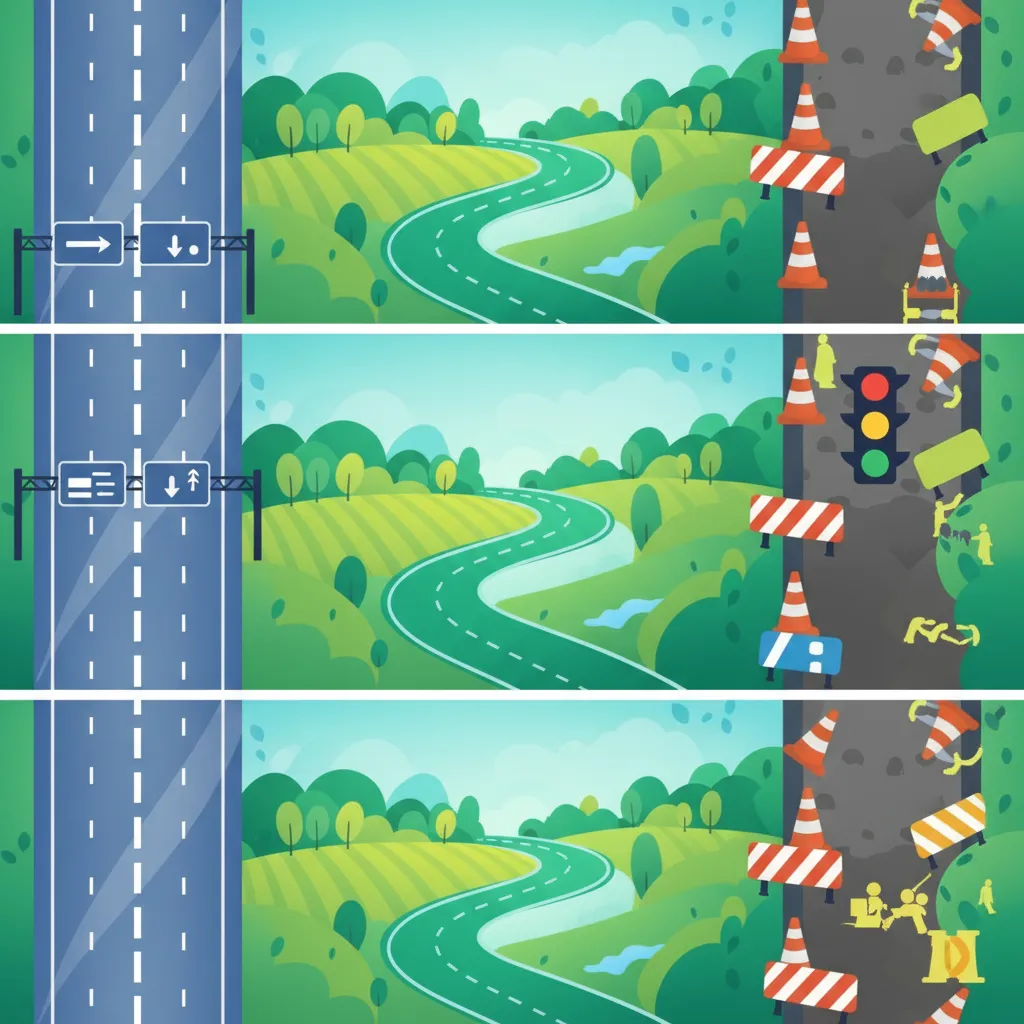
This lesson covers the specific challenges of driving on motorways, rural roads, and navigating roadworks. Learners will review lane discipline on high-speed roads and identify hazards common to rural roads, such as sharp bends and wildlife. It also explains the importance of adjusting speed and following temporary signage in construction zones.
This lesson focuses on the legal duties and responsibilities that an AM vehicle operator must uphold on Belgian roads. It covers critical rules such as adhering to speed limits, correctly applying right-of-way principles, and following regulations for overtaking other vehicles. The lesson also explains the system of fines and penalty points for traffic violations, emphasizing the legal consequences of non-compliance to foster responsible driving habits.
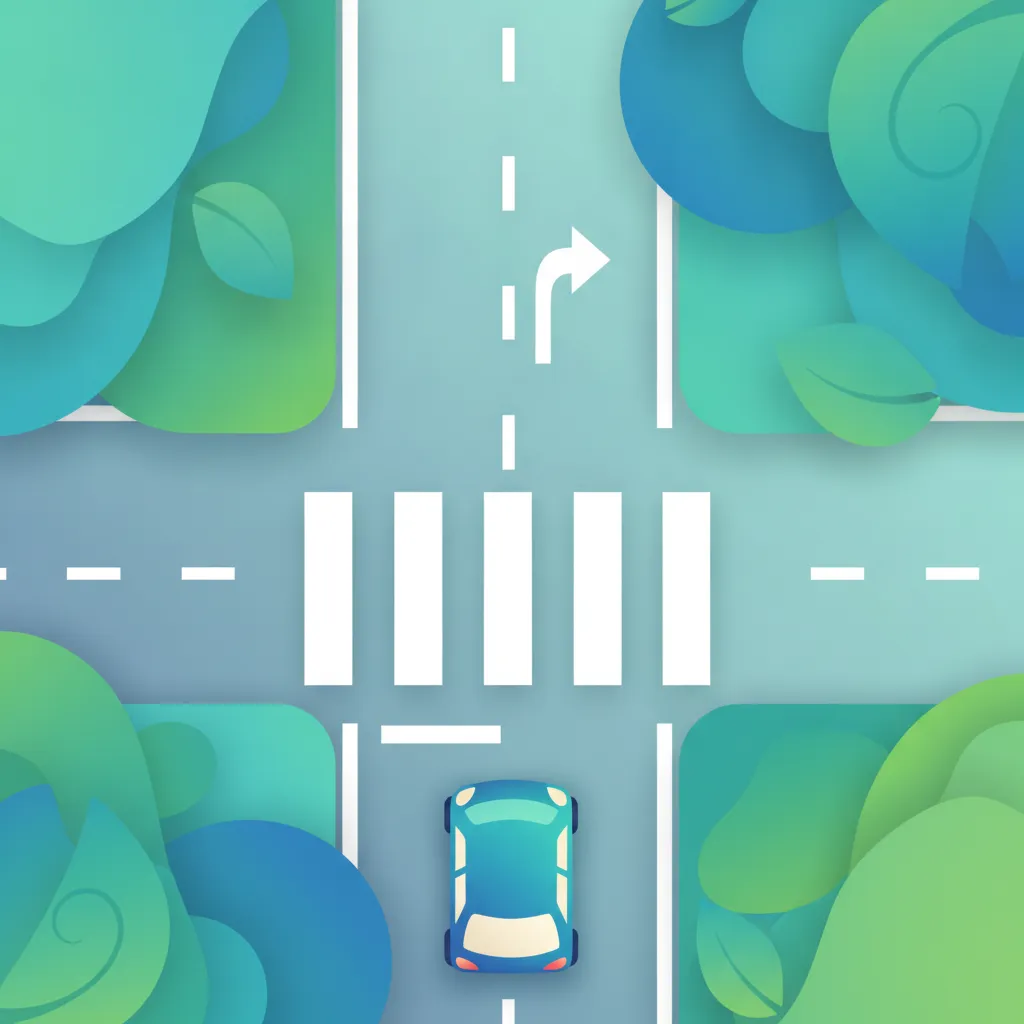
This lesson introduces the various types of road surface markings and their specific legal meanings in Belgium. Topics include the rules for solid and broken lines, double lines, and special markings for pedestrian zones, bus lanes, and tramways. Understanding these markings is essential for maintaining correct lane discipline and executing safe overtaking maneuvers.
This lesson details the spectrum of obligations that apply to drivers, from basic compliance with traffic signs to responsibilities like vehicle upkeep and accident reporting. Learners will understand the importance of maintaining a vehicle in a roadworthy condition. It also covers the legal expectations for safe driving practices, including the use of safety equipment.
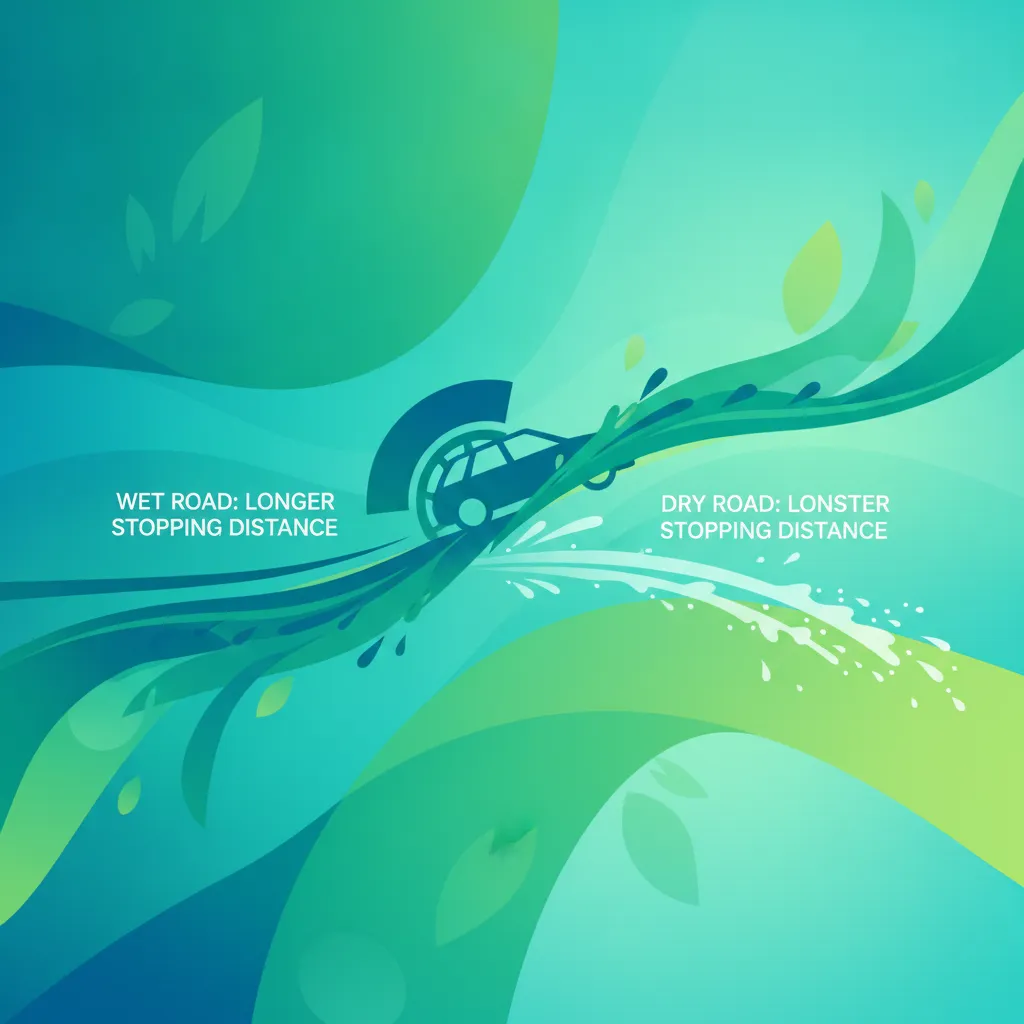
This lesson covers the principles of effective braking, distinguishing between controlled, progressive braking and emergency braking techniques. It breaks down the total stopping distance into reaction distance and braking distance, explaining how speed and road surface conditions dramatically affect the latter. Learners will understand how to use both front and rear brakes correctly to stop quickly and safely without losing control.
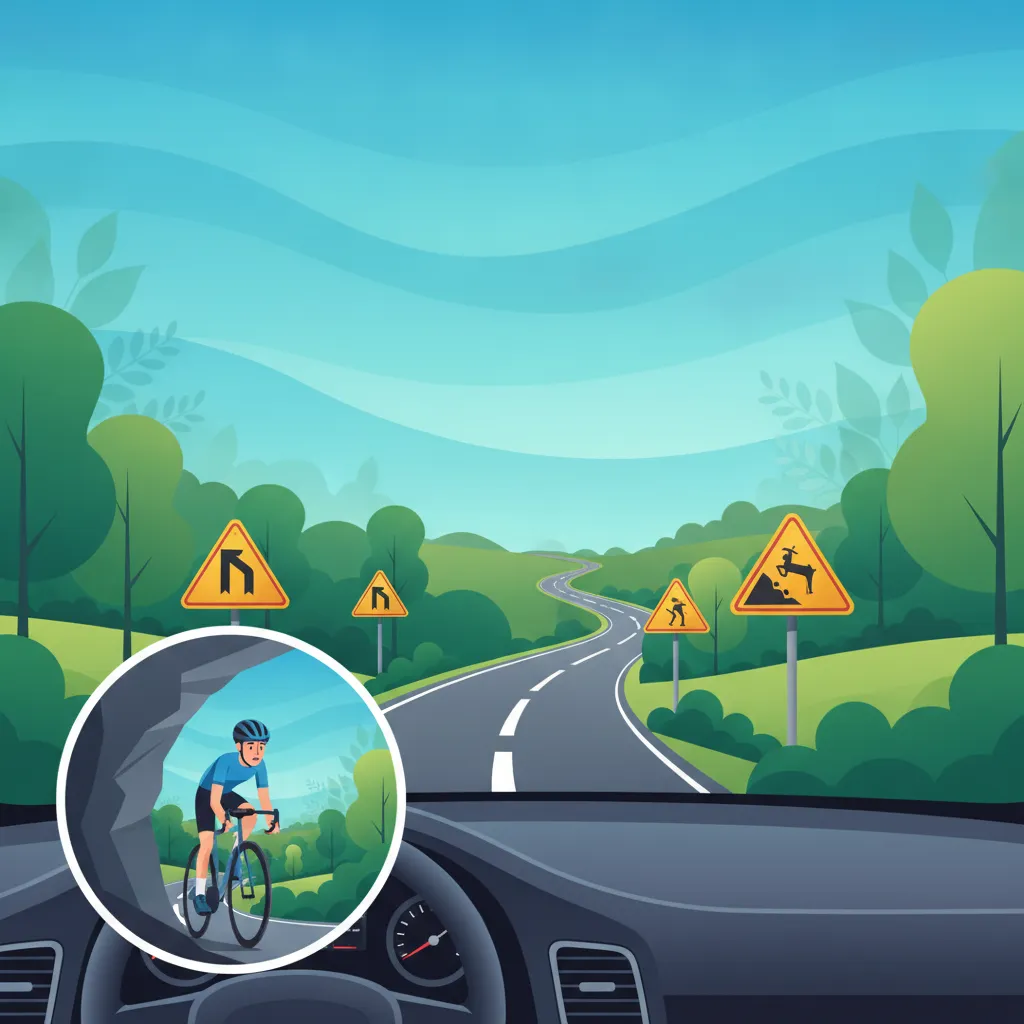
This lesson is dedicated to warning signs, which are designed to alert drivers to potential dangers ahead. It covers the interpretation of signs indicating sharp curves, steep gradients, slippery surfaces, and the presence of pedestrians or animals. By understanding these warnings, riders can anticipate potential hazards and adjust their speed and position proactively for safer travel.
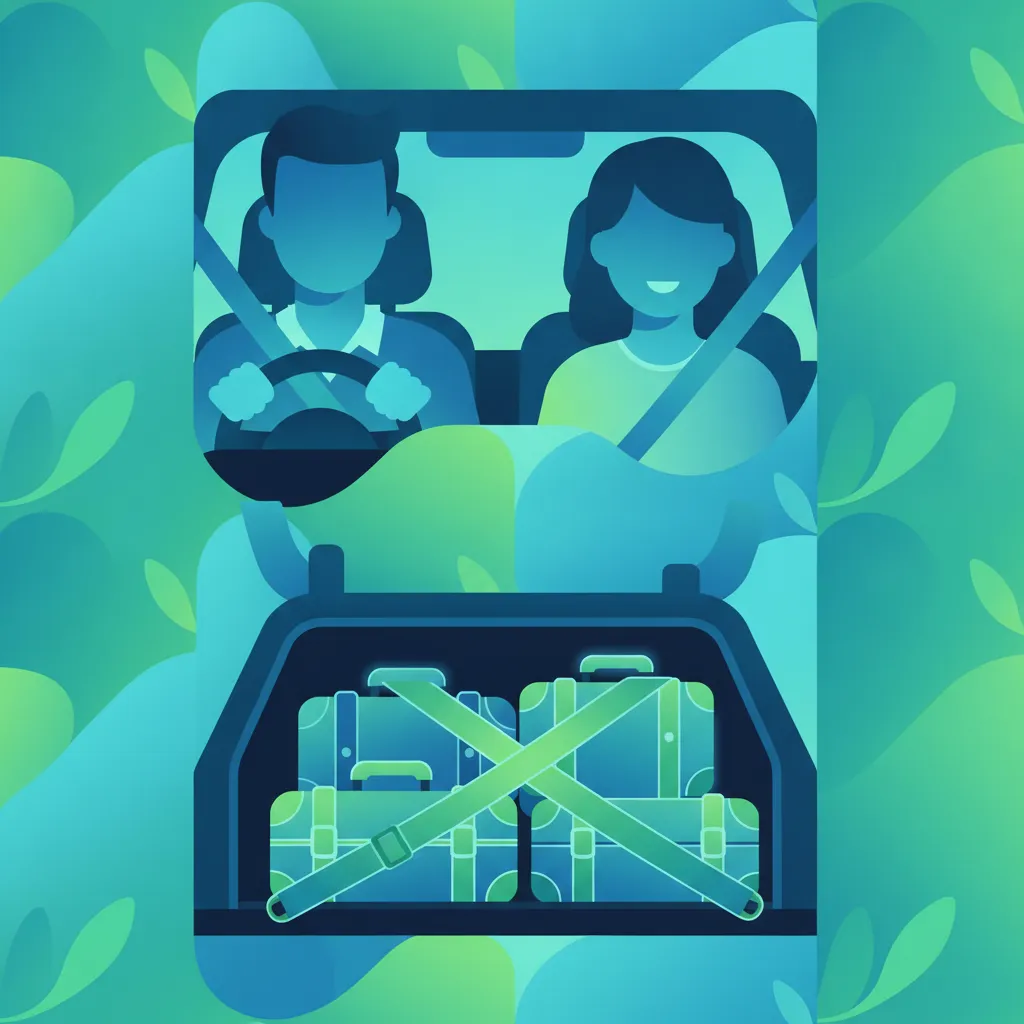
This lesson focuses on safely securing loads and ensuring passenger safety inside the vehicle. Learners will understand how to properly secure cargo to prevent it from shifting, and how to correctly use seatbelts and appropriate child restraint systems. The lesson also covers the impact of load and passenger weight on vehicle handling and stability.
Learn the essential Belgian driving theory rules for Category AM regarding correct tire pressure. Understand how proper inflation ensures optimal tire grip, enhances vehicle stability, and prevents skidding.
This lesson provides crucial advice for riding in rainy conditions, a frequent occurrence in Belgium. It explains how water on the road surface dramatically reduces tire grip, extends stopping distances, and creates a risk of hydroplaning. Riders will learn how to adjust their speed, increase following distances, and manage reduced visibility from rain and road spray to maintain safety.
This lesson focuses on the legal duties and responsibilities that an AM vehicle operator must uphold on Belgian roads. It covers critical rules such as adhering to speed limits, correctly applying right-of-way principles, and following regulations for overtaking other vehicles. The lesson also explains the system of fines and penalty points for traffic violations, emphasizing the legal consequences of non-compliance to foster responsible driving habits.

This lesson provides a clear definition of the Category AM license as specified by Belgian law. It details the specific types of vehicles covered, such as mopeds, light quadricycles, and speed pedelecs, outlining their legal limits on engine capacity and maximum speed. Learners will understand the permissions granted by an AM license and the specific context of their participation in public traffic as motor vehicle operators.

This lesson focuses on the specific challenges of riding in adverse conditions such as rain, fog, and darkness, which severely reduce visibility. It provides practical strategies for riders to increase their own conspicuity through the use of lights and reflective gear. The content also explains how to adapt riding behavior, such as reducing speed and increasing following distance, to safely manage these high-risk situations.
This lesson focuses on the critical skill of managing traction by understanding how tyres interact with different road surfaces. It teaches you to identify and react to low-grip surfaces such as wet roads, gravel, painted markings, and manhole covers. You will learn how to adjust your speed, braking, and cornering to prevent loss of traction and maintain control.
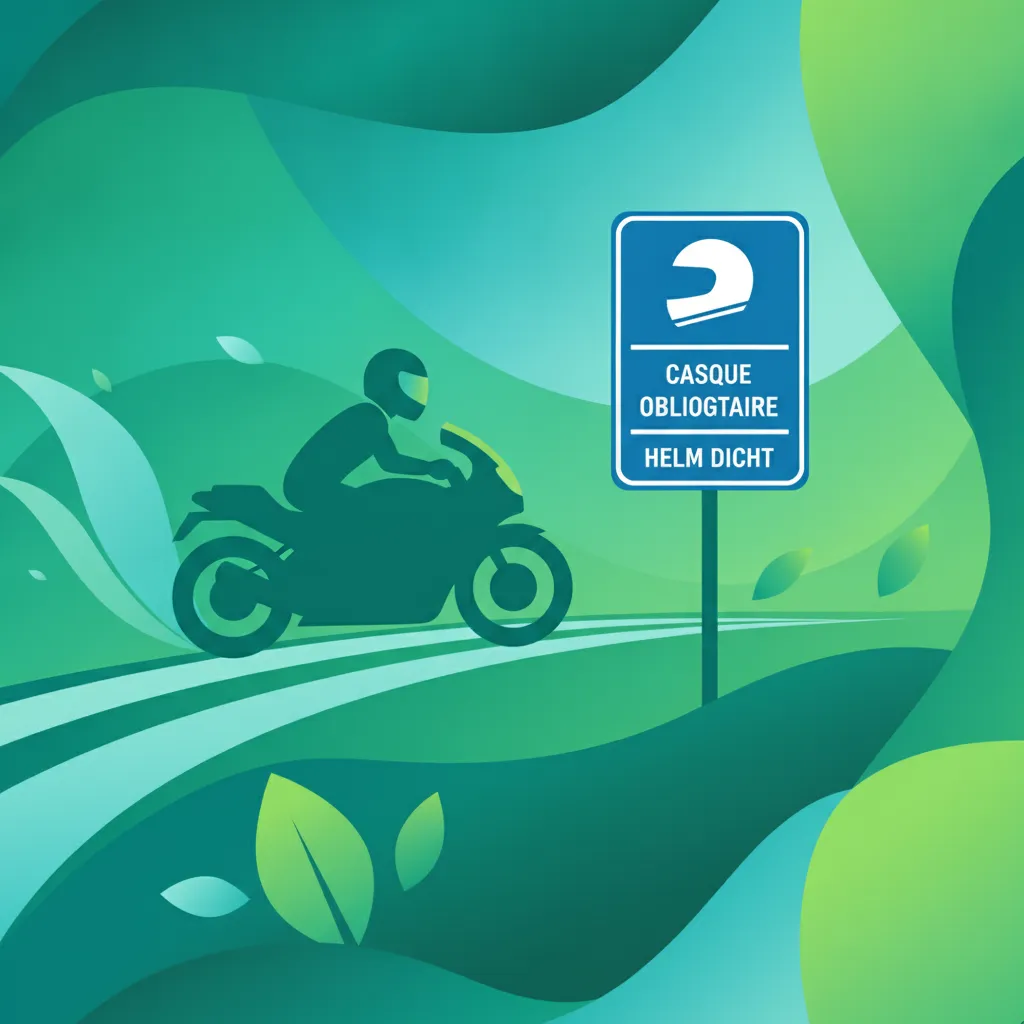
This lesson covers the absolute legal requirement for all Category AM vehicle operators in Belgium to wear a safety helmet. It explains the specific safety standards and certifications that helmets must meet to be legally compliant. Learners will be taught how to select the correct size, achieve a secure fit, and conduct regular inspections to ensure the helmet's protective integrity is maintained.

This lesson provides a comprehensive overview of the mandatory lighting systems for all Category AM vehicles under Belgian law. It details the required functions of headlamps, rear lights, brake lights, and turn signals, explaining their importance for communication and visibility. Learners will understand the legal standards for this equipment and how to perform simple pre-ride checks to ensure all lights are functioning correctly.

This lesson focuses on two key handling skills: maneuvering at low speeds and navigating corners safely. It provides techniques for maintaining balance and making smooth steering inputs in tight spaces. For cornering, it explains the principles of selecting an appropriate speed, choosing a safe line through the bend, and using body lean to maintain stability.
This lesson covers the principles of effective braking, distinguishing between controlled, progressive braking and emergency braking techniques. It breaks down the total stopping distance into reaction distance and braking distance, explaining how speed and road surface conditions dramatically affect the latter. Learners will understand how to use both front and rear brakes correctly to stop quickly and safely without losing control.
This lesson teaches the importance of smooth control over the vehicle's speed. It covers how to apply the throttle for gentle acceleration and how to decelerate smoothly using both the brakes and engine braking. The content encourages riders to look ahead and anticipate changes in traffic flow, allowing for gradual speed adjustments that enhance safety, comfort, and control.
Find clear answers to common questions learners have about Grip, Road Surface and Vehicle Stability. Learn how the lesson is structured, which driving theory objectives it supports, and how it fits into the overall learning path of units and curriculum progression in Belgium. These explanations help you understand key concepts, lesson flow, and exam focused study goals.
Correct tire pressure is essential because it determines the size of the contact patch between your tires and the road. If the pressure is too low or too high, your grip is significantly reduced, which can cause instability during cornering or emergency braking.
Different surfaces provide different levels of friction. On wet asphalt, gravel, or painted road markings, your tires have less grip compared to dry, clean asphalt. This means your stopping distance will be significantly longer, so you must leave extra space.
Yes, look for clues like metallic surfaces, oily patches at intersections, or gravel. The theory test often includes visual scenarios where identifying these low-grip surfaces is key to choosing the correct, safer speed.
Ready to focus your Belgian driving theory revision? Utilize our powerful search tool to pinpoint exact topics, road signs, or difficulty levels. Engage with practice questions that directly address your learning needs and solidify your understanding of Belgian traffic laws for your upcoming exam.