
As modern vehicles increasingly feature advanced electronic assistants, learners must understand the role these systems play in safe driving and compliance with Danish traffic legislation. This guide demystifies ADAS, highlights your responsibilities as a driver, and explains the legal protections surrounding your driving data in Denmark.
Article content overview
As vehicle technology evolves, the integration of Artificial Intelligence (AI) into our daily driving routine has become a defining characteristic of modern motoring. In Denmark, where road safety is prioritized through rigorous training and high standards for new drivers, understanding these electronic assistants is no longer optional. These systems, collectively known as Advanced Driver Assistance Systems (ADAS), are designed to enhance safety, reduce human error, and assist you in managing complex traffic situations on Danish motorways and urban roads.
It is critical for every learner driver to grasp that ADAS technology is meant to support, not replace, your responsibility as the driver. While these systems can detect hazards and intervene in split-second scenarios, the ultimate control and legal accountability remain with you. Understanding how these tools function helps you stay compliant with Danish traffic legislation while becoming a more confident and informed driver.
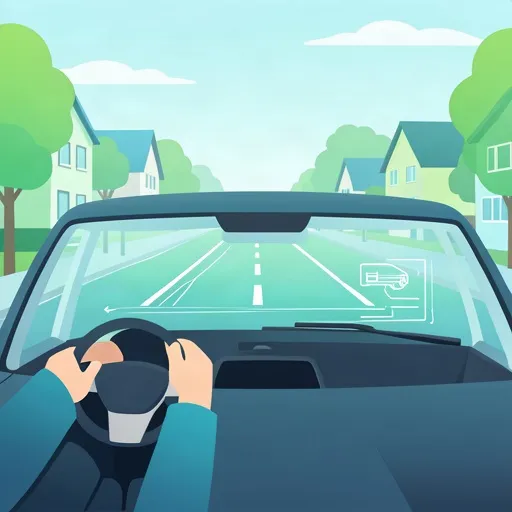
Advanced Driver Assistance Systems refer to a range of electronic sensors, cameras, and software that work together to monitor the vehicle's surroundings. In modern cars, these systems process data in real-time to provide warnings or initiate automatic maneuvers. Common examples found in vehicles across Denmark include lane-keeping assist, adaptive cruise control, and automatic emergency braking systems.
These features use sensors to identify road markings, other vehicles, and pedestrians. When the AI detects a potential collision risk—such as drifting out of a lane without signaling or a sudden reduction in the speed of the vehicle ahead—it may provide an auditory or visual warning. If the situation becomes critical, some systems will intervene by applying the brakes or adjusting the steering to keep the vehicle within its lane.
Electronic systems integrated into a vehicle that use sensors and AI to assist the driver, enhance safety, and automate certain driving tasks to prevent accidents.
The European Union, and by extension Denmark, has introduced strict regulations regarding safety equipment in new vehicles. Among these mandates are Intelligent Speed Assistance (ISA) and driver monitoring systems. ISA systems typically use cameras to recognize speed limit signs and GPS data to alert you if you are exceeding the legal speed limit. This is a direct technological aid to help you follow the speed regulations that are essential for passing your Danish theory test.
Driver monitoring systems are equally important, as they track signs of fatigue or inattention. If the system detects that your eyes are off the road for too long or that your driving behavior—such as weaving within the lane—indicates tiredness, it will prompt you to take a break. In the context of Danish theory education, these features serve as a reminder that safety is a proactive process, not just a reaction to changing conditions.
Even if your car features Intelligent Speed Assistance (ISA) or lane-keeping technology, you are still legally required to observe all physical road signs. If the car's system fails to recognize a temporary speed limit or a road closure, the driver is held responsible for any violations.
With the rise of "connected cars," there is a valid concern regarding the collection of driving data. Modern vehicles can log information about your location, speed, acceleration, and even your driving style. In Denmark, this data is protected by the General Data Protection Regulation (GDPR), which ensures that manufacturers and insurers must obtain your clear, informed consent before collecting or processing personal driving data.
While some insurance companies offer "pay-how-you-drive" policies that can lower premiums for safer drivers, participation in these programs is entirely voluntary in Denmark. You have the right to request access to the data your vehicle collects and, in many cases, request its deletion. It is essential to remain aware of your vehicle's privacy settings and understand what information you are sharing with manufacturers or third parties.
When learning to drive, you might be tempted to rely on these electronic aids; however, the examiner will expect you to demonstrate full control over the vehicle regardless of the tech onboard. For example, when performing a lane change on a motorway, you must still check your blind spots and use your mirrors properly, even if your car is equipped with blind-spot detection sensors. The sensors act as a secondary safety net, but your situational awareness is the primary line of defense.
| Technology Type | Primary Function | Driver Responsibility |
|---|---|---|
| Lane Keeping | Keeps car in lane | Maintain focus and steering control |
| ISA | Warns of speed limits | Follow speed signs and local laws |
| AEB | Emergency braking | Maintain safe following distance |
| Blind Spot Monitor | Alerts of hidden vehicles | Always check mirrors and blind spots manually |
Modern vehicles in Denmark are increasingly equipped with ADAS features such as lane-keeping assist, automatic emergency braking, and Intelligent Speed Assistance that use sensors and AI to enhance road safety. However, these systems support rather than replace driver responsibility, meaning you must always remain attentive, check mirrors manually, and observe physical road signs regardless of what the technology indicates. EU regulations mandate these safety systems in new vehicles, while GDPR protects your personal driving data and requires consent for collection by manufacturers or insurers. Understanding ADAS limitations is essential for passing the Danish theory test and becoming a safe, legally compliant driver.
A short set of high-value points that capture the most important ideas from this article.
ADAS technology is designed to assist and enhance safety, not to replace the driver's legal responsibility or control
Even when your vehicle is equipped with Intelligent Speed Assistance, you must still observe all physical road signs
Driver monitoring systems detect fatigue and inattention, but the driver remains accountable for safe driving behavior
GDPR gives you rights over your vehicle's driving data, including the right to access and request deletion
Electronic safety aids such as blind-spot detection serve as a secondary safety net, not a substitute for manual checks
If ADAS fails to recognize a temporary speed limit or road closure, the driver is legally responsible for any violations
Lane Keeping Assist, AEB, ISA, and Blind Spot Monitor each have distinct primary functions
Data collection by manufacturers or insurers requires your explicit informed consent under Danish law
Pay-how-you-drive insurance policies are voluntary in Denmark and cannot be imposed without agreement
You have the right to review and request deletion of the data your connected vehicle collects about you
Assuming that because a car has lane-keeping or AEB, the driver no longer needs to actively steer or brake
Relying solely on ISA alerts without independently checking speed limit signs on the road
Believing that blind-spot monitoring replaces the need to physically check mirrors and blind spots
Not understanding that driver monitoring systems track behavior and can be used by insurers if consent is given
Forgetting that ADAS sensors can fail to detect temporary changes like road works or weather-related signage
Article content overview
A short set of high-value points that capture the most important ideas from this article.
ADAS technology is designed to assist and enhance safety, not to replace the driver's legal responsibility or control
Even when your vehicle is equipped with Intelligent Speed Assistance, you must still observe all physical road signs
Driver monitoring systems detect fatigue and inattention, but the driver remains accountable for safe driving behavior
GDPR gives you rights over your vehicle's driving data, including the right to access and request deletion
Electronic safety aids such as blind-spot detection serve as a secondary safety net, not a substitute for manual checks
If ADAS fails to recognize a temporary speed limit or road closure, the driver is legally responsible for any violations
Lane Keeping Assist, AEB, ISA, and Blind Spot Monitor each have distinct primary functions
Data collection by manufacturers or insurers requires your explicit informed consent under Danish law
Pay-how-you-drive insurance policies are voluntary in Denmark and cannot be imposed without agreement
You have the right to review and request deletion of the data your connected vehicle collects about you
Assuming that because a car has lane-keeping or AEB, the driver no longer needs to actively steer or brake
Relying solely on ISA alerts without independently checking speed limit signs on the road
Believing that blind-spot monitoring replaces the need to physically check mirrors and blind spots
Not understanding that driver monitoring systems track behavior and can be used by insurers if consent is given
Forgetting that ADAS sensors can fail to detect temporary changes like road works or weather-related signage
Explore related topics, search based questions, and concepts that learners often look up when studying Modern Cars: ADAS and Safety. These themes reflect real search intent and help you understand how this topic connects to wider driving theory knowledge in Denmark.
Find clear and practical answers to common questions learners often have about Modern Cars: ADAS and Safety. This section helps explain difficult points, remove confusion, and reinforce the key driving theory concepts that matter for learners in Denmark.
No, these systems are designed to support you, not replace you. As a driver, you are always responsible for monitoring the road and complying with traffic rules, regardless of your car's electronic features.
ADAS stands for Advanced Driver Assistance Systems. These are technologies like automatic emergency braking, lane keeping assist, and adaptive cruise control that use sensors to help prevent accidents and improve driving safety.
Yes, drivers in Denmark are protected by GDPR and other EU regulations regarding data usage. While some cars collect data for safety or insurance purposes, strict consent and storage requirements apply to how that information is handled.
Current systems typically provide warnings rather than reporting you to authorities. While modern vehicles may log speed information, legislation and data protection laws govern how this information can be used, keeping the primary focus on safety.
Continue your learning journey by searching for additional articles or browsing our comprehensive topic categories. Deepen your knowledge of Danish road law, vehicle mechanics, and hazard perception to ensure complete preparation for your official theory exam.