
Traveling to Italy with a car requires a clear understanding of traffic laws that differ significantly from those in Denmark. This guide helps you prepare for local road systems, explains the complexities of ZTL urban access, and outlines specific legal requirements for equipment and driver experience levels to ensure a stress-free journey.
Article content overview
Driving abroad presents a unique set of challenges, especially when moving from the structured, predictable road environment of Denmark to the more dynamic traffic landscape of Italy. For Danish motorists, understanding the local legislative framework is not just about convenience; it is a vital step in avoiding substantial fines and ensuring the safety of all road users. While many traffic conventions in the European Union are harmonized, Italy maintains specific local regulations that can catch even experienced drivers by surprise.
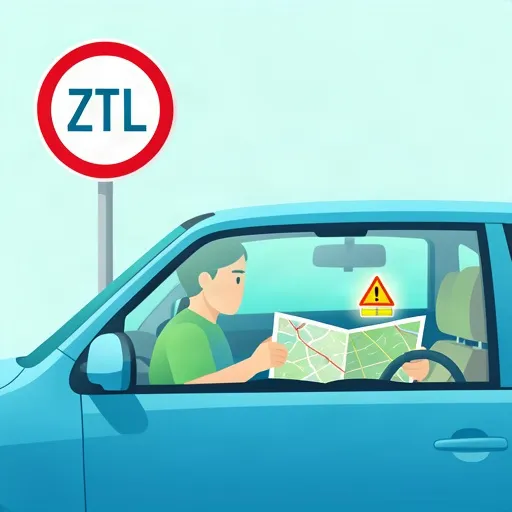
One of the most frequent pitfalls for tourists in Italy is the Zona Traffico Limitato, or ZTL. These are restricted urban zones, typically located in historical city centers, where unauthorized vehicle access is prohibited during specific hours. Unlike typical road signs in Denmark, ZTLs are enforced by camera systems that automatically register license plates.
The primary danger for Danish drivers is that standard GPS navigation often fails to recognize these restrictions, leading drivers directly into areas that trigger heavy automatic fines. If you see a circular sign with a red border, it is a clear indication that access is restricted to authorized local residents or specific vehicle types.
Danish law is quite strict regarding vehicle safety, and Italy shares this focus with a few specific nuances. Under Italian traffic law, you are legally required to carry specific equipment in your vehicle at all times. Failure to have these items in the event of a roadside inspection can result in immediate fines.
Every vehicle must be equipped with a warning triangle and a reflective high-visibility vest for every passenger. Importantly, the law stipulates that the driver must wear the reflective vest before stepping out of the vehicle in the event of a breakdown, especially on motorways or in low-visibility conditions.
In Denmark, we are accustomed to clear speed limits that apply broadly. In Italy, however, there is a distinct legal difference for drivers with less than three years of experience. This regulation mirrors the "new driver" theory taught in Danish driving schools, but with specific Italian speed caps that must be strictly observed.
If you have held your license for fewer than three years, you are subject to lower maximum speeds on motorways and dual carriageways. Furthermore, Italy enforces a zero-tolerance alcohol limit (0.0 BAC) for these inexperienced drivers, which is significantly stricter than the 0.5 limit for experienced drivers.
| Road Type | Experienced Driver Limit | New Driver (< 3 yrs) Limit |
|---|---|---|
| Urban Roads | 50 km/h | 50 km/h |
| Rural Roads | 90 km/h | 90 km/h |
| Dual Carriageway | 110 km/h | 90 km/h |
| Motorway (Autostrada) | 130 km/h | 100 km/h |
Driving on the Italian Autostrada involves navigating a toll system that differs from the Danish infrastructure. Tolls are collected at exits, and it is crucial to use the correct lane at the payment gates. Lanes marked with blue signs accept credit cards, while yellow lanes are reserved for Telepass subscribers.
This guide prepares Danish drivers for the significant regulatory differences they will encounter when driving in Italy, emphasizing the critical importance of recognizing ZTL restricted urban zones that are enforced by cameras and often missed by GPS systems. The article details mandatory safety equipment requirements including the specific rule that drivers must don reflective vests before exiting vehicles during breakdowns, and outlines how speed limits and alcohol limits differ based on driver experience levels. Danish motorists should note the separate toll lane system on Italian motorways, understand the zero-tolerance alcohol policy for inexperienced drivers, and always prioritize local signage over navigation systems to avoid substantial automatic fines.
A short set of high-value points that capture the most important ideas from this article.
ZTL restricted zones use camera enforcement and GPS navigation often fails to recognize them, leading to automatic fines regardless of driver intent
The reflective vest must be put on BEFORE exiting the vehicle during a breakdown, not after
New drivers with less than 3 years of experience face significantly lower speed limits on motorways (100 km/h vs 130 km/h) and dual carriageways (90 km/h vs 110 km/h)
Italy enforces a zero-tolerance alcohol limit (0.0 BAC) for drivers under 3 years experience, stricter than the 0.5 limit for experienced drivers
Toll booth lanes are clearly marked: blue signs for credit card payments and yellow for Telepass electronic subscribers
A circular sign with a red border indicates the start of a ZTL restricted zone - unauthorized entry triggers automatic camera-based fines
All vehicles must carry a warning triangle and a reflective high-visibility vest for every passenger at all times
Speed limits vary by driver experience level on autostrada and dual carriageways but remain the same (50 km/h urban, 90 km/h rural) on other roads
The fine for ZTL entry is processed the moment the vehicle passes the camera, even if entry was unintentional
Telepass is the electronic toll collection system - use blue-marked lanes for cash or card payment at exits
Relying solely on GPS navigation to avoid ZTL zones instead of checking local signage at city entry points
Placing the reflective vest on after exiting the vehicle instead of wearing it before opening the door
Assuming speed limits are the same regardless of driving experience - new drivers have stricter caps on motorways
Confusing the 0.5 BAC limit for experienced drivers with the 0.0 BAC zero-tolerance rule that applies to new drivers
Entering yellow Telepass lanes without an electronic subscription, causing payment delays and traffic obstruction
Article content overview
A short set of high-value points that capture the most important ideas from this article.
ZTL restricted zones use camera enforcement and GPS navigation often fails to recognize them, leading to automatic fines regardless of driver intent
The reflective vest must be put on BEFORE exiting the vehicle during a breakdown, not after
New drivers with less than 3 years of experience face significantly lower speed limits on motorways (100 km/h vs 130 km/h) and dual carriageways (90 km/h vs 110 km/h)
Italy enforces a zero-tolerance alcohol limit (0.0 BAC) for drivers under 3 years experience, stricter than the 0.5 limit for experienced drivers
Toll booth lanes are clearly marked: blue signs for credit card payments and yellow for Telepass electronic subscribers
A circular sign with a red border indicates the start of a ZTL restricted zone - unauthorized entry triggers automatic camera-based fines
All vehicles must carry a warning triangle and a reflective high-visibility vest for every passenger at all times
Speed limits vary by driver experience level on autostrada and dual carriageways but remain the same (50 km/h urban, 90 km/h rural) on other roads
The fine for ZTL entry is processed the moment the vehicle passes the camera, even if entry was unintentional
Telepass is the electronic toll collection system - use blue-marked lanes for cash or card payment at exits
Relying solely on GPS navigation to avoid ZTL zones instead of checking local signage at city entry points
Placing the reflective vest on after exiting the vehicle instead of wearing it before opening the door
Assuming speed limits are the same regardless of driving experience - new drivers have stricter caps on motorways
Confusing the 0.5 BAC limit for experienced drivers with the 0.0 BAC zero-tolerance rule that applies to new drivers
Entering yellow Telepass lanes without an electronic subscription, causing payment delays and traffic obstruction
Explore related topics, search based questions, and concepts that learners often look up when studying Driving in Italy Guide. These themes reflect real search intent and help you understand how this topic connects to wider driving theory knowledge in Denmark.
Find clear and practical answers to common questions learners often have about Driving in Italy Guide. This section helps explain difficult points, remove confusion, and reinforce the key driving theory concepts that matter for learners in Denmark.
A ZTL (Zona Traffico Limitato) is a restricted traffic zone found in many Italian cities where non-resident vehicles are prohibited from entering during specific hours. Entering these zones without authorization leads to automatic, hefty fines sent to the vehicle owner.
Yes, drivers with less than 3 years of experience in Italy are subject to stricter speed limits on motorways and main roads compared to experienced drivers, and they face a zero-tolerance alcohol limit.
Drivers must carry a high-visibility reflective vest for every occupant, a warning triangle, and it is strongly recommended to have a spare tire and a basic first-aid kit.
In Italy, white lines indicate free parking, blue lines indicate paid parking, and yellow lines indicate parking reserved for residents or specific categories of vehicles.
Continue your learning journey by searching for additional articles or browsing our comprehensive topic categories. Deepen your knowledge of Danish road law, vehicle mechanics, and hazard perception to ensure complete preparation for your official theory exam.