
This lesson provides a comprehensive look at the construction of large passenger vehicles, including chassis, engine, and essential control systems. It is the first step in mastering the technical knowledge required for D1, D1E, D, and DE licence categories to ensure passenger safety.

Lesson content overview
Operating passenger vehicles professionally, especially within categories D1, D1E, D, and DE in Germany, demands a comprehensive understanding of their underlying construction and the function of essential components. This knowledge is not merely theoretical; it is critical for ensuring passenger safety, maintaining vehicle control, performing effective pre-trip inspections, and adhering to strict German road traffic regulations. This lesson provides a foundational overview, explaining how a vehicle's physical structure and its interconnected systems dictate its dynamics, safety features, handling characteristics, and overall performance on the road.
The structural integrity of any vehicle begins with its core framework. For passenger vehicles, particularly those designed for professional transport, the chassis and bodywork form the crucial base upon which all other systems are built and which directly influences crash safety and handling.
The chassis refers to the fundamental structural framework of the vehicle. It serves as the primary support for all other components, including the engine, drivetrain, suspension, and bodywork, while also providing the necessary rigidity and strength for safe operation. The design of the chassis is paramount to a vehicle's overall crash behavior and handling characteristics.
Common subcategories of chassis construction include:
The chassis determines the vehicle's overall strength and how it behaves in a crash. Any damage to the chassis, such as a bent frame or significant rust, can severely compromise safety and stability. Regular inspections are therefore legally required to ensure its structural integrity.
The bodywork (Karosserie) encompasses the outer shell of the vehicle, including the passenger compartment, doors, roof, and exterior panels. Beyond its aesthetic function, the bodywork plays a critical role in providing protection for occupants, contributing to the vehicle's aerodynamics, and defining its overall weight.
In modern vehicles, especially unibody designs, the bodywork is integral to the vehicle's structural strength and often incorporates engineered crumple zones. These zones are designed to deform in a controlled manner during an impact, absorbing kinetic energy and reducing the forces transmitted to the passenger compartment. For professional passenger vehicles, the bodywork must also be robust enough to withstand constant use and provide adequate safety features for all occupants, including secure doors and functional windows.
Any damage to the bodywork, especially if it affects structural areas, visibility (e.g., cracked windows), or the proper function of doors, can be a safety concern. Regulations stipulate that bodywork must not have protruding parts that could cause danger to pedestrians or other road users.
The ability to move is fundamental to any vehicle. This section delves into the components responsible for generating and transmitting power to the wheels, forming the core of the vehicle's propulsion system.
The engine is the power unit that converts fuel into mechanical energy to propel the vehicle. Its type and specifications fundamentally determine the vehicle's power output, acceleration capabilities, fuel consumption, and emission levels.
Main categories of engines used in passenger vehicles include:
Professional drivers must be attentive to warning lights and unusual engine noises, as these can indicate potential issues that could impact performance, emissions compliance (e.g., Euro 6 standards), or even lead to a breakdown. Regular maintenance, including oil changes and filter replacements, is crucial for engine longevity and efficiency.
The drivetrain (power transmission system) is the entire system of components that transmits mechanical power from the engine to the driving wheels. This system significantly influences a vehicle's handling dynamics, traction, and fuel efficiency.
Common drivetrain configurations include:
Understanding the drivetrain configuration is important for anticipating how the vehicle will react, especially during acceleration or cornering, and how weight distribution affects traction. For example, a heavily loaded front-wheel-drive bus might experience more noticeable "pull" during hard acceleration.
The transmission (gearbox) is a mechanical system that allows the driver to select and change gear ratios. This is crucial for enabling the engine to operate within its optimal revolutions per minute (RPM) range across various vehicle speeds and load conditions, thereby maximizing performance and fuel efficiency.
Types of transmissions include:
Proper transmission operation is key to vehicle longevity and efficient fuel use. Smooth gear changes, whether manual or automatic, prevent excessive wear on components and contribute to passenger comfort. Avoiding practices like "riding the clutch" in manual vehicles or aggressive shifting is essential.
These systems are perhaps the most vital for active safety, directly enabling the driver to control the vehicle's speed and direction, thereby preventing collisions and navigating safely.
The braking system is designed to convert the vehicle's kinetic energy (energy of motion) into thermal energy (heat) to slow down or stop the vehicle. Its efficiency and reliability are paramount for road safety.
Key components and types of braking systems:
Brakes must be inspected regularly for wear (pads, discs, drums), leaks (hydraulic or air lines), and damage. Ignoring warning signs, such as a spongy pedal, pulling to one side, or squealing noises, can lead to dangerous situations. ABS functionality is crucial, and professional drivers must understand how it operates and affects braking distances.
The steering system is the mechanism that translates the driver's input from the steering wheel into a change in the direction of the vehicle's wheels. A precise and responsive steering system is fundamental for vehicle handling, maneuverability, and minimizing driver effort and fatigue.
Types of steering systems:
The steering system must be free of excessive play (Spiel), wear, or damage. Any unusual effort required to steer, strange noises when turning, or a wobbly steering wheel indicates potential issues that require immediate attention. Driving with a faulty steering system compromises control and can lead to dangerous situations, especially at speed or when maneuvering heavy vehicles.
These components work in concert to support the vehicle's weight, absorb road irregularities, maintain contact with the road surface, and ultimately transmit forces for propulsion, braking, and steering.
Tires are the rubber components that provide the sole contact point between the vehicle and the road surface, making them critical for traction, braking, handling, and fuel efficiency. The wheels support the tires and connect them to the vehicle's axles.
Important considerations for tires:
Regular inspection of tires for correct pressure, adequate tread depth, and any signs of damage (cuts, bulges, uneven wear) is a fundamental daily safety check. Mismatched tire sizes or types on the same axle are generally prohibited.
The suspension system comprises springs, shock absorbers (dampers), and various linkages that connect the wheels to the chassis. Its primary functions are to absorb road irregularities, maintain consistent tire contact with the road surface, and contribute to ride comfort and vehicle handling.
Types of suspension systems:
A functional suspension system is crucial for safety. It ensures that the tires maintain consistent contact with the road, which is vital for braking, steering, and acceleration. Ignoring signs of suspension wear, such as excessive bouncing, a harsh ride, or vehicle instability during turns, can compromise control and accelerate tire wear.
Beyond the core structural and propulsion elements, a vehicle relies on a multitude of auxiliary systems that ensure its safe, legal, and efficient operation.
The lighting and signaling systems are essential for both the driver's visibility of the road and the vehicle's visibility to other road users, as well as for communicating the driver's intentions.
Key lights and their uses:
All lighting and signaling devices must be fully functional and clean. Correct usage is legally mandated and critical for preventing accidents, especially in challenging visibility conditions.
The exhaust system directs combustion gases away from the engine, out from under the vehicle, and is equipped to reduce harmful pollutants and noise.
Key components:
A properly functioning exhaust system is vital for environmental compliance (meeting Euro standards) and preventing excessive noise. Any unusual exhaust noises, visible smoke, or the smell of exhaust fumes inside the cabin can indicate a fault requiring immediate attention. Damage to these components can result in increased emissions, poor engine performance, and potential legal penalties.
The fuel system stores the fuel and delivers it cleanly and efficiently to the engine's combustion chambers.
Essential components:
Proper fuel delivery is crucial for engine performance, fuel efficiency, and emissions control. Regular maintenance, such as replacing the fuel filter, is necessary. Fuel leaks are extremely dangerous and must be repaired immediately.
The cooling system prevents the engine from overheating by maintaining its operating temperature within an optimal range.
Main components:
An overheating engine can lead to severe damage. Professional drivers must regularly check the coolant level and condition, and immediately address any signs of rising temperature on the gauge or warning lights. Overheating is particularly critical for engines operating under heavy loads, such as a bus climbing a steep incline.
The electrical system provides the power necessary for starting the engine, operating all lighting, and powering various electronic devices and auxiliary systems.
Core components:
A functional electrical system is fundamental for vehicle operation. Ignoring signs of a weak battery (slow cranking) or charging system issues (alternator warning light) can lead to starting problems or complete system failure. This is especially problematic in professional transport where reliability is paramount.
Modern vehicles, including passenger buses, incorporate numerous safety features designed to protect occupants in a collision and assist the driver in maintaining control.
Professional drivers must ensure all safety features are operational and used correctly. For instance, confirming all passengers wear their seat belts, if provided, is a crucial duty of care.
Compliance with specific German and EU regulations is non-negotiable for professional drivers. These rules ensure that vehicles meet minimum safety, environmental, and operational standards.
All passenger vehicles registered for public road use in Germany must undergo periodic technical inspections, known as Hauptuntersuchung (HU) and Abgasuntersuchung (AU). These inspections, often performed by organizations like TÜV or DEKRA, verify the vehicle's roadworthiness by checking critical safety components (brakes, lights, steering, tires, suspension, chassis) and emission levels.
Tires are subject to strict regulations due to their direct impact on safety.
Proper use of vehicle lighting is fundamental for visibility and communication.
The braking system is arguably the most critical safety system and is subject to rigorous inspection.
Precise steering is vital for control and maneuverability.
For professional passenger transport, load and weight distribution are particularly critical.
Environmental regulations are strict in Germany and across the EU.
These passive safety features are designed to minimize injury in the event of a collision.
Ignoring minor issues can quickly escalate into major safety hazards or expensive repairs. Professional drivers must be proactive in identifying and addressing potential problems.
The performance and safe operation of a passenger vehicle are not static; they are highly dependent on prevailing conditions. Professional drivers must dynamically adjust their driving strategy based on these factors.
Vehicle systems are deeply interconnected. An issue in one area can have ripple effects throughout the vehicle's operation. Understanding these cause-and-effect relationships is crucial for problem-solving and proactive maintenance.
This lesson has provided a comprehensive overview of the fundamental construction and essential components of passenger vehicles, critical for professional drivers in Germany. You should now:
This foundational knowledge is crucial for safe and responsible professional passenger transport, preparing you for more detailed topics on specific vehicle dynamics, controls, and maintenance routines.
This lesson covers the essential construction and components of passenger vehicles for professional drivers in Germany. Learners gain understanding of structural frameworks (ladder frame, unibody, space frame), power systems (engine types, drivetrain configurations, transmission options), and critical control systems (braking with ABS/EBS, steering with power assistance). The lesson addresses supporting components including tires (tread depth, pressure, load index), suspension (independent, dependent, air), lighting, exhaust, cooling, and electrical systems. German regulations are emphasized, including mandatory TÜV/DEKRA inspections, tire tread and pressure requirements, lighting usage rules, braking and steering maintenance standards, load distribution compliance, and emissions requirements (Euro 6). Common issues such as underinflated tires, neglected brake maintenance, improper lighting use, overloading, and inadequate seasonal tire selection are highlighted to prepare candidates for safe professional operation and theory examination success.
A short set of high-value points that capture the most important learning from this lesson.
Ladder frame chassis offers high torsional rigidity for heavy loads, while unibody construction integrates bodywork and frame for lighter weight with crumple zones.
Air brakes are predominant in heavy passenger vehicles, using compressed air to provide powerful and consistent braking for large masses.
Anti-lock Braking System (ABS) prevents wheel lockup during hard braking, allowing the driver to maintain steering control on slippery surfaces.
The suspension system ensures consistent tire-road contact for braking, steering, and acceleration, with air suspension offering height adjustment for passenger boarding.
Professional drivers must understand how vehicle systems interconnect—proper maintenance leads to reliable performance, shorter stopping distances, and predictable handling.
Explore all units and lessons included in this driving theory course.
Minimum tread depth in Germany is 1.6 mm, though buses should maintain at least 4 mm for winter tires, and tires must match the vehicle's load index and speed rating requirements.
Dipped beam (Abblendlicht) is mandatory from sunset to sunrise and whenever visibility is reduced; switch to dipped beam when approaching other vehicles within approximately 200 metres.
Hauptuntersuchung (HU) and Abgasuntersuchung (AU) inspections by TÜV or DEKRA are legally mandatory for all registered passenger vehicles in Germany.
Gross Vehicle Weight (GVW) limits must never be exceeded, and weight must be evenly distributed to prevent dangerous oversteer or understeer during cornering.
Electronic Stability Control (ESC/ESP) automatically corrects skidding by selectively applying brakes and reducing engine power to individual wheels.
Operating a vehicle with low tire pressure increases blowout risk, reduces fuel efficiency, and negatively impacts handling and braking performance.
Ignoring brake warning lights for low fluid, worn pads, or ABS malfunction risks complete brake failure and is especially dangerous in heavy vehicles.
Using inappropriate tire types for weather conditions—summer tires on ice severely reduce traction, while winter tires on hot dry roads wear faster and compromise handling.
Incorrect fog light usage, such as using rear fog lights when visibility is above 50 metres, dazzles following drivers and is illegal.
Neglecting regular engine oil changes leads to increased wear, reduced lubrication, overheating, and potentially catastrophic engine failure.
Lesson content overview
A short set of high-value points that capture the most important learning from this lesson.
Ladder frame chassis offers high torsional rigidity for heavy loads, while unibody construction integrates bodywork and frame for lighter weight with crumple zones.
Air brakes are predominant in heavy passenger vehicles, using compressed air to provide powerful and consistent braking for large masses.
Anti-lock Braking System (ABS) prevents wheel lockup during hard braking, allowing the driver to maintain steering control on slippery surfaces.
The suspension system ensures consistent tire-road contact for braking, steering, and acceleration, with air suspension offering height adjustment for passenger boarding.
Professional drivers must understand how vehicle systems interconnect—proper maintenance leads to reliable performance, shorter stopping distances, and predictable handling.
Explore all units and lessons included in this driving theory course.
Minimum tread depth in Germany is 1.6 mm, though buses should maintain at least 4 mm for winter tires, and tires must match the vehicle's load index and speed rating requirements.
Dipped beam (Abblendlicht) is mandatory from sunset to sunrise and whenever visibility is reduced; switch to dipped beam when approaching other vehicles within approximately 200 metres.
Hauptuntersuchung (HU) and Abgasuntersuchung (AU) inspections by TÜV or DEKRA are legally mandatory for all registered passenger vehicles in Germany.
Gross Vehicle Weight (GVW) limits must never be exceeded, and weight must be evenly distributed to prevent dangerous oversteer or understeer during cornering.
Electronic Stability Control (ESC/ESP) automatically corrects skidding by selectively applying brakes and reducing engine power to individual wheels.
Operating a vehicle with low tire pressure increases blowout risk, reduces fuel efficiency, and negatively impacts handling and braking performance.
Ignoring brake warning lights for low fluid, worn pads, or ABS malfunction risks complete brake failure and is especially dangerous in heavy vehicles.
Using inappropriate tire types for weather conditions—summer tires on ice severely reduce traction, while winter tires on hot dry roads wear faster and compromise handling.
Incorrect fog light usage, such as using rear fog lights when visibility is above 50 metres, dazzles following drivers and is illegal.
Neglecting regular engine oil changes leads to increased wear, reduced lubrication, overheating, and potentially catastrophic engine failure.
Explore search topics learners often look for when studying Vehicle Construction and Essential Components. These topics reflect common questions about road rules, driving situations, safety guidance, and lesson level theory preparation for learners in Germany.
Browse additional driving theory lessons that cover connected traffic rules, road signs, and common driving situations related to this topic. Improve your understanding of how different rules interact across everyday traffic scenarios.
Explore the critical relationship between passenger vehicle construction, dimensions, and weight distribution and their impact on handling. Understand how chassis, engine, and braking systems influence stability and performance on the road, as relevant for the German theory test.

This lesson examines the direct impact of a passenger vehicle's dimensions on its operation. It explains key concepts such as turning radius, swept path, and rear overhang, which are crucial for safe maneuvering in confined areas. Learners will understand how to account for these characteristics when positioning the vehicle in a lane, making turns, and navigating challenging urban environments to avoid collisions.

This lesson covers the dimensional limits for heavy vehicles, focusing on height, width, and length restrictions. It explains how to interpret clearance signage for bridges, tunnels, and overhead obstacles, and discusses the implications for route planning. The content also addresses the importance of understanding turning radii and swept paths to avoid collisions.

This lesson focuses on the critical relationship between load distribution, the center of gravity, and vehicle stability. It explains how the placement of passengers and luggage can raise the center of gravity, increasing the risk of rollover during turns or sudden maneuvers. Learners will understand how to manage loading within legal weight limits to maintain optimal handling, braking performance, and overall safety.

This lesson introduces the concept of defensive driving ('vorausschauendes Fahren'), a proactive approach focused on anticipating and mitigating potential risks. It teaches techniques for scanning the road ahead, identifying potential hazards early, and managing the space around your vehicle to create a safety buffer. The goal is to develop a mindset that prioritizes safety and collision avoidance above all else.

This lesson explores the critical role of visibility in safe driving, covering topics such as sight distance, managing blind spots, and the correct use of mirrors. It provides guidance on how to adjust your driving in conditions of reduced visibility, such as at night, in fog, or during heavy rain, including the proper use of headlights. The importance of the over-the-shoulder check ('Schulterblick') is also a key focus.

This lesson serves as an introduction to the driver's interface with the car. It explains the function of the primary controls—steering wheel, accelerator, brake, and clutch—and the gear selector. You will also learn to identify and understand the various symbols and gauges on the dashboard, including the speedometer, fuel gauge, and critical warning lights.

This lesson covers the principles of correct vehicle positioning and lane discipline, which are essential for predictable and safe driving. It reinforces the 'Rechtsfahrgebot' (drive on the right) principle and explains how to choose the appropriate lane on multi-lane roads and motorways. Proper positioning for turns and maintaining a safe space cushion around the vehicle are also key topics.

This lesson explores how different weather conditions impact driving safety and vehicle performance. It discusses the risks of hydroplaning in heavy rain, reduced visibility in fog, and loss of traction on snow and ice. Drivers will learn how to adapt their speed, increase following distances, and make smooth control inputs to maintain vehicle stability and prevent skids in these challenging conditions.

This lesson explains the specific regulations for operating heavy vehicles on Autobahnen, including speed limits, lane discipline, and overtaking rules. It discusses the use of dedicated truck lanes and the importance of maintaining appropriate following distances. The content also covers procedures for merging and exiting high-speed roads safely.

This lesson provides a complete guide to driving on the German Autobahn. It covers the correct procedure for entering and exiting via acceleration and deceleration lanes, the strict lane discipline rule of keeping right ('Rechtsfahrgebot'), and the principle of overtaking only on the left. It also explains the recommended speed limit and the critical procedure for forming an emergency corridor ('Rettungsgasse') in a traffic jam.
Gain a thorough understanding of core vehicle systems including steering, braking, and transmission essential for operating passenger vehicles safely. This lesson details their function and importance for roadworthiness and driver responsibility in professional transport.

This lesson delves into the critical control systems of a passenger vehicle: steering, braking, and acceleration. It explains the mechanics of hydraulic and pneumatic brakes and the function of safety aids like ABS and ESP. Learners will understand how to apply smooth acceleration and deceleration techniques to ensure passenger comfort and maintain vehicle stability under various driving conditions.

This lesson teaches the driving techniques required for smooth operation, which is essential for passenger comfort and vehicle stability. It covers progressive application of the accelerator and brakes to avoid jolts and abrupt movements. The principles of anticipatory driving are also explored, showing how looking ahead and planning maneuvers contributes to a smoother ride, better fuel efficiency, and increased safety.
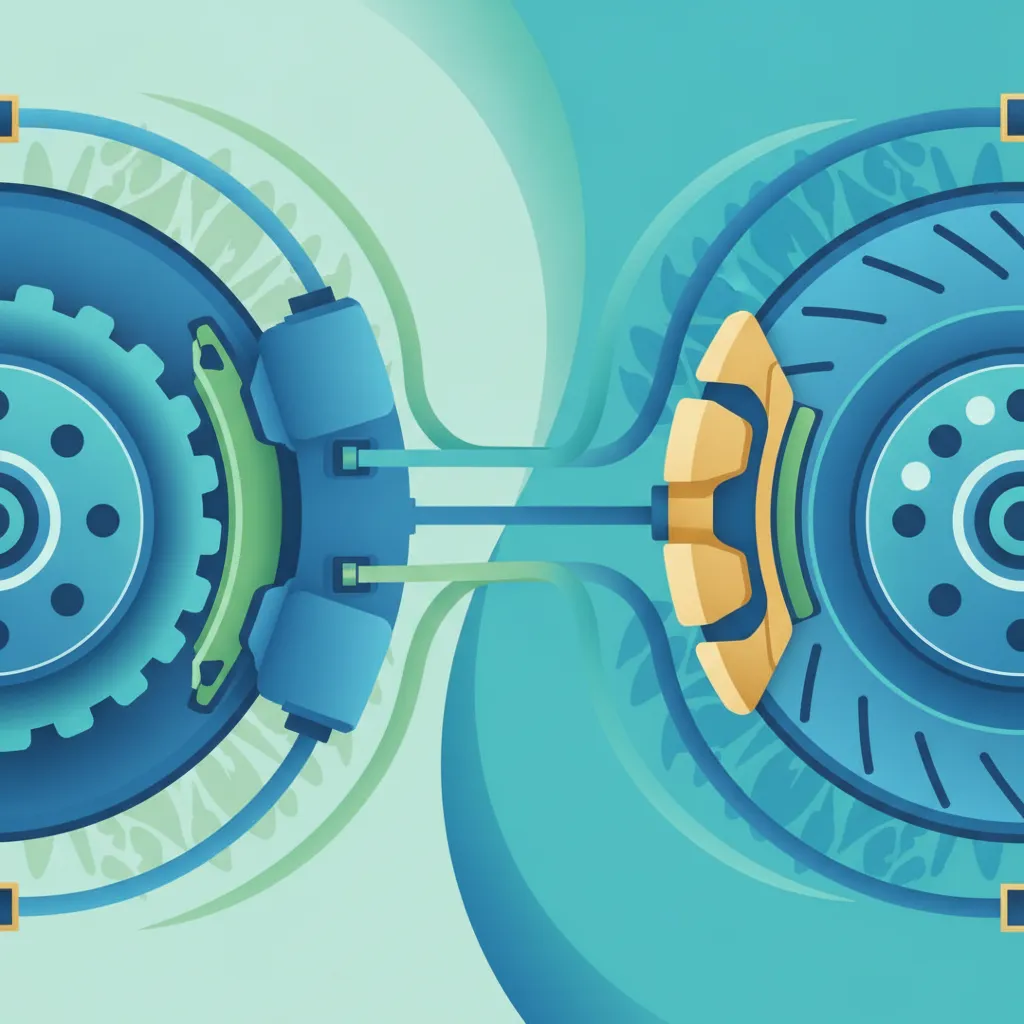
This lesson introduces the various braking systems in heavy vehicles, including service brakes, air brakes, and retarders. It explains the functional principles of each system, such as how compressed air is used and the role of retarders in reducing service brake wear. The content also covers the importance of dual-circuit systems and fail-safe mechanisms.

This lesson examines the phenomena of brake delay (lag) and brake fade, particularly during prolonged braking on steep gradients. It discusses how brake temperature rises, leading to reduced friction and potential brake failure. The content also covers strategies for preventing overheating, such as using retarders and proper speed management.

This lesson contrasts the dynamic and operational characteristics of heavy vehicles with those of passenger cars. It explains how greater mass and inertia influence braking distance, turning radius, and vehicle stability. The content also addresses visibility challenges, the impact of load on handling, and the necessity for different driving strategies.
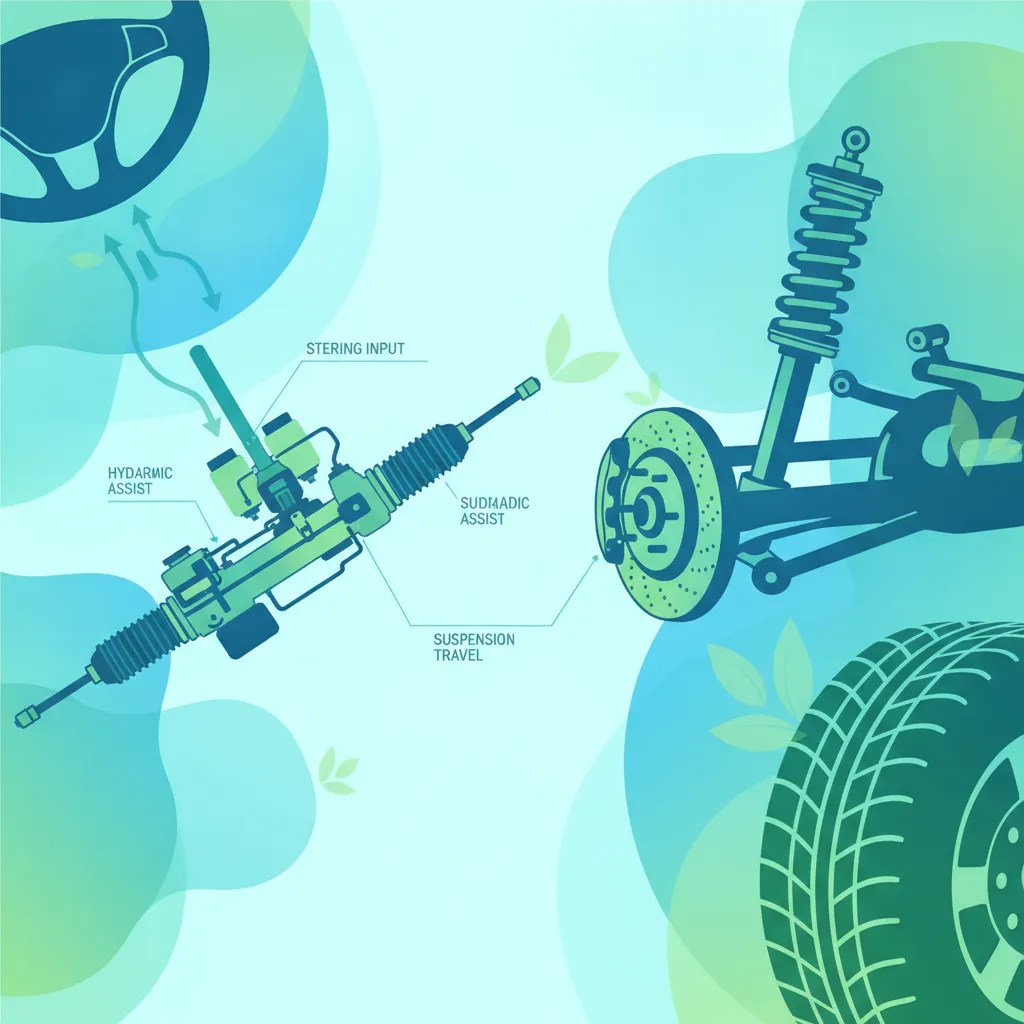
This lesson examines the steering mechanisms in heavy vehicles, including power-assisted systems, and their impact on handling. It also covers tyre technology, focusing on selection, pressure, load rating, and the importance of proper tyre maintenance. The content highlights how suspension components contribute to vehicle stability and control.
Find clear answers to common questions learners have about Vehicle Construction and Essential Components. Learn how the lesson is structured, which driving theory objectives it supports, and how it fits into the overall learning path of units and curriculum progression in Germany. These explanations help you understand key concepts, lesson flow, and exam focused study goals.
As a professional passenger transport driver, you are legally and ethically responsible for the safety of your passengers. Understanding how your vehicle's brakes, steering, and chassis function allows you to perform necessary daily checks and identify potential risks before they become mechanical failures.
Improper load distribution can significantly alter your vehicle's center of gravity. This affects how the bus handles during sharp turns or emergency braking, increasing the risk of instability or even tipping in extreme cases, which is why load management is a key exam topic.
Yes, passenger vehicles use air-braking systems and different steering geometries designed for larger dimensions and heavier loads. Understanding the specific nature of these components is crucial for the theory exam as they behave differently than standard hydraulic passenger car systems.
Professional standards in the D category mandate that any defect impacting safety must be addressed immediately. On your theory exam, you must demonstrate that you prioritize roadworthiness and understand the procedures for reporting and managing technical faults.
Begin your targeted revision now. Use our practice search to quickly find specific German driving theory questions. Filter by StVO rules, road signs, or hazard perception to create your focused study plan. Master challenging areas and prepare confidently for your theoretical driving test.