
This lesson guides you through the essential rules for interacting safely with vulnerable road users, including children, the elderly, and pedestrians. Understanding these behaviors is a critical part of Unit 7 and vital for passing the German Category B theoretical driving exam. You will learn to identify high-risk scenarios and apply defensive driving techniques to protect those most at risk on German roads.
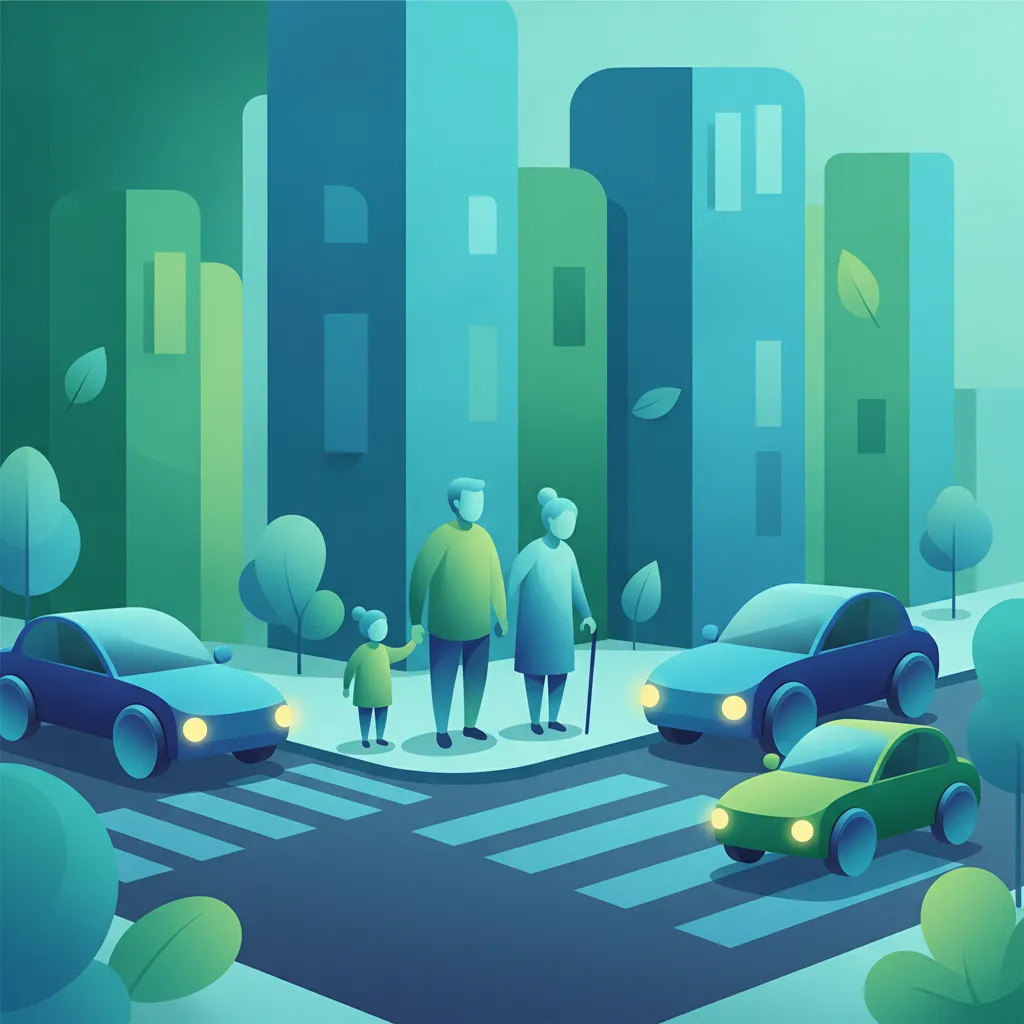
Lesson content overview
Driving on public roads in Germany requires constant vigilance, especially when sharing the space with vulnerable road users. Among these, pedestrians, particularly children and senior citizens, demand heightened attention and specific driving behaviors. Their unique characteristics, such as limited awareness, slower reactions, and unpredictable movements, significantly increase their risk of severe injury in an accident. This lesson details the specific rules, practical considerations, and defensive driving strategies necessary to ensure the safety of these vulnerable groups, aligning with the regulations outlined in the German Straßenverkehrs-Ordnung (StVO) – the German Road Traffic Regulations.
Vulnerable road users (VRUs) are individuals who are more susceptible to injury in a collision due to their lack of protective barriers, smaller physical presence, or reduced ability to react quickly to traffic situations. This category prominently includes pedestrians, cyclists, children, and senior citizens. Drivers carry a significant responsibility to protect these groups, as the consequences of an accident involving a VRU are often severe.
Children, particularly those under 14 years of age, possess a unique set of characteristics that make them exceptionally vulnerable in traffic. Their cognitive development means they often have a limited understanding of traffic dangers and rules. They may struggle with judging speed and distance, localizing sounds, or perceiving risks from multiple directions.
Children can also be highly impulsive and unpredictable. A child might dart into the road unexpectedly to chase a ball, follow a friend, or simply without thinking, especially if distracted by play or excitement. Their small stature also makes them harder for drivers to see, particularly when they are obscured by parked cars, bushes, or other obstacles. Drivers must constantly anticipate the possibility of a child suddenly appearing on the roadway, even in seemingly safe areas.
Anticipate the Unpredictable: Always assume children might not be aware of your vehicle or traffic rules. Reduce speed and be prepared to stop instantly whenever children are present or likely to be present.
Senior citizens (typically over 65) represent another vulnerable group, facing different but equally significant challenges in traffic. As people age, physical and cognitive abilities can naturally decline. This might include reduced vision and hearing, slower reaction times, decreased mobility, and difficulty processing complex traffic situations quickly.
An elderly pedestrian might take longer to cross the road, move with a walking aid, or have difficulty seeing approaching vehicles, especially in low light or adverse weather conditions. They may also have less physical resilience, meaning even a minor impact can result in serious injuries. While seniors generally adhere to traffic rules, their physical limitations necessitate extra patience and caution from drivers.
In Germany, specific rules govern pedestrian crossings to prioritize the safety of those on foot. Understanding these regulations, particularly concerning "Zebrastreifen" (zebra crossings), is fundamental for all drivers.
A "Zebrastreifen" is a marked pedestrian crossing characterized by white, parallel stripes on the road surface. These markings designate a specific path for pedestrians to cross the street. At these crossings, pedestrians have the unconditional right-of-way as soon as they intend to cross or are already on the crossing.
Drivers must stop before the crossing line if a pedestrian is waiting to cross or is already on the Zebrastreifen. This obligation applies regardless of whether there is a traffic light signal for vehicles. You may only proceed once the entire crossing is clear of pedestrians. It is also strictly forbidden to overtake any vehicle that has stopped at a Zebrastreifen to allow pedestrians to cross. Doing so puts pedestrians at extreme risk.
A designated pedestrian crossing marked by white parallel lines on the road surface, granting pedestrians unconditional right-of-way.
At intersections or specific crossing points controlled by traffic lights, both drivers and pedestrians must obey the respective signals. If a pedestrian signal shows a red indication, pedestrians must wait. If it shows green, they have the right-of-way to cross. Conversely, drivers must stop on a red vehicle signal and proceed on green.
However, even with a green light for vehicles, if a pedestrian is still on the crosswalk at an intersection (e.g., due to slow movement or unexpected circumstances), drivers must exercise caution and avoid any action that could endanger them. While the primary rule is to obey the light, the overarching principle of protecting vulnerable road users still applies. When turning at an intersection, drivers must always yield to pedestrians and cyclists crossing the road they are turning into, even if the driver has a green light.
Areas frequently used by children and senior citizens demand specific adjustments to driving behavior, primarily focusing on reduced speed and heightened vigilance. These zones are often signposted to alert drivers to the increased potential for unexpected movements.
School zones, often marked as "Schulweg" areas, are locations where speed limits are specifically lowered to enhance the safety of children traveling to and from school. The standard speed limit in these zones is often 30 km/h, though it can vary based on specific signage and local regulations. These limits are typically enforced during school hours on weekdays, and the exact times may be indicated on supplementary signs.
Drivers must reduce their speed well in advance of entering a school zone and maintain the posted limit throughout. Even outside of designated school hours, if children are visibly present (e.g., during after-school activities), drivers should maintain a reduced speed and exercise extreme caution. The presence of a school bus stopped with flashing lights to pick up or drop off children also requires special attention and, in some cases, a complete stop.
Adhere to School Zone Speed Limits: Failing to reduce speed in a school zone is a serious traffic violation and significantly increases the risk of a severe accident. These limits apply even if no children are immediately visible.
When driving near playgrounds, parks, or other areas where children are likely to be playing, drivers must be extra cautious. While there might not always be specific speed limit signs, the general principle of adjusting speed to conditions (as per StVO § 3) applies. Children can emerge suddenly from behind fences, parked cars, or bushes without looking for traffic.
Maintaining a low speed allows for a greater reaction time and a shorter stopping distance if a child unexpectedly enters the roadway. Continuously scan the environment, not just the road ahead, but also sidewalks, driveways, and areas between parked vehicles, to anticipate potential hazards.
Residential areas are designed for shared use, often featuring narrower roads, traffic-calming measures, and a higher likelihood of pedestrians, including children playing, being present on the street. In Germany, a Verkehrsberuhigter Bereich (traffic-calmed zone), often identified by a specific sign, dictates that drivers must proceed at walking pace (Schrittgeschwindigkeit) and give priority to pedestrians. Children are permitted to play on the street in these zones.
Even in other residential streets without specific "Verkehrsberuhigter Bereich" signage, a default speed limit of 30 km/h (Zone 30) is common. Drivers must remain vigilant, reduce speed, and be prepared for pedestrians of all ages to be present on or near the roadway. Always provide ample space and be patient with pedestrians, especially the elderly, who may require more time to cross.
Defensive driving is paramount when sharing the road with pedestrians. It involves proactively anticipating potential hazards and adjusting your driving to prevent accidents.
Effective observation is the cornerstone of safe driving near pedestrians. This means more than just looking straight ahead. Drivers should continuously scan the entire environment:
Children can appear from unexpected places, such as between parked cars, from driveways, or from behind large vehicles. Senior citizens might step out more slowly or unexpectedly from behind bus stops or corners. Develop a habit of constant visual scanning to detect these movements early.
Beyond observation, concrete adjustments to your driving behavior are essential:
Thinking Ahead: When approaching a crosswalk, school, or residential area, ask yourself: "What if a child or elderly person steps into the road right now?" This mental exercise promotes readiness to react.
Ignoring the rules designed to protect pedestrians, children, and senior citizens can lead to severe legal consequences in Germany. These range from fines and penalty points on your driver's license to more serious charges if an accident results in injury or fatality.
Common violations include:
These violations highlight the mandatory nature of these rules. Compliance is not optional; it is a legal and moral obligation to ensure the safety of all road users.
Driving conditions can significantly influence visibility, stopping distances, and overall safety when interacting with pedestrians. Drivers must adjust their behavior accordingly.
Driving safely near pedestrians, particularly children and senior citizens, is a critical aspect of responsible driving in Germany. The core principles revolve around:
By internalizing these principles and consistently applying defensive driving techniques, you contribute to a safer road environment for everyone, especially those who are most vulnerable.
Explore all units and lessons included in this driving theory course.
Lesson content overview
Explore all units and lessons included in this driving theory course.
Explore search topics learners often look for when studying Pedestrians, Children and Senior Citizens. These topics reflect common questions about road rules, driving situations, safety guidance, and lesson level theory preparation for learners in Germany.
Browse additional driving theory lessons that cover connected traffic rules, road signs, and common driving situations related to this topic. Improve your understanding of how different rules interact across everyday traffic scenarios.
Explore the specific rules and advanced considerations for driving around vulnerable road users. This lesson details unpredictable behaviors and critical yielding situations for pedestrians, children, and seniors, enhancing defensive driving skills.
This lesson focuses on identifying road users who require special attention and caution, such as children, the elderly, and individuals with disabilities. It details the appropriate behavior when encountering school buses and public transport, which often involve unpredictable pedestrian movement. A critical topic covered is the legal requirement to form an emergency corridor ('Rettungsgasse') for responding emergency vehicles.
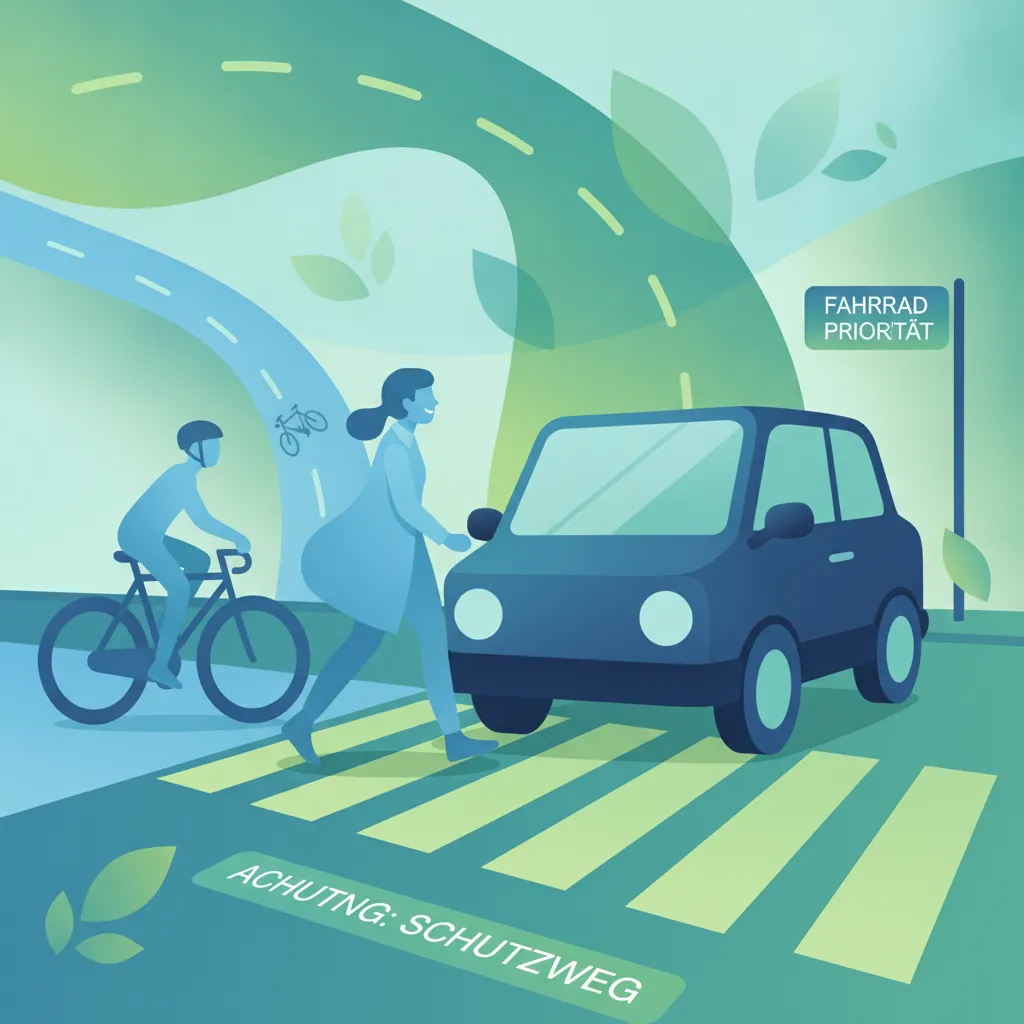
This lesson provides specific guidance on how to safely share the road with pedestrians and cyclists, who are among the most vulnerable road users. It covers the rules of conduct at zebra crossings, traffic lights for pedestrians, and designated cycle lanes. The content emphasizes the importance of vigilance, yielding right-of-way, and maintaining a safe distance to prevent accidents in urban and rural environments.
This lesson trains drivers to proactively identify vulnerable road users and anticipate their often unpredictable behavior. It highlights the specific risks posed by children, elderly pedestrians, cyclists, and e-scooter users, particularly near bus stops and crossings. The goal is to develop a heightened sense of risk perception and apply defensive driving techniques to protect those who are most at risk on the road.
This lesson provides a detailed breakdown of the various categories of participants in road traffic, from pedestrians and cyclists to cars, trucks, and public transport. It explains the concept of vulnerable road users and outlines the specific rules and expectations for interacting with each group. The objective is to foster mutual respect and understanding to ensure safe coexistence on the road for everyone.
This lesson teaches riders how to interact safely and predictably with pedestrians, cyclists, and public transport vehicles. It highlights the importance of yielding at designated crossings, maintaining a safe passing distance, and anticipating the movements of buses and trams. The content emphasizes using eye contact and clear signaling to foster safe and respectful interactions with all road users.
This lesson addresses the critical skill of safely interacting with other road users, particularly vulnerable ones like pedestrians and cyclists. It covers rules for yielding at crosswalks, maintaining a safe passing distance, and being aware of the limited visibility of a moped to car drivers. The focus is on fostering a defensive and cooperative mindset in mixed traffic.
This lesson focuses on the right-of-way rules that heavy vehicles must follow when interacting with cyclists and pedestrians, particularly at intersections and crossings. It emphasizes the need for trucks to yield appropriately and maintain safe distances. The content also covers the interpretation of traffic signs governing priority in urban areas.
This lesson highlights the specific risks associated with motorcyclists, who are less visible and more vulnerable than car drivers. It teaches you to actively look for motorcycles, especially at intersections and during lane changes, as their smaller profile can be easily missed. You will learn about their potential for rapid acceleration and instability, emphasizing the need for extra following distance.
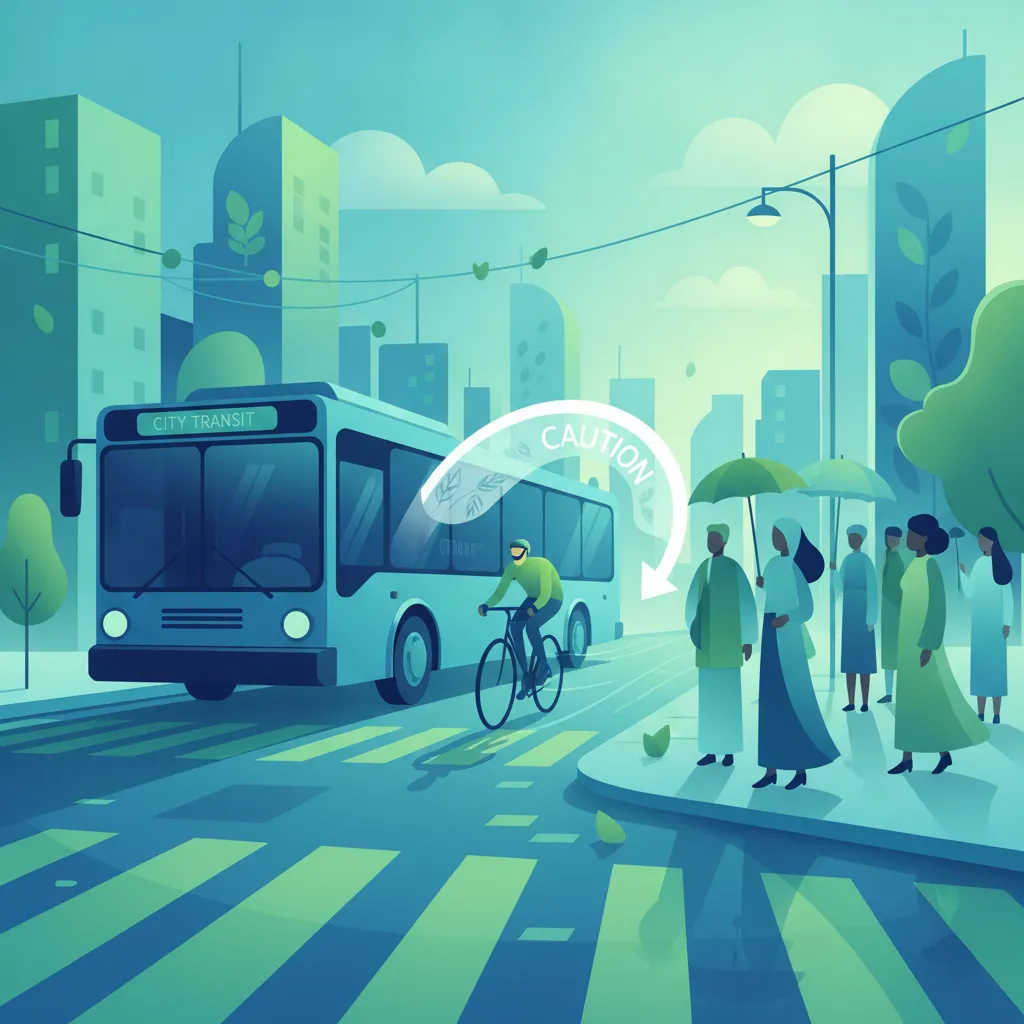
This lesson focuses on the critical moments of interaction with pedestrians and cyclists near bus stops, a common location for accidents. It reinforces the importance of reducing speed, yielding right-of-way, and constantly monitoring blind spots during the stopping process. Learners will practice techniques like making eye contact and using signals to communicate intentions, creating a safer environment for everyone around the vehicle.
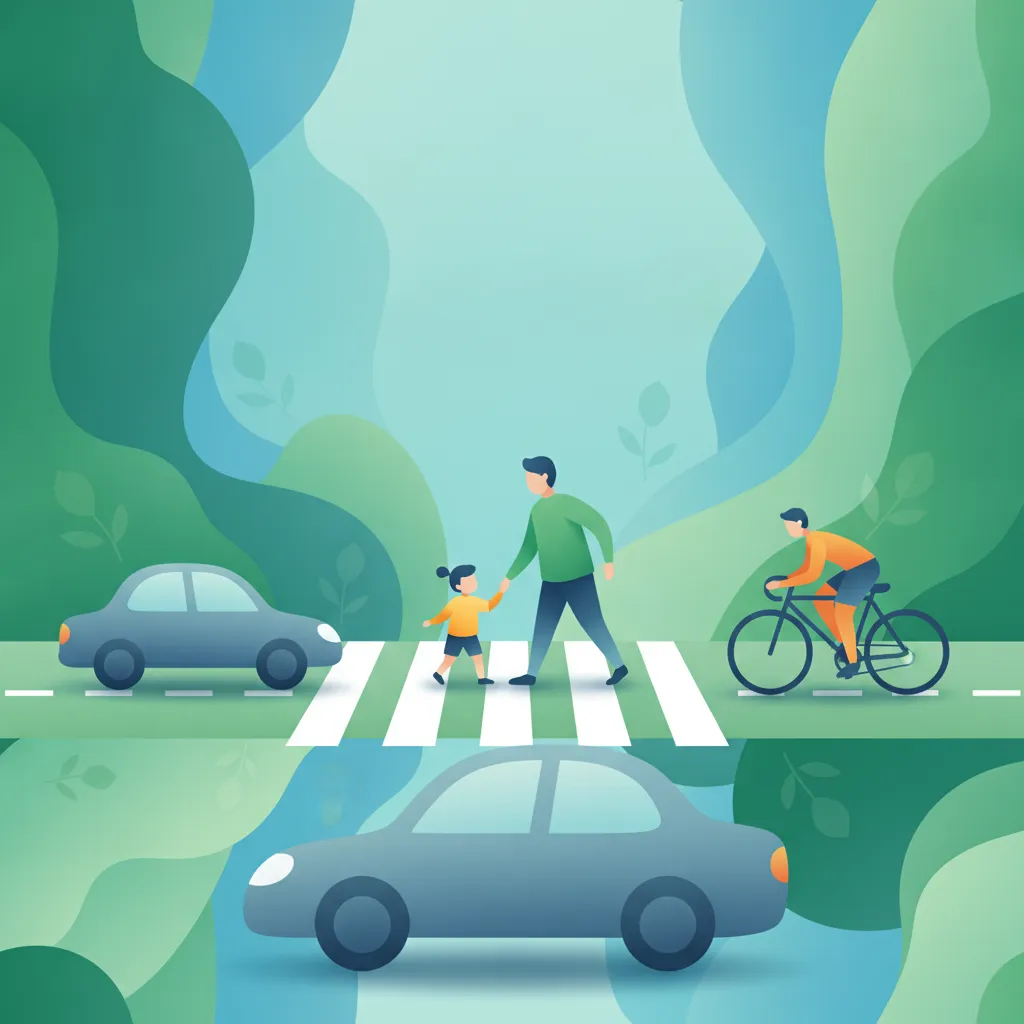
This lesson focuses on the interaction between heavy vehicles and vulnerable road users at crossings, particularly when turning right. It covers the need for heightened vigilance, the importance of properly using mirrors, and correct signaling to alert others. The content highlights legal responsibilities and safe distance requirements to prevent accidents.
Master the specific right-of-way regulations at pedestrian crossings, near schools, and in residential areas. Understand how to safely navigate these zones, anticipate actions, and ensure the safety of pedestrians as required by German traffic law.
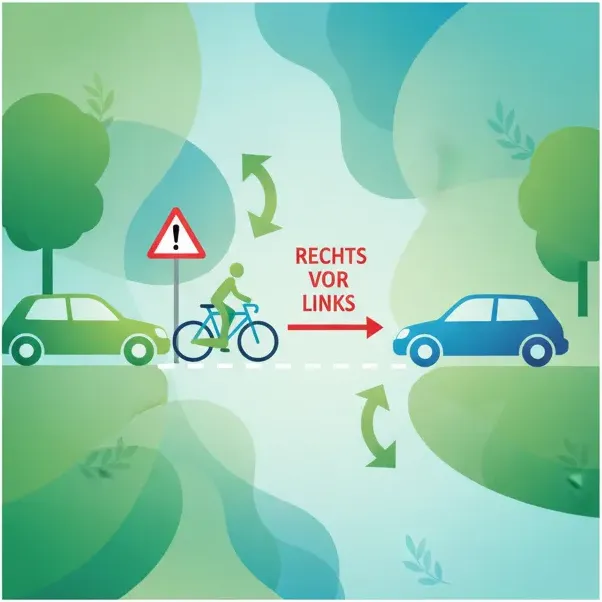
This lesson provides a detailed guide to navigating various types of intersections safely and correctly. It explains how priority is determined by traffic signs (such as the priority road, yield, and stop signs) and traffic lights. The lesson also covers complex scenarios, including the rules for turning left across oncoming traffic, to ensure you can handle any junction with confidence.
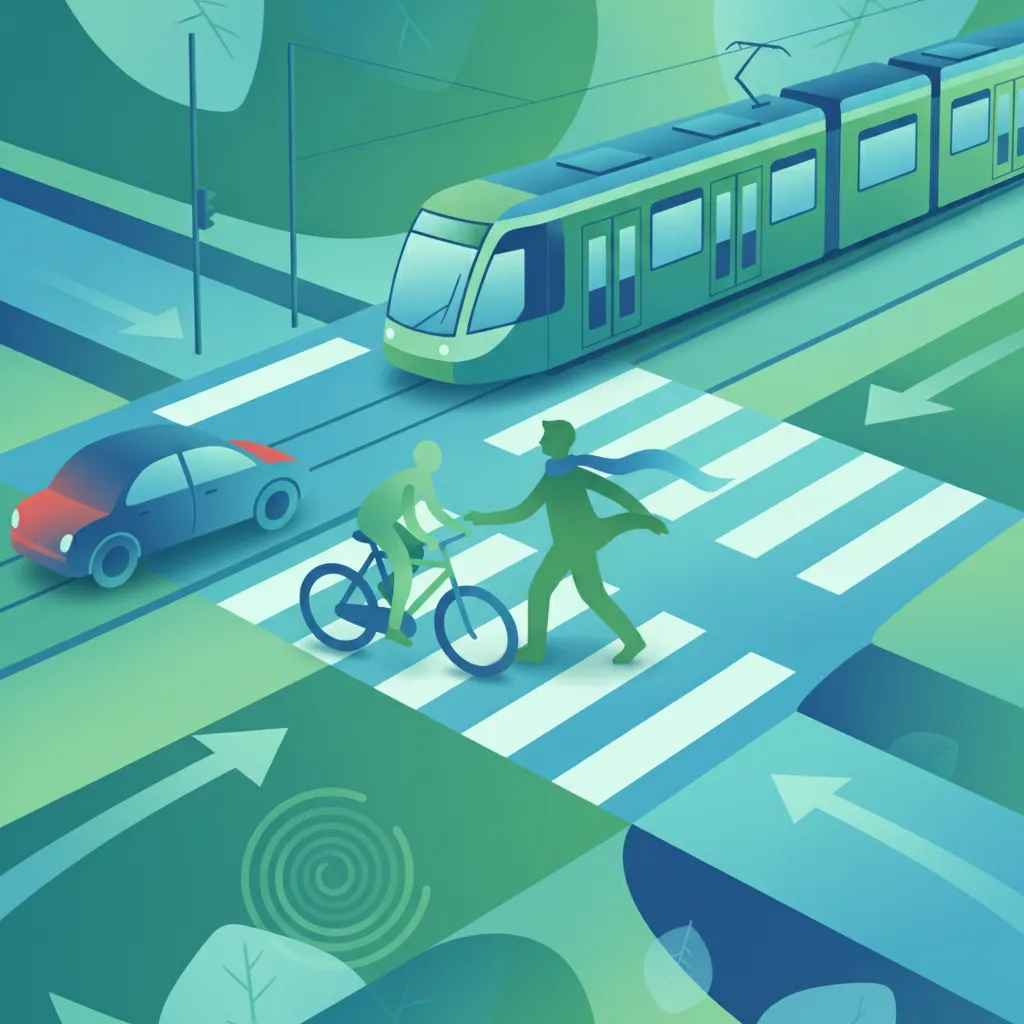
This lesson details the critical right-of-way regulations according to the German StVO. It covers the default 'right before left' rule, the meaning of priority road signs, and specific rules for roundabouts and yielding to pedestrians. A thorough understanding of these priority rules is fundamental for preventing accidents at junctions.
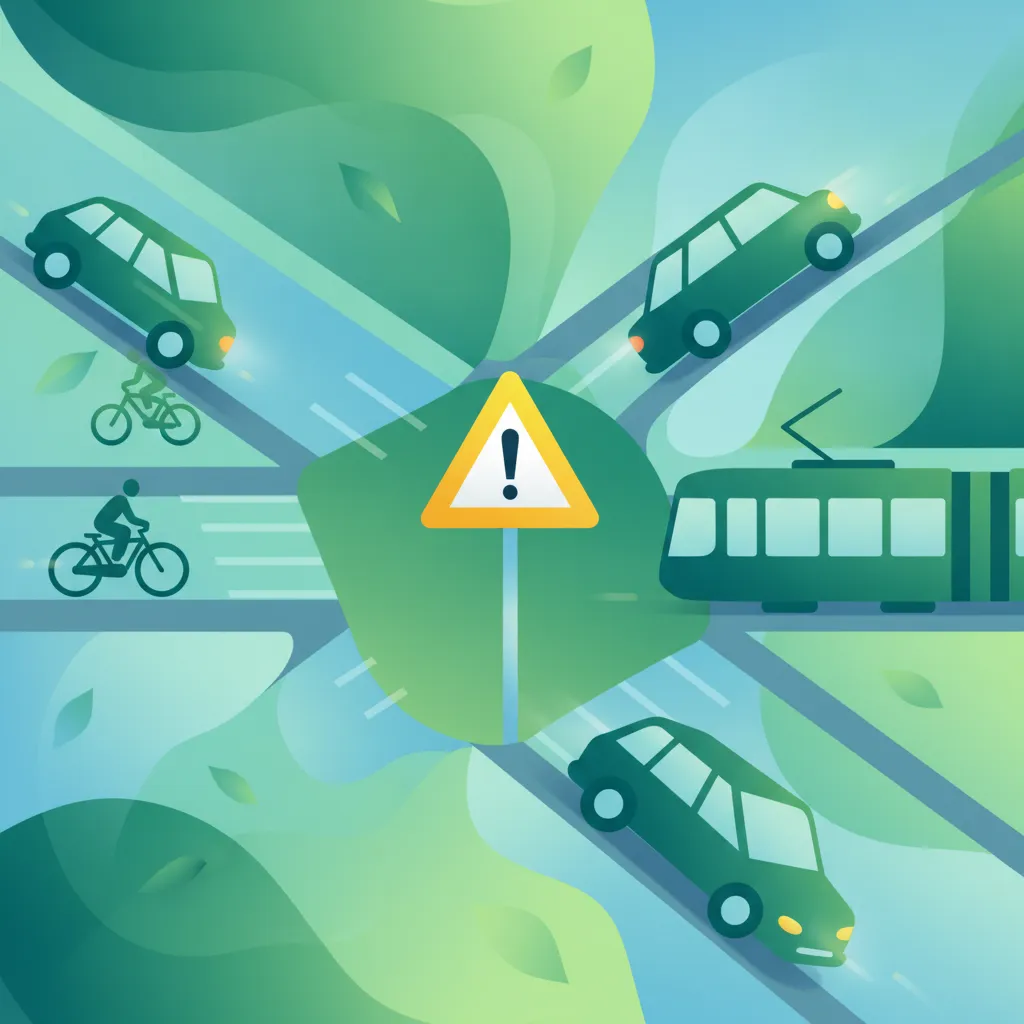
This lesson explains the concept of a priority road ('Vorfahrtstraße'), where you have right-of-way over traffic from intersecting roads. You will learn to recognize the signs that mark the beginning and end of a priority road. The lesson also covers how priority is managed through signals, including standard traffic lights, the special 'Grünpfeil' (green arrow) sign, and the overriding authority of a police officer directing traffic.
This lesson provides specific guidance on how to safely share the road with pedestrians and cyclists, who are among the most vulnerable road users. It covers the rules of conduct at zebra crossings, traffic lights for pedestrians, and designated cycle lanes. The content emphasizes the importance of vigilance, yielding right-of-way, and maintaining a safe distance to prevent accidents in urban and rural environments.
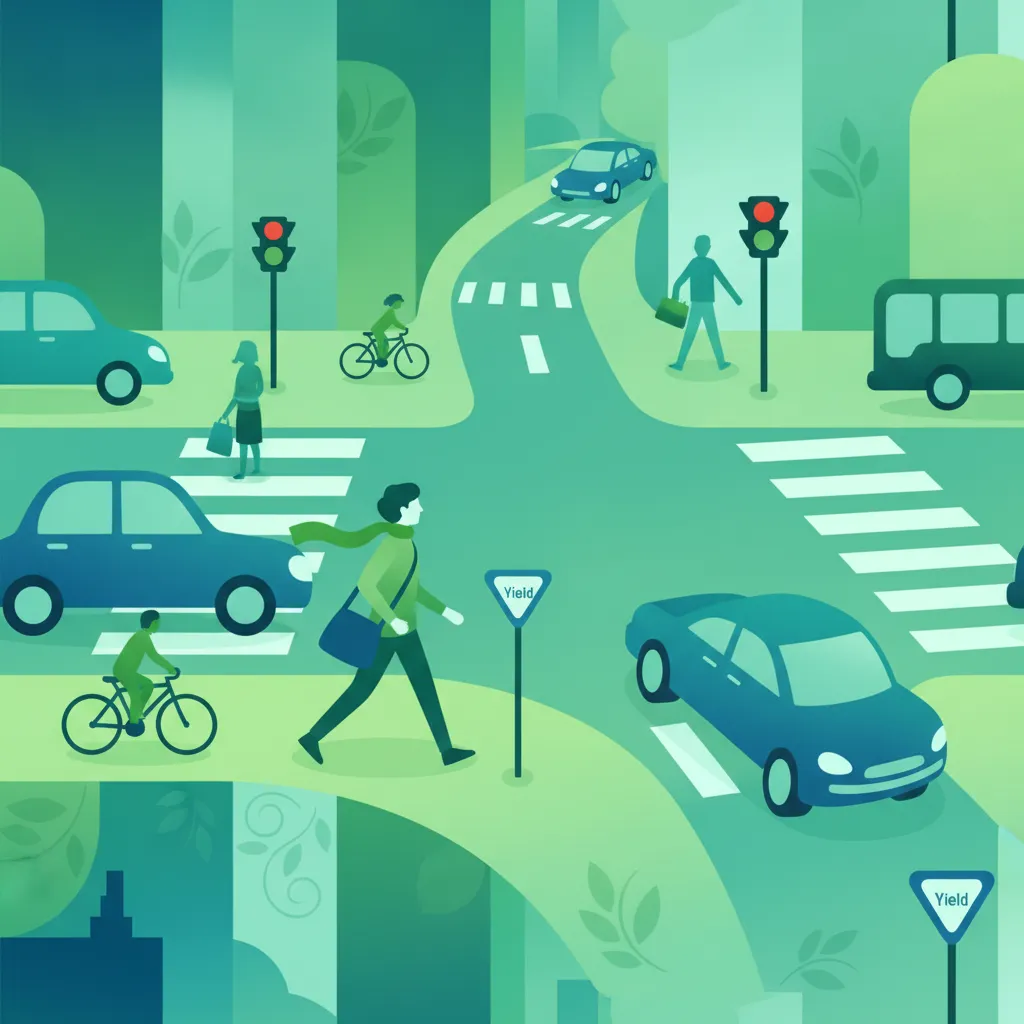
This lesson introduces the foundational concept of right-of-way ('Vorfahrt') in German traffic law. It explains the default priority rule, 'Rechts vor Links' (right before left), which applies at intersections without any regulating signs or signals. You will learn to identify situations where this rule applies and understand the basic principles of yielding to ensure safe passage at junctions.
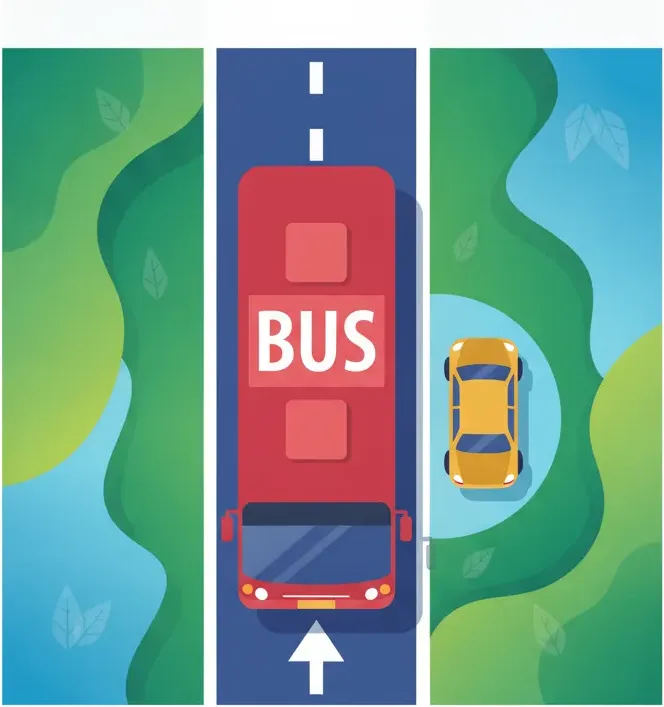
This lesson provides a detailed explanation of the rules governing dedicated bus lanes, including how to interpret markings and adhere to time-based restrictions. It clarifies the priority rules that grant buses precedence in certain traffic situations, such as when pulling out from a stop. Understanding these regulations allows drivers to use bus infrastructure efficiently and legally to maintain schedules and improve traffic flow.
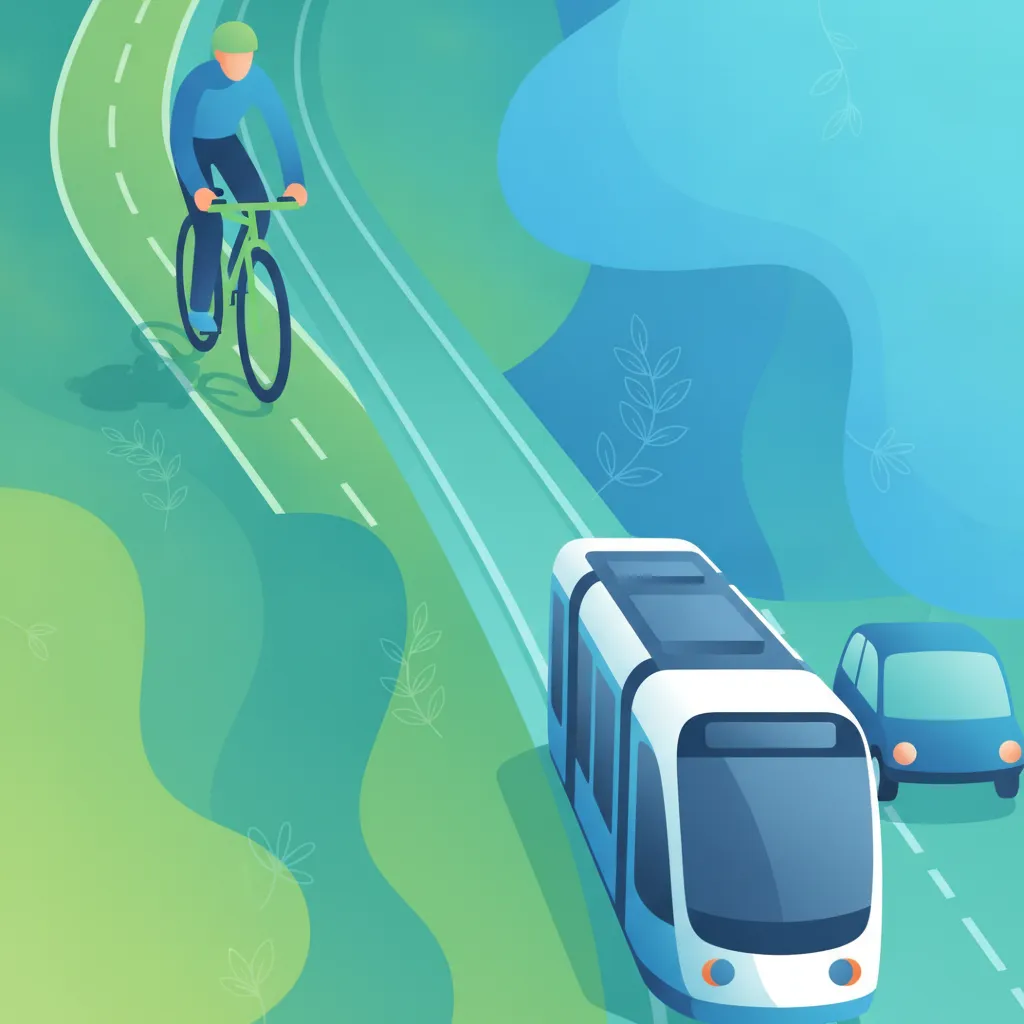
This lesson focuses on complex traffic environments where different types of road users share the same space. It provides guidance on situations like driving on streets with integrated tram tracks or where bus and bicycle lanes are part of the roadway. The content emphasizes understanding the specific priority rules and being extra vigilant to anticipate potential conflicts in these busy, shared zones.
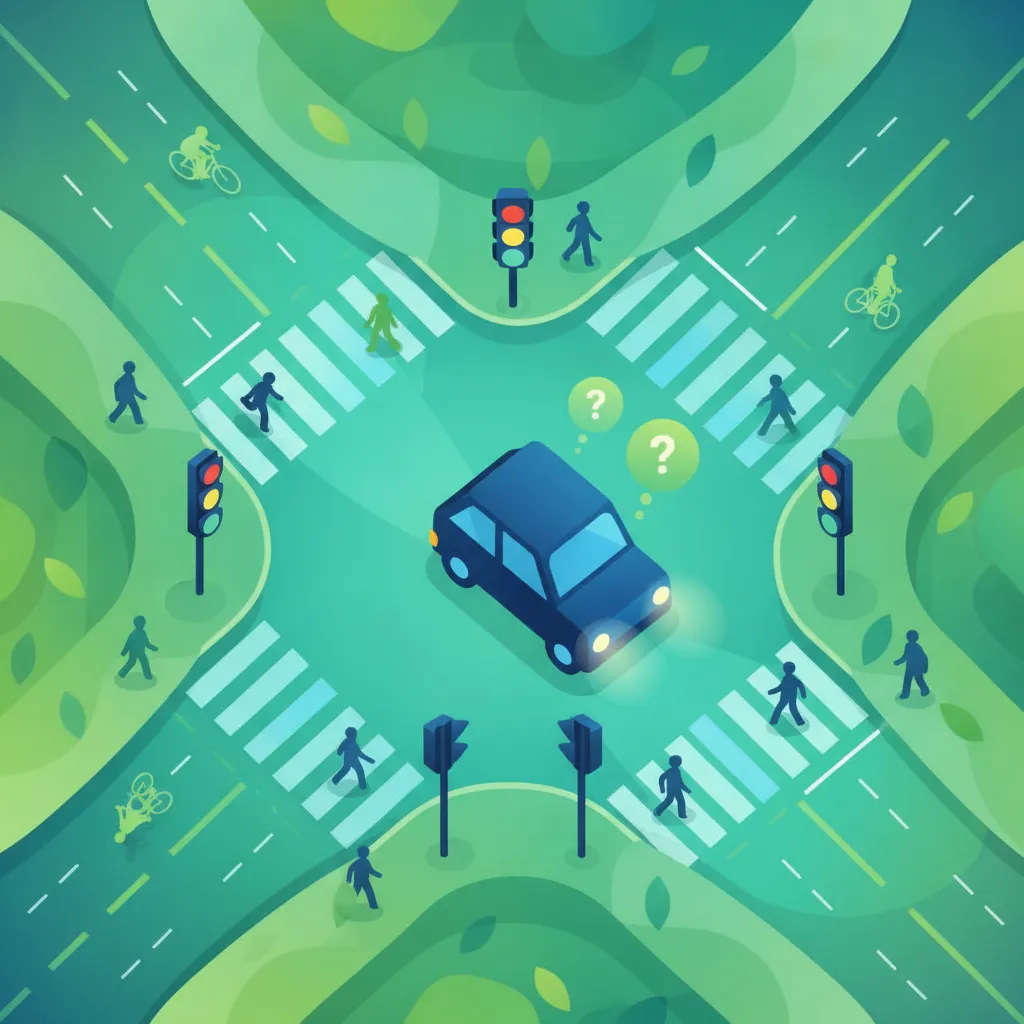
This lesson teaches a structured method for approaching any intersection. It covers identifying the type of junction, determining who has the right-of-way based on signs or rules, and performing thorough visual checks. The focus is on developing a safe and decisive approach to reduce risk in these high-conflict areas.

This lesson explains the specific rules for driving in roundabouts ('Kreisverkehr'), a common feature on German roads. It covers the correct procedure for approaching and entering, the rule that traffic already in the circle has priority, and the requirement to signal before exiting. The lesson also addresses the unique characteristics of mini-roundabouts and how to interact with cyclists and pedestrians around them.
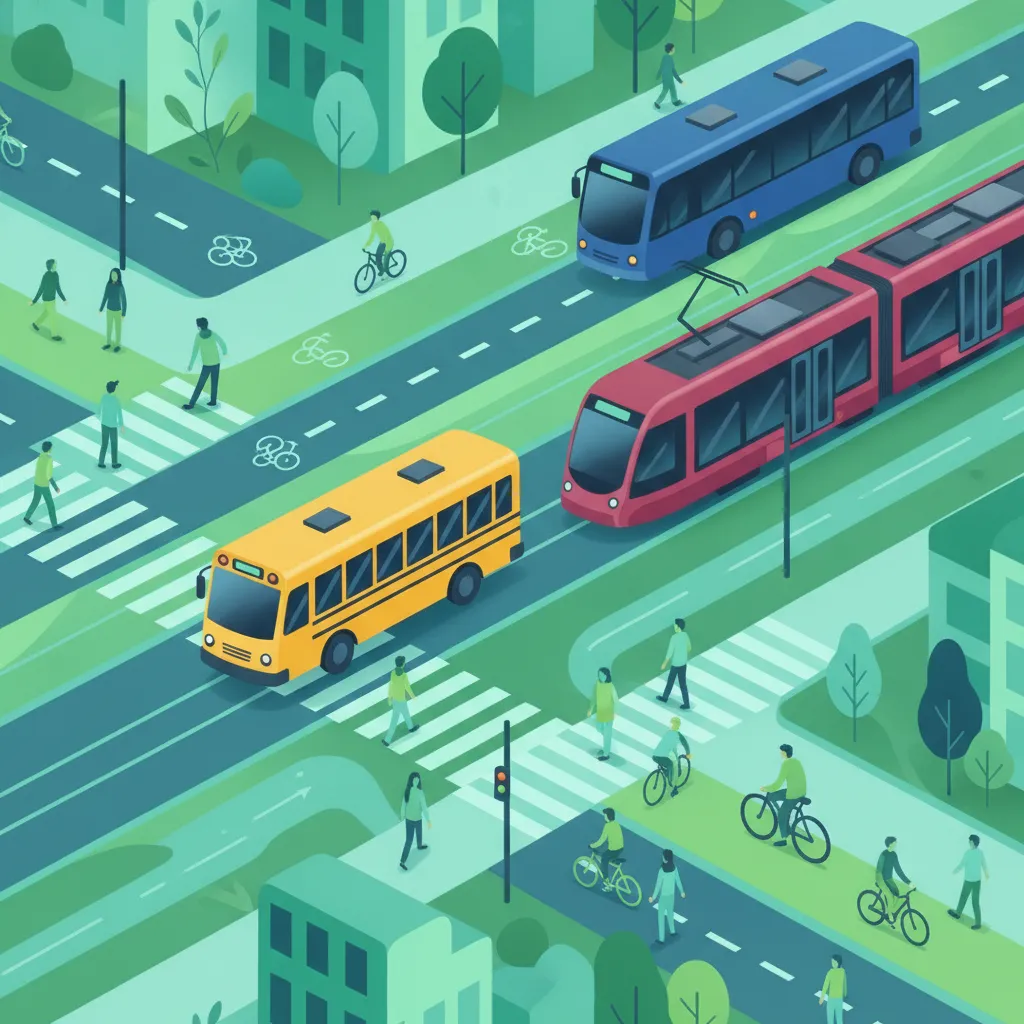
This lesson explains the specific regulations when encountering public transport. It covers the legal requirement to yield to public buses signaling to leave a bus stop and the strict rules for passing school buses with flashing hazard lights. You will also learn about the absolute priority of trams ('Straßenbahn') and how to safely drive on or across their tracks.
Find clear answers to common questions learners have about Pedestrians, Children and Senior Citizens. Learn how the lesson is structured, which driving theory objectives it supports, and how it fits into the overall learning path of units and curriculum progression in Germany. These explanations help you understand key concepts, lesson flow, and exam focused study goals.
Yes, once a pedestrian is clearly waiting to cross at a marked zebra crossing, you must stop and allow them to cross safely. You should approach the crossing at a reduced speed and remain vigilant.
Children often behave unpredictably due to their limited development, while elderly road users may have slower reaction times or impaired mobility. The exam requires you to demonstrate increased caution and readiness to stop when either group is near the road.
When a school bus has its hazard lights on and is approaching or stopped at a bus stop, you must drive past with extreme caution and at a walking pace if necessary to ensure the safety of students entering or exiting the bus.
Generally, pedestrians do not have automatic priority when crossing outside of designated crossings or junctions. However, as a driver, you must always be prepared to stop if it is necessary to avoid a collision, regardless of who has the legal right of way.
Begin your targeted revision now. Use our practice search to quickly find specific German driving theory questions. Filter by StVO rules, road signs, or hazard perception to create your focused study plan. Master challenging areas and prepare confidently for your theoretical driving test.