Navigating roundabouts safely is a key skill in Iceland. This lesson focuses on the specific rules for entering, circulating within, and exiting roundabouts, with a strong emphasis on yielding to existing traffic. Understanding these rules is crucial for passing your Category B driving theory exam and driving confidently in various Icelandic traffic conditions.
Lesson content overview
Icelandic roundabouts require drivers to yield to circulating traffic upon entry and maintain a maximum speed of 30 km/h, with lane selection determined by your intended exit well in advance of the roundabout. Turn signals should only be activated after passing the exit immediately before your intended one, and solid white lines must never be crossed for lane changes within the circle. Pedestrians at marked crosswalks have priority, cyclists require extra space, and deceptive entries with limited visibility demand heightened vigilance and reduced speeds. Mastering these principles ensures safe passage through roundabouts and success on the Category B theory exam.
A short set of high-value points that capture the most important learning from this lesson.
Always yield to all circulating traffic before entering a roundabout, regardless of whether a stop sign is present
Choose your lane before entering based on your intended exit: right lane for right turns, left lane for left turns, and the appropriate lane for straight-ahead
Maximum speed within Icelandic roundabouts is 30 km/h unless otherwise posted, adapting lower for adverse weather or limited visibility
Signal your right turn only after passing the exit immediately before your intended exit to indicate your departure
Pedestrians have priority at marked crosswalks adjacent to roundabout entries and exits
Explore all units and lessons included in this driving theory course.
Vehicles already inside the roundabout always have priority over those waiting to enter
Solid white lines within roundabouts prohibit lane changes; if in the wrong lane, go around again or take the next exit
Adverse weather (rain, ice, snow) requires significantly reducing speed below 30 km/h for safety
Deceptive entries with blind corners or obscured visibility demand extra caution—reduce speed and scan thoroughly before proceeding
Cyclists must also yield to circulating traffic upon entry and should be given ample space throughout the roundabout
Failing to yield on entry by entering when circulating traffic is present, causing others to brake or swerve
Signalling too early upon entering instead of waiting until after the preceding exit, which misleads other drivers
Selecting the wrong lane initially, such as using the outer lane for a left turn, forcing dangerous lane changes
Ignoring pedestrian crosswalks at roundabout entries and exits, failing to stop for pedestrians who have priority
Crossing solid white lane markings within multi-lane roundabouts, which is prohibited and creates collision hazards
Lesson content overview
A short set of high-value points that capture the most important learning from this lesson.
Always yield to all circulating traffic before entering a roundabout, regardless of whether a stop sign is present
Choose your lane before entering based on your intended exit: right lane for right turns, left lane for left turns, and the appropriate lane for straight-ahead
Maximum speed within Icelandic roundabouts is 30 km/h unless otherwise posted, adapting lower for adverse weather or limited visibility
Signal your right turn only after passing the exit immediately before your intended exit to indicate your departure
Pedestrians have priority at marked crosswalks adjacent to roundabout entries and exits
Explore all units and lessons included in this driving theory course.
Vehicles already inside the roundabout always have priority over those waiting to enter
Solid white lines within roundabouts prohibit lane changes; if in the wrong lane, go around again or take the next exit
Adverse weather (rain, ice, snow) requires significantly reducing speed below 30 km/h for safety
Deceptive entries with blind corners or obscured visibility demand extra caution—reduce speed and scan thoroughly before proceeding
Cyclists must also yield to circulating traffic upon entry and should be given ample space throughout the roundabout
Failing to yield on entry by entering when circulating traffic is present, causing others to brake or swerve
Signalling too early upon entering instead of waiting until after the preceding exit, which misleads other drivers
Selecting the wrong lane initially, such as using the outer lane for a left turn, forcing dangerous lane changes
Ignoring pedestrian crosswalks at roundabout entries and exits, failing to stop for pedestrians who have priority
Crossing solid white lane markings within multi-lane roundabouts, which is prohibited and creates collision hazards
Explore search topics learners often look for when studying Roundabout Navigation and Yield Rules. These topics reflect common questions about road rules, driving situations, safety guidance, and lesson level theory preparation for learners in Iceland.
Browse additional driving theory lessons that cover connected traffic rules, road signs, and common driving situations related to this topic. Improve your understanding of how different rules interact across everyday traffic scenarios.
Explore advanced strategies for Icelandic roundabouts. Covers multi-lane navigation, deceptive entries, and specific priority rules for complex circular intersections. Understand how to safely select lanes and exit in varied traffic conditions, enhancing your driving theory knowledge.
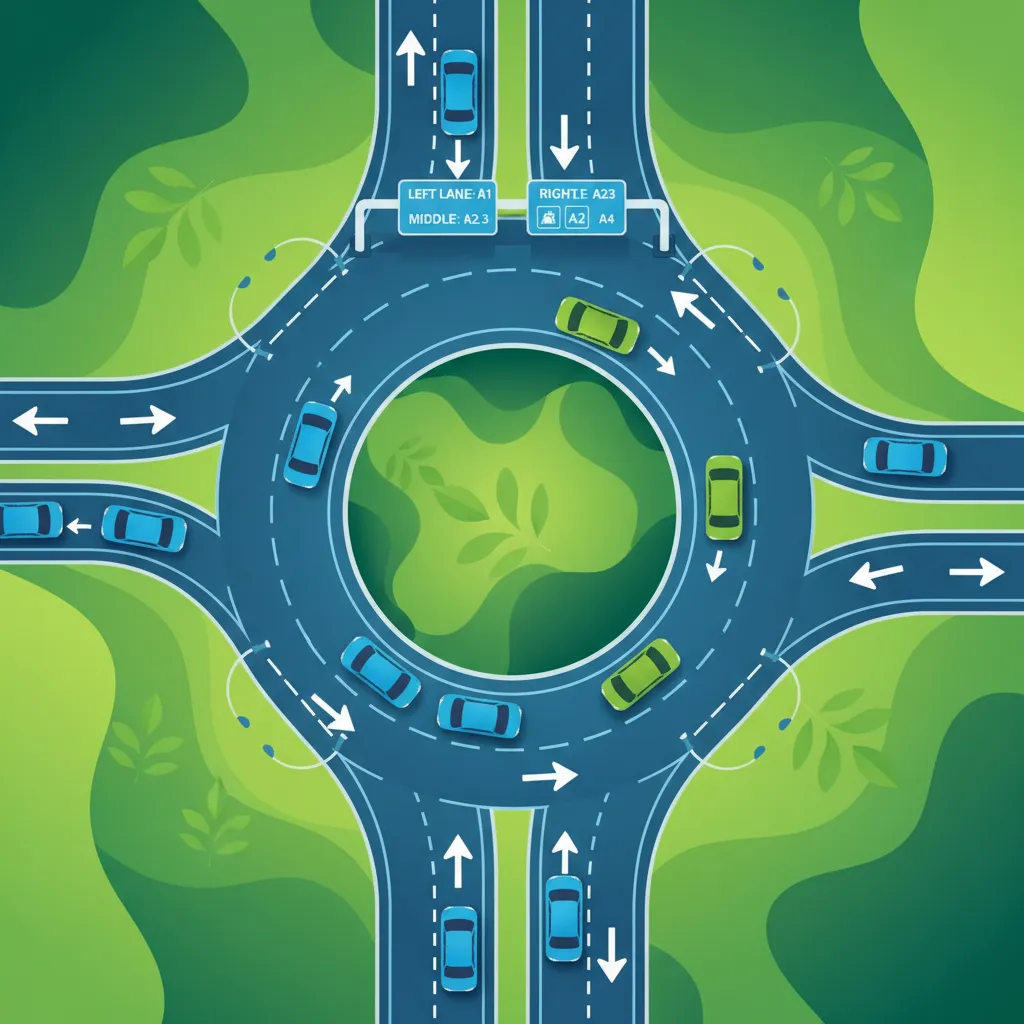
This lesson provides a detailed guide to navigating roundabouts, focusing on the rule to yield to circulating traffic before entering. It covers correct lane positioning for different exits, proper signaling, and maintaining a safe speed within the roundabout. Special guidance is provided for moped riders to enhance their visibility and safety among larger vehicles.
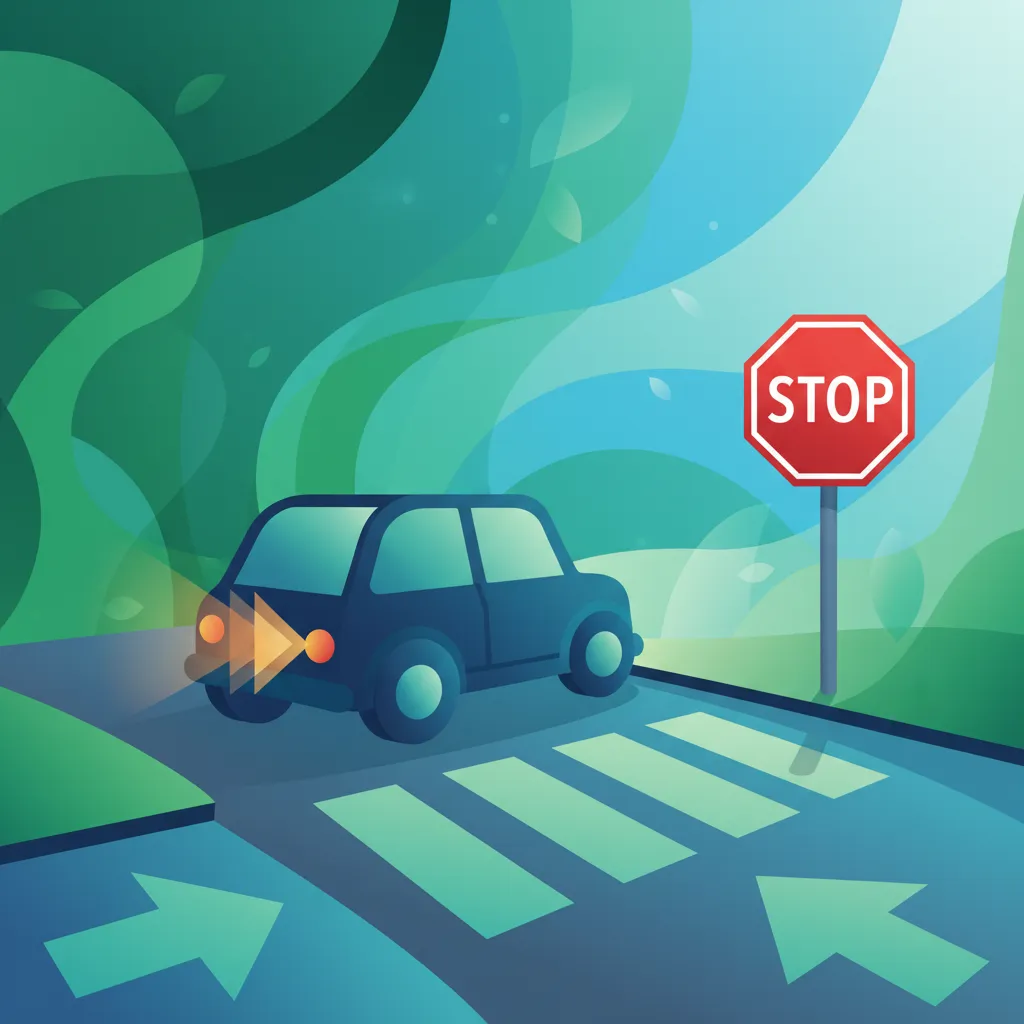
This lesson focuses on the principles of executing safe turns, highlighting the correct use of turn signals and lane positioning before initiating a turn. Learners examine the timing required for signaling, the rules governing right-turns and left-turn yields, and the importance of checking blind spots and cyclist lanes. The lesson also addresses the concept of turning radius to ensure drivers can complete turns without compromising the safety of others on the road.
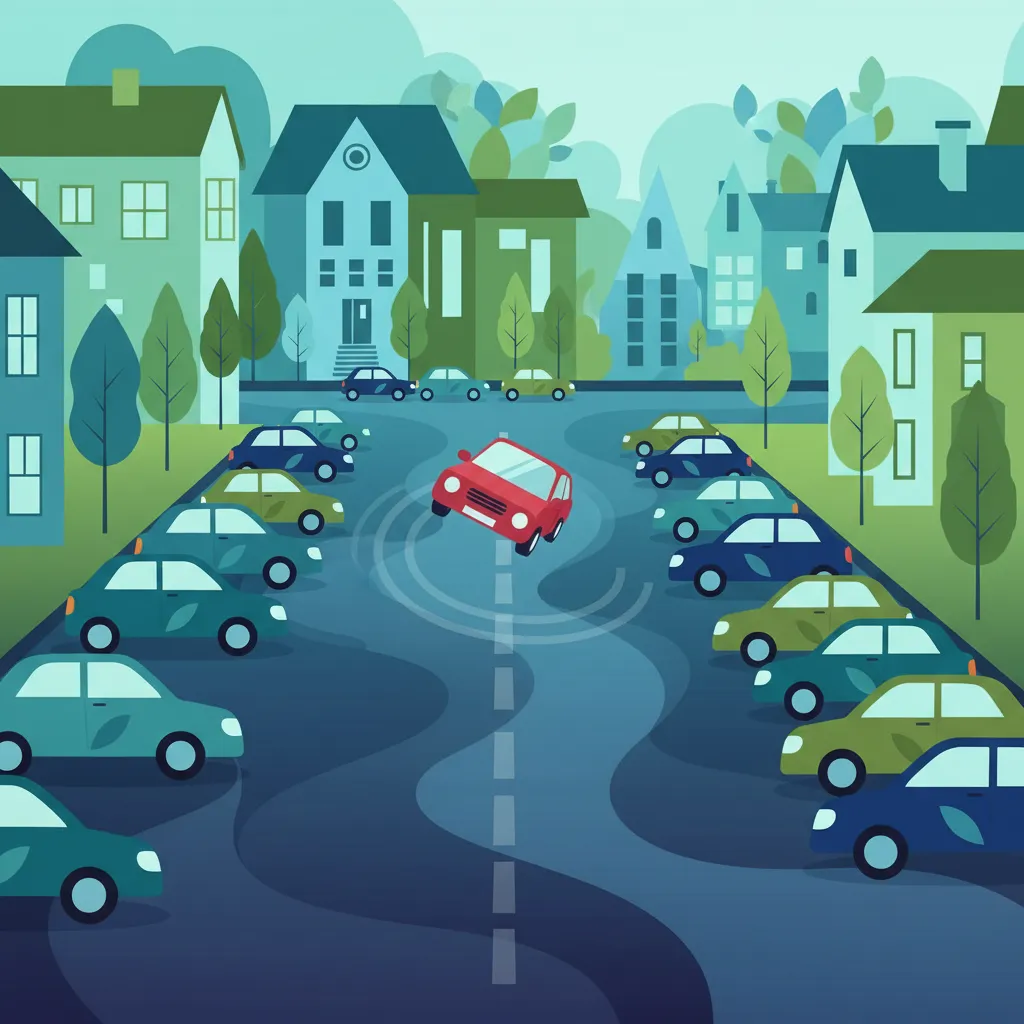
This lesson covers the conditions under which U-turns and three-point turns are permitted in Iceland, focusing on road width, visibility, and legal restrictions. The content outlines the step-by-step procedure for safely performing a three-point turn in confined spaces, including correct mirror usage and blind spot checks. Learners also explore scenarios where U-turns are prohibited, such as on narrow gravel roads or where signage explicitly bans such manoeuvres.
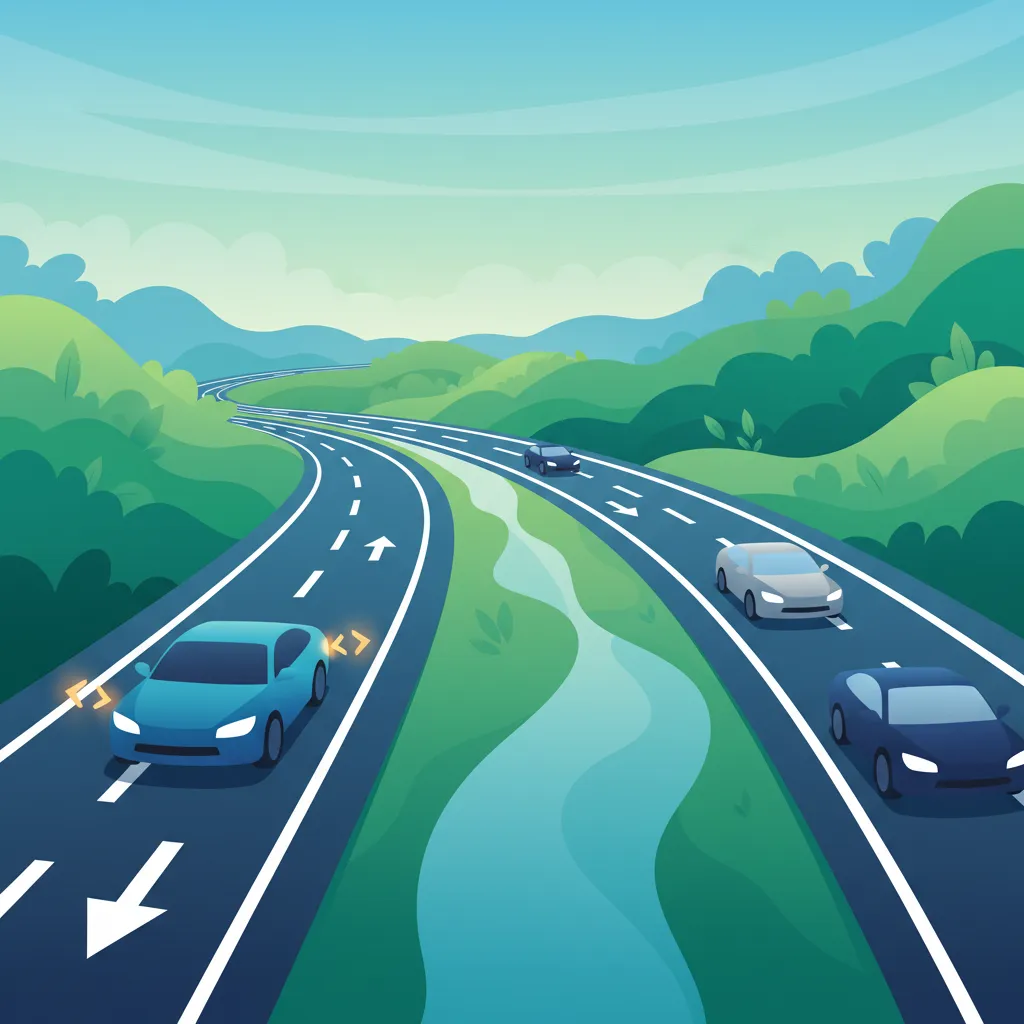
This lesson details the fundamentals of lane discipline and proper turning techniques for moped riders. It covers the correct use of turn signals, judging appropriate cornering speed, and executing safe lane changes. The material provides a step-by-step guide to navigating intersections and curves with control and predictability, ensuring safety for the rider and other road users.
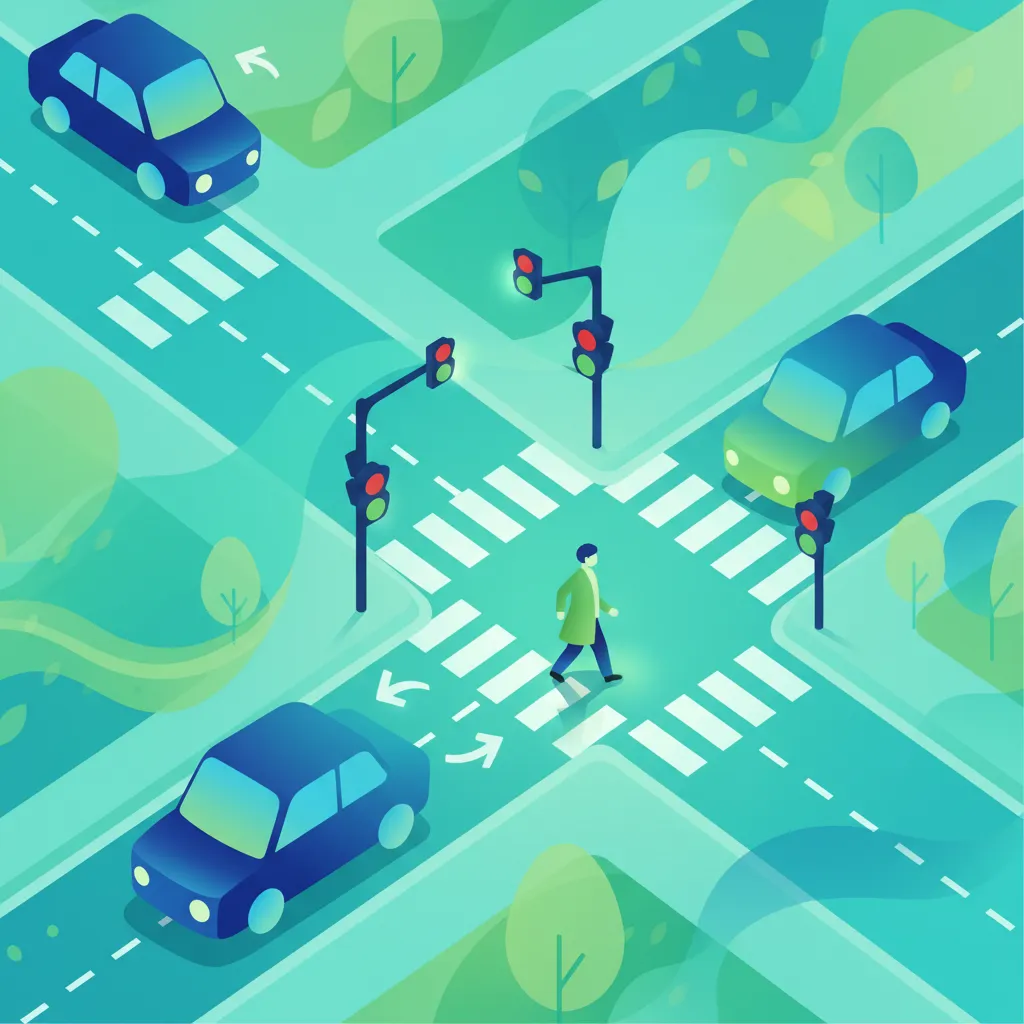
This lesson examines various intersection configurations in Iceland, including those controlled by traffic lights, four-way stops, and uncontrolled intersections without signals. Learners study how priority is determined in each scenario through signage, road markings, and the relative position of vehicles. The lesson also covers specific turning regulations and highlights the importance of assessing sight lines to ensure safe passage through complex junctions.
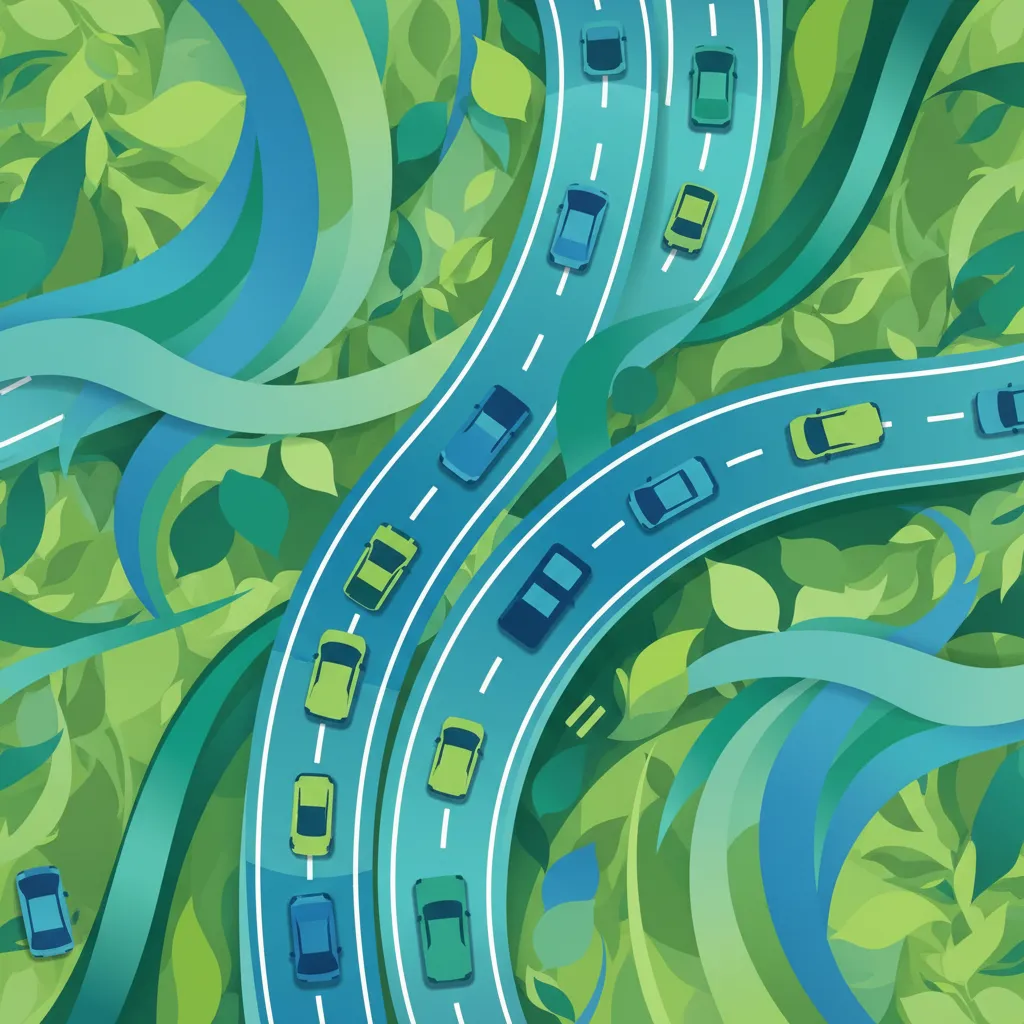
This lesson explores the proper use of lane markings to maintain correct vehicle centering and adherence to the prescribed traffic flow direction in Iceland. The content describes how to interpret solid and broken lines, maintain safe following distances within a lane, and avoid unintended lane departures. Learners also examine the legal prohibitions on using the road shoulder for general travel, ensuring compliance with lane discipline rules for overall traffic safety.

This lesson explores the conduct required at uncontrolled crossings where the right-hand rule typically applies. It emphasizes the need to reduce speed, be prepared to stop, and establish clear communication with other road users. Riders will learn to assess the situation carefully and proceed only when it is confirmed to be safe, a critical skill for rural and residential areas.

This lesson explores the dynamic principles of cornering and acceleration, emphasizing smooth control inputs and proper body positioning. Learners will understand how to manage weight transfer and traction to navigate turns safely and efficiently. It covers how to choose the correct speed and line through a corner, and how to apply throttle smoothly on exit.
Learn to identify and avoid frequent mistakes drivers make at roundabouts in Iceland. This lesson uses practical scenarios to illustrate correct procedures for yielding, lane positioning, signalling, and handling vulnerable road users for safer driving.
This lesson provides a detailed guide to navigating roundabouts, focusing on the rule to yield to circulating traffic before entering. It covers correct lane positioning for different exits, proper signaling, and maintaining a safe speed within the roundabout. Special guidance is provided for moped riders to enhance their visibility and safety among larger vehicles.
This lesson covers the conditions under which U-turns and three-point turns are permitted in Iceland, focusing on road width, visibility, and legal restrictions. The content outlines the step-by-step procedure for safely performing a three-point turn in confined spaces, including correct mirror usage and blind spot checks. Learners also explore scenarios where U-turns are prohibited, such as on narrow gravel roads or where signage explicitly bans such manoeuvres.
This lesson focuses on the principles of executing safe turns, highlighting the correct use of turn signals and lane positioning before initiating a turn. Learners examine the timing required for signaling, the rules governing right-turns and left-turn yields, and the importance of checking blind spots and cyclist lanes. The lesson also addresses the concept of turning radius to ensure drivers can complete turns without compromising the safety of others on the road.
This lesson examines various intersection configurations in Iceland, including those controlled by traffic lights, four-way stops, and uncontrolled intersections without signals. Learners study how priority is determined in each scenario through signage, road markings, and the relative position of vehicles. The lesson also covers specific turning regulations and highlights the importance of assessing sight lines to ensure safe passage through complex junctions.
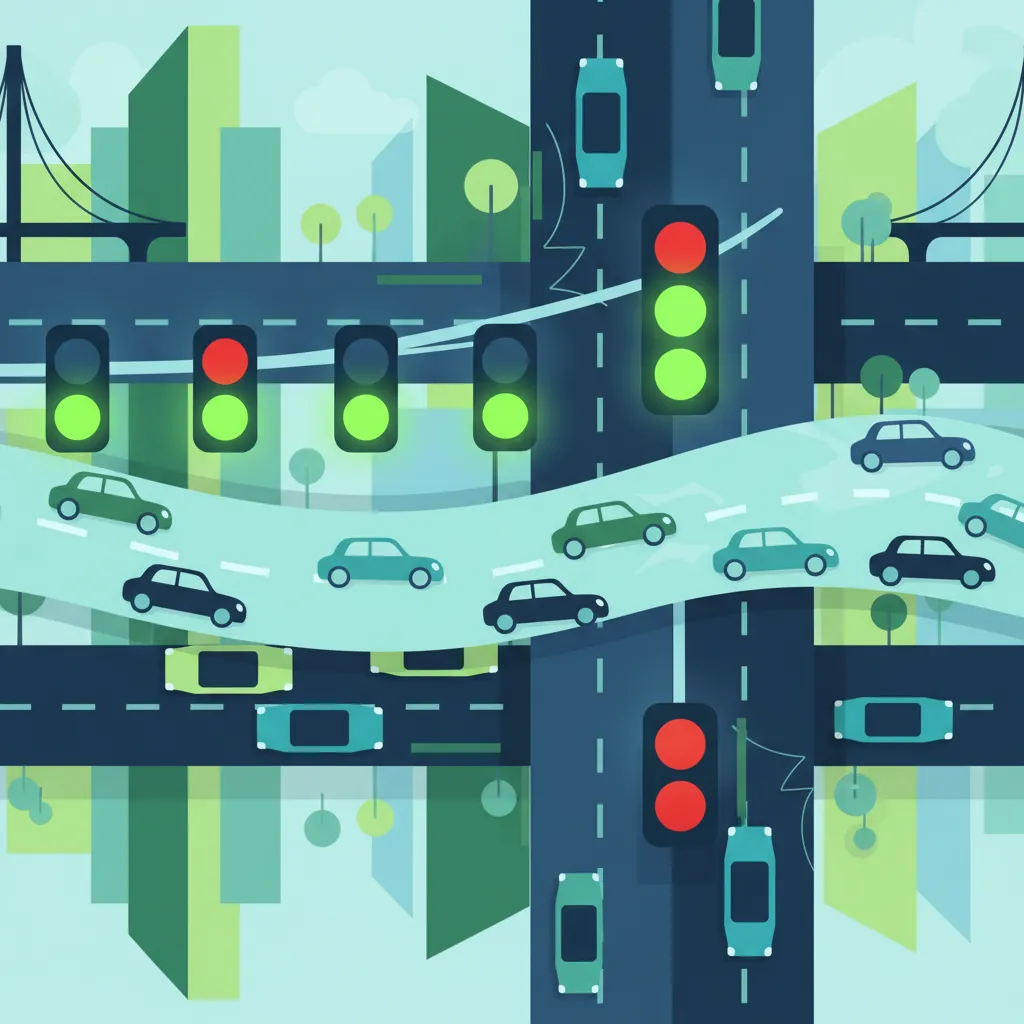
This lesson focuses on the operation of traffic lights in Iceland, describing standard three-phase cycles (red, amber, green) and variations such as flashing amber for yielding. Learners will also explore dedicated signals for pedestrians, cyclists, and turning movements, including arrow indications. The lesson explains how signal timing integrates with right-of-way rules at intersections, ensuring drivers can interpret and respond to each light state to maintain safety.
This lesson explores the proper use of lane markings to maintain correct vehicle centering and adherence to the prescribed traffic flow direction in Iceland. The content describes how to interpret solid and broken lines, maintain safe following distances within a lane, and avoid unintended lane departures. Learners also examine the legal prohibitions on using the road shoulder for general travel, ensuring compliance with lane discipline rules for overall traffic safety.

This lesson outlines the regulations governing pedestrian crossings, including zebra crossings, pedestrian traffic lights, and the driver’s obligations to yield. Learners will study how to identify crosswalk markings, interpret pedestrian signal phases, and understand the enhanced caution required in school zones and areas with high foot traffic. The content also emphasizes the need for drivers to anticipate vulnerable pedestrians and provide additional yielding in low-visibility conditions.
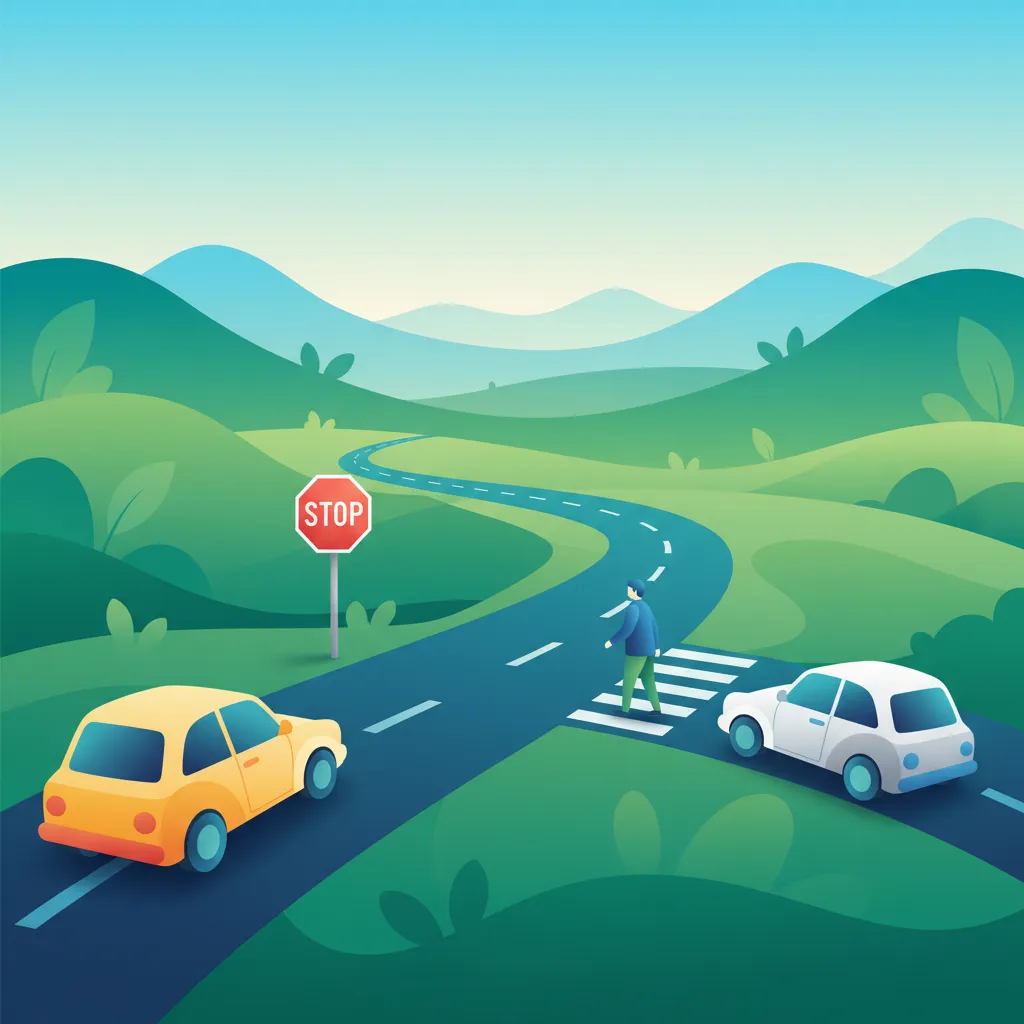
This lesson introduces the fundamental concepts of right-of-way in Iceland, explaining the priority hierarchy that dictates when a driver must yield to others. Learners study the meaning of give-way and yield signs, the distinction between main and side roads, and how stop signs and markings affect vehicle positioning. By understanding these legal obligations, students will be able to determine correct actions at any junction, reducing the risk of collisions.
This lesson explores the conduct required at uncontrolled crossings where the right-hand rule typically applies. It emphasizes the need to reduce speed, be prepared to stop, and establish clear communication with other road users. Riders will learn to assess the situation carefully and proceed only when it is confirmed to be safe, a critical skill for rural and residential areas.
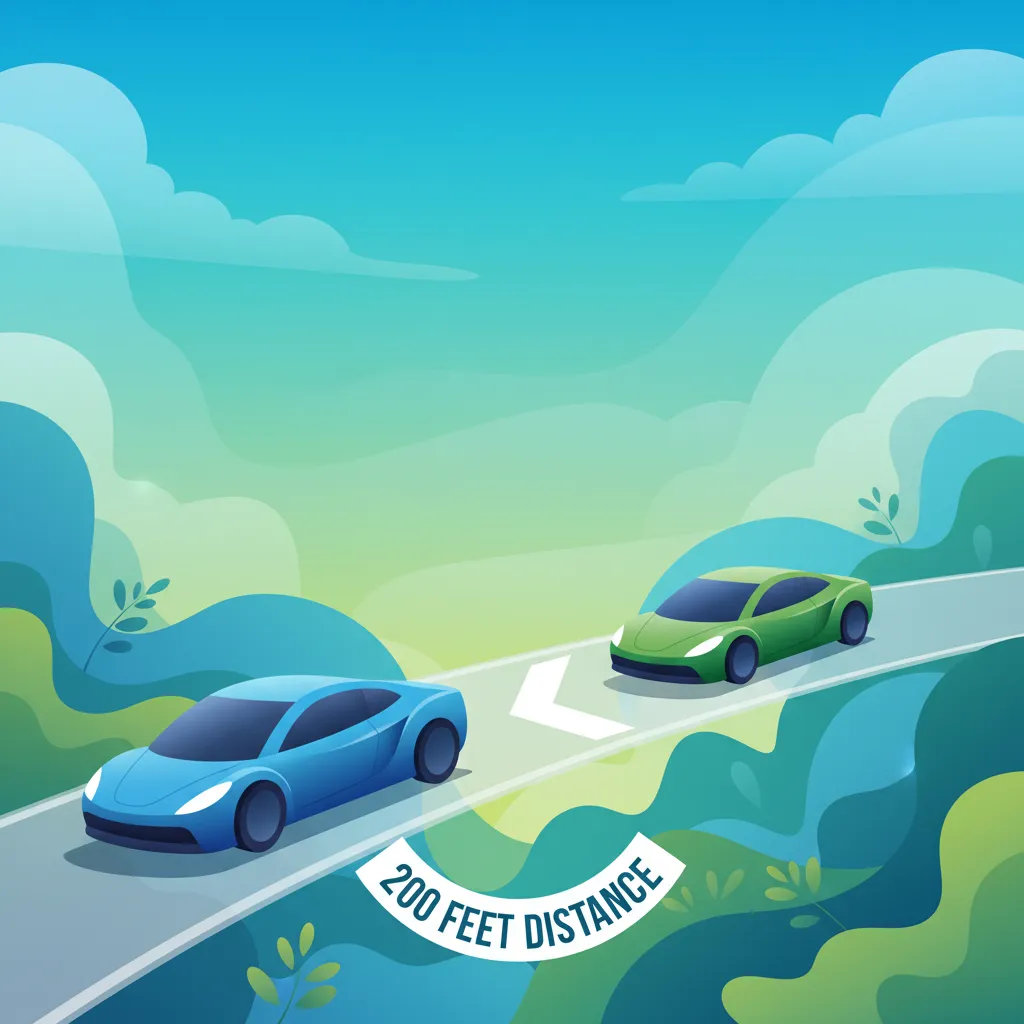
This lesson examines the calculation of safe following distances using the two-second rule and formulas that factor in vehicle speed and road conditions. The content explains how reaction time, weather conditions like ice or rain, and vehicle load affect braking zones. Students also learn specific techniques for stopping on hills and how to avoid tailgating, thereby maintaining sufficient safety margins under all Icelandic weather conditions.
Find clear answers to common questions learners have about Roundabout Navigation and Yield Rules. Learn how the lesson is structured, which driving theory objectives it supports, and how it fits into the overall learning path of units and curriculum progression in Iceland. These explanations help you understand key concepts, lesson flow, and exam focused study goals.
You must always yield to traffic already circulating within the roundabout when you are entering. This applies to both single-lane and multi-lane roundabouts. Observe the flow of traffic and only enter when there is a safe gap. Priority is generally given to vehicles already on the roundabout.
Lane choice depends on your intended exit. For exits to the right or straight ahead, you typically use the right-hand lane. For exits to the left or turning back, you will usually use the left-hand lane. Always observe road signs and markings for specific lane guidance and signal your intentions clearly.
In Iceland, roundabouts are usually well-signed. However, if there's ambiguity, treat it as an intersection where vehicles already in the roundabout have priority. Always approach with caution and be prepared to yield to circulating traffic.
Yes, you must signal your intention to exit the roundabout as you approach your exit. This alerts other road users, including pedestrians and cyclists, to your manoeuvre. Ensure your signal is activated in good time.
Common errors include failing to yield to circulating traffic, choosing the wrong lane on multi-lane roundabouts, not signalling correctly upon exit, and underestimating the speed of traffic. This lesson addresses these common pitfalls to ensure you are well-prepared for the theory exam and real-world driving.
Utilize our advanced practice set search to pinpoint the exact Icelandic driving theory topics you need to review. Filter by subject, difficulty, or question type to create a highly effective study plan and ensure you are fully prepared for your official driving licence test in Iceland.