
This lesson details the mandatory safety equipment required by Icelandic law for every passenger vehicle. You will learn the correct usage and placement of essential items such as the emergency triangle, first-aid kit, and fire extinguisher, ensuring you are prepared for both the theory exam and real-world safety inspections.
Lesson content overview
Driving on Icelandic roads, whether through bustling urban areas or across remote, rugged landscapes, demands not only skill and adherence to traffic laws but also a comprehensive understanding of your vehicle's safety equipment. This lesson, part of the Official Icelandic Driving License B Theory Course, delves into the essential safety items legally required in every passenger vehicle in Iceland. We will explore their purpose, correct usage, and the crucial role they play in preventing injuries, ensuring visibility during emergencies, and enabling immediate response to unforeseen incidents. Knowing how to properly use and maintain these items is not just a legal obligation; it is a fundamental aspect of responsible and safe driving, protecting you, your passengers, and other road users.
The primary objective of vehicle safety design is to protect occupants in the event of a collision. Central to this protection are seat belts and airbags, which work in tandem to minimize injury severity during sudden deceleration.
A seat belt is a mechanical restraint system securely anchored to the vehicle's chassis, designed to fasten occupants into their seats. Its fundamental purpose is to limit the movement of a person's body during a sudden stop or collision, preventing them from being thrown forward into the vehicle's interior (a "secondary collision") or ejected from the vehicle entirely.
The most common type found in modern vehicles is the three-point belt, which provides restraint across the lap and diagonally over the shoulder. This design effectively distributes the forces of an impact across the strongest parts of the body: the pelvis, rib cage, and shoulder. Some advanced seat belt systems also include pre-tensioners, which automatically tighten the belt in the initial moments of a crash to remove any slack, and force limiters, which allow a controlled amount of belt payout to reduce excessive pressure on the occupant's chest.
Legal Requirements and Proper Use: In Iceland, it is legally mandatory for the driver and all passengers to wear seat belts whenever the vehicle is in motion. This applies to all road conditions and vehicle types where seat belts are installed. Non-compliance can result in significant fines and, more importantly, drastically increases the risk of severe injury or fatality in an accident.
For a seat belt to be effective, it must be worn correctly:
Children and Child Restraint Systems: Children must be secured in appropriate child restraint systems (car seats or booster seats) according to their age, weight, and height. These child seats are themselves anchored using the vehicle's seat belts or ISOFIX systems, and the child is then secured within the child seat using its integrated harness or the vehicle's seat belt. It is a common misconception that if a child is in a child seat, the vehicle's seat belt is optional; the child seat relies on the vehicle's seat belt (or ISOFIX) for its own securement.
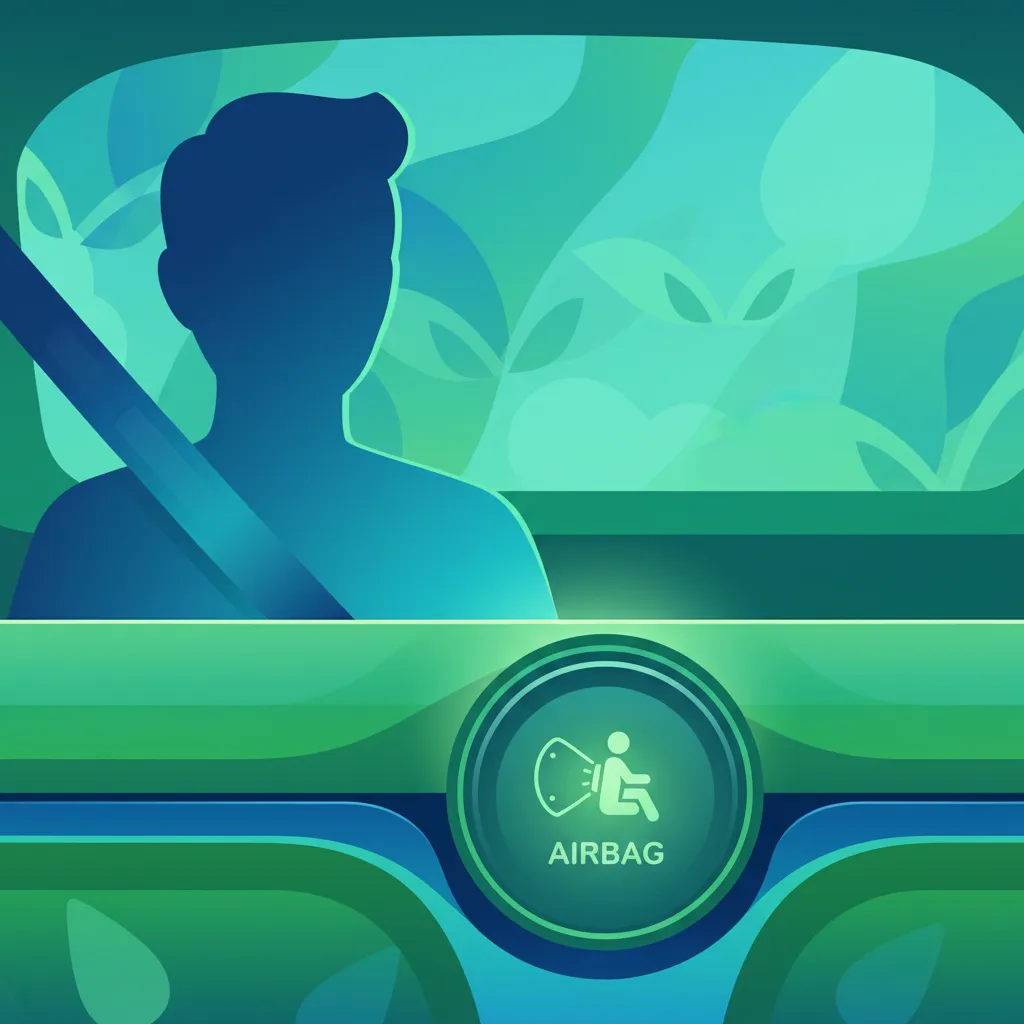
Airbags are supplemental restraint devices designed to inflate rapidly during a collision to cushion occupants and prevent them from striking hard surfaces within the vehicle. They are crucial components of a modern car's safety system, but it is vital to understand that they are not a substitute for seat belts. Airbags are designed to work in conjunction with seat belts, providing enhanced protection.
Modern vehicles are equipped with various types of airbags:
How Airbags Work and Associated Rules: Airbags deploy within milliseconds of a collision when sensors detect an impact of a certain severity. The airbag inflates with gas, forming a soft cushion, and then immediately begins to deflate, allowing the occupant to move naturally after the impact.
The legal requirement in Iceland is that airbags must be functional and not disabled. Tampering with an airbag system or driving a vehicle with a known, unaddressed airbag fault (often indicated by a persistent warning light on the dashboard) is prohibited. A non-functional airbag compromises safety and can lead to vehicle inspection failure.
Common Misunderstandings: A frequent misunderstanding is the belief that airbags alone provide sufficient safety, negating the need for seat belts. This is dangerous. Airbags deploy with immense force; without the restraint of a seat belt, an occupant can be thrown into a deploying airbag, potentially causing severe injuries rather than preventing them. The seat belt slows the occupant's forward motion, allowing the airbag to deploy and cushion them effectively. Always wear your seat belt, even in a car with multiple airbags.
While seat belts and airbags protect occupants during a crash, other mandatory safety equipment is designed to prevent secondary incidents and manage emergencies that occur on the road, such as breakdowns or minor accidents.
A reflective vest is a high-visibility garment made of fluorescent material with retro-reflective strips, designed to make a person easily seen by others, especially in low light conditions or poor weather.
Legal Requirements and Practical Use: In Iceland, it is mandatory for every occupant of a vehicle to have a reflective vest readily accessible. More importantly, it is a legal requirement for anyone exiting a stopped vehicle on a public road, regardless of the reason (e.g., breakdown, minor accident, flat tire), to wear a reflective vest. This rule applies day and night, though its importance is significantly amplified in conditions of low light, fog, heavy rain, or snow.
Storage and Usage Tips:
An emergency warning triangle is a portable, reflective triangular sign used to alert approaching traffic to a stationary or disabled vehicle ahead. Its purpose is to provide an early warning, giving other drivers sufficient time to react, slow down, and safely maneuver around the hazard.
Legal Requirements and Placement: It is mandatory for all passenger vehicles in Iceland to carry an emergency warning triangle. This triangle must meet specific size requirements, typically having a minimum side length of 400 millimetres.
When a vehicle breaks down or is involved in an accident and causes an obstruction or hazard on a public road, the driver must place the warning triangle at a safe and appropriate distance behind the vehicle. The placement distance varies depending on the type of road:
Proper Placement Technique:
A fire extinguisher is a portable device containing a fire-suppressing agent, designed for immediate use on small fires. Vehicle fires can escalate rapidly, posing a significant threat to occupants and the vehicle itself. Having an accessible and functional fire extinguisher can make a critical difference.
Legal Requirements and Type: In Iceland, carrying a fire extinguisher is mandatory for all passenger vehicles. The extinguisher must be of an appropriate class for vehicle fires, typically an ABC-type (powder) extinguisher, which is effective against common fires involving solids (A), flammable liquids (B), and electrical equipment (C).
Maintenance and Accessibility:
How to Operate a Fire Extinguisher (P.A.S.S. Method): In the event of a small vehicle fire, remember the P.A.S.S. method:
P - Pull: Pull the pin at the top of the extinguisher. This breaks the tamper seal and allows you to discharge the agent.
A - Aim: Aim the nozzle or hose at the base of the fire, not at the flames themselves.
S - Squeeze: Squeeze the handle to release the extinguishing agent.
S - Sweep: Sweep the nozzle from side to side at the base of the fire until it appears to be out. Continue to monitor the area for re-ignition.
Always ensure the vehicle is stationary and safely pulled over before attempting to use the extinguisher. If the fire is large or spreading rapidly, prioritize the safety of occupants and evacuate immediately, then call emergency services.
A first-aid kit is a collection of essential medical supplies and equipment designed for the immediate treatment of injuries and minor medical emergencies. Its presence in a vehicle is crucial for providing prompt care to injured persons before professional medical help arrives, especially in areas where emergency response times might be longer.
Legal Requirements and Contents: In Iceland, it is mandatory for all passenger vehicles to carry a first-aid kit. This kit must contain specific items according to national first-aid guidelines and be kept up-to-date. While the exact contents may vary slightly, a standard kit typically includes:
Storage and Maintenance:
Adhering to the regulations surrounding mandatory safety equipment is a core aspect of responsible driving in Iceland. These rules are not mere formalities; they are designed to save lives and mitigate the severity of incidents on the road.
The Icelandic Transport Authority (Samgöngustofa) enforces specific traffic laws that mandate the presence and functionality of the safety equipment discussed. Non-compliance can lead to various legal consequences, including:
Always ensure all safety equipment is present and functional before commencing any journey, regardless of its length. This proactive approach ensures you are prepared for unexpected situations.
Regular Inspection: Safety equipment is only effective if it is in proper working order. Integrate checks of your safety equipment into your routine vehicle maintenance.
Proper Storage: The accessibility of safety equipment is paramount in an emergency.
Even with the best intentions, drivers can inadvertently make mistakes regarding safety equipment. Understanding these common pitfalls can help ensure you're always prepared and compliant.
The mandatory safety equipment in your vehicle forms a crucial layer of protection and preparedness. From the moment you buckle up, securing yourself with a seat belt that works in concert with your airbags, to the foresight of having an accessible fire extinguisher, reflective vest, warning triangle, and first-aid kit, each item plays a vital role.
Understanding the legal mandates, knowing how to properly use each piece of equipment, and committing to regular maintenance are fundamental responsibilities of every driver in the Official Icelandic Driving License B Theory Course. By doing so, you not only comply with Icelandic traffic laws but actively contribute to your own safety, the safety of your passengers, and the safety of everyone sharing the road. Be proactive, be prepared, and drive safely.
This lesson covers the mandatory safety equipment required by Icelandic law in every passenger vehicle, including seat belts with three-point designs, supplemental airbags, reflective vests, emergency warning triangles with specific placement distances (30m on motorways, 10m on urban roads), ABC-type fire extinguishers operated via the P.A.S.S. method, and first-aid kits. Proper storage is critical—safety items must remain within the passenger compartment for quick access, not stored in the trunk. Non-compliance with these regulations can result in fines, vehicle inspection failure, and complications with insurance claims following accidents.
A short set of high-value points that capture the most important learning from this lesson.
Icelandic law mandates that the driver and all passengers must wear seat belts whenever the vehicle is in motion, with non-compliance resulting in significant fines.
Airbags are supplemental restraint devices that work in conjunction with seat belts; they are never a substitute for wearing a seat belt.
An emergency warning triangle must be placed at least 30 metres behind the vehicle on motorways and high-speed roads, but only 10 metres on urban roads.
The vehicle fire extinguisher must be an ABC-type powder extinguisher, securely mounted within the passenger compartment (not in the trunk) and serviced annually.
Every occupant must have a reflective vest readily accessible, and it must be worn before exiting a stopped vehicle on any public road, day or night.
Explore all units and lessons included in this driving theory course.
Use the P.A.S.S. method when operating a fire extinguisher: Pull the pin, Aim at the base of the fire, Squeeze the handle, Sweep side to side.
Reflective vests, fire extinguishers, and first-aid kits should be stored in easily accessible locations within the passenger compartment, not in the trunk.
Fire extinguishers must be serviced annually, and the pressure gauge should show the needle in the green zone for proper function.
Child seats rely on the vehicle's seat belt or ISOFIX system for their own securement; the child must then be strapped into the child seat.
When deploying hazard lights alongside the warning triangle, place the triangle in the centre of the lane you are obstructing.
Believing rear-seat passengers are exempt from wearing seat belts on short urban trips, when all occupants must wear available seat belts.
Storing the fire extinguisher loosely in the cabin or glove compartment where it can become a projectile and is difficult to access quickly during an emergency.
Exiting a vehicle on a dark or low-visibility road without first putting on a reflective vest, significantly increasing the risk of being struck by other traffic.
Placing the warning triangle only a few metres behind a disabled vehicle on a motorway, providing insufficient warning time for approaching drivers at high speeds.
Using an expired or incomplete first-aid kit, which fails to meet both legal requirements and practical emergency needs.
Lesson content overview
A short set of high-value points that capture the most important learning from this lesson.
Icelandic law mandates that the driver and all passengers must wear seat belts whenever the vehicle is in motion, with non-compliance resulting in significant fines.
Airbags are supplemental restraint devices that work in conjunction with seat belts; they are never a substitute for wearing a seat belt.
An emergency warning triangle must be placed at least 30 metres behind the vehicle on motorways and high-speed roads, but only 10 metres on urban roads.
The vehicle fire extinguisher must be an ABC-type powder extinguisher, securely mounted within the passenger compartment (not in the trunk) and serviced annually.
Every occupant must have a reflective vest readily accessible, and it must be worn before exiting a stopped vehicle on any public road, day or night.
Explore all units and lessons included in this driving theory course.
Use the P.A.S.S. method when operating a fire extinguisher: Pull the pin, Aim at the base of the fire, Squeeze the handle, Sweep side to side.
Reflective vests, fire extinguishers, and first-aid kits should be stored in easily accessible locations within the passenger compartment, not in the trunk.
Fire extinguishers must be serviced annually, and the pressure gauge should show the needle in the green zone for proper function.
Child seats rely on the vehicle's seat belt or ISOFIX system for their own securement; the child must then be strapped into the child seat.
When deploying hazard lights alongside the warning triangle, place the triangle in the centre of the lane you are obstructing.
Believing rear-seat passengers are exempt from wearing seat belts on short urban trips, when all occupants must wear available seat belts.
Storing the fire extinguisher loosely in the cabin or glove compartment where it can become a projectile and is difficult to access quickly during an emergency.
Exiting a vehicle on a dark or low-visibility road without first putting on a reflective vest, significantly increasing the risk of being struck by other traffic.
Placing the warning triangle only a few metres behind a disabled vehicle on a motorway, providing insufficient warning time for approaching drivers at high speeds.
Using an expired or incomplete first-aid kit, which fails to meet both legal requirements and practical emergency needs.
Explore search topics learners often look for when studying Mandatory Safety Equipment and Proper Use. These topics reflect common questions about road rules, driving situations, safety guidance, and lesson level theory preparation for learners in Iceland.
Browse additional driving theory lessons that cover connected traffic rules, road signs, and common driving situations related to this topic. Improve your understanding of how different rules interact across everyday traffic scenarios.
Understand the mandatory safety equipment required by Icelandic law for passenger vehicles. This lesson covers legal obligations for items like seat belts, airbags, reflective vests, warning triangles, fire extinguishers, and first-aid kits.

This lesson explores the insurance landscape required for operating a vehicle in Iceland, emphasizing compulsory liability insurance and options for comprehensive coverage. The content explains the distinctions between third-party liability and full coverage policies, the documentation needed for proof of insurance, and the procedural steps for filing an accident claim. Learners also study the legal responsibilities associated with insurance renewal and risk assessment factors.

This lesson focuses on the routine maintenance tasks essential for preserving vehicle safety and compliance in Iceland, including how to check tire pressure, assess brake wear, and monitor fluid levels. The content also outlines the periodic vehicle inspection process, the requirement for emissions testing, and the steps needed to renew vehicle registration. Understanding these procedures ensures the vehicle remains roadworthy and legally compliant.

This lesson explores the health criteria mandated by Icelandic law for operating a vehicle, focusing on visual and auditory acuity, as well as overall physical capability. Students will study required medical certifications and understand acceptable vision levels and hearing standards necessary for safe driving. The lesson also outlines how chronic illnesses, medication side-effects, and mental health conditions can influence driver fitness and legal compliance.
This lesson outlines the specific duties and limitations placed on learner drivers in Iceland, from the mandatory display of L-plates to the requirement for a qualified supervisor. Learners will study night-driving prohibitions, passenger rules for newly licensed drivers, and the legal limits on alcohol consumption during the learning phase. The content also covers the necessity of maintaining a training log and ensuring appropriate insurance coverage for the vehicle.
This lesson examines the calculation of safe following distances using the two-second rule and formulas that factor in vehicle speed and road conditions. The content explains how reaction time, weather conditions like ice or rain, and vehicle load affect braking zones. Students also learn specific techniques for stopping on hills and how to avoid tailgating, thereby maintaining sufficient safety margins under all Icelandic weather conditions.
This lesson categorizes Icelandic road signs into regulatory signs that dictate mandatory actions, warning signs that alert drivers to hazards, and informational signs that provide guidance. It explains the distinctive shapes and colour schemes for each category, such as circles for prohibitions and triangles for warnings. By mastering these conventions, students will be able to interpret sign intent instantly and adapt their driving behaviour accordingly to comply with legal obligations.
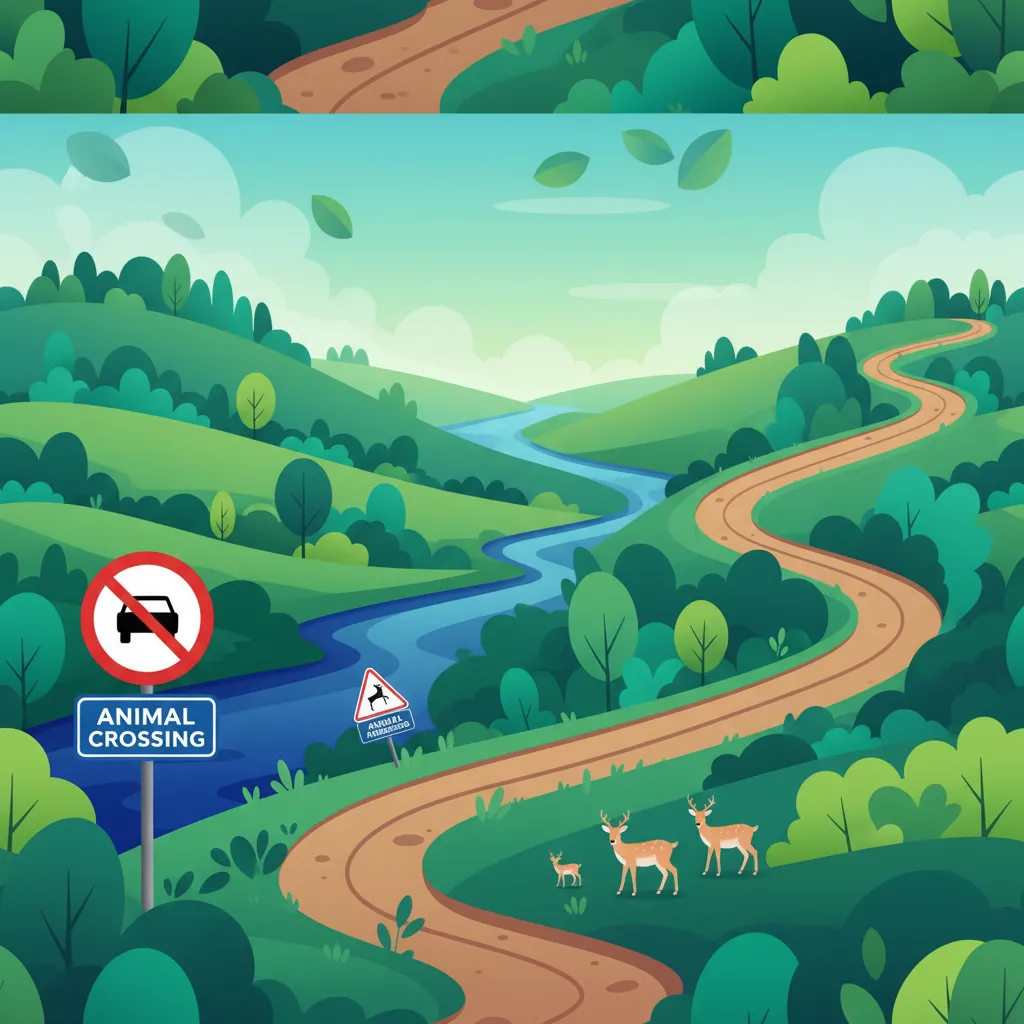
This lesson focuses on the regulations governing highland travel and off-road restrictions, including environmental protections that prohibit off-road driving in certain zones. The lesson details how to interpret highland road signage, understand restrictions related to wildlife crossings like reindeer and sheep, and adhere to road width management guidelines. Learners are also instructed on using emergency contact points in sparsely populated regions.
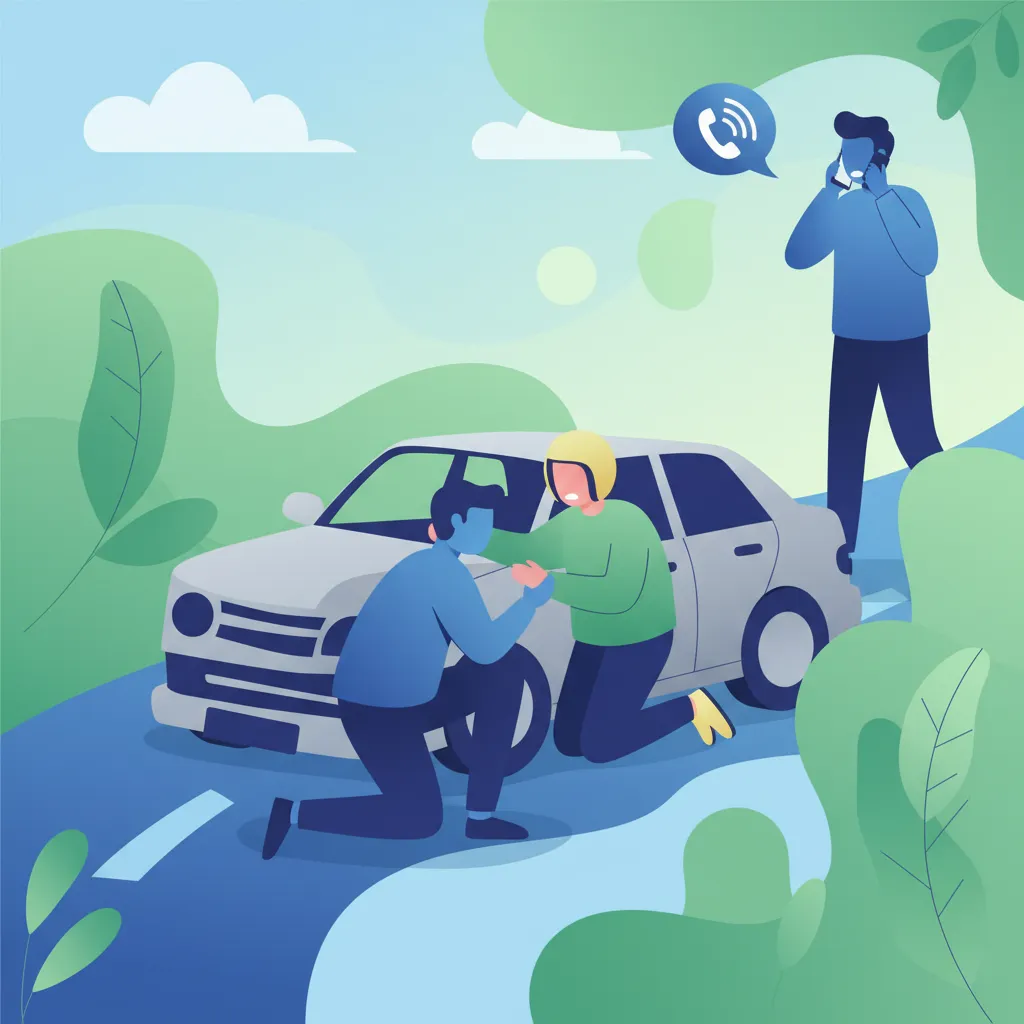
This lesson details the essential actions to take immediately after a collision, focusing on securing the accident scene and contacting emergency services using the universal number 112. The content explains how to use hazard lights, position vehicles to avoid secondary collisions, and assess the situation for immediate dangers. Learners also review their legal duty to report accidents and the appropriate information to provide to the police to ensure the scene remains safe.
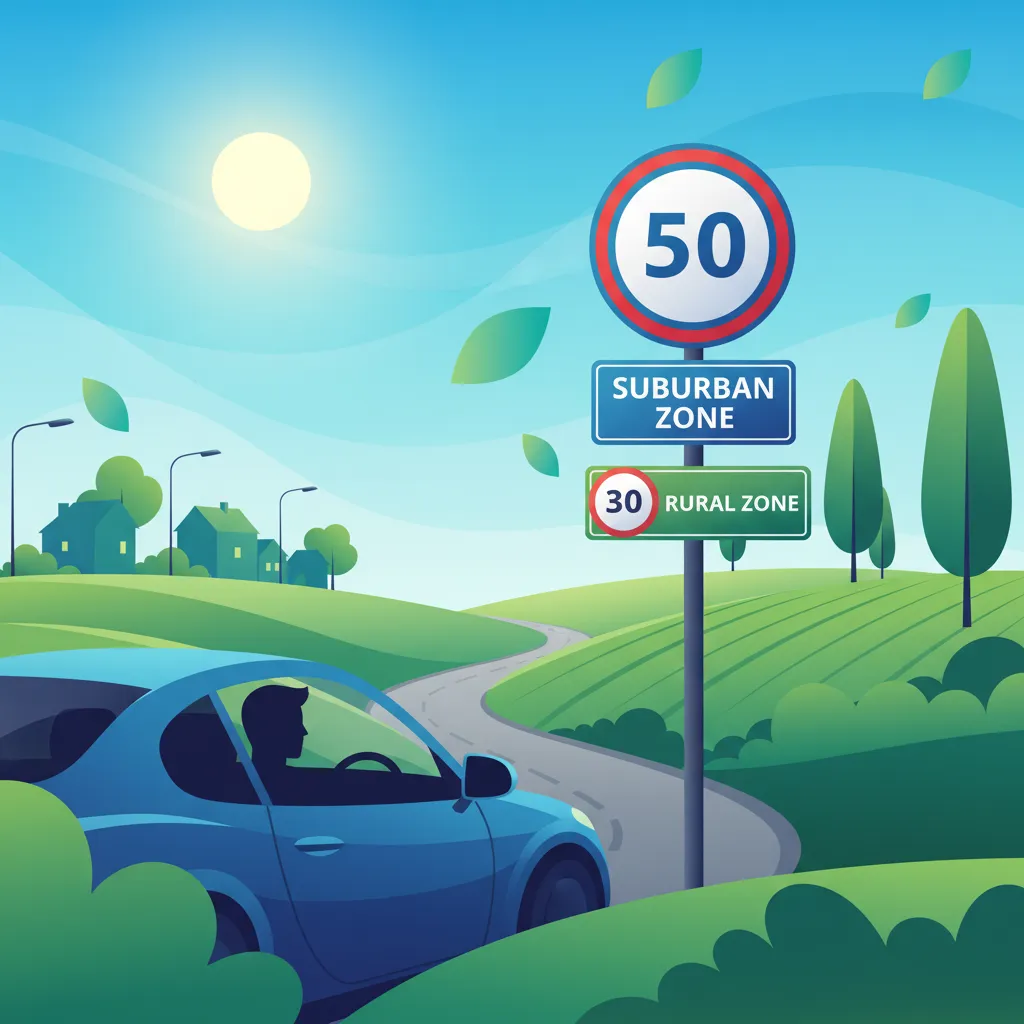
This lesson outlines the speed limits applicable to various road types in Iceland, from urban streets to rural highways and special zones like tunnels. Learners will interpret speed sign markings, understand variable speed limits that adjust for weather, and recognize when temporary speed reductions are enforced. The content also covers speed monitoring devices and the legal consequences of exceeding limits, emphasizing speed awareness in all driving contexts.

This lesson explores the proper use of lane markings to maintain correct vehicle centering and adherence to the prescribed traffic flow direction in Iceland. The content describes how to interpret solid and broken lines, maintain safe following distances within a lane, and avoid unintended lane departures. Learners also examine the legal prohibitions on using the road shoulder for general travel, ensuring compliance with lane discipline rules for overall traffic safety.
Learn the correct placement and usage of essential vehicle safety equipment in Iceland. This guide highlights common errors to avoid with seat belts, airbags, reflective vests, and other critical safety gear, ensuring you are prepared.
This lesson details the essential actions to take immediately after a collision, focusing on securing the accident scene and contacting emergency services using the universal number 112. The content explains how to use hazard lights, position vehicles to avoid secondary collisions, and assess the situation for immediate dangers. Learners also review their legal duty to report accidents and the appropriate information to provide to the police to ensure the scene remains safe.
This lesson focuses on the routine maintenance tasks essential for preserving vehicle safety and compliance in Iceland, including how to check tire pressure, assess brake wear, and monitor fluid levels. The content also outlines the periodic vehicle inspection process, the requirement for emissions testing, and the steps needed to renew vehicle registration. Understanding these procedures ensures the vehicle remains roadworthy and legally compliant.
This lesson explores the insurance landscape required for operating a vehicle in Iceland, emphasizing compulsory liability insurance and options for comprehensive coverage. The content explains the distinctions between third-party liability and full coverage policies, the documentation needed for proof of insurance, and the procedural steps for filing an accident claim. Learners also study the legal responsibilities associated with insurance renewal and risk assessment factors.

This lesson provides foundational first-aid knowledge required for drivers who encounter an injury at a crash scene, covering how to control bleeding, perform basic CPR, and stabilize fractures. The content emphasizes maintaining scene safety while attending to injured parties, the correct use of an emergency kit, and effective communication with ambulance services. Mastering these basic medical interventions can contribute to better outcomes for accident victims.
This lesson explores the proper use of lane markings to maintain correct vehicle centering and adherence to the prescribed traffic flow direction in Iceland. The content describes how to interpret solid and broken lines, maintain safe following distances within a lane, and avoid unintended lane departures. Learners also examine the legal prohibitions on using the road shoulder for general travel, ensuring compliance with lane discipline rules for overall traffic safety.
This lesson examines the calculation of safe following distances using the two-second rule and formulas that factor in vehicle speed and road conditions. The content explains how reaction time, weather conditions like ice or rain, and vehicle load affect braking zones. Students also learn specific techniques for stopping on hills and how to avoid tailgating, thereby maintaining sufficient safety margins under all Icelandic weather conditions.
This lesson helps learners develop an understanding of how drivers perceive and assess risks on Icelandic roads, particularly under variable weather and lighting conditions. The content discusses mental models used to anticipate the actions of other road users and the importance of identifying subtle hazards. By analysing environmental cues and applying systematic hazard perception strategies, students learn to enhance their situational awareness and make safer driving decisions.
This lesson outlines the specific duties and limitations placed on learner drivers in Iceland, from the mandatory display of L-plates to the requirement for a qualified supervisor. Learners will study night-driving prohibitions, passenger rules for newly licensed drivers, and the legal limits on alcohol consumption during the learning phase. The content also covers the necessity of maintaining a training log and ensuring appropriate insurance coverage for the vehicle.
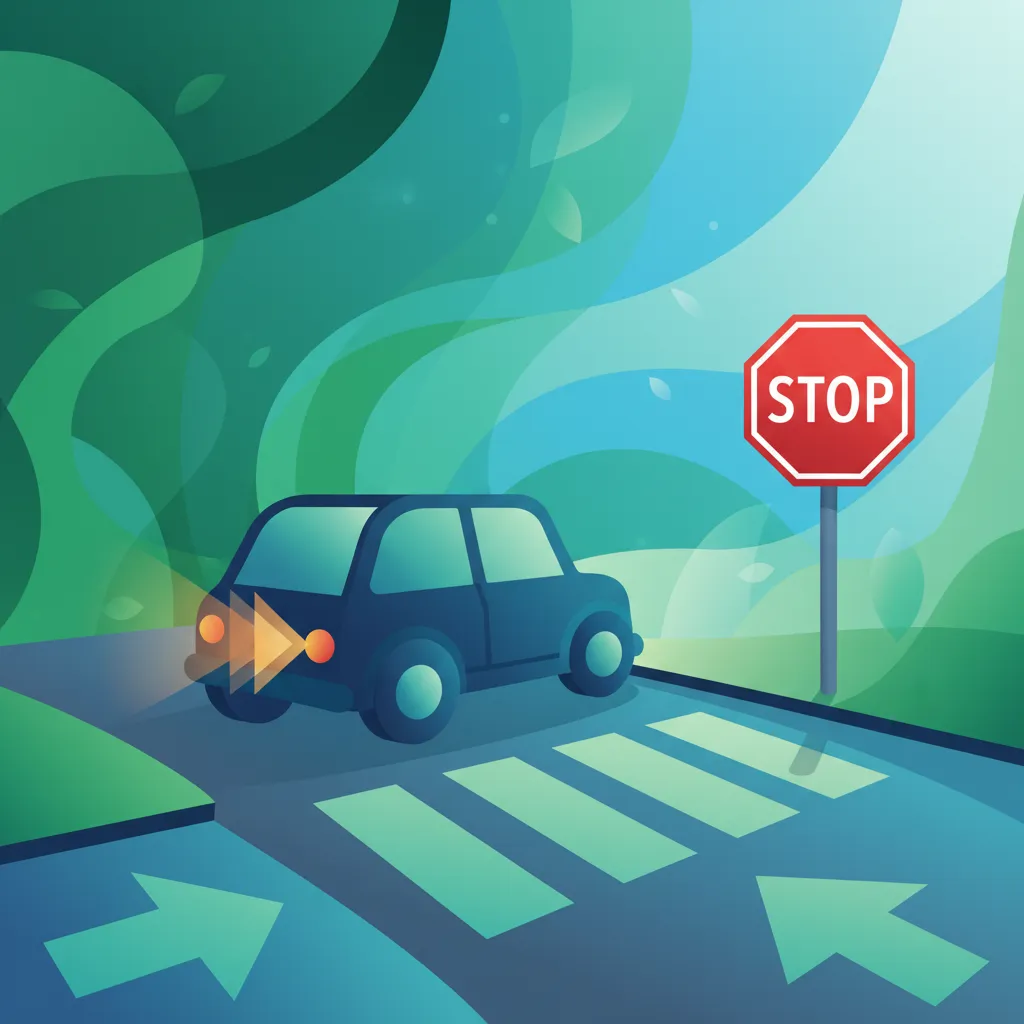
This lesson focuses on the principles of executing safe turns, highlighting the correct use of turn signals and lane positioning before initiating a turn. Learners examine the timing required for signaling, the rules governing right-turns and left-turn yields, and the importance of checking blind spots and cyclist lanes. The lesson also addresses the concept of turning radius to ensure drivers can complete turns without compromising the safety of others on the road.

This lesson examines the administrative and legal processes that follow a road accident, covering how to file a police report, document the scene with photographs, and gather witness statements. Learners will study the insurance claim process, including submission of documentation, arranging vehicle repairs, and understanding timelines for claim settlement. Additionally, the lesson outlines the legal obligations of drivers post-accident and the potential impact on their driving record.
Find clear answers to common questions learners have about Mandatory Safety Equipment and Proper Use. Learn how the lesson is structured, which driving theory objectives it supports, and how it fits into the overall learning path of units and curriculum progression in Iceland. These explanations help you understand key concepts, lesson flow, and exam focused study goals.
While specific requirements can be updated by the Icelandic Transport Authority, it is strongly advised and often considered part of the mandatory safety preparation for a safe vehicle. Always check the current list of required items in your latest theory manual for the most accurate exam information.
The warning triangle must be stored in an accessible location within the vehicle, such as the trunk or a designated compartment, where it can be retrieved quickly in an emergency without having to unload heavy luggage.
The reflective vest is designed to make you highly visible to other drivers, particularly in low-light conditions, rain, or thick fog, which are frequent occurrences on Icelandic roads. You should keep it in the cabin so you can put it on before exiting the vehicle.
You should check the pressure gauge on your fire extinguisher regularly to ensure it is in the 'green' zone. Most fire extinguishers have an expiry date, and they must be professionally serviced or replaced to remain compliant and effective.
Utilize our advanced practice set search to pinpoint the exact Icelandic driving theory topics you need to review. Filter by subject, difficulty, or question type to create a highly effective study plan and ensure you are fully prepared for your official driving licence test in Iceland.