
Welcome to the final lesson in Unit 9! This section focuses on the unique challenges and regulations of driving in Iceland's highlands and remote areas. We'll cover crucial rules about off-road travel, understanding specific signage, and how to navigate safely around wildlife like reindeer and sheep. This knowledge is vital for responsible driving in Iceland's natural landscapes and for passing your Category B theory exam.
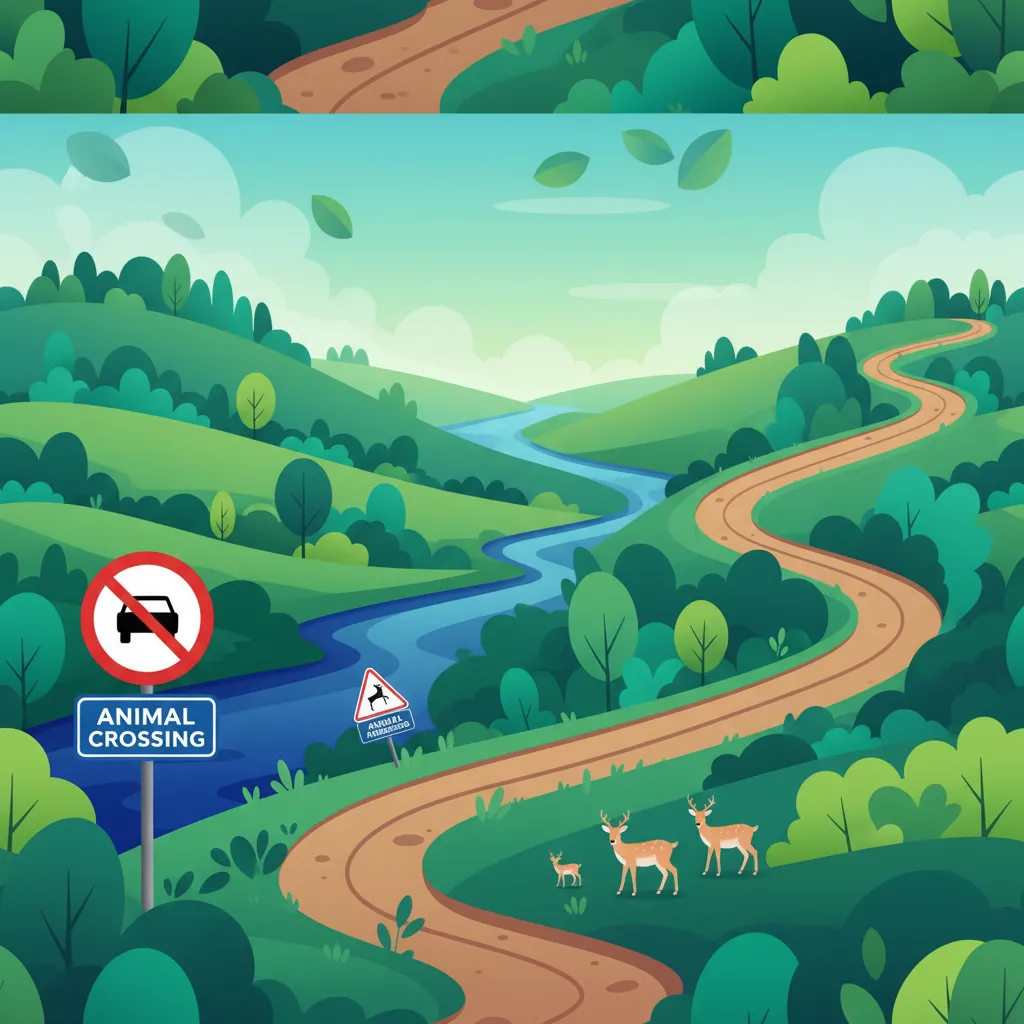
Lesson content overview
Welcome to a critical lesson within your Official Icelandic Driving License B Theory Course, focusing on the unique challenges and stringent regulations associated with driving in Iceland's highlands. These vast, remote, and often rugged interior regions demand a distinct approach to driving, combining vigilance, environmental consciousness, and strict adherence to specific traffic laws. This lesson will equip you with the knowledge to safely and legally traverse the highlands, ensuring both your protection and the preservation of Iceland's fragile natural landscape and wildlife.
Iceland's highland areas are characterized by their raw, untamed beauty, but also by their remoteness, rapidly changing weather, and delicate ecosystems. Unlike paved roads in populated areas, highland routes are frequently unpaved gravel tracks, often narrow, and sometimes without regular maintenance. The specific regulations governing these areas are designed to protect both the environment from damage caused by vehicles and drivers from potentially dangerous situations like getting stranded or involved in accidents. Understanding these rules is not merely about avoiding fines; it's about respecting nature and ensuring personal safety.
The Icelandic highlands host unique and sensitive ecosystems, including ancient moss fields, fragile lava formations, and critical habitats for grazing animals. These environments are highly susceptible to damage from vehicle tracks, which can take decades or even centuries to recover. Additionally, the lack of infrastructure, limited mobile phone coverage, and extreme weather conditions make rescue operations in these areas complex and costly. Therefore, strict rules are in place to guide responsible travel, emphasizing designated road use and environmental protection.
One of the most fundamental principles of highland travel in Iceland is the absolute necessity of remaining on marked roadways. Driving off-road is strictly prohibited in most protected zones, regardless of your vehicle's capabilities. This ban is crucial for preventing irreparable damage to the environment and for reducing the risk of vehicles becoming stranded in difficult terrain.
Road signs are your primary guide in the highlands. It is imperative to recognize and obey signs indicating off-road driving prohibitions. These signs typically feature a specific design to clearly convey the restriction.
While the exact sign may vary, the message is always clear: stay on the designated path. Even seemingly barren or robust terrain, such as lava fields or expansive sand flats, can conceal fragile ecosystems beneath the surface. The appearance of "no off-road driving" signs reinforces the legal and environmental imperative to stick to the marked route.
Violating the off-road driving ban carries severe penalties. These can range from substantial fines to the revocation of your driver's license, and in cases of significant environmental damage, even ecological penalties or criminal charges. It is a common misconception that a four-wheel-drive (4x4) vehicle grants permission for off-road travel. This is incorrect; vehicle capability never overrides legal prohibitions. Even if the terrain appears passable, driving off a marked road is a punishable offense.
Always remember: the capability of your 4x4 vehicle does not grant you permission to drive off-road. The law dictates where you can and cannot drive, not your vehicle's specifications.
Many highland roads, particularly mountain passes, are exceptionally narrow. These routes are often single-lane with limited space for passing, and some sections may have specific width restrictions. These restrictions are in place to ensure safe passage, prevent road blockages, and protect the integrity of the road itself.
Drivers must be fully aware of their vehicle's dimensions, especially its width, before venturing into the highlands. Width restriction signs are easily identifiable and clearly state the maximum permissible width in meters.
If your vehicle, including its mirrors, exceeds the indicated width, you must not proceed. You will need to turn back and find an alternate route, or if none exists, abandon that particular journey. These restrictions apply to all vehicles, not just large trucks or buses. A camper van, for example, might easily exceed a 1.70 m limit.
Before embarking on a highland journey, measure your vehicle's width (including mirrors) and write it down. This simple step can prevent serious inconvenience and danger.
Ignoring width restrictions can lead to dangerous situations, such as getting stuck on a narrow pass, blocking traffic, or causing damage to your vehicle or the road infrastructure. In such scenarios, emergency rescue might be required, incurring significant costs and delaying other road users. Always prioritize safety and legal compliance over attempting to squeeze through a restricted section.
Iceland's highlands are home to various grazing animals, most notably sheep and, in the eastern regions, reindeer. These animals often roam freely, and their migration or grazing patterns frequently cross designated roadways. Special regulations and signage are in place to protect both the animals and drivers from collisions.
Animal crossing signs are triangular with a red border and a white background, featuring a black silhouette of the animal commonly found in that area.
Upon seeing these signs, drivers must immediately adjust their speed and heighten their awareness. These zones are not merely suggestions; they signify a high probability of encountering animals on the road.
When driving through an animal crossing zone, or whenever animals are sighted near the road, you must reduce your speed significantly. The general guideline is to reduce your speed to a maximum of 30 km/h in designated zones, allowing ample time to react. If animals are already on the roadway or clearly entering it, you must give them the right-of-way and be prepared to stop.
Never honk your horn or attempt to scare animals off the road by driving aggressively. This can cause panic, making their movements unpredictable and increasing the risk of a collision.
Failing to yield to crossing animals can result in fines and penalty points. More importantly, it can lead to severe accidents, causing injury to yourself, your passengers, and the animals. In the event of a collision, the driver can be held liable.
Due to the vast and sparsely populated nature of the Icelandic highlands, mobile phone coverage is often unreliable or non-existent. For this reason, emergency contact points are strategically located at various intervals along highland routes. These points are crucial for drivers who find themselves in an emergency situation.
Emergency contact points are typically fixed structures, often small boxes or shelters, equipped with a telephone line, satellite phone, or radio beacon directly linked to rescue services. You should be aware of the approximate locations of these points when planning a highland trip. In an emergency, such as a vehicle breakdown or accident, your priority is to reach the nearest contact point or use any mobile emergency beacon you may possess.
Locate the nearest emergency contact point on your map or GPS, or by observing roadside markers.
Approach the point safely and access the communication device (e.g., telephone, satellite phone).
Clearly state your location, the nature of your emergency, and the number of people involved to the rescue services.
Stay with your vehicle and await instructions from rescue personnel. Do not attempt a self-rescue unless explicitly instructed and it is safe to do so.
It is mandatory for drivers venturing into remote areas to carry functioning communication devices. Never assume that your mobile phone will work. Attempting a self-rescue without first contacting emergency services can exacerbate a dangerous situation and may be considered negligence, leading to severe penalties.
Highland roads are not open year-round. Many are subject to seasonal closures, typically from late autumn to early summer, due to snow, ice, and spring melt conditions. Driving on a closed road is extremely dangerous and strictly prohibited.
Seasonal closure signs clearly indicate the dates or conditions under which a road is inaccessible. Entering a closed road can lead to your vehicle getting stuck, causing environmental damage, or even risking your life due to unstable terrain, hidden rivers, or sudden weather changes. Always respect these closures and plan your routes accordingly. Information on road conditions and closures is regularly updated by official Icelandic authorities.
Highland weather is notoriously unpredictable. Conditions can shift from clear skies to thick fog, heavy rain, or even snowstorms within minutes, even in summer.
Always check the weather forecast for the highlands immediately before and during your trip. Be prepared for all four seasons in one day.
The regulations discussed are underpinned by specific articles within the Icelandic Road Traffic Act and supplementary regulations issued by Samgöngustofa (the Icelandic Transport Authority). These laws are designed to protect both the natural environment and public safety.
Compliance with these laws is not optional; it is a fundamental responsibility of every driver in Iceland.
Despite clear regulations, certain misunderstandings and errors persist among drivers in the highlands:
While this lesson focuses on regulations, proper vehicle preparation is intertwined with safety and compliance. Ensure your vehicle is in excellent mechanical condition, with appropriate tires (e.g., all-terrain or winter tires if conditions warrant). Carry essential emergency supplies, including extra fuel, food, water, warm clothing, a first-aid kit, and a map. Be aware of your vehicle's ground clearance, as some highland tracks can be rough.
Travelling through Iceland's highlands is an unforgettable experience, offering unparalleled natural beauty. However, it demands a high level of responsibility, awareness, and respect for the environment and the law. By strictly adhering to off-road bans, obeying width restrictions, driving cautiously through animal crossing zones, and understanding how to use emergency contact points, you contribute to your own safety, the preservation of Iceland's unique wilderness, and the well-being of its wildlife. Always remember that responsible driving in the highlands is about more than just navigating roads; it's about navigating an ethos of conservation and caution.
This lesson covers Iceland's strict highland driving regulations essential for Category B theory candidates. Key topics include the absolute prohibition on off-road driving regardless of vehicle type, width restriction signs that apply to all vehicles, and specific animal crossing zones requiring reduced speeds around reindeer and sheep. The lesson also addresses emergency protocols for remote areas where mobile coverage is unreliable, seasonal road closures due to weather conditions, and the legal framework under Samgöngustofa regulations. Understanding these rules is critical for both exam success and safe, environmentally responsible driving in Iceland's unique highland terrain.
A short set of high-value points that capture the most important learning from this lesson.
Off-road driving is strictly prohibited in protected zones regardless of vehicle capability or terrain appearance
Width restriction signs apply to all vehicles including SUVs and camper vans; always measure your vehicle width including mirrors before highland travel
Animal crossing zones require immediate speed reduction to approximately 30 km/h and heightened awareness
Mobile phone coverage is unreliable in the highlands; use designated emergency contact points for emergencies
Seasonal road closures are mandatory and driving on closed roads is extremely dangerous and illegal
Explore all units and lessons included in this driving theory course.
Vehicle capability never overrides legal prohibitions—4x4 vehicles do not grant off-road permission
Width limits apply to all vehicles; a camper van can easily exceed a 1.70 m restriction
Carry functioning emergency communication devices; never rely solely on mobile phones in remote areas
Honking or aggressive driving near animals is prohibited and can cause unpredictable behavior
Off-road bans are enforced under Icelandic Road Traffic Act § 9-2 with severe penalties including license revocation
Assuming a 4x4 vehicle grants permission for off-road travel despite posted prohibitions
Believing width restrictions only apply to large trucks rather than all vehicles including SUVs
Expecting animals to move out of the way; sheep and reindeer can be unpredictable and may freeze or run towards the road
Relying solely on mobile phone coverage in the highlands where it is often non-existent
Treating seasonal closure signs as suggestions rather than mandatory legal restrictions
Lesson content overview
A short set of high-value points that capture the most important learning from this lesson.
Off-road driving is strictly prohibited in protected zones regardless of vehicle capability or terrain appearance
Width restriction signs apply to all vehicles including SUVs and camper vans; always measure your vehicle width including mirrors before highland travel
Animal crossing zones require immediate speed reduction to approximately 30 km/h and heightened awareness
Mobile phone coverage is unreliable in the highlands; use designated emergency contact points for emergencies
Seasonal road closures are mandatory and driving on closed roads is extremely dangerous and illegal
Explore all units and lessons included in this driving theory course.
Vehicle capability never overrides legal prohibitions—4x4 vehicles do not grant off-road permission
Width limits apply to all vehicles; a camper van can easily exceed a 1.70 m restriction
Carry functioning emergency communication devices; never rely solely on mobile phones in remote areas
Honking or aggressive driving near animals is prohibited and can cause unpredictable behavior
Off-road bans are enforced under Icelandic Road Traffic Act § 9-2 with severe penalties including license revocation
Assuming a 4x4 vehicle grants permission for off-road travel despite posted prohibitions
Believing width restrictions only apply to large trucks rather than all vehicles including SUVs
Expecting animals to move out of the way; sheep and reindeer can be unpredictable and may freeze or run towards the road
Relying solely on mobile phone coverage in the highlands where it is often non-existent
Treating seasonal closure signs as suggestions rather than mandatory legal restrictions
Explore search topics learners often look for when studying High‑land Travel, Off‑Road Bans, and Animal Crossings. These topics reflect common questions about road rules, driving situations, safety guidance, and lesson level theory preparation for learners in Iceland.
Browse additional driving theory lessons that cover connected traffic rules, road signs, and common driving situations related to this topic. Improve your understanding of how different rules interact across everyday traffic scenarios.
Understand critical Icelandic driving regulations for highland travel. Learn about strict off-road driving bans, how to interpret specific signage, and essential rules for safely navigating zones with animal crossings like sheep and reindeer.
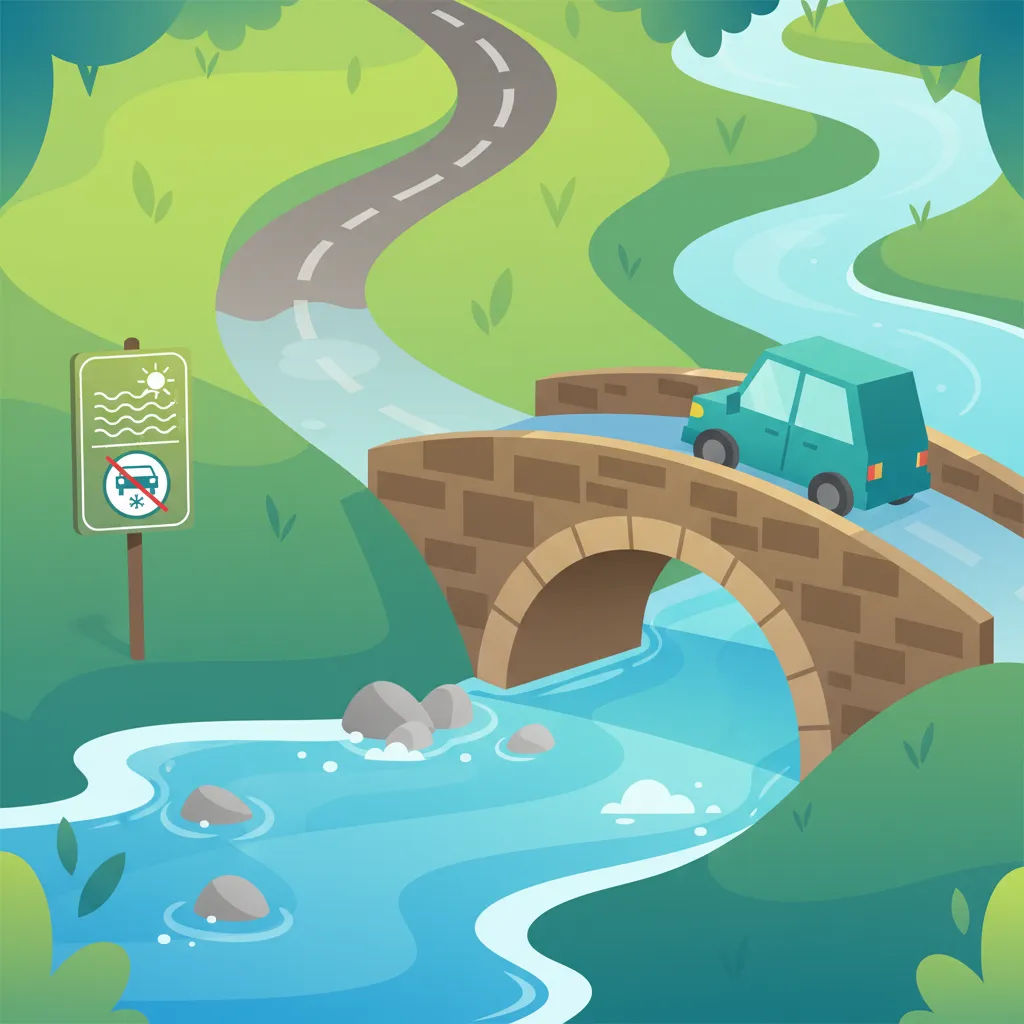
This lesson examines procedures for crossing single-lane bridges and water fords, paying particular attention to right-of-way rules and appropriate vehicle positioning. Learners will learn how to assess water depth before fording, understand seasonal restrictions that may affect access, and recognize signage indicating temporary closures. The lesson also covers the need for highland travel permits on certain routes and weight limits for bridges.
This lesson explores the specific challenges of driving on Icelandic gravel roads, focusing on the reduced traction and vehicle dynamics associated with loose surfaces. The content explains how to adapt speed appropriately, maintain safe following distances, and use gentle braking to avoid skidding. Learners also study proper lane sharing etiquette, including how to safely pass other vehicles and manage loose stones that may be thrown, ensuring vehicle stability.
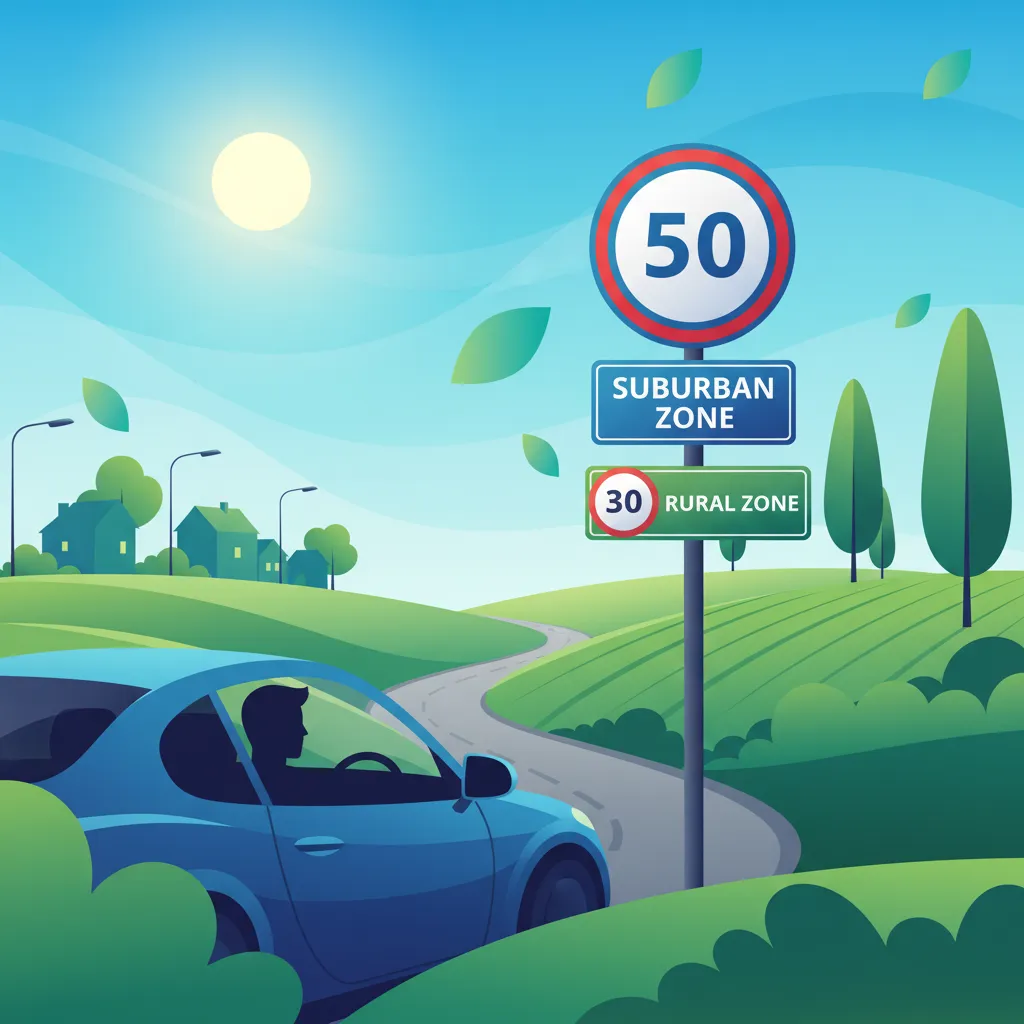
This lesson outlines the speed limits applicable to various road types in Iceland, from urban streets to rural highways and special zones like tunnels. Learners will interpret speed sign markings, understand variable speed limits that adjust for weather, and recognize when temporary speed reductions are enforced. The content also covers speed monitoring devices and the legal consequences of exceeding limits, emphasizing speed awareness in all driving contexts.
This lesson provides a comprehensive overview of the road markings found on Icelandic roads, from solid and broken lane lines to symbols indicating turning lanes and pedestrian crossings. The content details the visual meanings of each marking, such as solid lines indicating no crossing and broken lines permitting lane changes. Additionally, the lesson addresses the purpose of reflective markers and surface textures used in low-visibility or icy conditions, providing a framework for interpreting pavement cues.

This lesson outlines the regulations governing pedestrian crossings, including zebra crossings, pedestrian traffic lights, and the driver’s obligations to yield. Learners will study how to identify crosswalk markings, interpret pedestrian signal phases, and understand the enhanced caution required in school zones and areas with high foot traffic. The content also emphasizes the need for drivers to anticipate vulnerable pedestrians and provide additional yielding in low-visibility conditions.
This lesson explores the proper use of lane markings to maintain correct vehicle centering and adherence to the prescribed traffic flow direction in Iceland. The content describes how to interpret solid and broken lines, maintain safe following distances within a lane, and avoid unintended lane departures. Learners also examine the legal prohibitions on using the road shoulder for general travel, ensuring compliance with lane discipline rules for overall traffic safety.
This lesson categorizes Icelandic road signs into regulatory signs that dictate mandatory actions, warning signs that alert drivers to hazards, and informational signs that provide guidance. It explains the distinctive shapes and colour schemes for each category, such as circles for prohibitions and triangles for warnings. By mastering these conventions, students will be able to interpret sign intent instantly and adapt their driving behaviour accordingly to comply with legal obligations.
This lesson explores the health criteria mandated by Icelandic law for operating a vehicle, focusing on visual and auditory acuity, as well as overall physical capability. Students will study required medical certifications and understand acceptable vision levels and hearing standards necessary for safe driving. The lesson also outlines how chronic illnesses, medication side-effects, and mental health conditions can influence driver fitness and legal compliance.
This lesson focuses on the rules governing vehicle parking throughout Iceland, including the correct use of parallel and angle parking and compliance with time-limited zones. Learners will review signage indicating disabled parking spaces, restrictions on roadside parking, and rules about parking on sidewalks or in narrow rural areas. The content also details the legal consequences and penalties for illegal parking and the impact of infractions on vehicle inspection records.
This lesson focuses on interpreting road surface markings, including solid and broken lines that govern lane changes and positioning. Learners will understand the rules associated with turning arrows, pedestrian crossings, and markings for dedicated lanes. Correctly reading these markings is essential for maintaining proper lane discipline and navigating complex road layouts safely.
Learn how to handle emergencies during remote highland travel in Iceland. This lesson covers identifying and using emergency contact points, understanding communication device requirements, and essential safety protocols for unpopulated regions.
This lesson details the essential actions to take immediately after a collision, focusing on securing the accident scene and contacting emergency services using the universal number 112. The content explains how to use hazard lights, position vehicles to avoid secondary collisions, and assess the situation for immediate dangers. Learners also review their legal duty to report accidents and the appropriate information to provide to the police to ensure the scene remains safe.
This lesson examines the set of safety equipment required by Icelandic law to be present in every passenger vehicle, focusing on seat belts, airbags, fire extinguishers, and reflective vests. The content explains the correct placement and usage protocols for each item, including how to operate a fire extinguisher and don a reflective vest. Additionally, learners are introduced to the legal requirement for an emergency triangle and a first-aid kit.
This lesson examines the calculation of safe following distances using the two-second rule and formulas that factor in vehicle speed and road conditions. The content explains how reaction time, weather conditions like ice or rain, and vehicle load affect braking zones. Students also learn specific techniques for stopping on hills and how to avoid tailgating, thereby maintaining sufficient safety margins under all Icelandic weather conditions.
This lesson helps learners develop an understanding of how drivers perceive and assess risks on Icelandic roads, particularly under variable weather and lighting conditions. The content discusses mental models used to anticipate the actions of other road users and the importance of identifying subtle hazards. By analysing environmental cues and applying systematic hazard perception strategies, students learn to enhance their situational awareness and make safer driving decisions.
This lesson examines the specific techniques required for safe driving on snow-covered or icy roads in Iceland, covering the mandatory use of winter tires and the operation of anti-lock braking systems. Learners will study optimal low-speed cornering, proper braking distances on ice, and how to recover from a skid safely. By mastering these techniques, drivers can maintain control in challenging winter conditions and significantly reduce the risk of accidents on slippery surfaces.
This lesson explores the specific challenges of driving on Icelandic gravel roads, focusing on the reduced traction and vehicle dynamics associated with loose surfaces. The content explains how to adapt speed appropriately, maintain safe following distances, and use gentle braking to avoid skidding. Learners also study proper lane sharing etiquette, including how to safely pass other vehicles and manage loose stones that may be thrown, ensuring vehicle stability.
This lesson examines procedures for crossing single-lane bridges and water fords, paying particular attention to right-of-way rules and appropriate vehicle positioning. Learners will learn how to assess water depth before fording, understand seasonal restrictions that may affect access, and recognize signage indicating temporary closures. The lesson also covers the need for highland travel permits on certain routes and weight limits for bridges.
This lesson explores the health criteria mandated by Icelandic law for operating a vehicle, focusing on visual and auditory acuity, as well as overall physical capability. Students will study required medical certifications and understand acceptable vision levels and hearing standards necessary for safe driving. The lesson also outlines how chronic illnesses, medication side-effects, and mental health conditions can influence driver fitness and legal compliance.
This lesson provides an overview of the legal penalties for traffic violations and outlines the correct procedures to follow after an accident. It covers how to secure an accident scene, contact emergency services using 112, and provide basic first aid. Riders will also learn about their legal obligations for reporting incidents and the initial steps for making an insurance claim.

This lesson provides foundational first-aid knowledge required for drivers who encounter an injury at a crash scene, covering how to control bleeding, perform basic CPR, and stabilize fractures. The content emphasizes maintaining scene safety while attending to injured parties, the correct use of an emergency kit, and effective communication with ambulance services. Mastering these basic medical interventions can contribute to better outcomes for accident victims.
Find clear answers to common questions learners have about High‑land Travel, Off‑Road Bans, and Animal Crossings. Learn how the lesson is structured, which driving theory objectives it supports, and how it fits into the overall learning path of units and curriculum progression in Iceland. These explanations help you understand key concepts, lesson flow, and exam focused study goals.
Off-road driving is banned in Iceland primarily to protect the fragile vegetation and delicate ecosystems from damage. Tire tracks can persist for decades in sensitive areas like moss fields and volcanic landscapes. The bans also help prevent soil erosion and preserve the natural beauty of these regions for everyone to enjoy.
If you encounter reindeer or sheep on a highland road, slow down immediately and be prepared to stop. Maintain a safe distance and avoid sudden movements or loud noises that could startle them. Do not attempt to herd them or feed them. Drive cautiously and be aware that they may suddenly enter the road. These animals are particularly common in certain regions and seasons, so increased vigilance is always necessary.
Official highland roads are often marked with signs indicating 'F' roads, which are only suitable for 4x4 vehicles and may require specific driving techniques. Look for signs that denote these routes, and be aware that conditions can vary greatly. The Icelandic Road and Coastal Administration (Vegagerðin) provides detailed maps and information on road conditions, which are essential resources for highland travel.
Many highland roads are single-lane or very narrow, requiring drivers to manage space carefully. This often involves understanding priority at bridges, culverts, or narrow passes, where one driver may need to wait for the other. Always be prepared to yield or stop, and use caution to avoid collisions. Shared use with livestock also requires space and consideration.
In sparsely populated areas and the highlands, emergency communication can be challenging. Look for marked emergency telephones or specific locations designated for emergency assistance. Familiarize yourself with the universal emergency number 112 and understand that mobile phone reception can be intermittent. It's advisable to inform someone of your travel plans and expected return time before venturing into remote regions.
Utilize our advanced practice set search to pinpoint the exact Icelandic driving theory topics you need to review. Filter by subject, difficulty, or question type to create a highly effective study plan and ensure you are fully prepared for your official driving licence test in Iceland.