
Welcome to the lesson on vehicle maintenance, inspection, and emissions testing, a vital part of your Category B Icelandic driving theory preparation. This unit, 'The Car: Safety Equipment, Maintenance, Inspection & Insurance,' ensures you understand the legal and practical requirements for keeping your vehicle road-safe and compliant with Icelandic laws, preparing you for both the theory exam and responsible car ownership.

Lesson content overview
Driving in Iceland presents unique challenges, from rapidly changing weather conditions to diverse road types. To navigate these safely and legally, a thorough understanding of vehicle maintenance, statutory inspections, and registration procedures is indispensable. This lesson, part of the Official Icelandic Driving License B Theory Course, details the crucial steps every driver must take to ensure their vehicle remains safe, compliant, and environmentally responsible.
Regular maintenance is not merely a recommendation; it is a legal and ethical obligation for every driver. A well-maintained vehicle operates efficiently, reduces the risk of breakdowns and accidents, and minimizes its environmental impact. In Iceland, where conditions can be demanding, proper vehicle care directly contributes to road safety, preventing incidents caused by mechanical failures. Moreover, adhering to maintenance schedules and passing mandatory inspections ensures compliance with Icelandic traffic law, helping drivers avoid costly penalties and potential insurance invalidation. This proactive approach saves money in the long run by preventing major repairs and optimizing fuel efficiency, while also supporting national efforts to protect the unique Icelandic environment.
A fundamental aspect of responsible driving involves routinely checking various components of your vehicle. These checks are simple yet critical for safety and performance.
Your tires are the sole point of contact between your vehicle and the road, making their condition paramount for safety. Tire pressure, the amount of air inside a tire, measured in kilopascals (kPa) or pounds per square inch (PSI), critically affects handling, braking, and fuel efficiency. Under-inflated tires increase rolling resistance, leading to higher fuel consumption and accelerated wear, while also making the vehicle harder to control, especially during emergency braking or cornering. Conversely, over-inflated tires can reduce the contact patch with the road, leading to a harsher ride, reduced grip, and uneven wear.
Always check tire pressure when tires are "cold" – meaning the vehicle has not been driven for at least three hours or has traveled less than 2 km at low speed. Driving heats the air inside the tires, increasing pressure and providing an inaccurate reading.
Tread depth refers to the vertical measurement of the grooves on the tire's surface. These grooves are designed to channel water and snow away from the tire, providing essential grip. Icelandic law requires a minimum tread depth of 1.6 mm for all tires. However, for safe driving, especially in wet or snowy conditions, many experts recommend replacing tires when the tread depth falls below 3 mm. Worn treads significantly increase stopping distances and the risk of aquaplaning on wet surfaces.
In Iceland, specific regulations apply to winter tires. These tires feature specialized rubber compounds that remain flexible in cold temperatures and tread patterns designed for enhanced grip on ice and snow. They are legally mandatory from December 1st to April 15th on certain roads and under specific conditions. Using appropriate winter tires is essential for maintaining control and safety during the colder months, even if not strictly mandated on all roads.
The braking system is arguably your vehicle's most critical safety feature. It relies on components like brake pads, brake discs (or drums), and brake fluid to effectively slow or stop the vehicle.
Brake wear refers to the gradual loss of material from brake pads and discs as they generate friction to slow the wheels. Over time, pads become thinner, and discs may develop grooves or become warped. Excessive wear reduces braking efficiency, increases stopping distances, and can lead to dangerous brake fade. During a periodic Vehicle Inspection (VME), brakes are rigorously checked for wear, leaks, and overall performance. Any significant deficiency will result in an inspection failure, as it renders the vehicle unsafe for road use.
A reduction in braking power due to excessive heat build-up in the braking system, often caused by heavy or prolonged braking.
Brake fluid is a hydraulic fluid that transmits the force from your brake pedal to the brake calipers or wheel cylinders, engaging the brakes. The brake fluid level in the reservoir should be checked regularly. A low fluid level can indicate a leak in the system or severely worn brake pads, both of which compromise braking ability. Over time, brake fluid can absorb moisture, which lowers its boiling point and can lead to brake fade under heavy use. This is why brake fluid also requires periodic replacement as part of routine maintenance.
If a brake warning light illuminates on your dashboard, or if you notice any changes in braking performance (e.g., spongy pedal, pulling to one side, grinding noises), have your braking system inspected immediately by a qualified mechanic.
Beyond brake fluid, several other liquids are vital for your vehicle's operation and safety. Regular verification of their levels and quality helps prevent serious mechanical issues.
Engine oil lubricates moving parts within the engine, reduces friction, and helps dissipate heat. Checking the oil level using the dipstick is a simple task that should be performed regularly, ideally every few weeks or before long journeys. Running the engine with insufficient oil can cause severe damage, potentially leading to engine seizure. Conversely, excessively old or contaminated oil loses its lubricating properties and can also harm the engine.
Park the vehicle on a level surface and turn off the engine. Wait a few minutes for the oil to settle.
Locate the dipstick, pull it out, and wipe it clean with a cloth.
Reinsert the dipstick fully, then pull it out again.
Check the oil level against the "minimum" and "maximum" marks. If below minimum, add the correct type of oil as specified in your owner's manual.
Coolant (also known as antifreeze) circulates through the engine to regulate its temperature, preventing overheating in summer and freezing in winter. The coolant level should be checked regularly in the expansion tank, ensuring it remains between the minimum and maximum marks. Insufficient coolant can lead to engine overheating, which can cause significant damage. In Iceland's cold climate, maintaining the correct concentration of antifreeze is crucial to prevent the cooling system from freezing.
Windshield washer fluid is essential for maintaining clear visibility, especially in adverse weather conditions common in Iceland. Always keep the reservoir topped up with a suitable fluid, particularly one that contains antifreeze properties during winter to prevent freezing in the lines and nozzles.
Properly functioning lights are critical for both seeing and being seen, especially during long periods of darkness or in poor visibility, which are common in Iceland. Your vehicle is equipped with various lights, each serving a specific purpose:
All lighting and signaling equipment is thoroughly checked during the Vehicle Inspection (VME). A single non-functional light can be a reason for inspection failure and, more importantly, a significant safety risk.
The battery is the heart of your vehicle's electrical system, providing the initial power to start the engine and supplying electricity to various components when the engine is off. Its health is particularly crucial in Iceland's cold winters, where low temperatures significantly reduce battery performance and demand more power for starting.
Regular checks of the battery terminals for corrosion and ensuring secure connections can prevent starting problems. While a fully charged battery is important, battery health also refers to its ability to hold a charge and deliver sufficient cranking power over time. A weak battery may struggle to start the car, especially after a cold night, even if it appears to hold a charge during warmer periods.
The alternator is another key component of the electrical system, responsible for generating electricity to power the vehicle's electrical systems and recharge the battery while the engine is running. A malfunctioning alternator can lead to a dead battery and eventual breakdown. Modern vehicles often have dashboard warning lights that indicate issues with the battery or charging system.
The Periodic Vehicle Inspection (VME), overseen by the Icelandic Transport Authority (Samgöngustofa), is a statutory examination designed to ensure that all registered vehicles on Icelandic roads meet essential safety and environmental standards. It is a critical component of road safety and legal compliance.
The VME is a comprehensive check of a vehicle's mechanical condition, safety equipment, and emission output. For most private passenger cars, this inspection is mandatory every two years. New vehicles are exempt for their first four years, after which the biennial cycle begins. The primary purpose of the VME is multifaceted:
The VME must be completed within six months before your vehicle's registration expiry date. Planning ahead is crucial to avoid last-minute issues.
The VME is a detailed examination typically performed at authorized inspection stations. It comprises several key stages:
Upon completion, you will receive a report indicating whether your vehicle has passed or failed. If it passes, you can proceed with registration renewal. If it fails, a list of deficiencies will be provided, and these must be rectified before the vehicle can be re-inspected and pass.
Many vehicles fail the VME due to common, often preventable, issues. Awareness of these can help you prepare and avoid repeat visits:
To avoid failing the VME, conduct regular pre-inspection checks yourself or have a trusted mechanic perform a pre-VME check. Addressing minor issues before your official inspection can save time, money, and hassle.
Emissions testing is a vital component of the VME, ensuring that vehicles operating on Icelandic roads meet environmental standards and contribute to cleaner air. This test measures the pollutants released from your vehicle's exhaust, such as carbon dioxide (CO₂), nitrogen oxides (NOx), and hydrocarbons (HC).
Vehicles are designed to meet specific emission limits based on their vehicle class and manufacturing year (e.g., Euro 6 standards for newer cars). These limits are established in Icelandic transport regulations and align with broader European Union environmental goals.
The goal of emissions testing is to limit these pollutants, thereby reducing air pollution and protecting public health and the environment in Iceland.
During the emissions test, a specialized analyzer is connected to your vehicle's exhaust system to measure the concentration of various gases. For modern vehicles, the On-Board Diagnostics (OBD) system plays a crucial role. OBD is a vehicle self-diagnostic system that monitors emissions-related components and systems.
A computer system in a vehicle that monitors the performance of various components, including those related to emissions, and stores diagnostic trouble codes (DTCs) if a problem is detected.
Before an emissions test, the OBD system is checked to ensure it is "ready" – meaning it has completed all its self-tests and hasn't detected any significant malfunctions. If the OBD system indicates a fault or is not "ready," the vehicle may fail the emissions test regardless of the exhaust gas readings. This can happen if the vehicle battery has recently been disconnected or if a "check engine" light is on.
Failing an emissions test means your vehicle does not comply with environmental regulations. The consequences are significant:
It is crucial to address any emissions-related issues promptly to ensure your vehicle remains legal and environmentally compliant.
After successfully completing the VME and emissions test, the final administrative step to ensure your vehicle is legally permitted on Icelandic roads is registration renewal. This annual process validates your vehicle's legal status with the Icelandic Transport Authority (Samgöngustofa).
To successfully renew your vehicle's registration, several conditions must be met:
You can typically check your vehicle's registration status, VME deadline, and outstanding road tax online through the services provided by Samgöngustofa.
The annual road tax is a fixed fee that varies based on vehicle type and weight. This payment is crucial, and it must be up to date for registration renewal. Unpaid road tax will prevent renewal and can accumulate penalties.
Insurance verification is generally an automated process. Your insurance provider notifies the Icelandic Transport Authority (Samgöngustofa) directly that your vehicle has valid coverage. However, it is always your responsibility to ensure your insurance policy is current and valid.
Driving a vehicle with an expired or lapsed registration is illegal and carries significant consequences:
Always ensure your vehicle's registration is renewed before its expiry date to maintain its legal status and avoid penalties.
Understanding the specific laws governing vehicle maintenance and inspection in Iceland is crucial for compliance and safety. These regulations are enforced by the Icelandic Transport Authority (Samgöngustofa).
Neglecting regular vehicle maintenance can lead to a range of issues, from minor inconveniences to serious safety hazards. Understanding common pitfalls and adopting best practices will help you keep your vehicle in optimal condition.
Given Iceland's climate, seasonal vehicle preparation is particularly important:
Regular maintenance, adherence to inspection schedules, and proper registration renewal are not just bureaucratic hurdles; they are fundamental responsibilities for every driver in Iceland. These practices directly translate into safer roads, reduced environmental impact, and seamless legal operation of your vehicle. By proactively checking your tires, brakes, fluids, and lights, and by understanding the periodic Vehicle Inspection (VME) and emissions testing requirements, you contribute significantly to your own safety, the safety of other road users, and the preservation of Iceland's unique natural environment. Remember, a well-cared-for vehicle is a safer and more reliable vehicle, ready for whatever conditions the Icelandic roads may present.
This lesson covers essential vehicle maintenance tasks required for Icelandic drivers, including tire pressure checks, brake system monitoring, and fluid level verification. It explains the mandatory Periodic Vehicle Inspection (VME) process overseen by Samgöngustofa, which includes visual, functional, and emissions testing every two years for vehicles over four years old. Key regulations include the 1.6mm minimum tread depth, winter tire requirements from December to mid-April, and correct headlight usage (dipped beams from sunset to sunrise). The lesson also details emissions testing procedures, vehicle registration renewal requirements, and common reasons for inspection failure, ensuring learners understand both the legal obligations and practical steps for keeping their vehicle roadworthy and legally compliant in Iceland.
A short set of high-value points that capture the most important learning from this lesson.
Icelandic law requires minimum 1.6mm tread depth and mandates winter tires from December 1st to April 15th on specified roads.
The Periodic Vehicle Inspection (VME) must be completed every two years for vehicles over 4 years old, within 6 months before registration expiry.
Brake fluid absorbs moisture over time, lowering its boiling point and risking brake fade under heavy use.
Hazard lights are for stationary vehicles only; using them while driving is illegal in Iceland.
Driving with expired registration invalidates insurance and can result in fines and vehicle deregistration.
Explore all units and lessons included in this driving theory course.
Check tire pressure when tires are cold (vehicle stationary for 3+ hours or under 2km driven).
OBD system must be 'ready' for emissions test; recent battery disconnection or check engine light can cause failure.
VME includes visual inspection, functional testing (brakes on dynamometer), and emissions measurement.
Annual road tax must be paid before registration renewal; insurance providers report coverage directly to Samgöngustofa.
Main beams must dip when oncoming traffic is within approximately 150 metres.
Driving with under-inflated tires, which increases fuel consumption, accelerates wear, and raises blowout risk.
Ignoring dashboard warning lights, particularly brake system or check engine indicators.
Allowing the battery to become corroded or loose, causing starting problems especially in cold Icelandic winters.
Assuming winter tires are optional; they provide superior traction on ice and snow during Iceland's harsh winters.
Skipping pre-VME checks and failing due to preventable issues like worn wiper blades or a single burnt-out bulb.
Lesson content overview
A short set of high-value points that capture the most important learning from this lesson.
Icelandic law requires minimum 1.6mm tread depth and mandates winter tires from December 1st to April 15th on specified roads.
The Periodic Vehicle Inspection (VME) must be completed every two years for vehicles over 4 years old, within 6 months before registration expiry.
Brake fluid absorbs moisture over time, lowering its boiling point and risking brake fade under heavy use.
Hazard lights are for stationary vehicles only; using them while driving is illegal in Iceland.
Driving with expired registration invalidates insurance and can result in fines and vehicle deregistration.
Explore all units and lessons included in this driving theory course.
Check tire pressure when tires are cold (vehicle stationary for 3+ hours or under 2km driven).
OBD system must be 'ready' for emissions test; recent battery disconnection or check engine light can cause failure.
VME includes visual inspection, functional testing (brakes on dynamometer), and emissions measurement.
Annual road tax must be paid before registration renewal; insurance providers report coverage directly to Samgöngustofa.
Main beams must dip when oncoming traffic is within approximately 150 metres.
Driving with under-inflated tires, which increases fuel consumption, accelerates wear, and raises blowout risk.
Ignoring dashboard warning lights, particularly brake system or check engine indicators.
Allowing the battery to become corroded or loose, causing starting problems especially in cold Icelandic winters.
Assuming winter tires are optional; they provide superior traction on ice and snow during Iceland's harsh winters.
Skipping pre-VME checks and failing due to preventable issues like worn wiper blades or a single burnt-out bulb.
Explore search topics learners often look for when studying Regular Maintenance, Inspection, and Emissions Testing. These topics reflect common questions about road rules, driving situations, safety guidance, and lesson level theory preparation for learners in Iceland.
Browse additional driving theory lessons that cover connected traffic rules, road signs, and common driving situations related to this topic. Improve your understanding of how different rules interact across everyday traffic scenarios.
Understand the mandatory Vehicle Inspection (VME) process in Iceland, including emissions testing, tire regulations, and essential maintenance checks required to keep your vehicle roadworthy and legally compliant.
This lesson examines the set of safety equipment required by Icelandic law to be present in every passenger vehicle, focusing on seat belts, airbags, fire extinguishers, and reflective vests. The content explains the correct placement and usage protocols for each item, including how to operate a fire extinguisher and don a reflective vest. Additionally, learners are introduced to the legal requirement for an emergency triangle and a first-aid kit.

This lesson provides detailed insight into the structure and logistics of the Icelandic theory test, including its format, question types, and time allocation. It describes how to schedule the exam, the locations of testing centres, and the specific criteria required to pass successfully. Furthermore, students are introduced to effective preparation methods, recommended study resources, and the official policies governing retakes and appeals.

This lesson explores the health criteria mandated by Icelandic law for operating a vehicle, focusing on visual and auditory acuity, as well as overall physical capability. Students will study required medical certifications and understand acceptable vision levels and hearing standards necessary for safe driving. The lesson also outlines how chronic illnesses, medication side-effects, and mental health conditions can influence driver fitness and legal compliance.

This lesson explores the insurance landscape required for operating a vehicle in Iceland, emphasizing compulsory liability insurance and options for comprehensive coverage. The content explains the distinctions between third-party liability and full coverage policies, the documentation needed for proof of insurance, and the procedural steps for filing an accident claim. Learners also study the legal responsibilities associated with insurance renewal and risk assessment factors.
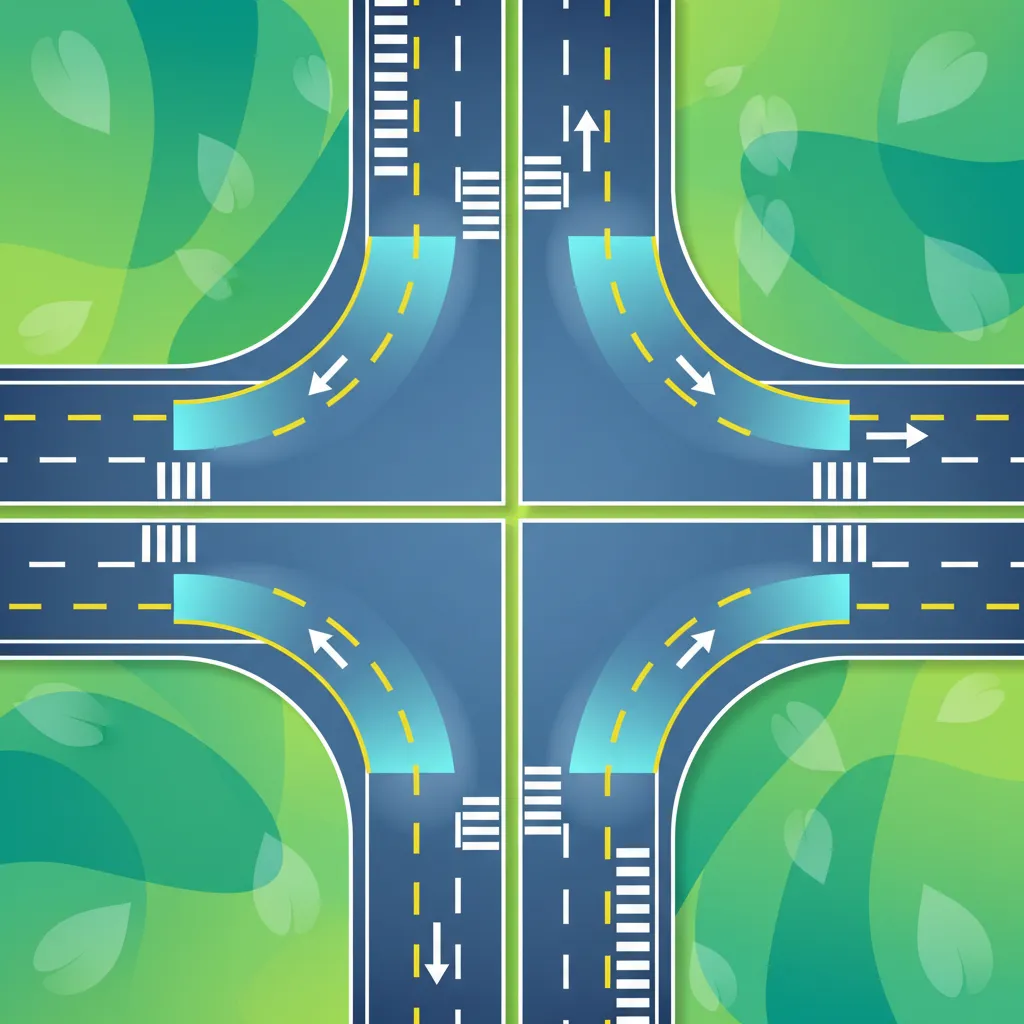
This lesson provides a comprehensive overview of the road markings found on Icelandic roads, from solid and broken lane lines to symbols indicating turning lanes and pedestrian crossings. The content details the visual meanings of each marking, such as solid lines indicating no crossing and broken lines permitting lane changes. Additionally, the lesson addresses the purpose of reflective markers and surface textures used in low-visibility or icy conditions, providing a framework for interpreting pavement cues.
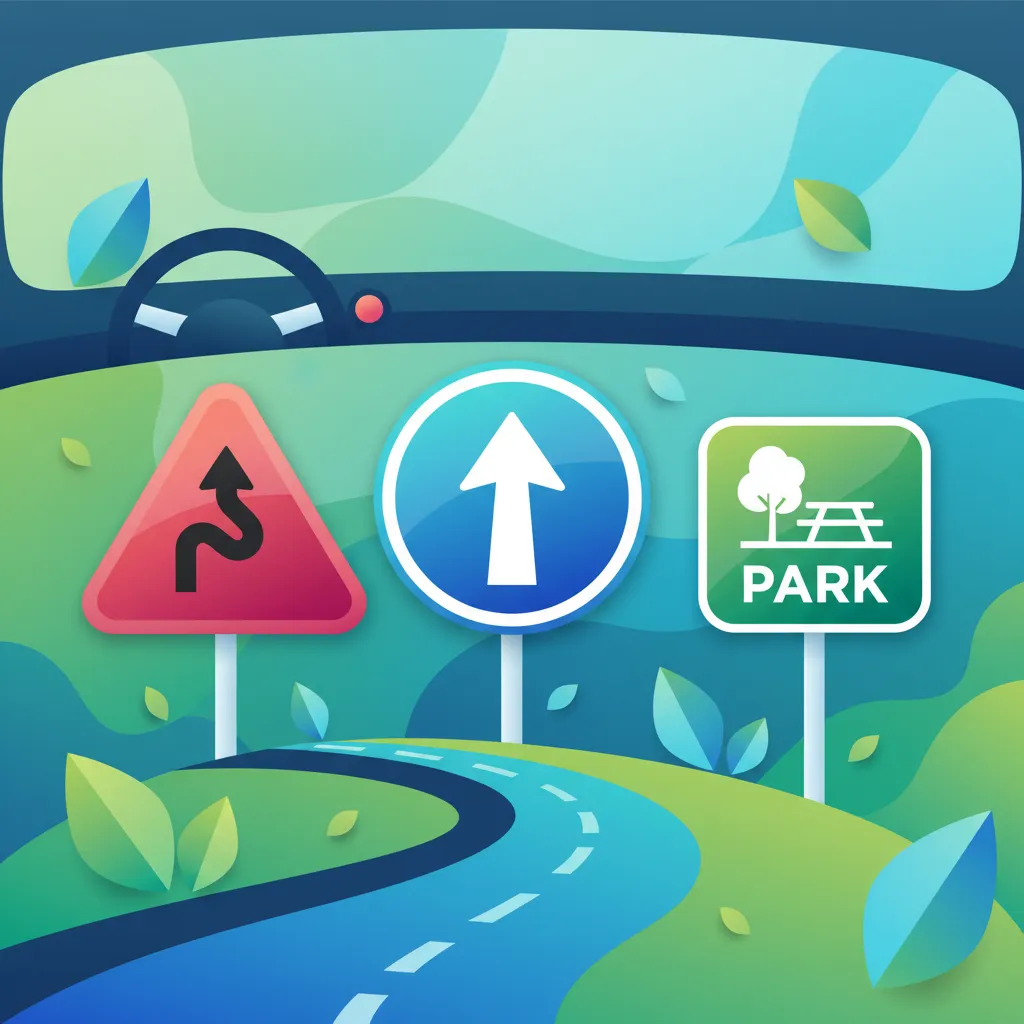
This lesson categorizes Icelandic road signs into regulatory signs that dictate mandatory actions, warning signs that alert drivers to hazards, and informational signs that provide guidance. It explains the distinctive shapes and colour schemes for each category, such as circles for prohibitions and triangles for warnings. By mastering these conventions, students will be able to interpret sign intent instantly and adapt their driving behaviour accordingly to comply with legal obligations.
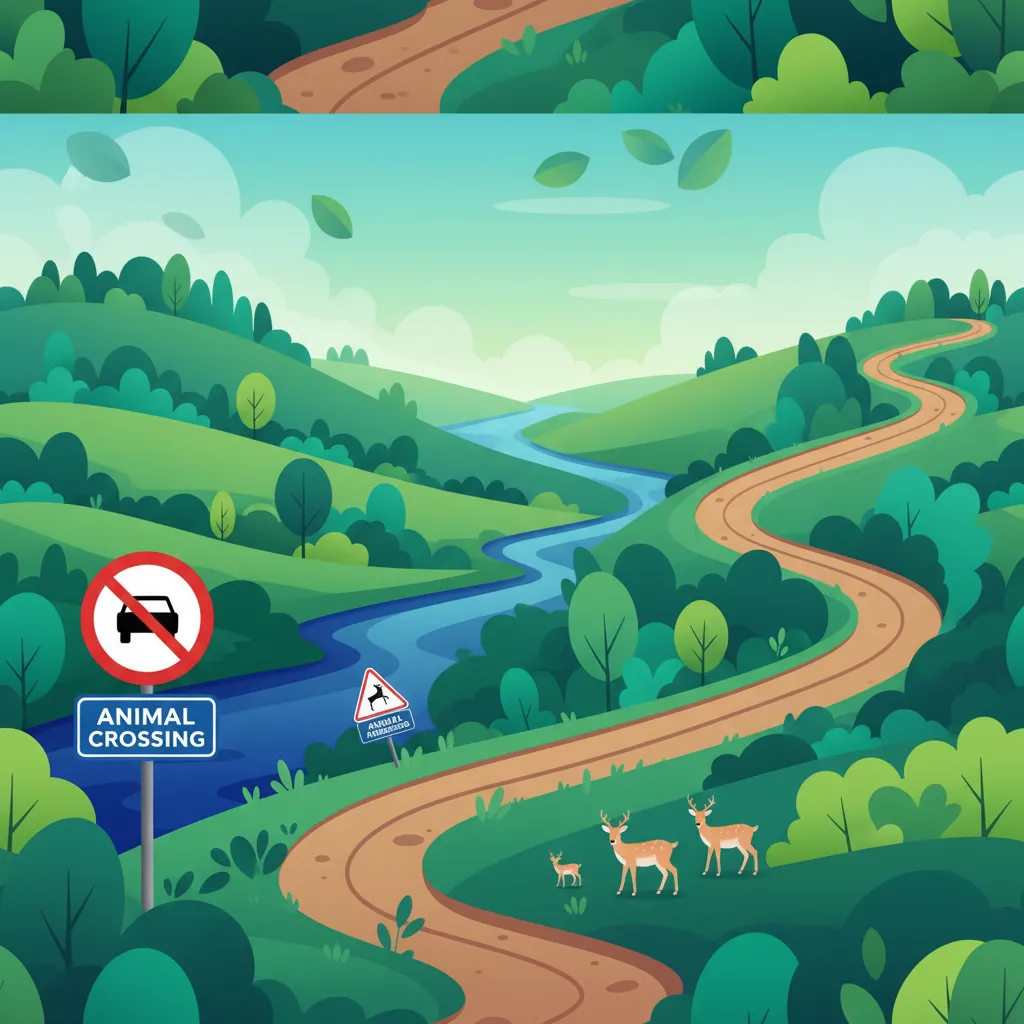
This lesson focuses on the regulations governing highland travel and off-road restrictions, including environmental protections that prohibit off-road driving in certain zones. The lesson details how to interpret highland road signage, understand restrictions related to wildlife crossings like reindeer and sheep, and adhere to road width management guidelines. Learners are also instructed on using emergency contact points in sparsely populated regions.
This lesson explores the proper use of lane markings to maintain correct vehicle centering and adherence to the prescribed traffic flow direction in Iceland. The content describes how to interpret solid and broken lines, maintain safe following distances within a lane, and avoid unintended lane departures. Learners also examine the legal prohibitions on using the road shoulder for general travel, ensuring compliance with lane discipline rules for overall traffic safety.
This lesson outlines the specific duties and limitations placed on learner drivers in Iceland, from the mandatory display of L-plates to the requirement for a qualified supervisor. Learners will study night-driving prohibitions, passenger rules for newly licensed drivers, and the legal limits on alcohol consumption during the learning phase. The content also covers the necessity of maintaining a training log and ensuring appropriate insurance coverage for the vehicle.
This lesson examines procedures for crossing single-lane bridges and water fords, paying particular attention to right-of-way rules and appropriate vehicle positioning. Learners will learn how to assess water depth before fording, understand seasonal restrictions that may affect access, and recognize signage indicating temporary closures. The lesson also covers the need for highland travel permits on certain routes and weight limits for bridges.
Learn about critical vehicle safety systems such as braking, tire condition, essential fluid levels, and lighting. This driving theory lesson covers how these systems ensure safety and what to check regularly.
This lesson examines the set of safety equipment required by Icelandic law to be present in every passenger vehicle, focusing on seat belts, airbags, fire extinguishers, and reflective vests. The content explains the correct placement and usage protocols for each item, including how to operate a fire extinguisher and don a reflective vest. Additionally, learners are introduced to the legal requirement for an emergency triangle and a first-aid kit.
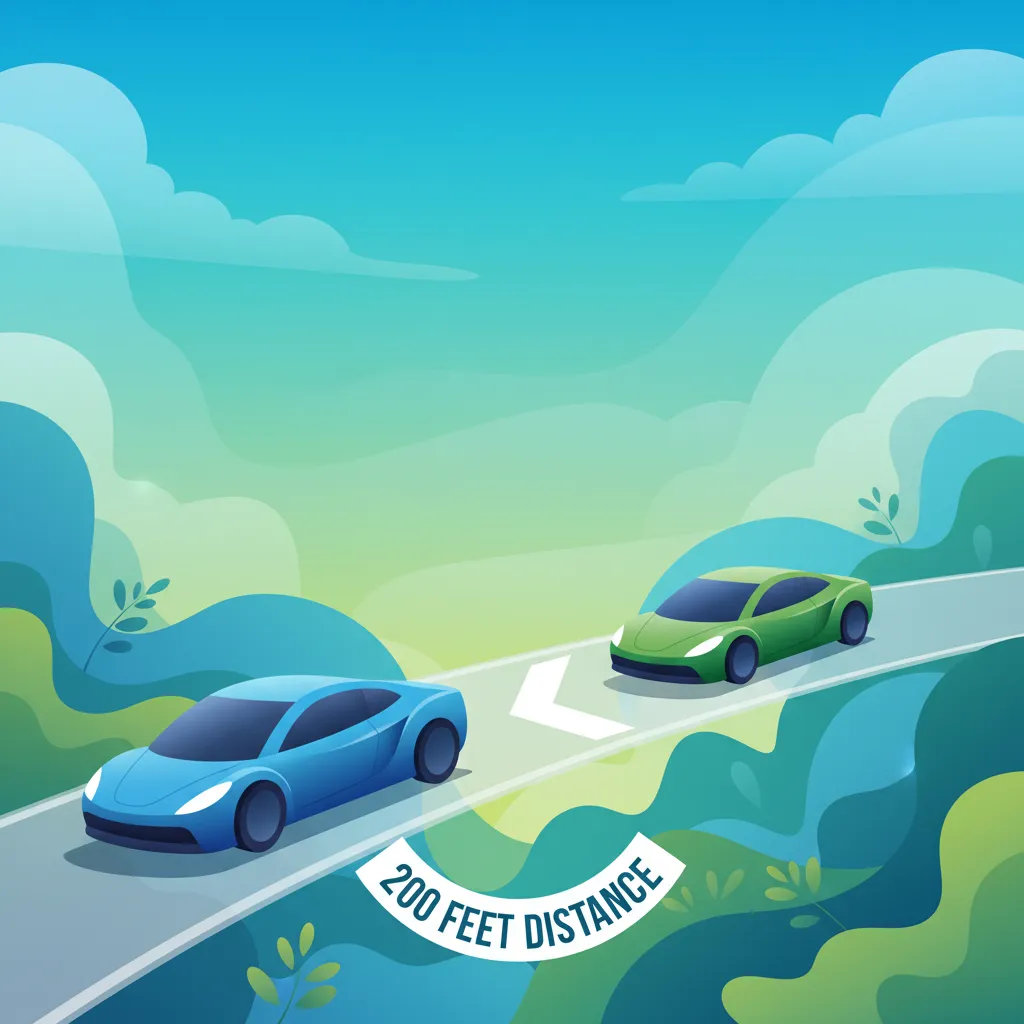
This lesson examines the calculation of safe following distances using the two-second rule and formulas that factor in vehicle speed and road conditions. The content explains how reaction time, weather conditions like ice or rain, and vehicle load affect braking zones. Students also learn specific techniques for stopping on hills and how to avoid tailgating, thereby maintaining sufficient safety margins under all Icelandic weather conditions.
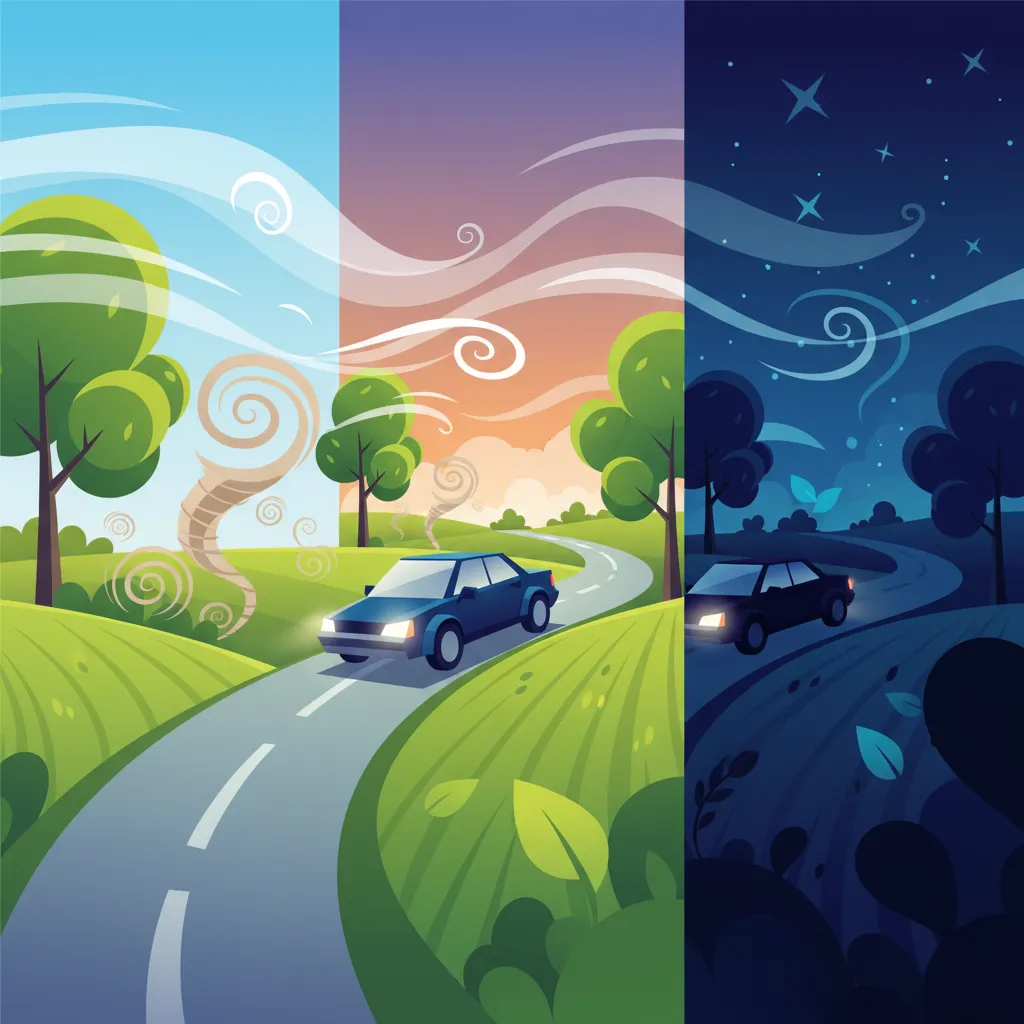
This lesson examines how strong winds and varying light conditions affect vehicle handling and safety, including techniques for maintaining stability under cross-winds and assessing gust intensity. The content also explains proper headlight usage during daylight, dusk, and nighttime, addressing glare reduction strategies and when to employ high-beam headlights. By mastering these concepts, drivers can navigate Icelandic weather and lighting challenges confidently and safely.
This lesson examines the specific techniques required for safe driving on snow-covered or icy roads in Iceland, covering the mandatory use of winter tires and the operation of anti-lock braking systems. Learners will study optimal low-speed cornering, proper braking distances on ice, and how to recover from a skid safely. By mastering these techniques, drivers can maintain control in challenging winter conditions and significantly reduce the risk of accidents on slippery surfaces.
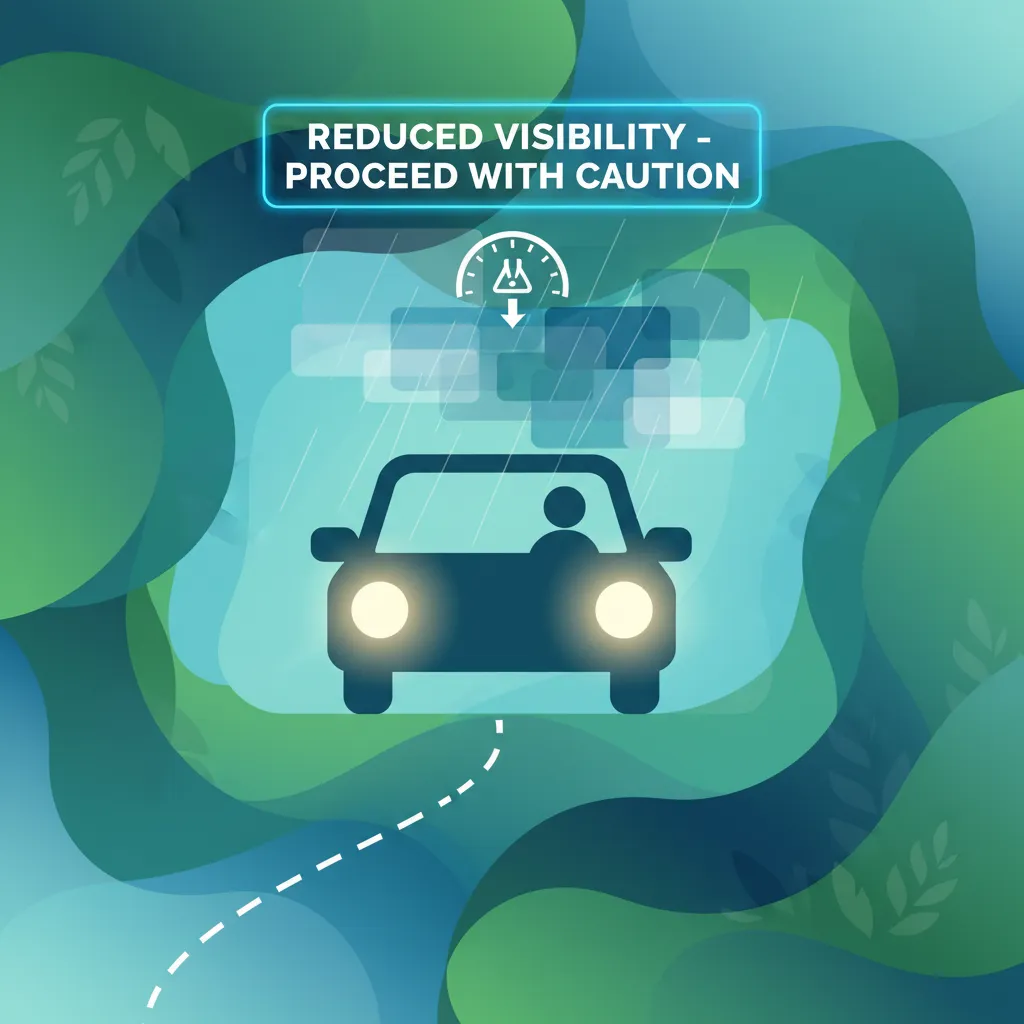
This lesson addresses the challenges of driving in rain and fog, focusing on strategies to maintain visibility and vehicle control. Learners will explore the correct use of windshield wipers, defoggers, and appropriate headlight settings, including when to use fog lights. The content also covers the increased risk of hydroplaning, the importance of adjusting speed in wet conditions, and the need to extend following distances to account for longer stopping distances.
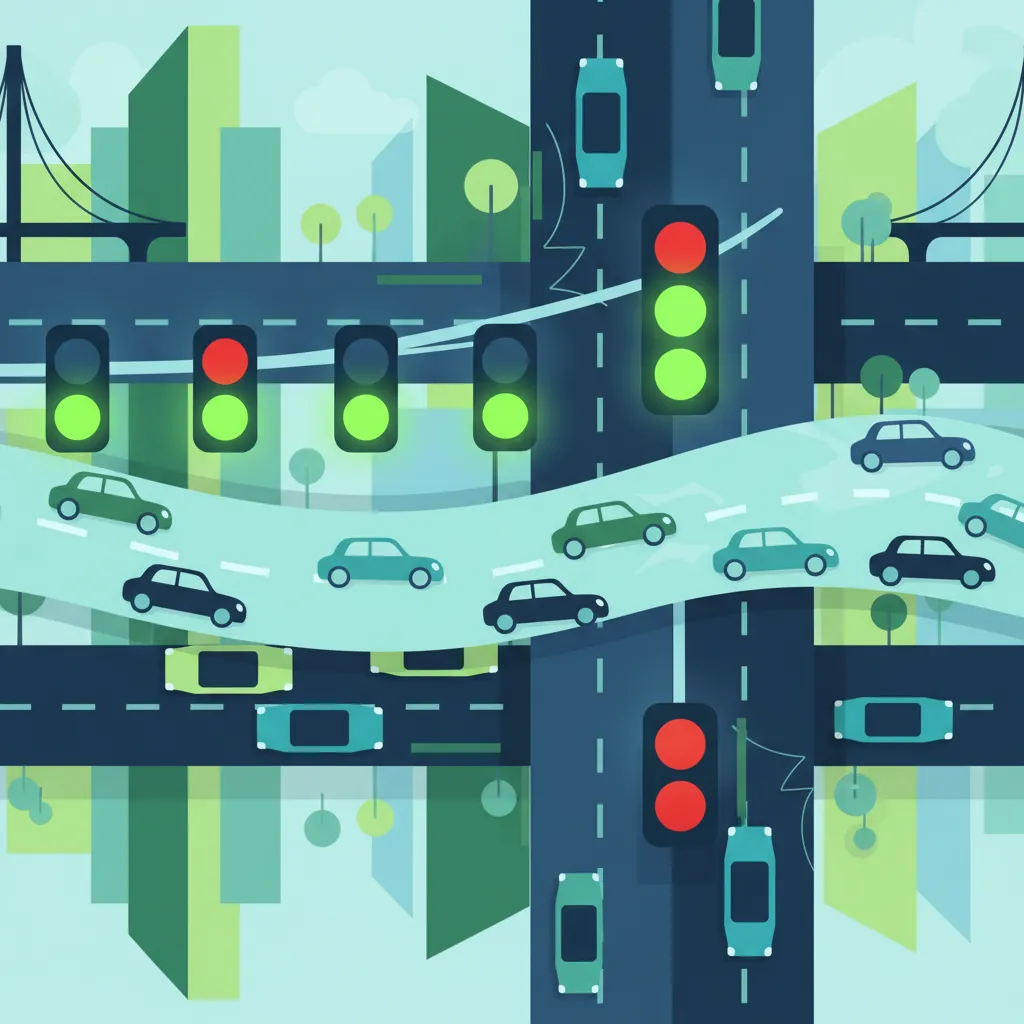
This lesson focuses on the operation of traffic lights in Iceland, describing standard three-phase cycles (red, amber, green) and variations such as flashing amber for yielding. Learners will also explore dedicated signals for pedestrians, cyclists, and turning movements, including arrow indications. The lesson explains how signal timing integrates with right-of-way rules at intersections, ensuring drivers can interpret and respond to each light state to maintain safety.
This lesson helps learners develop an understanding of how drivers perceive and assess risks on Icelandic roads, particularly under variable weather and lighting conditions. The content discusses mental models used to anticipate the actions of other road users and the importance of identifying subtle hazards. By analysing environmental cues and applying systematic hazard perception strategies, students learn to enhance their situational awareness and make safer driving decisions.
This lesson details the essential actions to take immediately after a collision, focusing on securing the accident scene and contacting emergency services using the universal number 112. The content explains how to use hazard lights, position vehicles to avoid secondary collisions, and assess the situation for immediate dangers. Learners also review their legal duty to report accidents and the appropriate information to provide to the police to ensure the scene remains safe.
This lesson provides a comprehensive overview of the road markings found on Icelandic roads, from solid and broken lane lines to symbols indicating turning lanes and pedestrian crossings. The content details the visual meanings of each marking, such as solid lines indicating no crossing and broken lines permitting lane changes. Additionally, the lesson addresses the purpose of reflective markers and surface textures used in low-visibility or icy conditions, providing a framework for interpreting pavement cues.
This lesson categorizes Icelandic road signs into regulatory signs that dictate mandatory actions, warning signs that alert drivers to hazards, and informational signs that provide guidance. It explains the distinctive shapes and colour schemes for each category, such as circles for prohibitions and triangles for warnings. By mastering these conventions, students will be able to interpret sign intent instantly and adapt their driving behaviour accordingly to comply with legal obligations.
Find clear answers to common questions learners have about Regular Maintenance, Inspection, and Emissions Testing. Learn how the lesson is structured, which driving theory objectives it supports, and how it fits into the overall learning path of units and curriculum progression in Iceland. These explanations help you understand key concepts, lesson flow, and exam focused study goals.
Common failure points include worn tires, faulty brakes, non-functioning lights, damaged exhaust systems, and issues with emissions. Ensuring regular maintenance and addressing minor problems proactively can help a vehicle pass its inspection smoothly.
Emissions testing is typically part of the mandatory periodic vehicle inspection. The frequency depends on the vehicle's age and type, but most passenger cars require testing as part of their regular inspection schedule to ensure they meet environmental standards.
Routine maintenance involves regular checks and servicing you perform yourself or have done by a mechanic (like oil changes, tire checks) to keep the car running well. A periodic inspection is a formal, mandatory check by an authorized facility to verify the vehicle meets all safety and environmental regulations for road use.
Yes, all registered vehicles in Iceland are subject to mandatory periodic inspections regardless of how much they are used. This ensures that even vehicles used infrequently meet current safety and environmental standards before being driven on public roads.
Once your vehicle passes the inspection, you will receive a certificate. This document, along with the successful emissions test, is often required for renewing your vehicle's registration. It confirms your vehicle is roadworthy and legally compliant for the next inspection period.
Utilize our advanced practice set search to pinpoint the exact Icelandic driving theory topics you need to review. Filter by subject, difficulty, or question type to create a highly effective study plan and ensure you are fully prepared for your official driving licence test in Iceland.