
This lesson covers the critical regulations and safety techniques for carrying passengers on a motorcycle in Italy. You will learn how to prepare your motorcycle, brief your passenger, and adapt your riding style to ensure safety for both of you.

Lesson content overview
Transporting a passenger on a motorcycle, often referred to as "riding two-up" or "dual riding," introduces a new layer of complexity and responsibility for the rider. This lesson provides essential guidelines for safely carrying a passenger, ensuring both their comfort and the stability and control of your motorcycle. We will delve into critical pre-ride preparations, proper passenger behavior, the impact of additional weight on your motorcycle's dynamics, and the necessary adjustments you, as the rider, must make to maintain safety on Italian roads and beyond.
Safe passenger transport begins long before the wheels start turning. Proper preparation is paramount to mitigate risks and ensure a smooth, enjoyable, and safe journey for both rider and passenger. This involves checking your motorcycle, briefing your passenger, and understanding legal requirements.
Before every two-up ride, it is crucial to perform a thorough check of your motorcycle to accommodate the additional load. The added weight of a passenger significantly alters the motorcycle's characteristics, necessitating specific adjustments to maintain optimal performance and safety.
Tire Pressure Adjustment: The increased load requires higher tire pressures to prevent excessive tire flex, which can lead to instability and increased wear. Consult your motorcycle's owner's manual for recommended two-up tire pressures.
Suspension Settings: Adjust the rear suspension preload to support the combined weight of rider and passenger. This helps maintain proper ride height, prevents bottoming out, and ensures adequate ground clearance and handling stability. Some motorcycles also allow for dampening adjustments.
Brake Inspection: Ensure your brakes are in excellent condition. With increased weight, braking distances will be longer, and the brakes will work harder. Check brake fluid levels, pad wear, and disc condition.
Chain Tension: A heavier load can affect chain tension. Verify it is within the manufacturer's specified limits to avoid excessive slack or tightness, which can lead to premature wear or even chain derailment.
Headlight Aim: The motorcycle's rear will sag under the extra weight, causing the headlight beam to aim higher than usual. Adjust the headlight aim downwards to avoid blinding oncoming traffic and to ensure proper road illumination.
Passenger Footrests: Confirm that the passenger footrests are securely in place and in good working order.
Passenger Handholds/Straps: Ensure any integrated passenger handholds or seat straps are secure and easily accessible for the passenger.
A pre-ride safety briefing is a concise but critical communication process between the rider and passenger before departure. Its primary purpose is to establish clear communication signals and ensure the passenger understands their role and responsibilities during the ride. This proactive conversation significantly reduces the likelihood of unexpected movements, facilitates coordinated maneuvers, and enhances overall safety.
Key Elements of a Pre-Ride Briefing:
Always conduct a pre-ride briefing, even with experienced passengers. It serves as a reminder and reinforces safe practices.
The passenger's correct seating posture is fundamental to maintaining the motorcycle's stability and the rider's control. An improperly seated passenger can disrupt the motorcycle's balance, especially during braking, acceleration, or cornering, significantly increasing crash risk.
The passenger should sit upright with their spine straight and shoulders relaxed. This posture helps distribute weight evenly and prevents the passenger from leaning too heavily on the rider or shifting their weight erratically. A relaxed posture also makes the ride more comfortable and less fatiguing for the passenger.
Both feet must be placed firmly and securely on the rear footrests at all times while the motorcycle is in motion. Passengers should never dangle their feet, place them on the ground (unless stopped and instructed), or rest them on luggage cases. Incorrect foot placement can lead to:
The passenger should maintain a light but firm grip on the motorcycle's designated passenger handholds or seat straps. If these are unavailable or uncomfortable, a light grip on the rider's waist is sometimes tolerated, but the primary method should be the motorcycle's own provisions. Crucially, the passenger must not hold onto the rider’s clothing or body for balance, especially not gripping the rider tightly. This can interfere with the rider's ability to steer and balance the motorcycle, particularly during sudden maneuvers.
Passengers leaning heavily on the rider can disrupt the rider's balance and ability to counter-steer, making the motorcycle difficult to control.
The addition of a passenger significantly alters the motorcycle's fundamental characteristics, primarily by shifting its center of gravity (CoG) and increasing its overall mass. Understanding these changes is crucial for adapting your riding technique.
The center of gravity (CoG) is the imaginary point where the total weight of the motorcycle, rider, and passenger is concentrated. When a passenger is added, the CoG typically shifts:
This shift in CoG has several implications for the motorcycle's handling:
Load distribution refers to how the total weight is allocated between the front and rear axles. With a passenger, the balance shifts significantly towards the rear. This increased load on the rear tire, coupled with the reduced load on the front, alters the tires' contact patches with the road.
The way the combined weight of the motorcycle, rider, and passenger is distributed across the front and rear axles, significantly influencing handling and braking.
Riding two-up demands significant adjustments to your usual solo riding techniques. Failing to adapt can lead to loss of control, increased stopping distances, and a heightened risk of accidents.
With a passenger, aggressive throttle inputs can easily unsettle the motorcycle. The increased rearward weight can cause the front wheel to lighten excessively during rapid acceleration, or even lift, compromising steering control.
Braking is one of the most critical areas requiring adjustment when carrying a passenger. The added weight not only increases the motorcycle's kinetic energy but also shifts the load distribution, reducing the effectiveness of the front brake.
Cornering dynamics are notably different when riding two-up. The altered CoG and increased mass affect steering response and stability in a lean.
Overall, riding with a passenger requires a heightened sense of anticipation and a commitment to making all control inputs (throttle, braking, steering) as smooth and gentle as possible. Avoid any sudden movements that could catch the passenger off guard or destabilize the motorcycle. Think further ahead, plan your maneuvers, and react calmly to changing road conditions.
Compliance with legal regulations is not only mandatory but also crucial for safety. The Italian Codice della Strada and manufacturer specifications dictate specific rules for carrying passengers on motorcycles.
Every motorcycle has a maximum payload capacity specified by its manufacturer. This limit, usually found in the owner's manual or on a sticker on the motorcycle, includes the weight of the rider, passenger, and any luggage. It is illegal and extremely dangerous to exceed this limit. Overloading can:
The Italian driving license categories A1, A2, and A have specific stipulations regarding passenger carriage, particularly concerning the power output and combined weight of the motorcycle.
Category A1 License Holders:
Category A2 License Holders:
Category A License Holders:
Always consult the specific documentation for your motorcycle and your license category for the most accurate and up-to-date rules on passenger transport under Italian law (Codice della Strada).
Under Italian safety regulations, the passenger must keep both feet on the motorcycle's footrests at all times while the motorcycle is in motion. This is a mandatory safety practice that ensures the stability of both rider and passenger and prevents sudden weight shifts that could lead to a loss of control. Furthermore, the passenger must not hold onto the rider’s clothing or body for support, as this directly interferes with rider control and balance.
While not always a legally mandatory rule, it is a universally recommended best practice for the passenger to promptly inform the rider of any discomfort, instability, or desire to stop. This communication facilitates quick corrective actions by the rider, preventing prolonged discomfort or unsafe conditions, and is a cornerstone of safe two-up riding.
Understanding potential pitfalls and how to avoid them is key to becoming a proficient two-up rider.
Safe passenger transport isn't just about following rules; it's about adapting to diverse conditions.
When riding two-up, your field of vision might be slightly altered, and your maneuverability is reduced. Be extra cautious when encountering cyclists, pedestrians, or other vulnerable road users. Plan overtakes with ample space and time, as your motorcycle will accelerate and stop differently.
Riding a motorcycle with a passenger is an exercise in applied physics and human psychology. Understanding the "why" behind the rules enhances your ability to ride safely.
To deepen your understanding and ensure mastery of safe passenger transport on a motorcycle, consider exploring related topics and practicing key skills.
Carrying a passenger on a motorcycle fundamentally changes the vehicle's dynamics through a rearward and upward shift in the center of gravity, requiring specific pre-ride preparations and technique adjustments. Key preparations include adjusting tire pressure, rear suspension preload, and headlight aim, while the rider must conduct a pre-ride briefing to establish communication signals and passenger behavior expectations. Riding techniques must be modified with smoother throttle application, earlier and gentler front braking with increased rear brake proportion, and reduced cornering speeds with wider turning radii. Italian license rules impose specific restrictions: A1 riders face a 200 kg combined weight limit, while A2 riders may not carry passengers on motorcycles restricted from original outputs exceeding double the permitted power.
A short set of high-value points that capture the most important learning from this lesson.
Pre-ride motorcycle checks including tire pressure adjustment, suspension preload, and brake inspection are mandatory before carrying any passenger.
A pre-ride safety briefing establishing agreed communication signals must be conducted before every two-up journey.
Passenger weight shifts the motorcycle's center of gravity rearward and slightly upward, reducing front tire grip and increasing braking distances.
Apply the front brake earlier and more gradually with a passenger, while increasing proportional use of the rear brake.
Reduce cornering speed and lean angle when carrying a passenger, as the motorcycle becomes less agile and responsive to steering inputs.
Explore all units and lessons included in this driving theory course.
A1 license holders cannot exceed a combined rider, passenger, and motorcycle weight of 200 kg.
A2 license holders may be restricted from carrying passengers on motorcycles originally exceeding double the restricted power output.
Passengers must keep both feet on designated footrests at all times while the motorcycle is moving.
The passenger must use motorcycle handholds or seat straps rather than gripping the rider's body or clothing.
Everything takes longer with a passenger: accelerating, braking, and changing direction require greater distances and time.
Exceeding the manufacturer's maximum payload capacity, which compromises handling, braking, and can cause mechanical failure.
Rider applying the same braking force ratio as solo riding, risking front wheel lock-up due to reduced front tire load.
Passenger placing feet on the ground or on luggage while the motorcycle is moving, causing sudden weight shifts.
Passenger gripping the rider tightly or leaning on the rider, which interferes with steering and balance.
Entering corners at solo riding speeds, as the altered center of gravity reduces tire grip at lean angles.
Lesson content overview
A short set of high-value points that capture the most important learning from this lesson.
Pre-ride motorcycle checks including tire pressure adjustment, suspension preload, and brake inspection are mandatory before carrying any passenger.
A pre-ride safety briefing establishing agreed communication signals must be conducted before every two-up journey.
Passenger weight shifts the motorcycle's center of gravity rearward and slightly upward, reducing front tire grip and increasing braking distances.
Apply the front brake earlier and more gradually with a passenger, while increasing proportional use of the rear brake.
Reduce cornering speed and lean angle when carrying a passenger, as the motorcycle becomes less agile and responsive to steering inputs.
Explore all units and lessons included in this driving theory course.
A1 license holders cannot exceed a combined rider, passenger, and motorcycle weight of 200 kg.
A2 license holders may be restricted from carrying passengers on motorcycles originally exceeding double the restricted power output.
Passengers must keep both feet on designated footrests at all times while the motorcycle is moving.
The passenger must use motorcycle handholds or seat straps rather than gripping the rider's body or clothing.
Everything takes longer with a passenger: accelerating, braking, and changing direction require greater distances and time.
Exceeding the manufacturer's maximum payload capacity, which compromises handling, braking, and can cause mechanical failure.
Rider applying the same braking force ratio as solo riding, risking front wheel lock-up due to reduced front tire load.
Passenger placing feet on the ground or on luggage while the motorcycle is moving, causing sudden weight shifts.
Passenger gripping the rider tightly or leaning on the rider, which interferes with steering and balance.
Entering corners at solo riding speeds, as the altered center of gravity reduces tire grip at lean angles.
Explore search topics learners often look for when studying Passenger Transport: Safety Briefings and Seat Position. These topics reflect common questions about road rules, driving situations, safety guidance, and lesson level theory preparation for learners in Italy.
Browse additional driving theory lessons that cover connected traffic rules, road signs, and common driving situations related to this topic. Improve your understanding of how different rules interact across everyday traffic scenarios.
Understand how passenger weight impacts motorcycle center of gravity, load distribution, and braking. Learn essential rider adjustments for safe two-up riding in Italian theory.

This lesson focuses on the safe transport of luggage on a motorcycle. It explains best practices for distributing weight evenly and low to maintain a stable center of gravity, whether using panniers, a top case, or a tank bag. The content highlights how incorrect loading can negatively impact steering, braking, and stability, and provides methods for securely fastening all items to prevent shifting during the ride.

This lesson focuses on the rider's active role in controlling the motorcycle through body positioning and weight shifts. It explains how to maintain a relaxed yet engaged posture to absorb road imperfections and provide precise inputs to the handlebars and footpegs. The content covers how leaning with the bike in corners and shifting weight during braking and acceleration significantly impacts the vehicle's stability and performance.
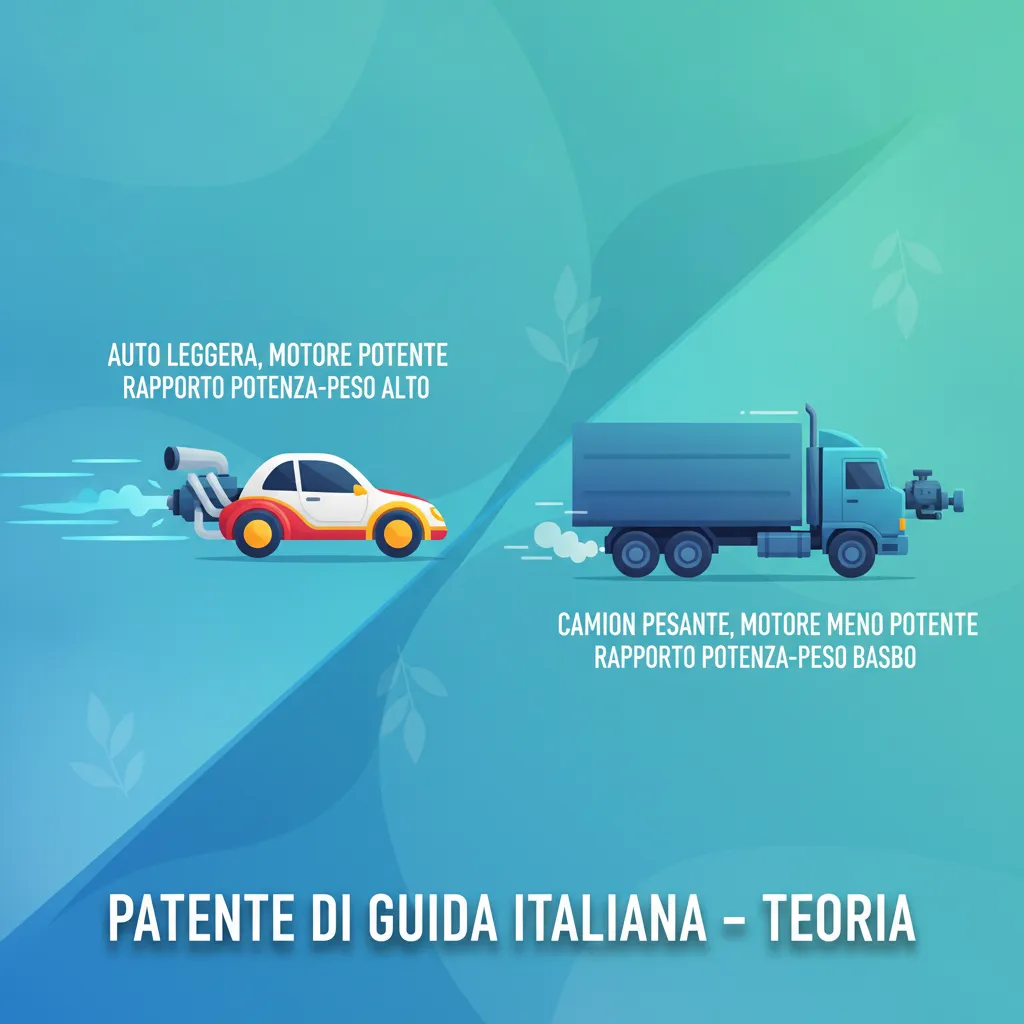
This lesson explains the core principles of motorcycle engines, focusing on key metrics like displacement, power, and the power-to-weight ratio. It details how these characteristics influence a motorcycle's acceleration, handling, and adherence to the specific limits of each license category. The content also covers different engine types and cooling systems, relating them to overall performance and reliability.
Explore Italian regulations for carrying passengers on A1, A2, and A licenses, including weight limits and passenger seat requirements. Learn crucial pre-ride safety briefings and communication techniques.

This lesson provides a thorough examination of the Italian motorcycle theory test's structure and content. It details the number of questions, the multiple-choice format, and the minimum score required to pass for the A1, A2, and A license categories. The content is designed to prepare learners for the specific knowledge areas and administrative procedures involved in taking the official exam.
This lesson focuses on the comprehensive duties of a motorcyclist, from ensuring vehicle and equipment legality to following traffic regulations. It covers key obligations mandated by the Codice della Strada, such as mandatory insurance coverage and adherence to environmental rules. The material reinforces the importance of responsible road conduct and the legal consequences of non-compliance.
This lesson focuses on the vital systems for visibility and communication: mirrors, lighting, and signals. It provides instruction on the proper adjustment of mirrors to minimize blind spots and the correct use of headlamps, indicators, and brake lights as per Italian regulations. The content underscores how maintaining these systems in full working order is crucial for being seen and signalling intentions clearly in traffic.

This lesson outlines the legal age thresholds and structured pathways for progressing through the Italian motorcycle license system. It details the minimum age for acquiring each license type and the specific procedures for upgrading from A1 to A2 and from A2 to the full A license. The content clarifies the legal framework governing these transitions, including any training or examination requirements for each step.

This lesson focuses on the legal obligations that first-time riders must meet to operate an AM vehicle safely and legally. It details the mandatory use of certified helmets and appropriate protective clothing. Furthermore, it outlines fundamental traffic laws new riders must know and the legal repercussions of non-compliance, such as fines and penalty points.

This lesson covers the driver's legal responsibility for ensuring the safety of all passengers. It details the mandatory use of seat belts (cinture di sicurezza) for all occupants in both front and rear seats. The content provides a thorough explanation of the laws regarding child restraint systems, covering the different types of car seats required based on a child's age, weight, and height, and how to install them correctly.

This lesson explores the practical, on-road consequences of the different motorcycle license categories. It analyzes how power and weight restrictions directly affect a motorcycle's handling, acceleration, and braking capabilities. Learners will understand how these factors shape riding strategies and safety considerations, highlighting the competency development needed for each successive license level.
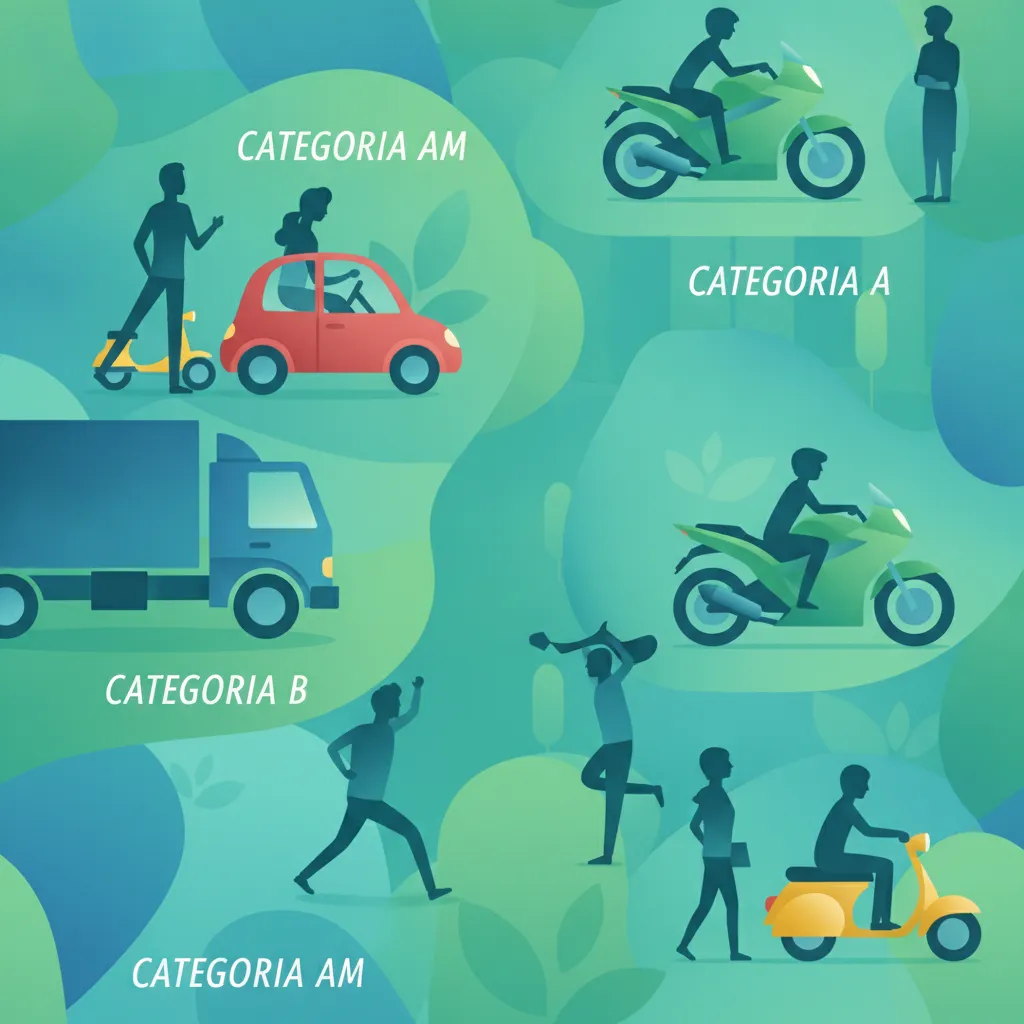
This lesson provides a detailed breakdown of the Italian motorcycle licence categories: A1, A2, and the unrestricted A. It explains the specific technical limits for engine displacement, power output in kW, and the power-to-weight ratio that define each category. Understanding these distinctions is fundamental for selecting a compliant vehicle and recognizing the legal scope of each license.

This lesson explains how motorcyclists can effectively communicate their intentions to other road users beyond just using indicators. It covers the use of deliberate body language, clear hand signals, and strategic lane positioning to make actions predictable and reduce ambiguity. Establishing eye contact with other drivers is also highlighted as a powerful tool for confirming that you have been seen and understood.

This lesson details the essential protective equipment required for legal and safe moped operation in Italy. It covers legal standards for helmets, the benefits of wearing protective gloves and boots, and the importance of high-visibility clothing. You will also learn the correct use of your vehicle's lighting system for visibility during both day and night.
Find clear answers to common questions learners have about Passenger Transport: Safety Briefings and Seat Position. Learn how the lesson is structured, which driving theory objectives it supports, and how it fits into the overall learning path of units and curriculum progression in Italy. These explanations help you understand key concepts, lesson flow, and exam focused study goals.
The passenger must sit behind the rider on the dedicated seat, with their feet on the provided footrests and hands holding the grip handles or the rider. They must remain balanced with the motorcycle during turns and avoid leaning independently.
The extra weight significantly increases the total stopping distance. You must allow for a greater following distance and begin braking earlier and more gently, using both brakes proportionally to maintain stability.
Yes, always check your specific vehicle registration. In Italy, you can only carry a passenger if your vehicle is homologated for two people and, depending on the specific licence age/type, you must adhere to the Codice della Strada regulations regarding passenger transport.
Always instruct the passenger on how to get on and off safely, where to place their feet, how to hold on, and how to communicate with you. They should stay still, follow your body movements in corners, and never lean against your turns.
Start searching now to pinpoint exactly which Italian driving theory topics, road signs, or traffic rules you need to master. Use our advanced filters to build a custom practice session and ensure you're fully prepared for every aspect of your official driving licence exam.