
This lesson details the critical safety rules for interacting with cyclists on Italian roads, a vital component of your Patente B theory preparation. You will learn how to identify shared paths, understand the mandatory lateral distance for overtaking, and navigate intersections safely to protect vulnerable road users. Mastering these rules is essential for both your exam success and building responsible driving habits in complex urban environments.

Lesson content overview
This lesson covers the essential rules for safely sharing Italian roads with cyclists, a key topic for the Patente B exam. Drivers must maintain a minimum 1.5-meter lateral distance when overtaking, respect dedicated bike lanes (piste ciclabili) and shared paths (percorsi misti), and always yield to cyclists merging from these lanes at intersections. Preventing dooring accidents requires checking mirrors and blind spots before opening doors using the Dutch Reach technique. The Codice della Strada, particularly Articles 148 and 182, codifies these obligations, and violations carry both legal consequences and serious safety risks for vulnerable road users.
A short set of high-value points that capture the most important learning from this lesson.
Cyclists are classified as vulnerable road users and require special protection due to their lack of physical protection compared to motor vehicles.
The minimum mandatory lateral distance when overtaking a cyclist is 1.5 meters, measured from the widest part of your vehicle including mirrors.
Piste ciclabili (dedicated bike lanes) are for cyclists only; drivers may only cross them when turning or merging, and must always yield to cyclists.
Shared paths (percorsi misti) allow cyclists and pedestrians to coexist; when these paths intersect roads, merging cyclists and pedestrians typically have priority.
The Codice della Strada places a general duty of care on drivers to avoid endangering vulnerable road users, reinforced by Articles 148 and 182.
Explore all units and lessons included in this driving theory course.
Bike lane sign C7 marks the start of a mandatory cycle path; sign F19 indicates a combined pedestrian and cyclist shared path.
Always perform a head check over your shoulder before opening any door or changing lanes to check for cyclists in your blind spot.
Never overtake cyclists on blind curves, at intersections with limited visibility, or without space to maintain the 1.5-meter clearance.
Use the Dutch Reach method: open car doors with your far hand to naturally turn your body and look for approaching cyclists.
When a dedicated bike lane or shared path ends at a road, cyclists already moving or clearly intending to merge typically have priority.
Overtaking too closely without maintaining the required 1.5-meter lateral distance, which can cause cyclists to lose balance or be forced off the road.
Ignoring cyclist priority at intersections by assuming cyclists will yield, particularly when they are already in the intersection or merging from designated paths.
Opening car doors without checking mirrors and blind spots, leading to dooring accidents where cyclists collide with the opened door.
Using bike lanes as shortcuts, parking spots, or waiting areas instead of only crossing them when necessary for turning.
Failing to check blind spots before turning or changing lanes, allowing cyclists to quickly enter areas not visible in mirrors.
Lesson content overview
A short set of high-value points that capture the most important learning from this lesson.
Cyclists are classified as vulnerable road users and require special protection due to their lack of physical protection compared to motor vehicles.
The minimum mandatory lateral distance when overtaking a cyclist is 1.5 meters, measured from the widest part of your vehicle including mirrors.
Piste ciclabili (dedicated bike lanes) are for cyclists only; drivers may only cross them when turning or merging, and must always yield to cyclists.
Shared paths (percorsi misti) allow cyclists and pedestrians to coexist; when these paths intersect roads, merging cyclists and pedestrians typically have priority.
The Codice della Strada places a general duty of care on drivers to avoid endangering vulnerable road users, reinforced by Articles 148 and 182.
Explore all units and lessons included in this driving theory course.
Bike lane sign C7 marks the start of a mandatory cycle path; sign F19 indicates a combined pedestrian and cyclist shared path.
Always perform a head check over your shoulder before opening any door or changing lanes to check for cyclists in your blind spot.
Never overtake cyclists on blind curves, at intersections with limited visibility, or without space to maintain the 1.5-meter clearance.
Use the Dutch Reach method: open car doors with your far hand to naturally turn your body and look for approaching cyclists.
When a dedicated bike lane or shared path ends at a road, cyclists already moving or clearly intending to merge typically have priority.
Overtaking too closely without maintaining the required 1.5-meter lateral distance, which can cause cyclists to lose balance or be forced off the road.
Ignoring cyclist priority at intersections by assuming cyclists will yield, particularly when they are already in the intersection or merging from designated paths.
Opening car doors without checking mirrors and blind spots, leading to dooring accidents where cyclists collide with the opened door.
Using bike lanes as shortcuts, parking spots, or waiting areas instead of only crossing them when necessary for turning.
Failing to check blind spots before turning or changing lanes, allowing cyclists to quickly enter areas not visible in mirrors.
Explore search topics learners often look for when studying Cyclists and Shared Paths. These topics reflect common questions about road rules, driving situations, safety guidance, and lesson level theory preparation for learners in Italy.
Browse additional driving theory lessons that cover connected traffic rules, road signs, and common driving situations related to this topic. Improve your understanding of how different rules interact across everyday traffic scenarios.
Explore complex scenarios and advanced right-of-way rules for interacting with cyclists. Understand specific Italian regulations for shared paths, intersections, and overtaking in challenging conditions.

This lesson provides an in-depth focus on sharing the road with the most vulnerable users. It teaches drivers to be acutely aware of pedestrians at crossings, cyclists filtering through traffic, and motorcyclists who may be in blind spots. The lesson emphasizes the importance of leaving extra space, signaling intentions clearly, and exercising extreme caution at junctions, where the majority of serious incidents occur.

This lesson is dedicated to fostering awareness and safe interaction with vulnerable road users commonly found in cities. It details the legal priority of pedestrians at crossings and the importance of giving ample space to cyclists. Additionally, it covers the specific hazards associated with tram tracks and the need to be vigilant around public transport vehicles like buses and taxis.
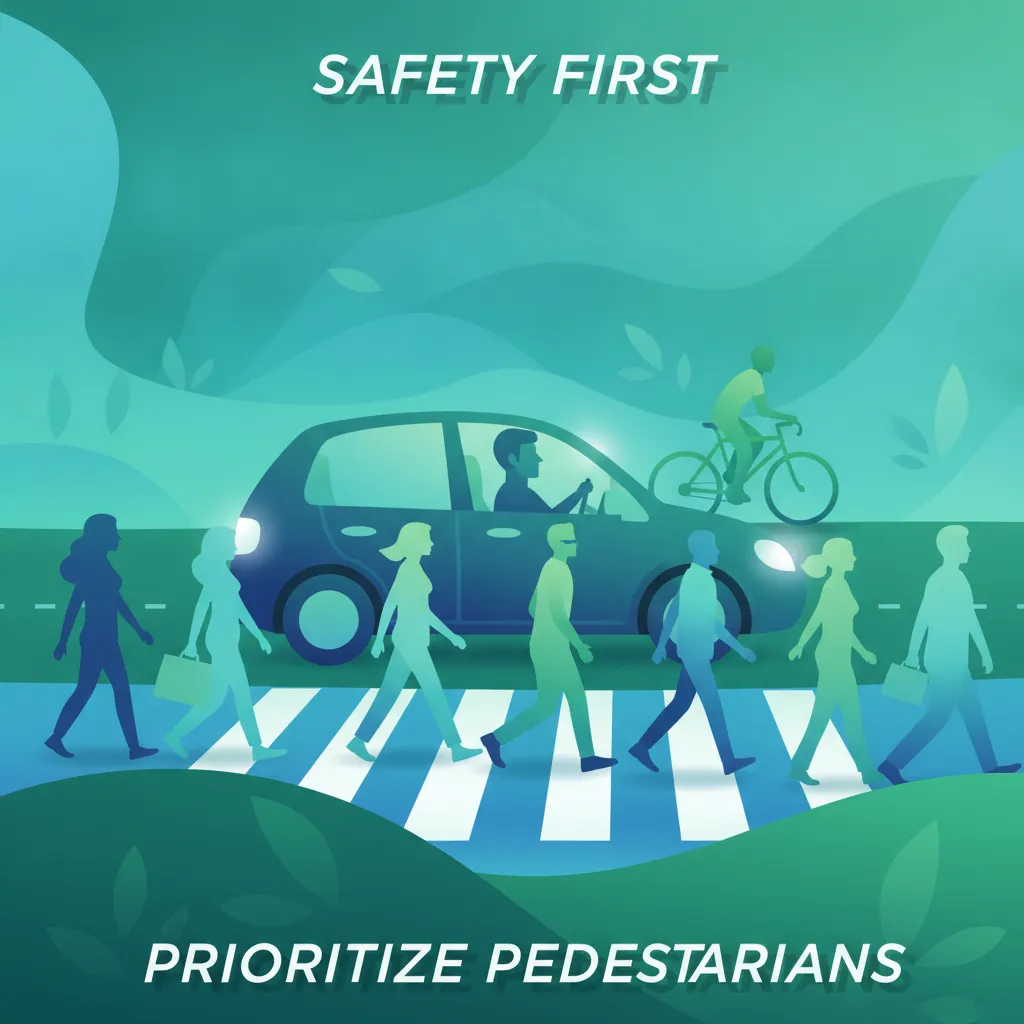
This lesson provides critical guidance on how to safely share the road with vulnerable users, including pedestrians, cyclists, motorcyclists, and children. It highlights the importance of increased awareness in specific areas like school zones and crosswalks. The content teaches techniques for maintaining a safe lateral distance when overtaking, checking blind spots thoroughly, and anticipating the often unpredictable movements of these users.

This lesson delivers a comprehensive explanation of right-of-way regulations at Italian intersections. It covers the interpretation of traffic light signals, the absolute requirement to stop at stop signs, and yielding at give-way signs. Furthermore, it details the default priority rules for unmarked intersections and the specific obligations a rider has towards pedestrians on crossings.

This lesson equips riders to safely manage the challenges posed by road construction zones. It explains how to interpret temporary signage, navigate lane closures or diversions, and maintain heightened awareness for surface hazards like gravel or steel plates. The content emphasizes the need to reduce speed and increase following distances to safely share the road with large construction vehicles and workers.

This lesson focuses on the driver's responsibility to protect pedestrians, especially at designated crossings (strisce pedonali). It reinforces the legal requirement to yield to pedestrians who are on or about to enter a crosswalk. The content also covers the importance of reducing speed and increasing vigilance in urban areas, school zones, and other places with high pedestrian activity.

This lesson addresses the specific challenges of sharing the road with two-wheeled motor vehicles like motorcycles and scooters. It highlights their reduced visibility and stability compared to cars, requiring drivers to double-check blind spots and maintain a greater following distance. The content also discusses common behaviors like lane filtering and the need for drivers to be predictable and signal intentions clearly.

This lesson explains the fundamental principles of right of way that govern interactions between different types of road users in Italy. It clarifies the legal precedence at intersections, pedestrian crossings, and when interacting with public transport like buses and trams. The content also details the absolute priority given to emergency vehicles and how to safely yield in accordance with the Codice della Strada.

This lesson addresses the critical responsibility of protecting vulnerable road users, such as pedestrians, cyclists, and motorcyclists, who are most at risk in a collision with a heavy vehicle. It teaches drivers to be hyper-aware in urban settings, to anticipate the unpredictable movements of VRUs, and to provide ample space, especially when turning at junctions. A key focus is on scanning for VRUs in blind spots before moving off or making any maneuver.
Learn to identify and avoid frequent dangers like 'dooring' accidents and intersection collisions involving cyclists. This lesson focuses on improving visibility and anticipating cyclist movements to enhance road safety.
This lesson provides an in-depth focus on sharing the road with the most vulnerable users. It teaches drivers to be acutely aware of pedestrians at crossings, cyclists filtering through traffic, and motorcyclists who may be in blind spots. The lesson emphasizes the importance of leaving extra space, signaling intentions clearly, and exercising extreme caution at junctions, where the majority of serious incidents occur.
This lesson is dedicated to fostering awareness and safe interaction with vulnerable road users commonly found in cities. It details the legal priority of pedestrians at crossings and the importance of giving ample space to cyclists. Additionally, it covers the specific hazards associated with tram tracks and the need to be vigilant around public transport vehicles like buses and taxis.
This lesson provides critical guidance on how to safely share the road with vulnerable users, including pedestrians, cyclists, motorcyclists, and children. It highlights the importance of increased awareness in specific areas like school zones and crosswalks. The content teaches techniques for maintaining a safe lateral distance when overtaking, checking blind spots thoroughly, and anticipating the often unpredictable movements of these users.
This lesson addresses the specific challenges of sharing the road with two-wheeled motor vehicles like motorcycles and scooters. It highlights their reduced visibility and stability compared to cars, requiring drivers to double-check blind spots and maintain a greater following distance. The content also discusses common behaviors like lane filtering and the need for drivers to be predictable and signal intentions clearly.

This lesson addresses the significant risk posed by parked vehicles, particularly the hazard of drivers opening their doors into traffic. You will learn to maintain a safe lateral distance when passing parked cars and to actively scan for signs of occupancy. This proactive approach helps prevent dangerous "dooring" incidents and ensures safe passage in urban environments.
This lesson equips riders to safely manage the challenges posed by road construction zones. It explains how to interpret temporary signage, navigate lane closures or diversions, and maintain heightened awareness for surface hazards like gravel or steel plates. The content emphasizes the need to reduce speed and increase following distances to safely share the road with large construction vehicles and workers.
This lesson addresses the critical responsibility of protecting vulnerable road users, such as pedestrians, cyclists, and motorcyclists, who are most at risk in a collision with a heavy vehicle. It teaches drivers to be hyper-aware in urban settings, to anticipate the unpredictable movements of VRUs, and to provide ample space, especially when turning at junctions. A key focus is on scanning for VRUs in blind spots before moving off or making any maneuver.
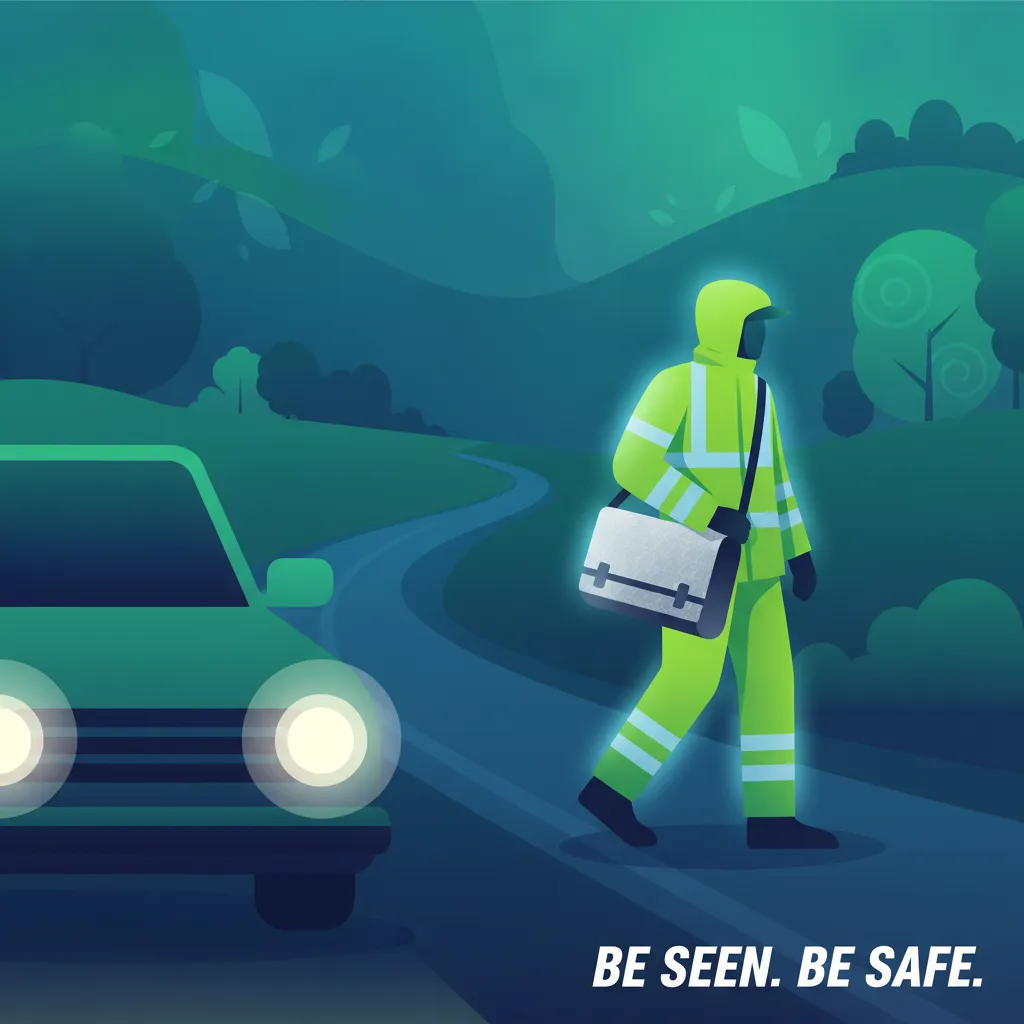
This lesson is focused on strategies to increase a motorcyclist's conspicuity in traffic. It explains the benefits of using high-visibility clothing in fluorescent colors for daytime riding and the critical role of reflective materials at night. The content also covers how proper use of lighting, including daytime running lights, can significantly reduce the risk of accidents by making the rider more noticeable to others.

This lesson details how to safely approach and enter intersections by correctly interpreting traffic lights, stop signs, and give-way rules. It emphasizes the importance of scanning for hazards, checking blind spots, and anticipating the actions of other road users. You will learn to adjust your speed and position your vehicle correctly to navigate crossings without incident.
This lesson focuses on the driver's responsibility to protect pedestrians, especially at designated crossings (strisce pedonali). It reinforces the legal requirement to yield to pedestrians who are on or about to enter a crosswalk. The content also covers the importance of reducing speed and increasing vigilance in urban areas, school zones, and other places with high pedestrian activity.
Find clear answers to common questions learners have about Cyclists and Shared Paths. Learn how the lesson is structured, which driving theory objectives it supports, and how it fits into the overall learning path of units and curriculum progression in Italy. These explanations help you understand key concepts, lesson flow, and exam focused study goals.
According to current safety guidelines, you must maintain a lateral distance of at least 1.5 meters when overtaking a cyclist to ensure their safety from the vehicle's width and potential wind buffeting.
No, you must never use or obstruct a lane specifically designated for bicycles, marked by road signs or pavement symbols, unless specifically permitted by signage for maneuvers like turning.
Opening a car door into the path of a passing cyclist is a major cause of serious urban accidents; the theory test emphasizes this to ensure drivers develop a habit of checking mirrors and blind spots before exiting.
Not automatically; cyclists must follow the same traffic signals and priority signs as other road users. However, drivers are expected to exercise higher caution when turning across a cycle path to avoid collisions.
Start searching now to pinpoint exactly which Italian driving theory topics, road signs, or traffic rules you need to master. Use our advanced filters to build a custom practice session and ensure you're fully prepared for every aspect of your official driving licence exam.