
This lesson explores the essential right of way principles governing road interactions in Italy. You will learn the correct procedures for navigating intersections, yielding to vulnerable road users, and responding to emergency vehicles, all of which are critical for passing your Patente B theory exam.
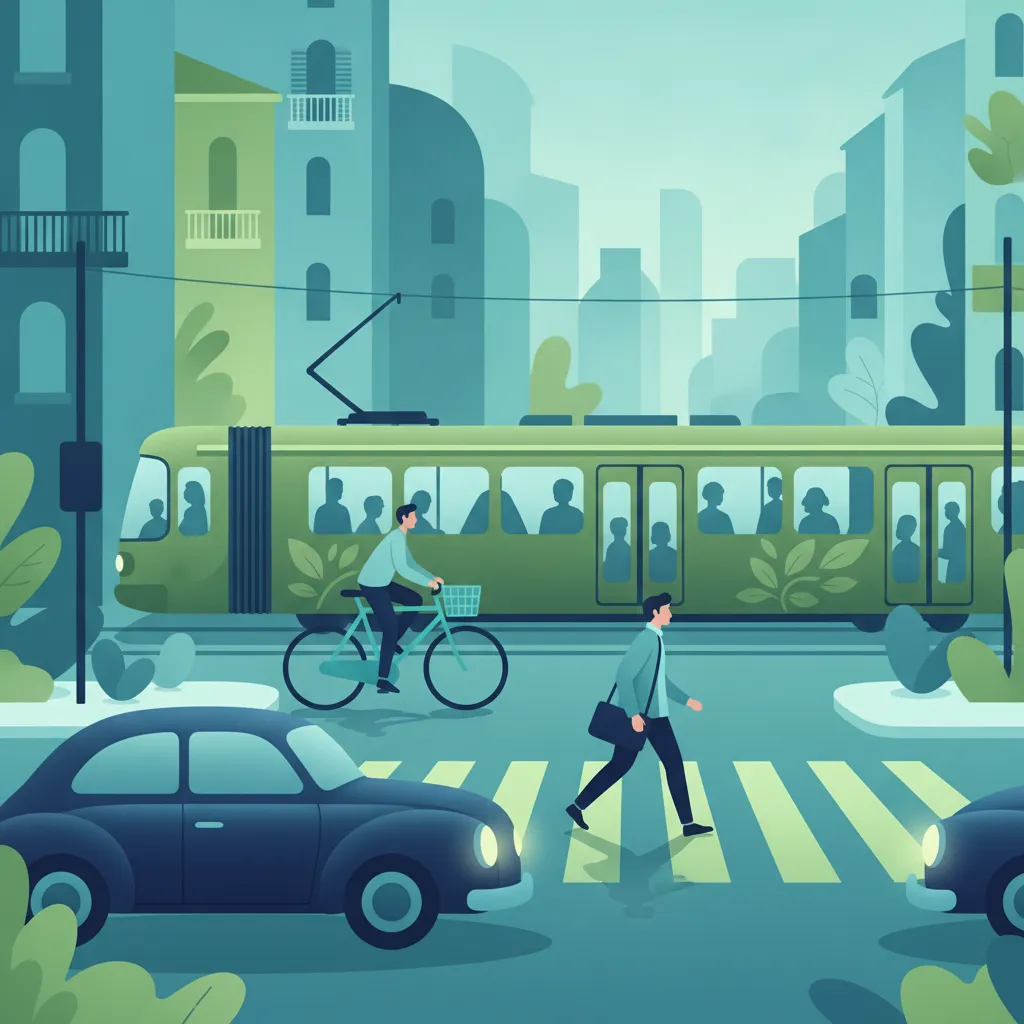
Lesson content overview
Driving safely and legally on Italian roads, especially when preparing for your Patente B theory test, hinges on a deep understanding of right-of-way rules. These rules, known as precedenza in Italian, dictate which road user has the legal right to proceed before others in various traffic situations. Mastering these principles is crucial for preventing accidents, ensuring smooth traffic flow, and protecting vulnerable road users. This comprehensive guide will delve into the hierarchy of road users, the absolute priority of emergency vehicles, and specific rules for pedestrian crossings, public transport, and various types of intersections under the Codice della Strada.
Precedenza: Italian Right of Way RulesPrecedenza, or right of way, is the legal framework that establishes an order of passage among different road users. It is designed to create predictable traffic movements, thereby reducing the risk of collisions and ensuring that traffic flows as efficiently as possible. In Italy, these rules are enshrined in the Codice della Strada (Highway Code) and apply to all drivers, cyclists, and pedestrians.
Ignoring or misinterpreting right-of-way rules is a leading cause of traffic accidents. For Patente B candidates, a thorough grasp of these principles is not just a matter of passing the exam; it's fundamental to becoming a responsible and safe driver. These rules protect the most vulnerable users, such as pedestrians and cyclists, and facilitate the essential services provided by emergency vehicles and public transport. Understanding the underlying logic—which often prioritizes vulnerability and public utility—will help you apply the rules effectively in diverse driving scenarios.
The Italian Codice della Strada establishes a clear, albeit sometimes nuanced, hierarchy among road users. This ranking determines who must yield (dare la precedenza) to whom under specific circumstances. Generally, the more vulnerable a road user, the higher their legal priority.
The principle of protecting vulnerable road users is central to Italian traffic law. Drivers of cars, vans, and heavy vehicles are expected to exercise greater caution and yield to those who are less protected in the event of a collision.
Pedoni): Generally hold the highest priority, especially at marked crossings.Ciclisti) and Motorcyclists (Motociclisti): Have specific rights on bicycle lanes and when interacting with motor vehicles, requiring drivers to give them ample space.Autobus, Trams Tram): Enjoy specific priorities to maintain their schedules and ensure passenger safety.Auto, Furgoni, Veicoli leggeri): Are typically expected to yield to higher-ranked users and adhere to general intersection rules.Mezzi pesanti e Rimorchi): Must exercise extreme caution due to their size, limited maneuverability, and extended stopping distances, often having to yield in complex situations.Veicoli di emergenza): Hold absolute priority when actively responding to an emergency with sirens and flashing lights.This hierarchy ensures that all road users can anticipate the actions of others, creating a safer and more predictable environment for everyone.
Veicoli di emergenza) in ItalyCertain vehicles are granted precedenza assoluta, or absolute priority, meaning all other road users must yield to them unconditionally when they are operating in an emergency capacity. This applies to police (Polizia), ambulance (Ambulanza), and fire brigade (Vigili del Fuoco) vehicles, among others.
Emergency vehicles signal their absolute priority through both audible sirens (sirene) and visual flashing blue lights (lampeggianti blu). Both signals must be active for the vehicle to claim absolute priority. If only the lights are on, or only the siren, they do not automatically have absolute priority, though caution is still advised.
When an emergency vehicle approaches with active sirens and flashing lights, every other road user has a legal and moral obligation to facilitate its passage. The Codice della Strada (Art. 146) mandates that you:
Pull over to the right: Move as far as safely possible to the right-hand edge of the roadway. If you are on a multi-lane road, vehicles in the leftmost lane should move to the left, creating an "emergency corridor" if safe and practical, particularly on motorways.
Stop: If necessary and safe to do so, come to a complete stop. Do not stop in a way that blocks the emergency vehicle or creates further danger.
Clear the way: Ensure there is sufficient space for the emergency vehicle to pass unimpeded.
Remain attentive: Watch for other emergency vehicles that might be following the first one.
There are rare circumstances where stopping immediately might cause greater danger. For example, if you are in a tunnel, on a bridge, or at a hazardous blind spot where pulling over would be unsafe. In such cases, proceed cautiously to the nearest safe location to yield. However, these are exceptions, and the general rule is to yield promptly and safely. Never attempt to "outrun" an emergency vehicle or follow it closely, as this creates a significant hazard.
Attraversamenti pedonali)Pedestrians are among the most vulnerable road users, and Italian law affords them significant priority at designated crossings and even in certain unmarked situations.
Zebra crossings (strisce pedonali or attraversamenti pedonali) are marked by white stripes painted across the road, sometimes accompanied by a flashing yellow beacon. At these crossings, pedestrians have the right of way as soon as they step onto the crossing or clearly indicate their intention to cross.
Crucial Rule: Drivers must stop before the stop line (if present) or the crossing itself, and wait until the pedestrian has completely cleared the crossing. It is a common mistake to assume that if a pedestrian is on the other side of the road, you can proceed. You must wait.
These crossings are regulated by traffic lights. When the pedestrian signal turns green (a walking figure), pedestrians have the right of way. Conversely, when the traffic light for vehicles is green, drivers can proceed, but they must still be vigilant. If a pedestrian starts crossing against their light, or is caught on the crossing when the vehicle light changes, drivers must still yield to prevent an accident, albeit the pedestrian may be in violation.
Even at points without marked crossings, drivers must exercise extreme caution. If a pedestrian is already in the process of crossing the road, especially in urban areas, drivers are generally expected to slow down and allow them to complete their crossing safely. This is an application of the general principle of protecting vulnerable users, as stipulated in the Codice della Strada (Art. 144). Drivers should anticipate pedestrians, particularly near bus stops, schools, and shopping areas.
Public transport vehicles, such as buses (autobus) and trams (tram), play a vital role in urban mobility. To ensure their efficiency and the safety of their passengers, they are granted specific priorities.
Fermate degli autobus)When a bus is stopped at a designated bus stop (fermata dell'autobus) to pick up or drop off passengers, drivers approaching from behind must exercise extreme caution. The Codice della Strada (Art. 152) explicitly states that it is prohibited to overtake a bus while it is stopped and its doors are open for passengers.
Important: Drivers must wait until the bus has closed its doors and resumed motion before safely proceeding. This rule prevents collisions with passengers boarding or alighting, who might step into the road unexpectedly.
Trams generally have significant priority due to their fixed routes and limited maneuverability. At intersections where tram tracks cross the road, vehicles must yield to trams unless specific traffic signals or signs indicate otherwise (Codice della Strada Art. 153). Always assume a tram has the right of way. Never attempt to "race" a tram or cut in front of it. When driving near tram tracks, be aware that the rails can be slippery, especially in wet weather, and crossing them at a sharp angle can cause loss of control for motorcycles and bicycles.
Corsie preferenziali)Many Italian cities have corsie preferenziali (dedicated lanes) for buses and sometimes trams. These lanes are often marked with specific signage and road markings (e.g., a yellow line or "BUS" painted on the road). Private vehicles are generally prohibited from using these lanes, except in specific situations such as making a turn or accessing a private property, provided it is permitted by local signage. Respecting these lanes ensures that public transport can maintain its schedule efficiently.
Incroci) and Priority Roads (Strade con diritto di precedenza)Intersections are critical points on any road network, where vehicles from different directions converge. Italian law provides clear rules for determining right of way at various types of intersections.
Diritto di precedenza a destra)At incroci non regolamentati (uncontrolled intersections), meaning those without traffic lights, stop signs, or give way signs, the fundamental rule is diritto di precedenza a destra – you must yield to traffic approaching from your right. This rule applies uniformly, regardless of the relative speed or size of the vehicles involved.
Always Check Both Sides: Even if you have the right of way from the right-hand rule, always glance left and right to ensure other drivers are yielding. Defensive driving means being prepared for others' mistakes.
When intersections are incroci regolamentati (controlled by traffic lights or signs), these signals override the general priority-to-the-right rule.
Semafori): A green light grants you the right to proceed, while a red light requires you to stop. A flashing yellow light (often at night or when traffic is low) means proceed with caution and follow the priority-to-the-right rule or any applicable signs.Segnale di STOP): A STOP sign (Segnale di fermata) requires you to come to a complete halt before the stop line, look for traffic, and only proceed when the way is clear. You must yield to all traffic on the intersecting road.Segnale di Dare Precedenza): A Dare Precedenza sign (inverted triangle) means you must slow down or stop if necessary, and yield to traffic on the intersecting road. You do not necessarily have to stop if the way is clear.A triangular sign with a white border and a thick black arrow pointing upwards indicates a strada con diritto di precedenza (priority road). Drivers on a road marked with this sign have the right of way at any upcoming uncontrolled intersections. Conversely, if you are approaching a priority road from a side street, you will typically encounter a Dare Precedenza or STOP sign, requiring you to yield.
The fine del diritto di precedenza (end of priority road) sign, a similar triangular sign with a diagonal black line through it, indicates that priority rules revert to general rules (e.g., priority to the right) or new signs.
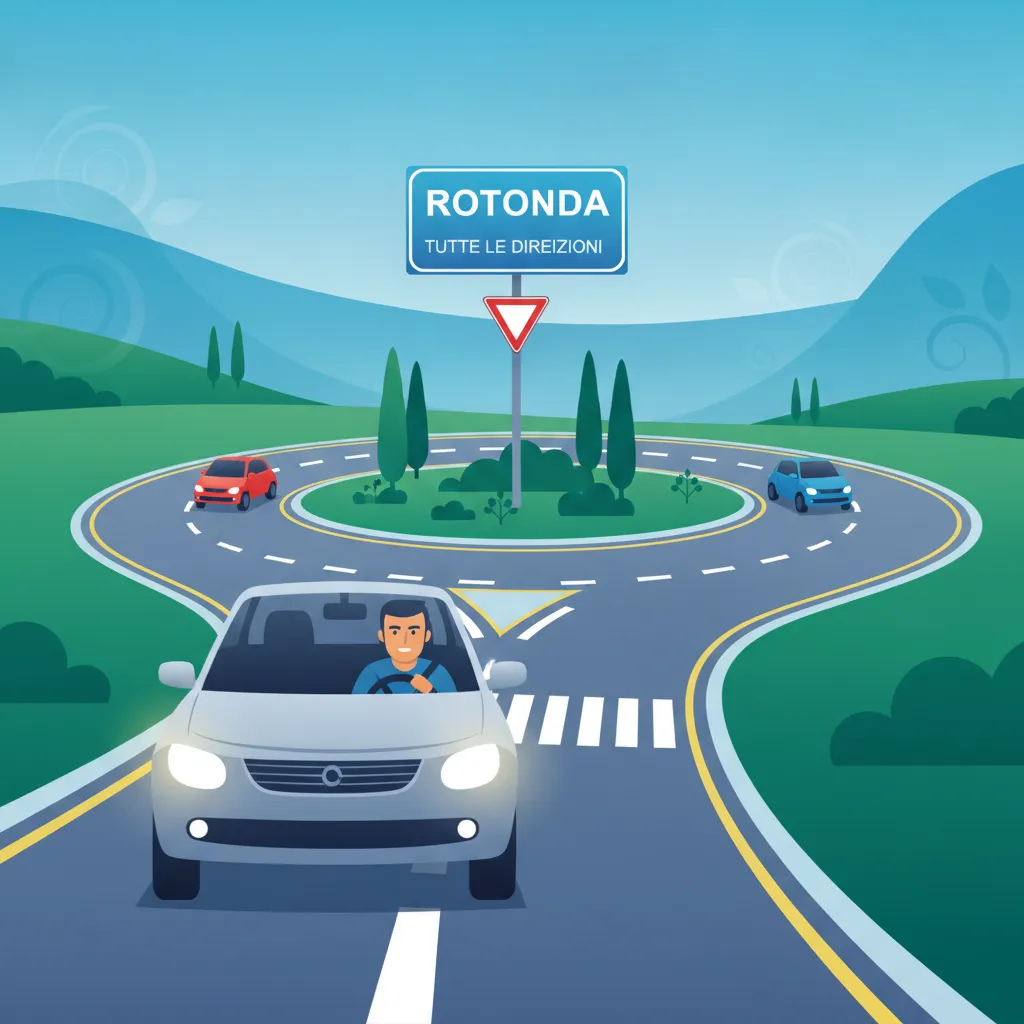
Rotatorie) and Precedenza RulesRoundabouts (rotatorie) are common in Italy and come with specific right-of-way rules that can sometimes vary.
Dare Precedenza signs at each entry point to the roundabout.Always observe signage at roundabouts carefully, as local variations can exist.
Misunderstanding or disrespecting right-of-way rules can lead to serious consequences, including collisions, fines, and demerit points on your license.
Legal Consequences: Violations of right-of-way rules often incur significant fines and the deduction of points from your driving license (punti patente), impacting your ability to drive.
The application of right-of-way rules must always be tempered with defensive driving principles and an awareness of prevailing conditions:
Understanding theory is vital, but applying it in real-time is the goal. Here are some practical scenarios to solidify your grasp of precedenza.
diritto di precedenza a destra, Codice della Strada Art. 137).Understanding and consistently applying Italian right-of-way principles is not merely about memorizing rules; it's about developing a safe, predictable, and cooperative driving mindset. The Codice della Strada prioritizes safety, especially for the most vulnerable. By internalizing these rules – from yielding to pedestrians and emergency vehicles to navigating complex intersections and roundabouts – you will not only be well-prepared for your Patente B theory exam but, more importantly, you will become a responsible and skilled driver on Italian roads. Always remain vigilant, anticipate the actions of others, and prioritize safety above all else.
This lesson covers the Italian right-of-way framework (precedenza) established in the Codice della Strada, establishing a clear hierarchy where pedestrians rank highest, followed by cyclists and motorcyclists, then public transport, and finally other vehicles. At uncontrolled intersections, the fundamental rule is priority to the right, while controlled intersections follow signals and signage. Emergency vehicles require both sirens and flashing lights for absolute priority, and drivers must create an emergency corridor by pulling to the right. Specific rules apply to pedestrian crossings, bus/tram stops, and roundabouts, with violations resulting in fines and penalty points on your patente.
A short set of high-value points that capture the most important learning from this lesson.
In Italy, pedestrians generally hold the highest priority, especially at marked zebra crossings (strisce pedonali), and drivers must wait until they have fully cleared the crossing.
At uncontrolled intersections (incroci non regolamentati) without signs or lights, you must yield to traffic approaching from your right (diritto di precedenza a destra).
Emergency vehicles with active sirens AND flashing blue lights have absolute priority (precedenza assoluta); both signals must be active for this to apply.
You must never overtake a bus at a stop when its doors are open (Codice della Strada Art. 152), as passengers may be boarding or alighting.
Roundabouts typically require yielding to circulating traffic, though signage at each entry point should always be observed carefully.
Explore all units and lessons included in this driving theory course.
Priority-to-the-right rule applies only at uncontrolled intersections; traffic lights and stop/give-way signs override it completely.
Emergency vehicle priority requires BOTH audible sirens AND visual flashing blue lights active simultaneously.
Even at signal-controlled pedestrian crossings, you must yield if a pedestrian begins crossing against their light or is caught on the crossing.
Trams have significant priority at intersections due to their fixed routes and limited maneuverability; never attempt to race or cut in front of them.
Heavy vehicles have longer stopping distances and reduced maneuverability, requiring earlier anticipation when yielding or navigating intersections.
Assuming a pedestrian can be passed if they are already on the far side of the crossing; you must wait until they have completely cleared.
Proceeding at a flashing yellow traffic light as if it were a green light, rather than applying priority-to-the-right rules.
Believing emergency vehicles have absolute priority when only the siren OR only the lights are active (both are required).
Attempting to overtake a bus at a stop before its doors have closed and it has resumed motion.
Lesson content overview
A short set of high-value points that capture the most important learning from this lesson.
In Italy, pedestrians generally hold the highest priority, especially at marked zebra crossings (strisce pedonali), and drivers must wait until they have fully cleared the crossing.
At uncontrolled intersections (incroci non regolamentati) without signs or lights, you must yield to traffic approaching from your right (diritto di precedenza a destra).
Emergency vehicles with active sirens AND flashing blue lights have absolute priority (precedenza assoluta); both signals must be active for this to apply.
You must never overtake a bus at a stop when its doors are open (Codice della Strada Art. 152), as passengers may be boarding or alighting.
Roundabouts typically require yielding to circulating traffic, though signage at each entry point should always be observed carefully.
Explore all units and lessons included in this driving theory course.
Priority-to-the-right rule applies only at uncontrolled intersections; traffic lights and stop/give-way signs override it completely.
Emergency vehicle priority requires BOTH audible sirens AND visual flashing blue lights active simultaneously.
Even at signal-controlled pedestrian crossings, you must yield if a pedestrian begins crossing against their light or is caught on the crossing.
Trams have significant priority at intersections due to their fixed routes and limited maneuverability; never attempt to race or cut in front of them.
Heavy vehicles have longer stopping distances and reduced maneuverability, requiring earlier anticipation when yielding or navigating intersections.
Assuming a pedestrian can be passed if they are already on the far side of the crossing; you must wait until they have completely cleared.
Proceeding at a flashing yellow traffic light as if it were a green light, rather than applying priority-to-the-right rules.
Believing emergency vehicles have absolute priority when only the siren OR only the lights are active (both are required).
Attempting to overtake a bus at a stop before its doors have closed and it has resumed motion.
Explore search topics learners often look for when studying Right of Way Principles for Different Users. These topics reflect common questions about road rules, driving situations, safety guidance, and lesson level theory preparation for learners in Italy.
Browse additional driving theory lessons that cover connected traffic rules, road signs, and common driving situations related to this topic. Improve your understanding of how different rules interact across everyday traffic scenarios.
Understand the legal hierarchy of road users in Italy, focusing on who has priority over whom. This lesson clarifies rules for pedestrians, cyclists, public transport, and the absolute priority for emergency vehicles according to the Codice della Strada.

This lesson clarifies the special priority rules for emergency vehicles and public transport. It explains the legal obligation to safely pull over and clear a path for any vehicle with active sirens and flashing lights. The content also details the absolute right-of-way that trams have in most situations and the requirement to yield to public buses signaling to pull out from a stop.

This lesson provides an in-depth focus on sharing the road with the most vulnerable users. It teaches drivers to be acutely aware of pedestrians at crossings, cyclists filtering through traffic, and motorcyclists who may be in blind spots. The lesson emphasizes the importance of leaving extra space, signaling intentions clearly, and exercising extreme caution at junctions, where the majority of serious incidents occur.
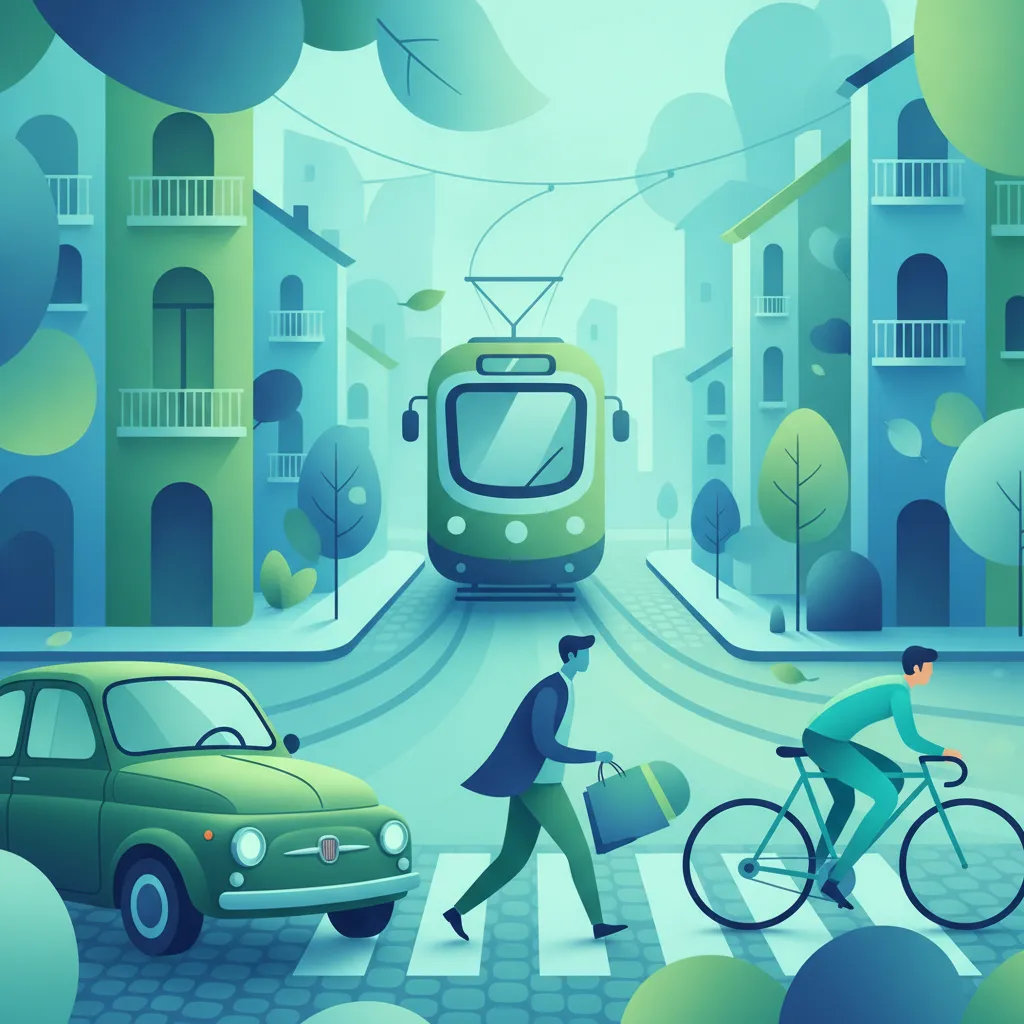
This lesson is dedicated to fostering awareness and safe interaction with vulnerable road users commonly found in cities. It details the legal priority of pedestrians at crossings and the importance of giving ample space to cyclists. Additionally, it covers the specific hazards associated with tram tracks and the need to be vigilant around public transport vehicles like buses and taxis.
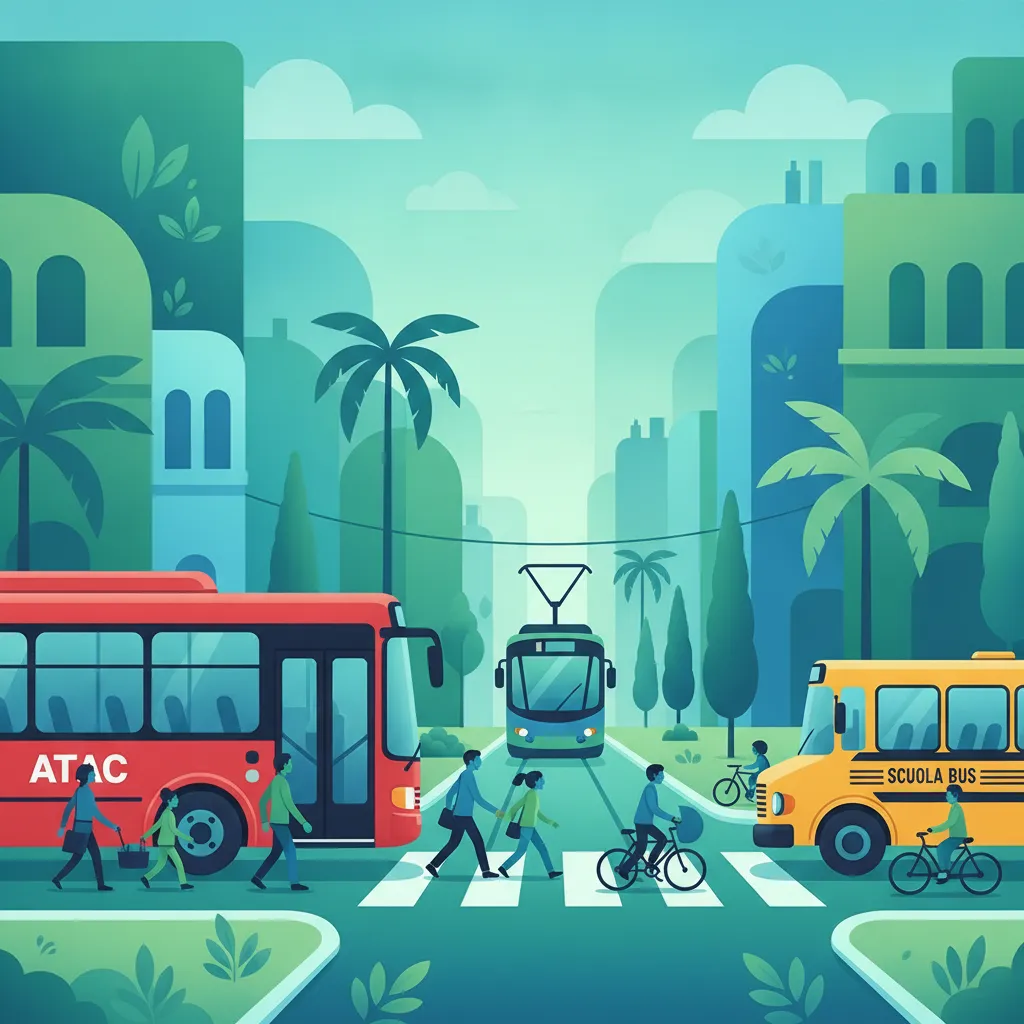
This lesson details the correct procedures for interacting with public transport and school buses. It explains the rules for dedicated bus lanes, the absolute priority of trams, and the legal requirement to yield to buses pulling out from a stop. The content also covers the specific laws requiring drivers to stop when a school bus is loading or unloading passengers, to ensure child safety.

This lesson reinforces the correct procedures for interacting with emergency vehicles that are responding to a call with sirens and lights active. It explains the legal obligation to yield the right-of-way by safely moving to the side of the road and stopping if necessary. The content emphasizes making smooth, predictable movements to create a clear path, allowing emergency responders to proceed without delay.
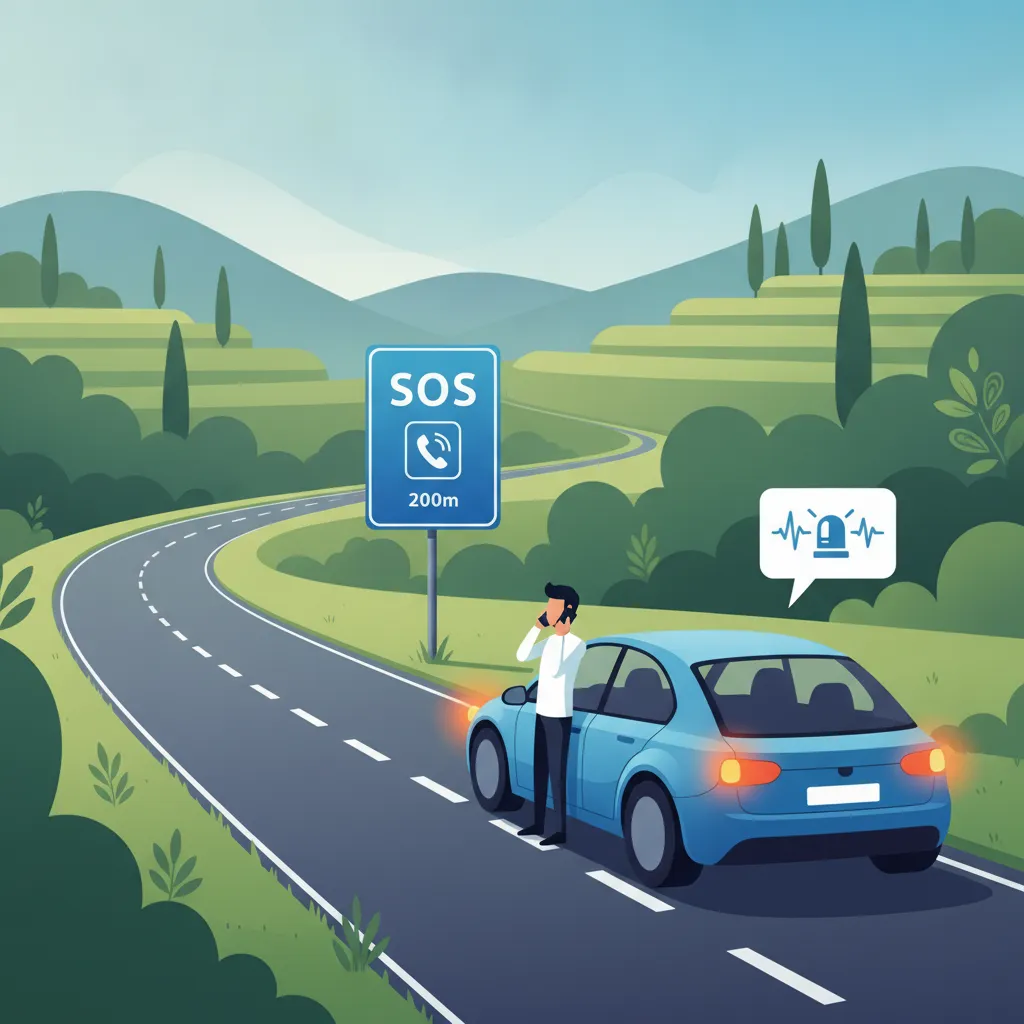
This lesson outlines the proper conduct when encountering emergency vehicles on the road or interacting with responders at an incident. It details the rules for yielding the right-of-way to ambulances, police, and fire services, ensuring they have a clear path. You will also learn how to provide clear and concise information to authorities to facilitate an effective emergency response.
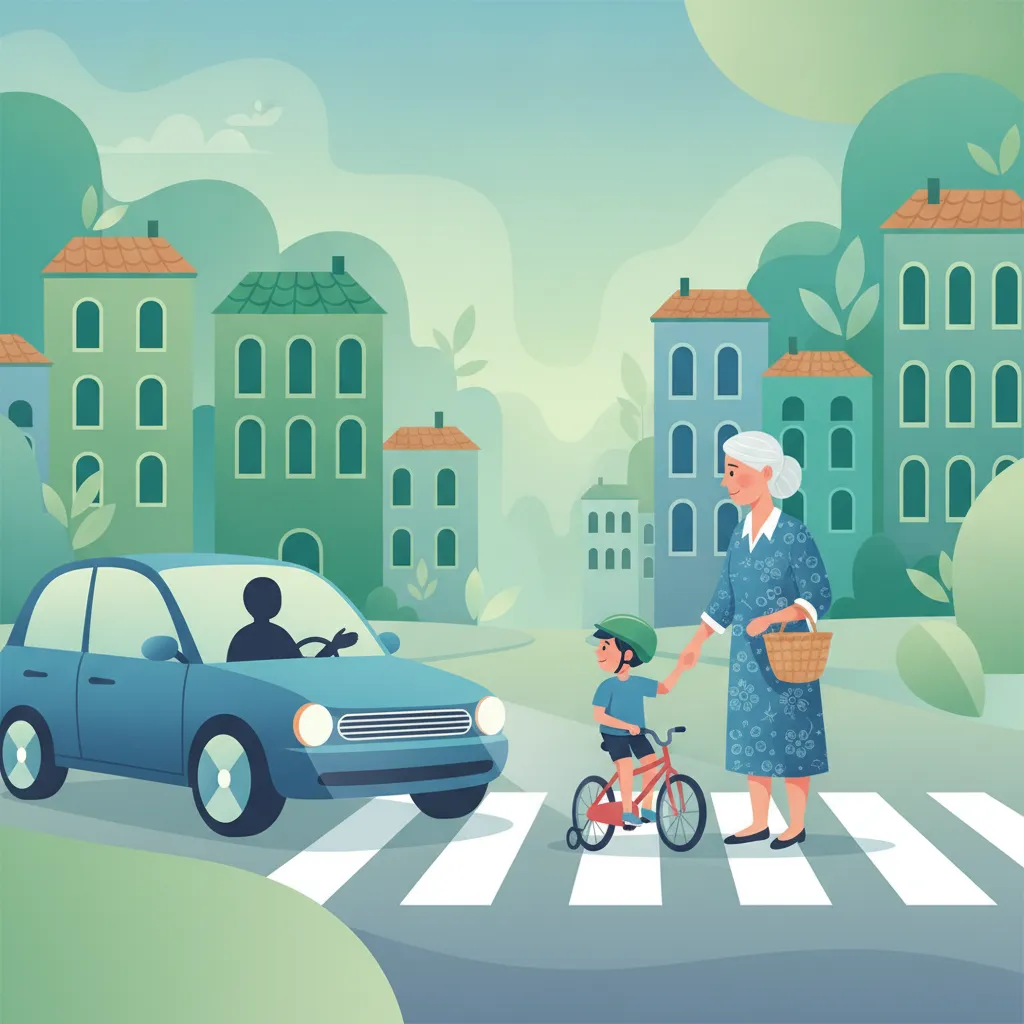
This lesson addresses the critical responsibility of protecting vulnerable road users, such as pedestrians, cyclists, and motorcyclists, who are most at risk in a collision with a heavy vehicle. It teaches drivers to be hyper-aware in urban settings, to anticipate the unpredictable movements of VRUs, and to provide ample space, especially when turning at junctions. A key focus is on scanning for VRUs in blind spots before moving off or making any maneuver.
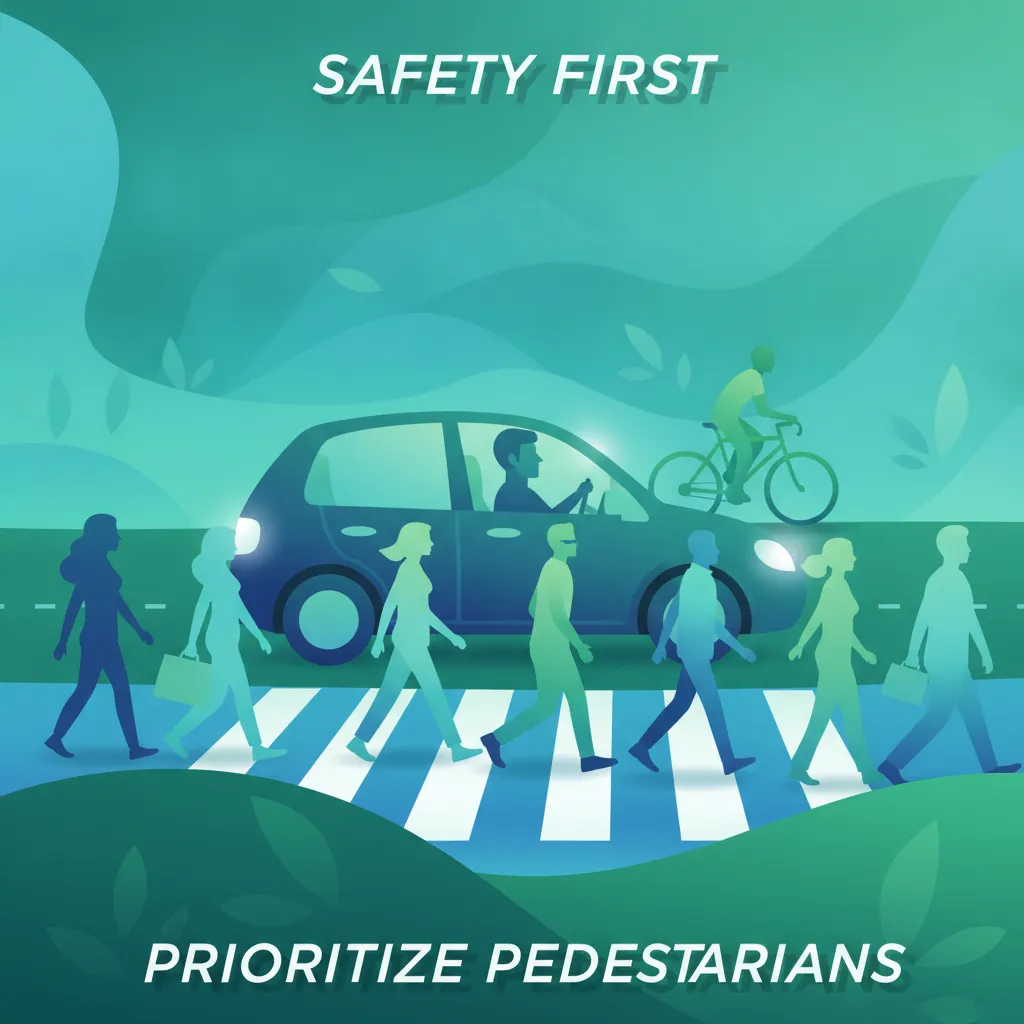
This lesson provides critical guidance on how to safely share the road with vulnerable users, including pedestrians, cyclists, motorcyclists, and children. It highlights the importance of increased awareness in specific areas like school zones and crosswalks. The content teaches techniques for maintaining a safe lateral distance when overtaking, checking blind spots thoroughly, and anticipating the often unpredictable movements of these users.
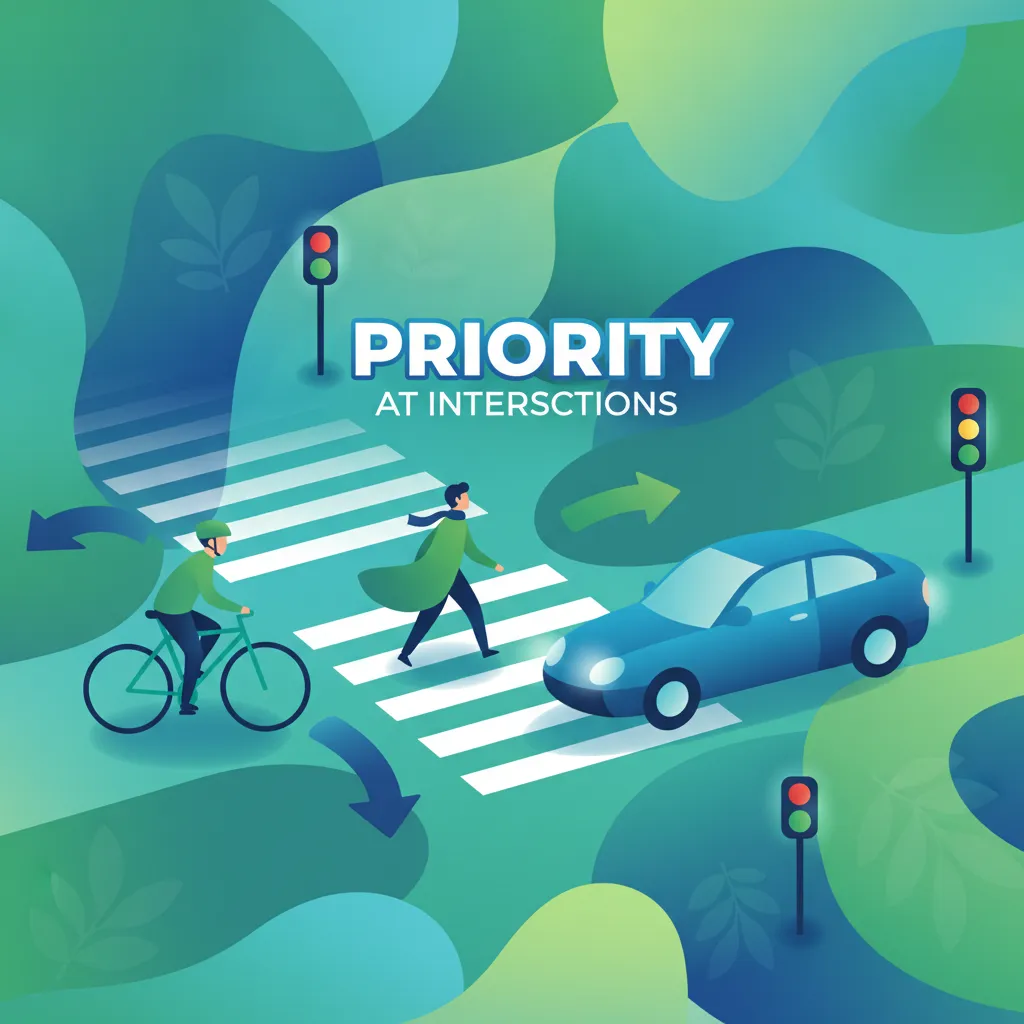
This lesson covers the general principles of priority at intersections governed by traffic signs and signals. It explains how to identify a priority road and the obligation to yield to traffic when encountering a 'dare la precedenza' (yield) or stop sign. The content also reviews the hierarchy of authority, where signals from a traffic officer override all other signs and lights.
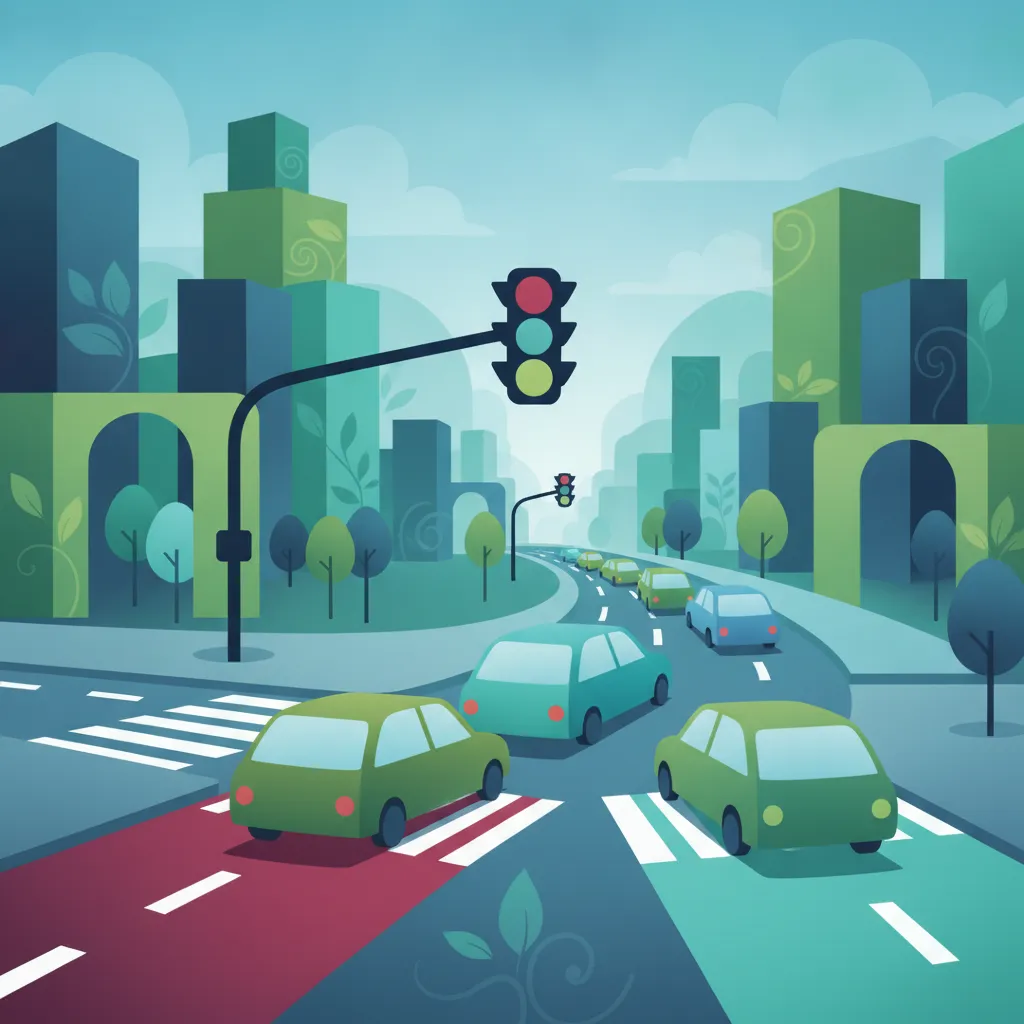
This lesson delivers a comprehensive explanation of right-of-way regulations at Italian intersections. It covers the interpretation of traffic light signals, the absolute requirement to stop at stop signs, and yielding at give-way signs. Furthermore, it details the default priority rules for unmarked intersections and the specific obligations a rider has towards pedestrians on crossings.
Master the rules for navigating intersections and roundabouts in Italy. This lesson explains general priority principles, the 'priority to the right' rule, and how traffic lights, signs, and priority roads dictate who proceeds first.
This lesson covers the general principles of priority at intersections governed by traffic signs and signals. It explains how to identify a priority road and the obligation to yield to traffic when encountering a 'dare la precedenza' (yield) or stop sign. The content also reviews the hierarchy of authority, where signals from a traffic officer override all other signs and lights.
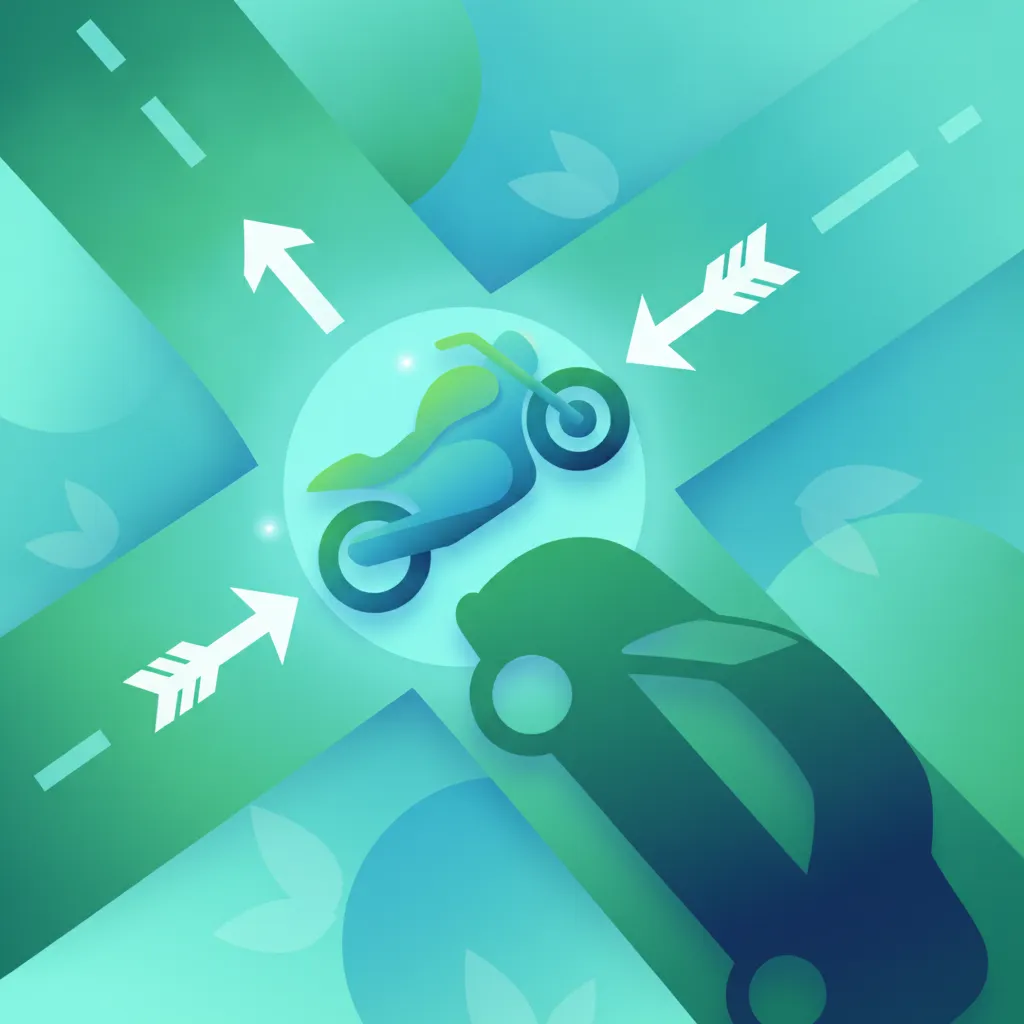
This lesson focuses on the crucial rule for navigating uncontrolled intersections in Italy: yielding to vehicles approaching from the right (precedenza a destra). It explains how to apply this default rule when no signs or signals are present to direct traffic flow. Learners will understand how to approach these junctions with caution, assess traffic, and proceed safely, while also learning about the few exceptions to this rule.

This lesson provides a detailed explanation of the priority rules that govern Italian intersections and roundabouts. You will learn to identify priority roads and correctly apply the rules for stop and give way signs. It also covers the specific procedures for entering, navigating, and exiting roundabouts, emphasizing when to yield to circulating traffic.
This lesson delivers a comprehensive explanation of right-of-way regulations at Italian intersections. It covers the interpretation of traffic light signals, the absolute requirement to stop at stop signs, and yielding at give-way signs. Furthermore, it details the default priority rules for unmarked intersections and the specific obligations a rider has towards pedestrians on crossings.
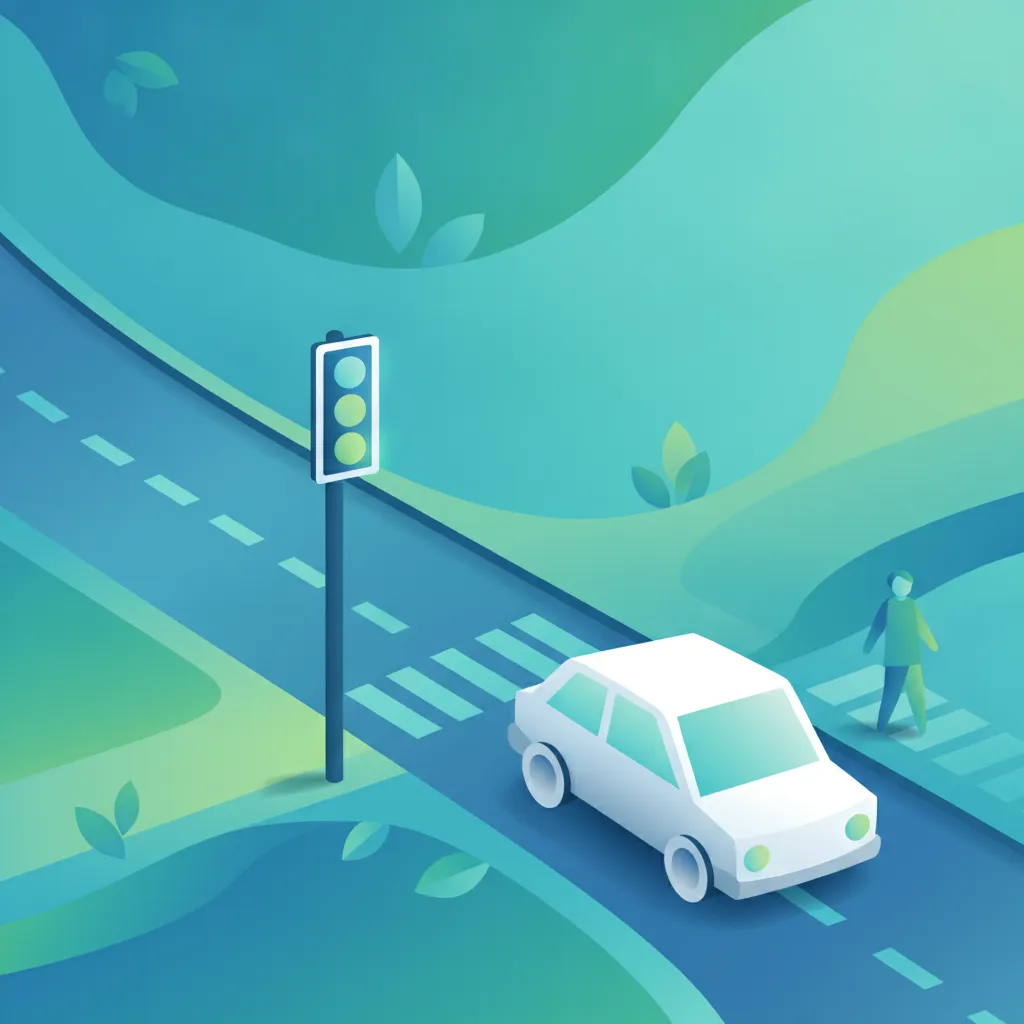
This lesson details how to safely approach and enter intersections by correctly interpreting traffic lights, stop signs, and give-way rules. It emphasizes the importance of scanning for hazards, checking blind spots, and anticipating the actions of other road users. You will learn to adjust your speed and position your vehicle correctly to navigate crossings without incident.
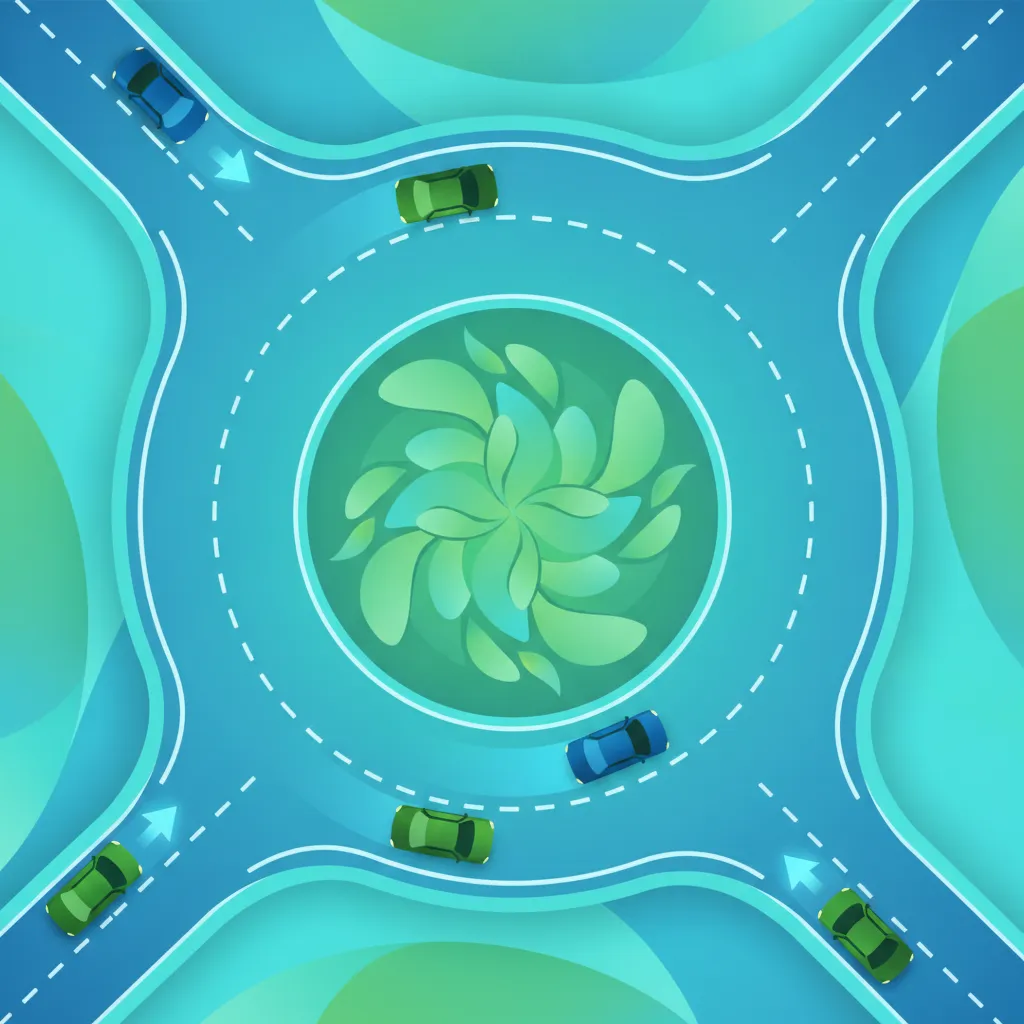
This lesson provides a step-by-step guide to safely and efficiently navigating roundabouts (rotatorie). It explains the primary rule of yielding to traffic already circulating within the roundabout before entering. The content covers correct lane positioning based on the intended exit, the proper use of turn signals when entering and exiting, and how to handle multi-lane roundabouts.
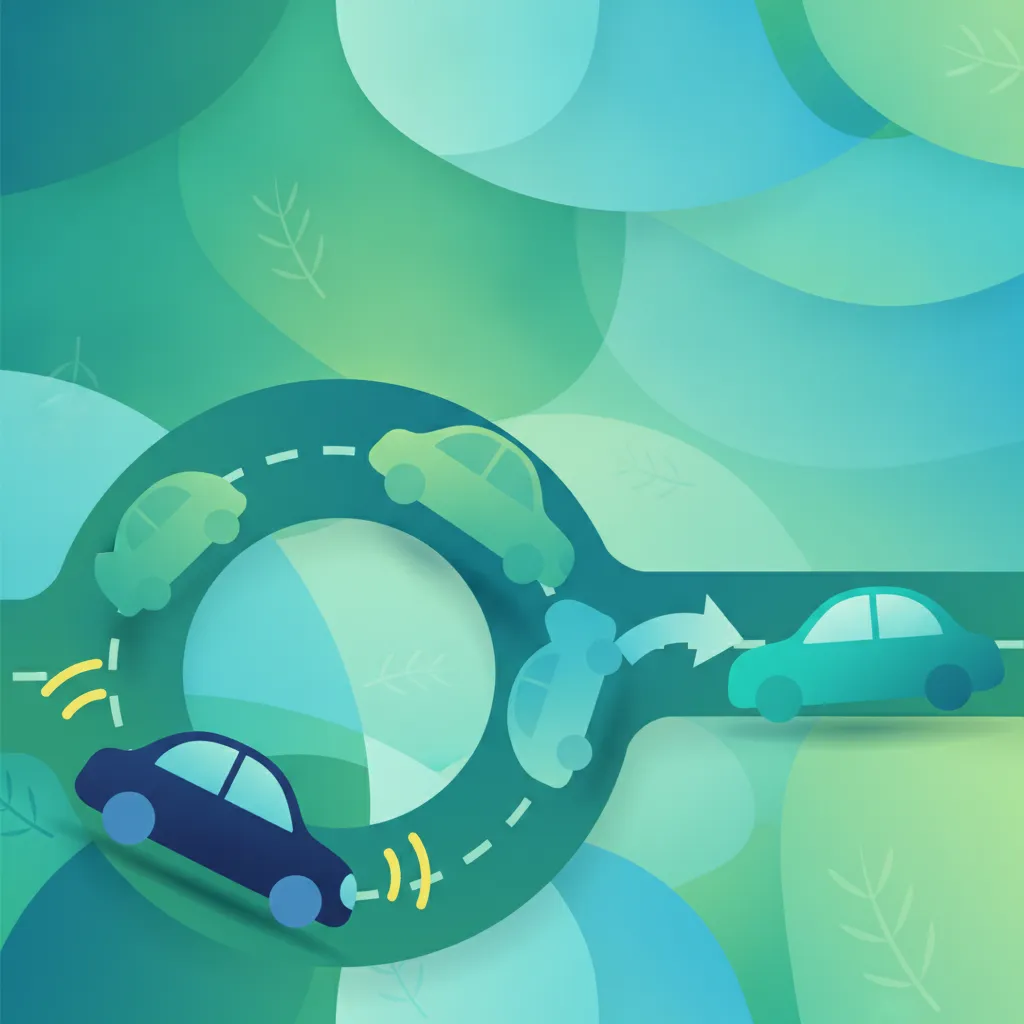
This lesson provides a step-by-step guide to navigating roundabouts safely and efficiently. It focuses on the critical rule of yielding to traffic already circulating within the roundabout before entering. You will also learn how to select the correct lane based on your intended exit and how to use your indicators to signal your maneuvers clearly.
This lesson clarifies the special priority rules for emergency vehicles and public transport. It explains the legal obligation to safely pull over and clear a path for any vehicle with active sirens and flashing lights. The content also details the absolute right-of-way that trams have in most situations and the requirement to yield to public buses signaling to pull out from a stop.
This lesson provides a step-by-step guide to safely navigating Italian roundabouts, known as rotatorie. It emphasizes the primary rule of yielding to traffic already circulating within the roundabout before entering. The content details correct lane positioning for different exits, the importance of signalling your intention to exit, and maintaining awareness of other vehicles.
This lesson details the correct procedures for interacting with public transport and school buses. It explains the rules for dedicated bus lanes, the absolute priority of trams, and the legal requirement to yield to buses pulling out from a stop. The content also covers the specific laws requiring drivers to stop when a school bus is loading or unloading passengers, to ensure child safety.
Find clear answers to common questions learners have about Right of Way Principles for Different Users. Learn how the lesson is structured, which driving theory objectives it supports, and how it fits into the overall learning path of units and curriculum progression in Italy. These explanations help you understand key concepts, lesson flow, and exam focused study goals.
In Italy, the rule of yielding to the right (dare la precedenza a destra) applies at all intersections unless signs, signals, or road markings indicate otherwise. If there are no signs, the vehicle approaching from the right has priority.
Generally, yes. Trams moving on fixed rails have priority over other vehicles, even if they are approaching from the left, unless specific signs state otherwise. Always exercise caution and maintain a safe distance.
Emergency vehicles with their blue flashing lights and sirens active have absolute priority. You must pull over and stop if necessary to allow them clear passage, regardless of your current right of way.
You must reduce your speed and prepare to stop at pedestrian crossings. If a pedestrian has already started crossing or shows clear intention to cross, you are legally required to stop and let them pass safely.
Start searching now to pinpoint exactly which Italian driving theory topics, road signs, or traffic rules you need to master. Use our advanced filters to build a custom practice session and ensure you're fully prepared for every aspect of your official driving licence exam.