
Welcome to Unit 3! This lesson focuses on prohibition signs (znaki zakazu), a critical topic for the Polish Category B driving theory test. These signs impose mandatory restrictions, and understanding them is vital for safe driving and passing your exam. We'll cover common examples and their legal implications.
Lesson content overview
Navigating the roads of Poland requires a thorough understanding of various traffic signs, and among the most critical are prohibition signs, known in Polish as znaki zakazu. These distinctive circular signs communicate mandatory restrictions that all drivers, especially those preparing for their Category B license, must recognize and obey without exception. They are fundamental to maintaining road safety, regulating traffic flow, and ensuring legal compliance.
This lesson will provide a comprehensive overview of prohibition signs under Polish law, detailing their visual characteristics, legal implications, and the essential driver responses they demand. Mastery of this topic is not only crucial for passing your Polish driving theory examination but also for safe and responsible driving throughout your career on the road.
Prohibition signs are a cornerstone of Poland's traffic management system. They are strategically placed to prevent dangerous situations, control vehicle speeds, manage access, and ensure the orderly movement of traffic. Unlike warning signs that alert drivers to potential hazards, or mandatory signs that instruct specific actions, prohibition signs explicitly forbid certain actions or limit access.
The underlying logic behind these signs is multifaceted. Firstly, they enhance safety by directly prohibiting hazardous actions like excessive speed or unsafe overtaking, thereby reducing the likelihood and severity of collisions. Secondly, they provide legal certainty, translating statutory provisions of the Polish Road Traffic Act (Prawo o ruchu drogowym) into clear, enforceable visual commands. This clarity contributes to predictability on the roads, as drivers can anticipate restrictions and adjust their behaviour accordingly. Understanding these signs is directly linked to other crucial driving concepts such as speed management, overtaking rules, and parking regulations, forming a vital part of your comprehensive Polish driving theory education.
To ensure instant recognition and universal understanding, all prohibition signs in Poland adhere to a strict visual standard. This uniform visual language is key for drivers, regardless of their native language, to quickly grasp the nature of a restriction.
The defining characteristic of all znaki zakazu is their circular shape with a prominent red border. Inside this red circle, a white background typically hosts a black pictogram or a number, which visually represents the specific prohibition. Many prohibition signs also feature a diagonal red slash across the pictogram, emphatically indicating that the depicted action is forbidden. This consistent design ensures that drivers can instantly identify a mandatory restriction.
Familiarize yourself with the common visual elements of prohibition signs: the red circle, white background, black pictogram, and often, a diagonal red slash. This helps in quick identification and comprehension while driving.
Prohibition signs impose a mandatory legal obligation on all road users. They are not recommendations or suggestions; they are enforceable instructions rooted in the Polish Road Traffic Act. Non-compliance constitutes a traffic offence, leading to significant penalties such as fines, demerit points (punkty karne), and in severe cases, even the suspension of a driving license.
The scope of each restriction is precise. A sign applies only to the categories explicitly indicated by its pictogram. For instance, a "no entry for motor vehicles" sign does not prohibit pedestrians or cyclists unless separate signs are present. Similarly, prohibitions are temporally and spatially valid from their point of placement until a sign indicating the end of the restriction is encountered. Drivers must remain vigilant for these terminating signs to know when normal driving conditions resume.
In the complex system of traffic law, prohibition signs hold a significant position within the hierarchy of regulations. They supersede general advisory signs and specific vehicle operating instructions. However, they are subordinate to higher-level legal statutes, such as those pertaining to emergency vehicles or specific road user rights defined directly by law. When multiple signs or rules appear to conflict, the more restrictive sign generally prevails, unless explicitly overridden by a specific legal provision.
The mandatory duty imposed on drivers to strictly follow the instructions conveyed by prohibition signs, as enforced by the Polish Road Traffic Act.
Understanding the specific types of prohibition signs is paramount. Each sign addresses a different aspect of traffic control, from speed to access and parking.
Speed limit signs are among the most common and crucial prohibition signs. They dictate the maximum speed (ograniczenie prędkości) at which vehicles may travel on a given road segment, indicated by a number in kilometres per hour (km/h) within the red-bordered circle.
The practical meaning is clear: drivers must not exceed the indicated speed while the sign is in effect. Ignoring speed limits is not only dangerous but also a direct violation of Article 39 of the Polish Road Traffic Act. A common misunderstanding is that speed limits only apply on open stretches; in reality, they are legally binding regardless of traffic density, unless a lower, local limit is explicitly signposted.
Exceeding the speed limit in Poland results in escalating penalties based on the degree of excess. Minor infringements incur fines, while more significant deviations lead to higher fines and the accumulation of demerit points. Accumulating too many demerit points can lead to the suspension of your driving license. Drivers must always adapt their speed to prevailing conditions, even if the posted limit is higher than what is safe for current visibility, weather, or road surface.
The no entry sign, or zakaz wjazdu, is one of the most unambiguous prohibition signs. It is a red circle with a distinctive white horizontal bar across its center.
The practical meaning is absolute: if you encounter a universal no entry sign, you must not proceed. You are required to turn around or find an alternate route. A common misunderstanding is assuming the sign only applies to one-way streets; in Poland, the B-2 sign forbids entry for all vehicles unless an explicit exemption is indicated.
Violation of a no entry sign is a serious traffic offence under Article 49 of the Polish Road Traffic Act. It can lead to a fine and demerit points. More importantly, it creates an immediate and severe safety hazard, particularly on one-way streets, where it could result in a head-on collision with oncoming traffic. Always double-check road signs before entering a new road segment.
No overtaking signs (zakaz wyprzedzania) are critical for preventing collisions, especially on roads with limited visibility or increased hazards. They are circular, with a red border, white background, and typically show two car silhouettes, one black and one red, with a diagonal red slash crossing the red (overtaking) car.
The practical meaning is that drivers must remain in their lane and follow the vehicle ahead until the prohibition is lifted. Overtaking is restricted where it is inherently unsafe, such as before sharp curves, at intersections, near pedestrian crossings, or on narrow bridges. Article 24-2 of the Polish Road Traffic Act specifically addresses these restrictions.
Ignoring a no overtaking sign is extremely dangerous and a leading cause of serious accidents, particularly head-on collisions. Drivers often attempt to overtake because the road appears clear, failing to account for blind spots, sudden changes in road geometry, or approaching traffic. This violation is punishable by a fine and demerit points. Always prioritize safety over impatience.
These signs are crucial for managing urban traffic flow, ensuring access for emergency services, and protecting vulnerable road users. It's vital to distinguish between no parking and no stopping.
no stopping zone.
Prohibition signs for parking and stopping can include additional panels below them, specifying:
Misinterpreting these signs is a common violation. Drivers often park briefly in no parking zones, thinking a quick stop is permissible, or worse, stop in no stopping zones, causing obstructions and risking fines or even towing.
Beyond general prohibitions, Polish roads feature signs that restrict access for specific types of vehicles. These are typically red circles with a white background and a pictogram of the prohibited vehicle.
Common examples include:
The practical meaning is that only vehicles not depicted on the sign are permitted to use that road segment. These signs are used to protect fragile road surfaces, prevent congestion in residential areas, or ensure the safety of other road users.
Drivers must correctly interpret the vehicle pictogram. For instance, a "no bicycle" sign generally bans conventional bicycles. However, specific legal definitions within the Road Traffic Act might differentiate between traditional bicycles and electric bicycles, for example. Always refer to Article 24-2(2) for vehicle class restrictions and their exact legal definitions. Violations typically incur fines and can create hazardous situations.
Just as prohibitions begin, they must also end. End of prohibition signs (koniec zakazu) signal that a previously imposed restriction is no longer in effect. These signs are often the same circular red-bordered design as the prohibition sign, but with the entire pictogram (or sometimes just a diagonal black line) crossed out, indicating its termination.
B-34 marks the end of a specific speed limit, allowing drivers to resume the general speed limit for the road type.The practical meaning is that after passing an end of prohibition sign, you may legally resume the activity that was previously forbidden. For instance, after B-43 (End of No Overtaking), overtaking is once again permitted, provided it is safe and allowed by general traffic rules and road markings. Drivers should never assume a prohibition ends automatically at an intersection or after a certain distance; always look for the explicit "end of prohibition" sign.
Driving safely involves more than just reading signs; it requires interpreting them within the broader context of prevailing conditions.
no parking and no stopping zones, lower speed limits (typically 50 km/h) to protect pedestrians and manage congestion.No entry for certain vehicle classes (e.g., bicycles, agricultural vehicles) is common. No overtaking for cars is rare but may appear for heavy vehicles.no parking and no overtaking signs to enhance pedestrian safety and maintain quiet environments.prohibition signs (e.g., lower speed limits, specific no overtaking zones) that do not apply to standard passenger cars. Drivers of such vehicles must be aware of these supplementary restrictions.no entry sign might permit cyclists if accompanied by a separate indication or if the area is a designated bicycle path.Several common mistakes can lead to violations and dangerous situations:
no stopping zone, leading to immediate fines or towing.end of prohibition sign is present.The design and placement of prohibition signs are rooted in deep safety and psychological insights:
A solid understanding of znaki zakazu is non-negotiable for any driver in Poland, particularly for those preparing for the Category B driving theory test. These signs are your direct legal instructions on the road, designed to ensure safety and maintain order.
To recap the essentials:
no entry, no overtaking, no parking, no stopping, specific vehicle bans, and end of prohibition signs.Ustawa o ruchu drogowym), defining obligations and consequences.no entry sign.B-35 and B-36.end of prohibition signs before resuming restricted activities.By mastering the principles and practical applications of prohibition signs, you will not only be well-prepared for your Category B theory exam but also become a safer, more responsible, and legally compliant driver on Polish roads.
Prohibition signs (znaki zakazu) are a fundamental part of Polish road safety, distinguished by their circular red-bordered design with white backgrounds and black pictograms. This lesson covers essential sign codes including B-33 for speed limits, B-2 for no entry, B-25/B-26 for overtaking restrictions, B-35 for no parking, and B-36 for no stopping, each imposing mandatory legal obligations under Polish traffic law. Understanding the difference between parking and stopping prohibitions is critical, as is recognizing that restrictions remain in effect until explicitly ended by B-34, B-42, or B-43 signs. Mastering these signs prepares learners for exam success and ensures safe, legally compliant driving on Polish roads.
A short set of high-value points that capture the most important learning from this lesson.
Prohibition signs (znaki zakazu) are circular with a red border, white background, and black pictogram, often with a diagonal red slash indicating the forbidden action.
Speed limit signs (B-33), no entry signs (B-2), and no overtaking signs (B-25/B-26) are the most commonly tested prohibition signs for the Category B exam.
Prohibition signs impose mandatory legal obligations under the Polish Road Traffic Act; non-compliance results in fines and demerit points.
Additional panels below signs may specify time-based restrictions, vehicle classes, or duration limits that modify the main prohibition.
End of prohibition signs (B-34, B-42, B-43) must be actively looked for; prohibitions do not automatically end at intersections or road changes.
Explore all units and lessons included in this driving theory course.
The B-35 (no parking) sign allows brief stops with the driver remaining present; the B-36 (no stopping) sign forbids any stopping except in genuine emergencies.
Speed limits are legally binding from the sign until an end-of-restriction sign is encountered, not merely until the next intersection.
Vehicle-specific prohibitions (B-4 for motorcycles, B-5 for trucks, B-9 for bicycles) restrict only the vehicle type shown on the sign.
When a specific speed limit sign (B-33) ends, drivers must know the applicable default speed for that road type.
A universal no entry sign (B-2) with a white horizontal bar prohibits all vehicles without exception unless a separate exemption is indicated.
Assuming a prohibition ends at an intersection when no end-of-restriction sign is present, leading to violations for speed limits and overtaking bans.
Confusing B-35 (no parking) with B-36 (no stopping) and stopping briefly in a no-stopping zone, risking fines or towing.
Entering a road from the wrong direction at a no entry sign (B-2), particularly on one-way streets, creating head-on collision hazards.
Attempting to overtake in a no overtaking zone because the road appears clear, failing to account for hidden curves or approaching traffic.
Exceeding posted speed limits in school zones, residential areas, or built-up areas where the default limit is 50 km/h.
Lesson content overview
A short set of high-value points that capture the most important learning from this lesson.
Prohibition signs (znaki zakazu) are circular with a red border, white background, and black pictogram, often with a diagonal red slash indicating the forbidden action.
Speed limit signs (B-33), no entry signs (B-2), and no overtaking signs (B-25/B-26) are the most commonly tested prohibition signs for the Category B exam.
Prohibition signs impose mandatory legal obligations under the Polish Road Traffic Act; non-compliance results in fines and demerit points.
Additional panels below signs may specify time-based restrictions, vehicle classes, or duration limits that modify the main prohibition.
End of prohibition signs (B-34, B-42, B-43) must be actively looked for; prohibitions do not automatically end at intersections or road changes.
Explore all units and lessons included in this driving theory course.
The B-35 (no parking) sign allows brief stops with the driver remaining present; the B-36 (no stopping) sign forbids any stopping except in genuine emergencies.
Speed limits are legally binding from the sign until an end-of-restriction sign is encountered, not merely until the next intersection.
Vehicle-specific prohibitions (B-4 for motorcycles, B-5 for trucks, B-9 for bicycles) restrict only the vehicle type shown on the sign.
When a specific speed limit sign (B-33) ends, drivers must know the applicable default speed for that road type.
A universal no entry sign (B-2) with a white horizontal bar prohibits all vehicles without exception unless a separate exemption is indicated.
Assuming a prohibition ends at an intersection when no end-of-restriction sign is present, leading to violations for speed limits and overtaking bans.
Confusing B-35 (no parking) with B-36 (no stopping) and stopping briefly in a no-stopping zone, risking fines or towing.
Entering a road from the wrong direction at a no entry sign (B-2), particularly on one-way streets, creating head-on collision hazards.
Attempting to overtake in a no overtaking zone because the road appears clear, failing to account for hidden curves or approaching traffic.
Exceeding posted speed limits in school zones, residential areas, or built-up areas where the default limit is 50 km/h.
Explore search topics learners often look for when studying Prohibition Signs (znaki zakazu). These topics reflect common questions about road rules, driving situations, safety guidance, and lesson level theory preparation for learners in Poland.
Browse additional driving theory lessons that cover connected traffic rules, road signs, and common driving situations related to this topic. Improve your understanding of how different rules interact across everyday traffic scenarios.
Understand the legal basis of Polish prohibition signs (znaki zakazu) under the Road Traffic Act. Learn about mandatory compliance, associated penalties, demerit points, and how these rules apply to drivers preparing for the Category B theory exam.
This lesson provides a foundational understanding of the Polish road sign system, categorizing signs into three main types: warning, prohibitory/mandatory, and informational. It explains the significance of different shapes and color codes, enabling drivers to quickly interpret their meaning and legal obligation. By mastering the visual language of road signs, learners will be equipped to make correct and safe decisions in any traffic situation they encounter.

This lesson focuses on blue, circular mandatory signs that direct drivers to perform a specific action. Examples include signs indicating a compulsory direction, a mandatory roundabout, or a minimum speed limit. Unlike advisory signs, these instructions are legally binding and crucial for maintaining orderly traffic flow.
This lesson focuses on triangular warning signs, which are designed to alert drivers to upcoming hazards on the road. It covers the interpretation of various pictograms that indicate dangers like sharp turns, animal crossings, or road construction. Understanding these signs allows a driver to anticipate conditions and adjust their driving proactively.
This lesson examines the family of regulatory signs that dictate mandatory actions and prohibitions on Polish roads, emphasizing how each sign influences motorcyclist behaviour. Learners will explore the stop, give way, speed limit, and no overtaking signs, understanding the legal obligations they impose. The lesson also highlights signs that specifically affect motorcycles, such as lane restrictions, ensuring riders recognize and obey regulations unique to two-wheel traffic.
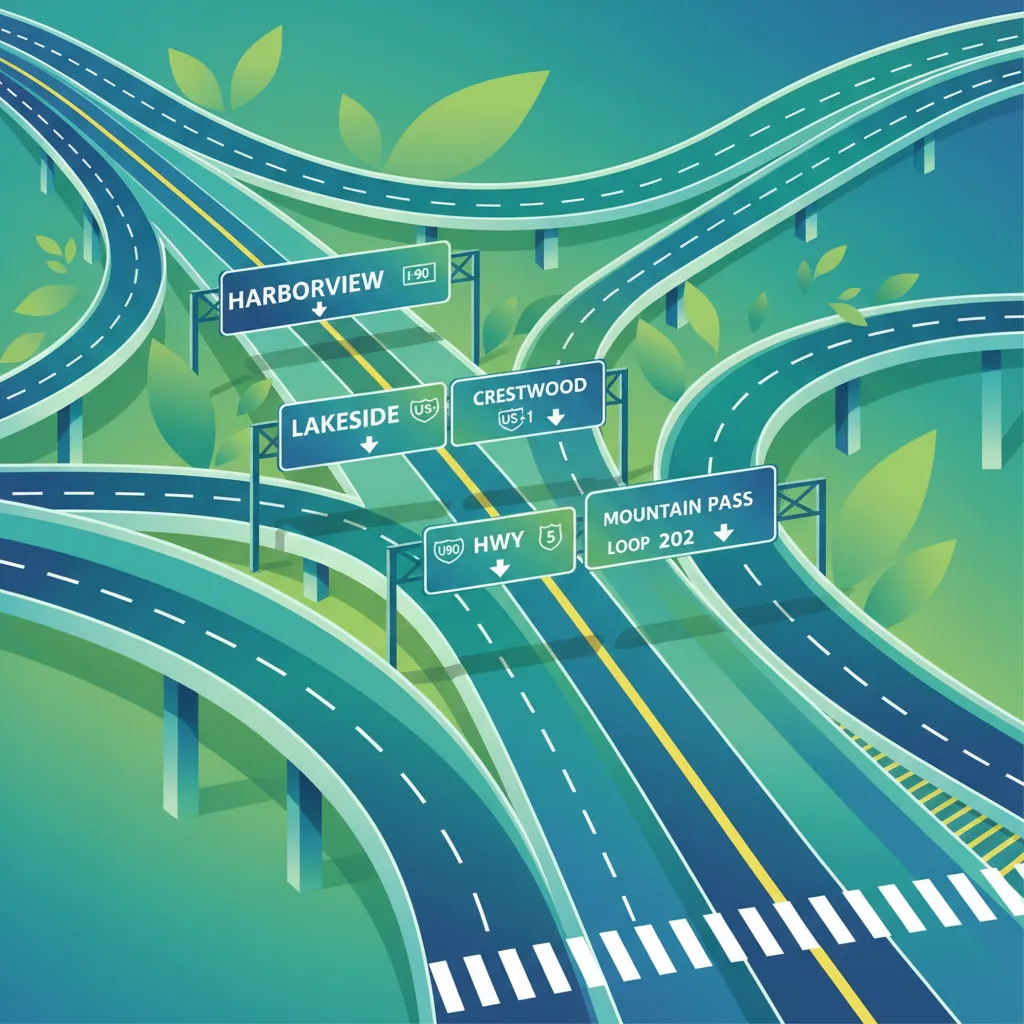
This lesson covers a wide range of signs and markings that provide information and guidance to drivers. It explains how to read destination signs, locate services, and interpret road markings like lane lines, stop lines, and pedestrian crossings. This knowledge is essential for navigation, lane discipline, and safe interaction with other road users.
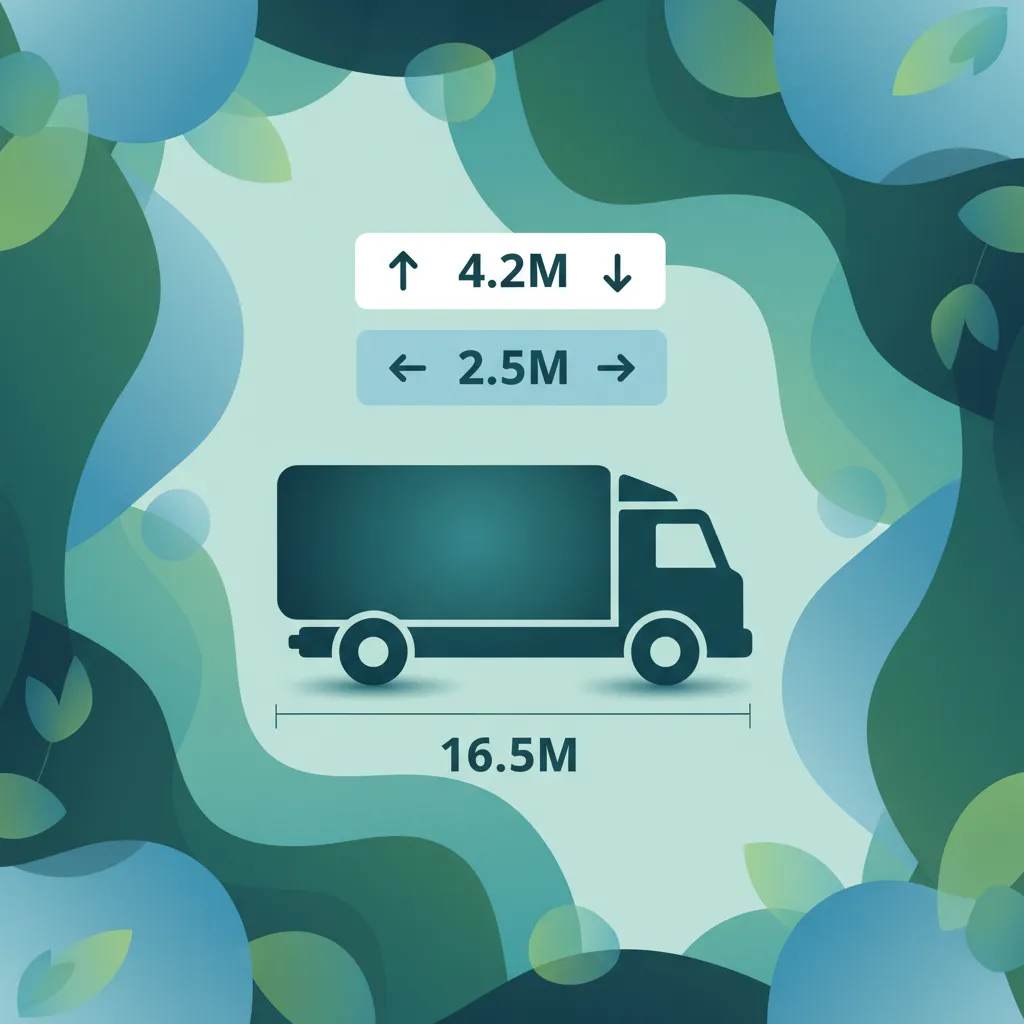
This lesson concentrates on the specific road signs that are of utmost importance to HGV drivers. It details how to interpret signs indicating maximum permissible weight, axle load, vehicle height, and overall length. Understanding these restrictions is crucial for effective route planning to avoid bridges with low clearance, roads with weight limits, or tunnels that cannot accommodate the vehicle's dimensions, thus preventing accidents and infrastructure damage.
This lesson outlines the legal responsibilities of tractor drivers as stipulated by Polish traffic law, emphasizing the duty to comply with all rules of the road. It discusses the liability framework for accidents involving agricultural vehicles, including the need for appropriate insurance and potential penalties. The lesson also explains the importance of maintaining accurate documentation, such as registration papers and a driver’s licence.
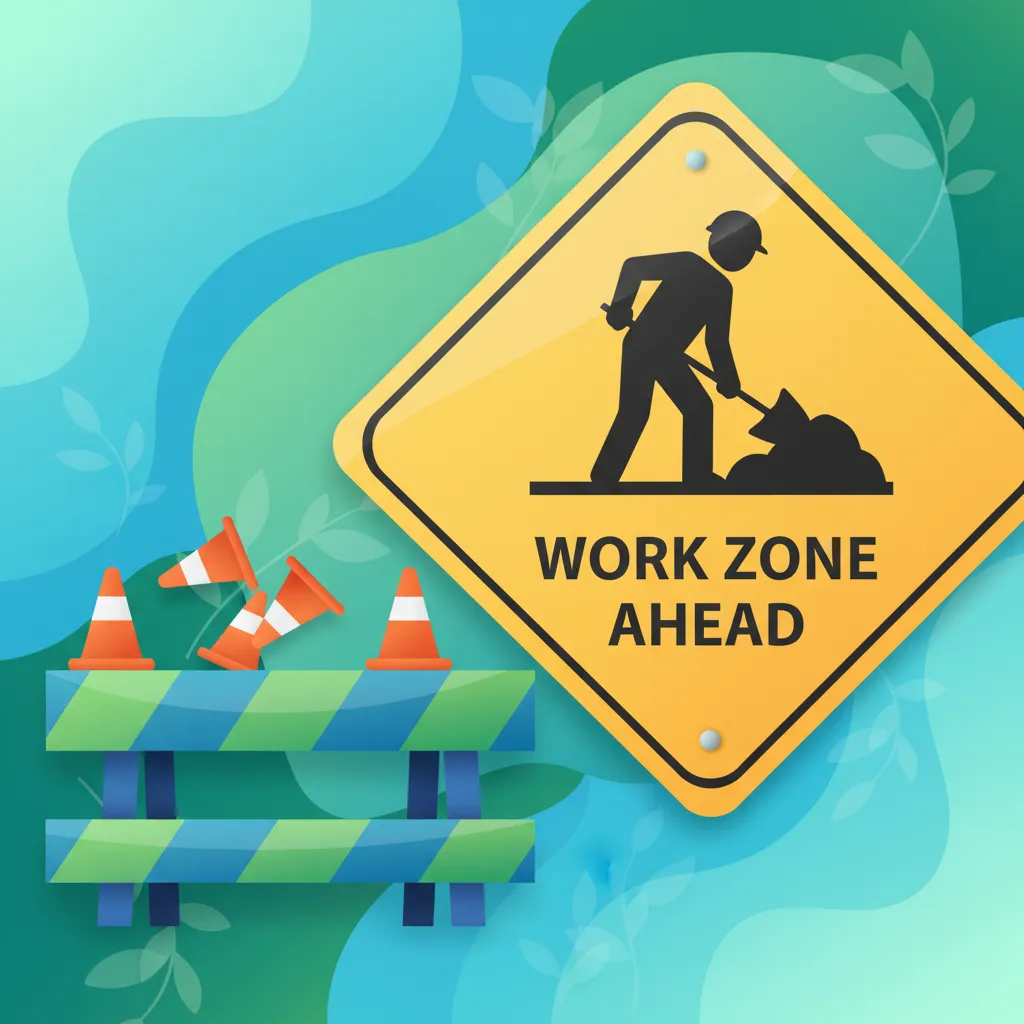
In this lesson, learners explore the temporary signs that appear during road construction or maintenance activities, focusing on how they alter normal traffic patterns. The content covers signs indicating lane shifts, temporary speed limits, detour routes, and equipment zones where workers are present. The lesson emphasizes the importance of slowing down, staying alert, and obeying temporary regulations to navigate safely through work zones while ensuring compliance.

This lesson focuses on traffic control signals, primarily traffic lights. It details the meaning of each color in the sequence—red, amber, and green—as well as flashing signals and arrows for specific turns. The content also covers lane control signals and pedestrian signals to ensure safe and compliant navigation through controlled intersections.
This lesson reviews the core set of regulatory and warning signs that all road users must obey, emphasizing those that affect agricultural tractors such as speed limits, stop, and give-way signs. It clarifies the colour and shape conventions used in Polish signage, enabling drivers to quickly recognize and react to sign information. The lesson also addresses the placement of signs in rural environments where visibility may be compromised.
Learn to differentiate prohibition signs (znaki zakazu) from warning and mandatory signs in Polish traffic law. Understand the hierarchy and interaction between different sign categories for comprehensive road safety knowledge.
This lesson provides a foundational understanding of the Polish road sign system, categorizing signs into three main types: warning, prohibitory/mandatory, and informational. It explains the significance of different shapes and color codes, enabling drivers to quickly interpret their meaning and legal obligation. By mastering the visual language of road signs, learners will be equipped to make correct and safe decisions in any traffic situation they encounter.
This lesson focuses on triangular warning signs, which are designed to alert drivers to upcoming hazards on the road. It covers the interpretation of various pictograms that indicate dangers like sharp turns, animal crossings, or road construction. Understanding these signs allows a driver to anticipate conditions and adjust their driving proactively.
This lesson covers a wide range of signs and markings that provide information and guidance to drivers. It explains how to read destination signs, locate services, and interpret road markings like lane lines, stop lines, and pedestrian crossings. This knowledge is essential for navigation, lane discipline, and safe interaction with other road users.
This lesson focuses on blue, circular mandatory signs that direct drivers to perform a specific action. Examples include signs indicating a compulsory direction, a mandatory roundabout, or a minimum speed limit. Unlike advisory signs, these instructions are legally binding and crucial for maintaining orderly traffic flow.
This lesson focuses on traffic control signals, primarily traffic lights. It details the meaning of each color in the sequence—red, amber, and green—as well as flashing signals and arrows for specific turns. The content also covers lane control signals and pedestrian signals to ensure safe and compliant navigation through controlled intersections.
This lesson examines the family of regulatory signs that dictate mandatory actions and prohibitions on Polish roads, emphasizing how each sign influences motorcyclist behaviour. Learners will explore the stop, give way, speed limit, and no overtaking signs, understanding the legal obligations they impose. The lesson also highlights signs that specifically affect motorcycles, such as lane restrictions, ensuring riders recognize and obey regulations unique to two-wheel traffic.
This lesson examines the variety of pavement markings that define lane structures, traffic flow, and special zones on Polish roads. Learners will study solid and broken lines, lane division markings, and the distinct symbols for bicycle lanes, bus lanes, and tram tracks, all of which affect motorcyclist positioning. The lesson also addresses surface texture indicators that signal changing road conditions, enabling riders to maintain correct lane discipline.
This lesson reviews the core set of regulatory and warning signs that all road users must obey, emphasizing those that affect agricultural tractors such as speed limits, stop, and give-way signs. It clarifies the colour and shape conventions used in Polish signage, enabling drivers to quickly recognize and react to sign information. The lesson also addresses the placement of signs in rural environments where visibility may be compromised.
In this lesson, learners explore the temporary signs that appear during road construction or maintenance activities, focusing on how they alter normal traffic patterns. The content covers signs indicating lane shifts, temporary speed limits, detour routes, and equipment zones where workers are present. The lesson emphasizes the importance of slowing down, staying alert, and obeying temporary regulations to navigate safely through work zones while ensuring compliance.
In this lesson, learners study warning signs that alert drivers to potential hazards, focusing on those that are particularly relevant to motorcyclists. The content includes signs indicating curves, slippery surfaces, animal crossings, tram tracks, and construction zones, each requiring specific riding adjustments. The lesson teaches riders how to interpret these signs to anticipate hazards, adjust speed appropriately, and maintain a safe distance from potential dangers.
Find clear answers to common questions learners have about Prohibition Signs (znaki zakazu). Learn how the lesson is structured, which driving theory objectives it supports, and how it fits into the overall learning path of units and curriculum progression in Poland. These explanations help you understand key concepts, lesson flow, and exam focused study goals.
Prohibition signs (znaki zakazu) impose mandatory restrictions that drivers must obey, such as speed limits or 'no entry'. They are typically round with a red border. Warning signs (znaki ostrzegawcze), on the other hand, alert drivers to potential hazards ahead and are usually triangular with a red border. Understanding this distinction is key for the theory test.
While many prohibition signs follow international conventions (like the Vienna Convention), specific designs, nuances in meaning, and enforcement can vary between countries. This lesson focuses specifically on the Polish system as required for the Polish Category B theory exam. Always adhere to the rules and signage of the country you are driving in.
A red circle with a diagonal bar is often used in combination with other prohibition signs. For example, it might be placed over a symbol to indicate that the prohibition no longer applies from that point onwards, or it can signify a specific type of restriction, like the end of an overtaking ban.
Yes, for the Polish theory exam, you must know the common speed limits indicated by prohibition signs. This includes the standard speed limit in built-up areas (which is often shown as a sign) and specific reduced limits that may be posted on certain roads or at junctions. You should also be able to recognise signs indicating the end of a speed limit zone.
Ignoring a prohibition sign is a traffic violation in Poland and can result in fines, penalty points (punkty karne), and potentially affect your driving licence. The specific penalty depends on the sign and the severity of the violation. The theory test assesses your knowledge to ensure you understand these consequences and drive safely and legally.
Build custom practice sessions tailored precisely to your needs. Focus on areas requiring improvement, review specific Polish road signs, or master complex traffic rules to ensure full preparation for your official driving license exam.