
This lesson teaches essential skills for operating agricultural tractors, focusing on fundamental starting and stopping procedures. You'll learn how to manage your Category T vehicle smoothly across different surfaces, crucial for safe driving in varied Polish conditions and for your theory exam.
Lesson content overview
Operating an agricultural vehicle, commonly known as a tractor, demands a thorough understanding of its fundamental controls, especially when navigating diverse and often challenging terrains. This lesson provides essential knowledge and techniques for safely starting, stopping, and maintaining basic control of a Category T agricultural vehicle. Mastery of these skills is crucial for preventing accidents, protecting equipment, and complying with Polish traffic regulations, whether on public roads or within farm environments.
The ability of a tractor to move or stop safely is fundamentally governed by the interaction between its tires and the ground surface. This interaction is quantified by the coefficient of friction (μ), which varies significantly across different terrain types. Understanding these variations is the first step towards effective vehicle control.
The coefficient of friction (μ) represents the ratio of the force resisting motion to the normal force pressing the surfaces together. A higher μ value indicates greater grip, allowing for more aggressive acceleration and braking. Conversely, a lower μ value signifies reduced grip, demanding more cautious input from the driver.
Different surfaces present distinct challenges and require tailored driving techniques:
Knowing the surface type before engaging in a maneuver is critical. Polish traffic law (Prawo o ruchu drogowym) mandates that drivers adjust their speed and driving technique to prevailing road and surface conditions to ensure safety.
Always anticipate changes in terrain. Look ahead to identify upcoming surface types and adjust your speed and gear selection proactively.
A smooth and controlled start is essential for efficient operation and safety, particularly when the tractor is loaded or on challenging surfaces. The procedure involves a careful coordination of clutch, throttle, and gear selection.
The standard starting procedure ensures a smooth take-off with minimal wheel spin:
Pre-Start Checks: Ensure the engine is running, the gear selector is in neutral, and the clutch pedal is fully depressed. Verify all necessary instruments and warnings are clear.
Gear Selection: Choose the appropriate gear based on the load and surface conditions. For heavy loads or low-friction surfaces (like mud or soft fields), select 1st gear. For lighter loads on surfaces with good traction (like dry asphalt), 2nd gear might be suitable.
Clutch Bite Point Identification: Slowly release the clutch pedal until you feel the engine's RPM begin to drop slightly or the vehicle gently attempts to move. This is the "bite point," where the clutch plates start to transmit engine torque to the drivetrain.
The specific position of the clutch pedal where the engine's power begins to engage with the transmission, causing the vehicle to move.
Throttle Application: As the clutch reaches the bite point, simultaneously apply a modest amount of accelerator input to provide enough engine power to prevent stalling and initiate motion. The amount of throttle required will vary with the load and incline.
Full Clutch Release and Acceleration: Gradually release the clutch pedal completely while smoothly increasing throttle input. Avoid sudden acceleration which can cause wheel slip, especially on loose or wet surfaces.
Choosing the correct gear ratio is fundamental to effective starting. Lower gears (e.g., 1st or creeper gears) provide maximum torque multiplication, which is ideal for overcoming initial inertia, especially with heavy loads or on steep inclines and low-traction surfaces. Higher gears offer less torque but allow for higher speeds. Attempting to start in too high a gear can lead to engine stalling or excessive clutch wear.
Attempting to "launch" a tractor with full throttle and a sudden clutch release will almost certainly cause severe wheel slip on low-friction surfaces, leading to loss of control and potential damage to the drivetrain.
Bringing a heavy agricultural vehicle to a controlled stop requires anticipation, careful braking, and effective use of engine braking. Inadequate stopping techniques can lead to skidding, loss of control, or increased stopping distances, posing a significant risk.
Effective stopping involves a coordinated sequence of actions designed to reduce speed safely and efficiently:
Anticipate Need to Stop: Begin by scanning the road or field ahead for potential hazards or reasons to stop. Early anticipation allows for a gradual and controlled deceleration.
Brake Application: Apply the foot brake gradually. Start with light pressure and progressively increase it as the vehicle's speed decreases. Avoid sudden, harsh braking, especially on slippery surfaces, to prevent wheel lock-up.
The technique of applying braking force progressively and smoothly, rather than abruptly, to prevent wheel lock-up and maintain steering control.
Gear Downshifting (Engine Braking): Downshift through the gears as you slow down. This uses the engine's resistance to assist in deceleration, known as "engine braking." This technique is particularly effective on slopes and when carrying heavy loads, reducing reliance on the service brakes and extending their life.
Clutch Use for Final Stop: As the vehicle's speed approaches stalling point, fully depress the clutch pedal to disengage the engine from the transmission, preventing the engine from cutting out.
Final Hold: Once stopped, keep your foot on the foot brake until you can engage the parking (hand) brake, especially on inclines.
The use of the engine's natural resistance, primarily achieved by shifting to a lower gear, to slow the vehicle without (or with minimal) reliance on the friction brakes.
Engine braking is a powerful tool for slowing a tractor, especially on long descents or when heavily loaded. By downshifting, the engine's rotational speed increases, and its internal friction and compression resistance help to slow the vehicle. This reduces wear on the wheel brakes and minimizes the risk of brake fade (loss of braking effectiveness due to overheating).
Slopes introduce the challenge of gravity, requiring specific techniques to prevent rollback during starts and to maintain controlled speed during descents.
A hill start is the technique of initiating forward motion on an incline without rolling backward. This is a critical skill for safety on both public roads and varied farm terrains.
Engage Hand Brake: While stopped on an incline, ensure the parking (hand) brake is fully engaged to prevent rollback.
Select First Gear: Depress the clutch pedal completely and select 1st gear (or the appropriate low gear for the incline and load).
Identify Bite Point & Apply Throttle: Slowly release the clutch pedal until you feel the engine start to "pull" against the hand brake (the bite point). At the same time, apply enough throttle to increase engine RPM slightly, providing sufficient power to overcome gravity.
Release Hand Brake Gradually: As the clutch bites and the engine provides power, slowly release the hand brake. The tractor should begin to move forward smoothly without rolling backward. Fully release the clutch and continue to accelerate gently.
When starting on a steep hill with a trailer, it is even more critical to find the clutch's bite point precisely and to apply adequate throttle before fully releasing the hand brake. This prevents sudden rollback, which can be extremely dangerous.
Polish traffic law requires that drivers prevent their vehicle from rolling backward when stopped on an incline on public roads.
Descending a slope requires using engine braking in conjunction with careful foot brake application. Avoid the temptation to coast downhill in neutral or with the clutch depressed, as this removes engine braking and relies solely on the service brakes, which can overheat.
Wheel slip occurs when the driven wheels lose effective grip and spin faster than the vehicle is moving. This results in lost power, reduced control, and potential damage to the tires or drivetrain. Preventing wheel slip is fundamental to safe tractor operation on any challenging surface.
A mechanism that locks the differential gears, forcing both wheels on an axle to rotate at the same speed. This can improve traction on very slippery surfaces but must be disengaged for turning on solid ground.
Polish Road Traffic Law emphasizes the driver's responsibility to maintain control and avoid actions that cause loss of control due to wheel spin, especially on public roads.
To estimate a safe stopping distance:
Polish traffic regulations mandate maintaining a sufficient distance to the vehicle in front, ensuring it never falls below the minimum stopping distance for the given speed and conditions.
Compliance with Polish traffic law (Prawo o ruchu drogowym) is paramount for all drivers, including those operating Category T agricultural vehicles. Several regulations directly pertain to starting, stopping, and basic control.
Safe operation of a Category T vehicle involves adapting driving techniques to a multitude of real-world conditions.
When operating on public roads, be acutely aware of pedestrians, cyclists, and other vulnerable road users.
To ensure clear understanding, here are key terms used in tractor operation:
The journey to becoming a proficient Category T driver begins with a solid foundation in starting, stopping, and maintaining basic control across various terrains. By understanding the principles of traction, mastering clutch and gear control, practicing smooth braking, and applying specific techniques for hill starts and wheel slip prevention, you will significantly enhance your safety and operational efficiency. Always adapt your driving to the prevailing conditions, adhere to Polish traffic regulations, and prioritize the safety of yourself and other road users.
This lesson covers fundamental Category T tractor control procedures essential for safe operation across varied Polish terrains. Key topics include traction principles with specific friction coefficients for different surfaces, smooth starting techniques emphasizing clutch bite point identification and appropriate gear selection, controlled stopping with progressive brake modulation and engine braking, hill start procedures using hand brake coordination to prevent rollback, and wheel slip prevention through throttle moderation and differential lock use. The content also addresses stopping distance calculation, weather adaptations for rain/snow/fog, and vehicle state considerations when loaded or towing, all framed within Polish traffic regulations requiring speed adjustment to conditions and prevention of excessive wheel spin on public roads.
A short set of high-value points that capture the most important learning from this lesson.
Coefficient of friction (μ) varies significantly by surface - soft fields have the lowest traction (μ≈0.25-0.35) while dry asphalt offers the highest (μ≈0.7-0.8)
Smooth tractor starts require identifying the clutch bite point and applying throttle before fully releasing the clutch
Engine braking is essential for controlling heavy agricultural vehicles, especially on long descents and when loaded
Hill starts demand coordinated use of hand brake, clutch bite point, and throttle to prevent dangerous rollback
Wheel slip prevention relies on appropriate gear selection, smooth throttle application, and precise clutch control
Explore all units and lessons included in this driving theory course.
Different surfaces demand different driving techniques - always assess traction before accelerating or braking
The standard starting sequence: pre-checks → gear selection → bite point identification → throttle application → gradual clutch release
Engine braking uses lower gears to slow the vehicle without overloading the service brakes
On inclines, always engage the parking brake before releasing the foot brake
Heavy loads and towing significantly increase stopping distances - adjust accordingly
Starting in too high a gear causes engine stalling and excessive clutch wear, especially on low-traction surfaces
Sudden, aggressive clutch release overwhelms available traction and causes wheel slip
Coasting downhill in neutral removes engine braking and puts excessive heat load on the service brakes
Insufficient throttle during hill starts leads to rollback before forward motion begins
Failing to engage differential lock on very low-traction surfaces like deep mud reduces available traction
Lesson content overview
A short set of high-value points that capture the most important learning from this lesson.
Coefficient of friction (μ) varies significantly by surface - soft fields have the lowest traction (μ≈0.25-0.35) while dry asphalt offers the highest (μ≈0.7-0.8)
Smooth tractor starts require identifying the clutch bite point and applying throttle before fully releasing the clutch
Engine braking is essential for controlling heavy agricultural vehicles, especially on long descents and when loaded
Hill starts demand coordinated use of hand brake, clutch bite point, and throttle to prevent dangerous rollback
Wheel slip prevention relies on appropriate gear selection, smooth throttle application, and precise clutch control
Explore all units and lessons included in this driving theory course.
Different surfaces demand different driving techniques - always assess traction before accelerating or braking
The standard starting sequence: pre-checks → gear selection → bite point identification → throttle application → gradual clutch release
Engine braking uses lower gears to slow the vehicle without overloading the service brakes
On inclines, always engage the parking brake before releasing the foot brake
Heavy loads and towing significantly increase stopping distances - adjust accordingly
Starting in too high a gear causes engine stalling and excessive clutch wear, especially on low-traction surfaces
Sudden, aggressive clutch release overwhelms available traction and causes wheel slip
Coasting downhill in neutral removes engine braking and puts excessive heat load on the service brakes
Insufficient throttle during hill starts leads to rollback before forward motion begins
Failing to engage differential lock on very low-traction surfaces like deep mud reduces available traction
Explore search topics learners often look for when studying Starting, Stopping, and Basic Control on Various Terrains. These topics reflect common questions about road rules, driving situations, safety guidance, and lesson level theory preparation for learners in Poland.
Browse additional driving theory lessons that cover connected traffic rules, road signs, and common driving situations related to this topic. Improve your understanding of how different rules interact across everyday traffic scenarios.
Learn how to effectively control a Category T tractor on challenging surfaces such as mud, loose gravel, and wet pavement. This lesson details managing traction, gear selection, and smooth starts/stops to maintain safety and prevent wheel slip according to Polish driving theory.

This lesson focuses on the specific hazards introduced by seasonal weather, such as mud, snow, ice, fog, and heavy rain. It explains how these conditions affect traction, braking, and driver visibility, and provides guidance on adjusting speed and using appropriate tires. The lesson also covers the proper use of lights and reflectors to improve visibility in low-light conditions.

This lesson focuses on reversing and maneuvering techniques required when operating a tractor with a trailer, particularly in confined farmyards or on narrow rural roads. It outlines the use of mirrors to monitor trailer swing and suggests best practices for using spotters to improve safety. The lesson also covers planning reversal paths and executing wide-angle turns without compromising load stability.
This lesson provides a step-by-step guide to safely coupling and uncoupling trailers, highlighting the correct use of hitches, drawbars, and safety chains. It emphasizes pre-couple inspections, alignment checks, and the necessity of confirming secure connections before movement. Learners will also study procedures for safely uncoupling, including establishing a safe zone and verifying trailer stability.
This lesson introduces defensive driving principles for rural settings, teaching learners how to continually scan the environment and anticipate potential hazards. It discusses the unique challenges posed by slow-moving agricultural traffic, field entrances, and unpredictable farm equipment maneuvers. The lesson emphasizes proactive decision-making and early brake application to avoid collisions in mixed traffic.

This lesson teaches drivers how to adapt their speed, following distance, and control inputs to safely navigate adverse conditions. It covers the challenges posed by rain, snow, and ice, explaining the loss of traction and the increased risk of skidding or aquaplaning. The content provides specific strategies for driving in fog, which reduces visibility, and strong crosswinds, which can affect the stability of a high-sided vehicle, promoting a proactive and defensive driving mindset.

In this lesson, learners explore riding on rural and countryside roads, where road markings may be sparse and surface conditions varied. The content covers safe overtaking in single-lane sections, interaction with agricultural vehicles and animals, and the handling of gravel or uneven surfaces. Learners will also study the importance of anticipating curves and adjusting speed to light conditions, equipping them with the skills needed for safe countryside travel.

This lesson explores the correct lane and road positioning for tractors, emphasizing the use of the right-hand lane or shoulder where appropriate. It clarifies how speed limits differ between road types and provides guidelines for adjusting speed based on vehicle load, road condition, and traffic density. Proper positioning improves safety for both the tractor driver and other road users sharing the same space.

This lesson focuses on the specific challenges of driving in rainy conditions. It explains the phenomenon of hydroplaning, where tires lose contact with the road surface, and how to prevent it by reducing speed. The importance of good tire condition, effective windscreen wipers, and extending following distances is also covered in detail.

This lesson examines how a tractor driver should interact with a variety of road users, focusing on right-of-way rules at intersections and with cars, trucks, cyclists, and pedestrians. It discusses safe overtaking practices, appropriate signaling to communicate intentions, and the importance of checking blind spots. The lesson highlights the need for heightened caution near schools, villages, and areas with high pedestrian activity.
Master safe tractor operation on slopes with techniques for hill starts and controlled descents. Understand how to calculate safe stopping distances considering speed, surface friction, and gradients as per Polish driving theory for Category T vehicles.
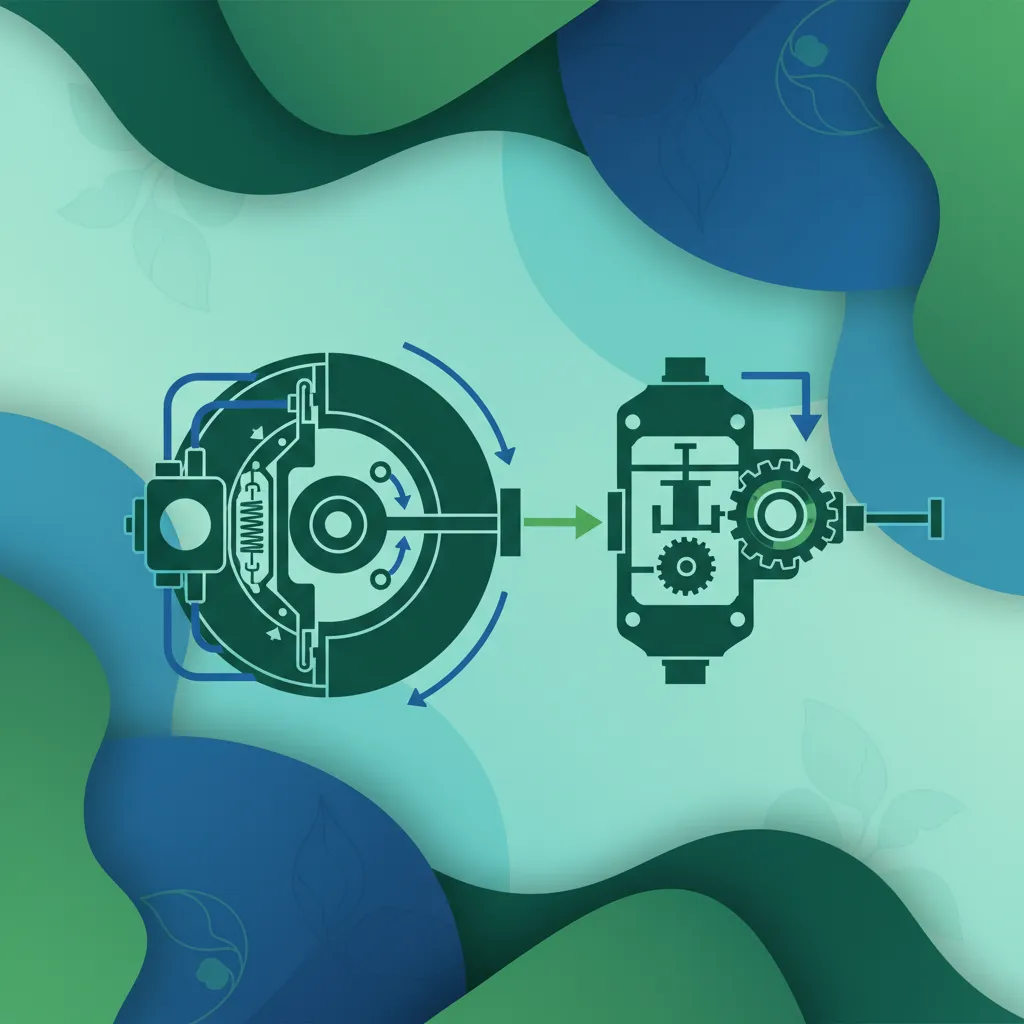
This lesson focuses on the braking systems found on Category T vehicles, covering both service brakes for motion control and parking brakes for stability. It examines how braking performance varies with load and terrain and outlines safe stopping distances. The lesson also explains the operation of the power take-off (PTO), describing how power is transferred to implements and the safety precautions required during use.
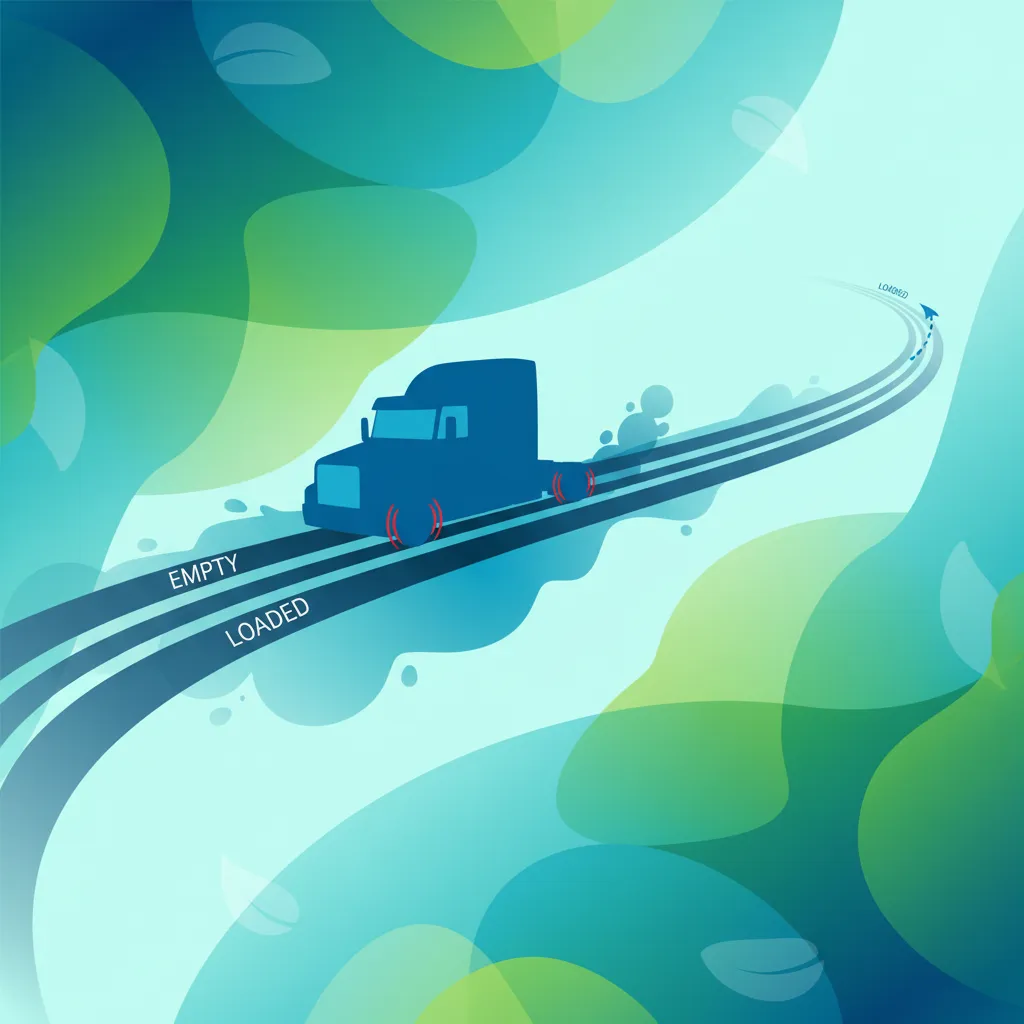
This lesson teaches the essential skill of calculating a heavy vehicle's total stopping distance. It breaks the calculation into two key parts: the driver's perception-reaction distance and the vehicle's braking distance. Learners will understand how factors such as vehicle mass, speed, road gradient, and the friction coefficient of the road surface dramatically influence the distance required to come to a complete and safe stop, emphasizing the need for large safety margins.
This lesson explores the correct lane and road positioning for tractors, emphasizing the use of the right-hand lane or shoulder where appropriate. It clarifies how speed limits differ between road types and provides guidelines for adjusting speed based on vehicle load, road condition, and traffic density. Proper positioning improves safety for both the tractor driver and other road users sharing the same space.
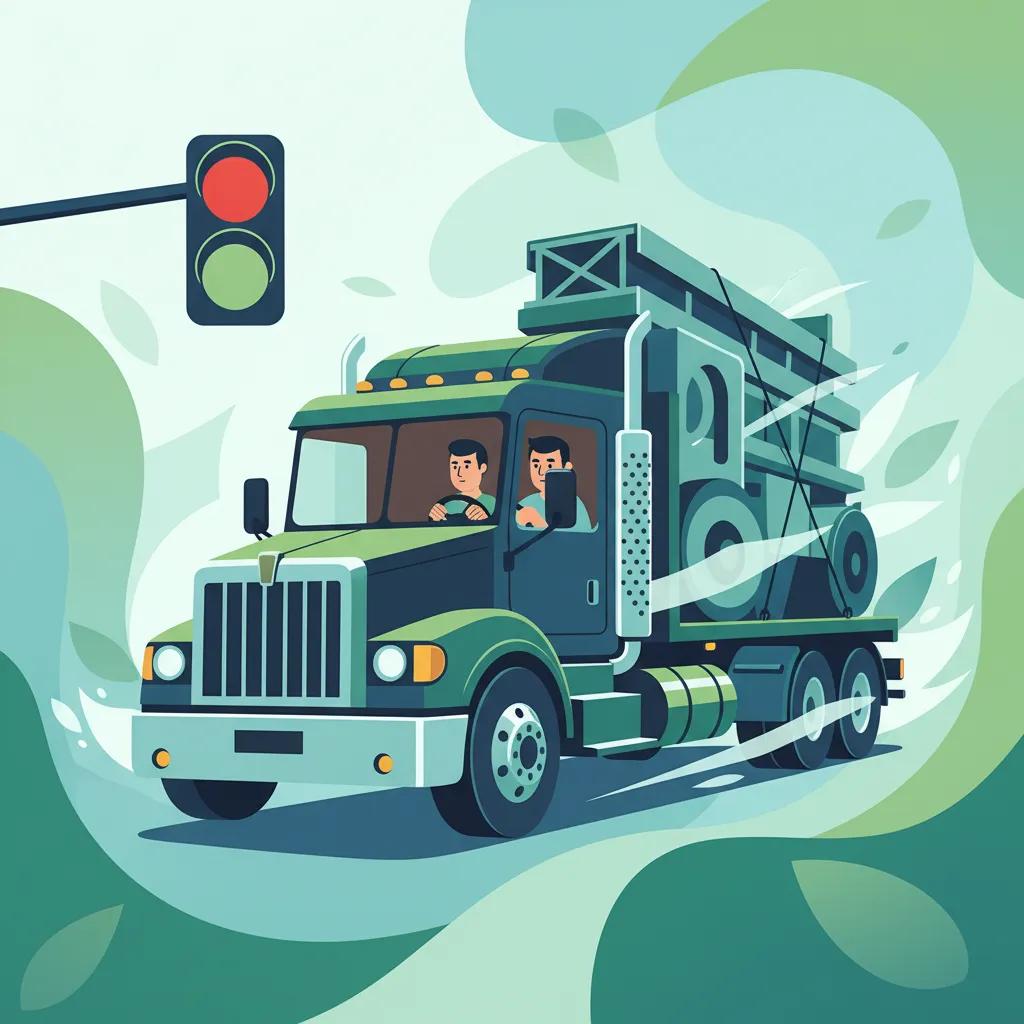
This lesson explains the specialized techniques required for initiating movement and bringing a heavy, loaded truck to a halt. It emphasizes fine clutch and throttle control to overcome inertia without causing driveline stress or cargo shift. Learners will also study methods for smooth, gradual braking that account for the vehicle's significant momentum, ensuring safety, passenger comfort, and the integrity of the cargo while minimizing wear on the braking system.
This lesson focuses on the specific hazards introduced by seasonal weather, such as mud, snow, ice, fog, and heavy rain. It explains how these conditions affect traction, braking, and driver visibility, and provides guidance on adjusting speed and using appropriate tires. The lesson also covers the proper use of lights and reflectors to improve visibility in low-light conditions.

This lesson outlines the emergency procedures a tractor driver must follow in case of a breakdown, trailer detachment, or accident. It covers immediate actions such as pulling over safely, deploying warning triangles, and using hazard lights to alert other road users. The lesson details the steps for reporting the incident, providing first aid, and securing the scene to prevent further hazards.
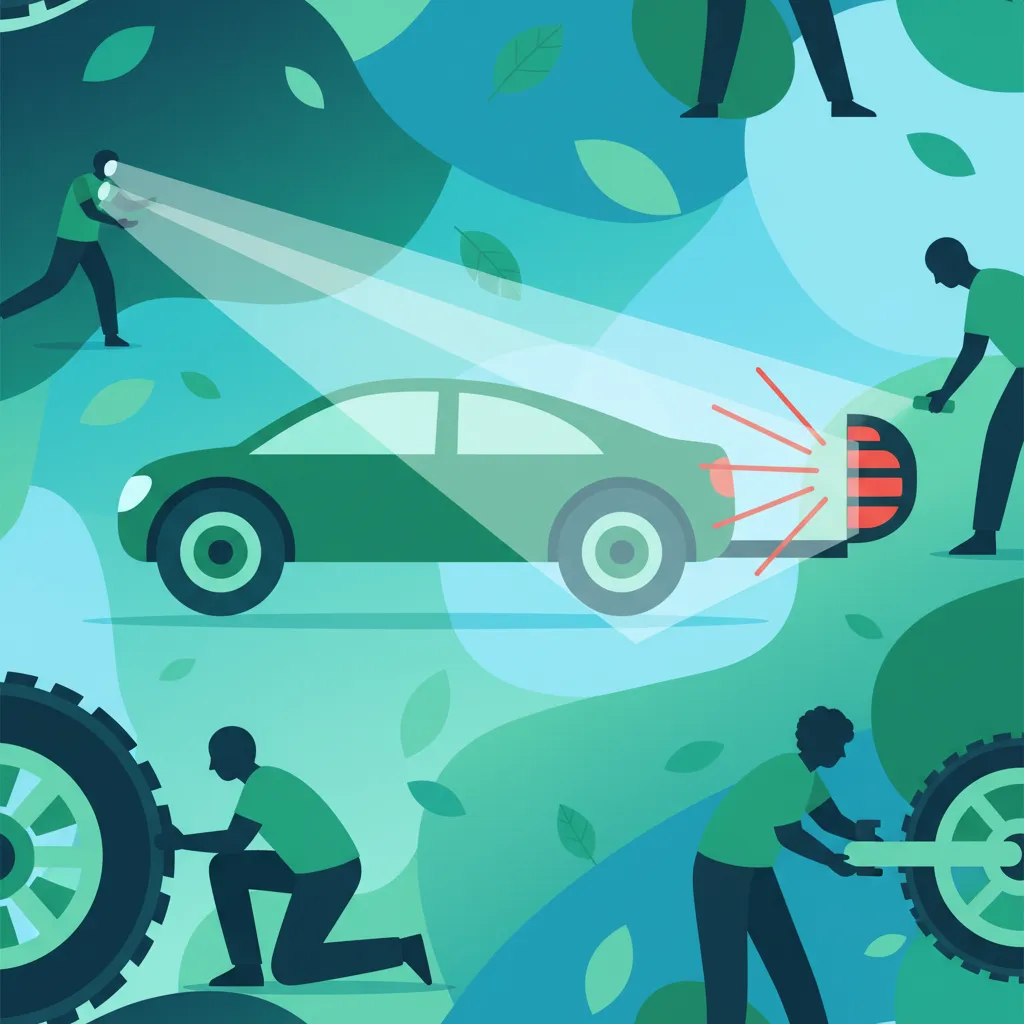
This lesson provides a systematic approach to pre-use inspections, covering essential components that must be checked before operating a tractor. Learners will learn how to assess tire pressure, test brakes, verify the operation of all lights and beacons, and examine hitch conditions. Performing these checks ensures vehicle roadworthiness and reduces the risk of mechanical failure during operation.
This lesson focuses on reversing and maneuvering techniques required when operating a tractor with a trailer, particularly in confined farmyards or on narrow rural roads. It outlines the use of mirrors to monitor trailer swing and suggests best practices for using spotters to improve safety. The lesson also covers planning reversal paths and executing wide-angle turns without compromising load stability.
This lesson examines how a tractor driver should interact with a variety of road users, focusing on right-of-way rules at intersections and with cars, trucks, cyclists, and pedestrians. It discusses safe overtaking practices, appropriate signaling to communicate intentions, and the importance of checking blind spots. The lesson highlights the need for heightened caution near schools, villages, and areas with high pedestrian activity.
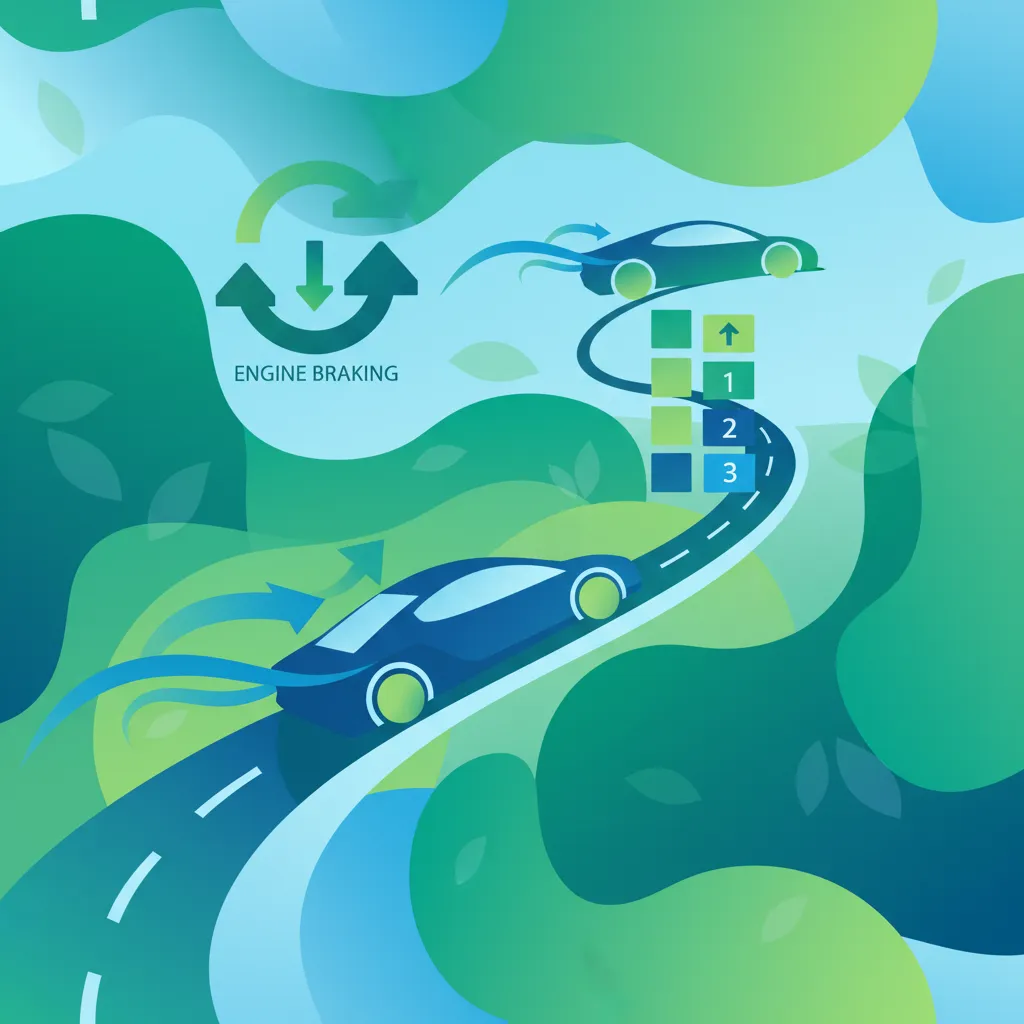
This lesson focuses on optimizing powertrain performance through skilled driving techniques. It teaches learners how to select the correct gears and shift points by understanding the engine's torque curve, which is crucial for both efficient acceleration and fuel economy. Additionally, the content details the proper application of engine braking and retarders to control speed on descents, preserving the service brakes and maintaining vehicle control without excessive fuel use.
Find clear answers to common questions learners have about Starting, Stopping, and Basic Control on Various Terrains. Learn how the lesson is structured, which driving theory objectives it supports, and how it fits into the overall learning path of units and curriculum progression in Poland. These explanations help you understand key concepts, lesson flow, and exam focused study goals.
Proper gear selection is crucial for Category T vehicles. A lower gear provides more torque and engine braking, essential for starting on soft ground or managing descents. Higher gears are for efficient travel on stable, flat surfaces, requiring careful consideration of traction and load.
Preventing wheel slip for Category T vehicles relies on gradual clutch engagement combined with appropriate, steady throttle input. On loose or slippery surfaces, always use a lower gear and gentle acceleration to maintain optimal traction and control, especially when loaded.
Yes, stopping distances for Category T tractors, particularly when towing trailers, are significantly longer than for passenger cars due to their much greater mass and inertia. This lesson emphasizes understanding how to account for this on various Polish road and terrain conditions to ensure safety.
For a Category T tractor hill start, use the handbrake to hold the vehicle, engage a low gear, gradually release the clutch while applying gentle throttle, and smoothly release the handbrake as the tractor begins to move forward. This technique prevents rollback and ensures a controlled start.
Wet paved roads drastically reduce tyre grip, making wheel slip more likely during acceleration and increasing stopping distances for Category T tractors. Drivers must reduce speed, increase following distance, and use smoother inputs for steering, braking, and acceleration to maintain control.
Build custom practice sessions tailored precisely to your needs. Focus on areas requiring improvement, review specific Polish road signs, or master complex traffic rules to ensure full preparation for your official driving license exam.