
Welcome to the lesson on Braking Systems and PTO Operation for Category T vehicles. This crucial part of your preparation will cover how to safely manage stopping agricultural machinery and understand the power take-off system. Mastering these elements is vital for both your theory exam and safe driving on Polish roads and fields.
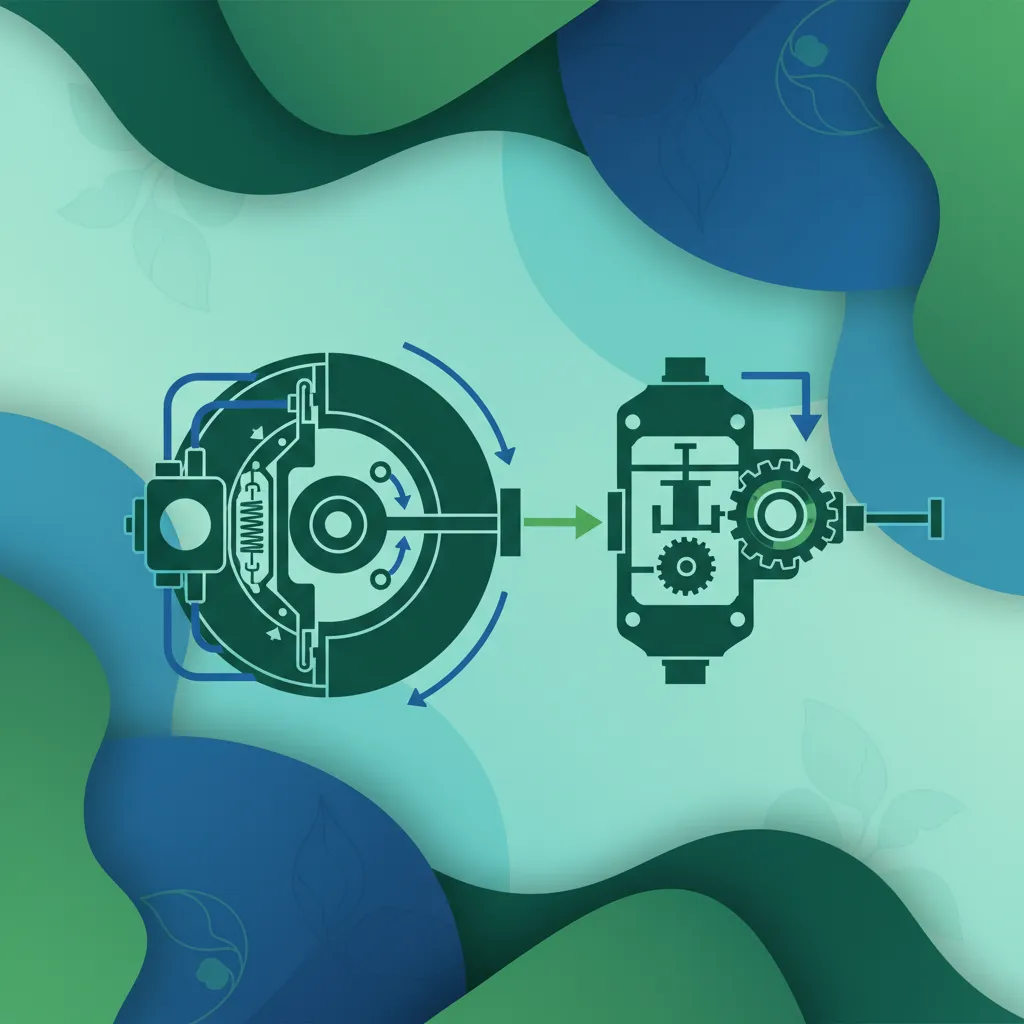
Lesson content overview
Operating agricultural vehicles, such as tractors and self-propelled farm machinery, demands a thorough understanding of their critical control systems. This lesson delves into the intricacies of braking systems and Power Take-Off (PTO) operation, two fundamental aspects vital for safe navigation on public roads and efficient work on farm terrain for Polish Driving License Theory – Category T. Effective braking prevents collisions and maintains control, especially with heavy loads and varied gradients, while proper PTO usage ensures implements function safely without posing risks to operators or others. Mastering these systems is not just about technical knowledge; it's about adhering to Polish traffic regulations and embracing responsible driving practices.
Agricultural vehicles are distinct due to their weight, power, and the specific tasks they perform, often involving attached implements. This unique profile places immense importance on their braking capabilities and the safe management of engine power transferred to auxiliary equipment via the Power Take-Off (PTO). The physics of kinetic energy dictate that heavier vehicles and higher speeds require significantly more force to stop, making robust and well-maintained braking systems non-negotiable. Similarly, the powerful rotational force of a PTO shaft, while essential for farm work, carries inherent risks if not operated correctly. Polish traffic regulations (Prawo o ruchu drogowym) explicitly mandate functional brakes, appropriate stopping distances, and strict safety protocols for PTO usage to safeguard both operators and other road users. This chapter will explore these systems in detail, highlighting their mechanics, operational nuances, and the critical safety considerations.
The service brake system is the primary means by which a Category T vehicle is decelerated and brought to a stop while in motion. It's operated typically by a foot pedal, and its effectiveness is paramount for safe driving, especially considering the substantial mass and potential loads carried by agricultural machinery. Drivers must understand how to modulate brake pressure, anticipate stopping distances, and account for the significant impact of load and terrain on braking efficiency.
Agricultural vehicles can be equipped with various types of service braking systems, each designed to provide reliable stopping power. Understanding these types helps in appreciating their maintenance needs and operational characteristics.
Modern agricultural tractors and self-propelled machines often feature hydraulic disc brakes. This system operates by using fluid pressure to push brake pads against a rotating metal disc, generating friction that slows the wheel. They are known for their strong stopping power, resistance to brake fade (reduction in braking efficiency due to overheating), and consistent performance.
Traditional agricultural vehicles frequently use hydraulic drum brakes. In this system, hydraulic pressure forces two curved brake shoes outwards, pressing them against the inner surface of a rotating drum. This friction slows the vehicle. While generally robust, drum brakes can be less efficient at dissipating heat compared to disc brakes, making them more susceptible to fade under prolonged heavy use.
Larger agricultural machines, particularly those designed to tow heavy trailers equipped with their own braking systems, often incorporate pneumatic or air brakes. These systems use compressed air to actuate brake chambers, which in turn apply mechanical force to the brake shoes or pads. Air brakes provide immense stopping power and are ideal for coordinating braking across multiple vehicle units, ensuring that a heavy trailer's brakes engage simultaneously with the tractor's.
The effectiveness of service brakes is directly tied to how they are applied. Drivers should use smooth, progressive pressure on the brake pedal to achieve controlled deceleration. Abrupt braking, especially with heavy loads or on slippery surfaces, can lead to loss of control. Polish traffic law (§ 84) explicitly requires all motor vehicles to have functional service brakes that ensure safe stopping under all normal loading conditions. Failing to ensure this can lead to severe penalties and poses a significant safety risk.
Always test your brakes before commencing a journey, especially if you are attaching a new implement or trailer. A brief, controlled test can reveal issues before they become critical.
The parking brake, often referred to as the handbrake or foot brake, is a crucial safety system designed to immobilize a vehicle when it is stationary. Unlike service brakes, which are for dynamic deceleration, the parking brake provides a static hold, preventing unintended movement, particularly on slopes or during loading and unloading operations.
Parking brakes typically come in two main configurations:
Regardless of the type, the parking brake must be robust enough to hold the vehicle securely, even with a full load on an incline.
Under Polish law (§ 54), it is mandatory to secure a vehicle with its parking brake whenever it is stationary on a slope or left unattended. This regulation is in place to prevent dangerous runaway scenarios where a vehicle might roll downhill, causing significant property damage or severe injury. Failure to comply is a traffic violation.
Never rely solely on the service brake or leaving the transmission in gear to secure a parked vehicle, especially on slopes. The parking brake is specifically designed for this purpose and must always be engaged.
When parking on a gradient, additional precautions may include turning the wheels towards the curb (if on a public road) or using wheel chocks, especially for very heavy loads or steep inclines.
Braking performance in Category T vehicles is not constant; it is significantly affected by several dynamic factors. Understanding these influences allows drivers to anticipate hazards and adjust their driving behavior accordingly.
The mass of an agricultural vehicle, including any cargo, attached implements, or trailers, profoundly impacts its braking performance. A heavier vehicle possesses greater kinetic energy, which the brakes must dissipate as heat. This means:
Operators must always ensure that the vehicle's brakes are correctly adjusted for the maximum loaded weight, as certified by the manufacturer. Overloading beyond the vehicle's rated capacity is extremely dangerous and illegal, leading to severe brake fade and potential loss of control.
A reduction in braking efficiency caused by the overheating of brake components, leading to a decrease in the friction coefficient. This is particularly problematic on long descents or after repeated heavy braking.
Descending slopes requires a specialized approach to braking to maintain control and prevent brake overheating. Polish law (§ 42) mandates that drivers control vehicle speed on descents to avoid loss of control, and this often involves using engine braking.
Engine braking involves selecting a lower gear before descending a slope. This uses the engine's natural resistance to slow the vehicle, reducing the reliance on the service brakes. By combining engine braking with intermittent, gentle application of the service brakes, drivers can maintain a safe speed without overheating the brake system.
When descending a long or steep hill, engage a gear low enough that you barely need to touch the service brakes. If you find yourself having to brake continuously, you are likely in too high a gear.
Environmental factors play a critical role in determining braking efficiency:
Understanding stopping distance is fundamental to safe driving. It is the total distance a vehicle travels from the moment a driver perceives a hazard until the vehicle comes to a complete stop. This distance comprises two main components:
Simplified Formula:
The total stopping distance is the sum of the reaction distance and the braking distance.
Beyond speed, several factors significantly impact how quickly an agricultural vehicle can stop:
For Category T vehicles, Polish regulations imply that a safe following distance is at least a 2-second interval, increasing in adverse conditions. This rule is particularly crucial for agricultural machinery due to their extended stopping distances. Drivers must continuously adjust their speed to ensure that their stopping distance remains within the available sight distance, allowing them to react safely to unforeseen hazards. Anticipatory driving, where the driver constantly scans the road ahead and predicts potential risks, is key to managing stopping distances effectively.
At 30 km/h on dry pavement, a tractor may stop within approximately 12 meters. On a wet surface with a full load, this distance can easily increase to 20 meters or more. Always account for these variations.
The Power Take-Off (PTO) is a mechanical system unique to agricultural and heavy-duty vehicles, designed to transfer engine power to attached implements such as mowers, cultivators, loaders, or balers. It typically involves a rotating shaft that delivers power at standard speeds like 540 revolutions per minute (rpm) or 1000 rpm.
The PTO system consists of:
When engaged, the PTO provides a direct, reliable power source for implements, allowing them to perform their functions independently of the tractor's forward motion.
Safe PTO operation is critical to prevent accidents and damage. Follow these steps:
Ensure Vehicle is Stationary and Secure: Bring the tractor to a complete stop (or a very safe, low speed if the implement is designed for in-motion operation). Engage the parking brake.
Check Implement Connection: Ensure the PTO shaft is correctly and securely attached to the implement and that all safety guards are in place.
Engage PTO Clutch: Use the designated lever or switch to smoothly engage the PTO clutch. For mechanical clutches, this usually involves slow, deliberate movement.
Verify Interlock: Confirm that any safety interlocks (e.g., preventing PTO activation above a certain speed) are satisfied.
Select Appropriate Speed: Choose the correct PTO speed (e.g., 540 rpm or 1000 rpm) for the implement being used.
Begin Operation: Gradually increase engine RPM to the recommended operating speed for the implement. Monitor for abnormal vibrations or noises.
Disengage PTO Before Stopping or Changing Direction: Before coming to a complete stop, reversing, or making sharp turns, disengage the PTO clutch to prevent sudden torque spikes or potential damage to the drivetrain.
Modern agricultural machinery often incorporates PTO safety interlocks. These can be mechanical or electrical devices that prevent the PTO from being engaged or operating if certain conditions are not met, such as the vehicle exceeding a safe speed (e.g., 5 km/h) or if the parking brake is not engaged. These interlocks are vital for preventing sudden, unintended implement activation that could destabilize the tractor or cause injury.
Equally important are protective guards around the PTO shaft and universal joints. These guards prevent clothing, limbs, or loose debris from becoming entangled in the rapidly rotating shaft, which can lead to severe injuries or fatalities. Always ensure all guards are properly fitted and in good condition before operating the PTO.
Polish law (§ 99) places strict regulations on PTO usage: "PTO may only be engaged when the vehicle is stationary or moving at a speed not exceeding the implement’s safe operating limit, and only if the implement is designed for in‑motion use." This means:
Engaging the PTO while driving at high speed or without proper precautions can cause sudden torque transmission, leading to loss of control, implement damage, or severe accidents.
Regular maintenance is not just a recommendation; it is a legal requirement and a cornerstone of safe operation for Category T vehicles. Neglecting maintenance can lead to reduced performance, increased accident risk, and legal penalties.
Operators should perform daily or weekly checks, including:
Any signs of reduced pedal travel, a "soft" pedal, pulsating brakes, or unusual noises indicate a need for immediate attention. Brake balance, the distribution of braking force between front and rear wheels, must also be periodically checked and adjusted, especially after significant load changes.
Under Polish regulations (Rozdział 7 of the Technical Inspection Regulation), the braking system components of all Category T vehicles must be inspected annually. This "przegląd techniczny" ensures that all components meet safety standards and wear limits. Any wear beyond permissible limits requires immediate replacement. Failure to pass this inspection or operating a vehicle with defective brakes can result in fines and impoundment.
Compliance with Polish Road Traffic Law (Prawo o ruchu drorogowym) is paramount for all Category T vehicle operators. The law sets clear requirements for braking systems and PTO use to ensure public safety.
Rule Statement: All motor vehicles must be equipped with functional service brakes that enable safe stopping under all normal loading conditions. Applicability: All Category T vehicles operating on public roads. Rationale: To ensure that vehicles can stop safely, preventing collisions regardless of their weight or the conditions.
Rule Statement: Vehicles must be secured with a parking brake when stationary on a slope or when left unattended. Applicability: Any stationary Category T vehicle. Rationale: To prevent unintended rolling, which can cause severe accidents, especially on inclines.
Rule Statement: Drivers must control vehicle speed on descents to avoid loss of control; engine braking may be required. Applicability: Descending grades of any steepness. Rationale: Reduces the risk of brake overheating and runaway situations by leveraging the engine's natural resistance.
Rule Statement: PTO may only be engaged when the vehicle is stationary or moving at a speed not exceeding the implement’s safe operating limit, and only if the implement is designed for in‑motion use. Applicability: Use of PTO on public roads and farms. Rationale: Prevents sudden power spikes that could destabilize the vehicle, cause implement damage, or injure operators or bystanders.
Understanding common pitfalls and adhering to best practices is crucial for safe Category T vehicle operation:
The braking systems and Power Take-Off (PTO) operation are central to the safe and efficient use of Category T agricultural vehicles. Service brakes provide dynamic control, parking brakes ensure static security, and the PTO delivers essential power to implements. However, their effectiveness is deeply intertwined with factors such as vehicle load, terrain, speed, and weather conditions. Drivers must not only understand the mechanical principles but also be acutely aware of how these variables impact performance. Adhering to Polish Road Traffic Law regarding brake functionality, parking procedures, speed control on slopes, and safe PTO engagement is not just a legal obligation but a moral one, crucial for protecting oneself, other road users, and valuable equipment. Regular maintenance and proactive driving practices, including anticipating stopping distances and utilizing engine braking, form the foundation of responsible Category T vehicle operation.
This lesson covers the dual braking systems essential for Category T vehicles—service brakes for controlled deceleration and parking brakes for static security on slopes. Agricultural vehicles use hydraulic disc, drum, or pneumatic brake systems, all of which are affected by load, terrain, and weather conditions. The Power Take-Off transfers engine power to implements via a rotating shaft and must only be engaged when stationary or at speeds within the implement's safe limit. Safe stopping distances depend on reaction time (approximately 1.5 seconds) and braking distance influenced by speed, vehicle mass, and road surface conditions. Compliance with Polish traffic law regulations (§ 84, § 54, § 42, § 99) governing brake functionality, parking procedures, gradient speed control, and PTO operation is mandatory for both exam preparation and safe practical driving.
A short set of high-value points that capture the most important learning from this lesson.
Category T vehicles require functional service brakes for motion control and parking brakes for securing stationary vehicles on slopes or when unattended
Braking performance is directly affected by vehicle load, terrain gradient, and weather conditions; heavier loads and wet surfaces significantly increase stopping distances
Engine braking (selecting a lower gear before descents) combined with intermittent service brake application prevents brake overheating and fade
PTO may only be engaged when stationary or at speeds not exceeding the implement's safe operating limit, as mandated by Polish law (§ 99)
PTO safety interlocks and protective guards must always be in place to prevent entanglement injuries from the rapidly rotating shaft
Explore all units and lessons included in this driving theory course.
Service brakes are operated by foot pedal for dynamic deceleration; parking brakes (hand or foot lever) provide static immobilisation, especially on inclines
Total stopping distance equals reaction distance (speed × 1.5s reaction time) plus braking distance (speed² ÷ 2 × deceleration)
Polish law § 84 requires all motor vehicles to have functional service brakes; § 54 mandates parking brake use on slopes and when unattended
PTO speeds are standardised at 540 rpm or 1000 rpm; always disengage PTO before stopping, reversing, or making sharp turns
Brake fade occurs when overheated components lose friction efficiency; use engine braking on long descents to prevent this
Relying solely on the service brake or transmission gear to secure a parked vehicle on slopes instead of engaging the parking brake
Engaging PTO while driving at high speed, which causes sudden torque transmission that can destabilise the tractor or damage implements
Continuous service brake application on long descents leading to brake fade and reduced stopping capability
Failing to adjust brake balance after significant load changes, causing uneven braking or loss of control
Operating PTO with protective guards removed or damaged, creating entanglement hazards for operators
Lesson content overview
A short set of high-value points that capture the most important learning from this lesson.
Category T vehicles require functional service brakes for motion control and parking brakes for securing stationary vehicles on slopes or when unattended
Braking performance is directly affected by vehicle load, terrain gradient, and weather conditions; heavier loads and wet surfaces significantly increase stopping distances
Engine braking (selecting a lower gear before descents) combined with intermittent service brake application prevents brake overheating and fade
PTO may only be engaged when stationary or at speeds not exceeding the implement's safe operating limit, as mandated by Polish law (§ 99)
PTO safety interlocks and protective guards must always be in place to prevent entanglement injuries from the rapidly rotating shaft
Explore all units and lessons included in this driving theory course.
Service brakes are operated by foot pedal for dynamic deceleration; parking brakes (hand or foot lever) provide static immobilisation, especially on inclines
Total stopping distance equals reaction distance (speed × 1.5s reaction time) plus braking distance (speed² ÷ 2 × deceleration)
Polish law § 84 requires all motor vehicles to have functional service brakes; § 54 mandates parking brake use on slopes and when unattended
PTO speeds are standardised at 540 rpm or 1000 rpm; always disengage PTO before stopping, reversing, or making sharp turns
Brake fade occurs when overheated components lose friction efficiency; use engine braking on long descents to prevent this
Relying solely on the service brake or transmission gear to secure a parked vehicle on slopes instead of engaging the parking brake
Engaging PTO while driving at high speed, which causes sudden torque transmission that can destabilise the tractor or damage implements
Continuous service brake application on long descents leading to brake fade and reduced stopping capability
Failing to adjust brake balance after significant load changes, causing uneven braking or loss of control
Operating PTO with protective guards removed or damaged, creating entanglement hazards for operators
Explore search topics learners often look for when studying Braking Systems and PTO Operation. These topics reflect common questions about road rules, driving situations, safety guidance, and lesson level theory preparation for learners in Poland.
Browse additional driving theory lessons that cover connected traffic rules, road signs, and common driving situations related to this topic. Improve your understanding of how different rules interact across everyday traffic scenarios.
Learn the fundamentals of service and parking brake systems on Category T vehicles. This lesson covers hydraulic disc and drum brakes, air brakes, and critical factors like load and terrain that influence stopping distances and braking performance.
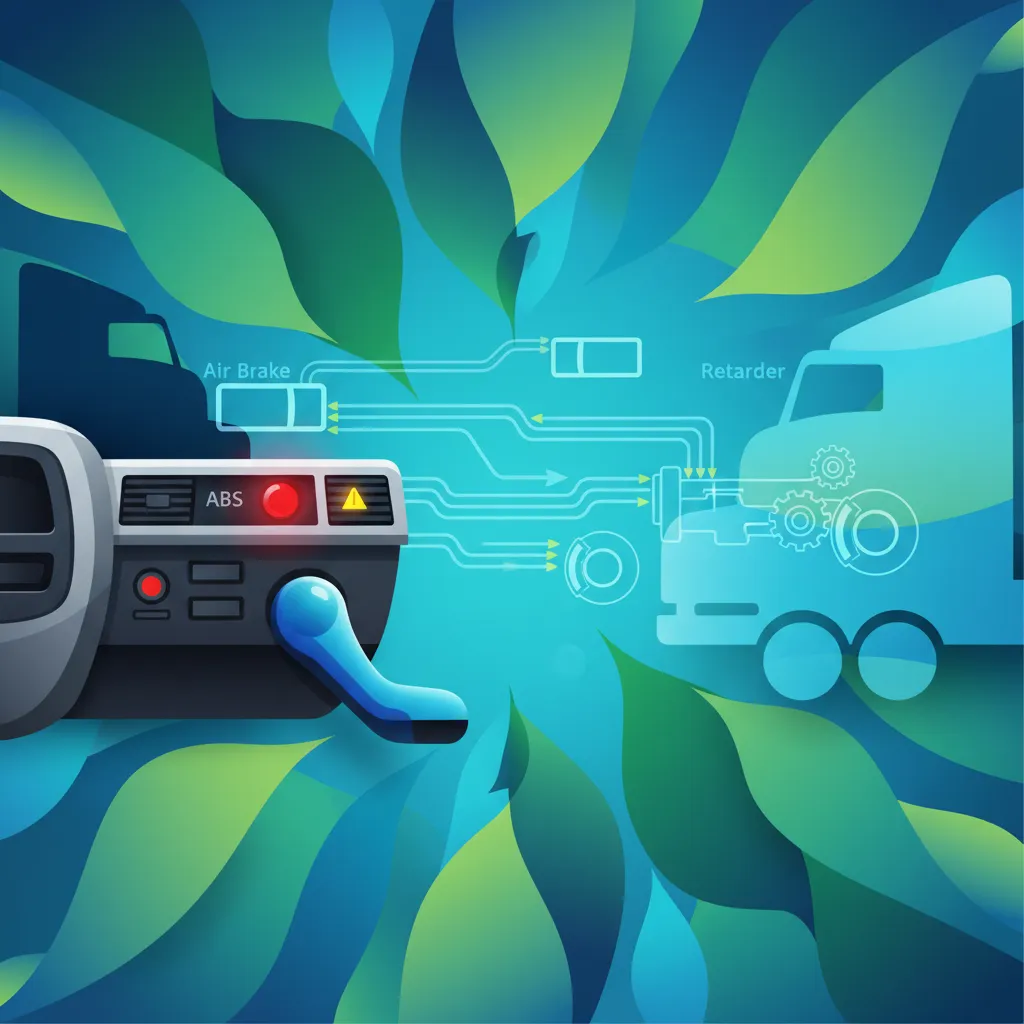
This lesson covers the braking mechanisms specific to large passenger vehicles, focusing on air brake systems and retarders. Learners will understand the components and operation of service and parking brakes, as well as the function of ABS and ESC. It also addresses strategies for emergency braking and the importance of regular maintenance for optimal performance.

This lesson is dedicated to the critical braking systems of heavy goods vehicles. It provides a detailed explanation of the air brake system, including the compressor, air tanks, and brake chambers, and highlights the safety function of the dual-circuit design. Learners will also differentiate between various types of auxiliary braking systems, such as engine brakes and retarders, and understand their role in managing speed and preventing service brake overheating on steep gradients.

This lesson breaks down the physics of stopping a vehicle. It defines reaction distance (the distance traveled before applying the brakes) and braking distance (the distance traveled while braking). The content explains how factors like speed, road condition, and tire grip influence the total stopping distance, and introduces proper braking techniques.

This lesson covers the fundamental procedures for starting and stopping a tractor, with emphasis on selecting the appropriate gear and clutch engagement for smooth motion. It explains how to manage traction on soft fields, loose gravel, and wet paved roads, and how to calculate safe stopping distances. The content also discusses hill starts and the prevention of wheel slip during acceleration and deceleration.

This lesson focuses on the critical procedures for executing an emergency stop with an air-braked vehicle. It explains how to apply firm, steady pressure to the brake pedal to achieve maximum braking force without locking the wheels, which could lead to a loss of control. The content also discusses the response time of air brake systems and how to manage the significant forces of deceleration when the vehicle is fully loaded, ensuring the quickest possible stop in a crisis situation.
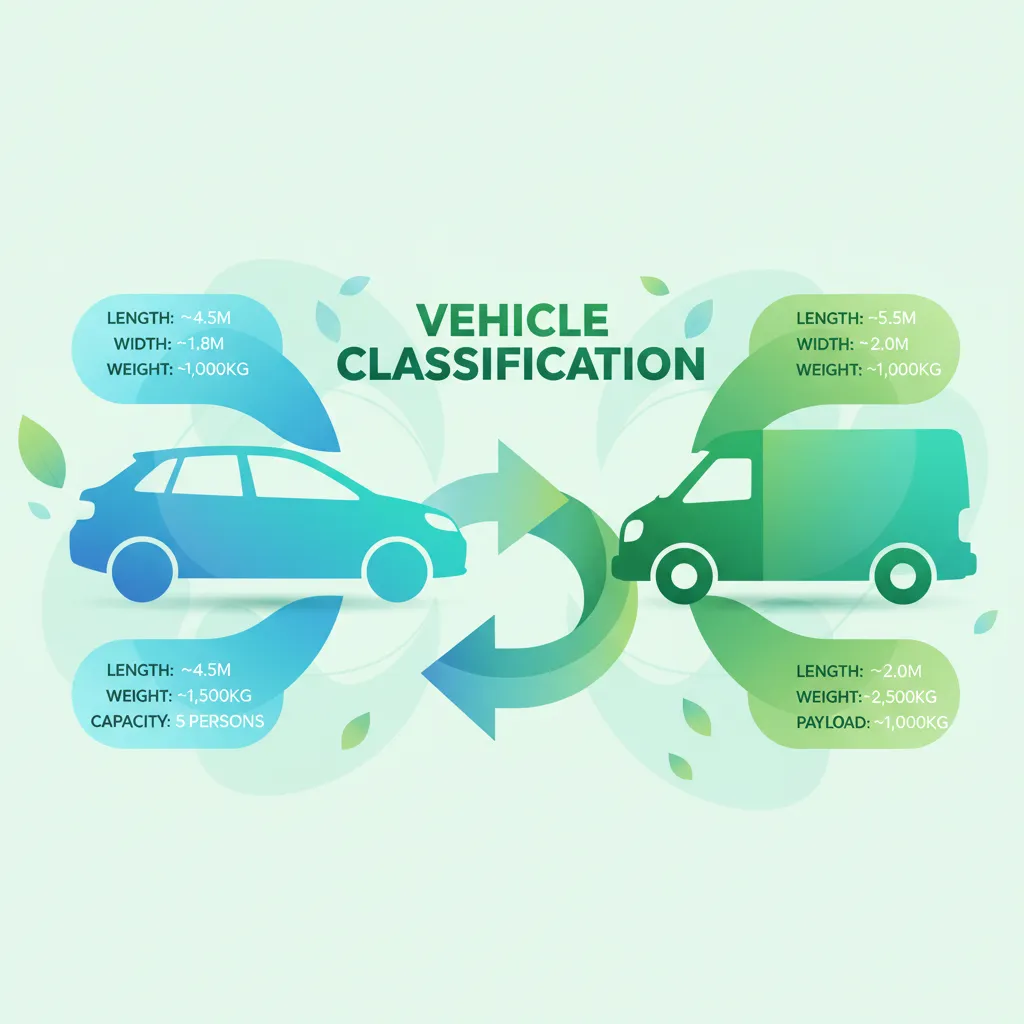
This lesson focuses on the precise classification of agricultural vehicles as defined by Polish law, differentiating between tractors, forestry machines, and trailers. It examines the legal parameters such as maximum permissible weight, width, height, and length that affect roadworthiness certifications. The lesson clarifies terminology used in official documents, ensuring learners can correctly identify the vehicles they are permitted to operate.

This lesson covers the principles of motorcycle braking, differentiating between the front and rear brake systems and their respective contributions to stopping power. It explains how anti-lock braking system (ABS) works to prevent wheel lock-up and improve control on slippery surfaces. Learners will explore the optimal brake balance, techniques for progressive deceleration, and the factors influencing stopping distances under various road conditions, ensuring riders can maintain reliable braking performance.
This lesson explains the scope of the Category T licence, distinguishing it from other categories and outlining the vehicles covered, such as agricultural and forestry vehicles. It details the legal basis for operating these vehicles on public roads, including specific provisions in the Prawo o ruchu drogowym. Learners will understand the regulatory environment defining where and how Category T vehicles may be driven within Poland.
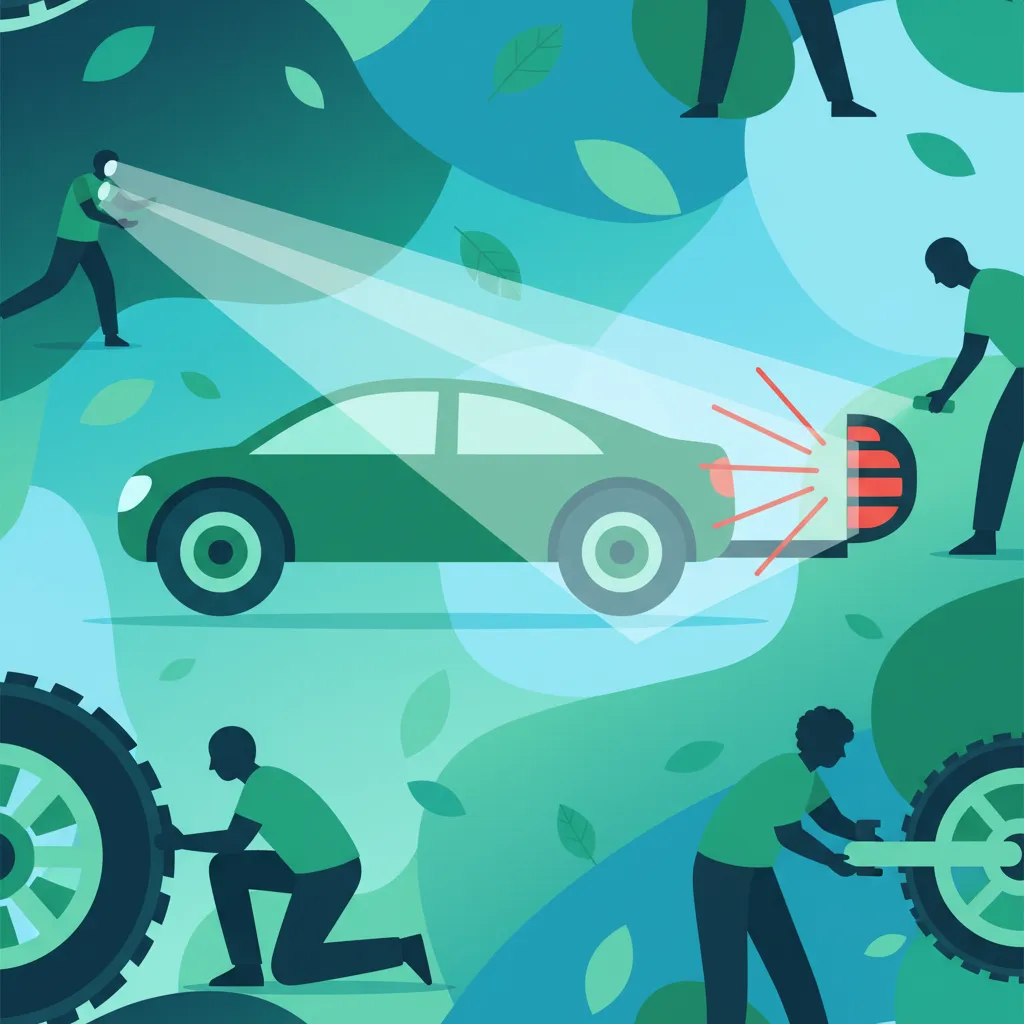
This lesson provides a systematic approach to pre-use inspections, covering essential components that must be checked before operating a tractor. Learners will learn how to assess tire pressure, test brakes, verify the operation of all lights and beacons, and examine hitch conditions. Performing these checks ensures vehicle roadworthiness and reduces the risk of mechanical failure during operation.

This lesson examines the signs that convey dimensional and weight restrictions, which are vital for safe tractor and trailer operation. It outlines how to read width, height, and weight limit signs and the legal implications of exceeding these limits. The lesson provides guidance on planning loads to comply with bridge and road classification restrictions found across Polish rural networks.
Master the operation of Power Take-Off (PTO) systems for agricultural machinery. This lesson details how PTO works, safe engagement and disengagement procedures, the importance of safety guards and interlocks, and relevant Polish legal requirements.

This lesson focuses on the maintenance of agricultural implements and attachments powered via the tractor’s PTO and hydraulic systems. It covers routine inspection of hydraulic lines, lubrication of moving parts, and verification of safety features before each use. Additionally, the lesson stresses the importance of keeping detailed maintenance logs and certification documents to satisfy legal standards.
This lesson covers the fundamental procedures for starting and stopping a tractor, with emphasis on selecting the appropriate gear and clutch engagement for smooth motion. It explains how to manage traction on soft fields, loose gravel, and wet paved roads, and how to calculate safe stopping distances. The content also discusses hill starts and the prevention of wheel slip during acceleration and deceleration.
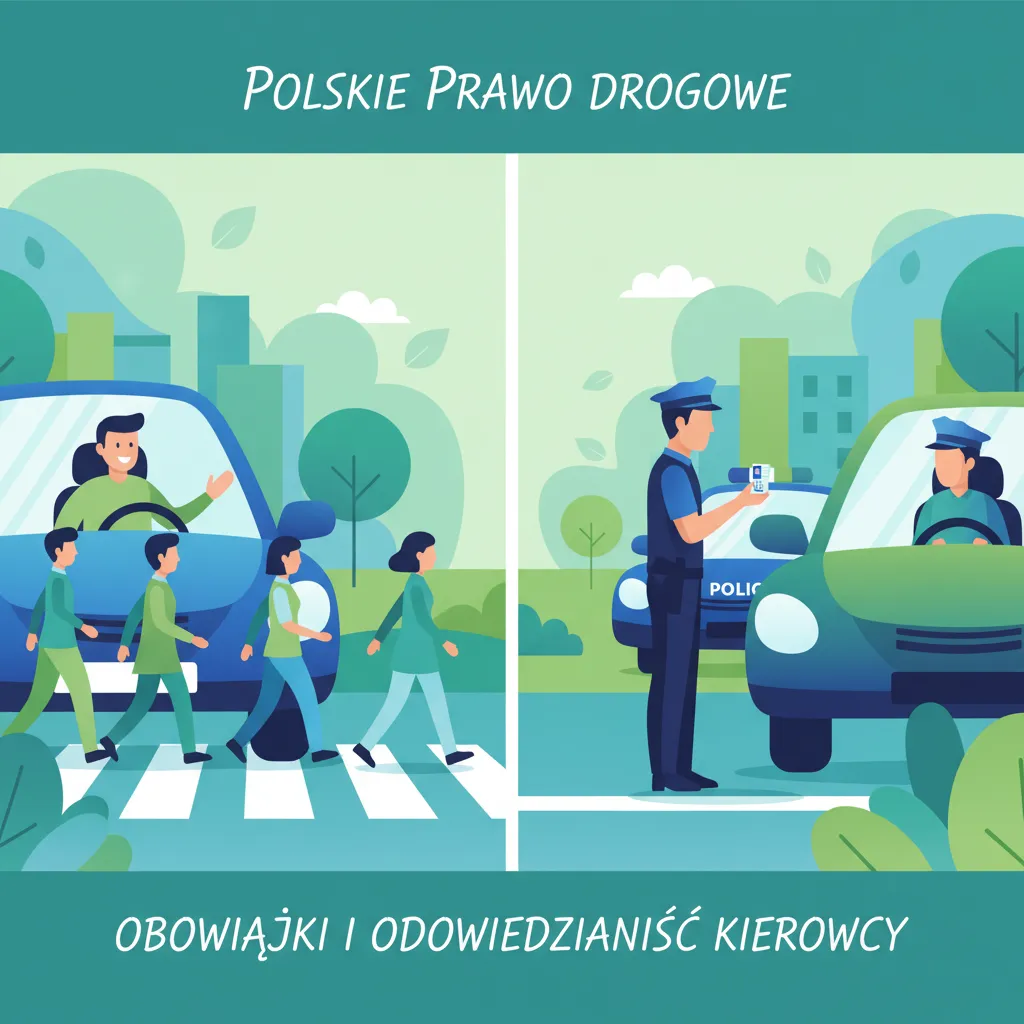
This lesson outlines the legal responsibilities of tractor drivers as stipulated by Polish traffic law, emphasizing the duty to comply with all rules of the road. It discusses the liability framework for accidents involving agricultural vehicles, including the need for appropriate insurance and potential penalties. The lesson also explains the importance of maintaining accurate documentation, such as registration papers and a driver’s licence.
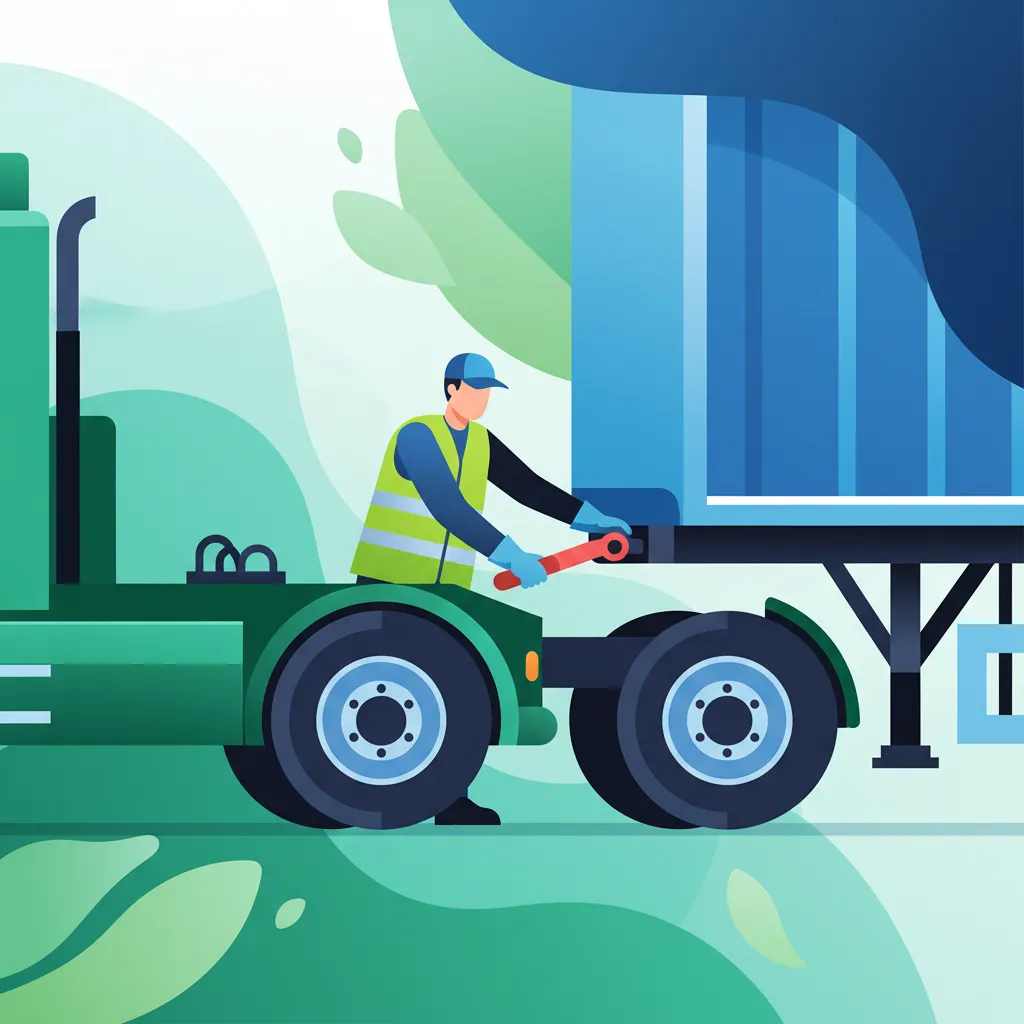
This lesson provides a step-by-step guide to safely coupling and uncoupling trailers, highlighting the correct use of hitches, drawbars, and safety chains. It emphasizes pre-couple inspections, alignment checks, and the necessity of confirming secure connections before movement. Learners will also study procedures for safely uncoupling, including establishing a safe zone and verifying trailer stability.
This lesson provides a systematic approach to pre-use inspections, covering essential components that must be checked before operating a tractor. Learners will learn how to assess tire pressure, test brakes, verify the operation of all lights and beacons, and examine hitch conditions. Performing these checks ensures vehicle roadworthiness and reduces the risk of mechanical failure during operation.

This lesson explores the correct lane and road positioning for tractors, emphasizing the use of the right-hand lane or shoulder where appropriate. It clarifies how speed limits differ between road types and provides guidelines for adjusting speed based on vehicle load, road condition, and traffic density. Proper positioning improves safety for both the tractor driver and other road users sharing the same space.
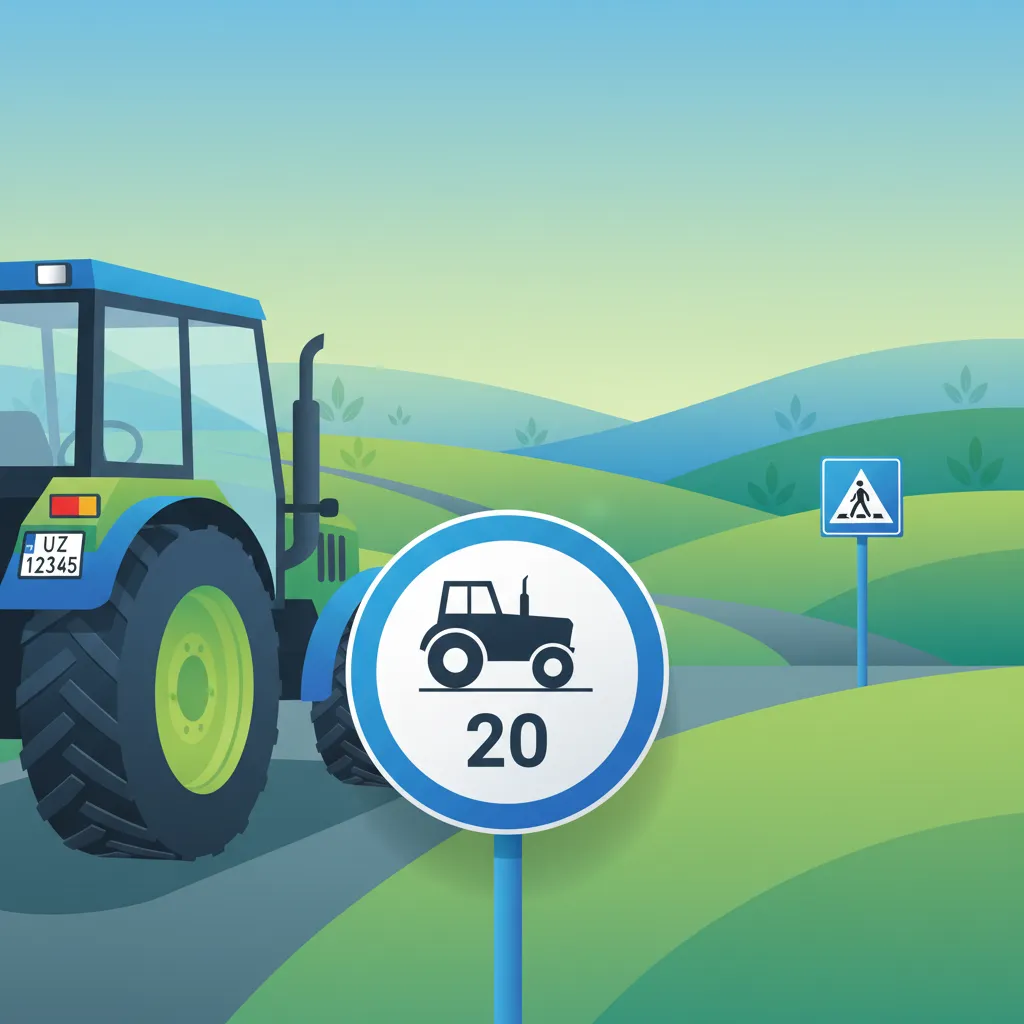
This lesson reviews the core set of regulatory and warning signs that all road users must obey, emphasizing those that affect agricultural tractors such as speed limits, stop, and give-way signs. It clarifies the colour and shape conventions used in Polish signage, enabling drivers to quickly recognize and react to sign information. The lesson also addresses the placement of signs in rural environments where visibility may be compromised.

This lesson provides comprehensive guidelines for safely transporting agricultural equipment, focusing on proper load securing techniques and weight distribution calculations. It discusses route planning that accounts for road conditions, bridge weight capacities, and seasonal obstacles like mud or snow. The lesson also emphasizes the use of protective equipment and regular compliance verification for safe operations.

This lesson explains the hydraulic architecture that powers many agricultural implements, detailing how fluid pressure drives cylinders for lifting and operating attachments. It outlines the function of control levers, safety valves, and emergency shut-off mechanisms that protect the operator and equipment. The lesson provides guidance on routine hydraulic system checks, leak detection, and essential maintenance practices.
Find clear answers to common questions learners have about Braking Systems and PTO Operation. Learn how the lesson is structured, which driving theory objectives it supports, and how it fits into the overall learning path of units and curriculum progression in Poland. These explanations help you understand key concepts, lesson flow, and exam focused study goals.
Service brakes are used for controlling the vehicle's speed and stopping during normal operation, typically activated by a foot pedal. Parking brakes are designed to keep the vehicle stationary when parked, often engaged by a hand lever or a separate pedal, and must hold the tractor securely, especially on inclines.
A heavier load significantly increases a tractor's braking distance. The increased mass requires more force and time to decelerate. Always factor in the weight of your load and any towed implements when estimating stopping distances, especially in Polish traffic conditions.
The primary safety concern with PTO operation is entanglement. The rotating shaft and connected implements can easily catch loose clothing, hair, or body parts, leading to severe injury. Always ensure guards are in place, machinery is switched off before adjustments, and never approach a running PTO.
No, the parking brake is not designed for slowing down the tractor during normal driving. It is intended for holding the vehicle stationary. Repeatedly using it for braking can cause overheating, damage, and reduce its effectiveness when actually needed for parking.
'Pojazdy wolnobieżne' (slow-moving vehicles) must have effective braking systems that comply with Polish regulations. This includes ensuring both service and parking brakes are in good working order and adequate for the vehicle's weight and operational speeds, especially when towing.
Build custom practice sessions tailored precisely to your needs. Focus on areas requiring improvement, review specific Polish road signs, or master complex traffic rules to ensure full preparation for your official driving license exam.