
The T-6a sign, often called the 'Priority Path' or 'Intersection Map' sign, is crucial for navigating complex intersections where the main road bends. The thick black line on the sign clearly illustrates the route of the priority road, while thinner lines show subordinate roads. If you are following the thick line, you have the right-of-way, but remember that signalling your intended turn is still mandatory, even if you're not going straight.
The T-6a supplementary plate is critical for understanding actual priority path layouts at Polish intersections where the main road changes direction. Misinterpreting this diagram can lead to serious errors in yielding or asserting priority, making its road sign meaning and traffic sign explanation vital for your Polish driving theory test revision.
The T-6a plate is crucial for intersections where the priority road does not go straight. The thick black line represents the road with the right-of-way, while thin lines represent subordinate (yielding) roads. This plate is placed on the priority road itself. If you are following the thick line, you maintain priority, but you MUST still use your turn signal if you are deviating from the 'straight' physical path of the intersection.
Shows how the priority road turns at the upcoming intersection.
Get clear, practical answers to the most common questions about the T-6a - Actual Priority Path (on Priority Road) road sign. Learn how the sign works, what rules it represents, and how it affects real driving situations. This FAQ strengthens your understanding and supports accurate decision making for the Polish driving theory exam in Poland.
The T-6a sign displays the layout of an upcoming intersection, specifically showing how the priority road (indicated by a thick black line) turns. It helps drivers on the priority road understand their path and that traffic from the thinner lines (subordinate roads) must yield to them.
Yes, absolutely. Even though you have priority, if the priority road turns and you follow that turn, you must use your turn signal to indicate your direction of travel to other road users. Failing to signal is a common mistake.
A common mistake is assuming you don't need to signal because you're staying on the priority road. Another trap is not yielding to vehicles already in the intersection if traffic is heavy. Drivers might also wrongly assume they have priority over vehicles merging from subordinate roads if they are making a sharp turn off the priority route.
The thick black line on the T-6a sign represents the road that has priority. Vehicles on this road continue with the right-of-way. The thinner lines represent roads that are subordinate, meaning vehicles on these roads must yield to traffic on the priority road before entering the intersection.
You will see the T-6a sign placed on the priority road itself, just before an intersection where the main, priority route deviates from a straight path. It helps drivers on the priority road anticipate the intersection's layout and choose the correct lane or action, especially if it's a busy junction.
A clear reference image of the T-6a - Actual Priority Path (on Priority Road) road sign used in Poland.
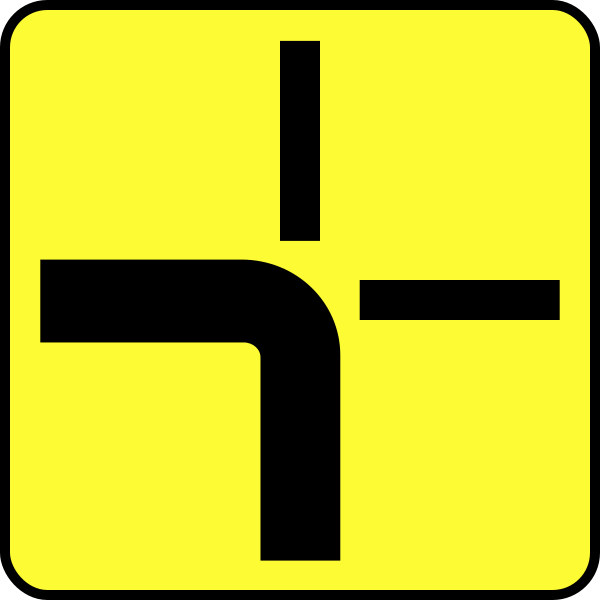
The T-6a - Actual Priority Path (on Priority Road) road sign may also be known by these alternative names or terms.
The T-6a - Actual Priority Path (on Priority Road) road sign is part of the Supplementary Plates (T) category, which groups together signs with similar rules and functions.
Comparing signs like the 'Actual Priority Path' with others aids recognition and memory, reducing confusion during your theory test revision. Practice identifying similar road signs and engaging in traffic sign comparison is vital for exam success.
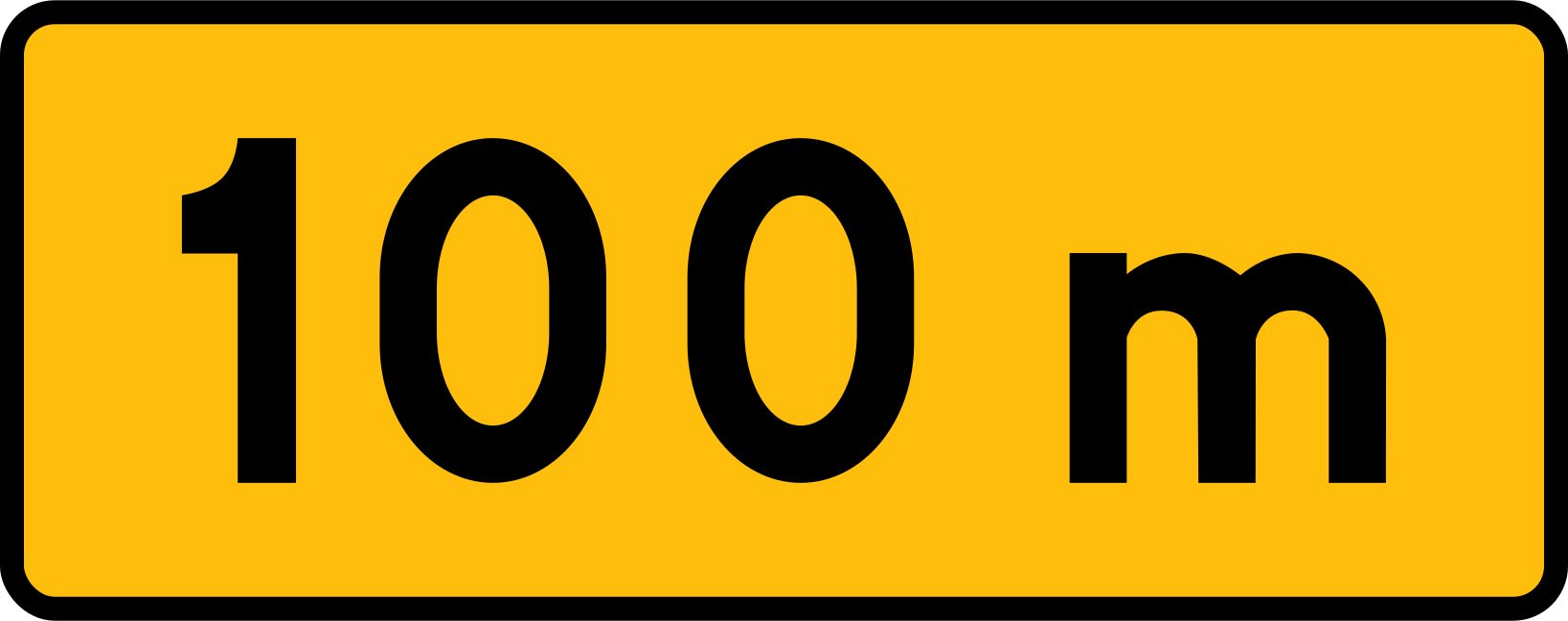
Understand the T-1 'Distance to Hazard' Plate for Safe Driving
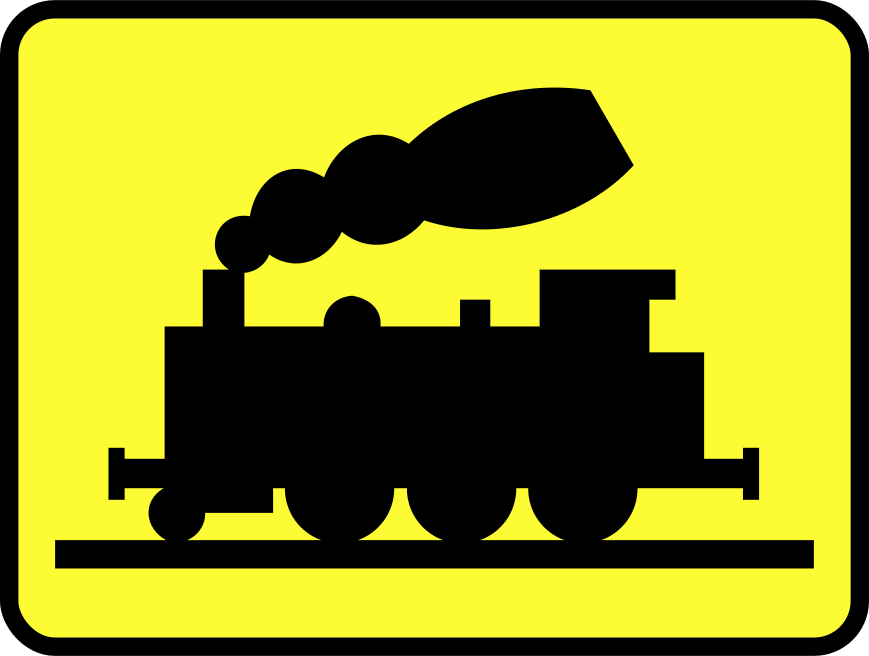
Beware of the T-10 sign: Industrial Railway Siding Ahead
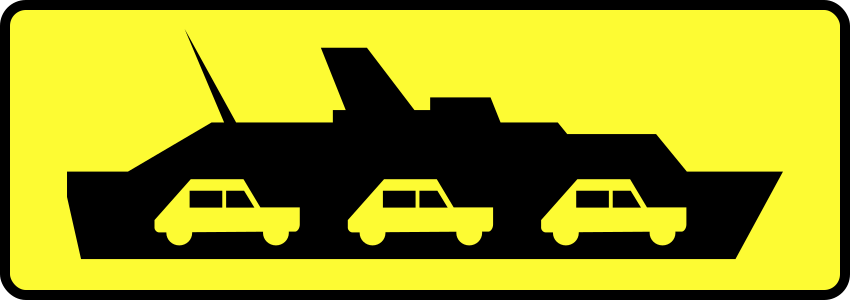
Prepare for a Ferry Crossing with the T-11 Warning Sign
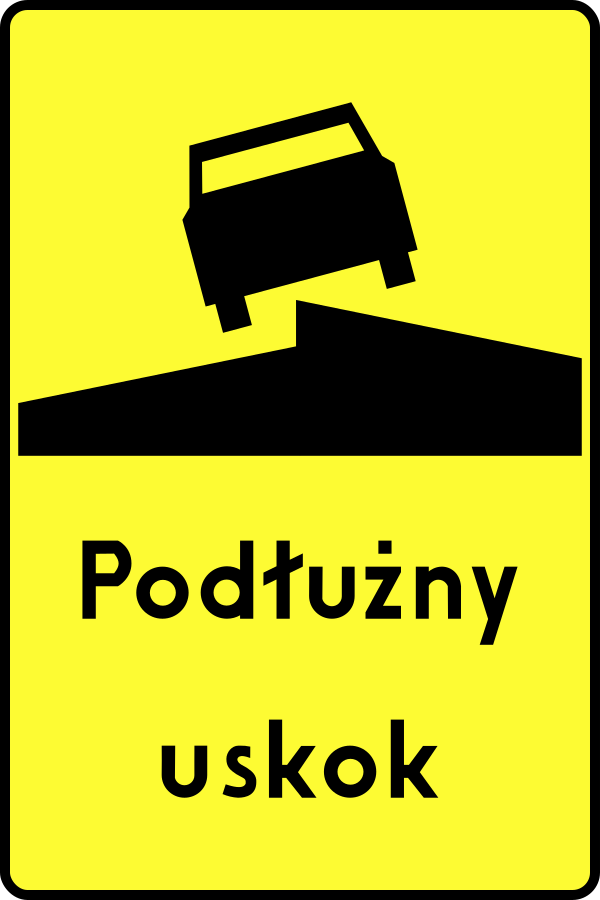
Watch out for the T-12 sign warning of a longitudinal step in the road surface!
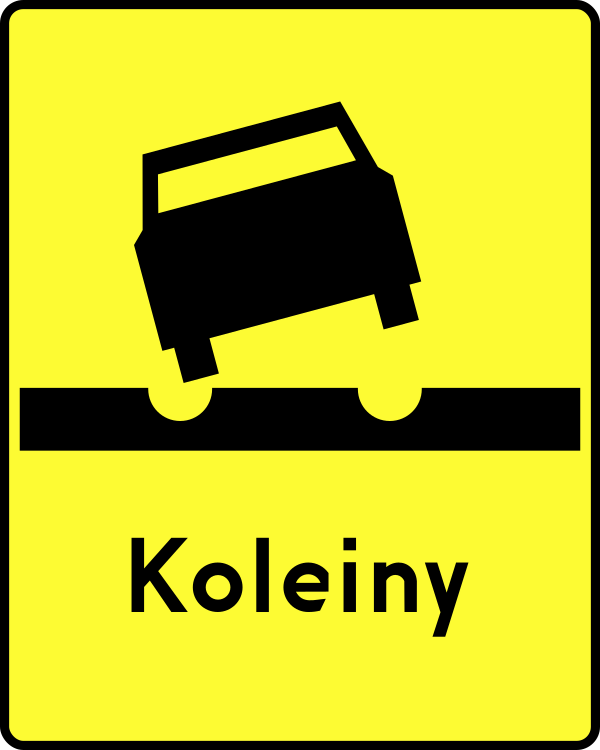
Warning: Deep Road Surface Ruts Ahead (T-13)
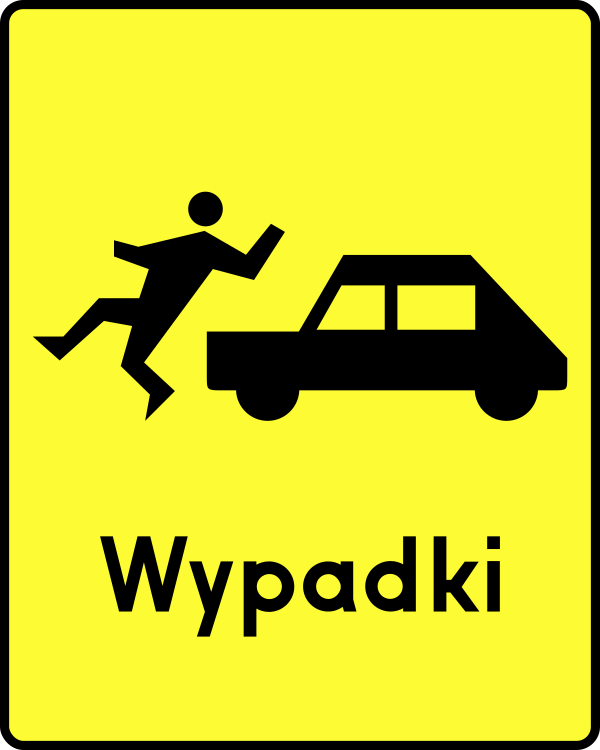
T-14: Beware of Frequent Pedestrian Accidents Ahead!
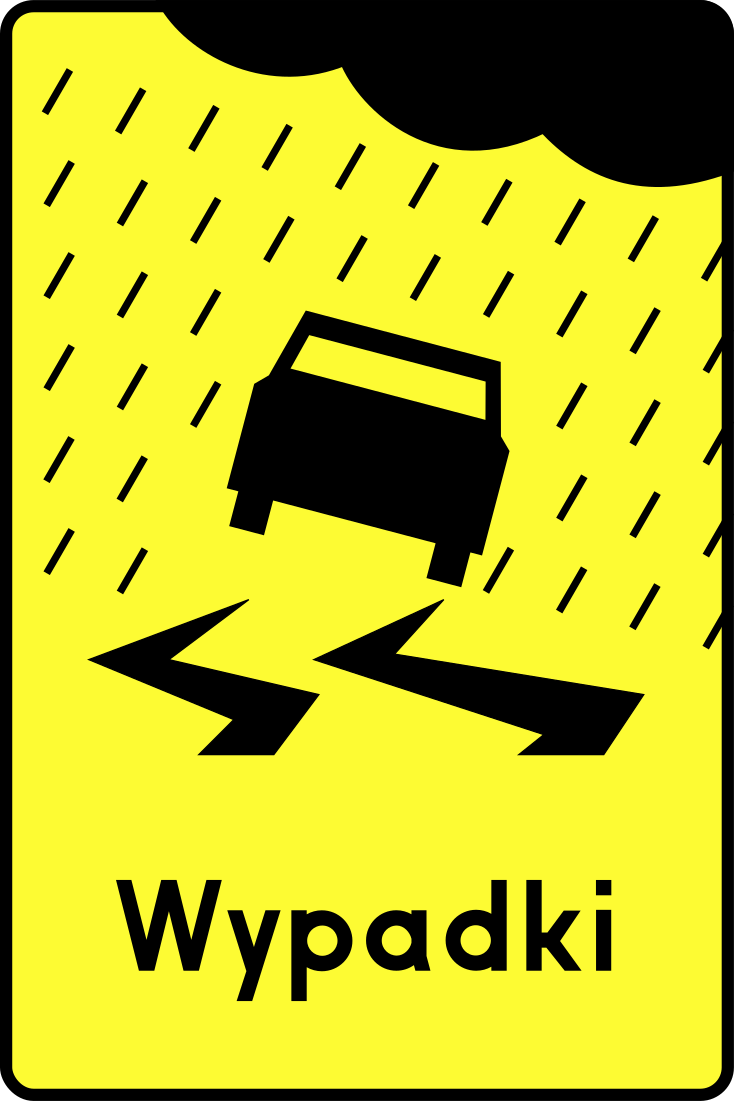
Beware: This Road Can Become Extremely Slippery When Wet!
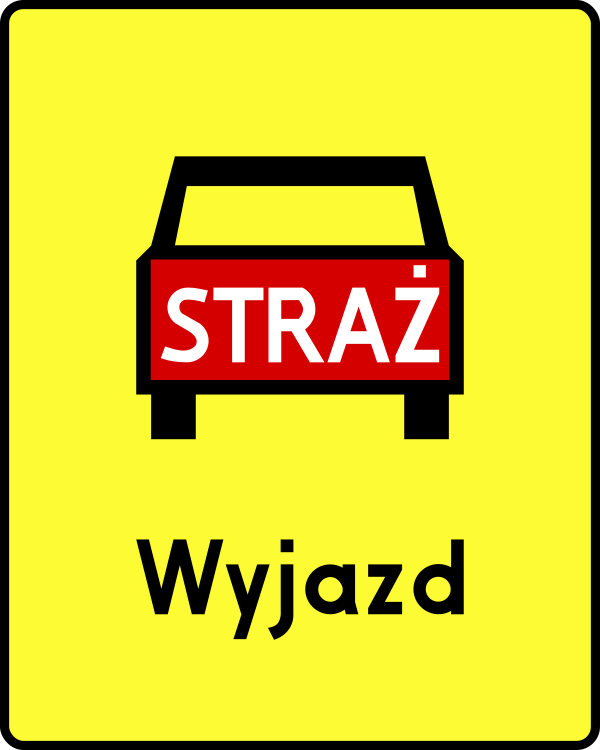
Prepare for sudden fire truck departures with the T-16 Fire Engine Exit sign.
Deepen your understanding of specific road signs by reviewing official Polish traffic rules and associated real-world driving scenarios. These expert-led resources help you bridge the gap between visual recognition and practical exam application.
Learn the essential Polish regulations for keeping a safe distance from the vehicle ahead, including the vital 3-second rule for general conditions and the specific speed-dependent distances required on motorways and expressways. This knowledge is crucial for safe driving in Poland and for successfully passing your theory test.
Discover the new Polish regulations that permit 17-year-olds to start their driving journey with a Category B license. This guide clarifies the essential conditions for supervised driving, focusing on the qualifications of the accompanying driver and the specific restrictions young drivers must adhere to. Gaining this knowledge is crucial for passing the Polish theory exam and ensuring safe, legal driving practices from day one.
Master Night Driving: Sharpen Your Skills for Polish Roads After Dark
Avoid common priority mistakes and secure your success at Polish T-junctions.
The D-26d sign displays a black shower-head silhouette with water drops. These are typically located at motorway rest areas (MOP) or large truck stops. They are especially important for professional truck drivers who spend several days on the road, but they are also available to regular motorists and campers. Having access to a shower helps drivers stay refreshed and alert.
The D-2 sign officially cancels the priority status previously granted by the D-1 sign. It appears as the standard yellow diamond but is crossed out with a thick black diagonal line. This sign is usually placed before an intersection with another priority road, an equal-priority intersection (where the 'right-hand rule' applies), or a roundabout. It serves as a critical warning for drivers to transition from 'priority' mindset to 'yielding' mindset.
After reviewing the full list of Polish road signs, explore specific sign categories for in-depth understanding. Challenge your knowledge with practice questions focused on sign recognition and interpretation to solidify your preparation for the driving theory exam.
Browse All Polish Road Signs