
The T-13 sign warns drivers of deformed road surfaces, specifically deep ruts or grooves (koleiny) often caused by heavy trucks and heat. These ruts can be dangerous, especially in wet conditions where they increase the risk of aquaplaning, or in dry conditions where they can unexpectedly affect steering. Seeing this sign means you should reduce speed and be prepared to adjust your steering carefully to maintain control, primarily finding a safer path within your lane.
This T-13 sign warns of dangerous deep ruts in the road surface, requiring careful interpretation for safe driving. Master this road sign meaning and other traffic sign explanations to excel in your theory test revision.
The T-13 plate is used with A-11 or A-30. Ruts (koleiny) are dangerous because they can trap your tires, making steering difficult, or they can fill with water, causing severe aquaplaning. In dry weather, they can cause a car to 'jump' out of the groove unexpectedly. Drivers should try to drive slightly offset from the ruts or reduce speed significantly to maintain control over the vehicle's direction.
Warns of deep ruts (grooves) in the road surface caused by heavy trucks and heat.
Get clear, practical answers to the most common questions about the T-13 - Deformed Surface (Rutting) road sign. Learn how the sign works, what rules it represents, and how it affects real driving situations. This FAQ strengthens your understanding and supports accurate decision making for the Polish driving theory exam in Poland.
The T-13 sign is a warning sign that alerts you to the presence of deep ruts or grooves in the road surface, known as 'koleiny'. These are often found in lanes used by heavy vehicles and can pose a significant hazard.
Road ruts are dangerous because they can trap your tires, making steering difficult. In wet weather, they can fill with water, leading to a high risk of aquaplaning. In dry conditions, they can cause your vehicle to unexpectedly jump out of the groove, affecting your control.
Upon seeing the T-13 sign, you must reduce your speed significantly. Hold the steering wheel firmly with both hands and be prepared to make slight adjustments to avoid the deepest parts of the ruts, ensuring you maintain control of your vehicle's direction.
Road ruts are most commonly found in the right-hand lanes of national roads where there is a high volume of heavy transit traffic. These conditions are more prevalent in warmer weather when the asphalt can soften.
A common exam trap is not understanding the severity of aquaplaning risk when ruts are present and it's raining. Learners might also forget the importance of a firm grip on the steering wheel and that fighting the wheel is less effective than slowing down to regain control.
Overtaking is generally not advisable when the T-13 sign is displayed, especially if the ruts are deep or the weather is poor. Loss of traction during the maneuver in the ruts can be unpredictable and dangerous, so it's safer to wait until the road surface improves.
A clear reference image of the T-13 - Deformed Surface (Rutting) road sign used in Poland.
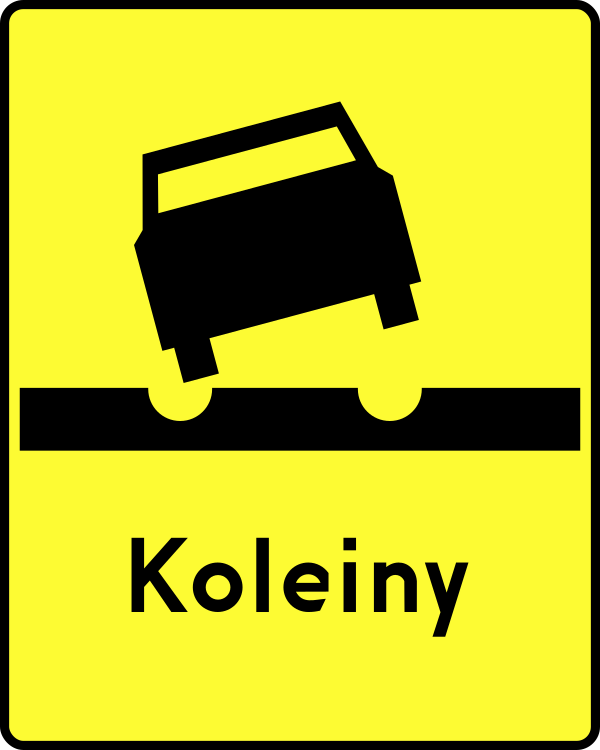
The T-13 - Deformed Surface (Rutting) road sign may also be known by these alternative names or terms.
The T-13 - Deformed Surface (Rutting) road sign is part of the Supplementary Plates (T) category, which groups together signs with similar rules and functions.
Reviewing similar road signs alongside the 'Rutting Hazard' (T-13) helps solidify your understanding and reduces confusion during your theory test revision. Effective traffic sign comparison is key to accurate recognition and fewer mistakes on exam day.
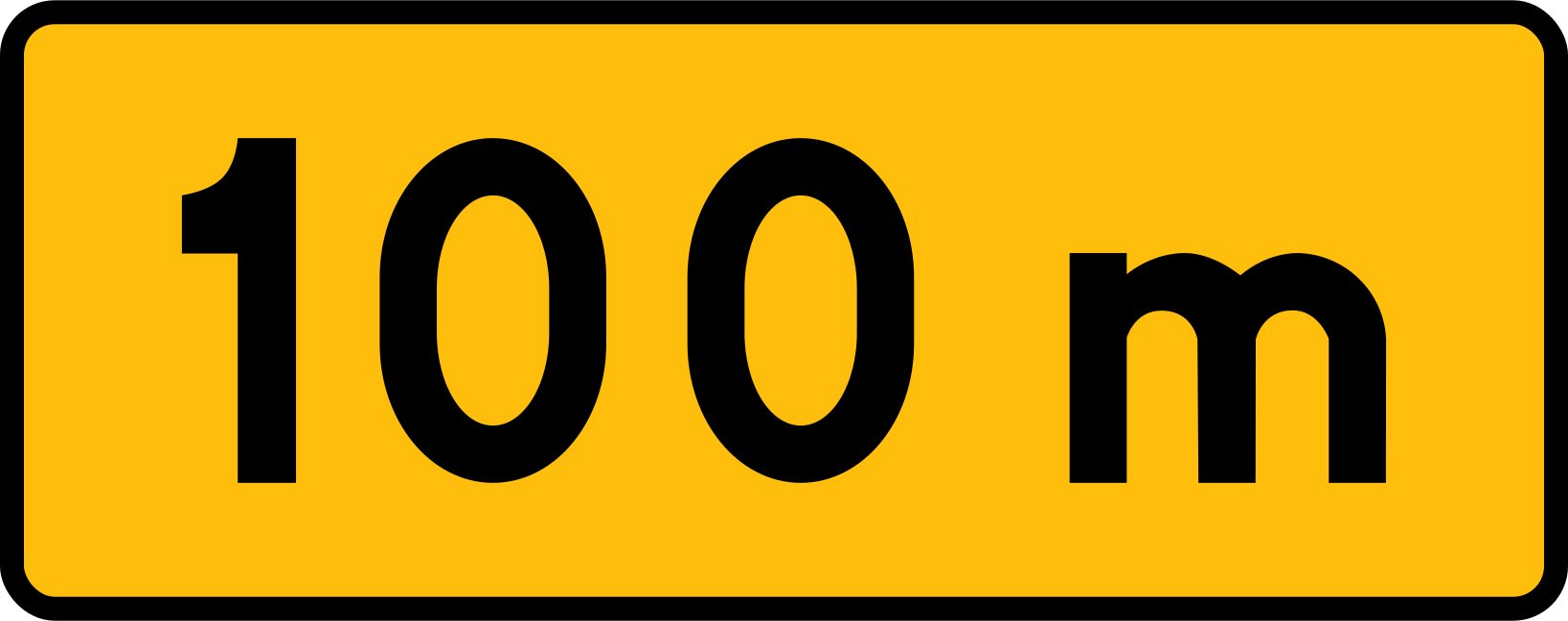
Understand the T-1 'Distance to Hazard' Plate for Safe Driving
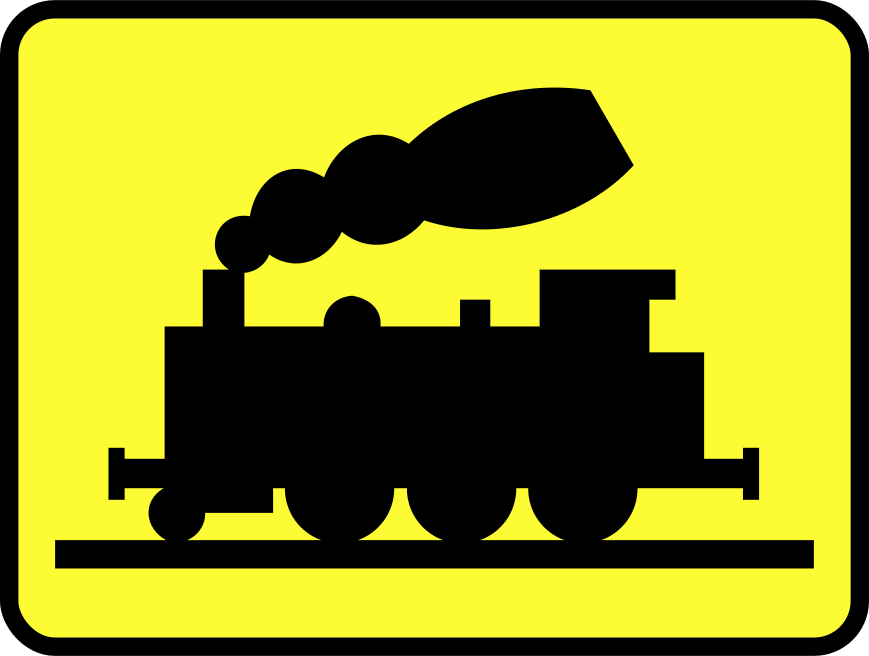
Beware of the T-10 sign: Industrial Railway Siding Ahead
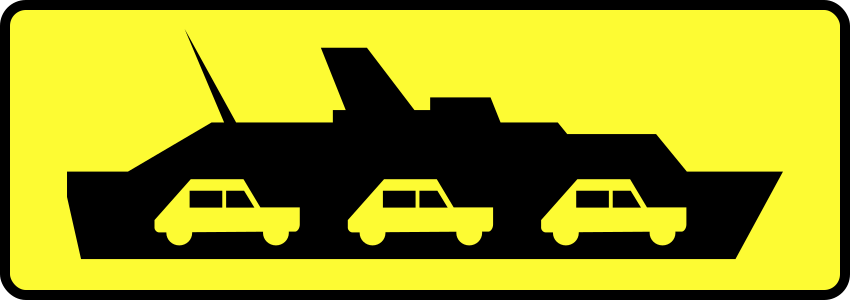
Prepare for a Ferry Crossing with the T-11 Warning Sign
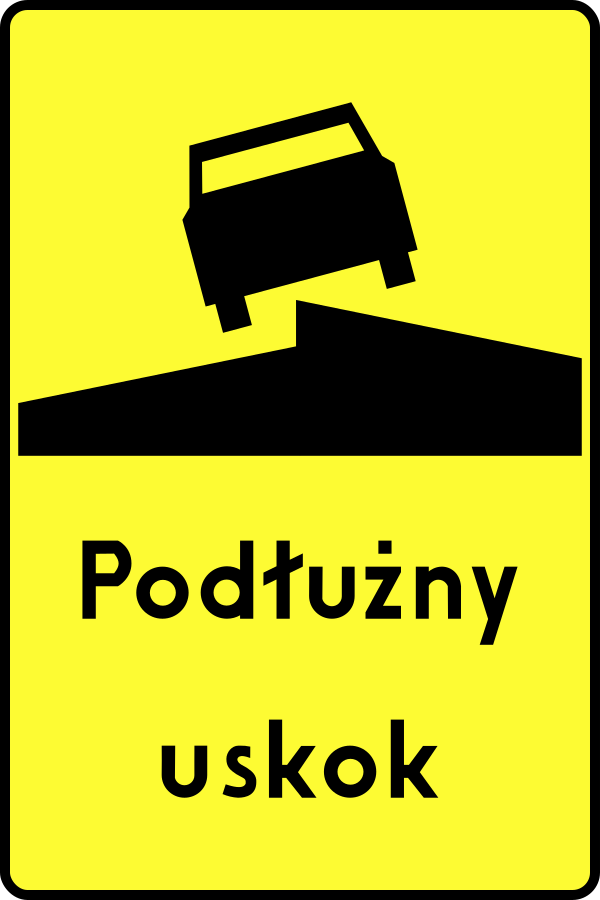
Watch out for the T-12 sign warning of a longitudinal step in the road surface!
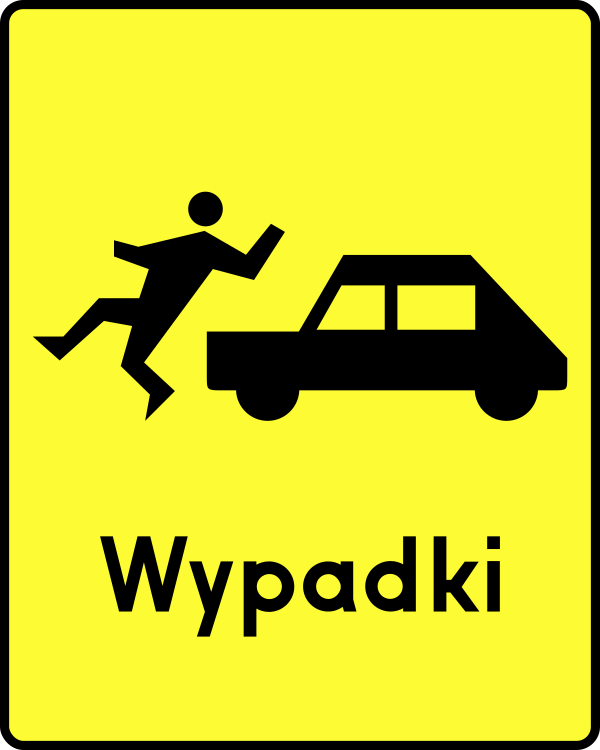
T-14: Beware of Frequent Pedestrian Accidents Ahead!
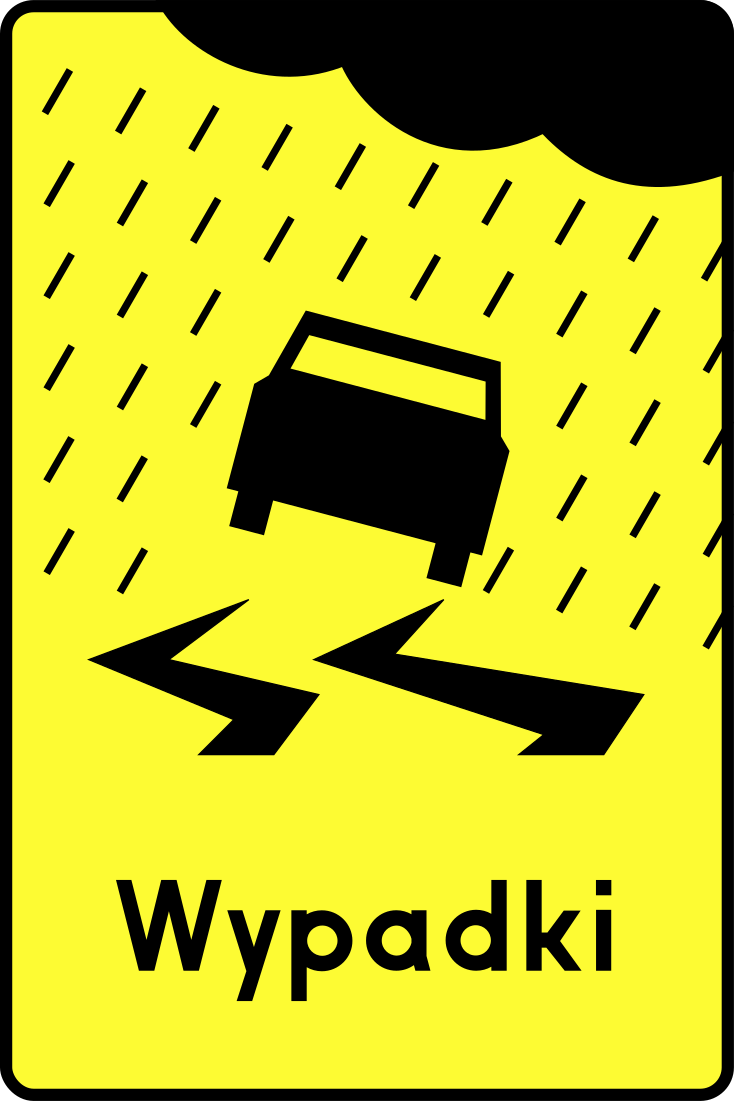
Beware: This Road Can Become Extremely Slippery When Wet!
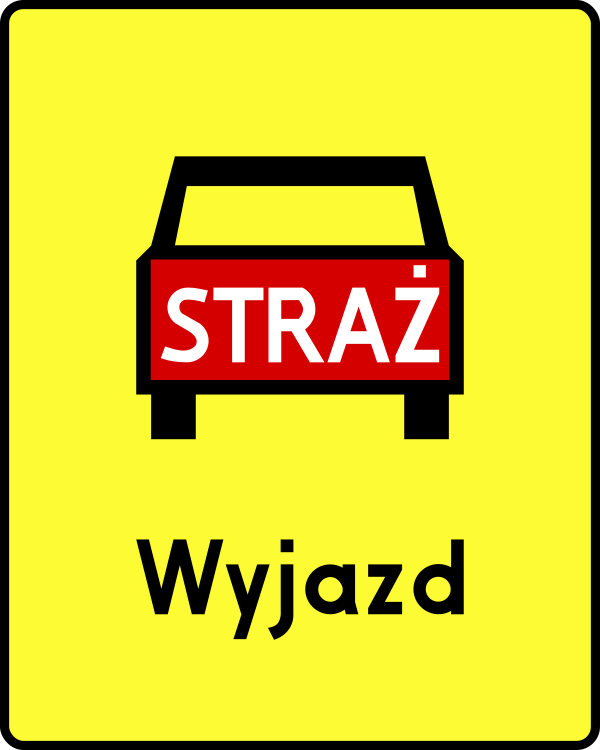
Prepare for sudden fire truck departures with the T-16 Fire Engine Exit sign.
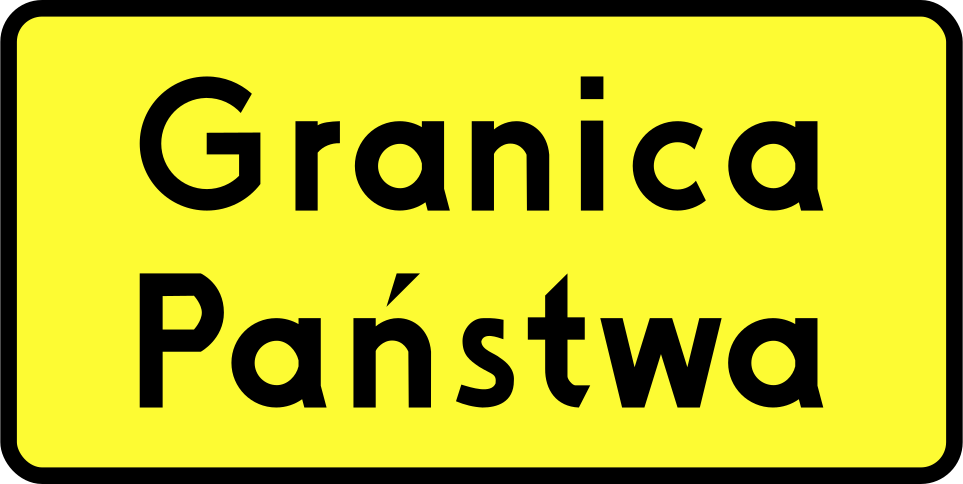
The T-17 State Border sign warns you that you are approaching an international boundary.
Deepen your understanding of specific road signs by reviewing official Polish traffic rules and associated real-world driving scenarios. These expert-led resources help you bridge the gap between visual recognition and practical exam application.
Gain a comprehensive understanding of what vehicles you are legally permitted to drive with a Category B licence in Poland, with a special focus on towing. This guide will break down the combined weight limits for car and trailer combinations, highlighting the specific regulations that are frequently tested in the Polish driving theory examination. Ensure you know your entitlements to avoid common errors and drive safely.
When selling a car in Poland, you have specific legal duties regarding insurance and registration that must be met promptly. This article clarifies these seller obligations, including the crucial 14-day window to inform your insurer and the 30-day deadline to notify the relevant communication department, ensuring a smooth and compliant transfer of ownership for both parties.
Master the Dangers of Aquaplaning and Drive Safely in Challenging Polish Wet Conditions.
Don't Be a Road Block: Master Minimum Speeds and Smooth Traffic Flow for Your Polish Exam!
The A-18a sign is placed in agricultural areas where animals are regularly moved between pastures or to and from farms. Large animals can cause immense damage to a vehicle and serious injury to occupants in a collision. They can also be easily spooked by loud noises. If you see animals on the road, you should slow down to a crawl or stop until they have passed.
The word 'BUS' painted on the road identifies a lane dedicated to public transit. In many Polish cities, taxis, emergency services, and sometimes motorcycles or electric cars are also allowed to use these lanes (this will be specified by vertical signs). Regular car drivers must stay out of these lanes to ensure buses can bypass traffic jams and stay on schedule.
After reviewing the full list of Polish road signs, explore specific sign categories for in-depth understanding. Challenge your knowledge with practice questions focused on sign recognition and interpretation to solidify your preparation for the driving theory exam.
Browse All Polish Road Signs