
The T-1a supplementary plate, often seen with information signs from Group D, indicates the remaining distance to the start or end of a specific road type, such as an expressway or a bus lane. It serves as a crucial countdown, allowing drivers to safely adjust their speed and position well in advance of changes in traffic rules or lane configurations. Paying attention to this sign helps ensure smooth transitions and safe driving, particularly on high-speed roads.
The T-1a supplementary plate is vital for drivers navigating Polish roads, as it indicates the distance to the start or end of specific road types like motorways or bus lanes, requiring you to anticipate rule changes. Mastering this road sign meaning and its practical sign interpretation is crucial for making timely driving decisions and for success in your Polish driving theory test.
The T-1a plate is placed under information signs (Group D) to provide a countdown to a change in road status. It is most commonly seen with signs for expressways (D-7/D-8), motorways (D-9/D-10), bus lanes (D-11), or slow-moving traffic lanes (D-13). It allows drivers to safely transition between different sets of rules, such as increasing speed for an expressway or merging out of a lane that is about to end.
Indicates the remaining distance to the start or end of a specific road type, such as an expressway or a bus lane.
Get clear, practical answers to the most common questions about the T-1a - Distance to Information Sign Start or End road sign. Learn how the sign works, what rules it represents, and how it affects real driving situations. This FAQ strengthens your understanding and supports accurate decision making for the Polish driving theory exam in Poland.
The T-1a supplementary plate is placed under certain information signs (Group D) to show drivers how much distance remains until a specific road feature begins or ends. For example, it might count down to the start of an expressway or the end of a bus lane, helping you prepare for a change in traffic regulations.
When you see the T-1a sign, you should start preparing for the upcoming change indicated by the main sign above it. This could mean gradually adjusting your speed, planning a lane change, or ensuring you are in the correct lane before reaching the indicated point. It’s about proactive driving rather than reacting at the last moment.
A common exam trap is not understanding that the T-1a sign is a countdown. Learners might think it's just information without a specific behavioural requirement. It's crucial to remember that it prompts you to prepare for an upcoming action, like merging or changing speed, well in advance of the actual change.
The T-1a plate is most commonly found with signs that denote a change in road type or lane status. This includes signs for expressways (like D-7/D-8), motorways (D-9/D-10), bus lanes (D-11), or lanes designated for slow-moving traffic (D-13).
Yes, especially if the main sign indicates the end of your current lane or a transition to a different road type. The T-1a sign provides the necessary warning time. Failing to prepare for lane changes in advance can lead to sudden maneuvers, which are dangerous, especially at higher speeds, and can be a reason for failing your driving test.
A clear reference image of the T-1a - Distance to Information Sign Start or End road sign used in Poland.
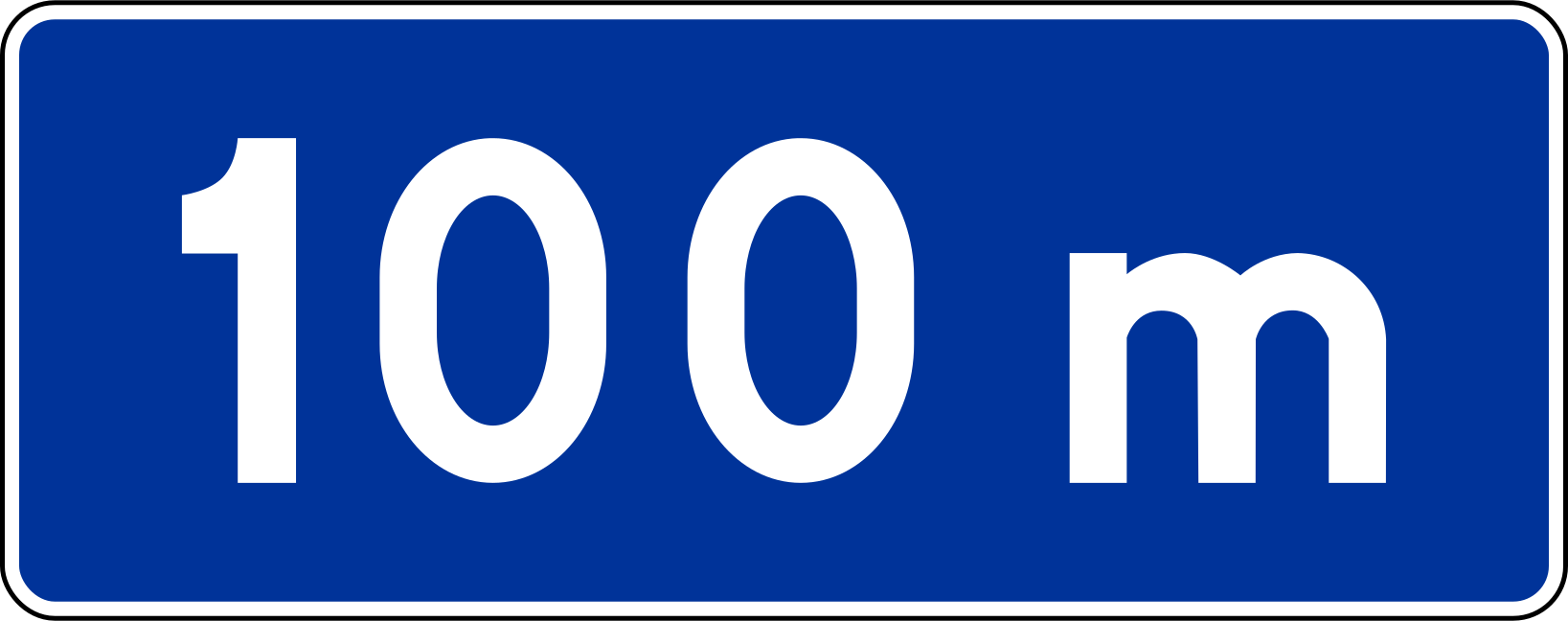
The T-1a - Distance to Information Sign Start or End road sign may also be known by these alternative names or terms.
The T-1a - Distance to Information Sign Start or End road sign is part of the Supplementary Plates (T) category, which groups together signs with similar rules and functions.
Understanding similar road signs is crucial for accurate recognition and fewer errors on your theory test. Comparing these related traffic signs aids memory and reinforces correct responses, vital for your driving knowledge revision.
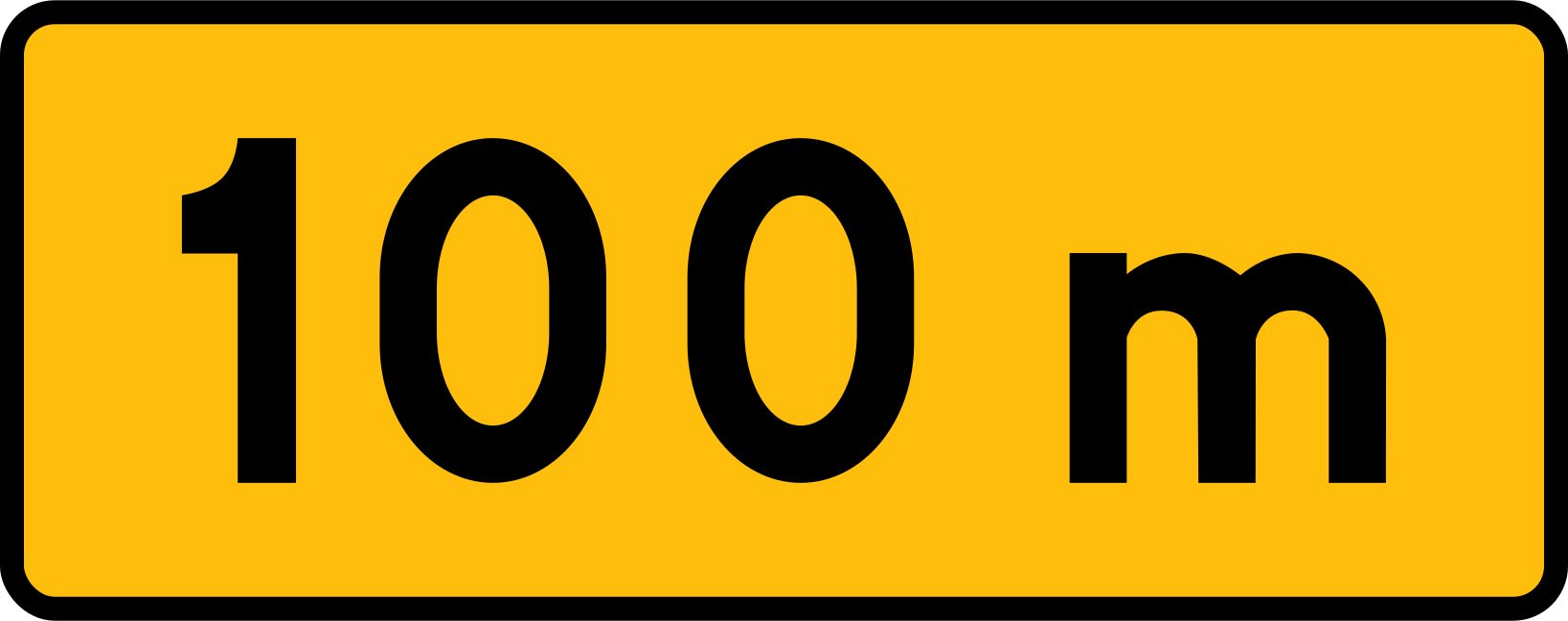
Understand the T-1 'Distance to Hazard' Plate for Safe Driving
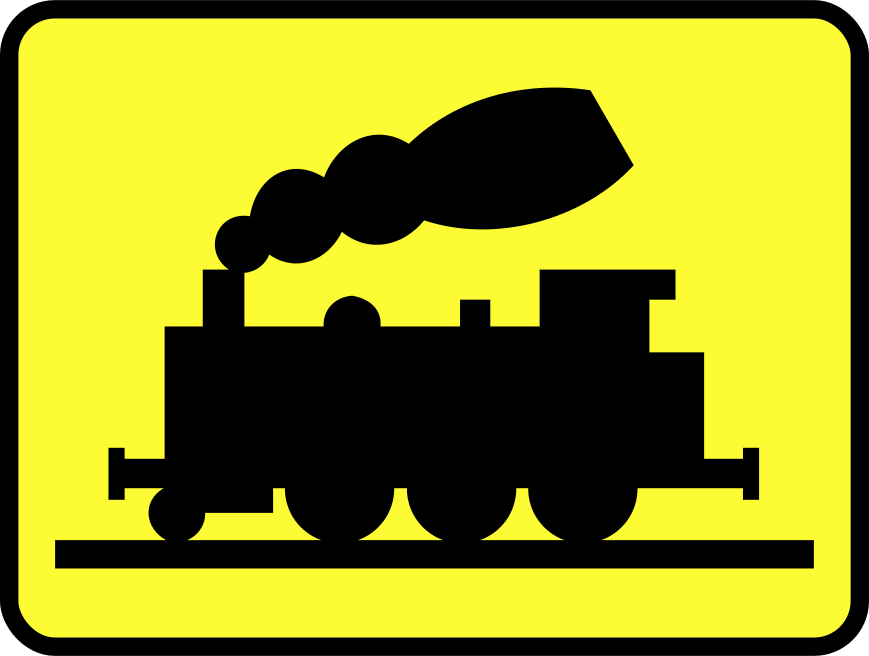
Beware of the T-10 sign: Industrial Railway Siding Ahead
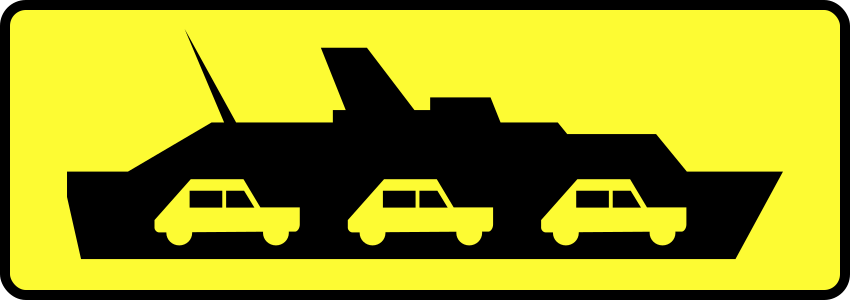
Prepare for a Ferry Crossing with the T-11 Warning Sign
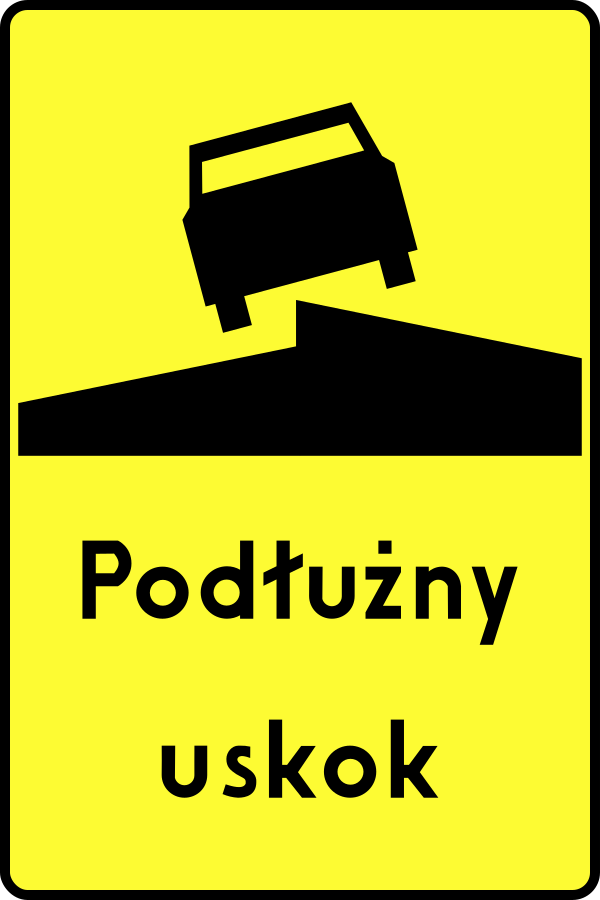
Watch out for the T-12 sign warning of a longitudinal step in the road surface!
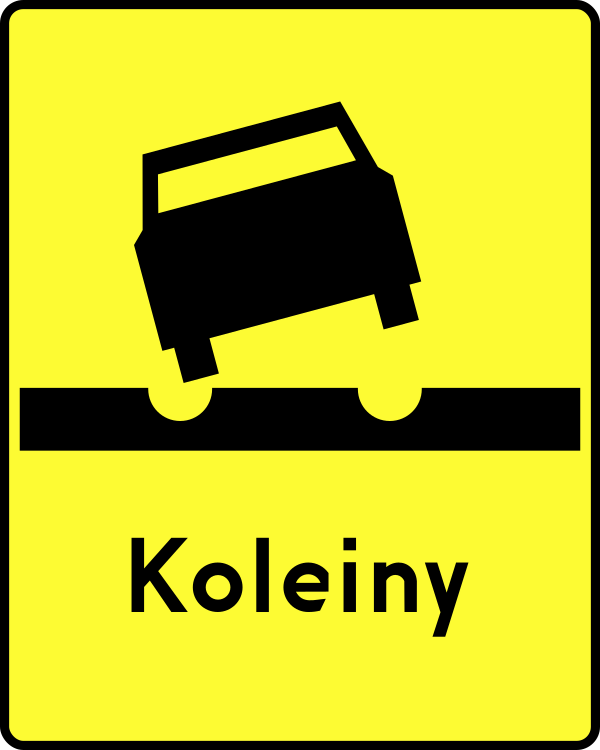
Warning: Deep Road Surface Ruts Ahead (T-13)
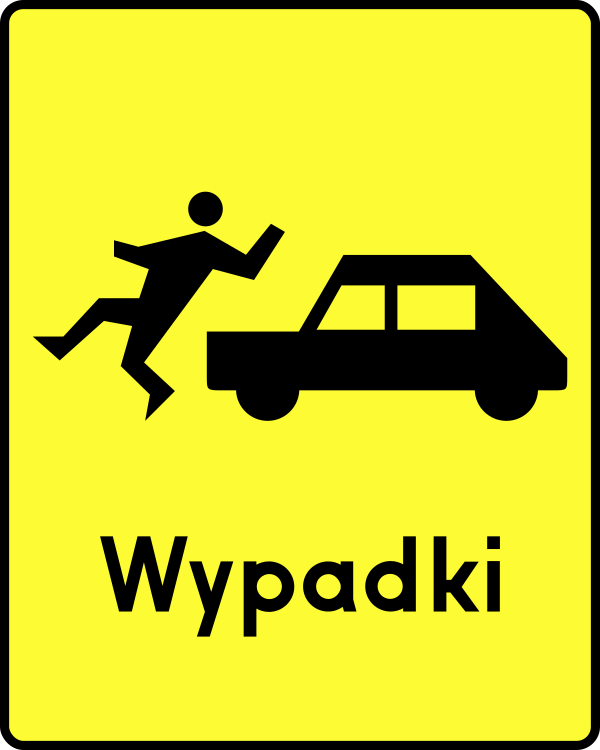
T-14: Beware of Frequent Pedestrian Accidents Ahead!
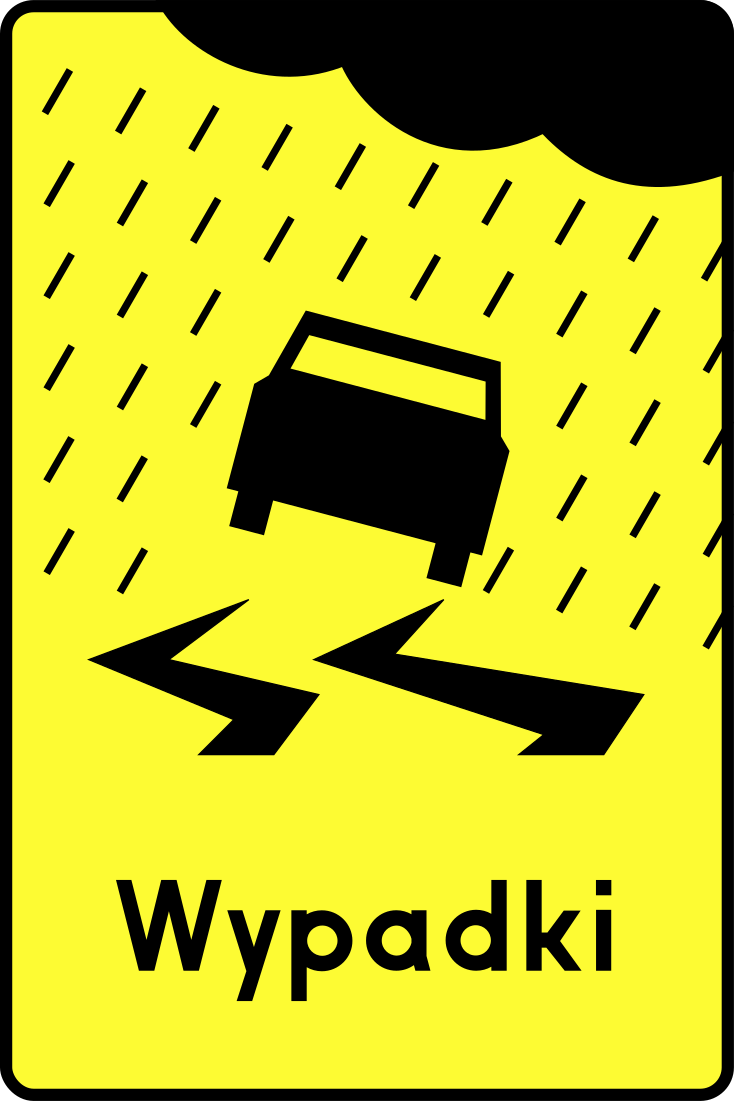
Beware: This Road Can Become Extremely Slippery When Wet!
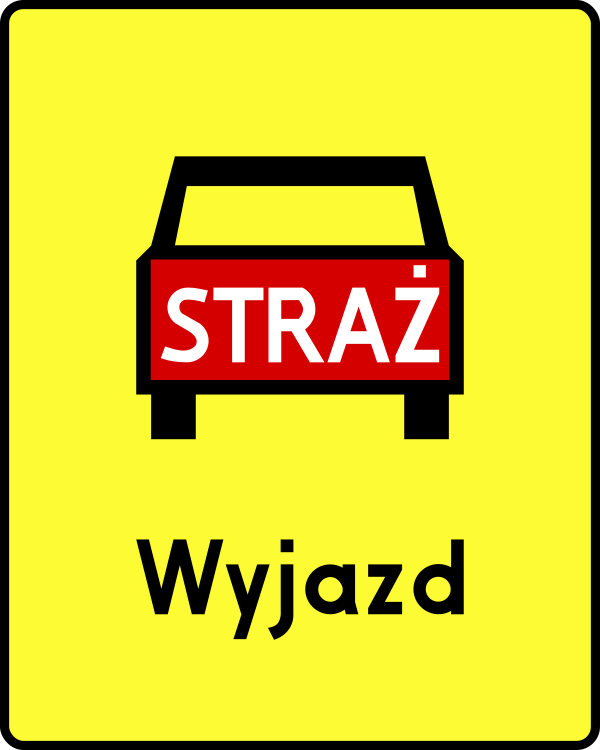
Prepare for sudden fire truck departures with the T-16 Fire Engine Exit sign.
Deepen your understanding of specific road signs by reviewing official Polish traffic rules and associated real-world driving scenarios. These expert-led resources help you bridge the gap between visual recognition and practical exam application.
Master Your Duties: Avoid Severe Penalties for Leaving an Accident Scene in Poland.
When selling a car in Poland, you have specific legal duties regarding insurance and registration that must be met promptly. This article clarifies these seller obligations, including the crucial 14-day window to inform your insurer and the 30-day deadline to notify the relevant communication department, ensuring a smooth and compliant transfer of ownership for both parties.
Learning how to interact with law enforcement is a crucial part of your driver training in Poland, as it helps you understand the legal procedures governing roadside controls. This guide clarifies how officers identify themselves, what behaviors are expected of you as a driver, and how traffic enforcement impacts your penalty points and record. Mastery of these rules ensures you remain compliant with the law and prepared for any roadside situation you may encounter.
Master Your Rights and Obligations During a Polish Roadside Inspection
The D-18b sign indicates a parking area that is protected from the elements. This could be a multi-story parking garage, an underground facility, or a simple roofed structure. This is particularly useful information for drivers during heavy snow, rain, or hail. Just like the standard parking sign, it may include information about disabled access (T-29) or specific vehicle restrictions.
The R-4 sign is a general informational marker. It can show the name of the trail, its total length, or its logo. It is often used as a 'welcome' sign or to identify a route that is part of a larger network (like the Green Velo or EuroVelo). It confirms to the cyclist that the path they are on is an officially recognized and maintained route.
After reviewing the full list of Polish road signs, explore specific sign categories for in-depth understanding. Challenge your knowledge with practice questions focused on sign recognition and interpretation to solidify your preparation for the driving theory exam.
Browse All Polish Road Signs