
The T-14 sign is a crucial warning that the location ahead is a known accident blackspot for pedestrians. It specifically indicates an area where multiple accidents involving pedestrians have occurred, often due to them crossing unexpectedly or not being clearly visible. Drivers must exercise extreme caution, reduce speed significantly below the limit, and be constantly vigilant for people stepping into the road, even away from formal crossings. This sign demands your full attention to ensure safety.
This T-14 sign indicates a location with a high history of pedestrian accidents, demanding immediate driver vigilance. Learn the specific meaning and interpretation of this critical warning for your theory test revision.
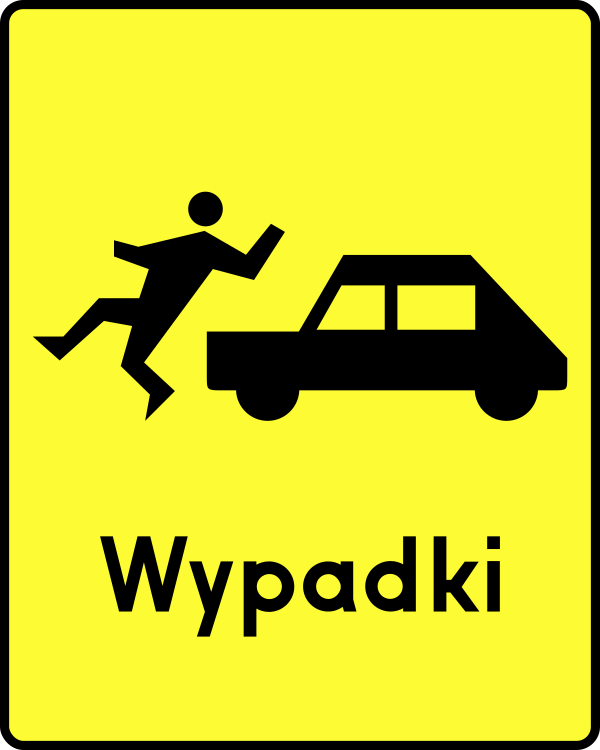
The T-14 plate is an 'accident blackspot' indicator. This specific version shows a silhouette of a car hitting a pedestrian. It is used where at least four such accidents have occurred in a year. It tells the driver that despite how the road looks, pedestrians often cross here or are not visible until it's too late. It demands extreme vigilance and a readiness to brake at any moment.
Warns that this specific location has a history of many accidents involving pedestrians.
Get clear, practical answers to the most common questions about the T-14 - Frequent Pedestrian Accidents road sign. Learn how the sign works, what rules it represents, and how it affects real driving situations. This FAQ strengthens your understanding and supports accurate decision making for the Polish driving theory exam in Poland.
The T-14 sign warns drivers that the area ahead has a history of frequent accidents involving pedestrians. It signifies a dangerous spot where pedestrians may cross unexpectedly or be difficult to see, demanding heightened driver awareness and caution.
Upon seeing the T-14 sign, you must immediately reduce your speed, scan the sidewalks and road edges constantly, and be prepared to brake suddenly. Assume pedestrians might enter the roadway at any moment, even outside of designated crossing points. Vigilance is key.
No, speeding through a zone marked with the T-14 sign, even if it appears clear, is strictly prohibited and dangerous. The sign indicates a persistent risk, and pedestrians could emerge suddenly. Always maintain a cautious speed and be alert.
On theory exams, the T-14 sign tests your understanding of high-risk areas and your ability to demonstrate defensive driving. You'll be assessed on your knowledge that such signs require a significant reduction in speed and increased observation, rather than assuming safety based on current road conditions.
The T-14 sign specifically highlights the risk of pedestrians crossing outside of formal crossings. If a pedestrian steps out, even away from a designated crossing, you must be prepared to yield or brake immediately. Your ability to react promptly is paramount for safety in these identified high-risk zones.
A clear reference image of the T-14 - Frequent Pedestrian Accidents road sign used in Poland.
The T-14 - Frequent Pedestrian Accidents road sign may also be known by these alternative names or terms.
The T-14 - Frequent Pedestrian Accidents road sign is part of the Supplementary Plates (T) category, which groups together signs with similar rules and functions.
Comparing this warning sign with similar traffic signs aids recognition and reinforces your understanding of Polish road rules. Effective sign recognition is key for successful theory test revision and safe driving.
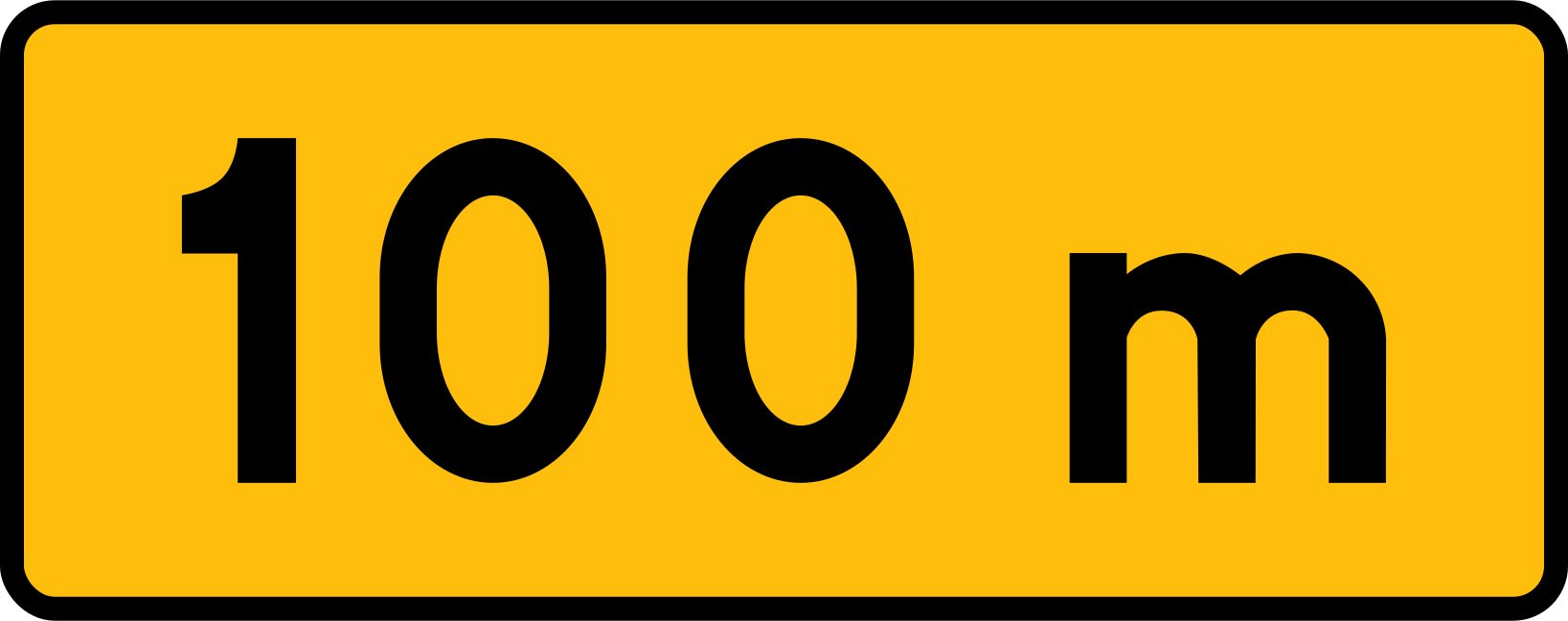
Understand the T-1 'Distance to Hazard' Plate for Safe Driving
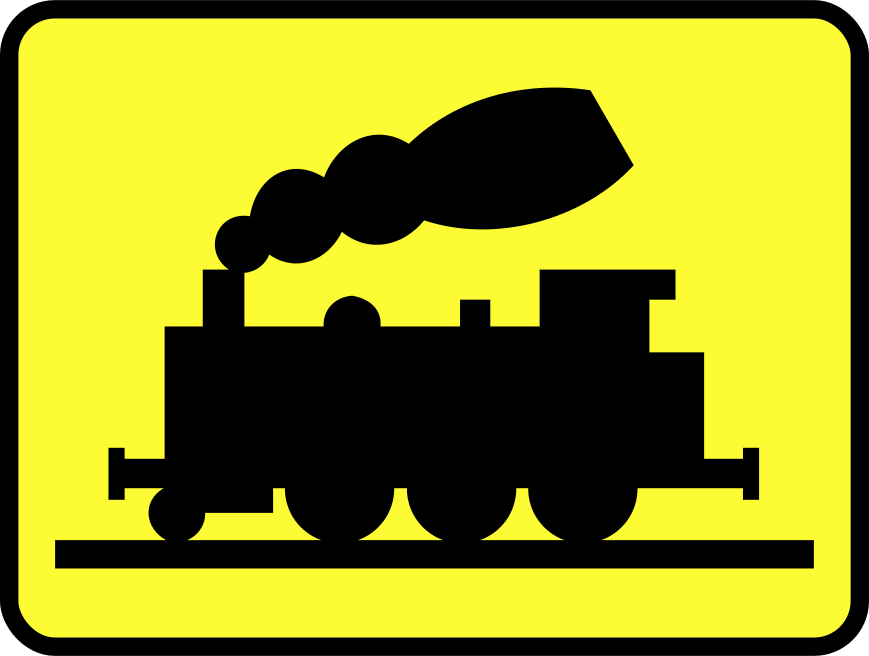
Beware of the T-10 sign: Industrial Railway Siding Ahead
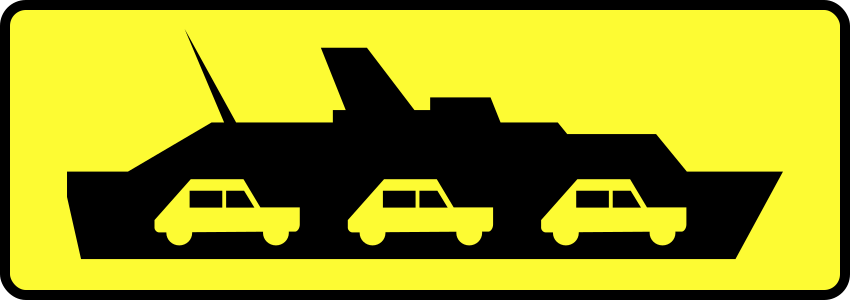
Prepare for a Ferry Crossing with the T-11 Warning Sign
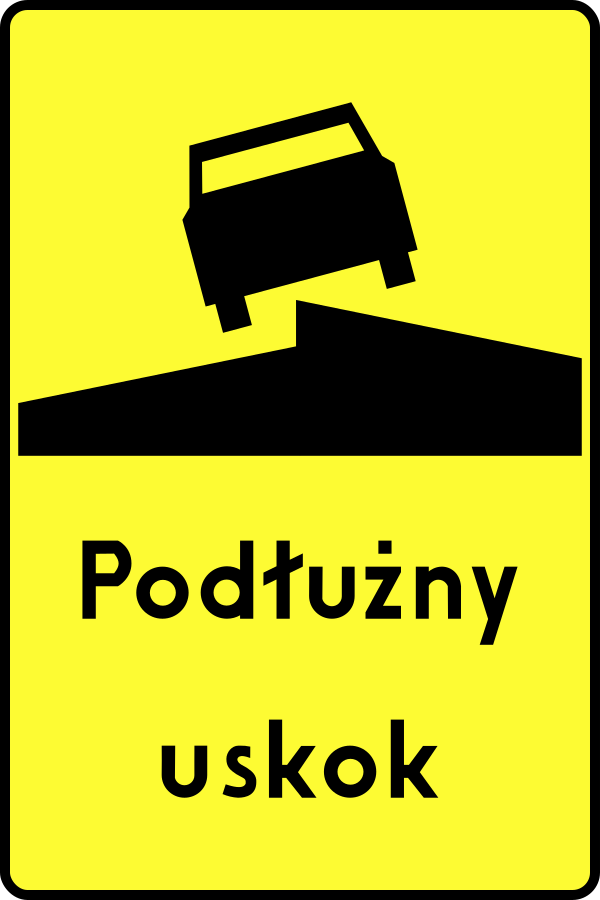
Watch out for the T-12 sign warning of a longitudinal step in the road surface!
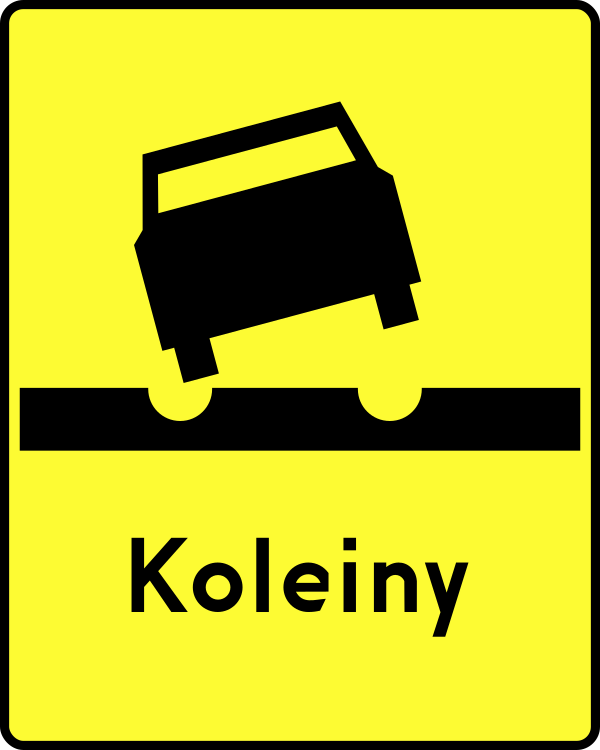
Warning: Deep Road Surface Ruts Ahead (T-13)
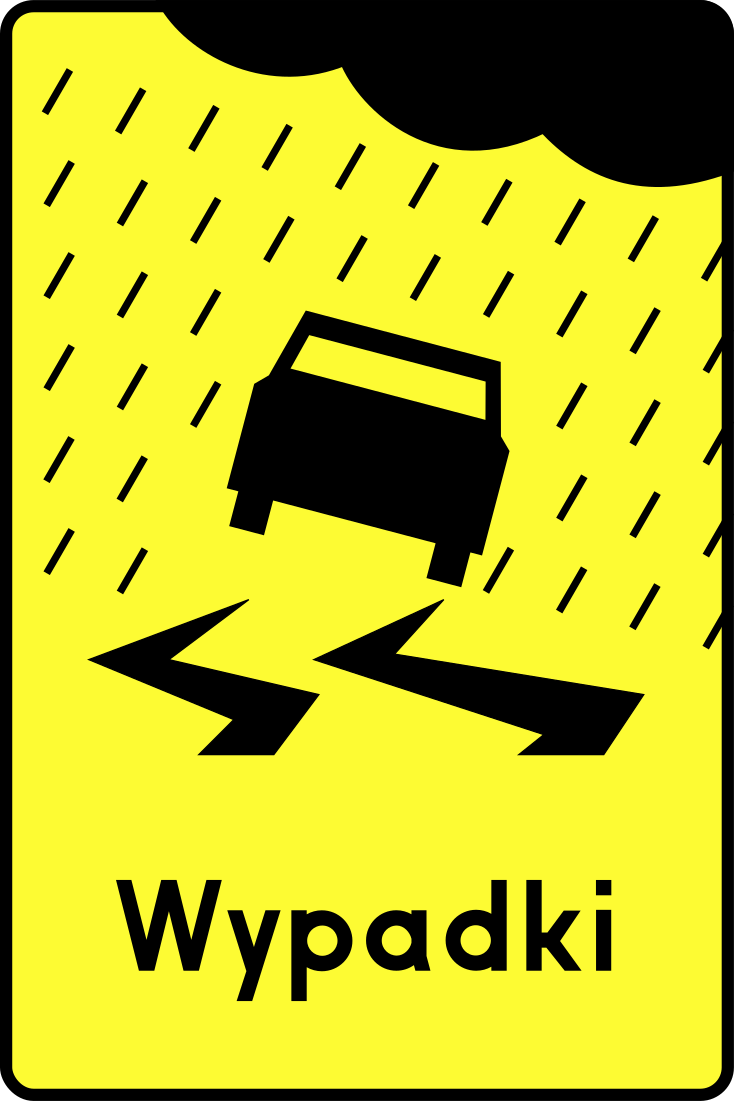
Beware: This Road Can Become Extremely Slippery When Wet!
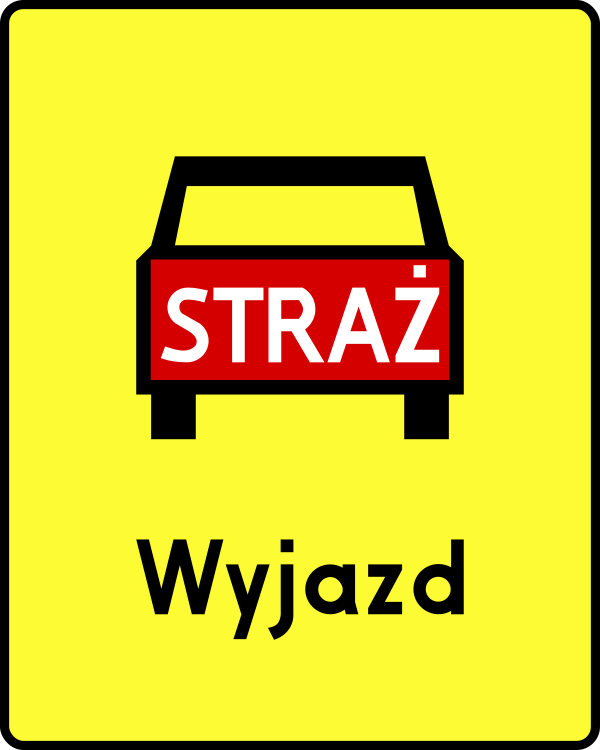
Prepare for sudden fire truck departures with the T-16 Fire Engine Exit sign.
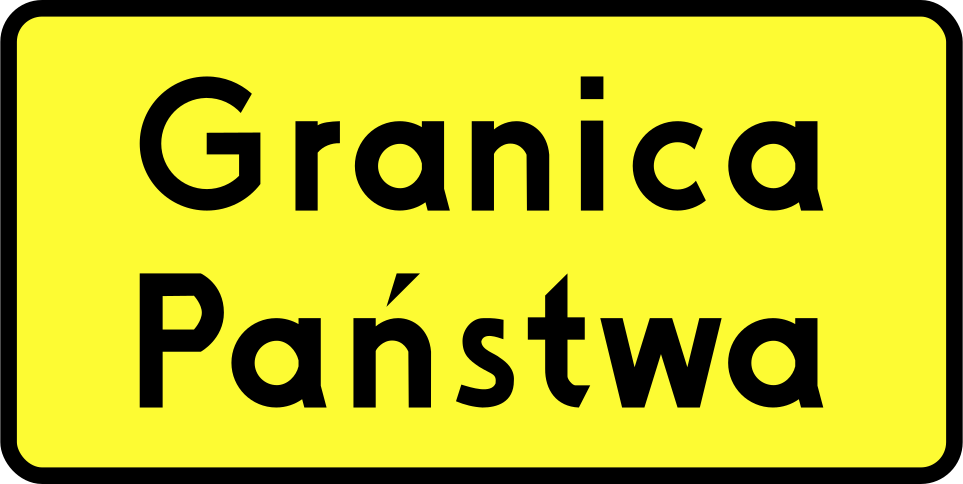
The T-17 State Border sign warns you that you are approaching an international boundary.
Deepen your understanding of specific road signs by reviewing official Polish traffic rules and associated real-world driving scenarios. These expert-led resources help you bridge the gap between visual recognition and practical exam application.
Know Your Obligations: What to Do After a Road Incident in Poland.
Master Polish Rules for Accidents and Emergencies to Drive Responsibly and Pass Your Exam
Being involved in a car accident in Poland requires immediate, specific actions to ensure safety and legal compliance. This guide clarifies your obligations, from securing the accident scene and rendering aid to reporting the incident correctly. Mastering these post-accident procedures is vital for safe driving and is a common focus area in the Polish driving theory exam.
Assisting at a road accident in Poland presents unique challenges during nighttime or when visibility is compromised. This article explains the critical safety measures required, including the proper use of hazard lights and reflective vests (kamizelka odblaskowa), and the correct placement of warning triangles. Understanding these enhanced precautions is vital for preventing further incidents and demonstrating your preparedness for the Polish driving theory exam.
The D-34b sign acts as a summary for a rest area or a nearby town. Instead of multiple separate signs, it groups symbols together on one large blue board. For example, it might show symbols for a petrol station, a restaurant, and a hotel simultaneously. This allows drivers to see at a glance what services are available at an upcoming exit or stop without cluttering the roadside with too many individual signs.
The A-30 'Exclamation Mark' sign is a general warning. It is almost always accompanied by a descriptive plate (T-series) that explains the specific nature of the danger, such as 'Blind exit,' 'Narrow bridge,' or 'Accident blackspot.' Historically, this sign used a vertical bar instead of an exclamation mark. It tells the driver that something unusual and potentially dangerous is ahead.
After reviewing the full list of Polish road signs, explore specific sign categories for in-depth understanding. Challenge your knowledge with practice questions focused on sign recognition and interpretation to solidify your preparation for the driving theory exam.
Browse All Polish Road Signs