
The T-27 sign, affectionately known as 'Agatka', is a crucial warning for drivers, indicating an area where children frequently cross the road. Typically placed under D-6 or D-6b signs, it specifically alerts you to school zones where children aged 7 to 15 are likely to be present. Due to their unpredictable nature and lower road awareness, drivers must exercise extreme caution, reduce speed significantly, and be prepared to stop immediately. This sign is vital for ensuring the safety of young pedestrians, especially during school commute times.
The 'Agatka' T-27 supplementary plate warns of children frequently crossing, mandating immediate caution and reduced speed under Polish traffic rules. Correct traffic sign explanation for this plate is vital for your theory test revision, ensuring you grasp the hazards and driver obligations in school zones.
Known in Poland as 'Agatka', this plate features a silhouette of a girl holding a lollipop sign. It is placed under D-6 or D-6b signs. It informs drivers that they are in a school zone where children aged 7 to 15 are likely to be crossing. Children often have less road awareness and might run into the street. This sign mandates extreme caution, a reduction in speed, and a high level of preparedness to stop.
Warns of a crossing that is heavily used by children, typically near schools or playgrounds.
Get clear, practical answers to the most common questions about the T-27 - Children Frequently Crossing (Agatka) road sign. Learn how the sign works, what rules it represents, and how it affects real driving situations. This FAQ strengthens your understanding and supports accurate decision making for the Polish driving theory exam in Poland.
The T-27 'Agatka' sign warns drivers that they are entering an area where children, typically aged 7 to 15, frequently cross the road. It's commonly found near schools or playgrounds and signifies the need for extreme caution and readiness to stop.
When you see the T-27 'Agatka' sign, you must reduce your speed to a level that allows for an immediate, safe stop. Be extra vigilant and prepared to halt your vehicle at any moment, as children may enter the road unexpectedly. Overtaking any vehicle near such a crossing is prohibited.
You should be most attentive and cautious during school start and finish times. In Poland, these peak times are typically from 7:30 to 8:30 in the morning and from 13:00 to 15:00 in the afternoon. Children are more likely to be crossing during these periods.
A common trap is assuming the danger only exists when children are visible. The T-27 sign indicates a *likelihood* of crossing, so you must maintain caution even if no children are immediately present. Another trap is not slowing down sufficiently or failing to be prepared to stop, which is crucial given children's unpredictability.
Yes, if a school crossing guard is present and holding the 'Stop-Agatka' lollipop sign, their signal takes precedence. You must obey their instructions, which often means stopping completely. However, the T-27 sign itself is a continuous warning that demands vigilance and reduced speed whenever you are in the marked zone.
A clear reference image of the T-27 - Children Frequently Crossing (Agatka) road sign used in Poland.
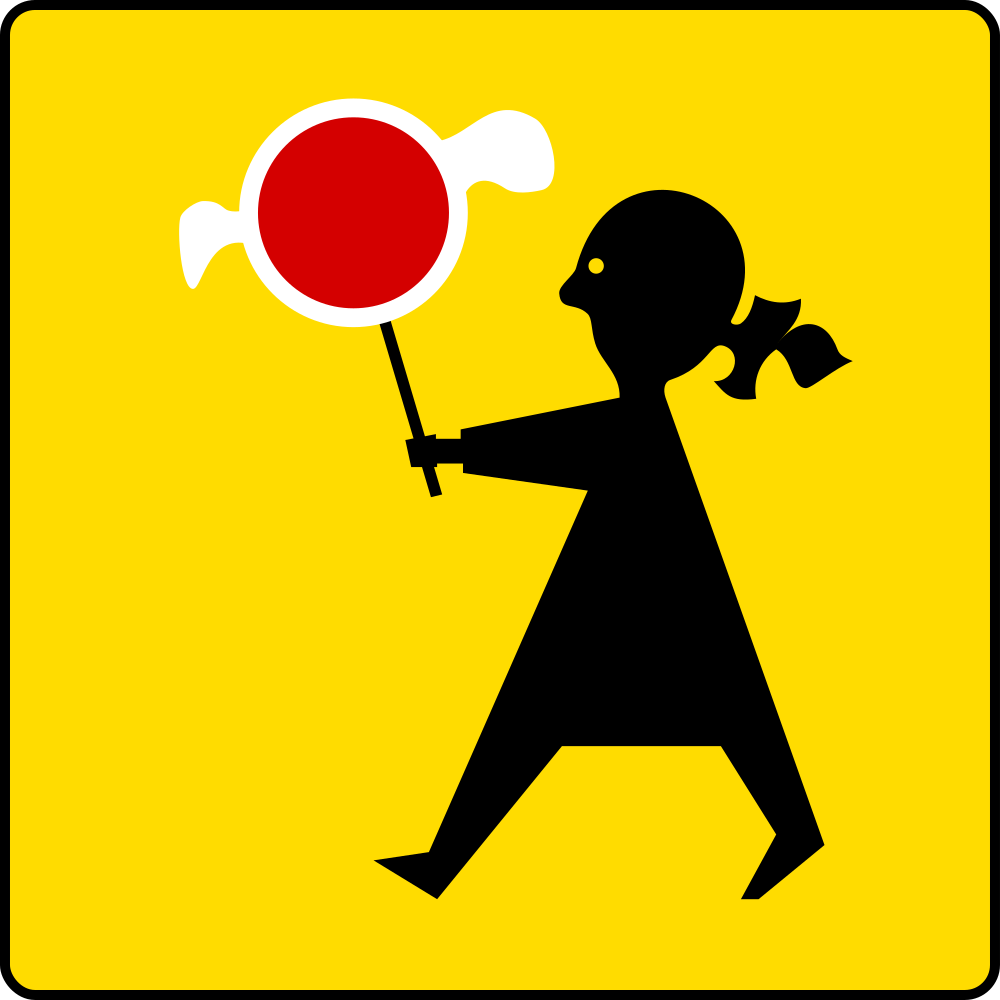
The T-27 - Children Frequently Crossing (Agatka) road sign may also be known by these alternative names or terms.
The T-27 - Children Frequently Crossing (Agatka) road sign is part of the Supplementary Plates (T) category, which groups together signs with similar rules and functions.
Reviewing related signs like the 'Agatka' Children Crossing warning helps solidify your understanding and improve recall. Comparing similar road signs is a key part of effective theory test revision, ensuring you can distinguish them under exam pressure.
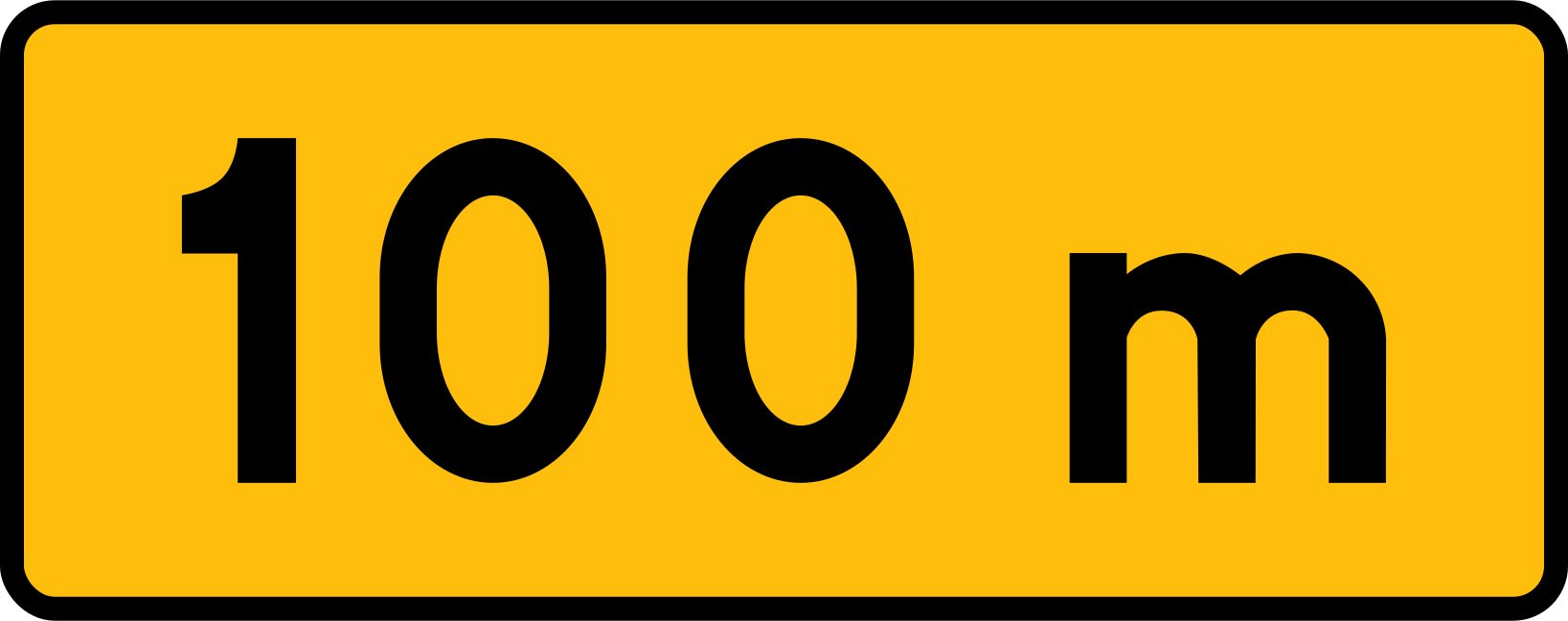
Understand the T-1 'Distance to Hazard' Plate for Safe Driving
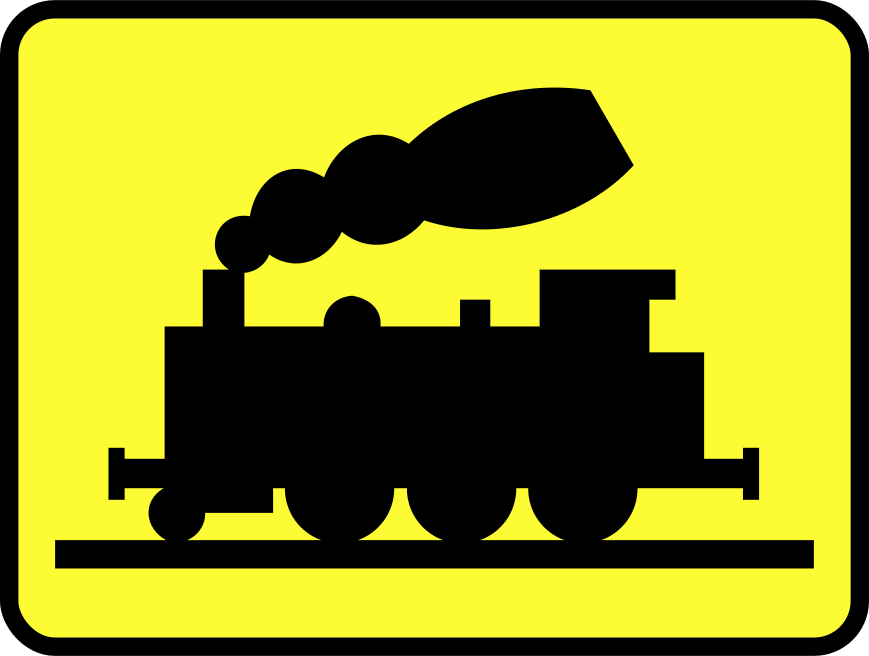
Beware of the T-10 sign: Industrial Railway Siding Ahead
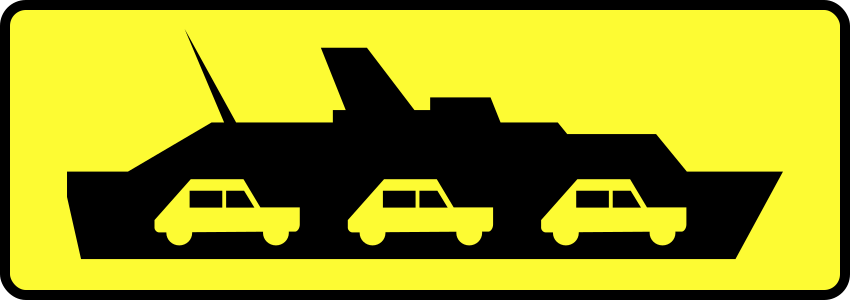
Prepare for a Ferry Crossing with the T-11 Warning Sign
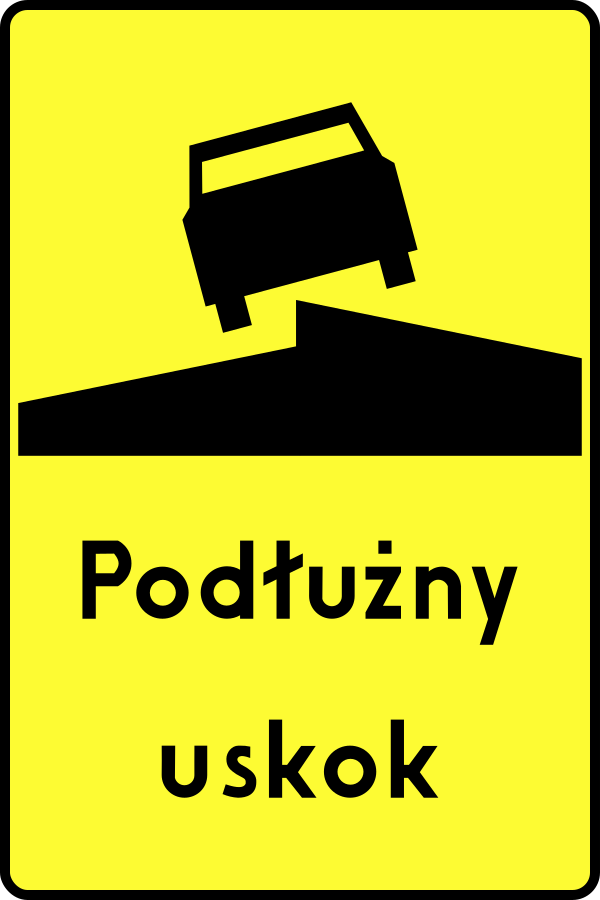
Watch out for the T-12 sign warning of a longitudinal step in the road surface!
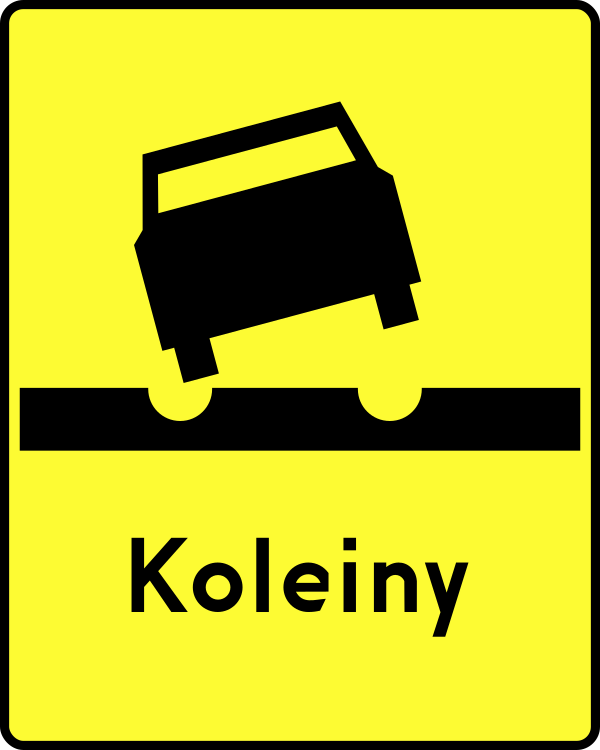
Warning: Deep Road Surface Ruts Ahead (T-13)
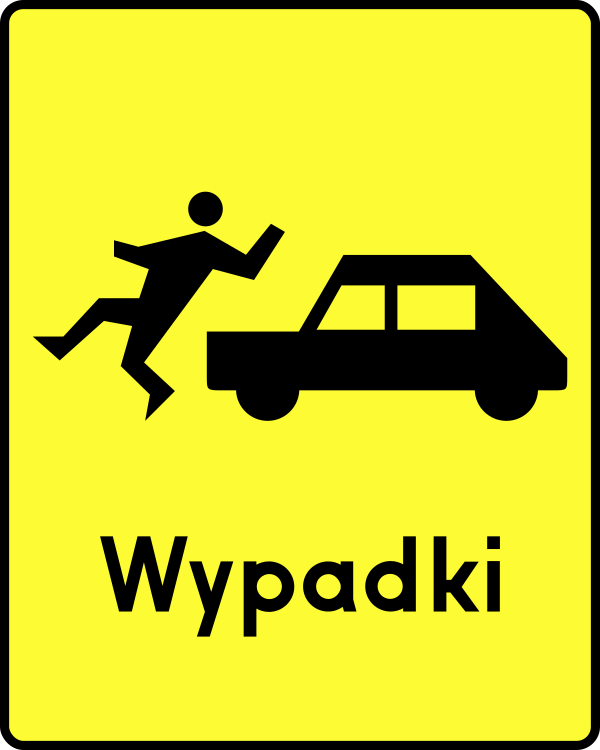
T-14: Beware of Frequent Pedestrian Accidents Ahead!
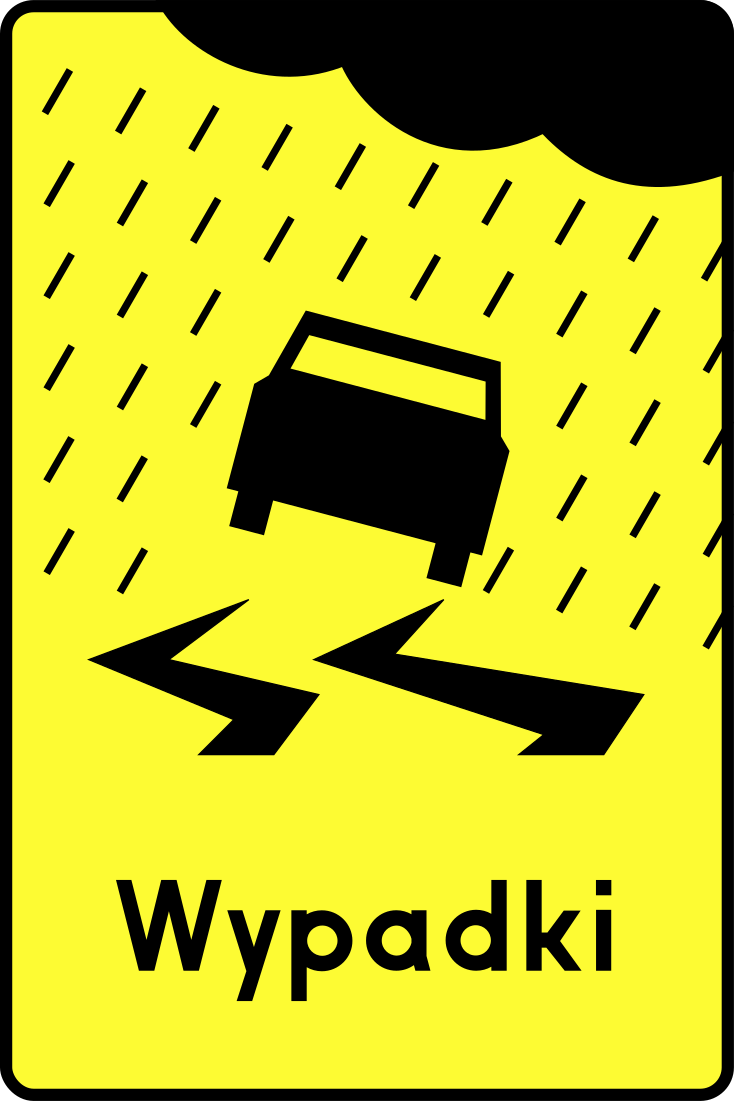
Beware: This Road Can Become Extremely Slippery When Wet!
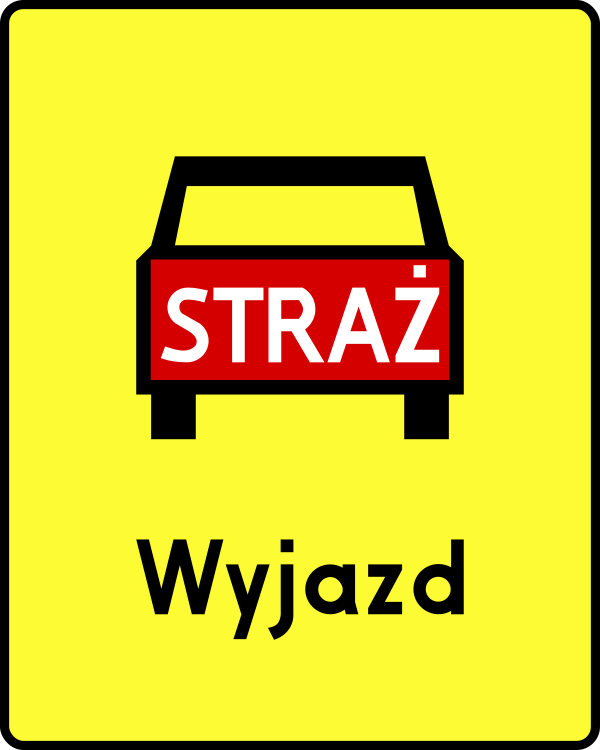
Prepare for sudden fire truck departures with the T-16 Fire Engine Exit sign.
Deepen your understanding of specific road signs by reviewing official Polish traffic rules and associated real-world driving scenarios. These expert-led resources help you bridge the gap between visual recognition and practical exam application.
Don't Be a Road Block: Master Minimum Speeds and Smooth Traffic Flow for Your Polish Exam!
Even a Second Can Be Fatal: Understand Microsleep to Drive Safely in Poland.
When selling a car in Poland, you have specific legal duties regarding insurance and registration that must be met promptly. This article clarifies these seller obligations, including the crucial 14-day window to inform your insurer and the 30-day deadline to notify the relevant communication department, ensuring a smooth and compliant transfer of ownership for both parties.
Learning how to interact with law enforcement is a crucial part of your driver training in Poland, as it helps you understand the legal procedures governing roadside controls. This guide clarifies how officers identify themselves, what behaviors are expected of you as a driver, and how traffic enforcement impacts your penalty points and record. Mastery of these rules ensures you remain compliant with the law and prepared for any roadside situation you may encounter.
The A-17 sign indicates locations where children between the ages of 7 and 15 are likely to be present. Unlike adults, children can be unpredictable and may suddenly run into the street without looking. This sign is a signal to slow down significantly and be extra alert. It is common near primary schools, daycare centers, and organized sports fields.
The D-40 sign marks the entrance to a 'Strefa Zamieszkania'. Inside this zone, pedestrians are allowed to use the entire width of the road and have absolute priority over vehicles. The speed limit is strictly 20 km/h. Drivers must be extremely vigilant as children are legally allowed to play on the street without adult supervision. Additionally, parking is only permitted in designated spaces, and all speed bumps are considered 'marked' by this entry sign.
After reviewing the full list of Polish road signs, explore specific sign categories for in-depth understanding. Challenge your knowledge with practice questions focused on sign recognition and interpretation to solidify your preparation for the driving theory exam.
Browse All Polish Road Signs