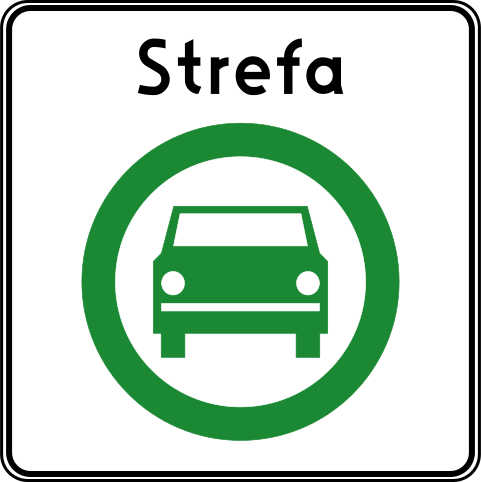
As you drive, you might encounter the D-54 sign, which signals the start of a 'Strefa czystego transportu' or Clean Transport Zone. These zones are established to improve air quality in urban areas. Typically, only vehicles with zero emissions, such as electric or hydrogen-powered cars, or those running on specific gases like CNG/LNG, can enter freely. Older diesel and petrol vehicles may be banned or required to pay an entry fee. Always check local regulations and ensure your vehicle has the correct emission sticker, if required.
The D-54 Clean Transport Zone sign is crucial for drivers in Poland, indicating areas with specific vehicle emission requirements. Mastering this road sign meaning is vital for your driving theory test revision and navigating Polish cities responsibly, ensuring you understand access rules for different vehicle types.
The D-54 sign features a green car silhouette with a plug/leaf. It marks a 'Strefa czystego transportu' designed to reduce smog in city centers. Generally, only zero-emission vehicles (electric, hydrogen) or those running on CNG/LNG can enter for free. Older diesel and petrol cars may be banned entirely or required to pay a fee to enter. This is a relatively new sign in Poland, first appearing in cities like Warsaw to improve urban air quality.
Entrance to a zone restricted to low-emission vehicles (electric, hydrogen, or specific gas types).
Get clear, practical answers to the most common questions about the D-54 - Clean Transport Zone road sign. Learn how the sign works, what rules it represents, and how it affects real driving situations. This FAQ strengthens your understanding and supports accurate decision making for the Polish driving theory exam in Poland.
The D-54 sign marks the beginning of a designated Clean Transport Zone. Its purpose is to reduce pollution by controlling which vehicles can enter based on their emission standards. You generally need a low-emission vehicle, like an electric or hydrogen car, to enter without restrictions.
Vehicles that are usually allowed to enter freely include those with zero emissions, such as fully electric or hydrogen-powered cars. Some zones may also permit vehicles running on compressed natural gas (CNG) or liquefied natural gas (LNG). It's crucial to check the specific emission requirements for each zone.
If your vehicle has high emissions and does not meet the zone's criteria, you might be prohibited from entering altogether. In some cases, you may be allowed entry but will need to pay a fee. Driving into the zone without the necessary permit or failing to pay the fee can result in a fine.
Yes, often you do. Vehicles allowed to enter Clean Transport Zones usually need to display a specific eco-sticker or a 'Nalepka' on their windshield, proving their vehicle meets the required emission standards. Always verify the exact requirements for the zone you intend to enter.
Some zones might offer exemptions, for instance, for local residents or for specific types of vehicles like those used by people with disabilities. It's advisable to check the local city council's website or relevant municipal information for details on specific exemptions and how to apply for them.
A clear reference image of the D-54 - Clean Transport Zone road sign used in Poland.
The D-54 - Clean Transport Zone road sign may also be known by these alternative names or terms.
The D-54 - Clean Transport Zone road sign is part of the Information Signs (D) category, which groups together signs with similar rules and functions.
Comparing this 'Clean Transport Zone' sign with other D-type information signs helps solidify your understanding and improve recognition accuracy. Effective traffic sign comparison is key for accurate theory test revision and confident driving.
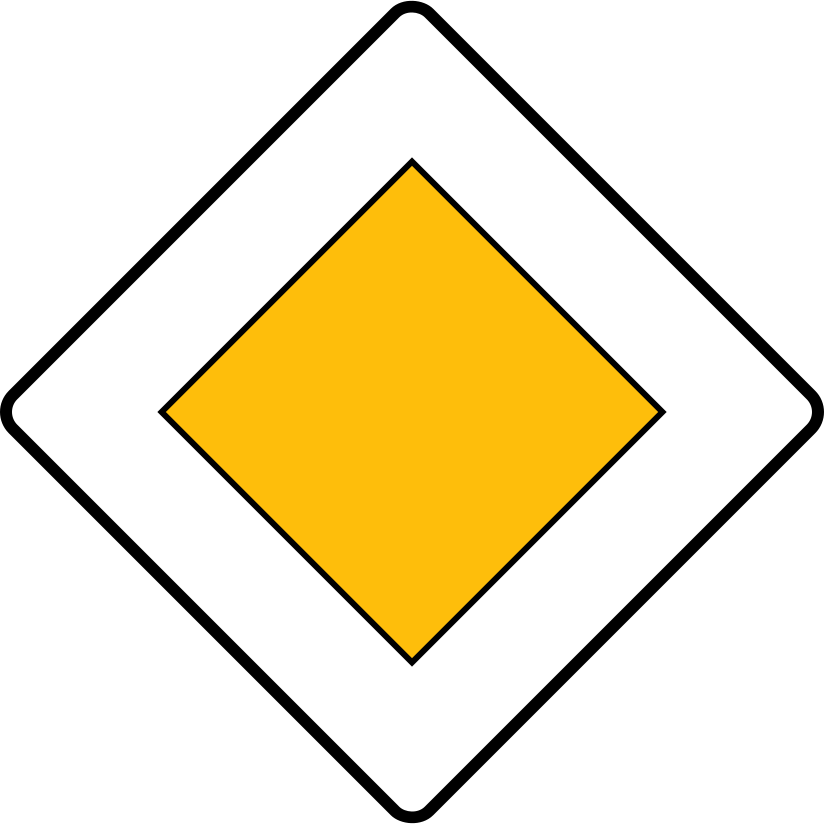
The D-1 Priority Road sign means you have the right of way.
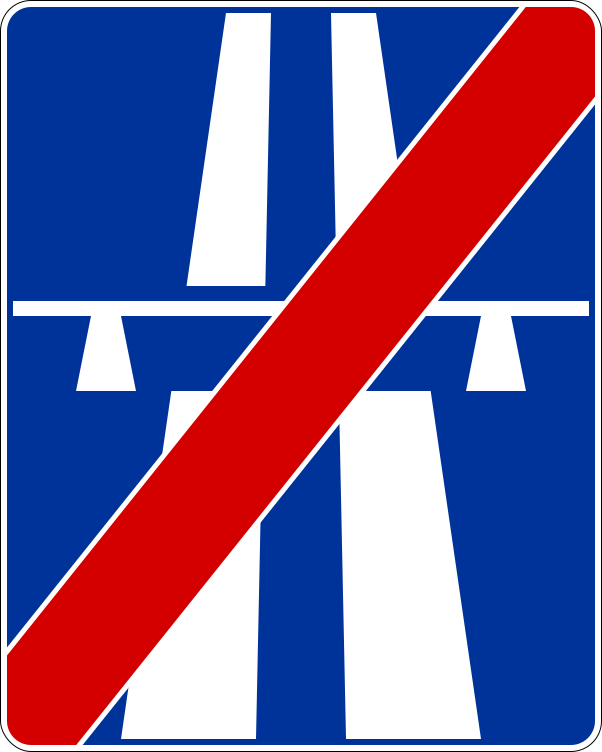
Prepare for the End of the Motorway with the D-10 Sign
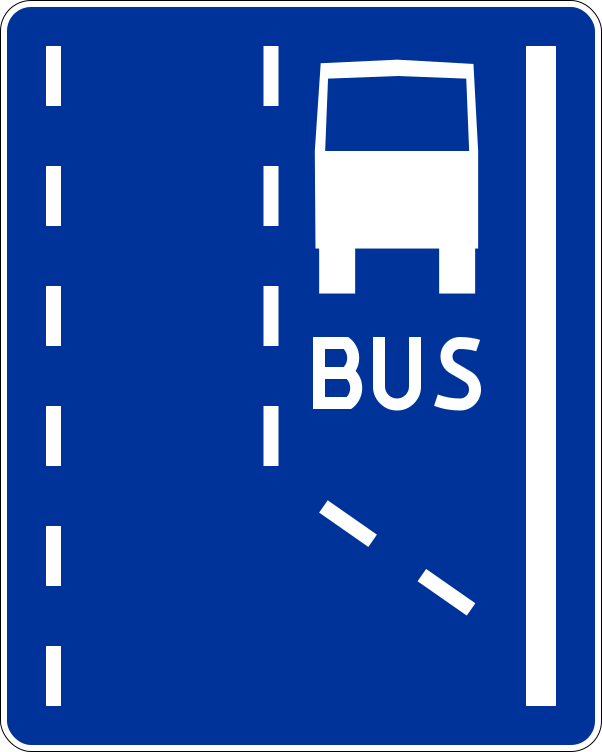
D-11 Road Sign: You're Approaching the Start of a Bus Lane
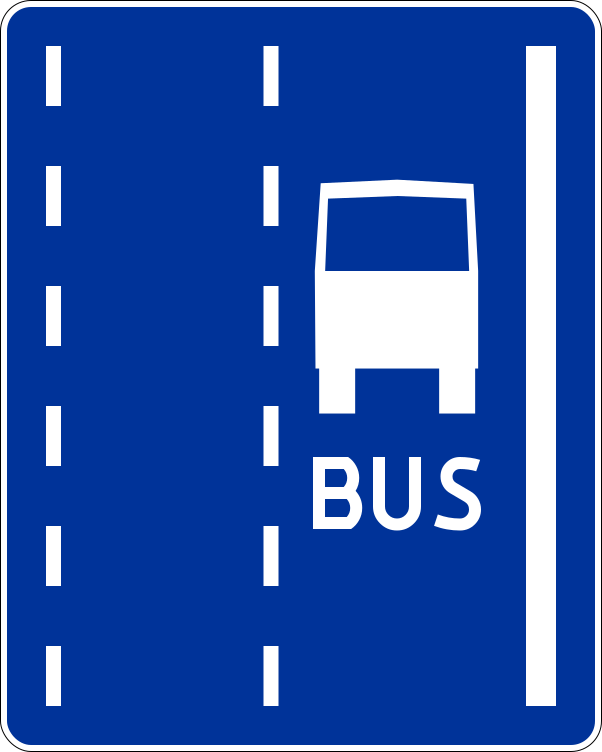
The D-12 'Bus Lane' sign confirms the lane remains exclusively for buses and authorized vehicles.
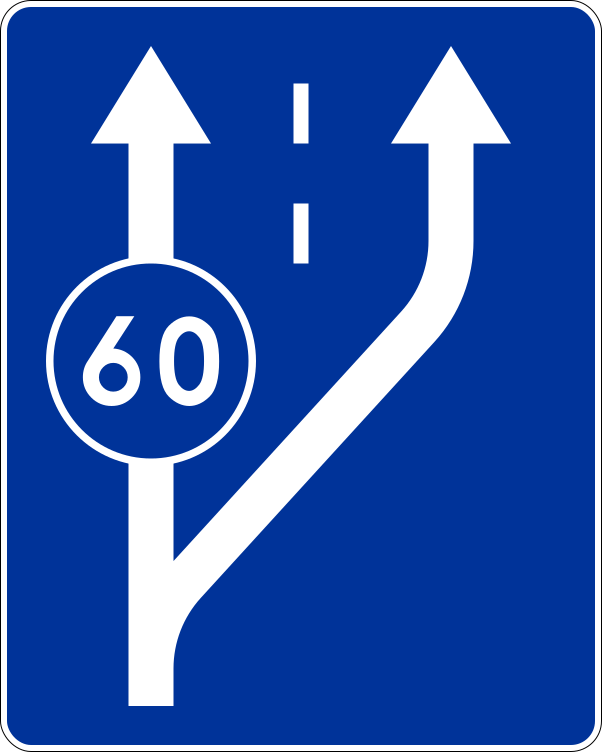
D-13 Sign: Prepare for the Start of a Slow-Moving Traffic Lane
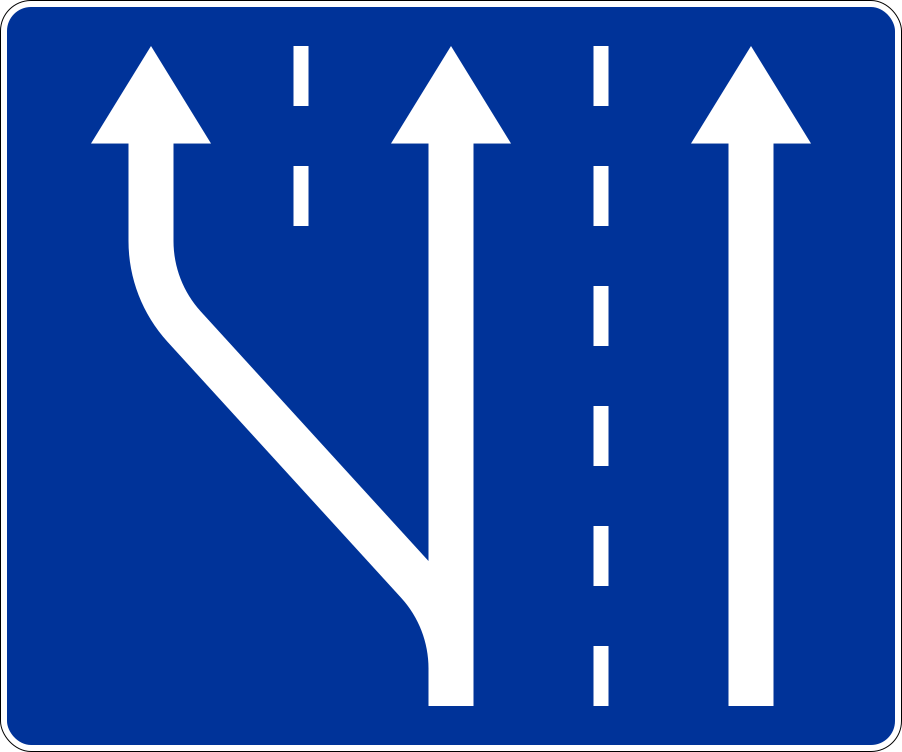
The D-13a 'Start of Lane' sign means a new lane is opening up ahead.
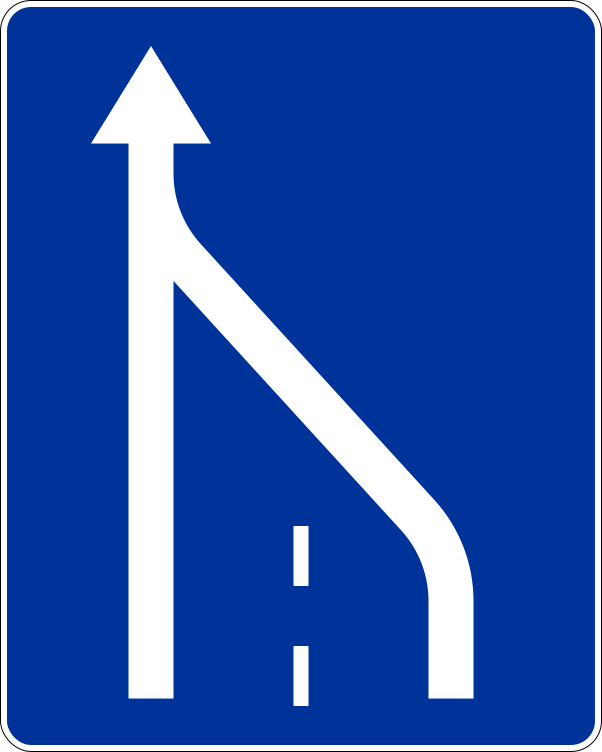
D-14 End of Lane: Know When and How to Merge Safely
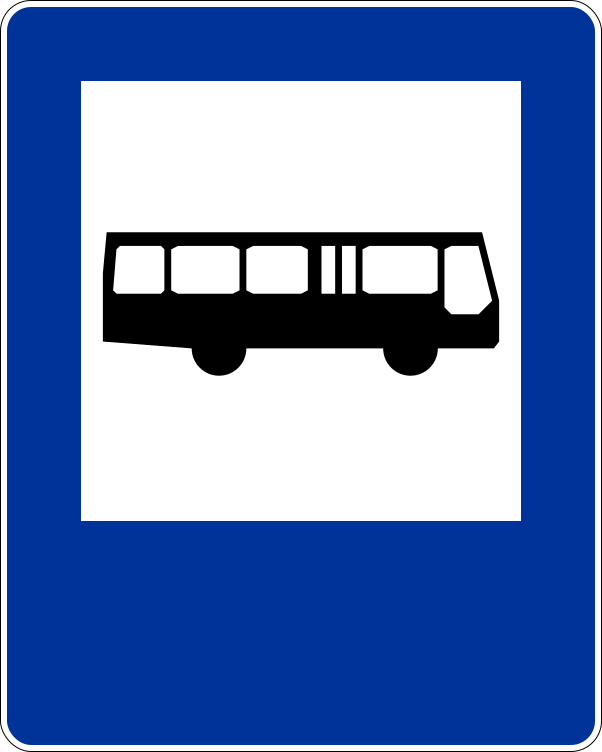
The D-15 'Bus Stop' Sign: Understanding and Reacting to Public Transport Stops
Deepen your understanding of specific road signs by reviewing official Polish traffic rules and associated real-world driving scenarios. These expert-led resources help you bridge the gap between visual recognition and practical exam application.
Gain a comprehensive understanding of what vehicles you are legally permitted to drive with a Category B licence in Poland, with a special focus on towing. This guide will break down the combined weight limits for car and trailer combinations, highlighting the specific regulations that are frequently tested in the Polish driving theory examination. Ensure you know your entitlements to avoid common errors and drive safely.
Understanding the technical health of your vehicle is a fundamental requirement for the Polish driving theory exam and a hallmark of a responsible driver. This guide explores how even minor mistakes during air filter maintenance can introduce harmful contaminants to the intake system, permanently damaging your engine's turbocharger. Learn why proper maintenance techniques are vital for ensuring both vehicle reliability and safety on Polish roads.
Even a Second Can Be Fatal: Understand Microsleep to Drive Safely in Poland.
Don't Be a Road Block: Master Minimum Speeds and Smooth Traffic Flow for Your Polish Exam!
The word 'BUS' painted on the road identifies a lane dedicated to public transit. In many Polish cities, taxis, emergency services, and sometimes motorcycles or electric cars are also allowed to use these lanes (this will be specified by vertical signs). Regular car drivers must stay out of these lanes to ensure buses can bypass traffic jams and stay on schedule.
The A-17 sign indicates locations where children between the ages of 7 and 15 are likely to be present. Unlike adults, children can be unpredictable and may suddenly run into the street without looking. This sign is a signal to slow down significantly and be extra alert. It is common near primary schools, daycare centers, and organized sports fields.
After reviewing the full list of Polish road signs, explore specific sign categories for in-depth understanding. Challenge your knowledge with practice questions focused on sign recognition and interpretation to solidify your preparation for the driving theory exam.
Browse All Polish Road Signs