
The D-18 sign, easily recognised by its blue square with a white 'P', indicates a designated area where parking is permitted. This sign is part of Poland's traffic signage system and serves as an information sign to guide drivers to available parking spaces. Unless a supplementary plate suggests otherwise, this area is generally available for all vehicles, with specific exceptions for caravans. Always pay attention to any attached plates, especially those indicating parking orientation (like T-30) or restrictions, as they provide crucial details for legal and safe parking.
This section details the D-18 'Parking' sign, crucial for understanding permitted stopping areas in Poland. Familiarize yourself with its specific meaning and supplementary plates for effective theory test revision and safe driving.
The D-18 sign indicates a place where parking is permitted. It is a blue square with a large white 'P'. Unless otherwise specified by a supplementary plate (like T-23e), this parking area is for all vehicles except caravans. Often, this sign is paired with T-30 plates which show exactly how to park (e.g., parallel, perpendicular, or partially on the sidewalk). In urban areas, it might also be paired with a T-3a plate to show where the parking zone ends.
An area designated for the parking of vehicles.
Get clear, practical answers to the most common questions about the D-18 - Parking road sign. Learn how the sign works, what rules it represents, and how it affects real driving situations. This FAQ strengthens your understanding and supports accurate decision making for the Polish driving theory exam in Poland.
The D-18 road sign, featuring a blue square with a white letter 'P', signifies a location where parking is permitted. It's an informational sign designed to direct drivers to designated parking areas. Remember that it applies to all vehicles unless a supplementary plate specifies otherwise, such as indicating it's not for caravans or heavy vehicles.
A common trap is assuming the D-18 sign permits parking under all circumstances. Learners often forget to check for supplementary plates which can restrict parking (e.g., for disabled spots only, or specific times) or dictate the parking method. Also, confusing it with other signs that indicate stopping is allowed but parking is not, can lead to errors.
If the D-18 sign is accompanied by a supplementary plate showing a wheelchair symbol (like T-29), the parking spot is exclusively reserved for disabled individuals who possess a valid permit. Parking in such a spot without the required permit is strictly prohibited and can result in penalties.
Supplementary plates are crucial. A T-30 plate, for example, shows the precise way to park (e.g., parallel, perpendicular, angled, or even partially on the pavement). Other plates might indicate the end of a parking zone (T-3a) or specify certain vehicles or times. Always observe these plates for correct and legal parking.
Generally, the D-18 sign indicates parking is allowed for most vehicles. However, if a supplementary plate indicates a weight limit (e.g., over 2.5 tonnes) or a specific vehicle type exclusion, you must adhere to it. Without such a plate, it's usually open to standard passenger cars and light commercial vehicles.
A clear reference image of the D-18 - Parking road sign used in Poland.
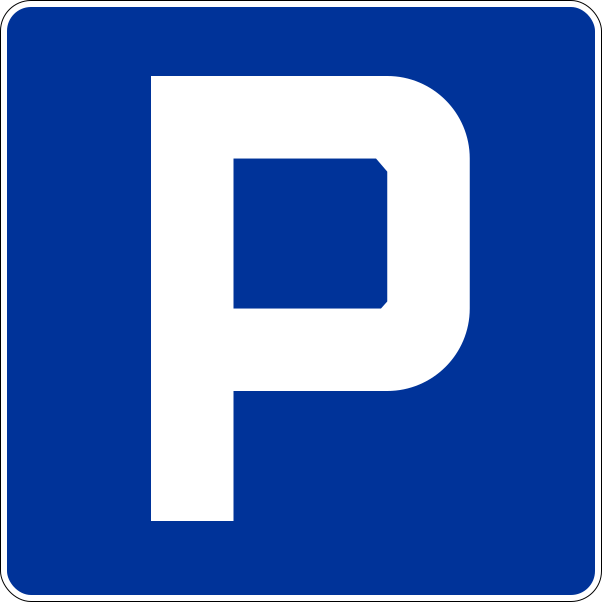
The D-18 - Parking road sign may also be known by these alternative names or terms.
The D-18 - Parking road sign is part of the Information Signs (D) category, which groups together signs with similar rules and functions.
Reviewing related parking signs and their variations, like those indicating specific parking methods or zone limits, sharpens your recognition skills. Understanding these subtle differences is key for accurate theory test revision and avoiding confusion with similar traffic signs.
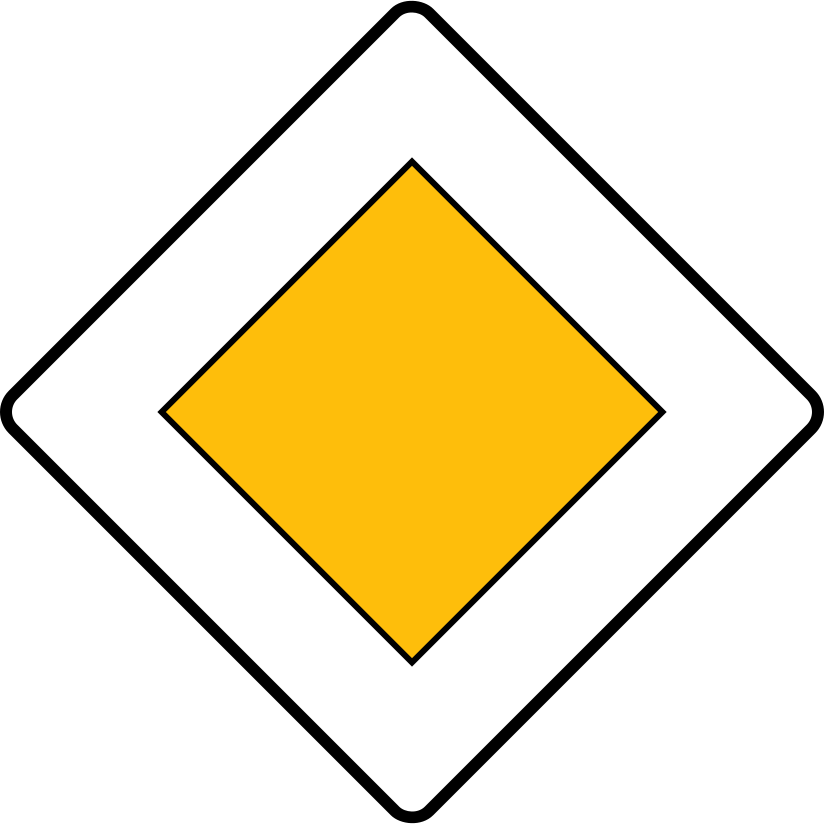
The D-1 Priority Road sign means you have the right of way.
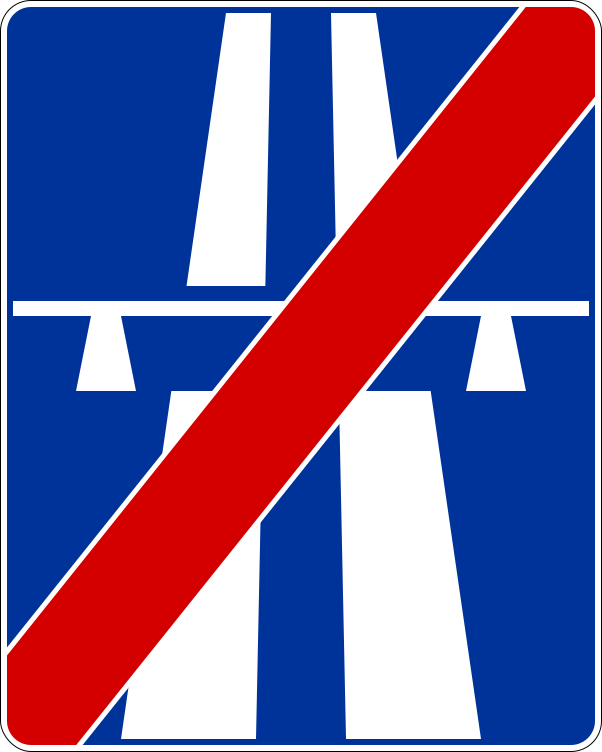
Prepare for the End of the Motorway with the D-10 Sign
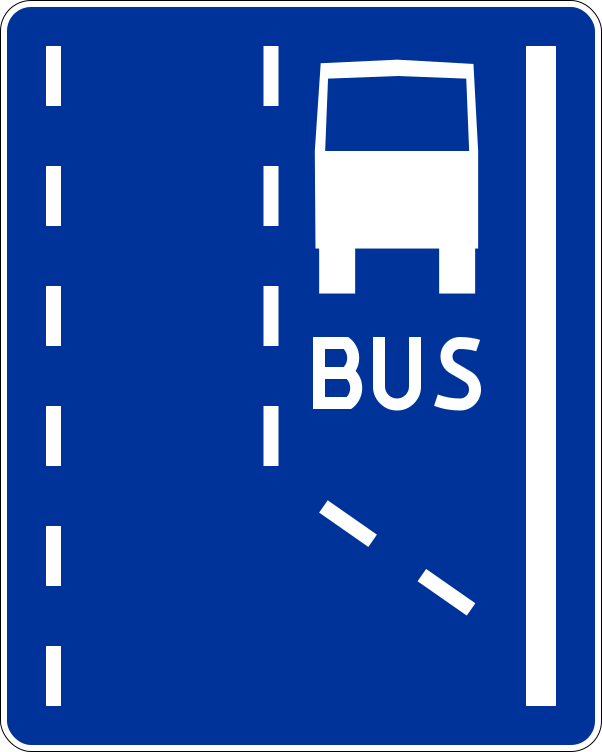
D-11 Road Sign: You're Approaching the Start of a Bus Lane
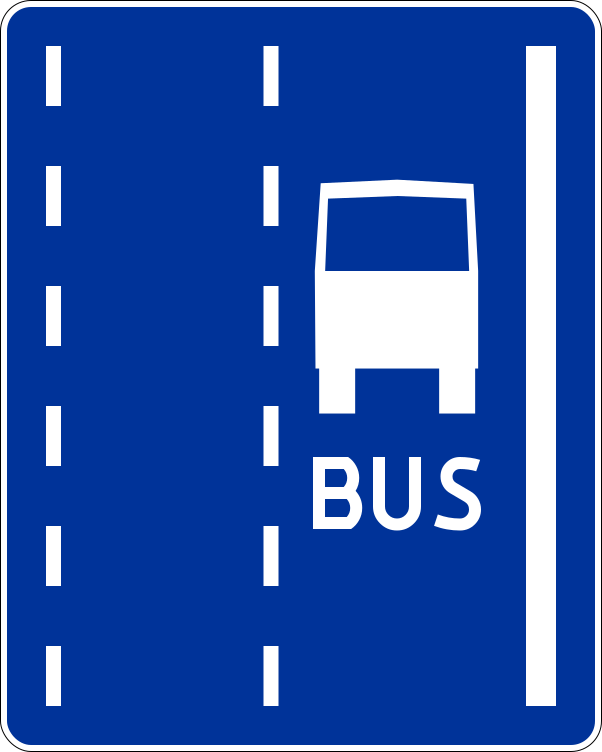
The D-12 'Bus Lane' sign confirms the lane remains exclusively for buses and authorized vehicles.
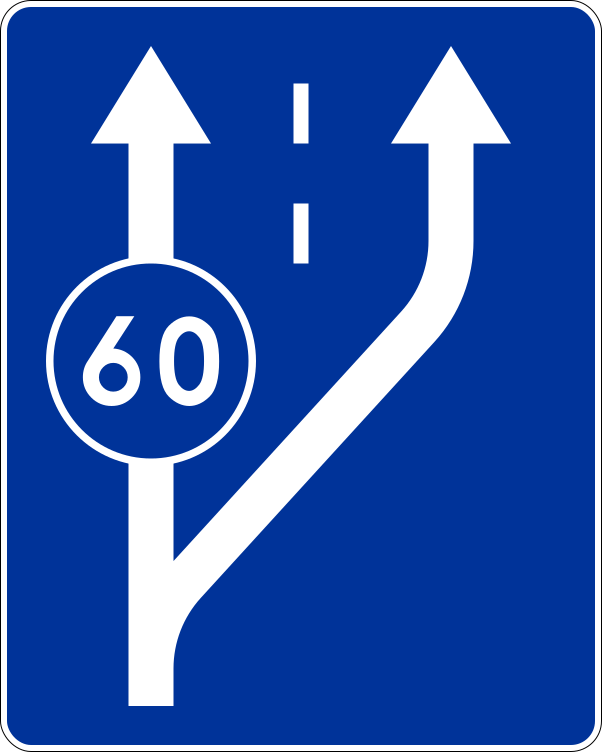
D-13 Sign: Prepare for the Start of a Slow-Moving Traffic Lane
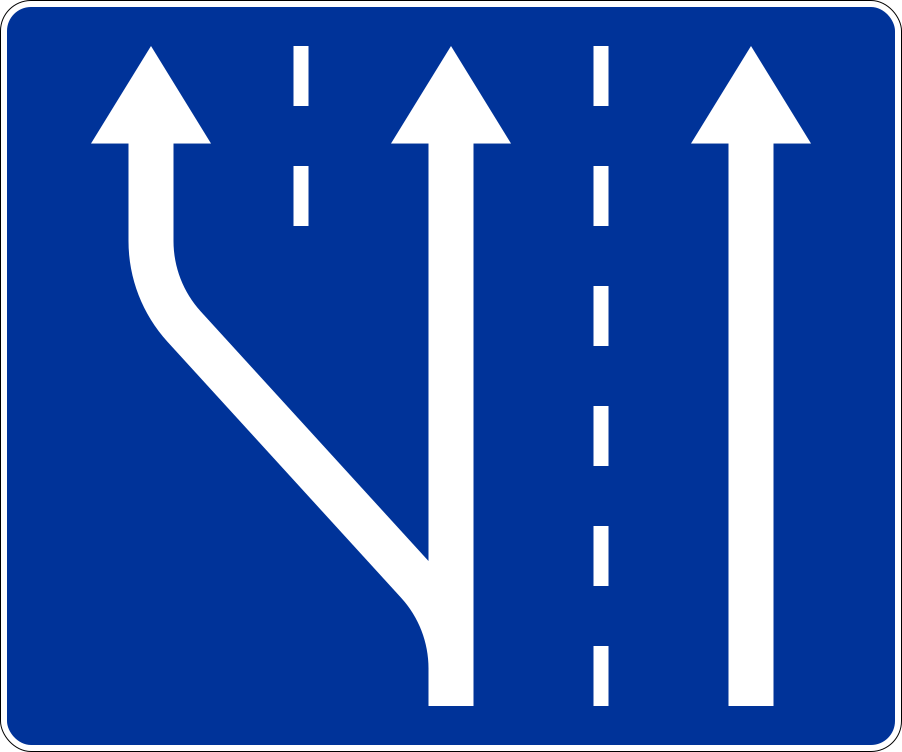
The D-13a 'Start of Lane' sign means a new lane is opening up ahead.
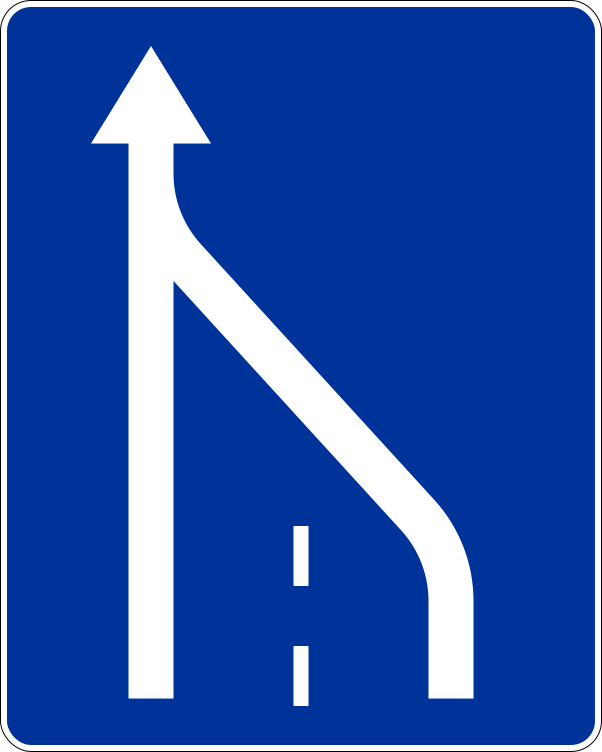
D-14 End of Lane: Know When and How to Merge Safely
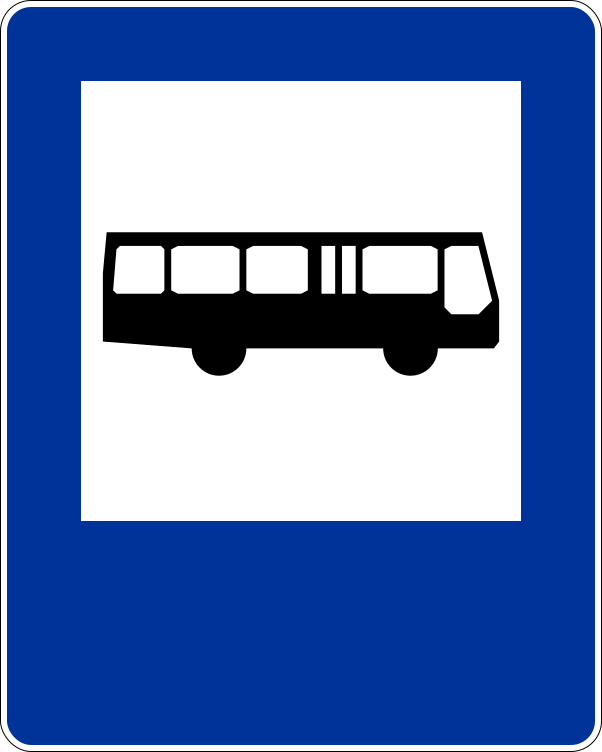
The D-15 'Bus Stop' Sign: Understanding and Reacting to Public Transport Stops
Deepen your understanding of specific road signs by reviewing official Polish traffic rules and associated real-world driving scenarios. These expert-led resources help you bridge the gap between visual recognition and practical exam application.
Don't Be a Road Block: Master Minimum Speeds and Smooth Traffic Flow for Your Polish Exam!
When exiting a driveway, residential zone, or internal road in Poland, you are legally classified as joining traffic, regardless of whether a yield sign is present. This article explains why the standard 'right-hand rule' does not apply in these situations and why you have an absolute obligation to yield to every other road user. Mastering this concept is essential for safety and for answering tricky priority-related questions on your official theory exam.
This article delves into the crucial meaning of the Polish D-42 'Obszar Zabudowany' (Built-up Area) sign, a key topic for your Polish driving theory exam. You will learn why this sign automatically enforces a 50 km/h speed limit and the severe penalties, including fines up to 5,000 PLN and potential license revocation, for violations. Understanding and respecting the D-42 sign is essential for safe driving and passing your theory test.
Even a Second Can Be Fatal: Understand Microsleep to Drive Safely in Poland.
The D-21 sign is an informational sign showing a black hospital bed silhouette on a white background within a blue square. It alerts drivers to the presence of a medical facility nearby. Drivers should be aware that ambulances may be entering or exiting the area frequently with sirens and lights. It is also common for traffic around hospitals to be slower due to people looking for entrances or dropping off patients.
The B-43 sign is often used in residential 'Tempo 30' zones. Within this zone, every single street is governed by the speed shown on the sign. A key rule is that if the limit is 30 km/h or less, speed bumps or other physical traffic calming measures do not need to be individually marked with warning signs, as you are expected to be driving slowly enough to handle them.
After reviewing the full list of Polish road signs, explore specific sign categories for in-depth understanding. Challenge your knowledge with practice questions focused on sign recognition and interpretation to solidify your preparation for the driving theory exam.
Browse All Polish Road Signs