
The D-13 sign, indicating the start of a slow-moving traffic lane, is an important informational sign found on steep inclines in Poland. It signals the beginning of an additional right-hand lane designed for vehicles, such as heavy trucks or underpowered cars, that cannot maintain a sufficient speed uphill. Its purpose is to improve traffic flow and safety by allowing slower vehicles to move out of the way of faster traffic, preventing congestion and potential hazards. Drivers of vehicles that are likely to be slow on the incline should prepare to use this lane.
This explanation card focuses on the D-13 sign, detailing its purpose in creating dedicated lanes for slower vehicles on inclines. Understanding this sign is vital for safe driving and effective theory test revision, as it impacts priority and lane usage.
The D-13 sign indicates the beginning of an extra lane on the right, specifically designed for heavy or slow vehicles. On steep inclines, trucks and underpowered cars often lose speed, creating a hazard for faster traffic. This 'climbing lane' allows slower vehicles to move out of the way, improving safety and traffic flow. The sign typically features a number (e.g., 40), indicating that vehicles unable to reach that speed must use the right-hand lane.
A lane for vehicles that cannot maintain a certain speed on an incline; usually found on steep hills.
Get clear, practical answers to the most common questions about the D-13 - Start of Slow-Moving Traffic Lane road sign. Learn how the sign works, what rules it represents, and how it affects real driving situations. This FAQ strengthens your understanding and supports accurate decision making for the Polish driving theory exam in Poland.
The D-13 sign means a special lane for slow-moving vehicles is about to begin on the right side of the road. This is typically found on steep hills to help manage traffic flow by allowing slower vehicles to move aside for faster ones.
You should prepare to use this lane if your vehicle is unable to maintain a certain speed, often indicated by a number on the sign (e.g., 40 km/h), especially on steep uphill sections. This allows you to move out of the path of faster vehicles.
Failing to use the designated slow-moving traffic lane when your vehicle is struggling to maintain speed can obstruct faster traffic, creating hazardous conditions and potentially leading to fines for impeding traffic flow.
Generally, the slow-moving traffic lane is for vehicles that cannot maintain the normal flow of traffic uphill. Faster vehicles should use the left-hand lane(s) and should not use the climbing lane for overtaking, unless specifically permitted by other signs or road markings.
No, parking is strictly prohibited in a slow-moving traffic lane. These lanes are essential for maintaining traffic flow on inclines and are often used by heavy trucks, making them high-traffic areas where stopping is dangerous.
A clear reference image of the D-13 - Start of Slow-Moving Traffic Lane road sign used in Poland.
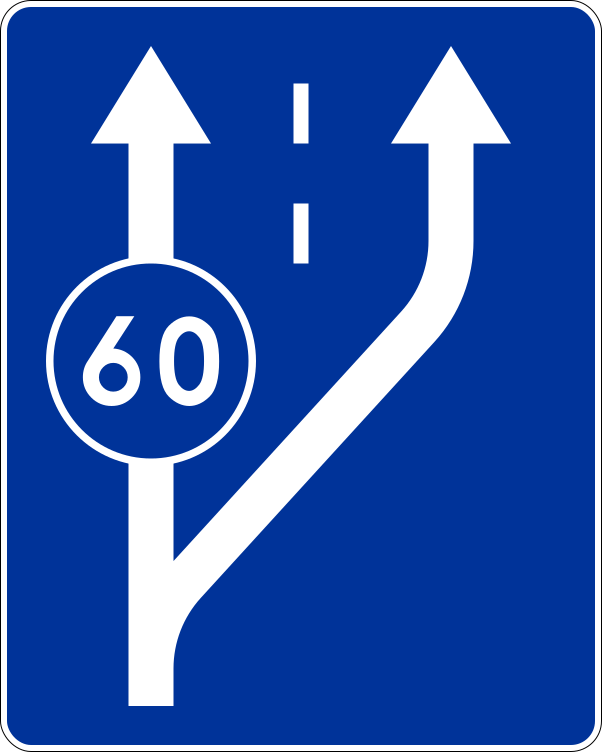
The D-13 - Start of Slow-Moving Traffic Lane road sign may also be known by these alternative names or terms.
The D-13 - Start of Slow-Moving Traffic Lane road sign is part of the Information Signs (D) category, which groups together signs with similar rules and functions.
Master Polish traffic signs by comparing this D-13 'Start of Slow-Moving Traffic Lane' sign with related ones. Practicing this traffic sign comparison aids memory and reduces errors, crucial for your theory test revision.
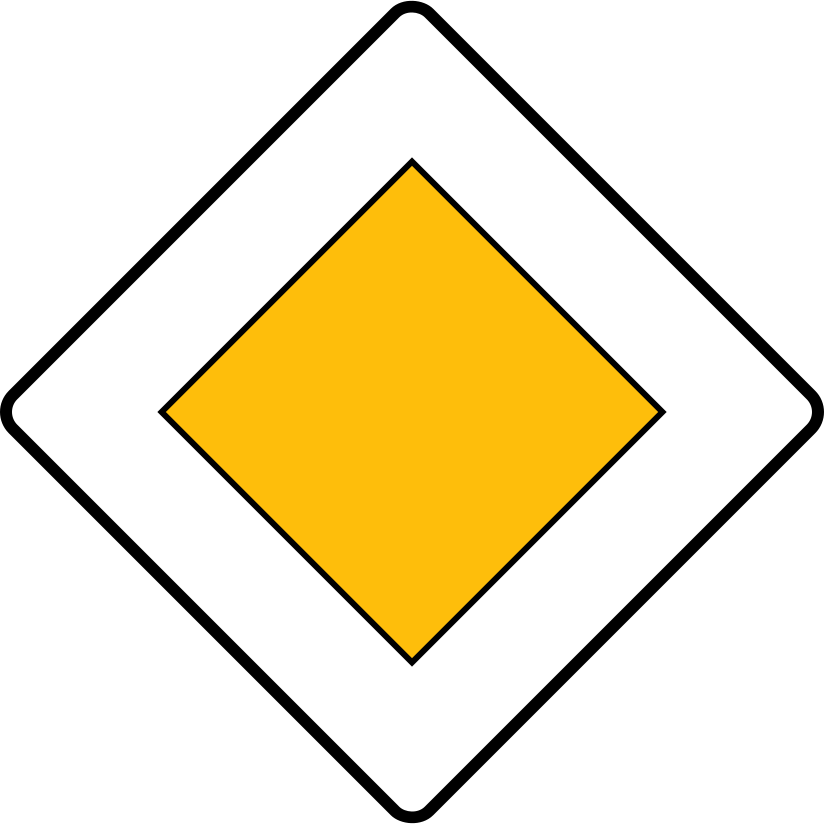
The D-1 Priority Road sign means you have the right of way.
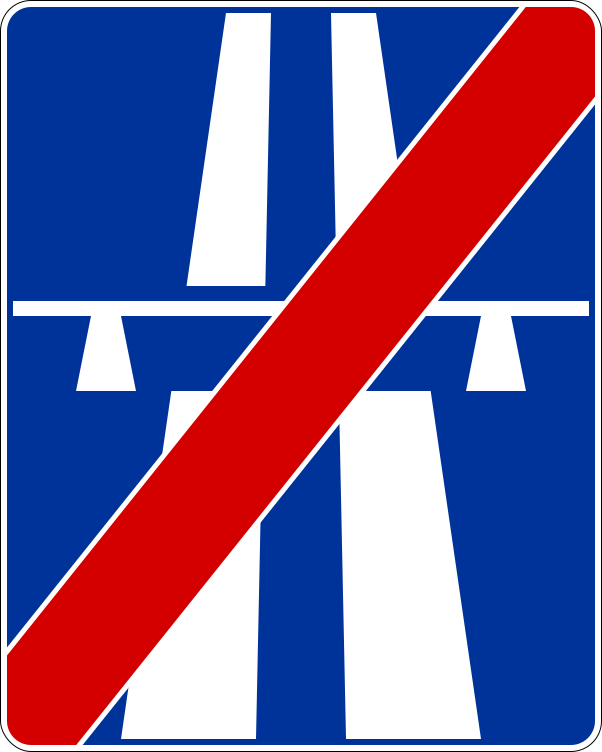
Prepare for the End of the Motorway with the D-10 Sign
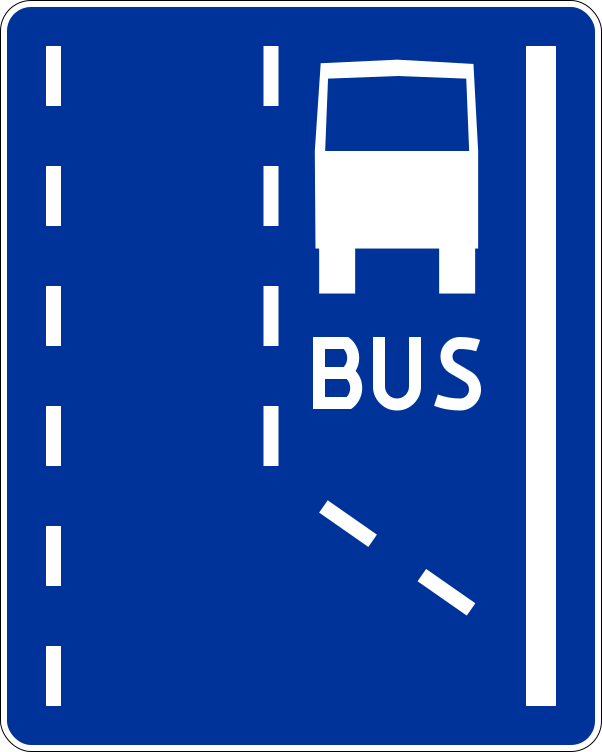
D-11 Road Sign: You're Approaching the Start of a Bus Lane
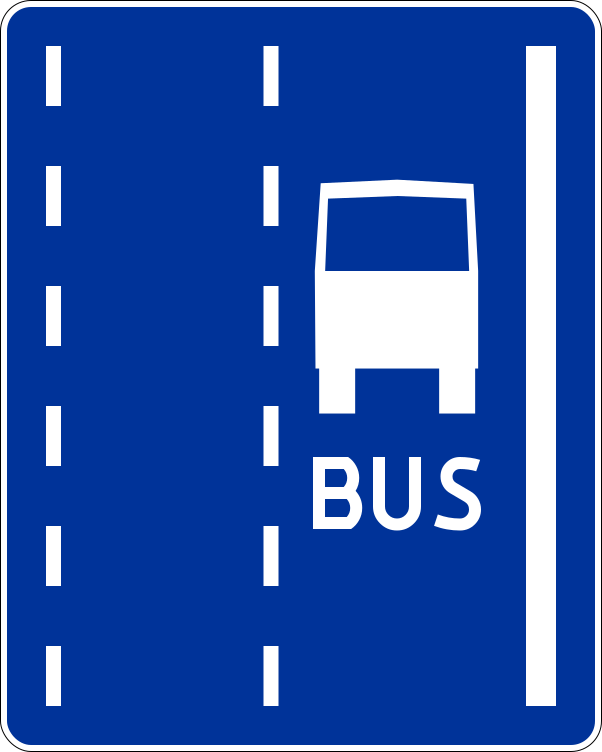
The D-12 'Bus Lane' sign confirms the lane remains exclusively for buses and authorized vehicles.
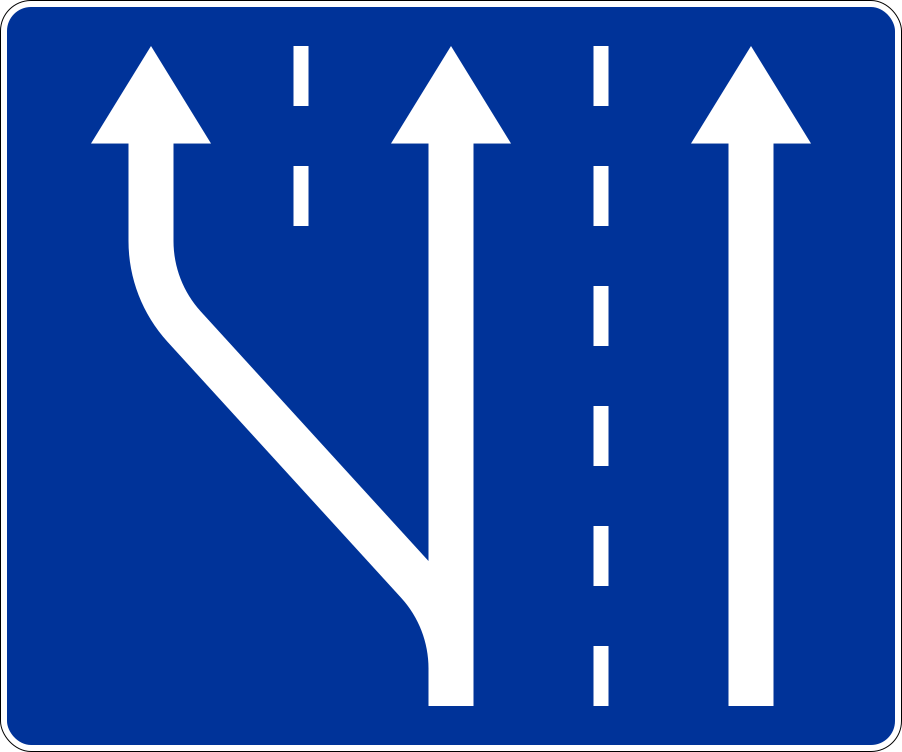
The D-13a 'Start of Lane' sign means a new lane is opening up ahead.
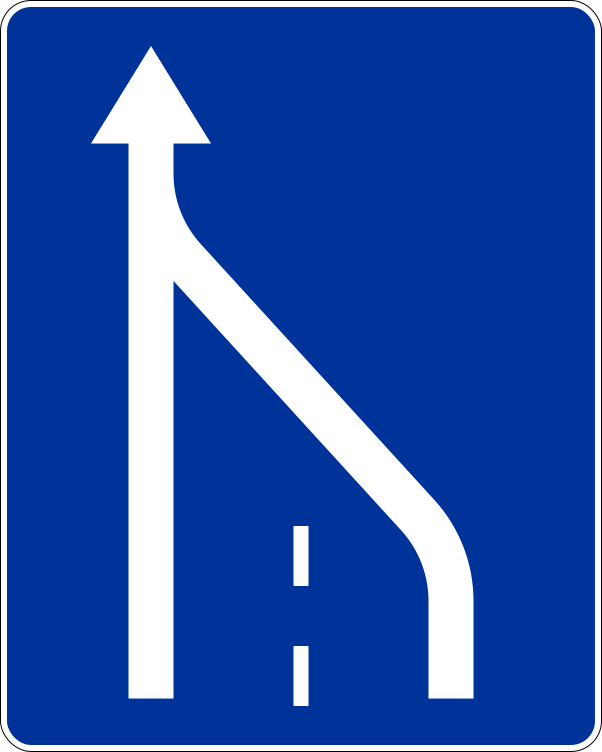
D-14 End of Lane: Know When and How to Merge Safely
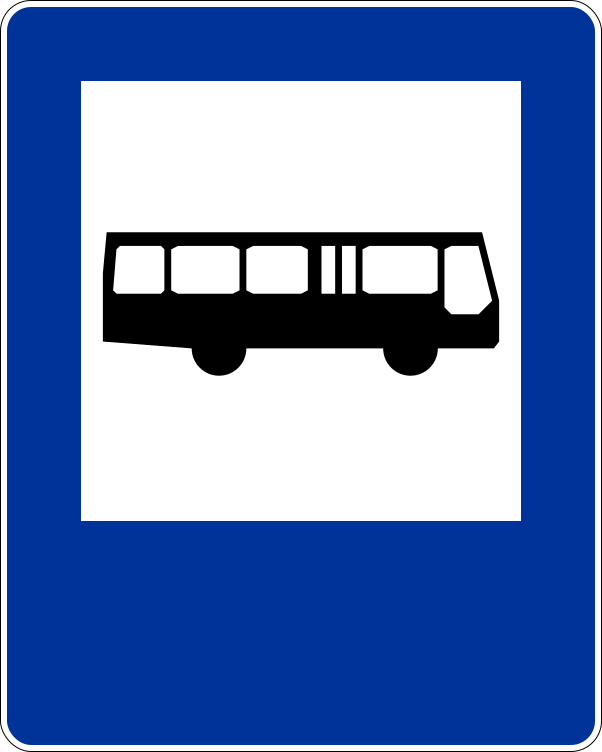
The D-15 'Bus Stop' Sign: Understanding and Reacting to Public Transport Stops
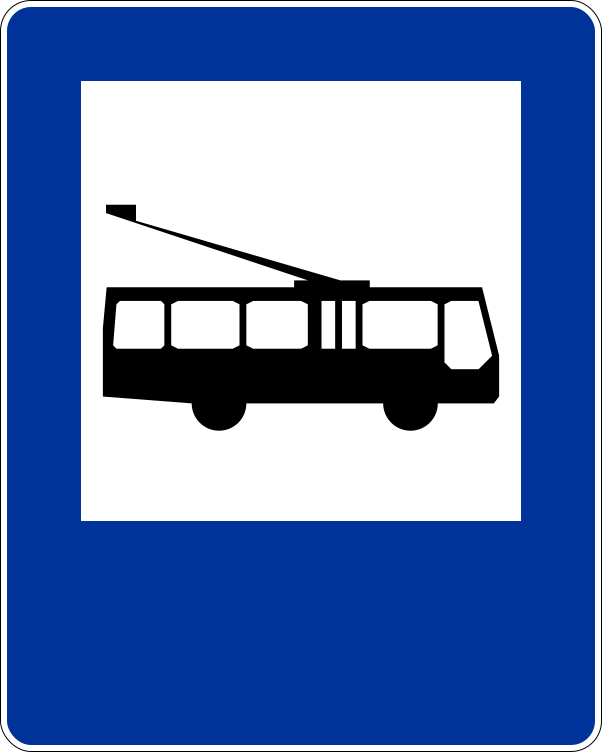
Understand the D-16 Trolleybus Stop Sign for safe city driving.
Deepen your understanding of specific road signs by reviewing official Polish traffic rules and associated real-world driving scenarios. These expert-led resources help you bridge the gap between visual recognition and practical exam application.
Learning how to interact with law enforcement is a crucial part of your driver training in Poland, as it helps you understand the legal procedures governing roadside controls. This guide clarifies how officers identify themselves, what behaviors are expected of you as a driver, and how traffic enforcement impacts your penalty points and record. Mastery of these rules ensures you remain compliant with the law and prepared for any roadside situation you may encounter.
Gain a comprehensive understanding of what vehicles you are legally permitted to drive with a Category B licence in Poland, with a special focus on towing. This guide will break down the combined weight limits for car and trailer combinations, highlighting the specific regulations that are frequently tested in the Polish driving theory examination. Ensure you know your entitlements to avoid common errors and drive safely.
Know Your Obligations: What to Do After a Road Incident in Poland.
Master Polish Shared Lane Rules to Drive Safely and Pass Your Exam.
The D-9 sign signals the entrance to a motorway (Autostrada). These roads are designed for the fastest travel between major cities, with a standard speed limit of 140 km/h for cars in Poland. The sign is a blue rectangle with a symbol representing a dual-carriageway road passing under a bridge. Motorways are strictly reserved for motor vehicles capable of maintaining a certain speed and prohibit any form of non-motorized traffic, stopping on the shoulder (unless an emergency), or U-turns.
The T-34 plate features a symbol of a signal transmitting between a car and a gantry. It indicates that the road is part of the 'e-TOLL' network. There are no physical gates; instead, cameras and sensors record your passage. This is mandatory for all vehicles over 3.5 tonnes and buses. Passenger cars on certain state-run motorways also use this system via the e-TOLL app instead of buying paper tickets.
After reviewing the full list of Polish road signs, explore specific sign categories for in-depth understanding. Challenge your knowledge with practice questions focused on sign recognition and interpretation to solidify your preparation for the driving theory exam.
Browse All Polish Road Signs