
The D-9 sign marks the beginning of a Polish motorway, known as an Autostrada. These are high-speed roads designed for efficient travel between major cities, typically with a speed limit of 140 km/h for cars. Motorways have specific rules, prohibiting slower vehicles, pedestrians, and non-emergency stops on the shoulder. Familiarise yourself with these rules to drive safely and pass your theory exam.
This blue rectangular D-9 sign clearly indicates the beginning of a Polish motorway, a vital part of your theory test revision. Grasping its specific meaning and associated rules is crucial for safe driving and successful exam preparation, covering speed limits and vehicle restrictions on these high-speed roads.
The D-9 sign signals the entrance to a motorway (Autostrada). These roads are designed for the fastest travel between major cities, with a standard speed limit of 140 km/h for cars in Poland. The sign is a blue rectangle with a symbol representing a dual-carriageway road passing under a bridge. Motorways are strictly reserved for motor vehicles capable of maintaining a certain speed and prohibit any form of non-motorized traffic, stopping on the shoulder (unless an emergency), or U-turns.
This sign marks the start of a motorway, the highest class of road with the highest speed limits.
Get clear, practical answers to the most common questions about the D-9 - Motorway (Autostrada) road sign. Learn how the sign works, what rules it represents, and how it affects real driving situations. This FAQ strengthens your understanding and supports accurate decision making for the Polish driving theory exam in Poland.
The D-9 sign indicates that you are entering a motorway (Autostrada). This is a high-speed road with specific regulations. You should expect to travel at higher speeds, usually up to 140 km/h for passenger cars, and adhere to strict rules about which vehicles can use the road and how it can be used.
After seeing the D-9 sign, you must not allow vehicles that cannot reach the minimum required speed on a level road to use the motorway. Pedestrians, cyclists, and non-motorized vehicles are strictly forbidden. You also cannot stop on the emergency lane unless it's a genuine emergency, such as a breakdown.
No, stopping on the emergency lane or shoulder is only permitted for emergencies like vehicle breakdowns or medical issues. Using it to make a phone call, take a break, or for any non-emergency reason is prohibited and can be dangerous.
For passenger cars, the general speed limit on Polish motorways (Autostrady) marked by the D-9 sign is 140 km/h, provided road conditions and your vehicle's capabilities allow. Always check for variable speed limit signs and adjust your speed accordingly for safety.
Yes, a T-28 plate may be placed below the D-9 sign. This indicates that the motorway section ahead requires a toll payment, typically via a vignette or at a toll booth. You must ensure you have the necessary payment method or pass ready.
A clear reference image of the D-9 - Motorway (Autostrada) road sign used in Poland.
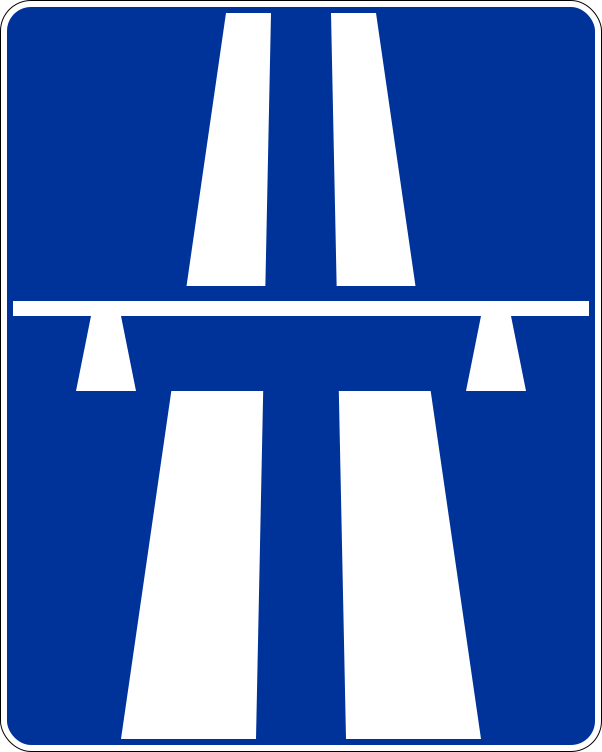
The D-9 - Motorway (Autostrada) road sign may also be known by these alternative names or terms.
The D-9 - Motorway (Autostrada) road sign is part of the Information Signs (D) category, which groups together signs with similar rules and functions.
Master Polish road signs by comparing the Motorway (D-9) sign with similar informational signs. This targeted traffic sign comparison aids recognition and reduces errors, crucial for your theory test revision.
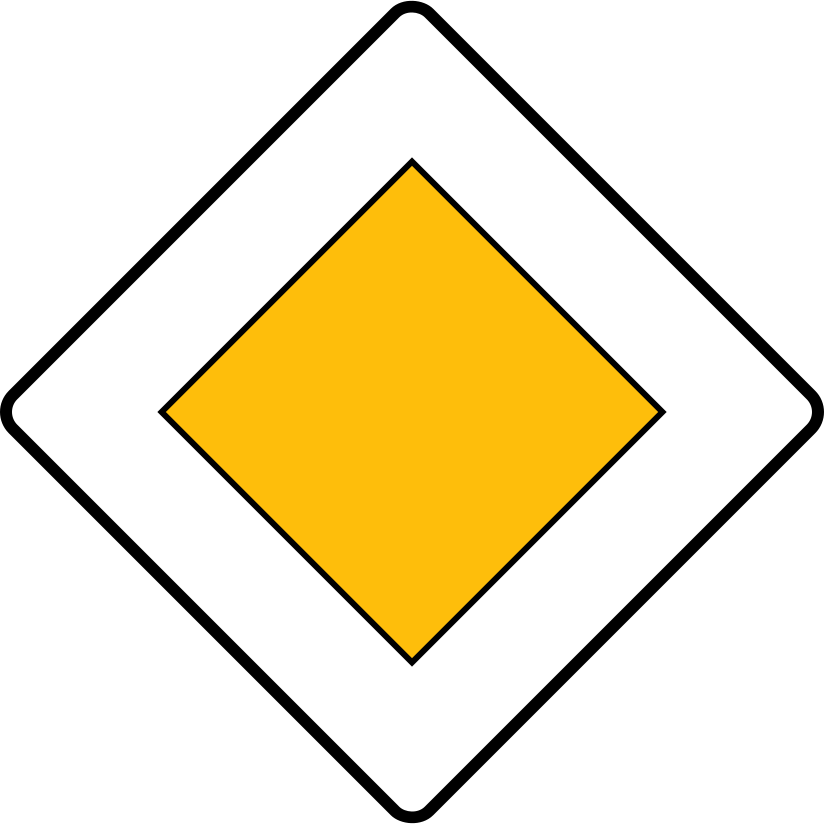
The D-1 Priority Road sign means you have the right of way.
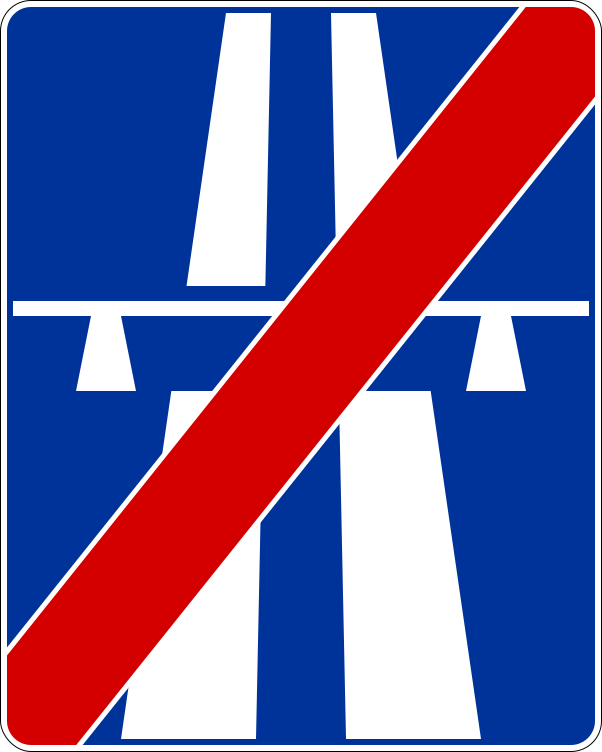
Prepare for the End of the Motorway with the D-10 Sign
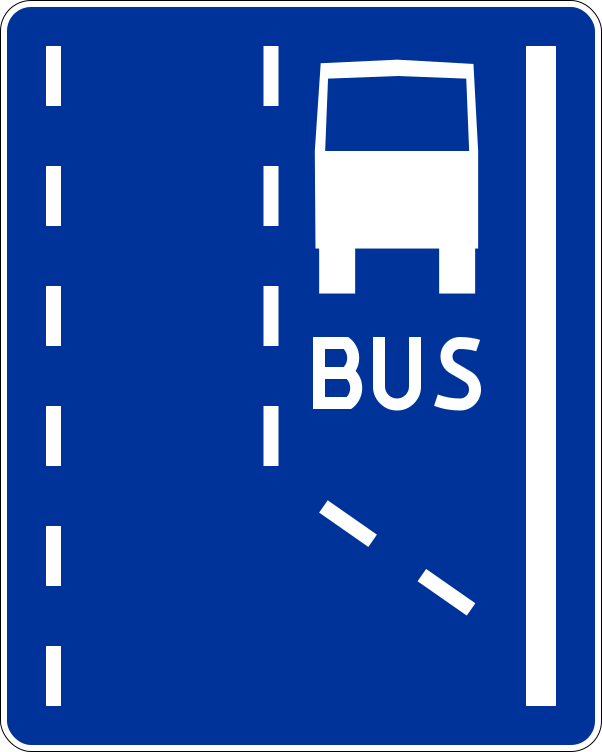
D-11 Road Sign: You're Approaching the Start of a Bus Lane
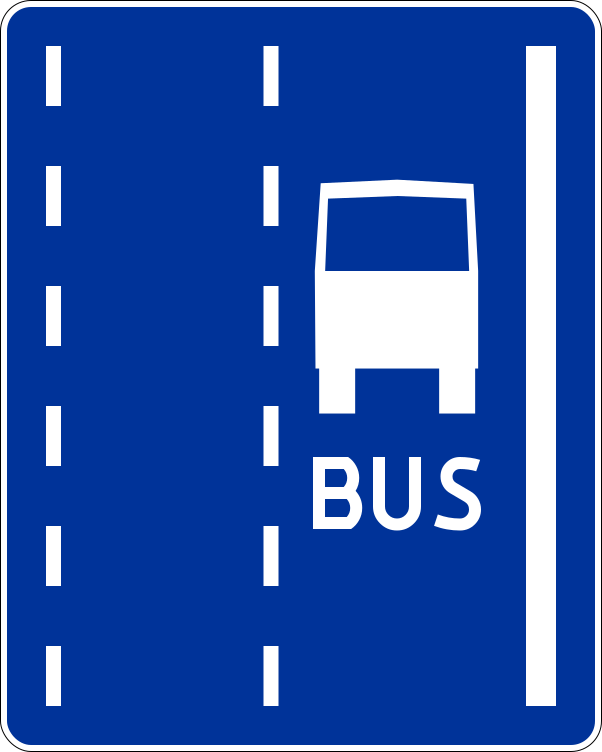
The D-12 'Bus Lane' sign confirms the lane remains exclusively for buses and authorized vehicles.
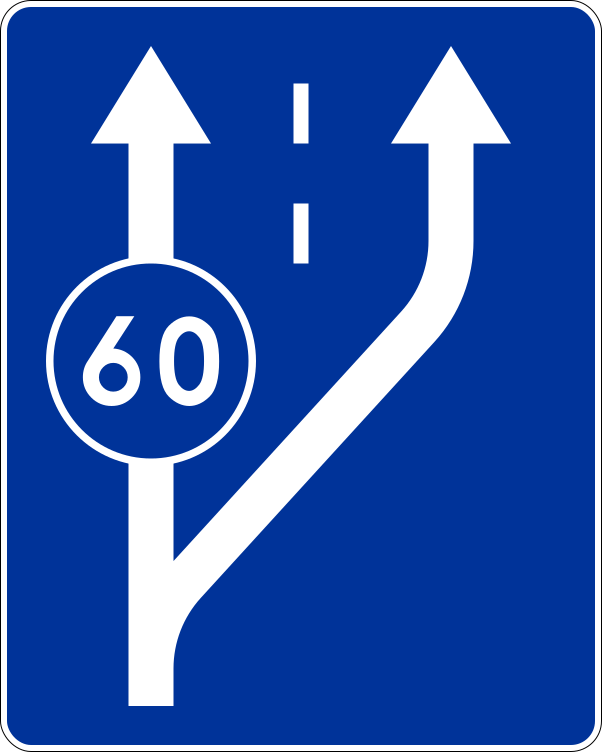
D-13 Sign: Prepare for the Start of a Slow-Moving Traffic Lane
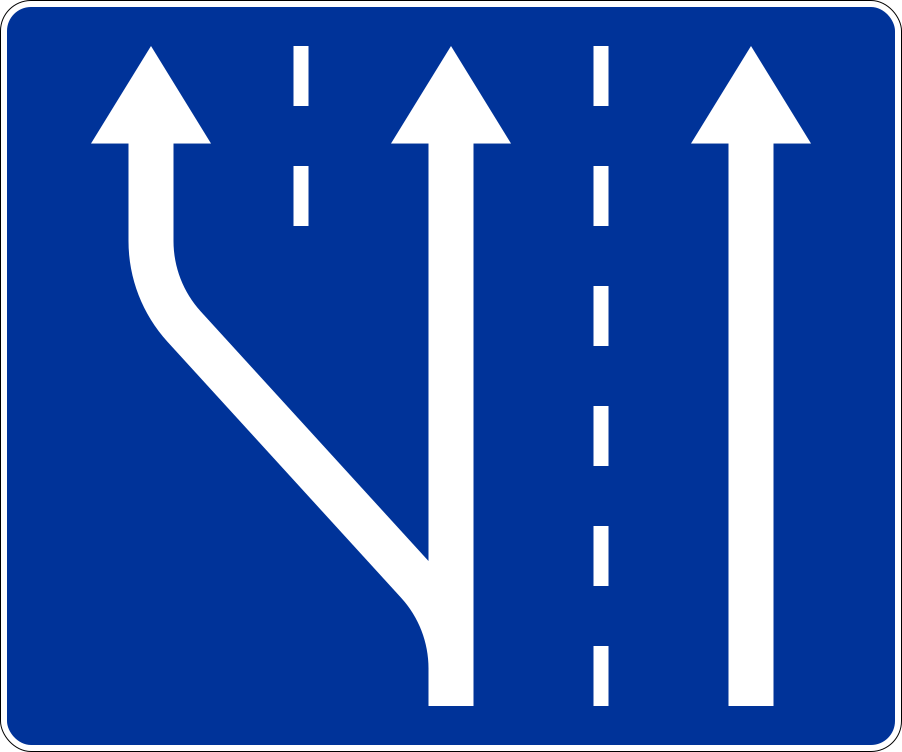
The D-13a 'Start of Lane' sign means a new lane is opening up ahead.
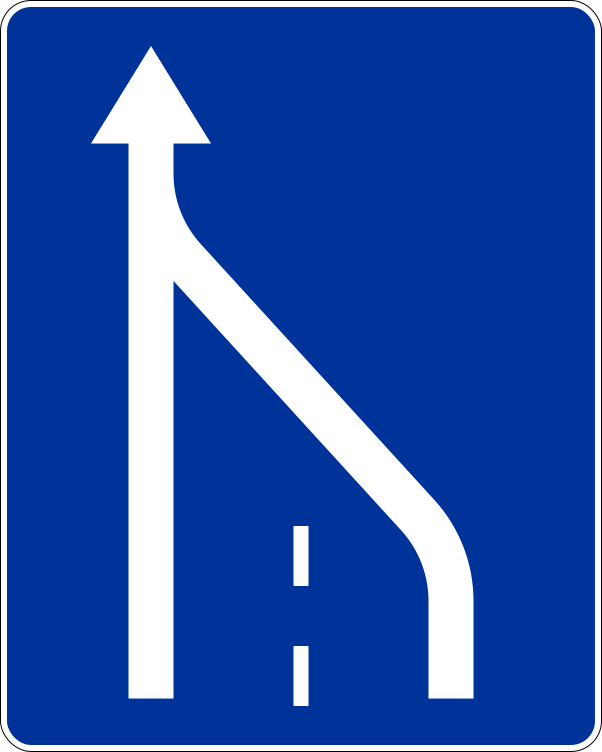
D-14 End of Lane: Know When and How to Merge Safely
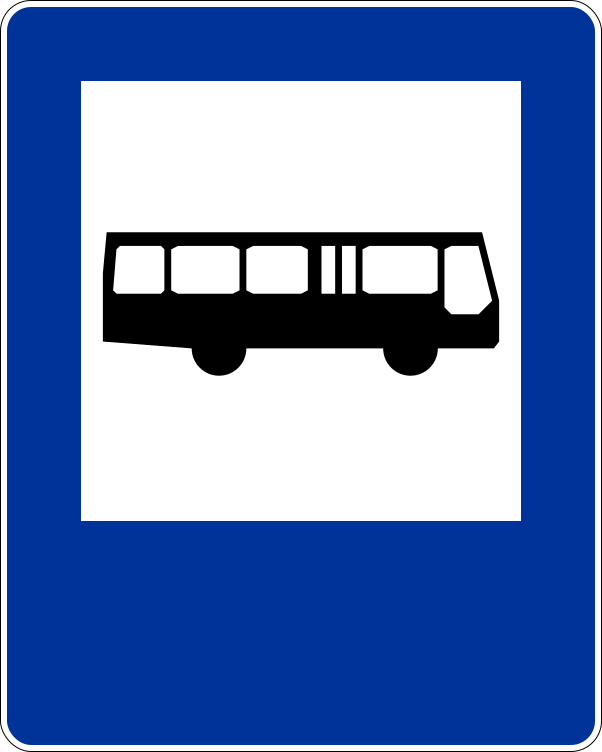
The D-15 'Bus Stop' Sign: Understanding and Reacting to Public Transport Stops
Deepen your understanding of specific road signs by reviewing official Polish traffic rules and associated real-world driving scenarios. These expert-led resources help you bridge the gap between visual recognition and practical exam application.
Learning how to interact with law enforcement is a crucial part of your driver training in Poland, as it helps you understand the legal procedures governing roadside controls. This guide clarifies how officers identify themselves, what behaviors are expected of you as a driver, and how traffic enforcement impacts your penalty points and record. Mastery of these rules ensures you remain compliant with the law and prepared for any roadside situation you may encounter.
Learners often struggle to differentiate between binding regulatory signs and mere safety advice, which can lead to confusion during the official theory exam. This guide clarifies the specific role of Polish B-33 prohibitive signs versus international speed recommendations, helping you distinguish between legal mandates and situational safety advice. You will learn to identify key sign types, understand their legal weight, and recognize why adjusting your speed to road conditions remains a fundamental requirement of the Polish driving system.
Know Your Obligations: What to Do After a Road Incident in Poland.
Master Your Rights and Obligations During a Polish Roadside Inspection
The E-15c sign features white letters and numbers on a blue background. In Poland, motorways are the highest class of road, featuring at least two lanes in each direction, a hard shoulder, and no flat intersections. These are often toll roads. The blue color is the primary indicator that you are on or approaching an 'Autostrada'.
The B-31 sign is placed at one end of a narrow passage (like a bridge or roadworks) where two vehicles cannot safely pass each other. If you see this sign (with the red arrow on your side), you MUST stop and wait for any oncoming vehicles that are already in or approaching the narrow section. The driver on the other side will see a blue D-5 sign, indicating they have priority.
After reviewing the full list of Polish road signs, explore specific sign categories for in-depth understanding. Challenge your knowledge with practice questions focused on sign recognition and interpretation to solidify your preparation for the driving theory exam.
Browse All Polish Road Signs