
The D-19 sign, a blue rectangular sign displaying 'TAXI', indicates the start of a dedicated taxi stand. This zone is reserved for licensed taxis seeking passengers and is off-limits to private vehicles for parking or even stopping. If no further sign is present, this restriction extends for 20 meters from the D-19 sign, ensuring taxis have a convenient waiting spot. Understanding this sign is crucial for both driving smoothly and passing your Polish theory test.
The D-19 Taxi Stand sign indicates a specific area reserved for licensed taxis, crucial for navigating urban Polish traffic rules. Understanding this road sign meaning is vital for theory test revision and avoiding fines.
The D-19 sign marks the beginning of a taxi stand. It is a rectangular blue sign with the word 'TAXI'. This area is reserved exclusively for licensed taxis that are available for hire. Regular drivers are prohibited from parking or even stopping in this zone. If no D-20 sign is present, the stand extends for 20 meters from the location of the D-19 sign. This ensures that taxis have a central, accessible location to serve the public.
A reserved area for taxis to wait for passengers.
Get clear, practical answers to the most common questions about the D-19 - Taxi Stand road sign. Learn how the sign works, what rules it represents, and how it affects real driving situations. This FAQ strengthens your understanding and supports accurate decision making for the Polish driving theory exam in Poland.
The D-19 sign means you've reached the beginning of a designated area where taxis are allowed to wait for passengers. It's a blue rectangular sign with the word 'TAXI' on it, indicating a special zone for licensed taxis only.
No, you cannot park your private car in a taxi stand. This area is exclusively reserved for licensed taxis that are actively waiting for fares. Parking your private vehicle here is prohibited and could lead to a fine or towing.
Even brief stops for non-taxi purposes are generally not permitted within a taxi stand marked by the D-19 sign, especially if it impedes taxis waiting for passengers. It's best to find a legal parking spot nearby and let your friend walk to the taxi stand if needed.
If there isn't another sign (like D-20) indicating the end of the stand, the taxi waiting area extends 20 meters from the D-19 sign itself. Always be aware of this distance to avoid mistakenly stopping in a restricted zone.
Generally, taxi stands marked with D-19 are for taxis that are available and waiting for their next fare. Taxis that are already occupied with passengers are typically not supposed to park or wait in these designated areas.
A common trap is assuming you can briefly stop to pick up or drop off someone. The D-19 sign strictly reserves the area for waiting taxis. Another trap is misjudging the 20-meter extension if no 'end' sign is present. Always remember it's for available taxis only.
A clear reference image of the D-19 - Taxi Stand road sign used in Poland.
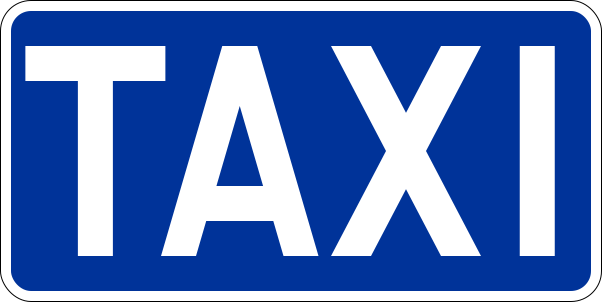
The D-19 - Taxi Stand road sign may also be known by these alternative names or terms.
The D-19 - Taxi Stand road sign is part of the Information Signs (D) category, which groups together signs with similar rules and functions.
Master similar road signs by comparing their distinctions for better recall, a key strategy for theory test revision. Effective traffic sign comparison helps prevent common errors and boosts your confidence in recognizing patterns during your exam preparation.
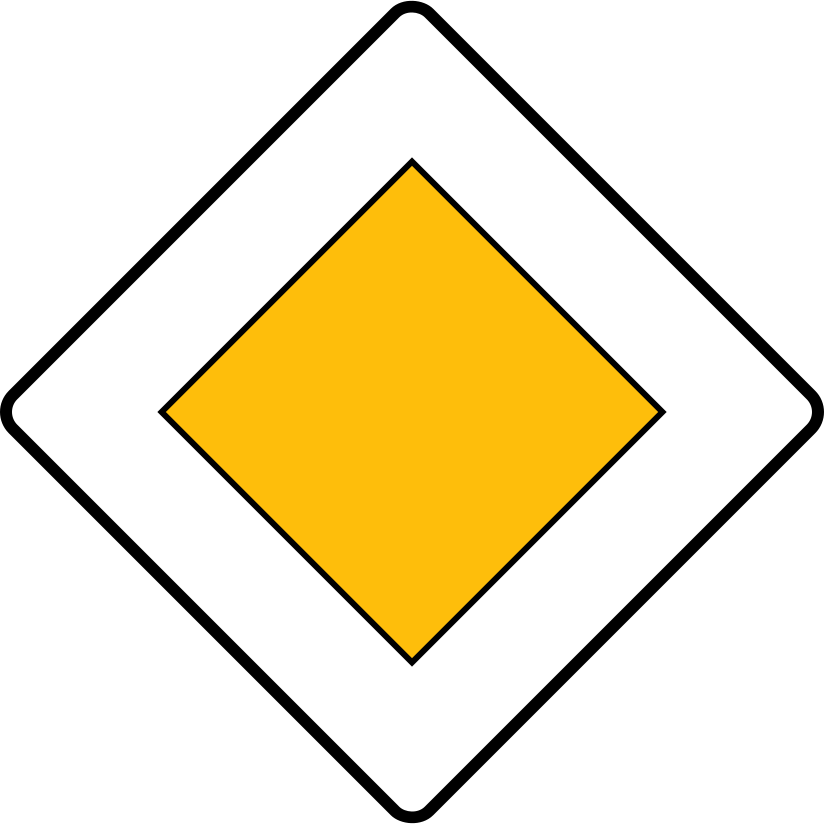
The D-1 Priority Road sign means you have the right of way.
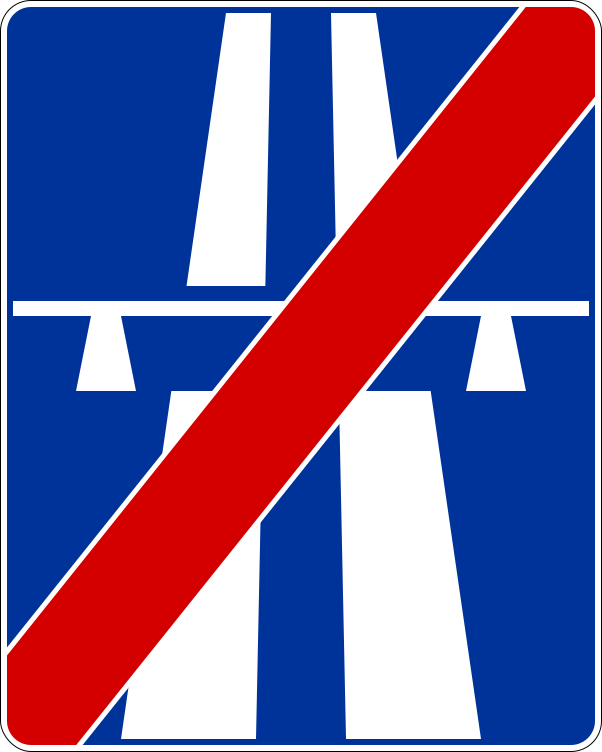
Prepare for the End of the Motorway with the D-10 Sign
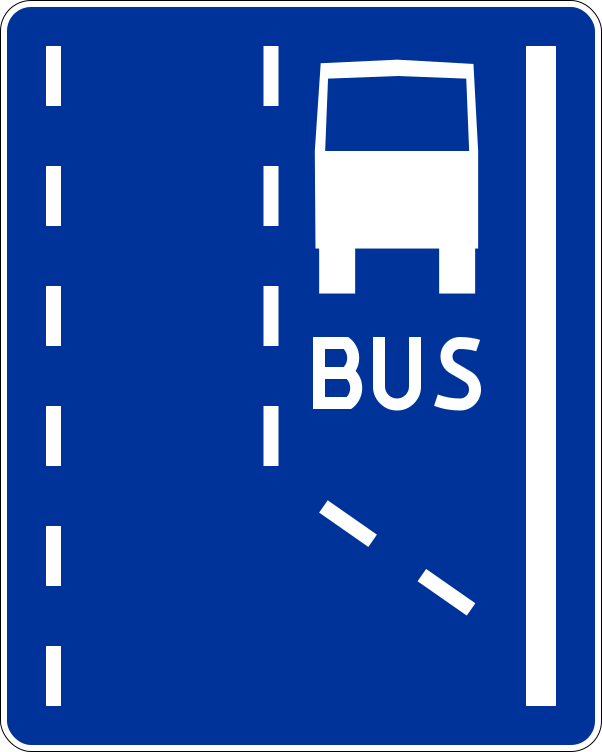
D-11 Road Sign: You're Approaching the Start of a Bus Lane
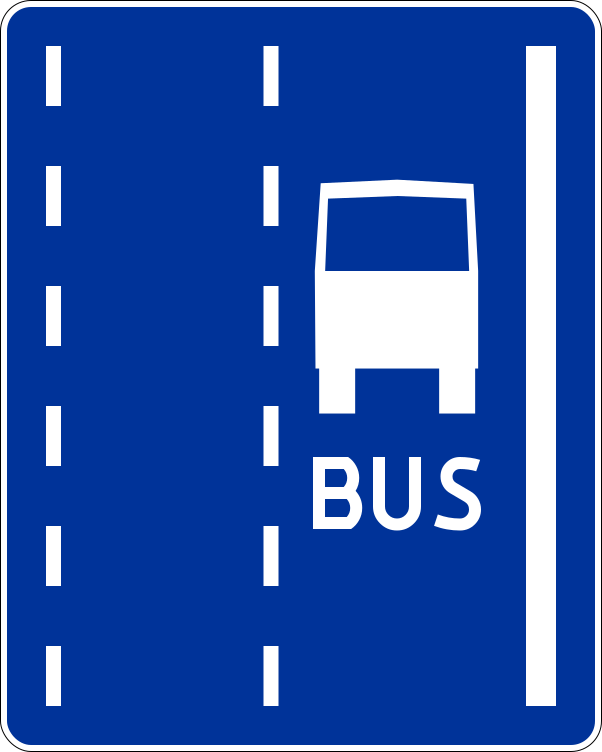
The D-12 'Bus Lane' sign confirms the lane remains exclusively for buses and authorized vehicles.
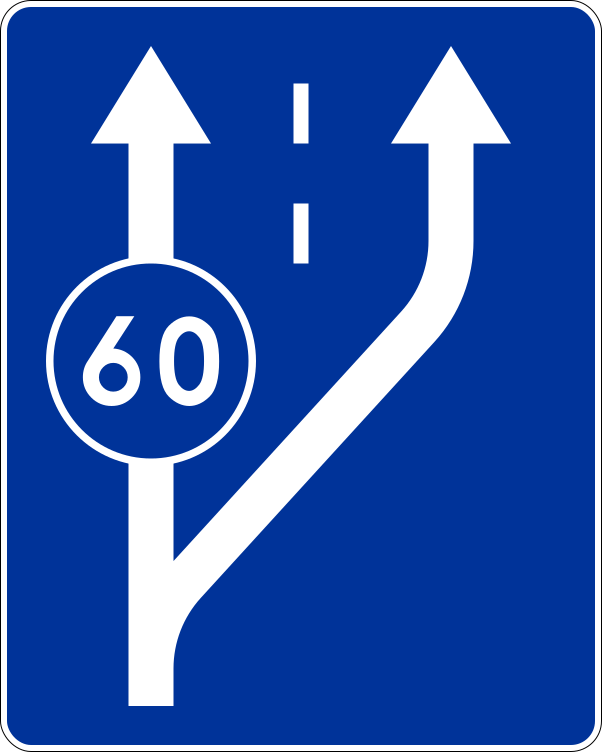
D-13 Sign: Prepare for the Start of a Slow-Moving Traffic Lane
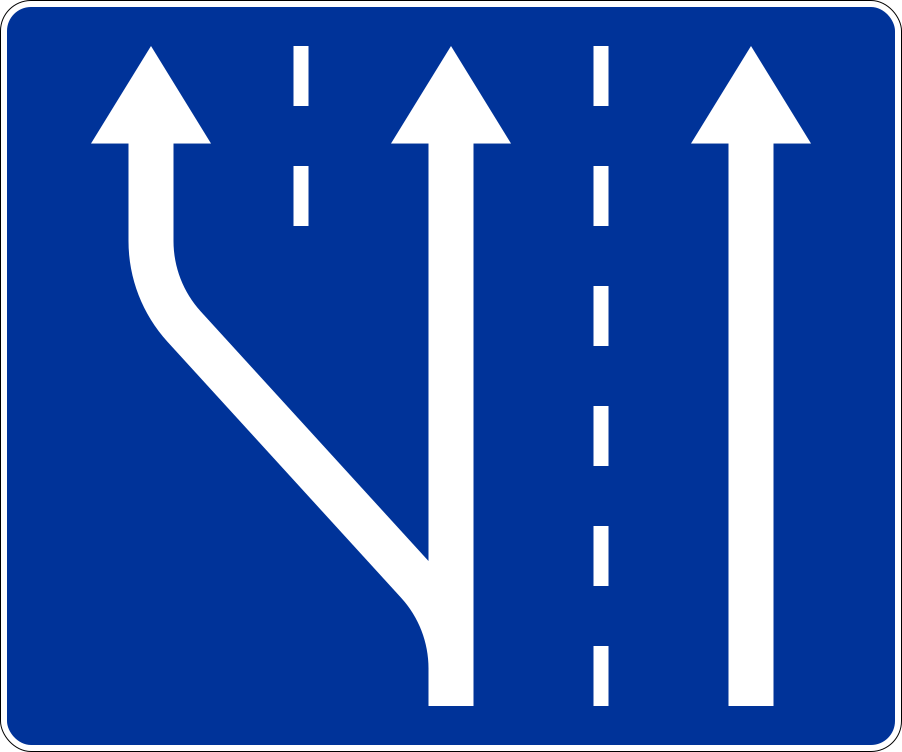
The D-13a 'Start of Lane' sign means a new lane is opening up ahead.
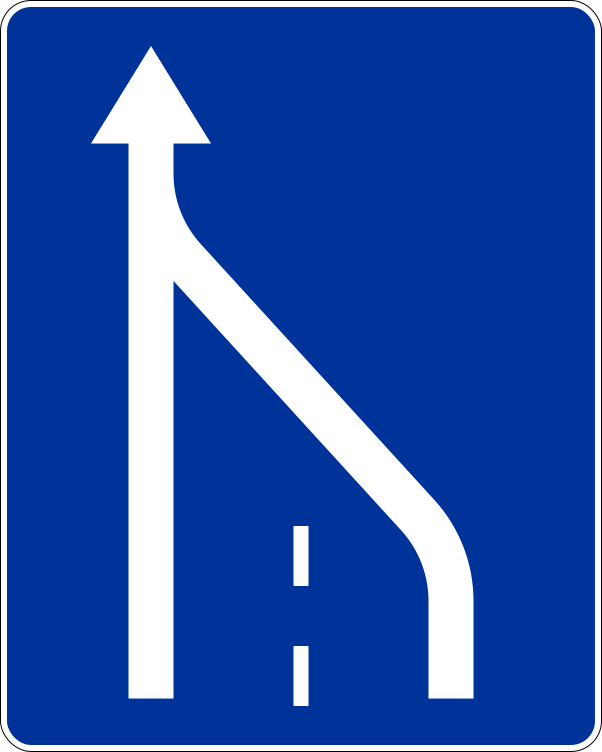
D-14 End of Lane: Know When and How to Merge Safely
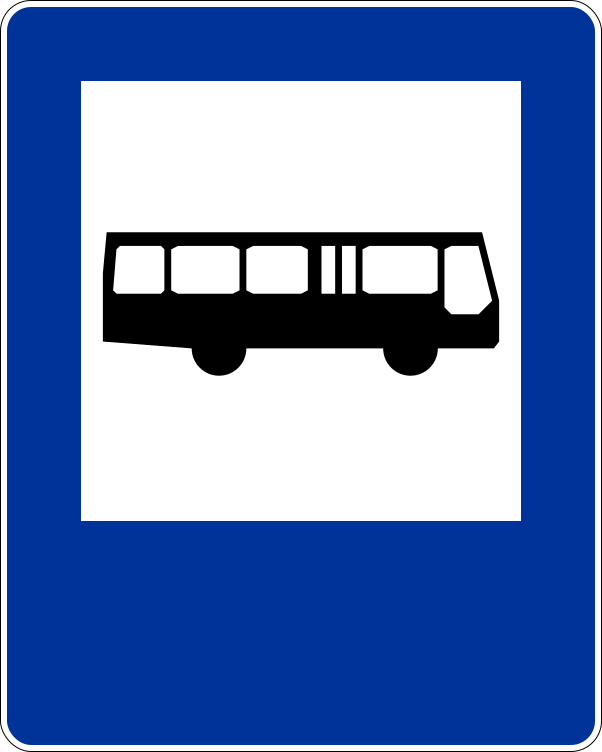
The D-15 'Bus Stop' Sign: Understanding and Reacting to Public Transport Stops
Deepen your understanding of specific road signs by reviewing official Polish traffic rules and associated real-world driving scenarios. These expert-led resources help you bridge the gap between visual recognition and practical exam application.
This article provides a detailed explanation of how Polish traffic signs A-7 ('Ustąp Pierwszeństwa' - Yield), B-20 ('STOP'), and D-1 ('Droga z Pierwszeństwem' - Priority Road) dictate right-of-way at intersections. Understanding the nuances of these signs is a fundamental aspect of the Polish driving theory exam, and mastering them will significantly improve your preparedness for real-world driving scenarios.
Learn the critical distinctions between the Polish A-16 warning sign and the D-6 pedestrian crossing sign. This guide explains your legal responsibilities when approaching these areas, including the mandatory speed reduction and yielding requirements. Understand the significant penalties, such as hefty fines and accumulating penalty points, especially the 'recydywa' (repeat offender) system in Poland, which can lead to immediate license suspension.
Master Your Rights and Obligations During a Polish Roadside Inspection
Master Roadworks: Prioritize Temporary Markings for a Safer Drive and Exam Pass.
The D-34b sign acts as a summary for a rest area or a nearby town. Instead of multiple separate signs, it groups symbols together on one large blue board. For example, it might show symbols for a petrol station, a restaurant, and a hotel simultaneously. This allows drivers to see at a glance what services are available at an upcoming exit or stop without cluttering the roadside with too many individual signs.
The D-40 sign marks the entrance to a 'Strefa Zamieszkania'. Inside this zone, pedestrians are allowed to use the entire width of the road and have absolute priority over vehicles. The speed limit is strictly 20 km/h. Drivers must be extremely vigilant as children are legally allowed to play on the street without adult supervision. Additionally, parking is only permitted in designated spaces, and all speed bumps are considered 'marked' by this entry sign.
After reviewing the full list of Polish road signs, explore specific sign categories for in-depth understanding. Challenge your knowledge with practice questions focused on sign recognition and interpretation to solidify your preparation for the driving theory exam.
Browse All Polish Road Signs