
The D-2 sign is a crucial warning that your current road is no longer prioritised. Unlike the D-1 which grants priority, this sign, recognisable by a yellow diamond with a black diagonal cross, signals that your priority status is ending. You must prepare to yield at the upcoming intersection, as traffic from other directions may now have priority. This sign is often followed by a 'Yield' (A-7) or 'Stop' (B-20) sign, so be alert and reduce your speed.
Understanding the D-2 'End of Priority Road' is fundamental for safe navigation in Poland, signaling that your right-of-way concludes and you must prepare to yield. Mastering this crucial road sign meaning is essential for effective intersection management and achieving success on your Polish driving theory test.
The D-2 sign officially cancels the priority status previously granted by the D-1 sign. It appears as the standard yellow diamond but is crossed out with a thick black diagonal line. This sign is usually placed before an intersection with another priority road, an equal-priority intersection (where the 'right-hand rule' applies), or a roundabout. It serves as a critical warning for drivers to transition from 'priority' mindset to 'yielding' mindset.
The priority status of your current road is ending, and you must prepare to yield at the next intersection.
Get clear, practical answers to the most common questions about the D-2 - End of Priority Road road sign. Learn how the sign works, what rules it represents, and how it affects real driving situations. This FAQ strengthens your understanding and supports accurate decision making for the Polish driving theory exam in Poland.
The D-2 sign indicates that the road you are currently on is losing its priority status. This means you will need to yield to other vehicles at the next intersection. You should anticipate this change and prepare to adjust your driving behaviour accordingly.
Upon seeing the D-2 sign, you must immediately start preparing to yield. This means reducing your speed, staying observant of surrounding traffic, and being ready to give way to vehicles on intersecting roads, especially those on your right if it's an equal-priority junction. Always look out for subsequent 'Yield' or 'Stop' signs.
The D-2 sign is primarily an information sign that indicates a change in traffic hierarchy. While it doesn't prohibit specific actions like speeding, it strongly implies a need for caution and a change in priority, indirectly guiding drivers towards safer behaviour by signalling the end of priority.
The D-1 sign (yellow diamond, no cross) indicates that you are on a priority road and generally have the right of way. The D-2 sign (yellow diamond with a black diagonal cross) signifies the *end* of that priority road. Seeing D-2 means you must prepare to yield at the next junction, as your priority status is concluding.
A common trap is assuming you still have priority after passing the D-2 sign, or not adequately reducing speed. Learners might also forget to check for the signs that usually follow D-2, such as A-7 (Yield) or B-20 (Stop). Remember, D-2 is a preparation for yielding, not an instruction to stop or yield immediately, but the change in priority is imminent.
A clear reference image of the D-2 - End of Priority Road road sign used in Poland.
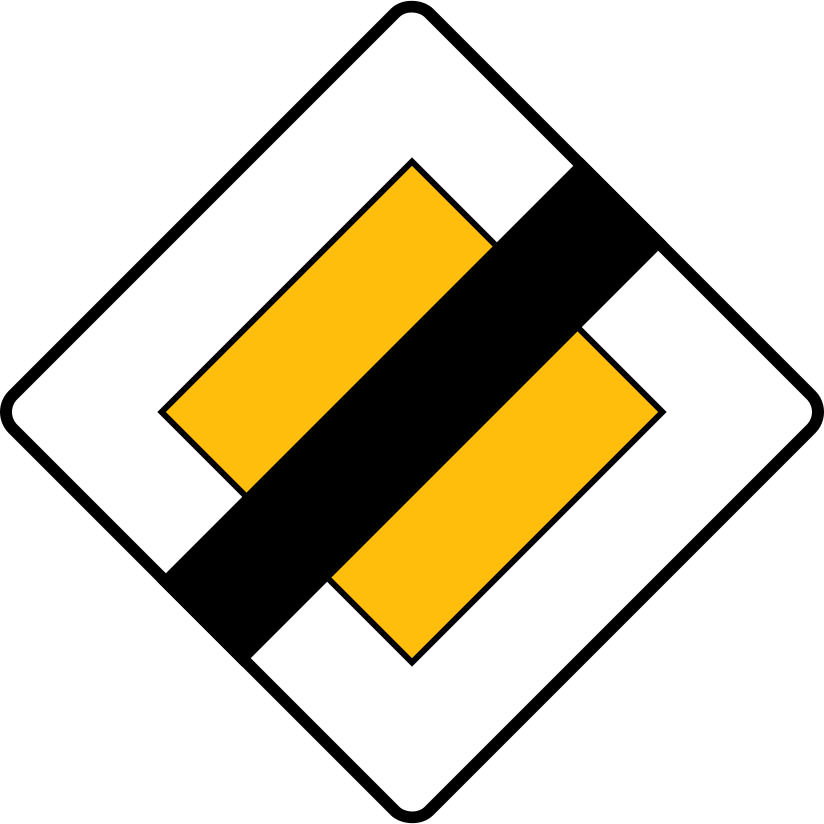
The D-2 - End of Priority Road road sign may also be known by these alternative names or terms.
The D-2 - End of Priority Road road sign is part of the Information Signs (D) category, which groups together signs with similar rules and functions.
Reviewing related signs like the D-2 'End of Priority Road' with other priority indicators helps solidify your understanding and prevents confusion during your theory test revision. Practicing traffic sign comparison improves your sign recognition, crucial for safe driving and exam success.
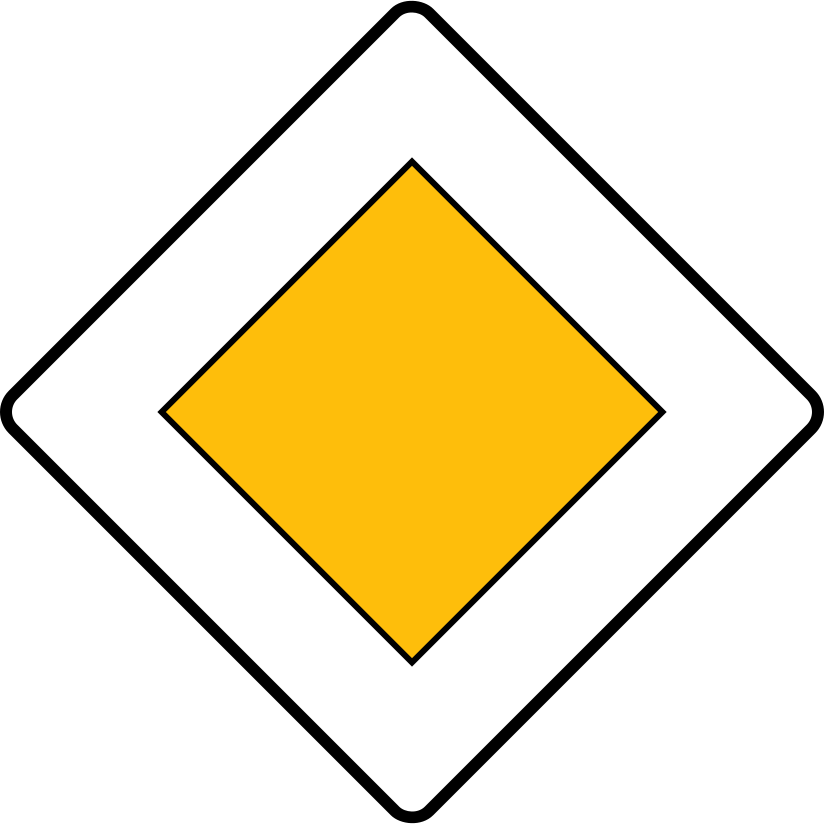
The D-1 Priority Road sign means you have the right of way.
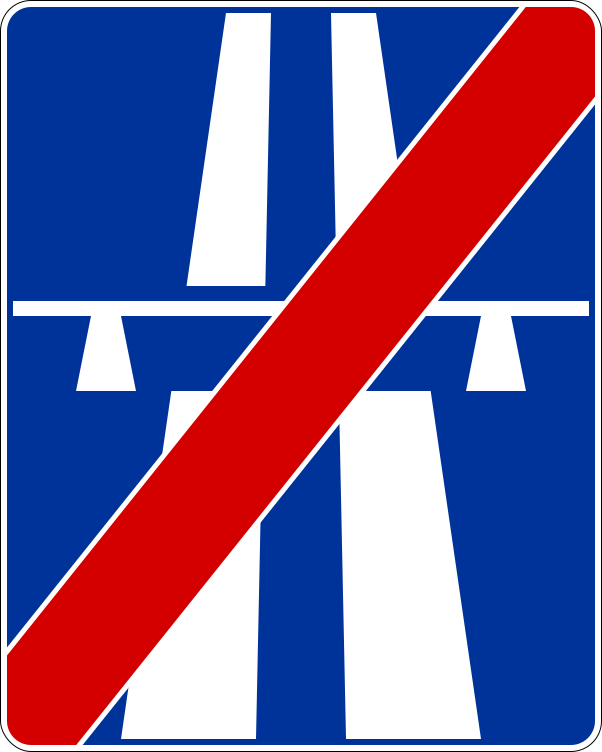
Prepare for the End of the Motorway with the D-10 Sign
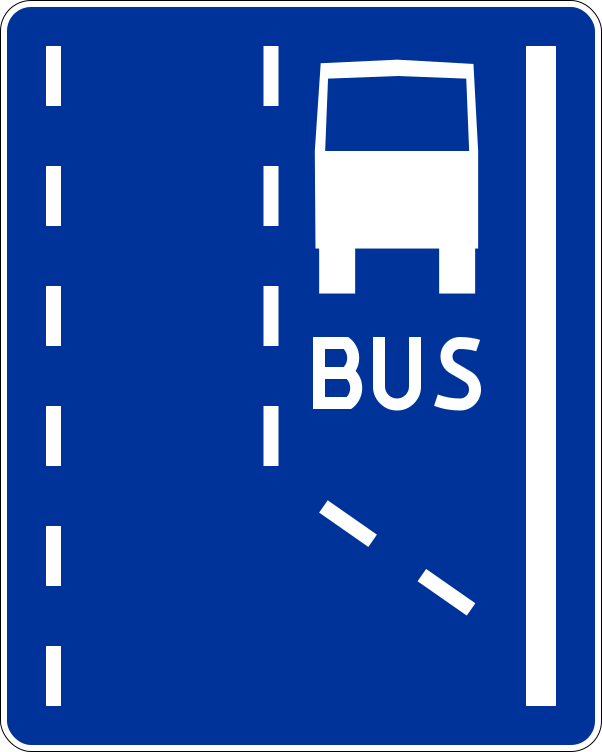
D-11 Road Sign: You're Approaching the Start of a Bus Lane
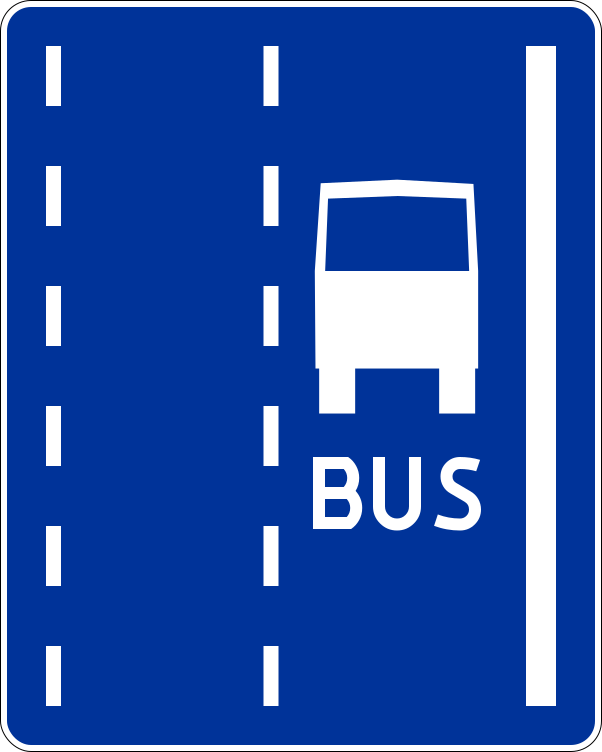
The D-12 'Bus Lane' sign confirms the lane remains exclusively for buses and authorized vehicles.
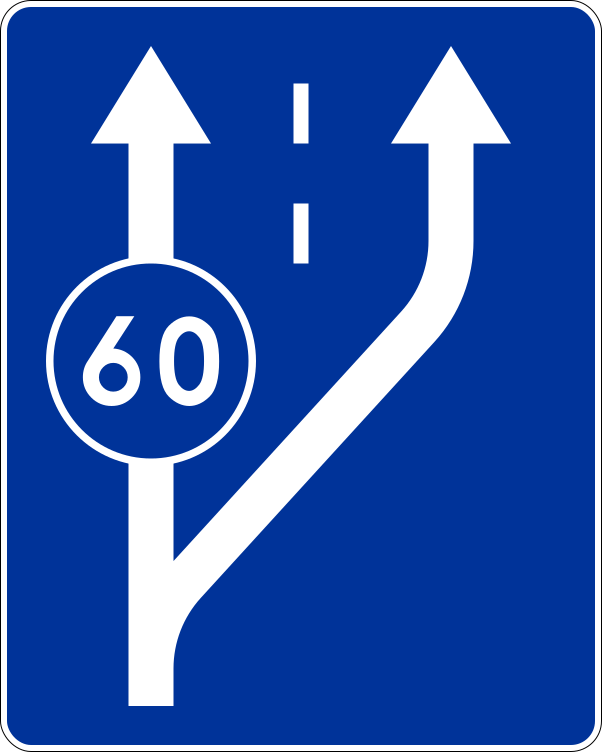
D-13 Sign: Prepare for the Start of a Slow-Moving Traffic Lane
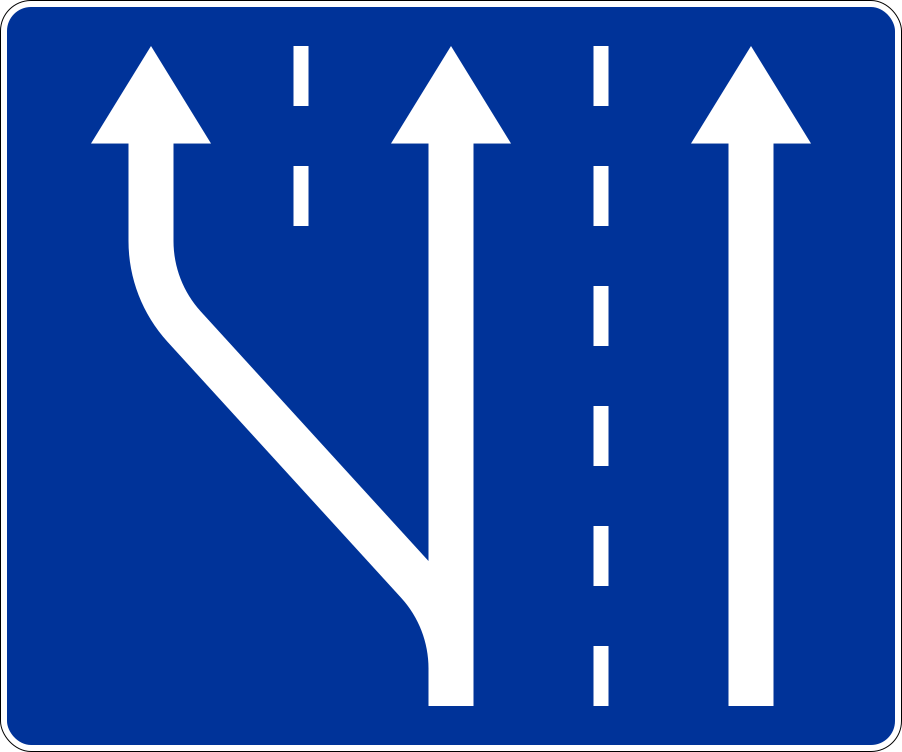
The D-13a 'Start of Lane' sign means a new lane is opening up ahead.
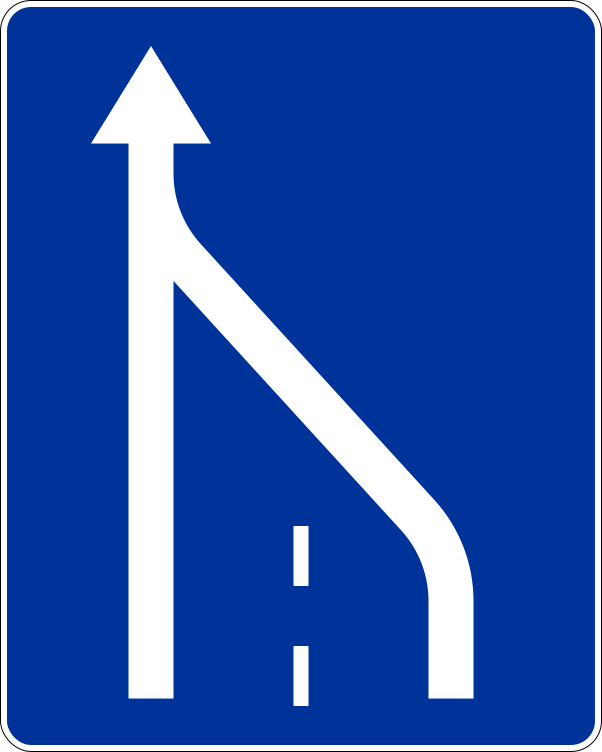
D-14 End of Lane: Know When and How to Merge Safely
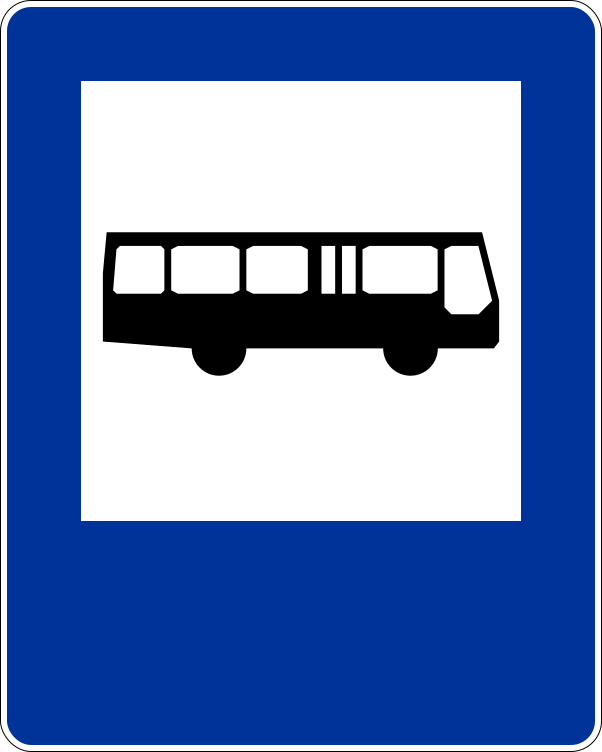
The D-15 'Bus Stop' Sign: Understanding and Reacting to Public Transport Stops
Deepen your understanding of specific road signs by reviewing official Polish traffic rules and associated real-world driving scenarios. These expert-led resources help you bridge the gap between visual recognition and practical exam application.
Master Polish Crossing Markings for a Safer Drive and Exam Success.
Navigate Polish roads with confidence by understanding critical cyclist priority rules at junctions and crossings. This guide explains your legal obligations as a driver to yield to cyclists, a common area of confusion and potential exam pitfalls. Learn the nuances of right-of-way at intersections and designated cyclist passages to drive safely and pass your theory test.
Navigate Tram Intersections Like a Pro: Essential for Your Polish Driving Exam.
When selling a car in Poland, you have specific legal duties regarding insurance and registration that must be met promptly. This article clarifies these seller obligations, including the crucial 14-day window to inform your insurer and the 30-day deadline to notify the relevant communication department, ensuring a smooth and compliant transfer of ownership for both parties.
The E-2a is a rectangular board usually mounted on the shoulder. It serves as the final confirmation of which way to turn at a junction. It can list multiple cities in one direction and include road numbers. Unlike arrow-shaped signs, this board provides a broader overview of the directions available at that specific point in the journey. It is a staple of standard national and local road navigation.
The D-34b sign acts as a summary for a rest area or a nearby town. Instead of multiple separate signs, it groups symbols together on one large blue board. For example, it might show symbols for a petrol station, a restaurant, and a hotel simultaneously. This allows drivers to see at a glance what services are available at an upcoming exit or stop without cluttering the roadside with too many individual signs.
After reviewing the full list of Polish road signs, explore specific sign categories for in-depth understanding. Challenge your knowledge with practice questions focused on sign recognition and interpretation to solidify your preparation for the driving theory exam.
Browse All Polish Road Signs