
When you see the D-7 sign, it means you are entering an expressway, also known as a 'droga ekspresowa'. These are designated roads primarily for motor vehicles, designed for high-speed, long-distance travel in Poland. Special rules apply here, including higher speed limits and restrictions on certain types of traffic. Understanding this sign is crucial for safe driving on these major routes and for your theory test.
This sign signals the start of an expressway in Poland, crucial for understanding speed limits and traffic rules specific to these high-speed roads. Mastering its meaning is essential for your theory test revision and safe driving.
The D-7 sign indicates the beginning of a high-speed road designated for motor vehicles only. In Poland, expressways (Drogi Ekspresowe) have specific speed limits (usually 120 km/h for dual carriageways) and prohibit slow-moving vehicles, pedestrians, and cyclists. The sign shows a white car silhouette on a blue rectangular background. These roads are designed for long-distance travel and typically feature grade-separated interchanges, though they may occasionally have at-grade intersections in older sections.
This sign marks the start of an expressway where special high-speed traffic rules apply.
Get clear, practical answers to the most common questions about the D-7 - Expressway road sign. Learn how the sign works, what rules it represents, and how it affects real driving situations. This FAQ strengthens your understanding and supports accurate decision making for the Polish driving theory exam in Poland.
The D-7 sign indicates the beginning of an expressway. This means you are entering a road specifically designed for faster motor vehicle traffic. You should prepare for higher legal speed limits and be aware that certain vehicles and actions are prohibited.
After passing the D-7 sign, slow-moving vehicles like tractors, bicycles, mopeds, and pedestrians are not allowed on the main roadway. You also cannot perform U-turns or reverse. These restrictions are in place to maintain traffic flow and safety at higher speeds.
While specific limits can vary, expressways in Poland generally allow higher speeds. For dual-carriageway expressways, the speed limit for passenger cars is typically 120 km/h. Always check for variable speed limit signs, especially in construction zones or adverse weather conditions.
Stopping on the hard shoulder is generally prohibited on expressways, except in cases of genuine emergency. If you experience a breakdown or medical issue, you should pull over safely and use hazard warning lights. For non-emergencies, you must exit the expressway to stop or park.
Expressways are designed for efficient long-distance travel. You'll often see green directional signs indicating destinations, which can help with navigation. Remember to use the right-hand lanes for normal driving and the left lanes exclusively for overtaking, returning to the right lane as soon as it's safe.
A clear reference image of the D-7 - Expressway road sign used in Poland.
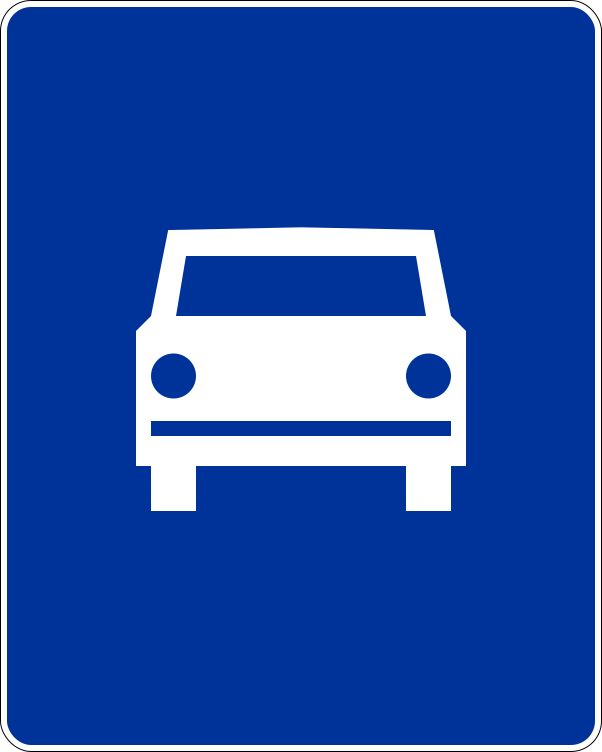
The D-7 - Expressway road sign may also be known by these alternative names or terms.
The D-7 - Expressway road sign is part of the Information Signs (D) category, which groups together signs with similar rules and functions.
Reviewing related signs like the expressway (D-7) alongside other information signs aids in precise sign recognition and reduces confusion during your theory test revision. Comparing similar road signs strengthens your understanding of Polish traffic rules and improves exam preparation.
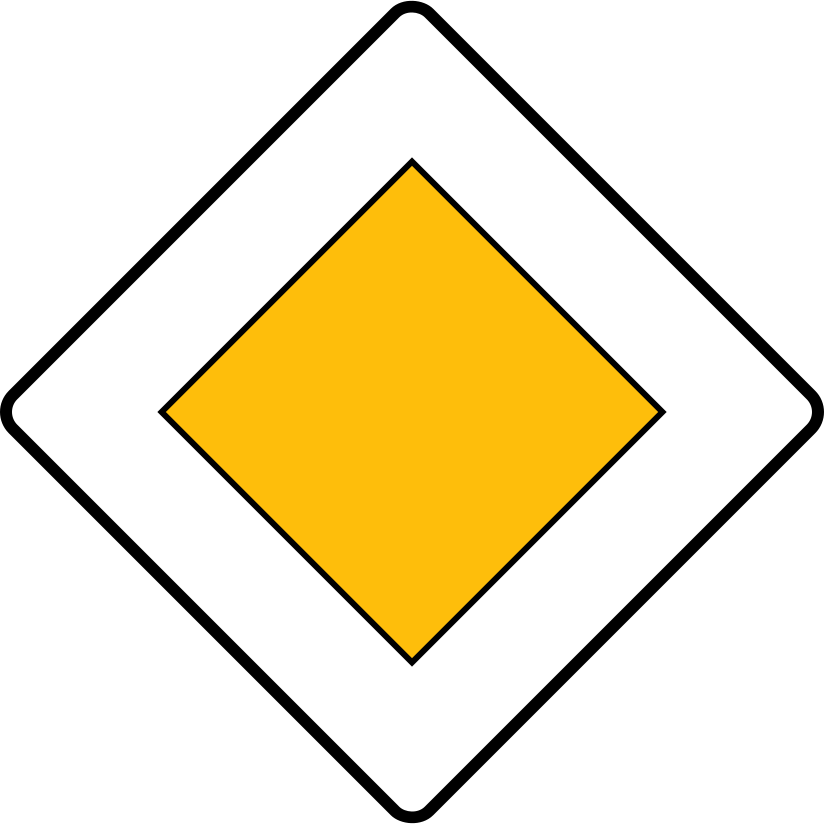
The D-1 Priority Road sign means you have the right of way.
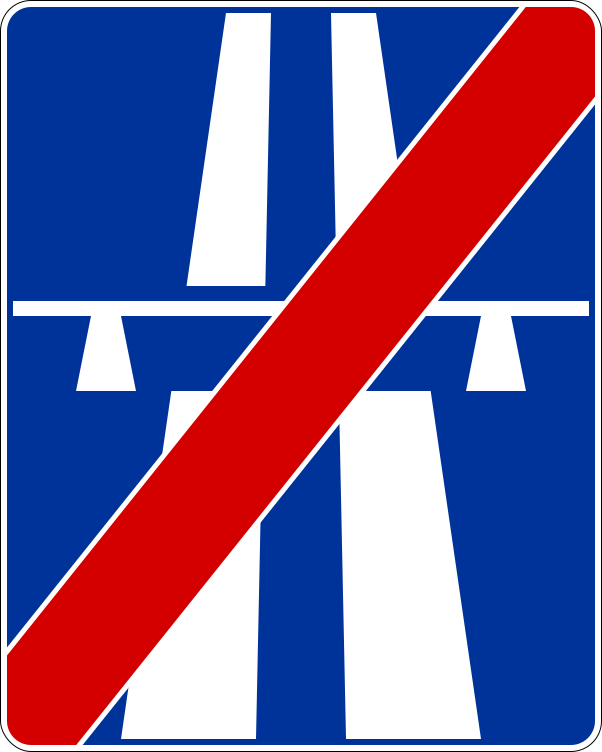
Prepare for the End of the Motorway with the D-10 Sign
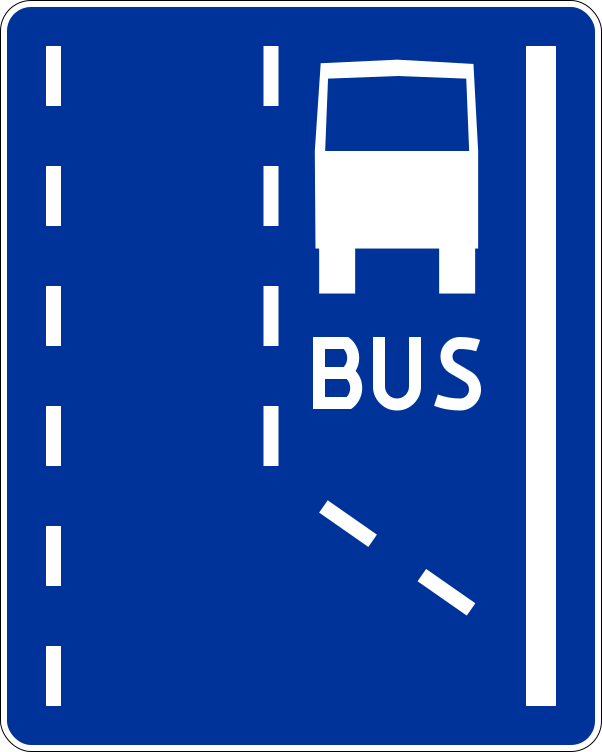
D-11 Road Sign: You're Approaching the Start of a Bus Lane
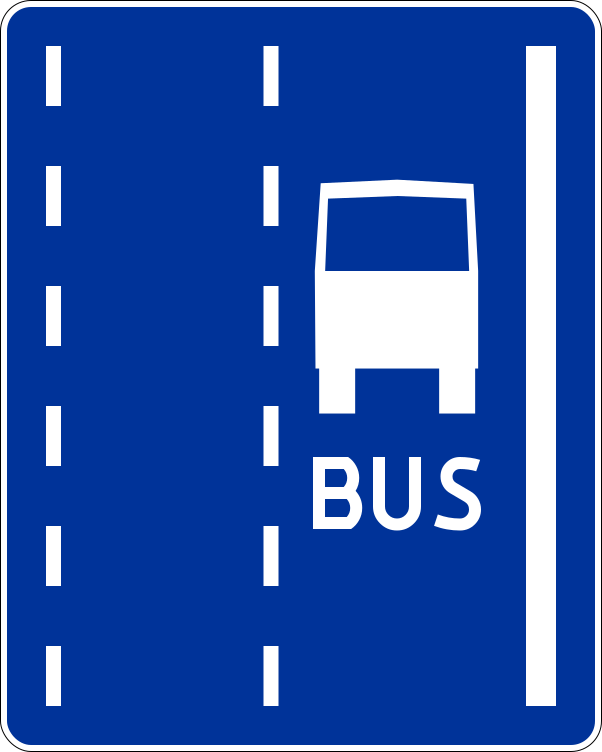
The D-12 'Bus Lane' sign confirms the lane remains exclusively for buses and authorized vehicles.
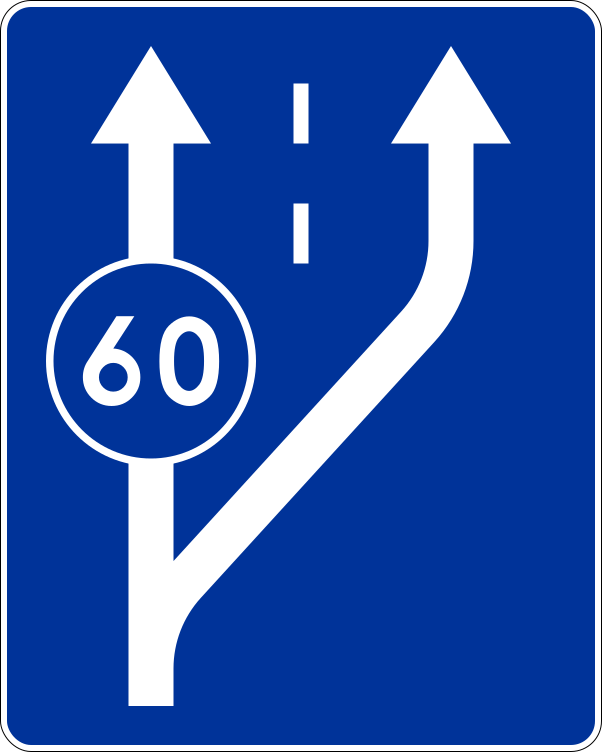
D-13 Sign: Prepare for the Start of a Slow-Moving Traffic Lane
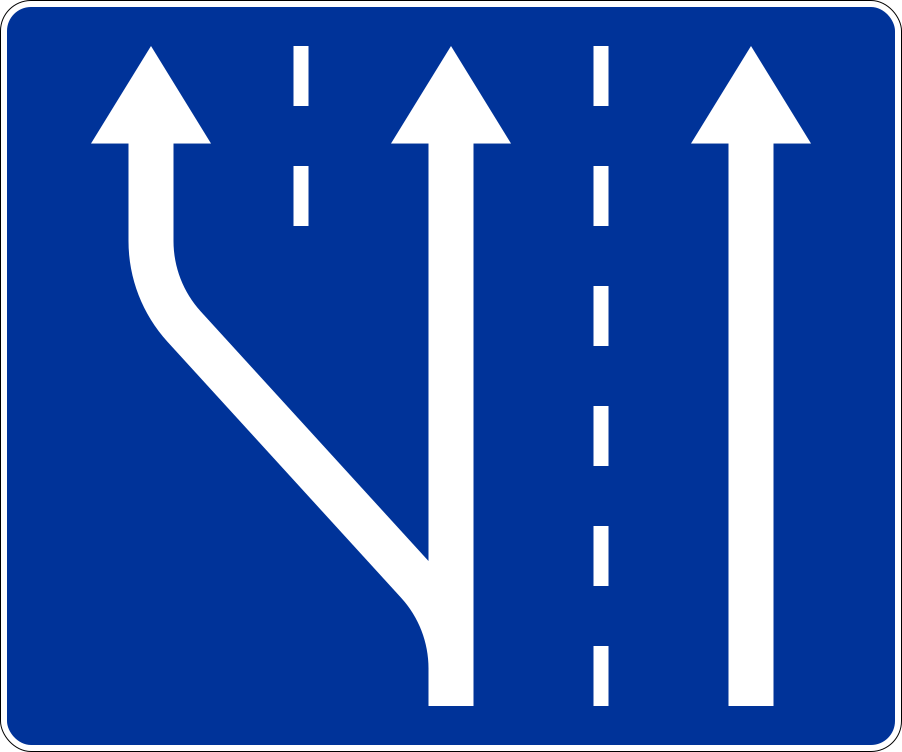
The D-13a 'Start of Lane' sign means a new lane is opening up ahead.
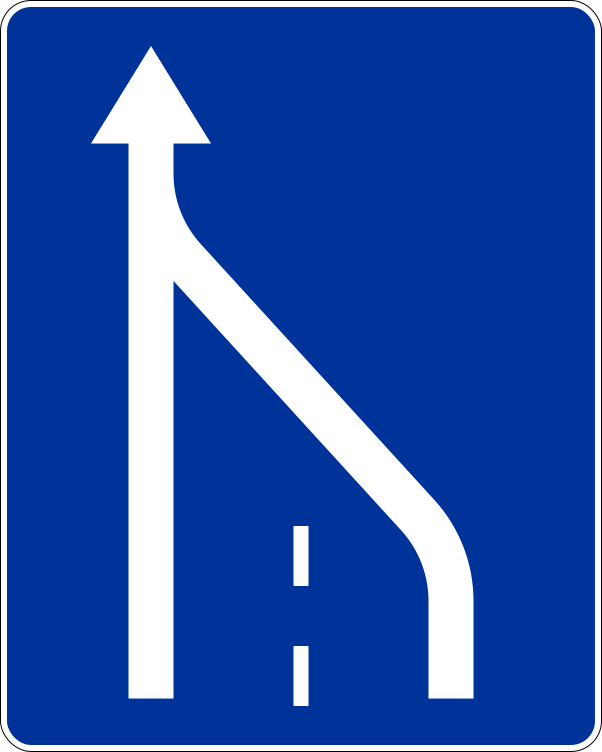
D-14 End of Lane: Know When and How to Merge Safely
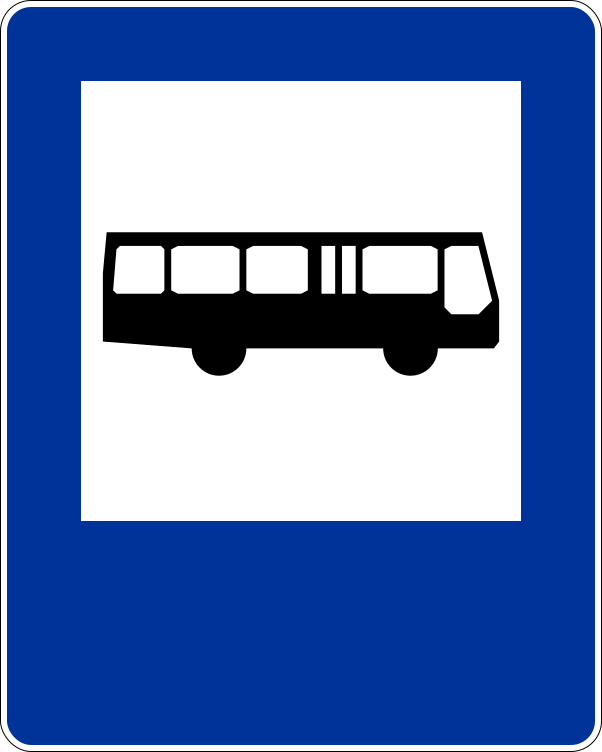
The D-15 'Bus Stop' Sign: Understanding and Reacting to Public Transport Stops
Deepen your understanding of specific road signs by reviewing official Polish traffic rules and associated real-world driving scenarios. These expert-led resources help you bridge the gap between visual recognition and practical exam application.
Master Polish Crossing Markings for a Safer Drive and Exam Success.
Navigate Tram Intersections Like a Pro: Essential for Your Polish Driving Exam.
Learning how to interact with law enforcement is a crucial part of your driver training in Poland, as it helps you understand the legal procedures governing roadside controls. This guide clarifies how officers identify themselves, what behaviors are expected of you as a driver, and how traffic enforcement impacts your penalty points and record. Mastery of these rules ensures you remain compliant with the law and prepared for any roadside situation you may encounter.
This article provides a detailed explanation of how Polish traffic signs A-7 ('Ustąp Pierwszeństwa' - Yield), B-20 ('STOP'), and D-1 ('Droga z Pierwszeństwem' - Priority Road) dictate right-of-way at intersections. Understanding the nuances of these signs is a fundamental aspect of the Polish driving theory exam, and mastering them will significantly improve your preparedness for real-world driving scenarios.
The E-15c sign features white letters and numbers on a blue background. In Poland, motorways are the highest class of road, featuring at least two lanes in each direction, a hard shoulder, and no flat intersections. These are often toll roads. The blue color is the primary indicator that you are on or approaching an 'Autostrada'.
The D-6b sign combines the functions of the D-6 and D-6a signs. It is used in locations where a sidewalk and a bicycle path run parallel and cross the road at the same point. The sign displays both the pedestrian and the bicycle silhouettes within the white triangle on a blue background. Drivers are obligated to treat this crossing with extreme care, yielding to both people on foot and those on bikes. The same rules regarding overtaking and parking apply here as with standard crossings.
After reviewing the full list of Polish road signs, explore specific sign categories for in-depth understanding. Challenge your knowledge with practice questions focused on sign recognition and interpretation to solidify your preparation for the driving theory exam.
Browse All Polish Road Signs