
This B-30 traffic sign marks the end of a 'Quiet Zone' where honking was prohibited. While you are no longer banned from using your audible warning device, remember that general rules still apply. This means unnecessary honking is still forbidden, especially in built-up areas. You can use the horn to signal intent to overtake in rural areas or to warn others of danger, but always consider the impact on residents and road safety.
The B-30 road sign meaning indicates where a quiet zone ends, reinstating your ability to use audible warning devices under standard Polish traffic rules. Understanding this traffic sign explanation is crucial for theory test revision, ensuring you know when horn use is permitted or restricted in various road conditions.
The B-30 sign marks the point where the 'No Honking' restriction ends. Beyond this sign, you are back to the standard rules: in rural areas, you can use the horn to signal intent to overtake or warn others, while in built-up areas, the general ban on unnecessary honking still applies legally even without signs.
Cancels the prohibition on the use of audible warning devices.
Get clear, practical answers to the most common questions about the B-30 - End of Quiet Zone road sign. Learn how the sign works, what rules it represents, and how it affects real driving situations. This FAQ strengthens your understanding and supports accurate decision making for the Polish driving theory exam in Poland.
The B-30 sign signifies the end of a designated 'Quiet Zone'. This means the prohibition on using your car's horn is lifted. You can now use your horn according to general traffic regulations.
No, not freely. While the specific 'Quiet Zone' prohibition ends, the general rule that prohibits unnecessary noise still applies. You should only use your horn for essential safety purposes, such as warning other road users or signaling an intention to overtake in rural areas with poor visibility.
Even after passing the B-30 sign, the general prohibition on unnecessary honking in built-up areas remains in effect. You should avoid honking to simply get attention or to cause a nuisance, as this is still illegal and unsafe.
A 'Quiet Zone' is an area where drivers are prohibited from using their horns to reduce noise pollution, typically near hospitals, schools, or residential areas. The B-30 sign simply indicates that this specific prohibition is no longer in effect at that point.
Yes, you should use your horn to warn other road users of your presence in a dangerous situation, or to signal your intention to overtake in rural areas where visibility is limited. It's crucial to use it as a safety device only.
A clear reference image of the B-30 - End of Quiet Zone road sign used in Poland.
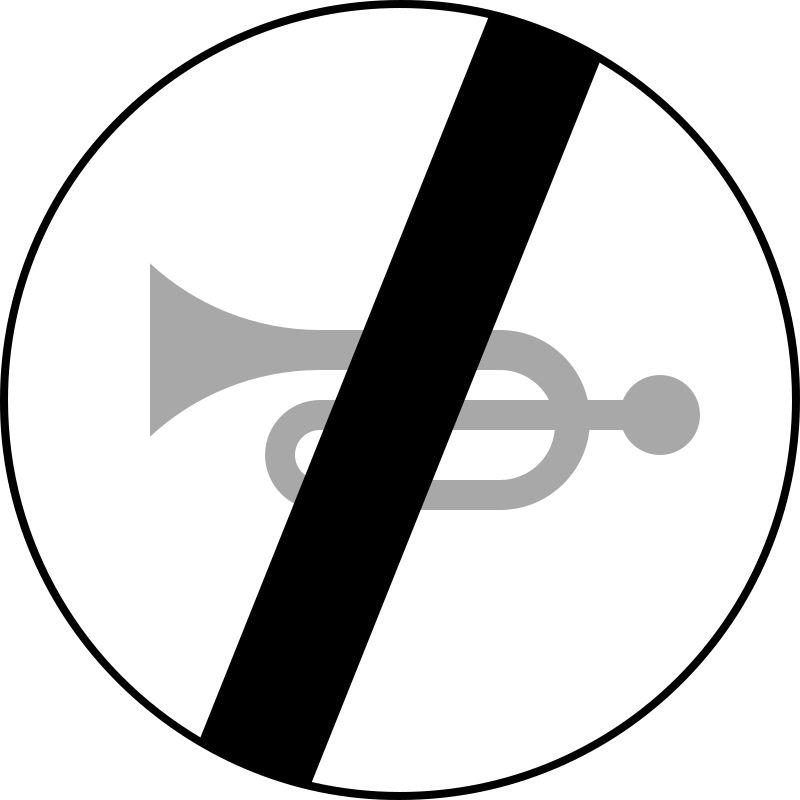
The B-30 - End of Quiet Zone road sign may also be known by these alternative names or terms.
The B-30 - End of Quiet Zone road sign is part of the Prohibitory Signs (B) category, which groups together signs with similar rules and functions.
Reviewing related road signs, like different prohibitory signs, helps solidify your understanding and prevents common errors during your theory test revision. Master traffic sign comparison and sign recognition to confidently navigate Poland's road rules.

B-1 Sign: Road Closed to All Traffic in Both Directions
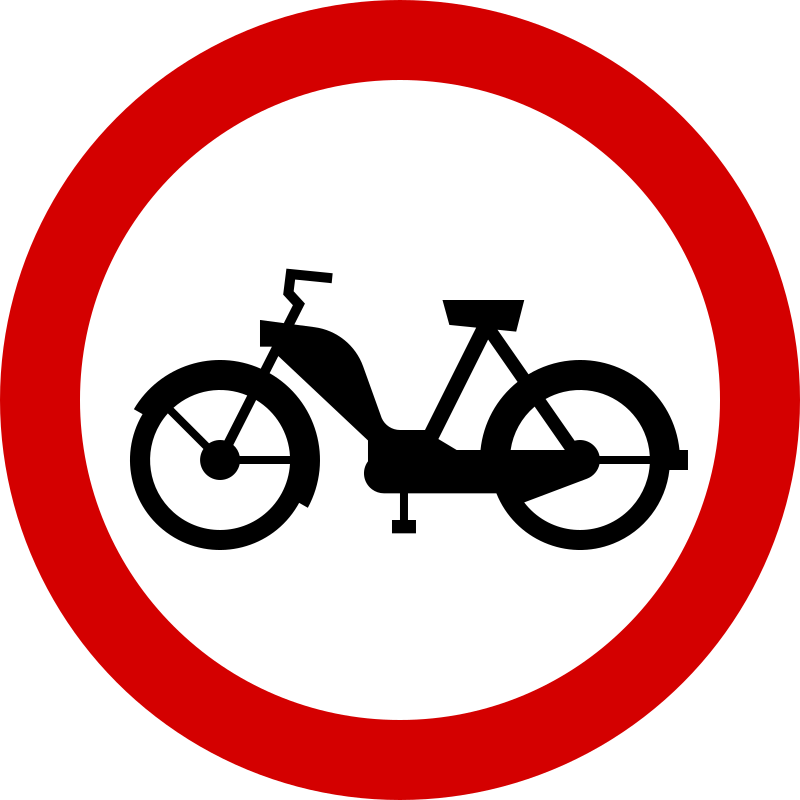
The B-10 'No Mopeds' sign prohibits entry for all mopeds past this point.
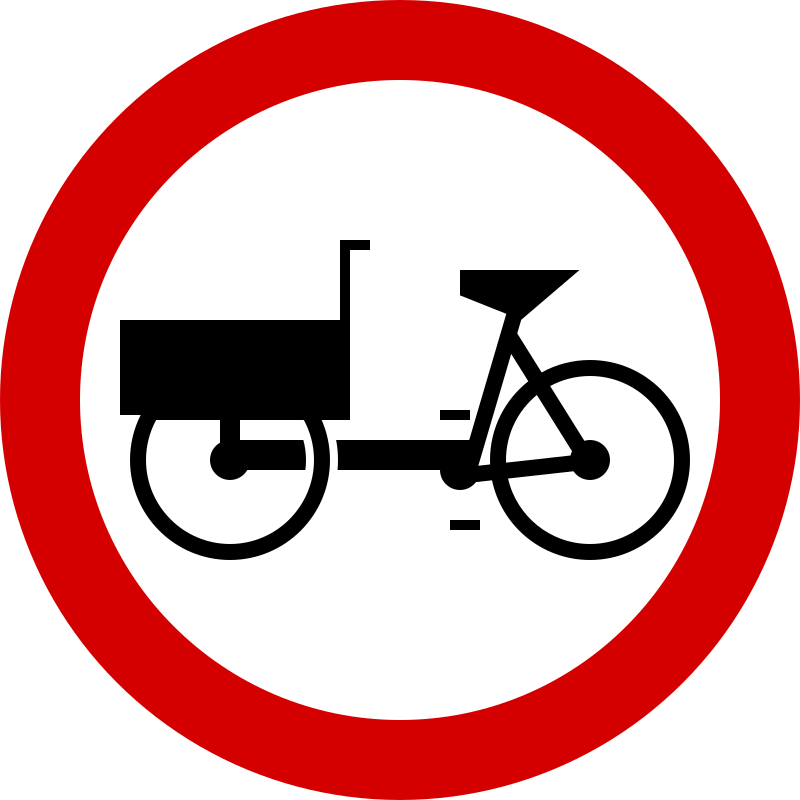
B-11: No Entry for Cycle Rickshaws and Multi-Track Carts
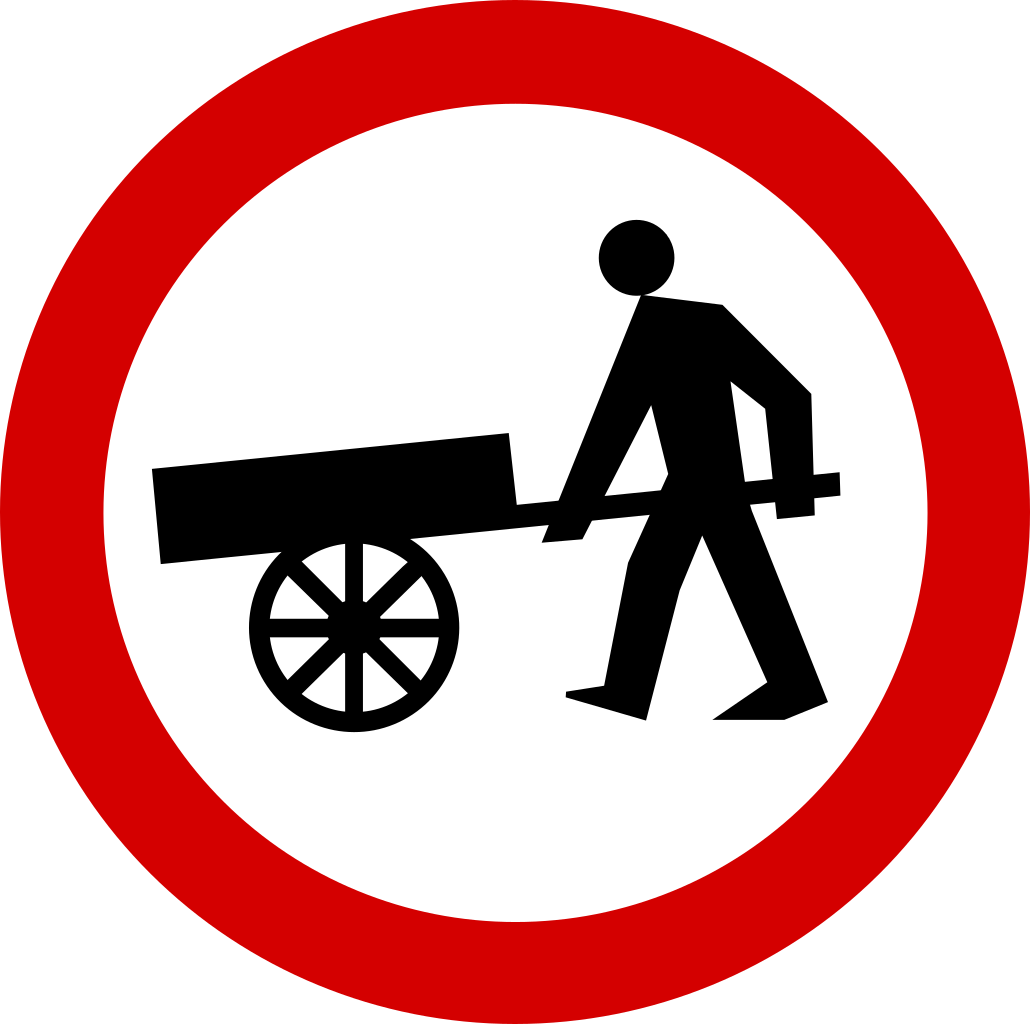
Understand the B-12 'No Handcarts' Road Sign
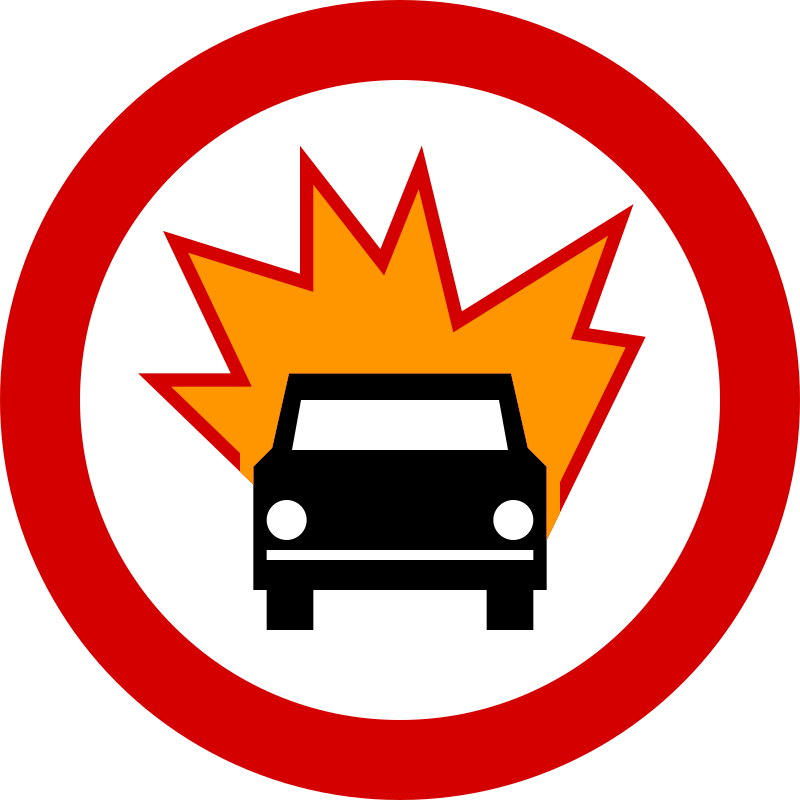
Understand the B-13 sign: No vehicles carrying explosives or flammable goods allowed.
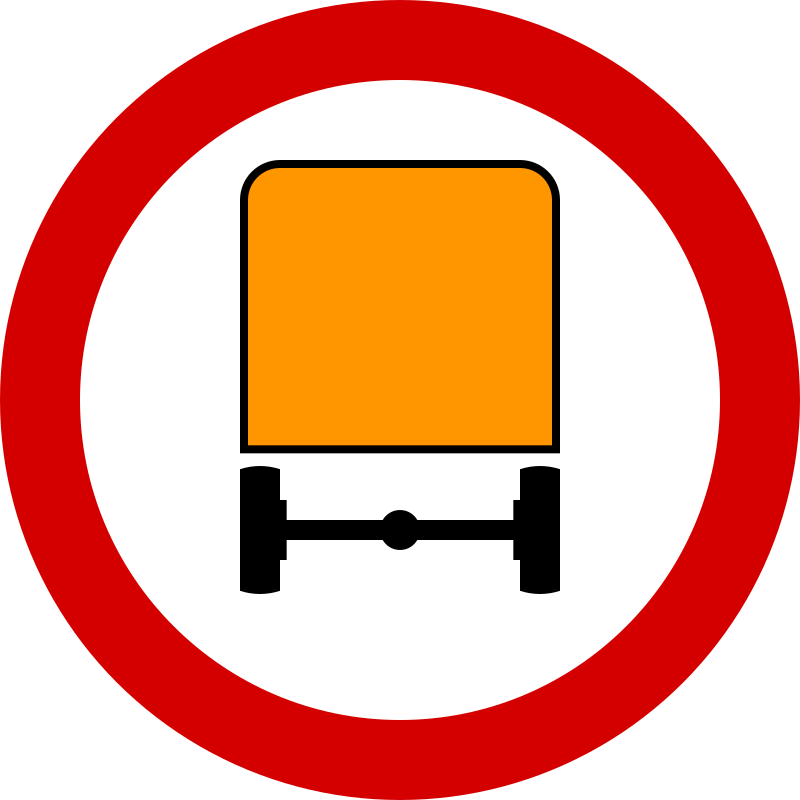
The B-13a sign means no vehicles carrying dangerous goods are allowed past this point.
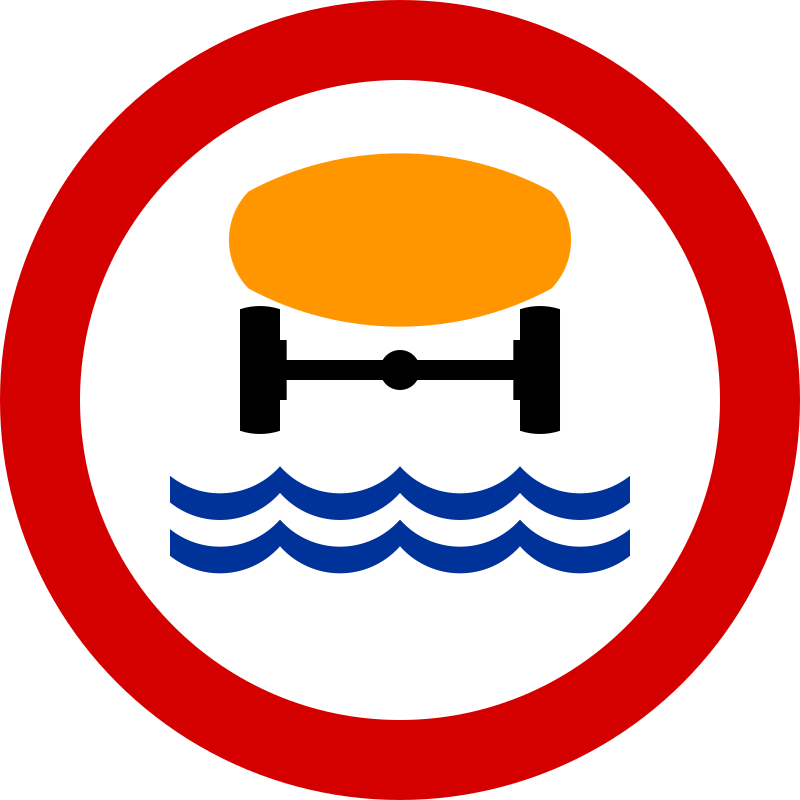
B-14 Sign: No Vehicles Carrying Water Contaminants
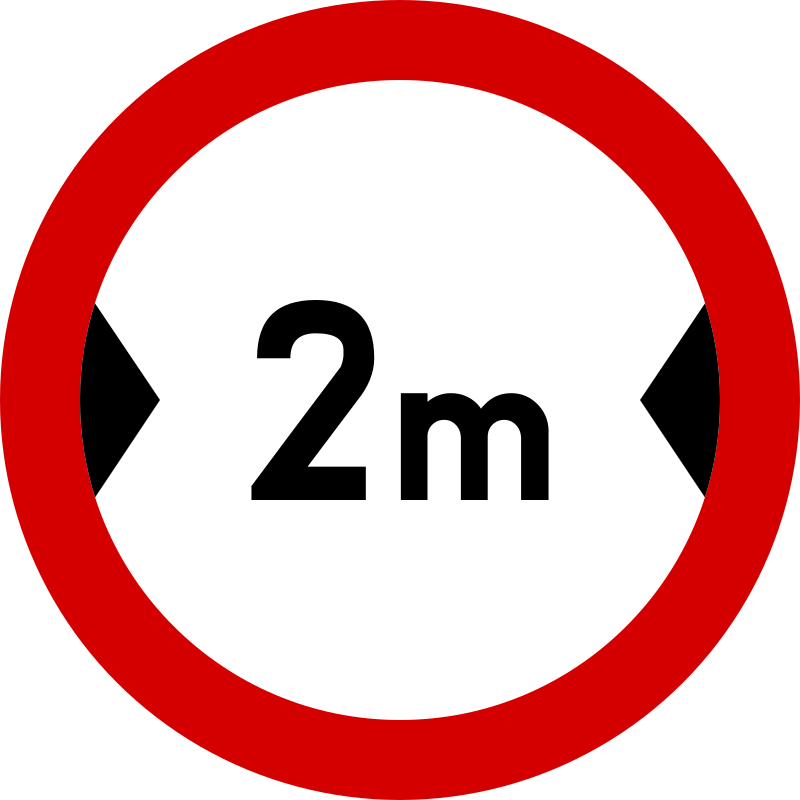
The B-15 sign prohibits vehicles wider than the specified limit from passing.
Deepen your understanding of specific road signs by reviewing official Polish traffic rules and associated real-world driving scenarios. These expert-led resources help you bridge the gap between visual recognition and practical exam application.
Navigate Polish City Streets with Confidence: Master Urban Speed Limits.
Learn how higher speed limits outside Polish built-up areas must be balanced with awareness of constant hazards. This article delves into risks like poor visibility due to inadequate lighting and unpredictable road conditions, emphasizing that actual driving circumstances, not just posted signs, determine a safe speed. Mastering this interplay is essential for both passing your theory exam and ensuring your safety on Polish roads.
Master Urban Speed Limits and Drive Safely in Poland
This article delves into the crucial meaning of the Polish D-42 'Obszar Zabudowany' (Built-up Area) sign, a key topic for your Polish driving theory exam. You will learn why this sign automatically enforces a 50 km/h speed limit and the severe penalties, including fines up to 5,000 PLN and potential license revocation, for violations. Understanding and respecting the D-42 sign is essential for safe driving and passing your theory test.
The B-29 sign is used outside of built-up areas near nature reserves, parks, health resorts, or hospitals to minimize noise pollution. In Poland, using a horn in built-up areas is already prohibited by law (Article 29 of the Traffic Act), so this sign is specifically for rural or semi-rural locations where drivers might otherwise honk unnecessarily. You may only use the horn if it is the only way to avoid an accident.
The F-23 sign marks a special middle lane in built-up areas. This lane is designed to facilitate safe left turns without blocking the main flow of traffic. Drivers can pull into this lane to wait for a gap to turn into a driveway, or use it briefly when merging out of a property. To increase visibility and safety, these lanes are sometimes painted red. It helps reduce rear-end collisions and improves urban traffic fluidity.
After reviewing the full list of Polish road signs, explore specific sign categories for in-depth understanding. Challenge your knowledge with practice questions focused on sign recognition and interpretation to solidify your preparation for the driving theory exam.
Browse All Polish Road Signs