
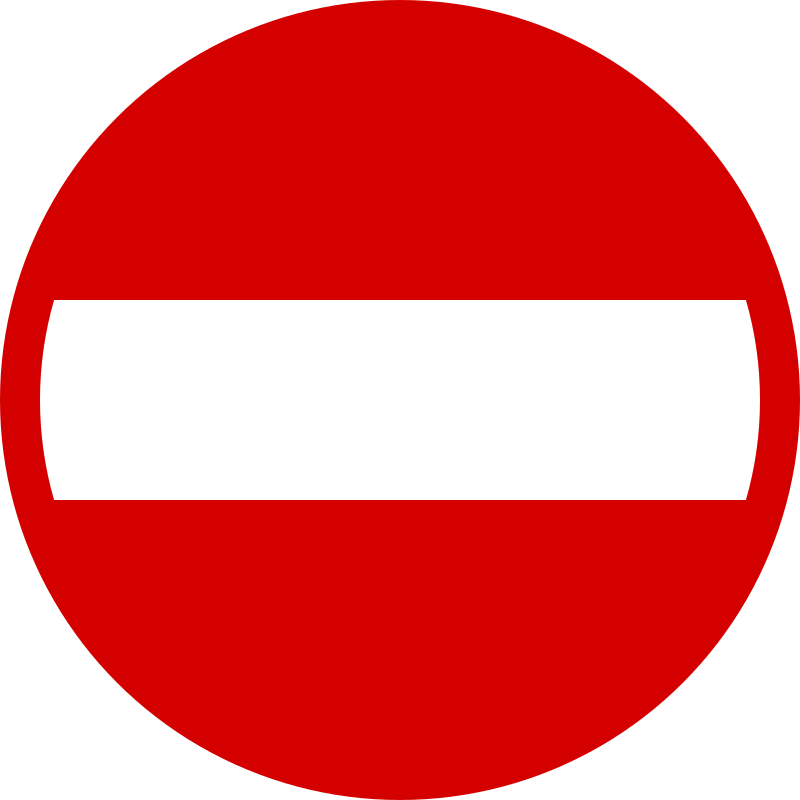
The B-2 'No Entry' road sign is a critical prohibition sign found in Poland, indicating that you must not enter the road or roadway from the side where it is displayed. It applies to all vehicles and is commonly used at the end of one-way streets to prevent dangerous head-on collisions. Ignoring this sign can lead to severe accidents, so always obey its command and find an alternative route.
This section details the B-2 'No Entry' sign, crucial for understanding Polish traffic rules and avoiding dangerous head-on collisions. Master its meaning for your theory test revision, as incorrect interpretation can lead to severe risks.
The B-2 sign is most commonly found at the end of one-way streets to prevent drivers from entering the wrong way. It applies to all vehicles, including non-motorized ones like bicycles and horse-drawn carriages. Unlike the B-1 sign, traffic may be flowing toward you from the other side. Entering past this sign is extremely dangerous as it leads to head-on collision risks.
Prohibits entry into a road or roadway from the side where the sign is placed.
Get clear, practical answers to the most common questions about the B-2 - No Entry road sign. Learn how the sign works, what rules it represents, and how it affects real driving situations. This FAQ strengthens your understanding and supports accurate decision making for the Polish driving theory exam in Poland.
The B-2 sign is a prohibition sign that strictly forbids vehicles from entering a road or roadway from the direction in which the sign is facing. It's a direct order to stop and not proceed into that area.
You will most frequently encounter the B-2 sign at the exit of one-way streets. This prevents drivers from entering against the designated flow of traffic, which is extremely dangerous and could result in a head-on collision. It can also be used at the entrance to restricted areas or private roads.
Generally, the B-2 sign applies to all vehicles. However, in Poland, an additional plate, 'Nie dotyczy rowerów' (Does not apply to bicycles), may be mounted below the B-2 sign. If this plate is present, cyclists are permitted to use the one-way street in the direction indicated by the sign.
If you see the B-2 'No Entry' sign, you must stop and refrain from entering the road. Do not assume you can turn in briefly or that it doesn't apply to you. If you intended to use that road, you need to find a different route that allows legal access and follows the correct direction of traffic flow.
No, the B-2 'No Entry' sign must always be obeyed. The only exception might be for specific authorized vehicles or emergency services under special circumstances, but for all regular drivers, it signifies a strict prohibition. Never ignore it, even if you think you know the road or only need to travel a short distance.
Learners might confuse the B-2 'No Entry' sign with other signs, such as the B-1 'Stop' sign or the D-3 'One-Way Traffic' sign. Some may also incorrectly assume that 'No Entry' only applies to cars or that turning into the prohibited road from a junction is allowed. The B-2 sign is absolute for entry from the direction it faces.
A clear reference image of the B-2 - No Entry road sign used in Poland.
The B-2 - No Entry road sign may also be known by these alternative names or terms.
The B-2 - No Entry road sign is part of the Prohibitory Signs (B) category, which groups together signs with similar rules and functions.
Understanding distinctions between similar traffic signs is key for accurate theory test revision. Comparing signs like 'No Entry' with others helps prevent common mistakes and ensures you master sign recognition for Polish roads.

B-1 Sign: Road Closed to All Traffic in Both Directions
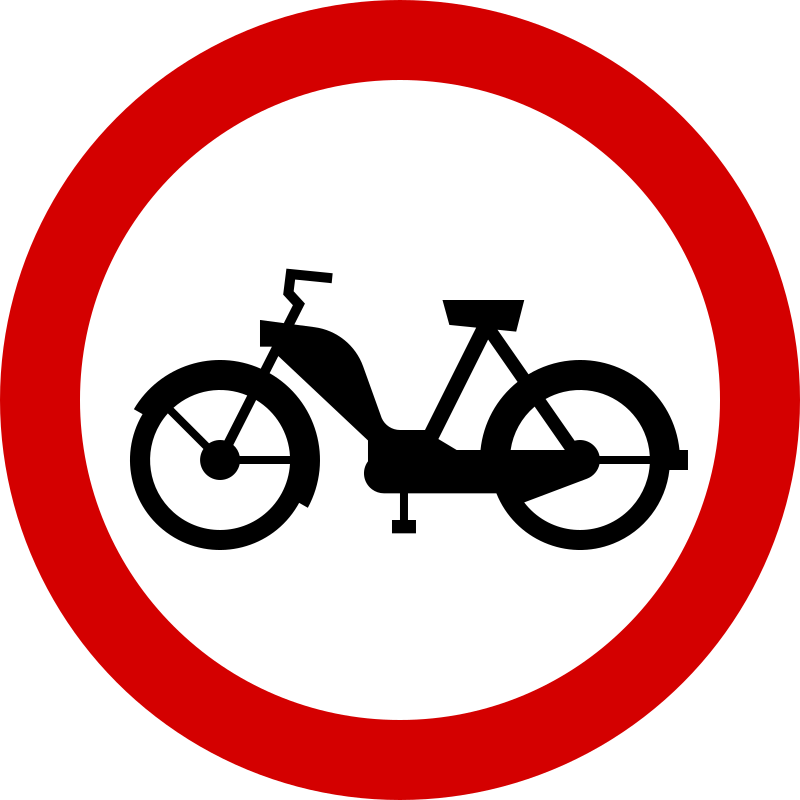
The B-10 'No Mopeds' sign prohibits entry for all mopeds past this point.
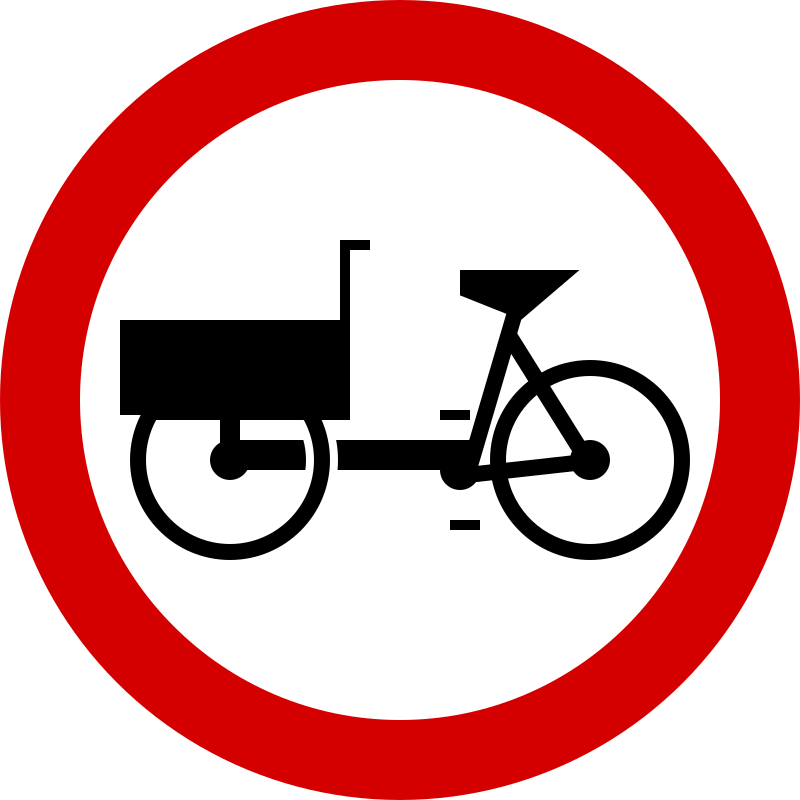
B-11: No Entry for Cycle Rickshaws and Multi-Track Carts
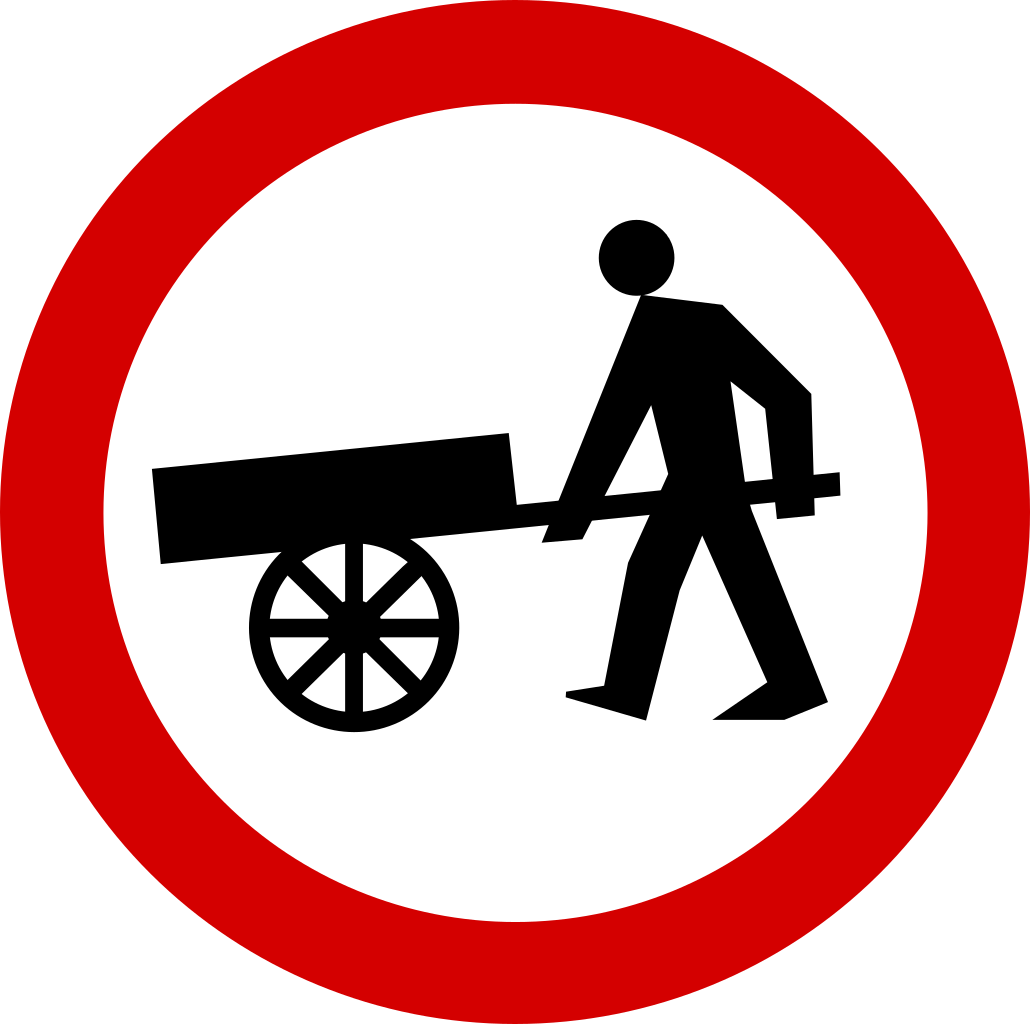
Understand the B-12 'No Handcarts' Road Sign
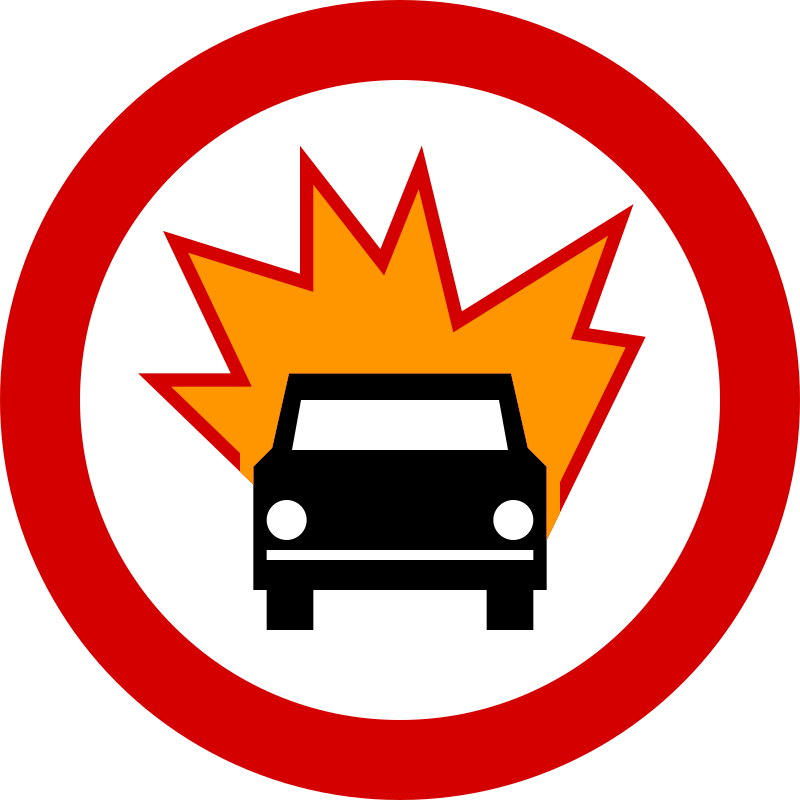
Understand the B-13 sign: No vehicles carrying explosives or flammable goods allowed.
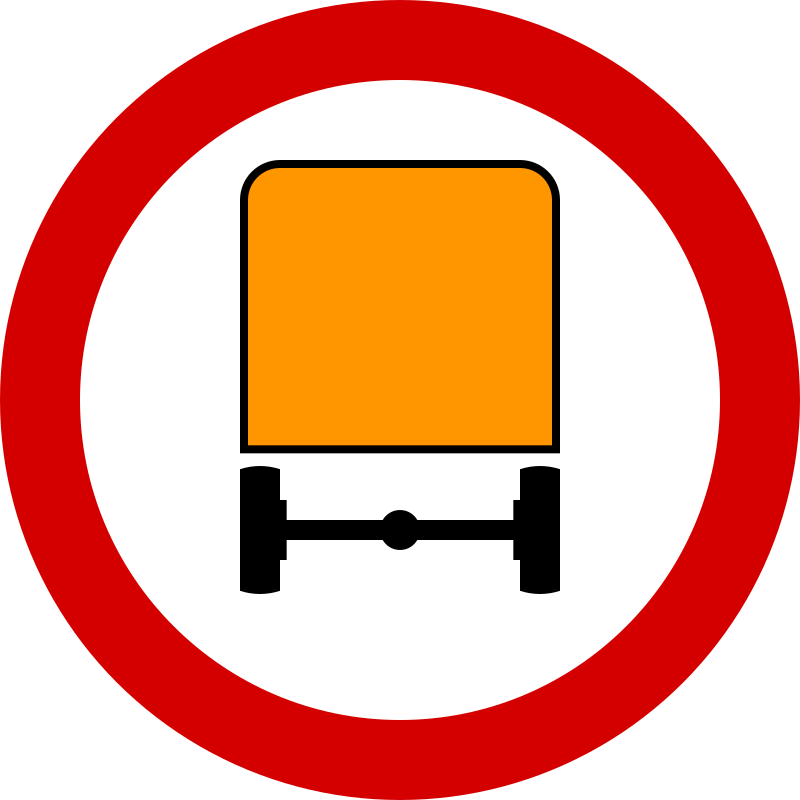
The B-13a sign means no vehicles carrying dangerous goods are allowed past this point.
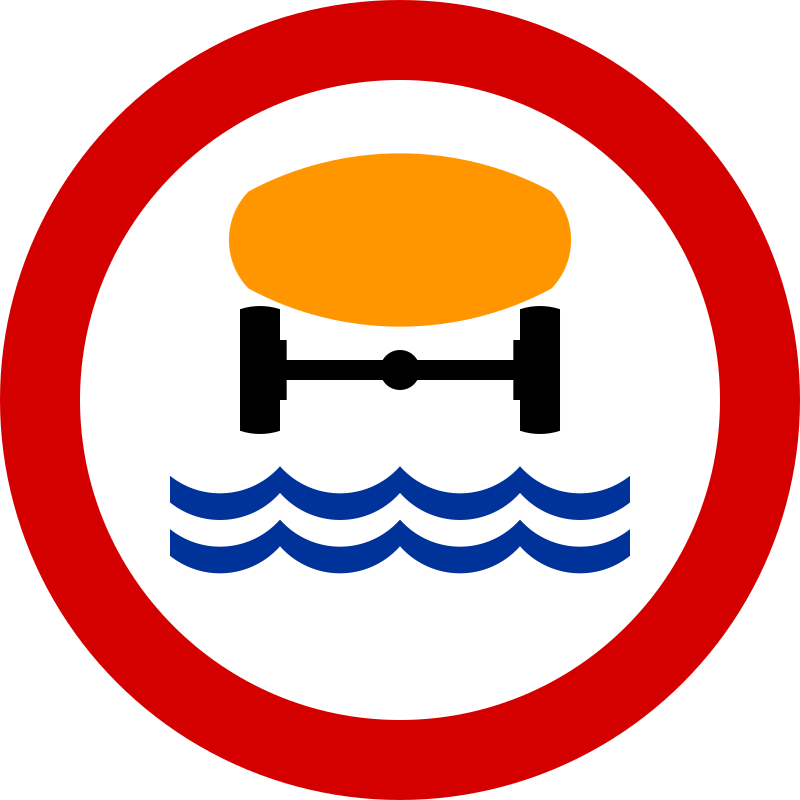
B-14 Sign: No Vehicles Carrying Water Contaminants
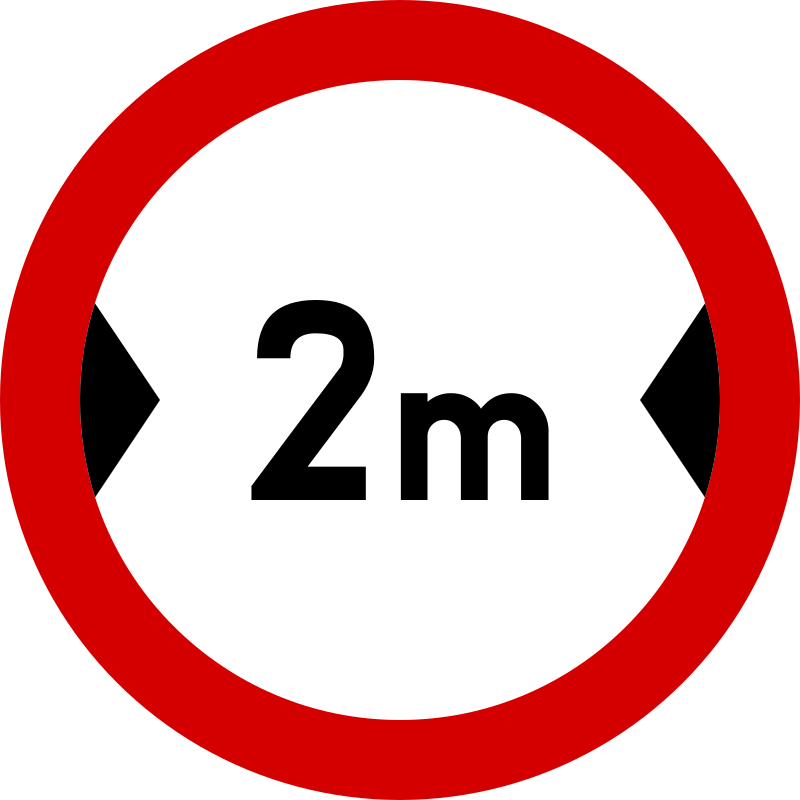
The B-15 sign prohibits vehicles wider than the specified limit from passing.
Deepen your understanding of specific road signs by reviewing official Polish traffic rules and associated real-world driving scenarios. These expert-led resources help you bridge the gap between visual recognition and practical exam application.
This article provides a detailed explanation of how Polish traffic signs A-7 ('Ustąp Pierwszeństwa' - Yield), B-20 ('STOP'), and D-1 ('Droga z Pierwszeństwem' - Priority Road) dictate right-of-way at intersections. Understanding the nuances of these signs is a fundamental aspect of the Polish driving theory exam, and mastering them will significantly improve your preparedness for real-world driving scenarios.
Don't Be a Road Block: Master Minimum Speeds and Smooth Traffic Flow for Your Polish Exam!
Learn the precise regulations for towing trailers in Poland with a Category B driving license. This guide breaks down the differences between the standard B license, the enhanced Code 96, and the full B+E category, focusing on weight limits and when each is necessary. This knowledge is vital for safe driving and for correctly answering exam questions on vehicle combinations.
Master Polish Priority Signs and Navigate Intersections with Confidence
The B-8 sign is found on modern roads with high-speed traffic where slow-moving animal-powered transport would be a major safety hazard. It covers traditional carriages, wagons, and also individuals riding horses or driving cattle along the road. It ensures that the flow of motorized traffic remains consistent and reduces the risk of animals being spooked by cars.
The B-43 sign is often used in residential 'Tempo 30' zones. Within this zone, every single street is governed by the speed shown on the sign. A key rule is that if the limit is 30 km/h or less, speed bumps or other physical traffic calming measures do not need to be individually marked with warning signs, as you are expected to be driving slowly enough to handle them.
After reviewing the full list of Polish road signs, explore specific sign categories for in-depth understanding. Challenge your knowledge with practice questions focused on sign recognition and interpretation to solidify your preparation for the driving theory exam.
Browse All Polish Road Signs