
The B-23 'No U-Turn' traffic sign is a prohibition sign crucial for ensuring safety on Polish roads. It means you are not allowed to make a U-turn from the point where the sign is placed, continuing until you reach the next intersection or see a sign that cancels this restriction. This sign is often used in dangerous locations like bridges, tunnels, or busy roads where a U-turn could cause significant risk.
This explanation card focuses on the B-23 'No U-Turn' sign, detailing when and where performing a 180-degree turn is prohibited to ensure safety and compliance with Polish traffic rules. Understanding this sign's specific restrictions is vital for your theory test revision and everyday driving knowledge.
The B-23 sign is placed on roads where U-turns would be particularly dangerous—for example, on bridges, in tunnels, or on busy roads with multiple lanes where you would have to cross several lines of traffic. Unlike the 'No Left Turn' sign, the 'No U-Turn' sign DOES NOT prohibit you from turning left into a side street. It only stops you from reversing your direction of travel on the same road.
Prohibits performing a U-turn from the point of the sign until the next intersection or its cancellation.
Get clear, practical answers to the most common questions about the B-23 - No U-Turn road sign. Learn how the sign works, what rules it represents, and how it affects real driving situations. This FAQ strengthens your understanding and supports accurate decision making for the Polish driving theory exam in Poland.
The B-23 sign strictly prohibits you from performing a U-turn, which is a 180-degree turn to travel back in the direction you came from. This prohibition is in effect from the location of the sign until the next intersection or a sign that cancels this rule. It does not, however, prevent you from turning left into a side road or driveway.
You'll often encounter the B-23 sign in places where a U-turn would be especially hazardous. This includes busy roads with multiple lanes, bridges, tunnels, or any location where visibility might be limited or where crossing several lanes of traffic would be necessary and dangerous.
Yes, absolutely. The B-23 sign specifically prohibits U-turns, meaning you cannot reverse your direction on the same road. It does not prohibit turning left into an intersecting road, a side street, or a driveway. This is a key distinction to remember for the theory exam.
The prohibition indicated by the B-23 sign remains in effect until you reach the next intersection, where it automatically expires. Alternatively, the restriction will end sooner if you encounter a 'Cancellation of Prohibition' sign (such as B-24) before reaching an intersection. You can then legally perform a U-turn if safe.
The B-23 sign only forbids a U-turn (180-degree turn to go back the way you came on the same road). You can still turn left into a side road or driveway. The B-21 'No Left Turn' sign, however, prohibits turning left into any intersecting road or side street. It is vital to distinguish between these two signs in the theory test.
A clear reference image of the B-23 - No U-Turn road sign used in Poland.

The B-23 - No U-Turn road sign may also be known by these alternative names or terms.
The B-23 - No U-Turn road sign is part of the Prohibitory Signs (B) category, which groups together signs with similar rules and functions.
Reviewing similar road signs side-by-side enhances your sign recognition and helps prevent common theory test mistakes. This focused traffic sign comparison is key for effective revision and mastering Polish road rules.

B-1 Sign: Road Closed to All Traffic in Both Directions
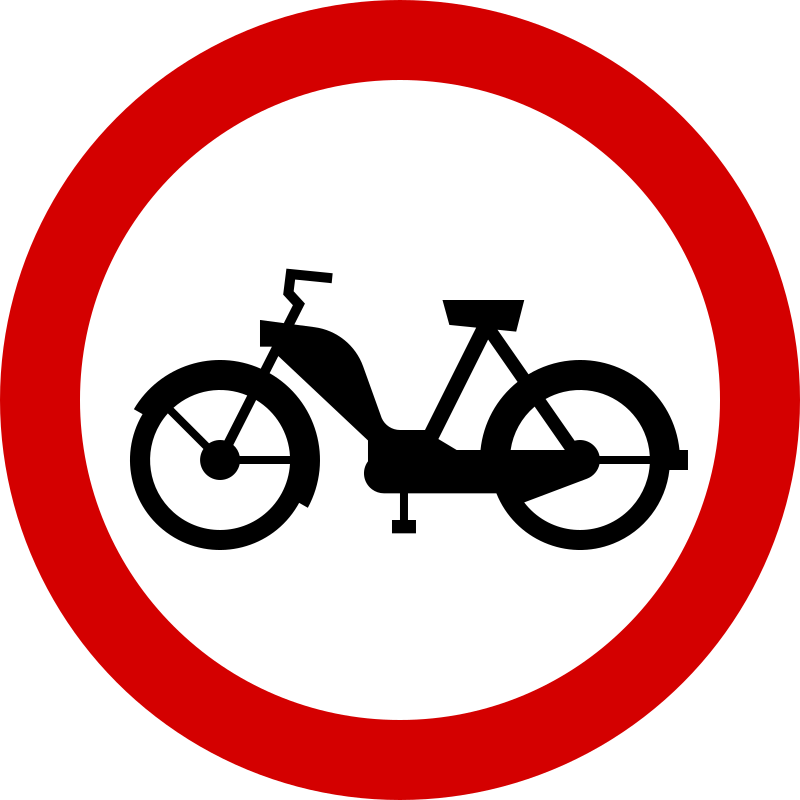
The B-10 'No Mopeds' sign prohibits entry for all mopeds past this point.
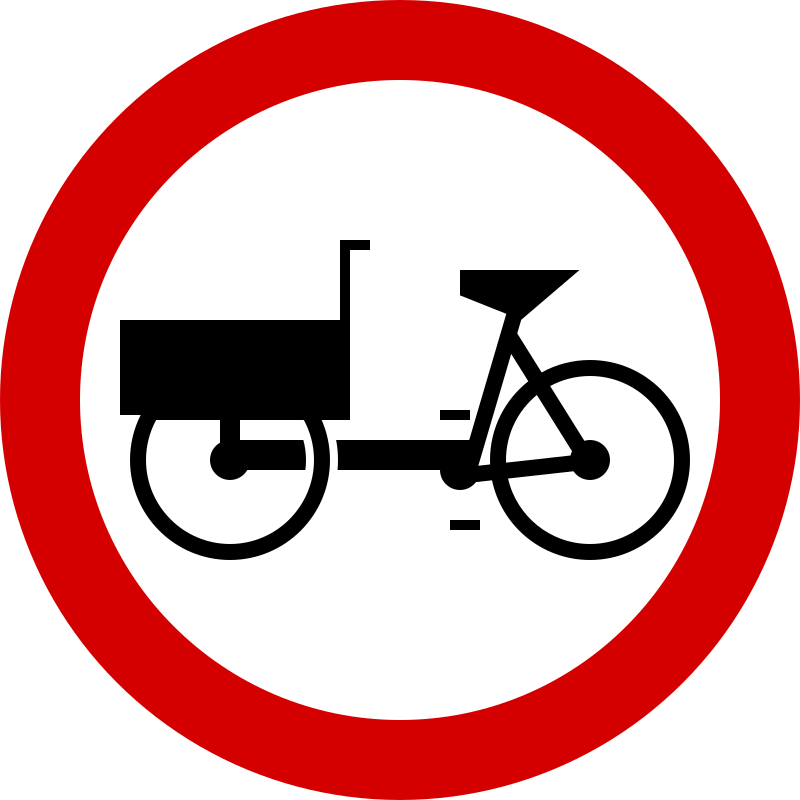
B-11: No Entry for Cycle Rickshaws and Multi-Track Carts
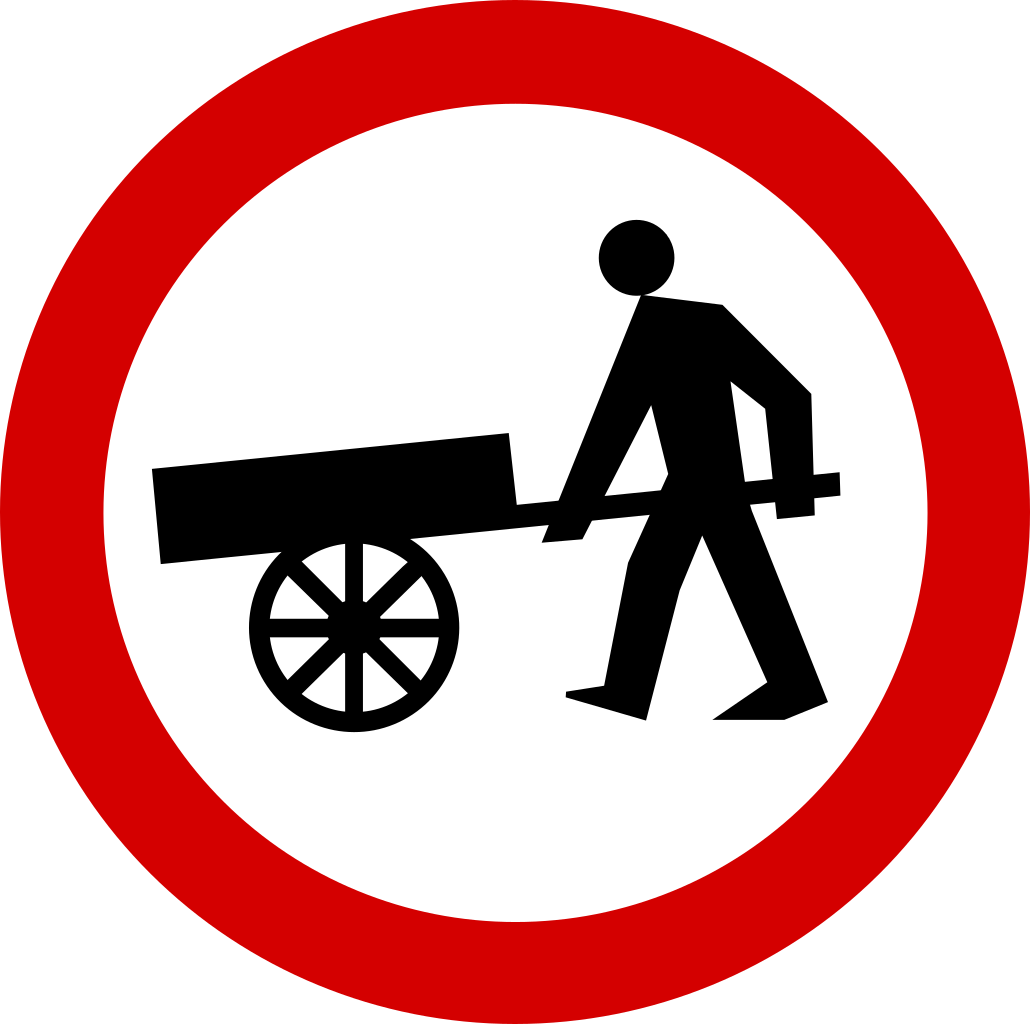
Understand the B-12 'No Handcarts' Road Sign
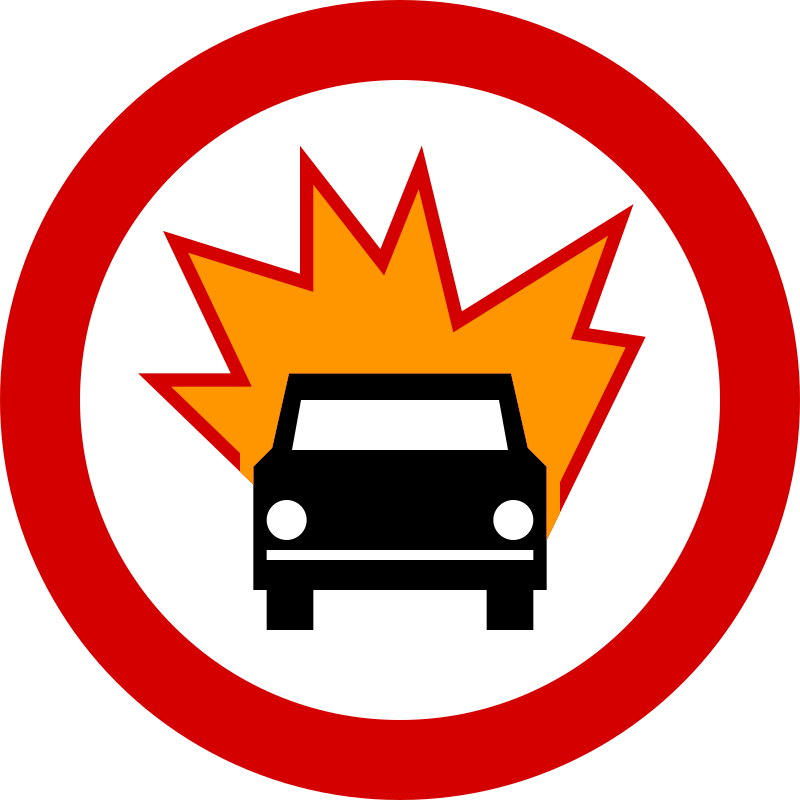
Understand the B-13 sign: No vehicles carrying explosives or flammable goods allowed.
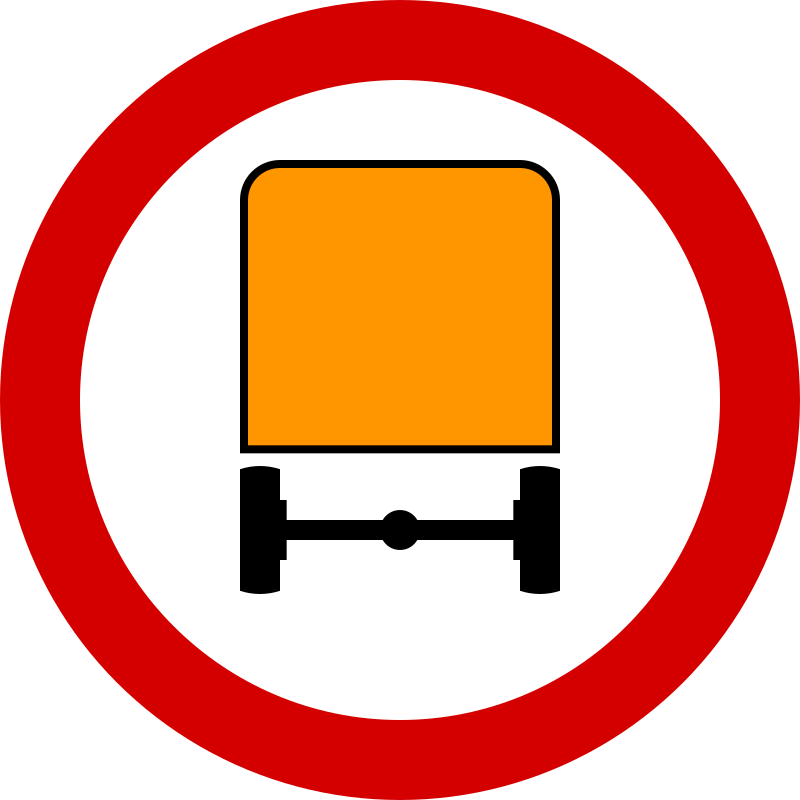
The B-13a sign means no vehicles carrying dangerous goods are allowed past this point.
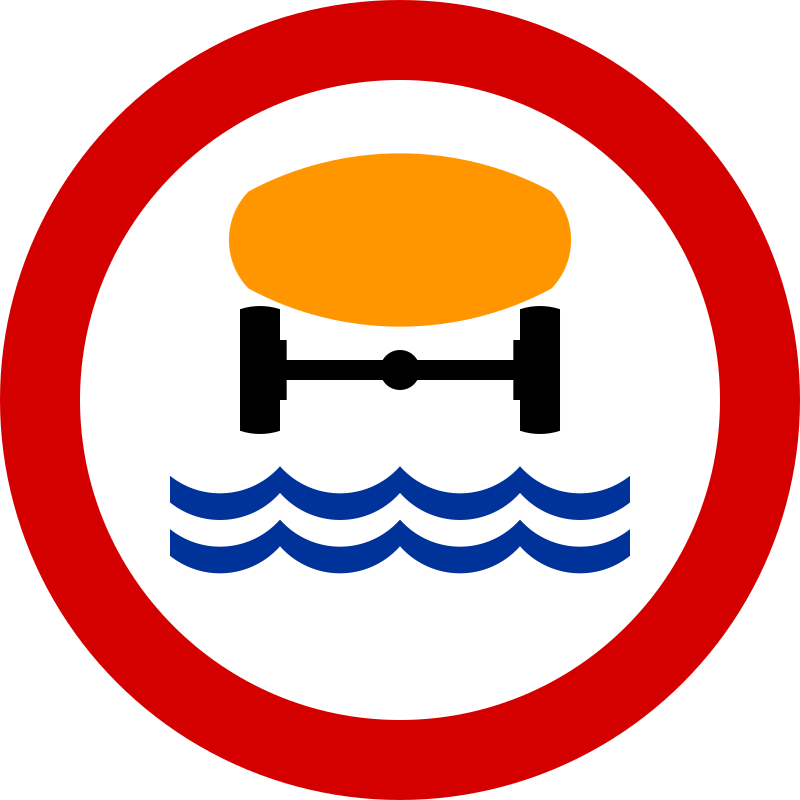
B-14 Sign: No Vehicles Carrying Water Contaminants
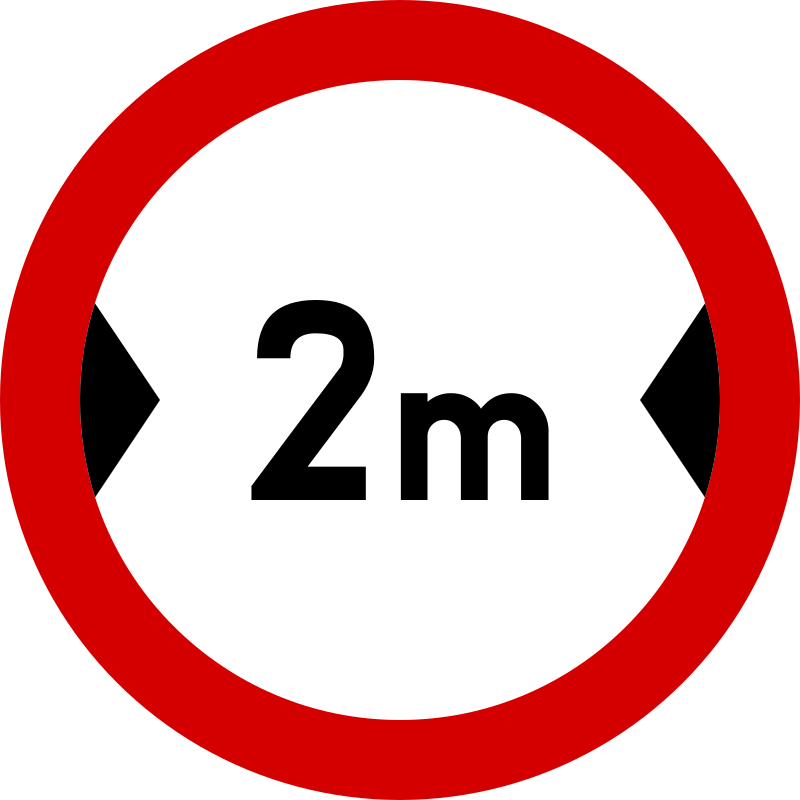
The B-15 sign prohibits vehicles wider than the specified limit from passing.
Deepen your understanding of specific road signs by reviewing official Polish traffic rules and associated real-world driving scenarios. These expert-led resources help you bridge the gap between visual recognition and practical exam application.
This article provides a detailed explanation of how Polish traffic signs A-7 ('Ustąp Pierwszeństwa' - Yield), B-20 ('STOP'), and D-1 ('Droga z Pierwszeństwem' - Priority Road) dictate right-of-way at intersections. Understanding the nuances of these signs is a fundamental aspect of the Polish driving theory exam, and mastering them will significantly improve your preparedness for real-world driving scenarios.
Prepare for your Polish driving theory exam by thoroughly understanding prohibitory signs, starting with the critical 'Zakaz Wjazdu' (B-2) marker. This article breaks down what this sign prohibits, common situations where it's used, and potential exceptions, ensuring you can confidently interpret and act upon these important traffic controls to drive safely and pass your test.
Don't Be a Road Block: Master Minimum Speeds and Smooth Traffic Flow for Your Polish Exam!
Even a Second Can Be Fatal: Understand Microsleep to Drive Safely in Poland.
The B-21 sign is placed at intersections where turning left would be dangerous or cause major traffic delays. Crucially, in the Polish system, a 'No Left Turn' sign automatically also prohibits U-turns at that location. This is often used on busy multi-lane roads or where the left-hand street is a one-way road coming toward you.
The D-35 sign shows a person walking down stairs. It informs pedestrians that there is a safe way to cross a busy road or railway without having to interact with traffic. For drivers, this sign explains why there may be no zebra crossings on a busy stretch—pedestrians are expected to go under the road. These are often found at large intersections or near train stations.
After reviewing the full list of Polish road signs, explore specific sign categories for in-depth understanding. Challenge your knowledge with practice questions focused on sign recognition and interpretation to solidify your preparation for the driving theory exam.
Browse All Polish Road Signs