
The B-4 sign is a prohibition sign used in Poland to ban all motorcycles from entering a specific area, often designated as a quiet zone. This typically includes health resorts, hospital vicinities, or residential areas where noise reduction is a priority. As a driver, you must not enter the protected zone on any motorcycle, including those with sidecars. This sign is crucial for maintaining peace and is a common topic in the driving licence theory exam.
This essential Polish traffic sign, B-4, prohibits all motorcycle entry to maintain peace in sensitive areas. Master its meaning for your theory test revision and safe driving.
The B-4 sign is primarily used to reduce noise pollution in specific areas like health resorts, hospital zones, or quiet residential neighborhoods. It bans all motorcycles regardless of their size or engine displacement. This sign is essential for maintaining peace in environments where the high-pitched or loud exhaust noise of motorcycles would be disruptive.
Prohibits the entry of all motorcycles, including those with sidecars.
Get clear, practical answers to the most common questions about the B-4 - No Motorcycles road sign. Learn how the sign works, what rules it represents, and how it affects real driving situations. This FAQ strengthens your understanding and supports accurate decision making for the Polish driving theory exam in Poland.
The B-4 sign's primary purpose is to prohibit the entry of all motorcycles into a designated area. This is most often done to reduce noise pollution in places like health resorts, hospital zones, or quiet residential neighborhoods, ensuring peace and tranquility.
No, the B-4 sign specifically prohibits motorcycles. It does not typically apply to mopeds (motorower) unless an additional supplementary plate indicates so. Bicycles and electric scooters that are not classified as mopeds are also not affected by this sign.
When you see the B-4 sign, you are prohibited from entering the area on any type of motorcycle, including those with sidecars or three-wheeled motorcycles. Even revving your motorcycle engine near the sign, if you intend to enter the zone, is considered a violation.
Yes, you can still enter the area if you are driving a passenger car, an electric vehicle not classified as a motorcycle, or riding a bicycle or electric scooter. If you are on a motorcycle, you may dismount and push it with the engine off to reach a destination within the zone.
For the theory exam, remember that the B-4 sign signifies a complete ban on motorcycles, regardless of engine size. Pay attention to any supplementary plates, and understand that mopeds are usually exempt unless stated otherwise. The exam may test your ability to distinguish this from other prohibition signs.
A clear reference image of the B-4 - No Motorcycles road sign used in Poland.
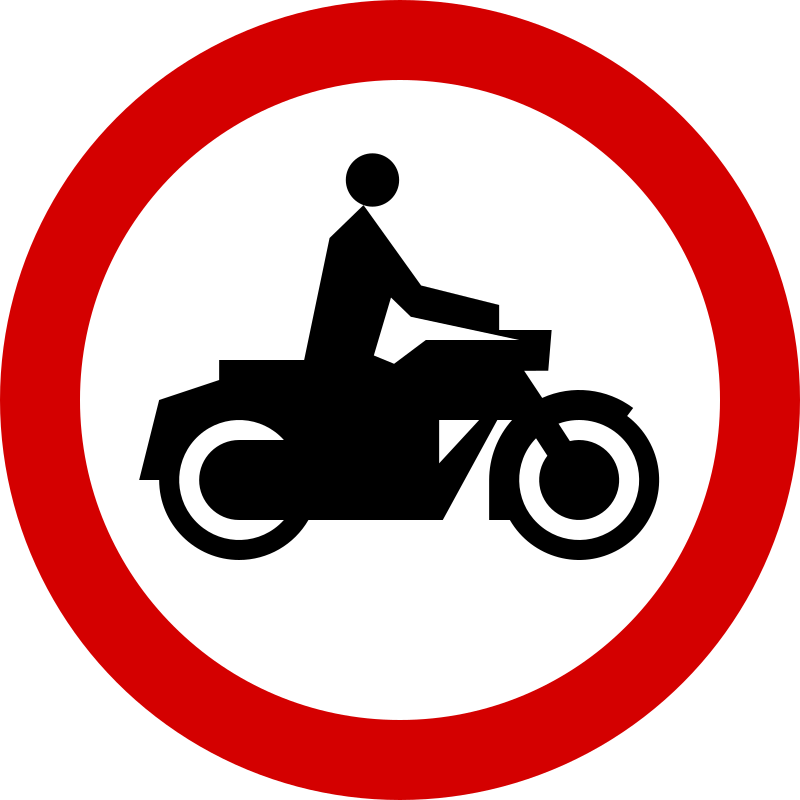
The B-4 - No Motorcycles road sign may also be known by these alternative names or terms.
The B-4 - No Motorcycles road sign is part of the Prohibitory Signs (B) category, which groups together signs with similar rules and functions.
Comparing signs like 'No Motorcycles' with others in the Prohibitory Signs group helps solidify understanding and prevents common mistakes. Reviewing similar road signs aids sign recognition and is crucial for your theory test revision.

B-1 Sign: Road Closed to All Traffic in Both Directions
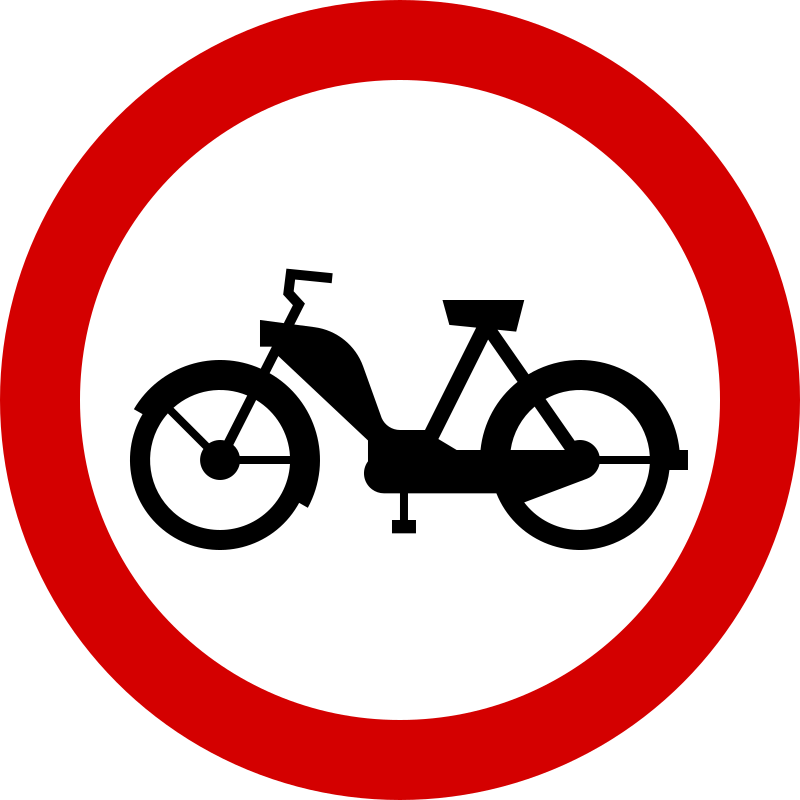
The B-10 'No Mopeds' sign prohibits entry for all mopeds past this point.
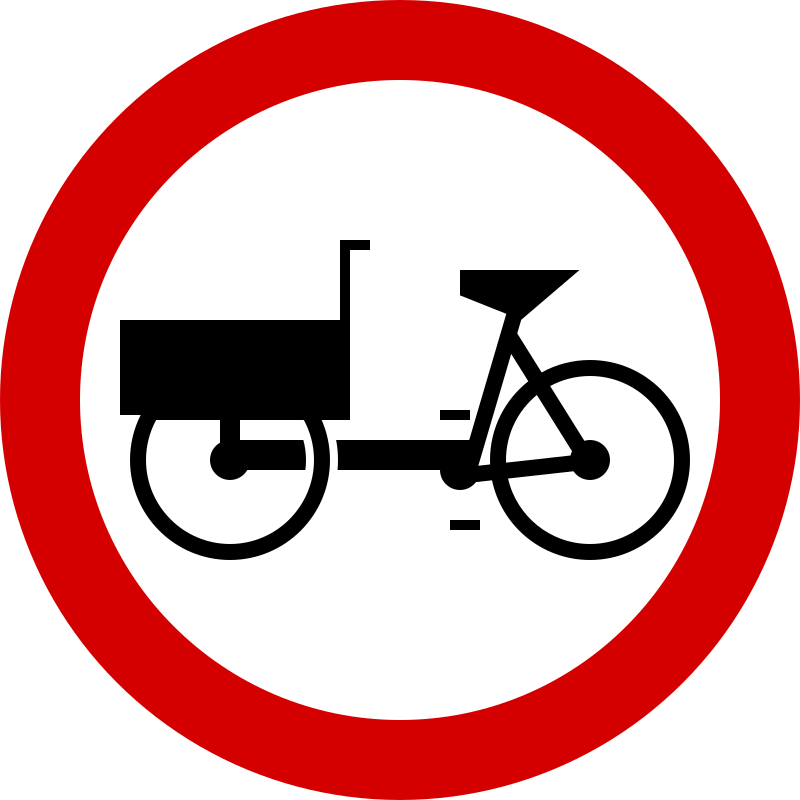
B-11: No Entry for Cycle Rickshaws and Multi-Track Carts
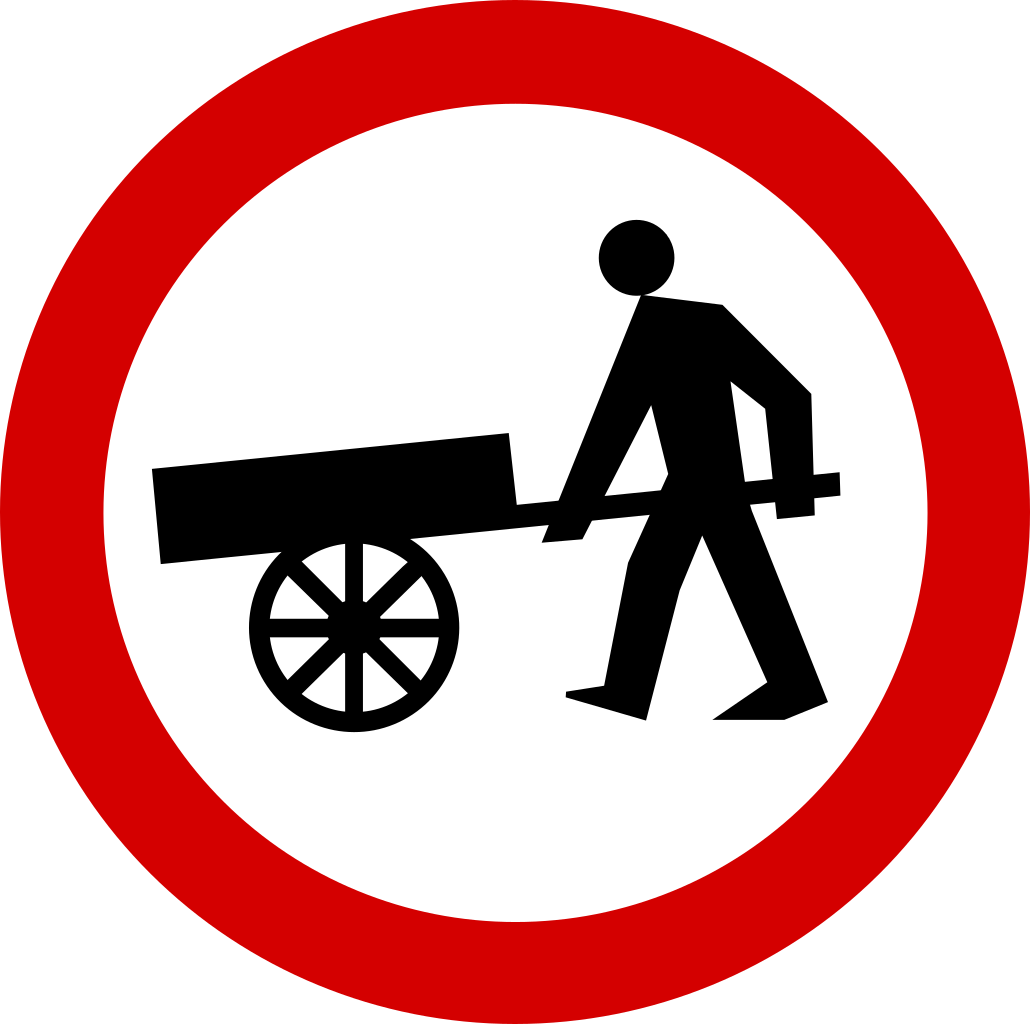
Understand the B-12 'No Handcarts' Road Sign
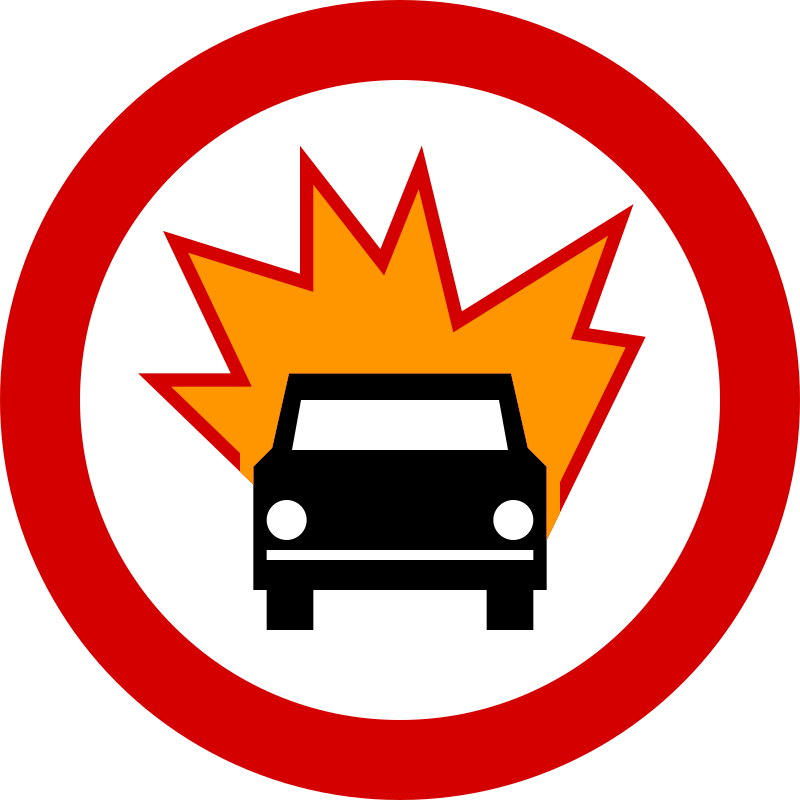
Understand the B-13 sign: No vehicles carrying explosives or flammable goods allowed.
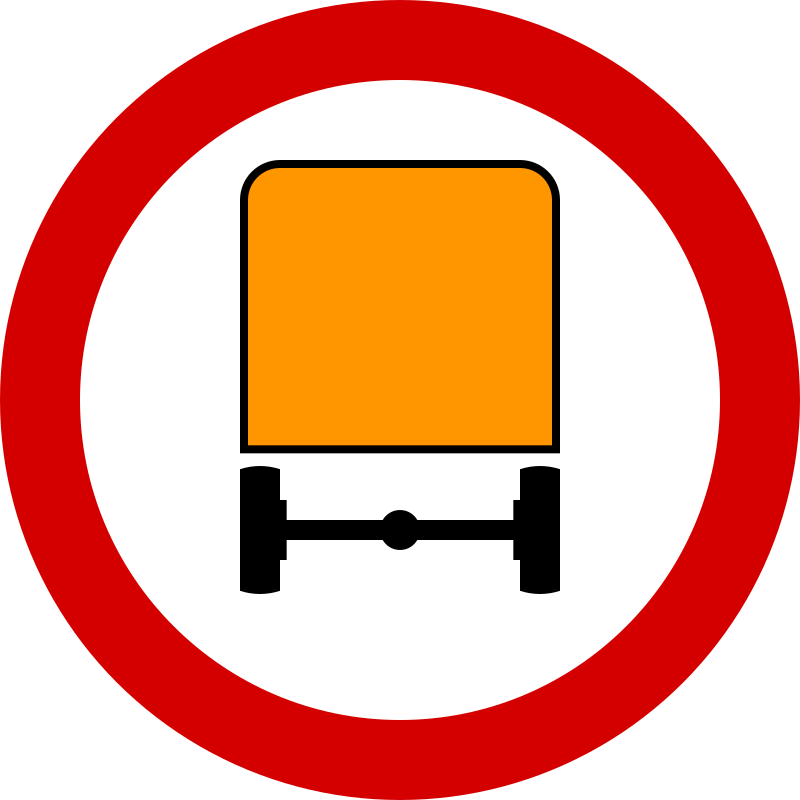
The B-13a sign means no vehicles carrying dangerous goods are allowed past this point.
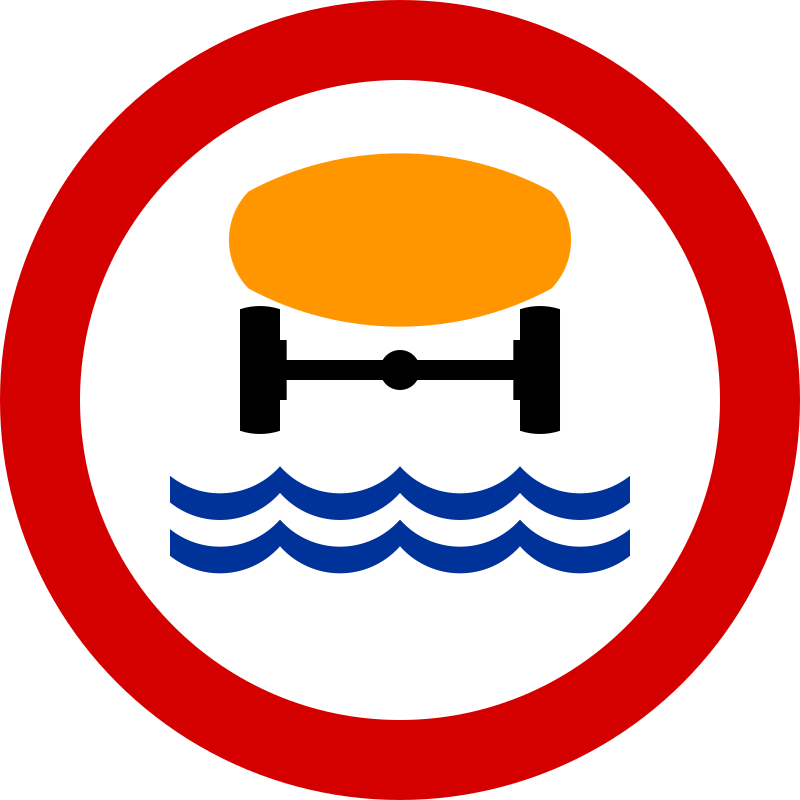
B-14 Sign: No Vehicles Carrying Water Contaminants
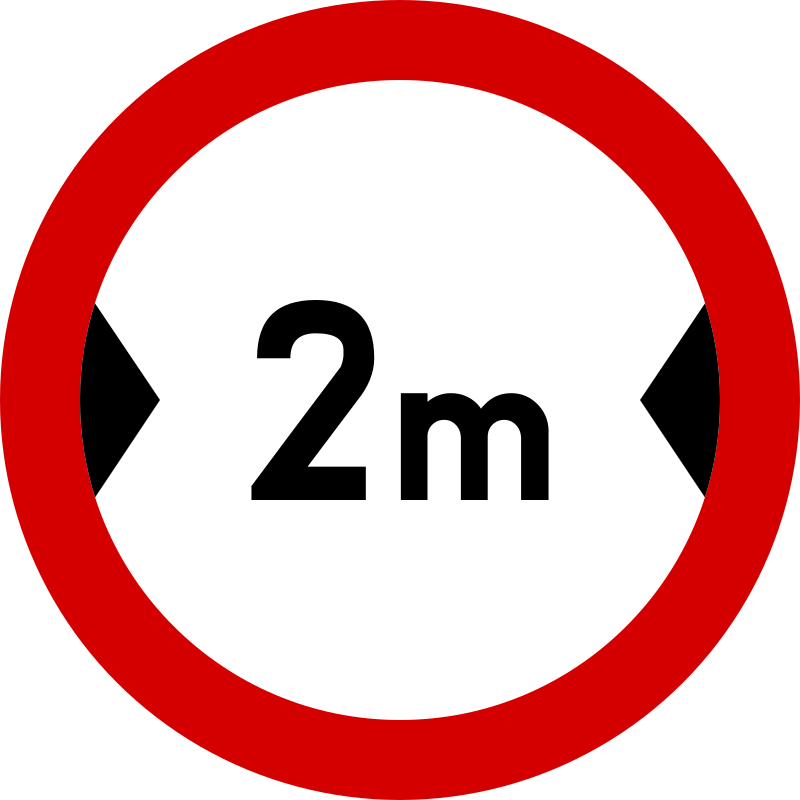
The B-15 sign prohibits vehicles wider than the specified limit from passing.
Deepen your understanding of specific road signs by reviewing official Polish traffic rules and associated real-world driving scenarios. These expert-led resources help you bridge the gap between visual recognition and practical exam application.
Prepare for your Polish driving theory exam by thoroughly understanding prohibitory signs, starting with the critical 'Zakaz Wjazdu' (B-2) marker. This article breaks down what this sign prohibits, common situations where it's used, and potential exceptions, ensuring you can confidently interpret and act upon these important traffic controls to drive safely and pass your test.
Navigate Poland's roads with confidence by understanding the critical B-series prohibitory signs. This guide breaks down common restrictions like speed limits and entry bans, explaining their legal implications under Polish traffic law. Mastering these signs is essential for passing your theory test and ensuring safe, compliant driving.
Navigate Polish City Streets with Confidence: Master Urban Speed Limits.
Navigate Poland's Environmental Zones and Restricted Areas with Confidence.
This sign is used to close a road to all engine-powered vehicles, typically in conjunction with signs that ban cars and motorcycles. Because mopeds are often allowed on paths where cars are not, the B-10 sign is necessary to ensure that even small engines are excluded from quiet zones, parks, or specific pedestrian-priority areas.
The B-2 sign is most commonly found at the end of one-way streets to prevent drivers from entering the wrong way. It applies to all vehicles, including non-motorized ones like bicycles and horse-drawn carriages. Unlike the B-1 sign, traffic may be flowing toward you from the other side. Entering past this sign is extremely dangerous as it leads to head-on collision risks.
After reviewing the full list of Polish road signs, explore specific sign categories for in-depth understanding. Challenge your knowledge with practice questions focused on sign recognition and interpretation to solidify your preparation for the driving theory exam.
Browse All Polish Road Signs