
The B-14 road sign is a prohibition sign indicating that vehicles transporting substances that could contaminate water sources are forbidden. You'll typically encounter this sign in sensitive areas like water protection zones, near reservoirs, or along rivers to prevent environmental damage from potential leaks of toxic gases, corrosive materials, or infectious agents. Drivers of such vehicles must find an alternative route, adhering strictly to Poland's environmental protection regulations.
This prohibitory sign, B-14, specifically targets vehicles transporting water-contaminating substances in sensitive environmental areas. Understanding its meaning is crucial for safe driving and protecting water sources, a key topic in your theory test revision.
The B-14 sign is used in water protection zones, near reservoirs, or along rivers. It specifically targets vehicles carrying substances like toxic gases, corrosive acids, or infectious materials. If an accident occurred, the leakage could poison the local drinking water supply, making this sign vital for environmental security.
Prohibits vehicles carrying ADR goods that could contaminate water sources (e.g., toxic gases, corrosive materials).
Get clear, practical answers to the most common questions about the B-14 - No Vehicles Carrying Water Contaminants road sign. Learn how the sign works, what rules it represents, and how it affects real driving situations. This FAQ strengthens your understanding and supports accurate decision making for the Polish driving theory exam in Poland.
The B-14 sign prohibits vehicles carrying specific hazardous materials that pose a risk to water sources. This includes substances like toxic gases, corrosive acids, or infectious agents that could contaminate drinking water if spilled.
You are most likely to see the B-14 sign in areas designated as water protection zones, close to reservoirs, lakes, rivers, or dam areas. It serves to protect these vital natural resources from pollution.
This sign specifically targets vehicles transporting 'ADR goods' that could contaminate water. This includes vehicles carrying dangerous substances such as toxic gases, corrosive acids, or infectious medical waste. It does not apply to passenger cars or trucks carrying non-hazardous goods.
If your vehicle is carrying water contaminants as defined by the sign, you must not proceed on the road marked with the B-14 sign. You need to find an alternative route that bypasses the protected area, following any designated alternative routes or transit maps for hazardous cargo.
A common trap is confusing this sign with general hazardous material prohibitions. The B-14 sign's critical focus is specifically on substances that contaminate WATER. Also, learners might forget that passenger cars are generally allowed, as the prohibition targets specific cargo types, not the vehicle type itself.
Vehicles not carrying water-contaminating substances are permitted to use the road. This includes passenger cars, motorcycles, and trucks carrying neutral, non-polluting goods. Empty tankers that have been properly cleaned and certified as safe are also usually allowed.
A clear reference image of the B-14 - No Vehicles Carrying Water Contaminants road sign used in Poland.
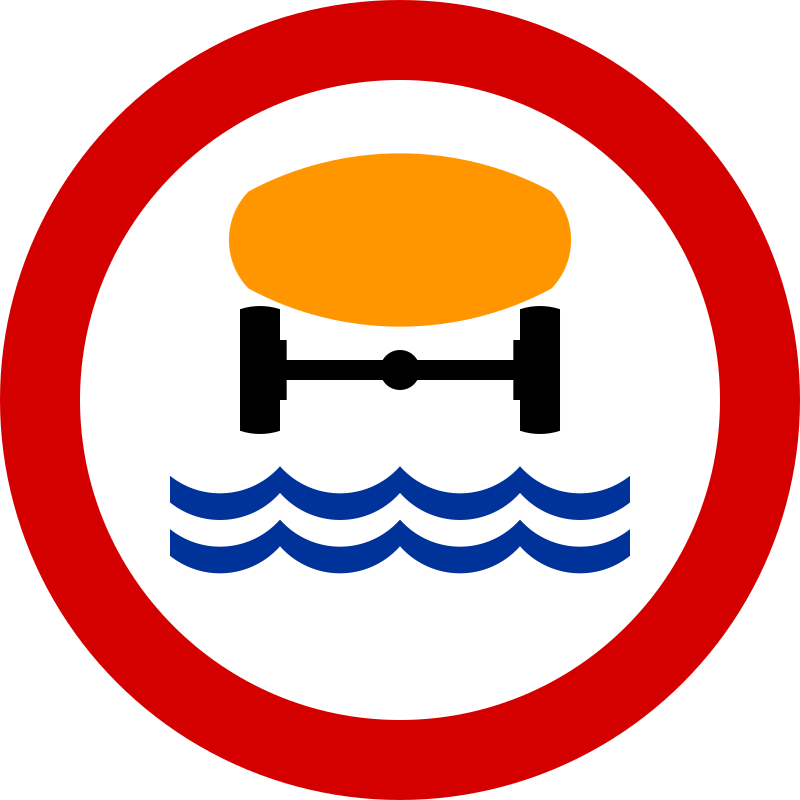
The B-14 - No Vehicles Carrying Water Contaminants road sign may also be known by these alternative names or terms.
The B-14 - No Vehicles Carrying Water Contaminants road sign is part of the Prohibitory Signs (B) category, which groups together signs with similar rules and functions.
Reviewing related road signs, like the 'No Vehicles Carrying Water Contaminants' sign, alongside similar prohibitory signs helps cement your understanding and reduces confusion. Effective traffic sign comparison is key to mastering these for your theory test revision.

B-1 Sign: Road Closed to All Traffic in Both Directions
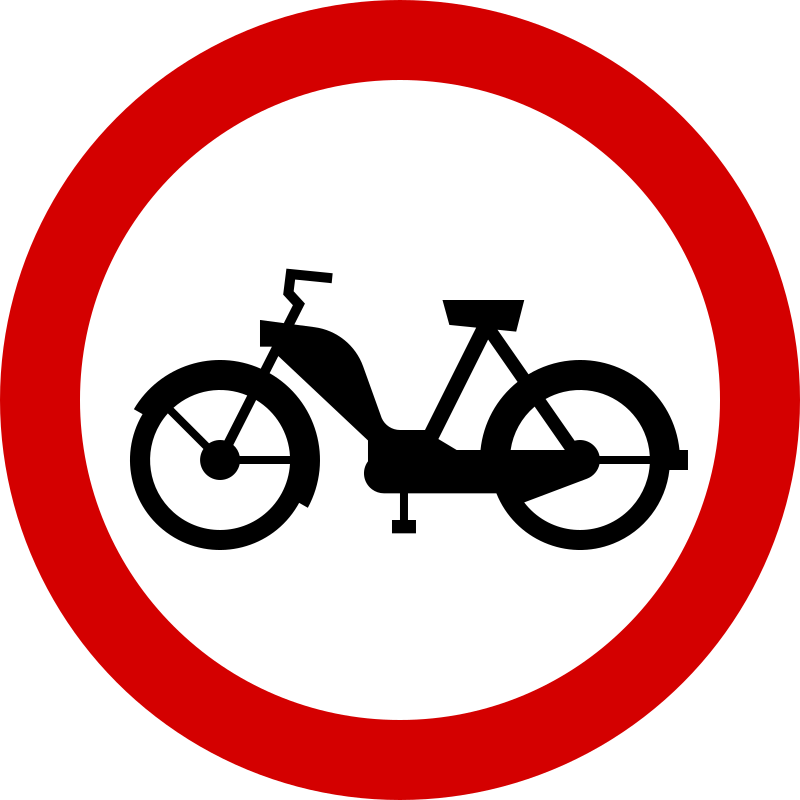
The B-10 'No Mopeds' sign prohibits entry for all mopeds past this point.
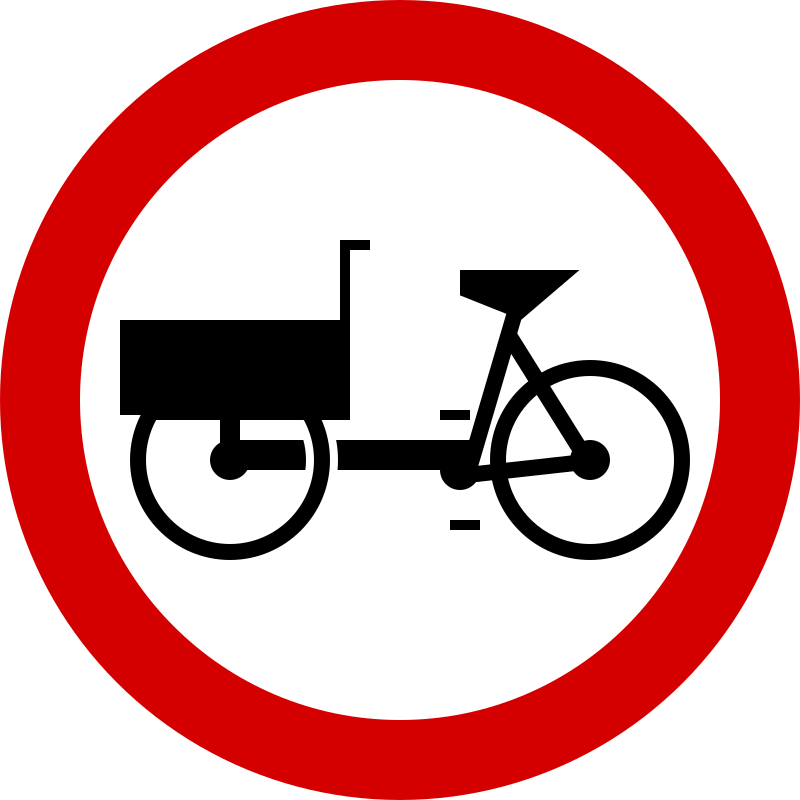
B-11: No Entry for Cycle Rickshaws and Multi-Track Carts
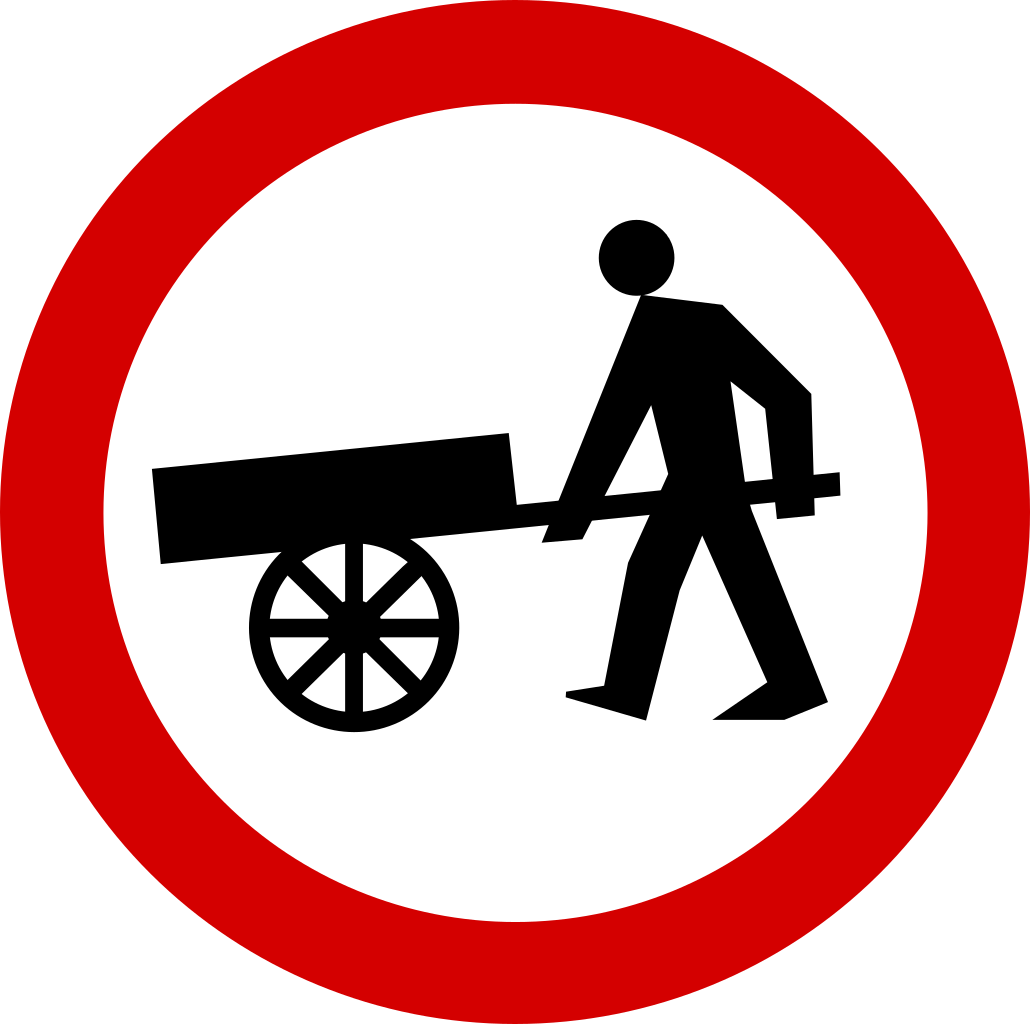
Understand the B-12 'No Handcarts' Road Sign
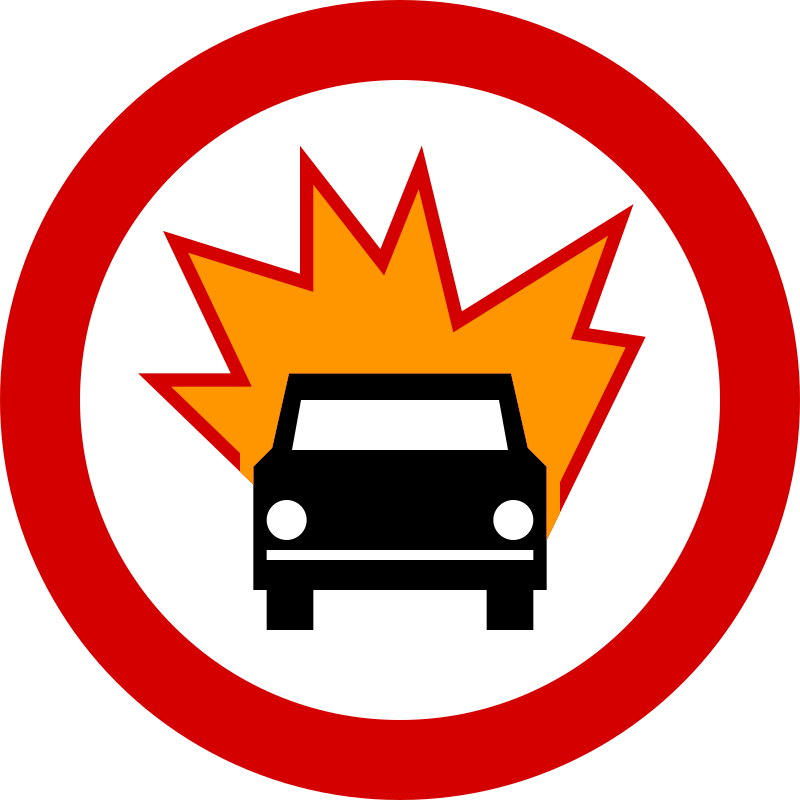
Understand the B-13 sign: No vehicles carrying explosives or flammable goods allowed.
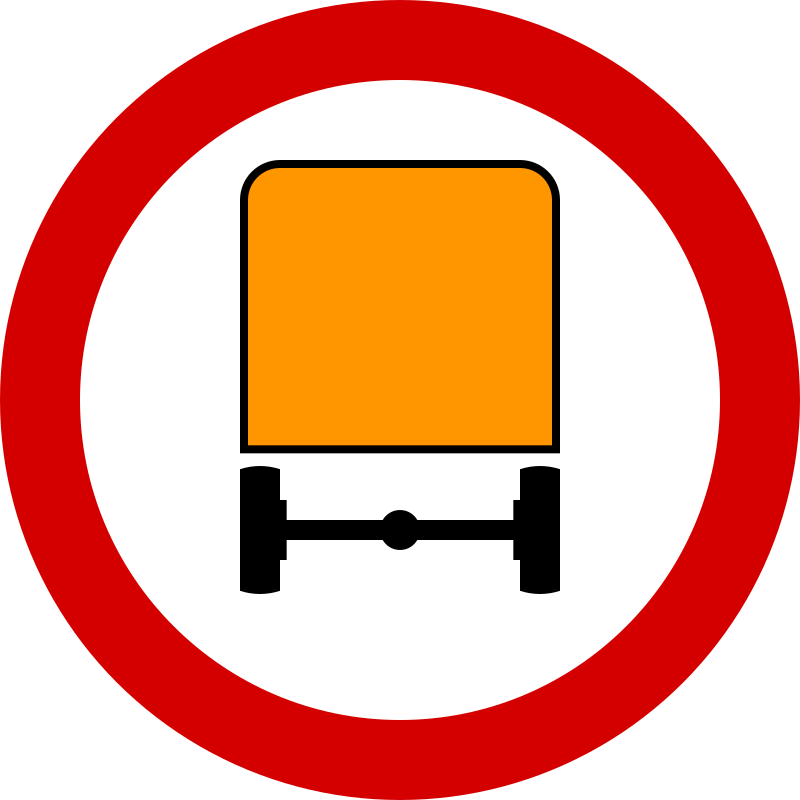
The B-13a sign means no vehicles carrying dangerous goods are allowed past this point.
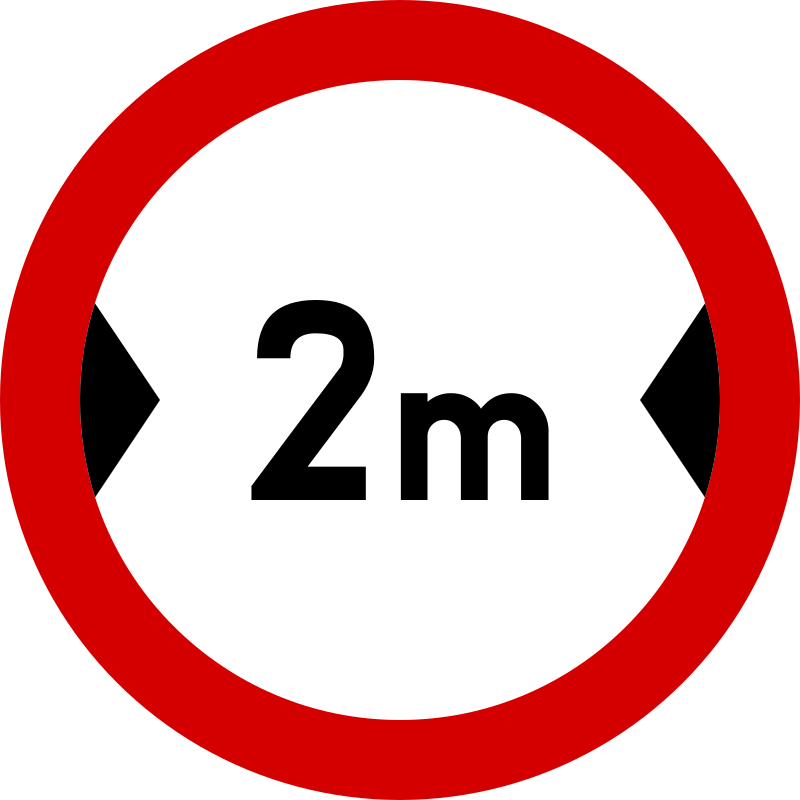
The B-15 sign prohibits vehicles wider than the specified limit from passing.
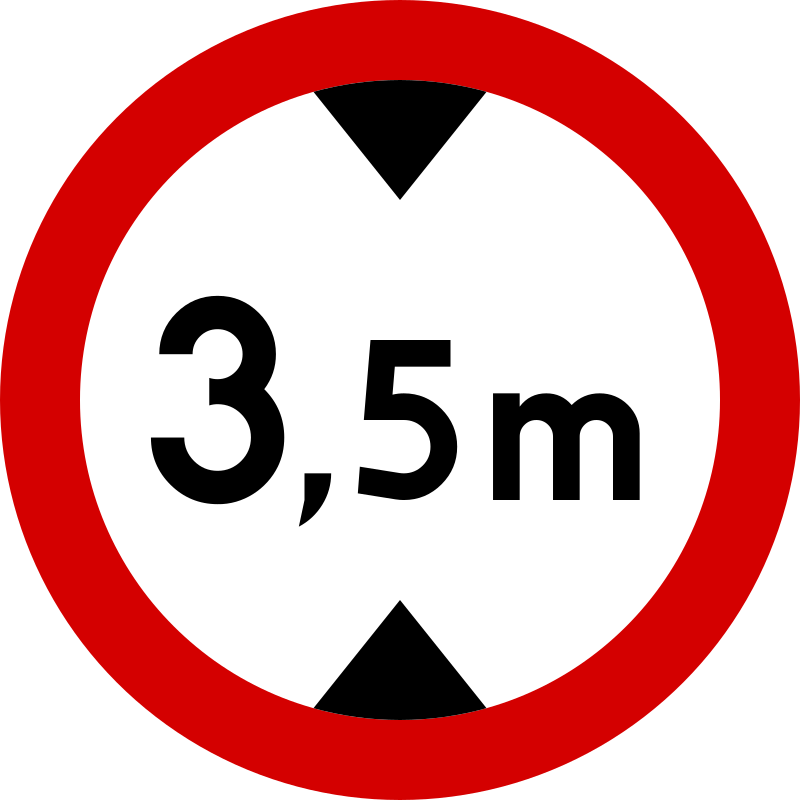
Recognise and Obey the B-16 'Height Restriction' Traffic Sign
Deepen your understanding of specific road signs by reviewing official Polish traffic rules and associated real-world driving scenarios. These expert-led resources help you bridge the gap between visual recognition and practical exam application.
Prepare for your Polish driving theory exam by thoroughly understanding prohibitory signs, starting with the critical 'Zakaz Wjazdu' (B-2) marker. This article breaks down what this sign prohibits, common situations where it's used, and potential exceptions, ensuring you can confidently interpret and act upon these important traffic controls to drive safely and pass your test.
Master Your Duties: Avoid Severe Penalties for Leaving an Accident Scene in Poland.
Your Essential Guide to First Aid After an Accident – Pass Your Polish Theory Exam!
Learn the precise, legally mandated steps for securing an accident scene in Poland, a vital component of the Polish driving theory test. This guide clarifies the correct order of actions, from stopping your vehicle to deploying warning signals, ensuring you know how to react safely and effectively to minimize further danger and meet legal requirements.
The T-23h plate shows an orange truck silhouette, representing vehicles marked with orange plates for carrying dangerous goods (flammable liquids, chemicals, etc.). It is used to keep these high-risk vehicles away from city centers, tunnels, or water protection zones where a spill or accident could be catastrophic for public safety and the environment.
The B-13 sign is a critical safety sign used near tunnels, densely populated residential areas, or historical sites. It bans vehicles carrying high-risk cargo that requires orange ADR plates. A fire or explosion in these sensitive areas could have catastrophic consequences, which is why these vehicles must use alternative detour routes.
After reviewing the full list of Polish road signs, explore specific sign categories for in-depth understanding. Challenge your knowledge with practice questions focused on sign recognition and interpretation to solidify your preparation for the driving theory exam.
Browse All Polish Road Signs