
The B-3a road sign, meaning 'No Buses', is a prohibition sign used in Poland to prevent buses from entering certain roads. This is often seen in congested city centers, narrow streets, or areas with infrastructure limitations like low bridges. It applies to all vehicles designed to carry more than nine people, including the driver, whether they are carrying passengers or not. For your theory test, remember that this sign specifically targets buses, not smaller passenger vehicles.
This section provides a detailed explanation of the Polish B-3a 'No Buses' road sign, crucial for understanding traffic restrictions. Master this sign's meaning for your Polish theory test revision and safe driving.
The B-3a sign is used to exclude buses from areas where their size or weight would cause traffic congestion or damage to the road infrastructure. This is common in narrow city centers, residential estates, or on roads with low-hanging trees or weak bridges. It applies to all vehicles designed to carry more than 9 people, including the driver, regardless of whether they are currently carrying passengers.
Prohibits the entry and movement of buses on the designated road.
Get clear, practical answers to the most common questions about the B-3a - No Buses road sign. Learn how the sign works, what rules it represents, and how it affects real driving situations. This FAQ strengthens your understanding and supports accurate decision making for the Polish driving theory exam in Poland.
The B-3a sign indicates that entry onto the road or into the area ahead is prohibited for buses. This applies to all vehicles designed to carry more than nine people, including the driver.
The sign affects all buses, including public transport buses, tourist coaches, and large school buses. Essentially, any vehicle with more than nine seats (including the driver's) is banned from entering the restricted area.
Yes, passenger cars and minivans designed to carry up to nine people are permitted to travel past the B-3a sign. The restriction specifically targets larger passenger vehicles classified as buses.
A common trap is confusing the B-3a sign with a general ban on all large vehicles. Remember, it specifically targets buses. Also, drivers might incorrectly assume it only applies when the bus is carrying passengers; it applies regardless of occupancy.
You'll often encounter the B-3a sign in historic town centers, narrow residential streets, areas with low bridges, or on roads not designed to handle the weight or size of buses. It's also used to redirect tourist coaches to designated parking areas away from pedestrian zones.
A clear reference image of the B-3a - No Buses road sign used in Poland.
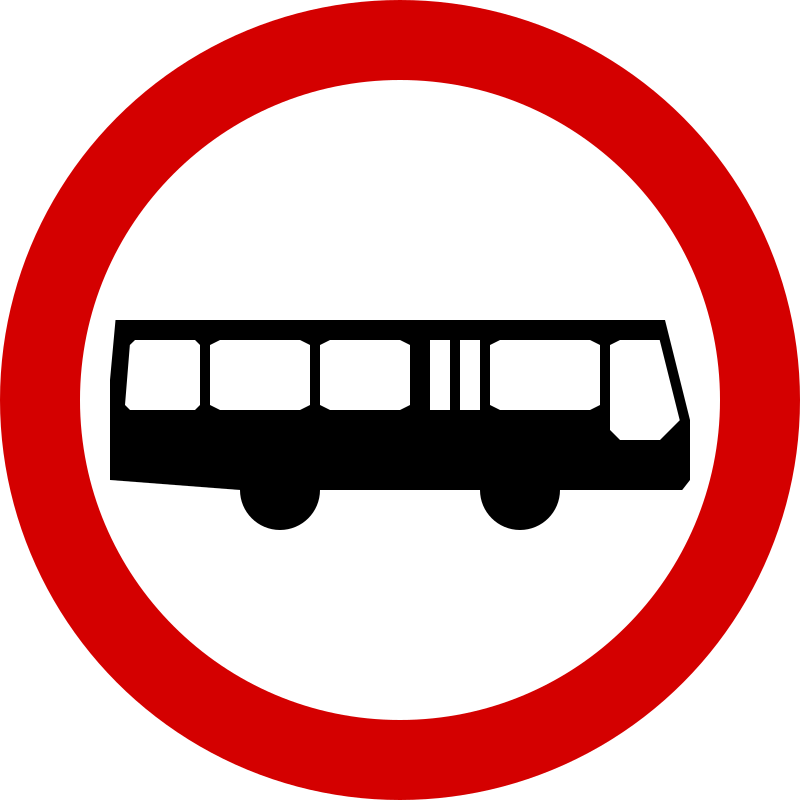
The B-3a - No Buses road sign may also be known by these alternative names or terms.
The B-3a - No Buses road sign is part of the Prohibitory Signs (B) category, which groups together signs with similar rules and functions.
Reviewing related road signs, like this 'No Buses' (B-3a) sign, aids in distinguishing nuances and prevents common errors. This traffic sign comparison is key for effective theory test revision and accurate sign recognition.

B-1 Sign: Road Closed to All Traffic in Both Directions
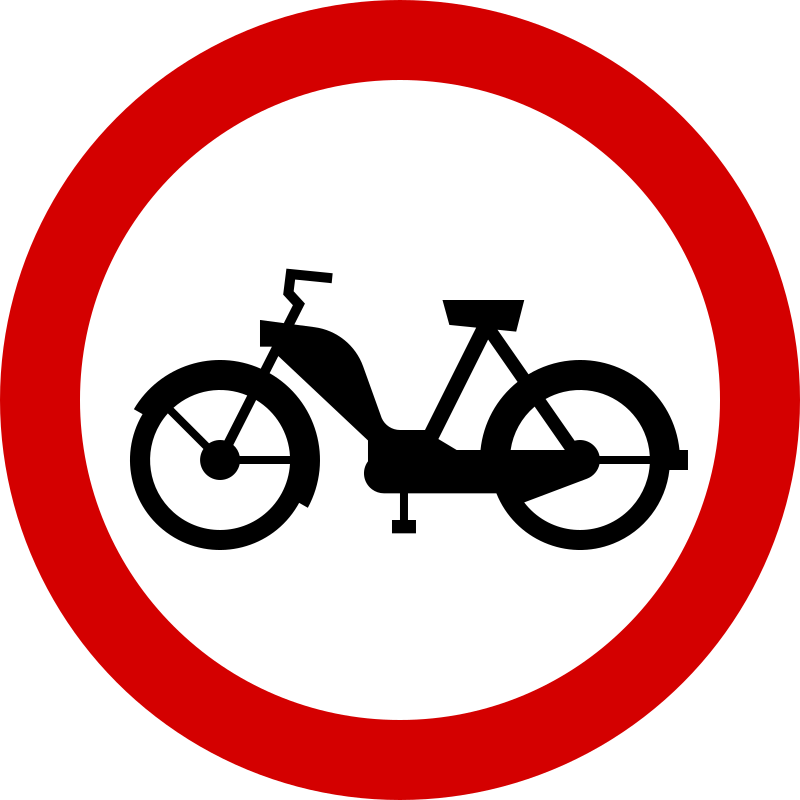
The B-10 'No Mopeds' sign prohibits entry for all mopeds past this point.
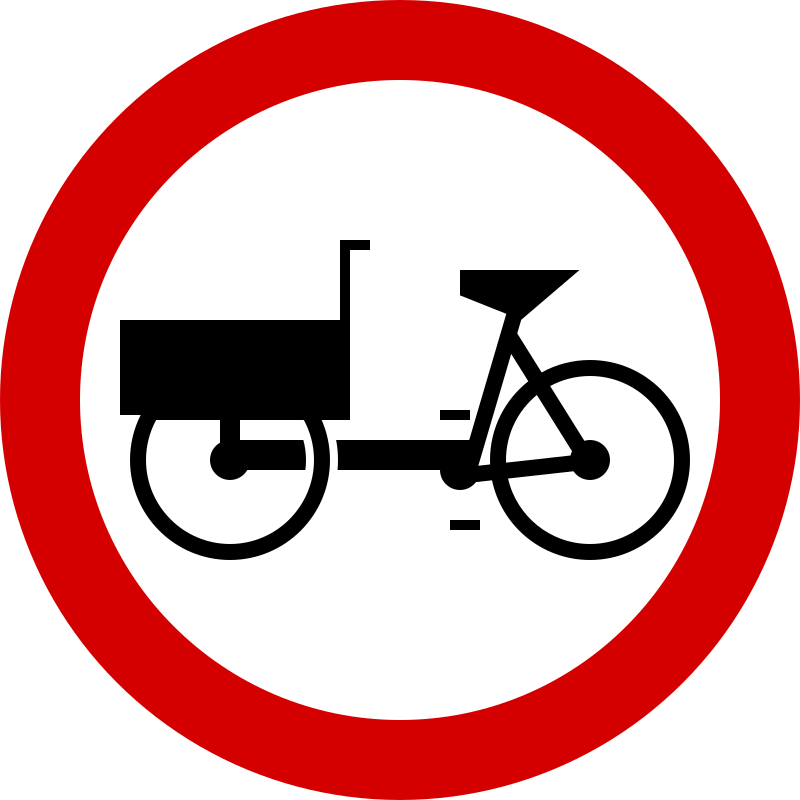
B-11: No Entry for Cycle Rickshaws and Multi-Track Carts
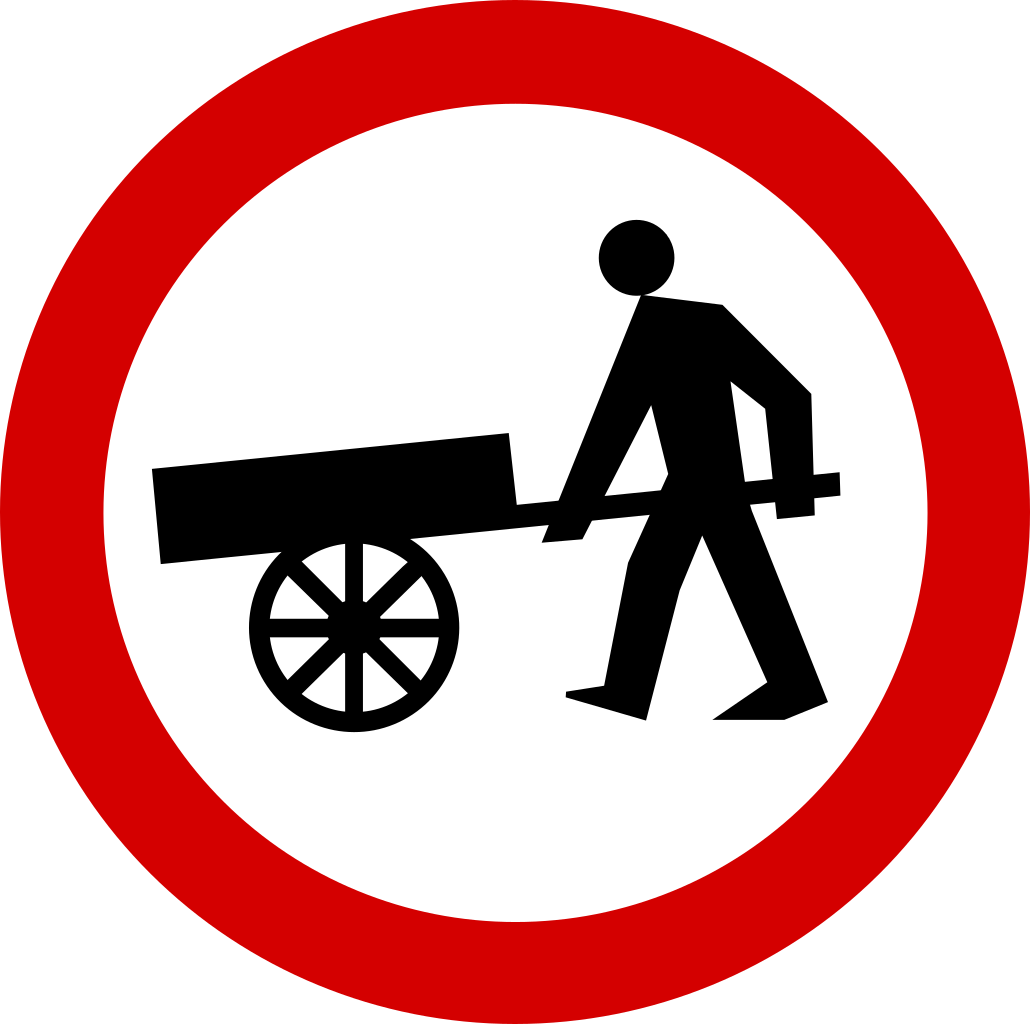
Understand the B-12 'No Handcarts' Road Sign
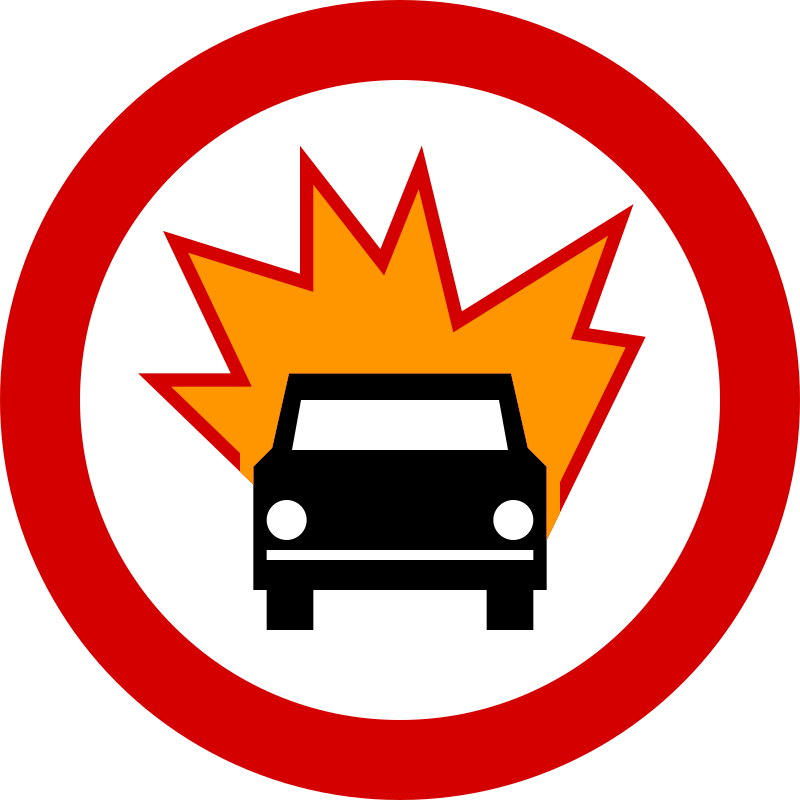
Understand the B-13 sign: No vehicles carrying explosives or flammable goods allowed.
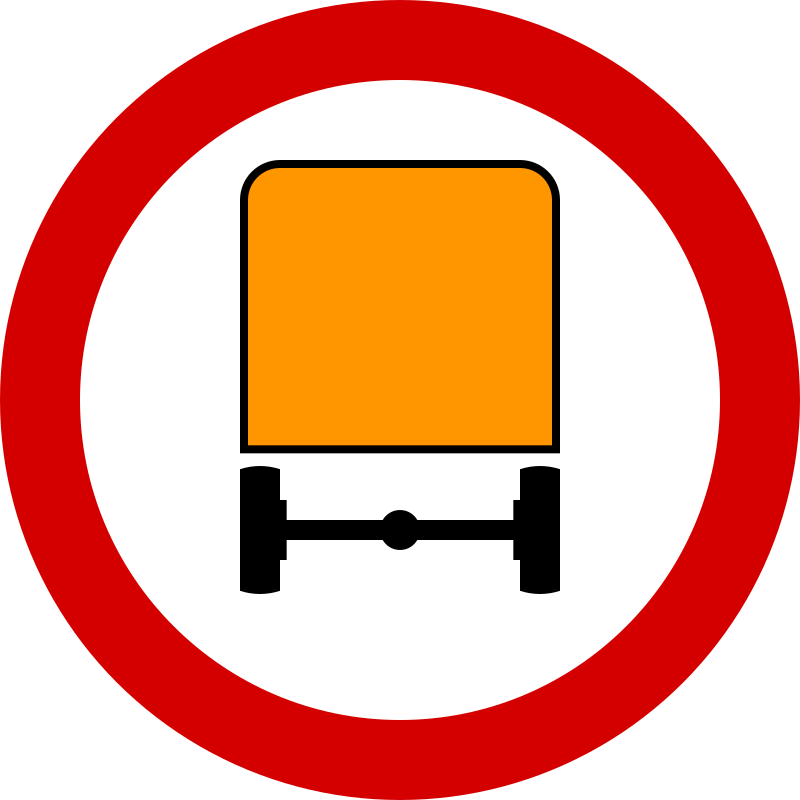
The B-13a sign means no vehicles carrying dangerous goods are allowed past this point.
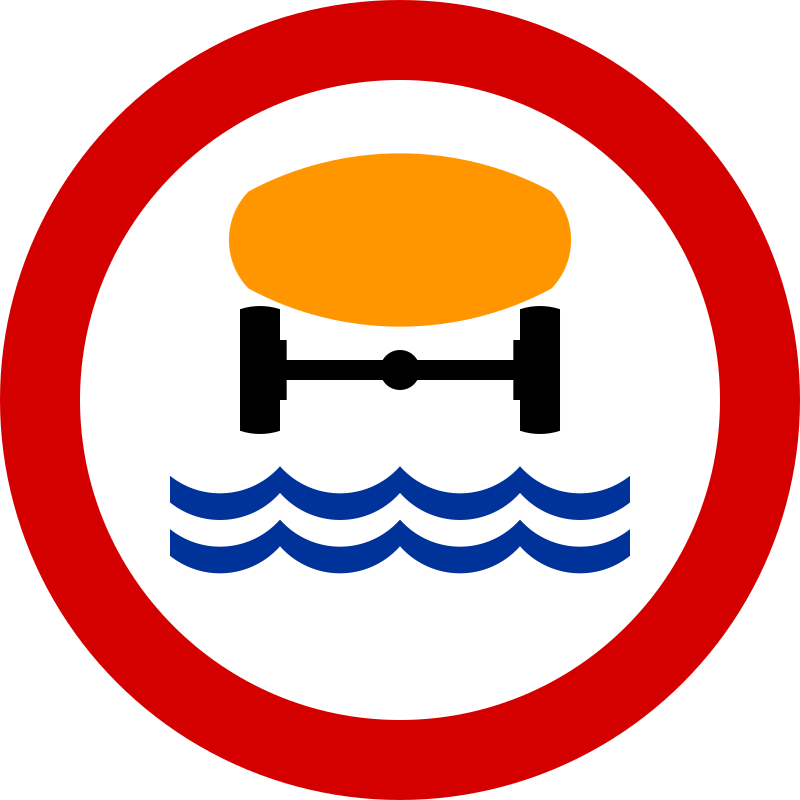
B-14 Sign: No Vehicles Carrying Water Contaminants
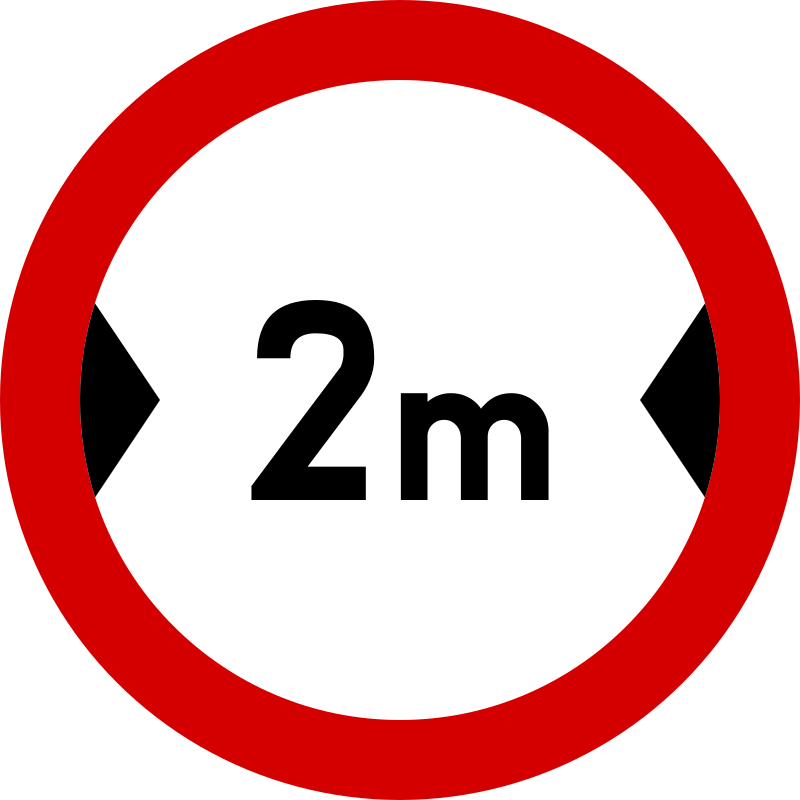
The B-15 sign prohibits vehicles wider than the specified limit from passing.
Deepen your understanding of specific road signs by reviewing official Polish traffic rules and associated real-world driving scenarios. These expert-led resources help you bridge the gap between visual recognition and practical exam application.
Master Bus and Priority Lane Usage for Your Polish Driving Exam
Prepare thoroughly for the Polish bus driver theory exam by understanding your legal obligations and the documentation required to operate a bus in Poland. This guide covers key areas such as vehicle registration, driver licensing, and adherence to passenger limits, ensuring you are well-equipped for both the exam and professional driving.
Prepare for your Polish driving theory exam by thoroughly understanding prohibitory signs, starting with the critical 'Zakaz Wjazdu' (B-2) marker. This article breaks down what this sign prohibits, common situations where it's used, and potential exceptions, ensuring you can confidently interpret and act upon these important traffic controls to drive safely and pass your test.
Navigate Bus Stops Safely: Essential Rules for the Polish Driving Exam.
This sign is used to close a road to all engine-powered vehicles, typically in conjunction with signs that ban cars and motorcycles. Because mopeds are often allowed on paths where cars are not, the B-10 sign is necessary to ensure that even small engines are excluded from quiet zones, parks, or specific pedestrian-priority areas.
The B-30 sign marks the point where the 'No Honking' restriction ends. Beyond this sign, you are back to the standard rules: in rural areas, you can use the horn to signal intent to overtake or warn others, while in built-up areas, the general ban on unnecessary honking still applies legally even without signs.
After reviewing the full list of Polish road signs, explore specific sign categories for in-depth understanding. Challenge your knowledge with practice questions focused on sign recognition and interpretation to solidify your preparation for the driving theory exam.
Browse All Polish Road Signs