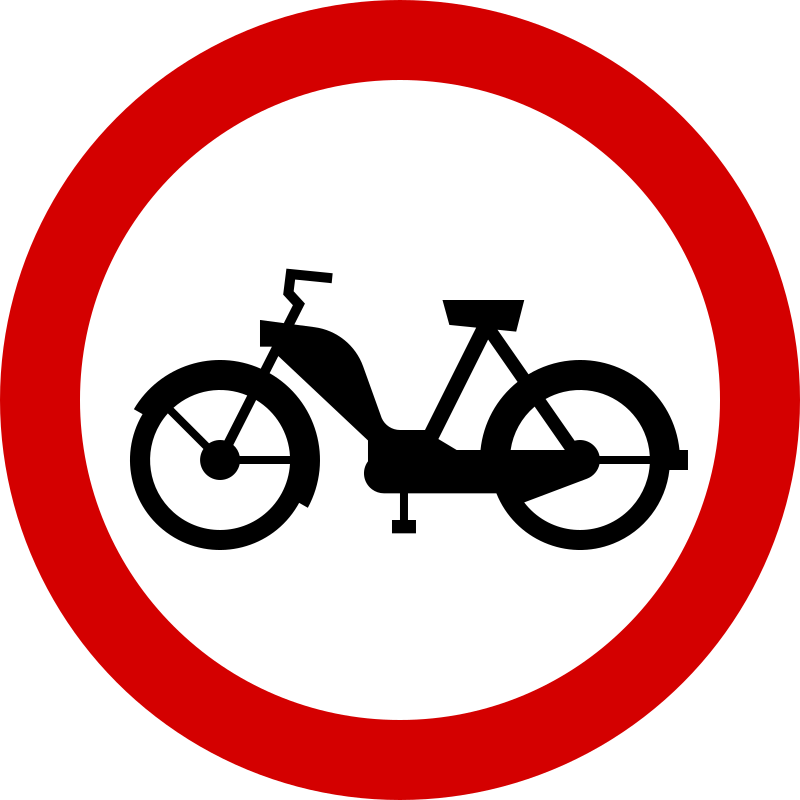
This prohibition sign, code B-10, clearly indicates that mopeds are not allowed to enter or travel along the road ahead. This sign is crucial for maintaining quiet zones, parks, or areas designated for pedestrians and cyclists, ensuring even smaller engine-powered vehicles are excluded. You'll often see it alongside other prohibition signs, reinforcing a ban on motorised traffic. Remember that bicycles and electric scooters not classified as mopeds are generally permitted unless other signs indicate otherwise.
The B-10 'No Mopeds' sign prohibits entry for all mopeds, crucial for understanding specific road restrictions in Poland. Master this road sign meaning for your theory test revision and safe driving.
This sign is used to close a road to all engine-powered vehicles, typically in conjunction with signs that ban cars and motorcycles. Because mopeds are often allowed on paths where cars are not, the B-10 sign is necessary to ensure that even small engines are excluded from quiet zones, parks, or specific pedestrian-priority areas.
Prohibits the entry and movement of mopeds (motorower).
Get clear, practical answers to the most common questions about the B-10 - No Mopeds road sign. Learn how the sign works, what rules it represents, and how it affects real driving situations. This FAQ strengthens your understanding and supports accurate decision making for the Polish driving theory exam in Poland.
The B-10 sign means you must not ride any moped past this point. This applies to all two- or three-wheeled vehicles with an engine up to 50cc or 4kW, and even includes electric scooters if they meet this classification. It's a strict prohibition to keep certain areas free of engine noise and emissions.
The main prohibited action is riding any moped, including those with engines up to 50cc or 4kW, past the B-10 sign. This also covers three-wheeled mopeds. Essentially, any powered two- or three-wheeler that fits the legal definition of a moped is banned from entering the restricted zone.
Yes, traditional bicycles are generally allowed unless a different sign, like the B-9 ('No bicycles'), prohibits them. Since bicycles have no engine, they do not fall under the moped restriction of the B-10 sign. You can also typically use an electric kick-scooter if it doesn't meet the legal definition of a moped.
The key difference is the presence of an engine. The B-10 sign specifically targets 'mopeds,' which are defined by having an engine up to 50cc or 4kW. Bicycles, having no engine, are not affected by this prohibition and are usually permitted. Always check for other signs that might restrict bicycle access.
Yes, you can push your moped past the B-10 sign. If the engine is off and you are walking alongside your moped as a pedestrian, you are not operating a motor vehicle. This is a common clarification for such prohibition signs, allowing you to move a disabled moped or simply dismount and walk.
A clear reference image of the B-10 - No Mopeds road sign used in Poland.
The B-10 - No Mopeds road sign may also be known by these alternative names or terms.
The B-10 - No Mopeds road sign is part of the Prohibitory Signs (B) category, which groups together signs with similar rules and functions.
Reviewing similar traffic signs alongside the 'No Mopeds' sign (B-10) sharpens your recognition skills and reduces confusion. Effective traffic sign comparison is key for passing your theory test revision and mastering Polish road rules.

B-1 Sign: Road Closed to All Traffic in Both Directions
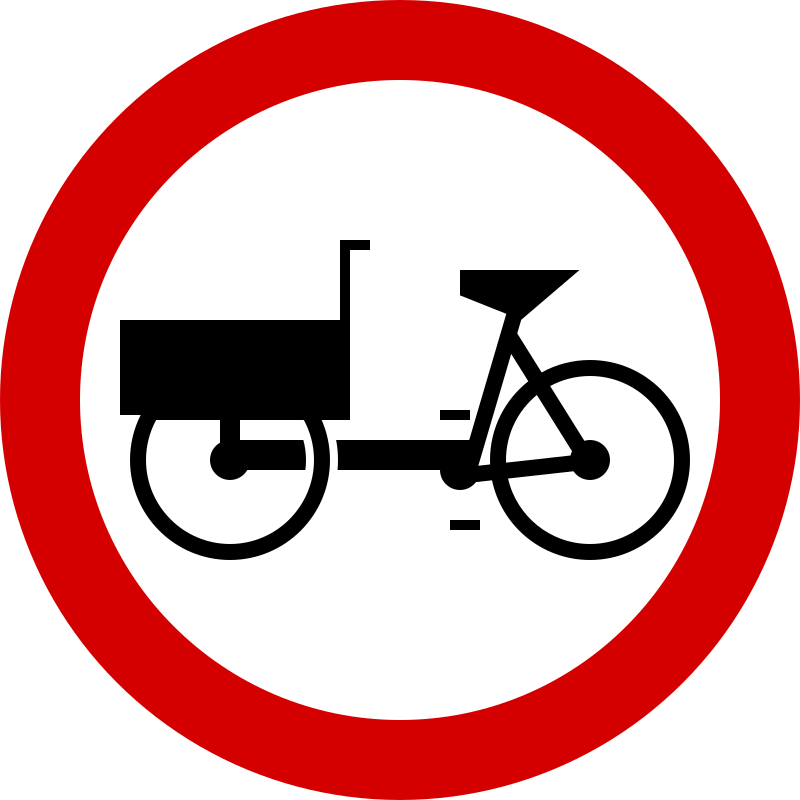
B-11: No Entry for Cycle Rickshaws and Multi-Track Carts
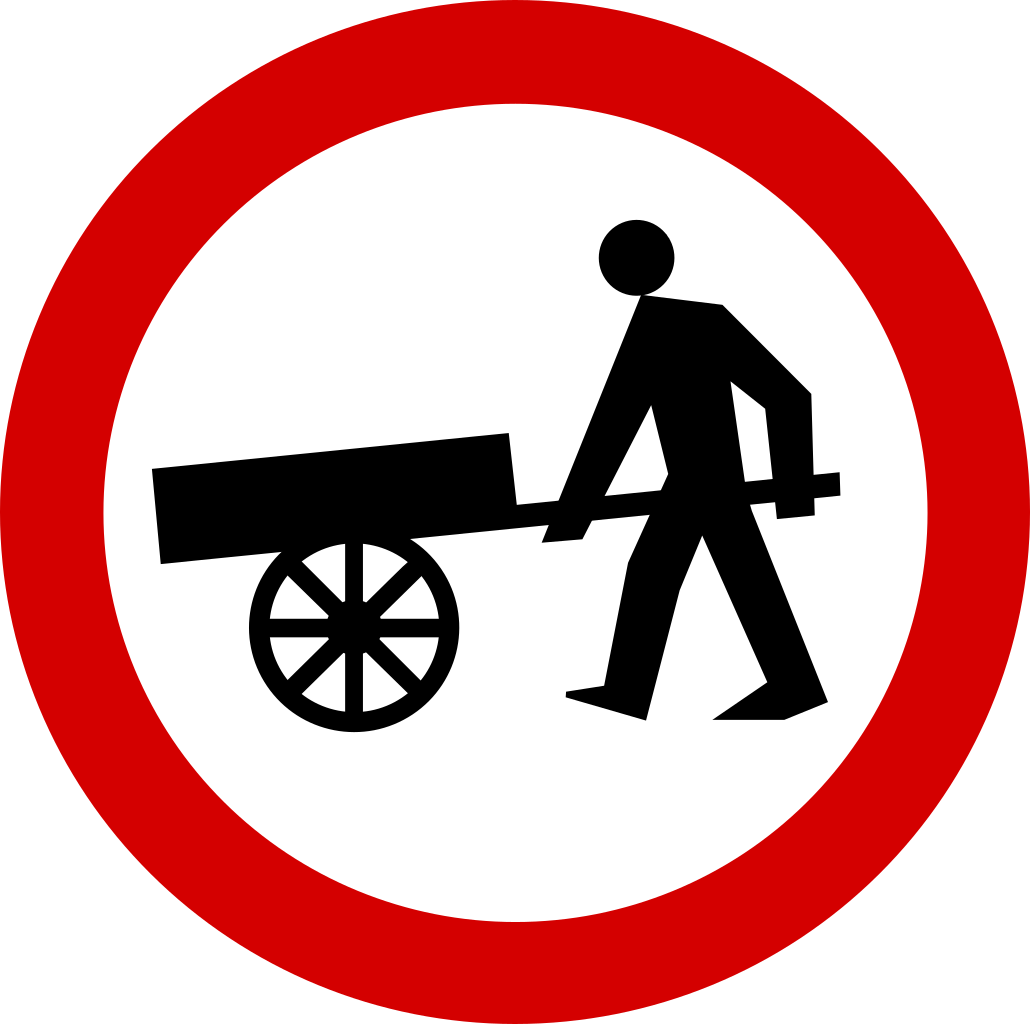
Understand the B-12 'No Handcarts' Road Sign
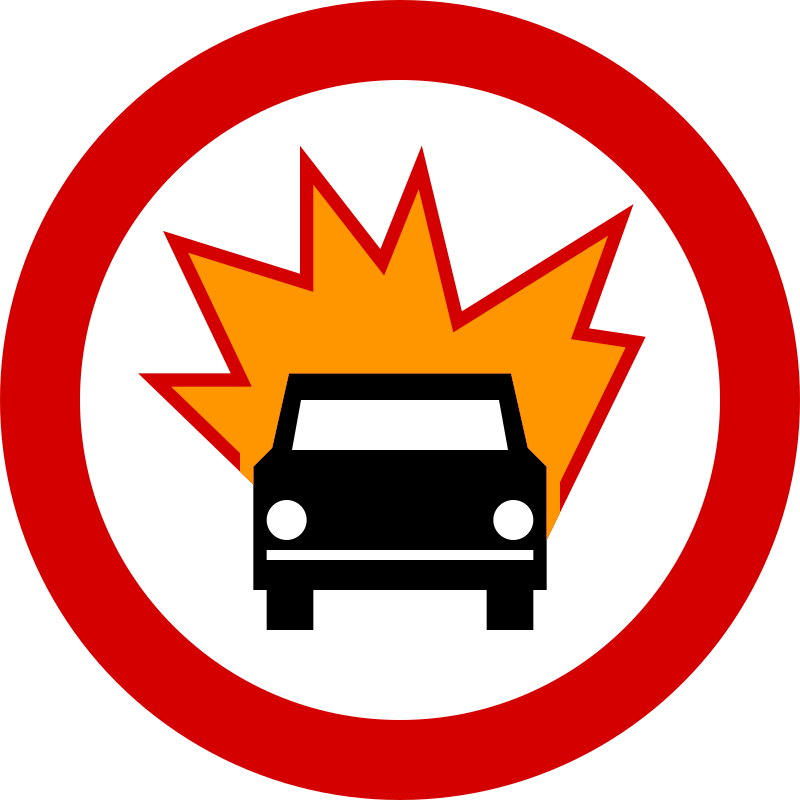
Understand the B-13 sign: No vehicles carrying explosives or flammable goods allowed.
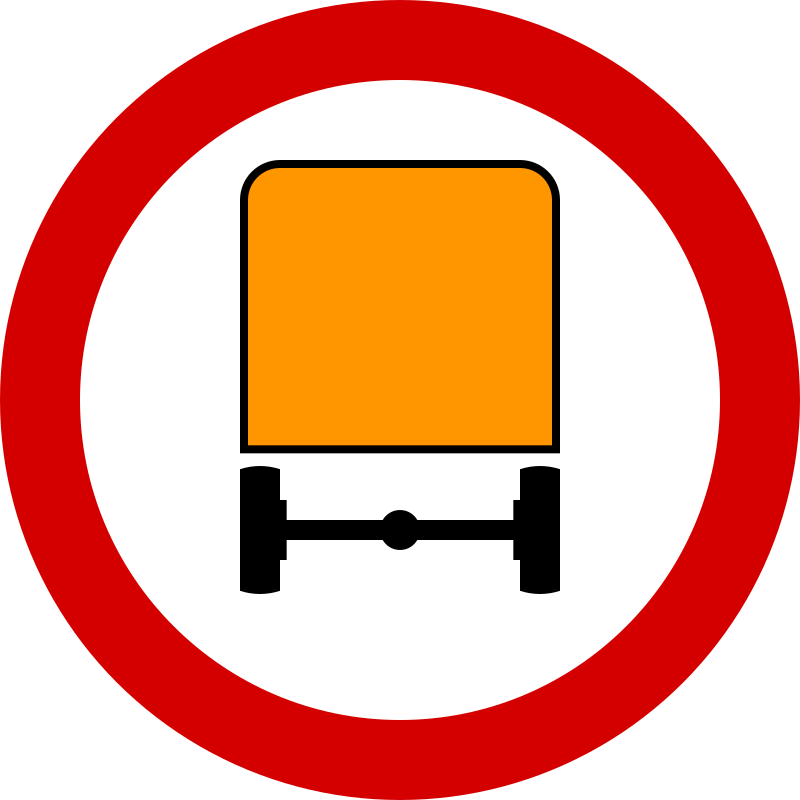
The B-13a sign means no vehicles carrying dangerous goods are allowed past this point.
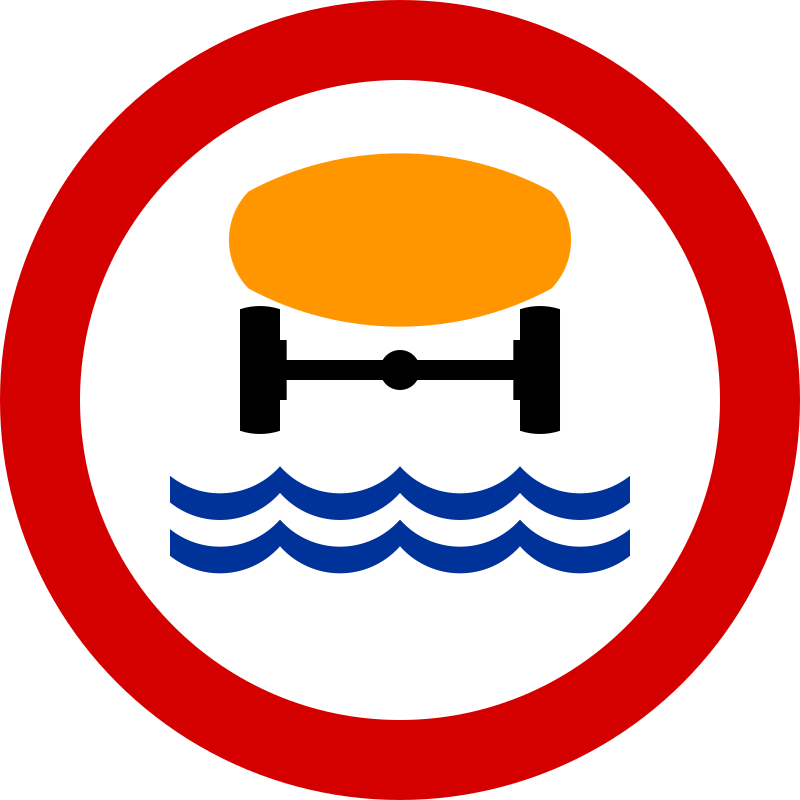
B-14 Sign: No Vehicles Carrying Water Contaminants
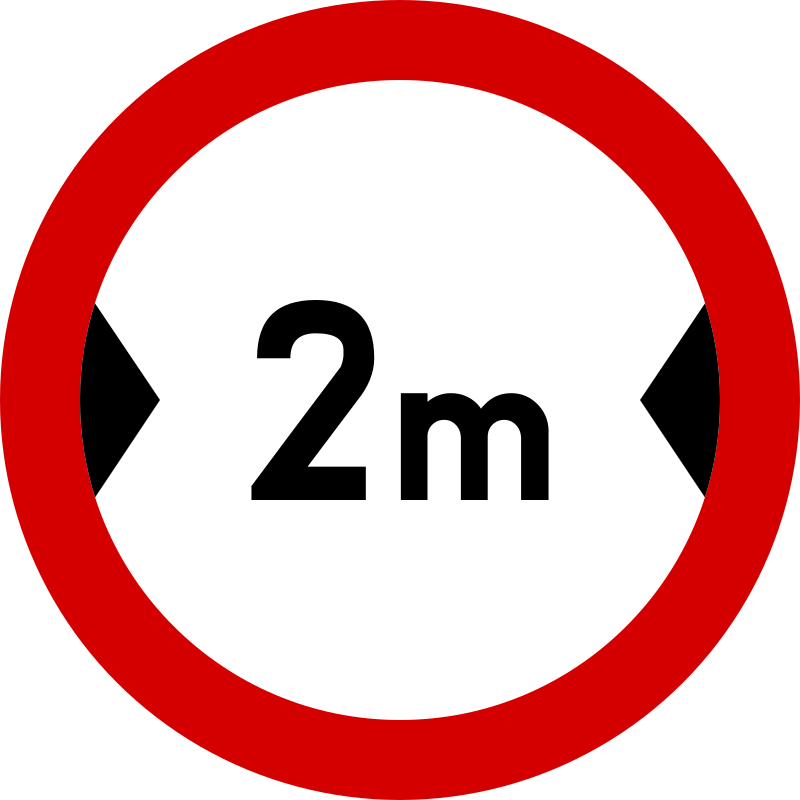
The B-15 sign prohibits vehicles wider than the specified limit from passing.
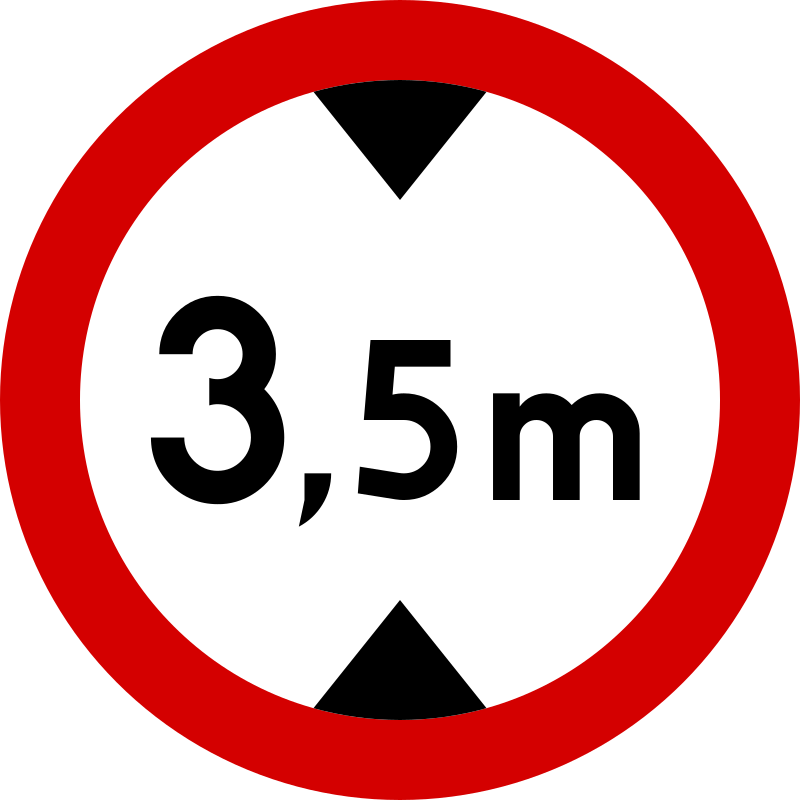
Recognise and Obey the B-16 'Height Restriction' Traffic Sign
Deepen your understanding of specific road signs by reviewing official Polish traffic rules and associated real-world driving scenarios. These expert-led resources help you bridge the gap between visual recognition and practical exam application.
Gain a comprehensive understanding of what vehicles you are legally permitted to drive with a Category B licence in Poland, with a special focus on towing. This guide will break down the combined weight limits for car and trailer combinations, highlighting the specific regulations that are frequently tested in the Polish driving theory examination. Ensure you know your entitlements to avoid common errors and drive safely.
This article provides a detailed explanation of how Polish traffic signs A-7 ('Ustąp Pierwszeństwa' - Yield), B-20 ('STOP'), and D-1 ('Droga z Pierwszeństwem' - Priority Road) dictate right-of-way at intersections. Understanding the nuances of these signs is a fundamental aspect of the Polish driving theory exam, and mastering them will significantly improve your preparedness for real-world driving scenarios.
Master Roadworks: Prioritize Temporary Markings for a Safer Drive and Exam Pass.
Navigate Poland's Environmental Zones and Restricted Areas with Confidence.
Learn the full process for obtaining a Category B driving licence in Poland, from getting your Profil Kandydata na Kierowcę (PKK) to passing theory and practical exams, and finally receiving your licence card. Understand key requirements and where to apply.
The C-16 sign indicates a road or path reserved solely for people on foot. It is used in areas with high pedestrian volume, such as city centers or park paths, to ensure their safety and comfort. Motorized vehicles and cyclists are not allowed to enter these zones, creating a car-free environment.
After reviewing the full list of Polish road signs, explore specific sign categories for in-depth understanding. Challenge your knowledge with practice questions focused on sign recognition and interpretation to solidify your preparation for the driving theory exam.
Browse All Polish Road Signs