
The B-18 road sign signifies a maximum permissible gross weight for vehicles. This prohibition sign is crucial for protecting roads and bridges from excessive loads. Unlike signs related to theoretical load capacity, this sign refers to the vehicle's **actual weight** at the moment it passes. Drivers must ensure their vehicle's total actual mass does not exceed the limit indicated on the sign, as exceeding it can cause significant structural damage or even collapse. Pay close attention to this sign, especially on bridges or older road sections, and choose an alternative route if your vehicle is too heavy.
This section provides a clear explanation of the Polish B-18 sign, detailing its meaning and implications for vehicle weight. Mastering road sign interpretation is key for your theory test revision and safe navigation on Polish roads.
The B-18 sign protects roads and bridges that are not strong enough to support very heavy loads. Unlike other signs that look at 'allowed weight' on paper, this sign looks at the 'actual weight' (masa rzeczywista) of the vehicle at that moment. Overweight vehicles can cause permanent structural damage or even cause a bridge to collapse.
Prohibits vehicles or combinations with a total actual weight greater than the value on the sign.
Get clear, practical answers to the most common questions about the B-18 - Maximum Gross Weight Limit road sign. Learn how the sign works, what rules it represents, and how it affects real driving situations. This FAQ strengthens your understanding and supports accurate decision making for the Polish driving theory exam in Poland.
The B-18 sign prohibits vehicles or combinations whose total actual weight exceeds the value shown on the sign. This is a critical safety measure to protect road infrastructure, particularly bridges, from damage caused by overweight vehicles. Always check the actual mass of your vehicle against the limit shown.
The B-18 sign specifically refers to the vehicle's 'actual weight' (masa rzeczywista) at the time of passing, not just its registered or permitted gross weight. This means even if your vehicle is legally registered for a higher weight, if its current load causes it to exceed the limit on the B-18 sign, you must not proceed.
You are prohibited from driving any vehicle or combination of vehicles whose total actual weight is greater than the weight specified on the B-18 sign. This includes driving across a bridge or on a road section that cannot support your vehicle's current mass. Ignoring this sign can lead to severe structural damage or accidents.
If your vehicle's actual weight exceeds the limit shown on the B-18 sign, you must not proceed past the sign. You should find an alternative route that is suitable for heavier vehicles or, if possible, reduce your load or split it across multiple vehicles to meet the weight requirement.
Generally, no. The B-18 sign is a strict prohibition based on the vehicle's actual total weight. The only 'exception' is to not pass if your vehicle is overweight. If you are unsure about your vehicle's actual mass, it's advisable to use a public weighbridge before proceeding.
The theory test might present scenarios where you see the B-18 sign and must choose the correct action. Common traps involve confusing 'actual weight' with 'registered weight' or assuming the sign only applies to very specific vehicle types. Understanding that it applies to the real-time mass of any vehicle is key to answering correctly.
A clear reference image of the B-18 - Maximum Gross Weight Limit road sign used in Poland.
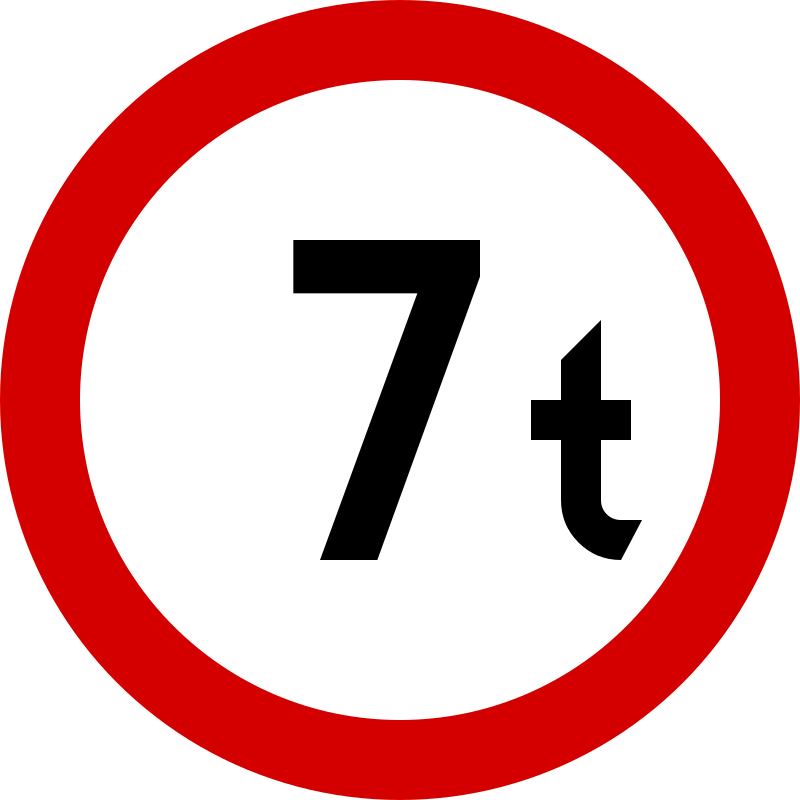
The B-18 - Maximum Gross Weight Limit road sign may also be known by these alternative names or terms.
The B-18 - Maximum Gross Weight Limit road sign is part of the Prohibitory Signs (B) category, which groups together signs with similar rules and functions.
Reviewing related road signs like 'Maximum Gross Weight Limit' alongside similar prohibitory signs aids in precise recognition and fewer mistakes. Master traffic sign comparison and improve your sign recognition for effective theory test revision.

B-1 Sign: Road Closed to All Traffic in Both Directions
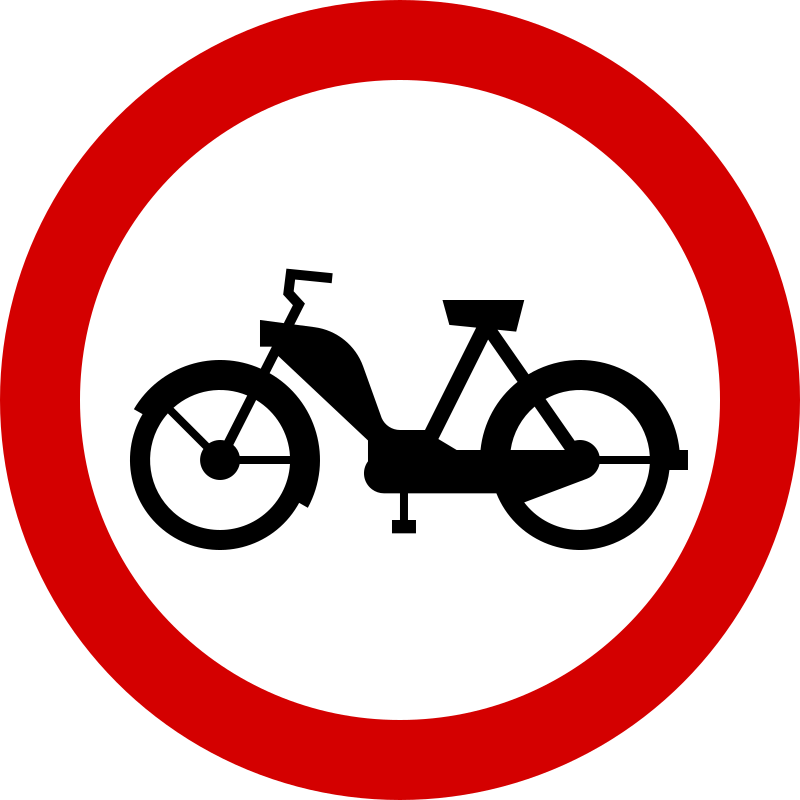
The B-10 'No Mopeds' sign prohibits entry for all mopeds past this point.
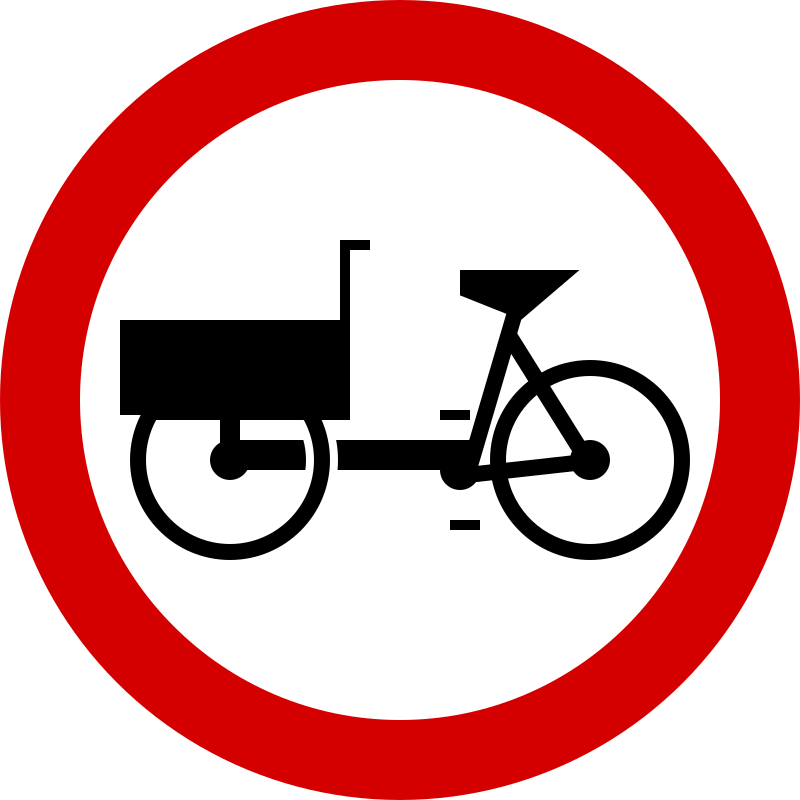
B-11: No Entry for Cycle Rickshaws and Multi-Track Carts
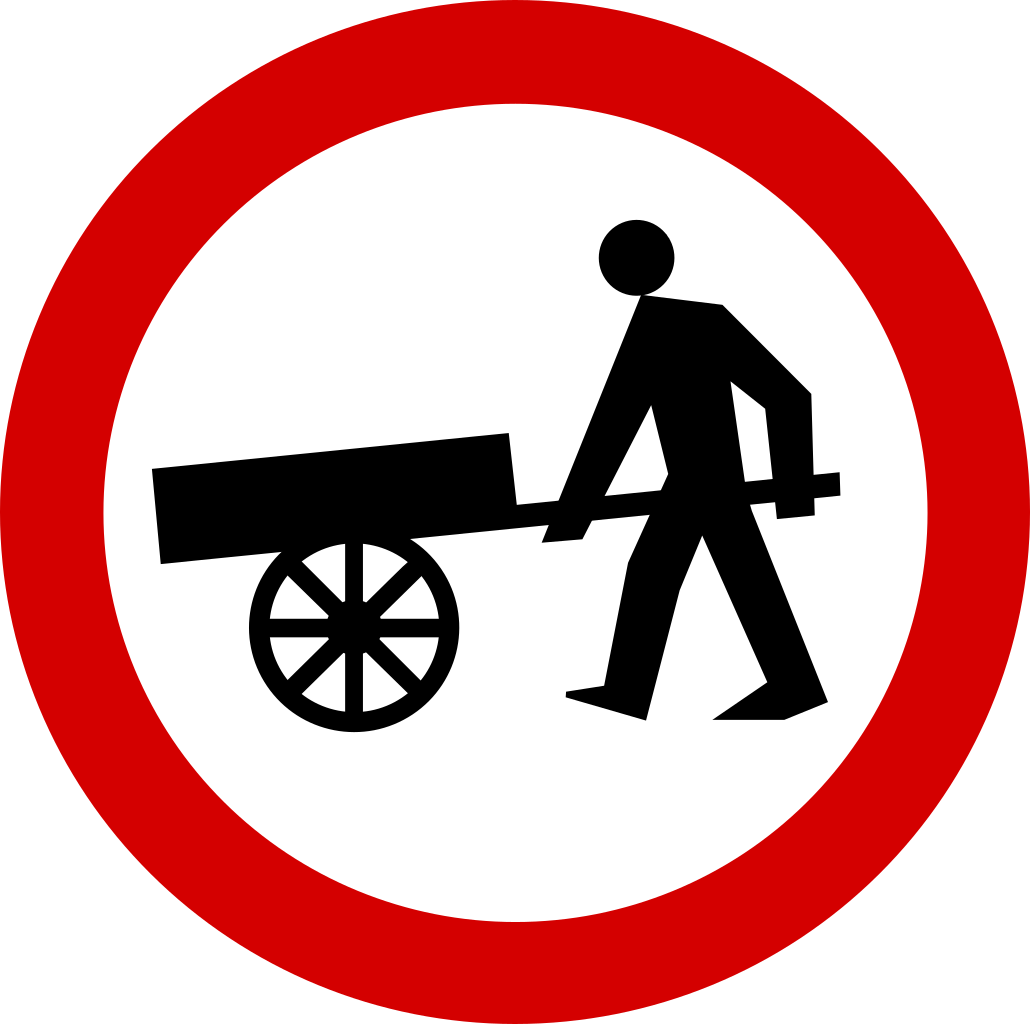
Understand the B-12 'No Handcarts' Road Sign
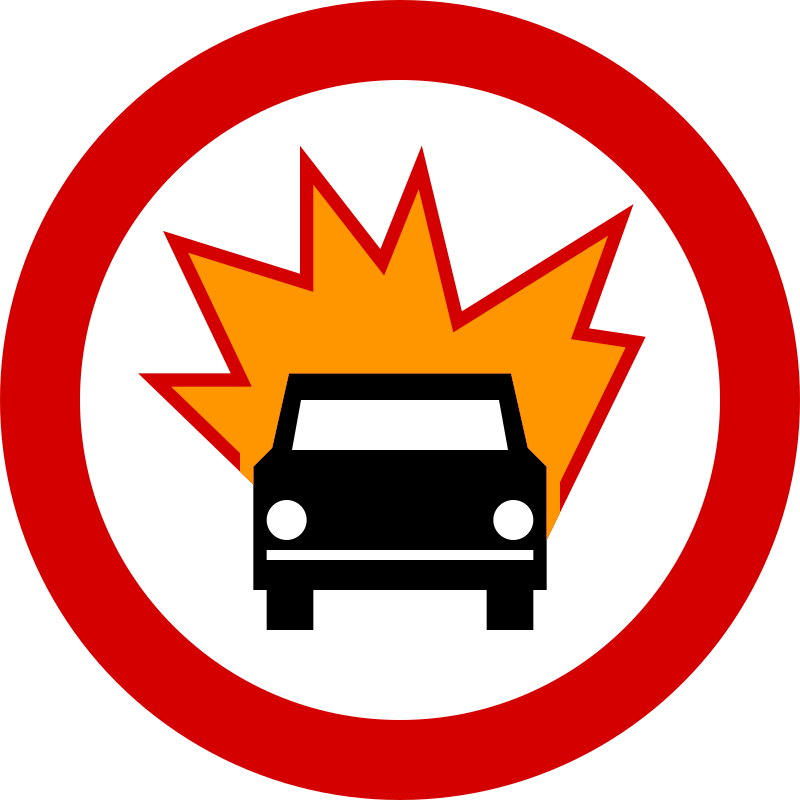
Understand the B-13 sign: No vehicles carrying explosives or flammable goods allowed.
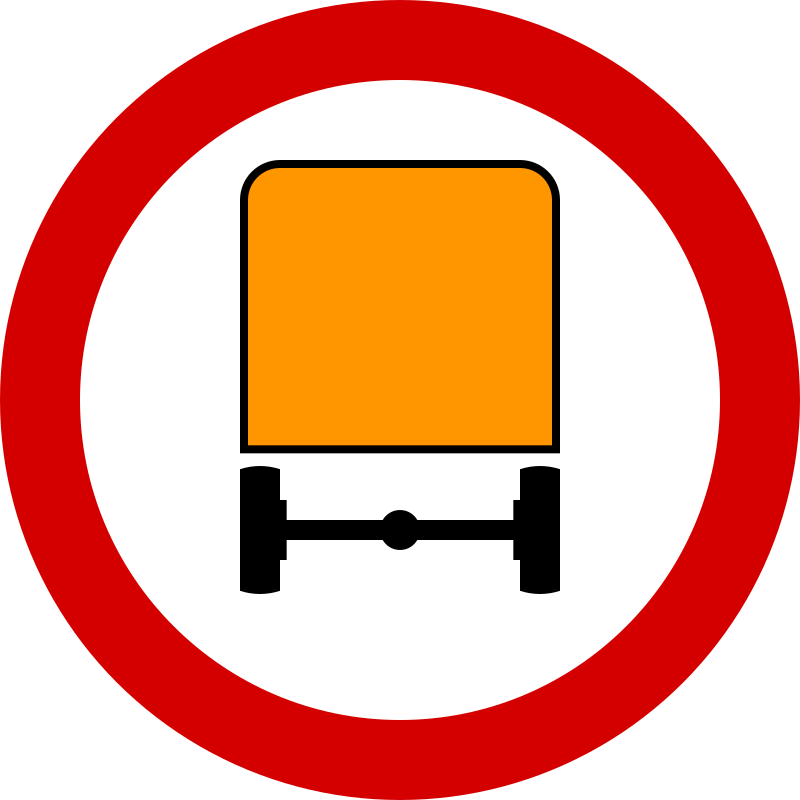
The B-13a sign means no vehicles carrying dangerous goods are allowed past this point.
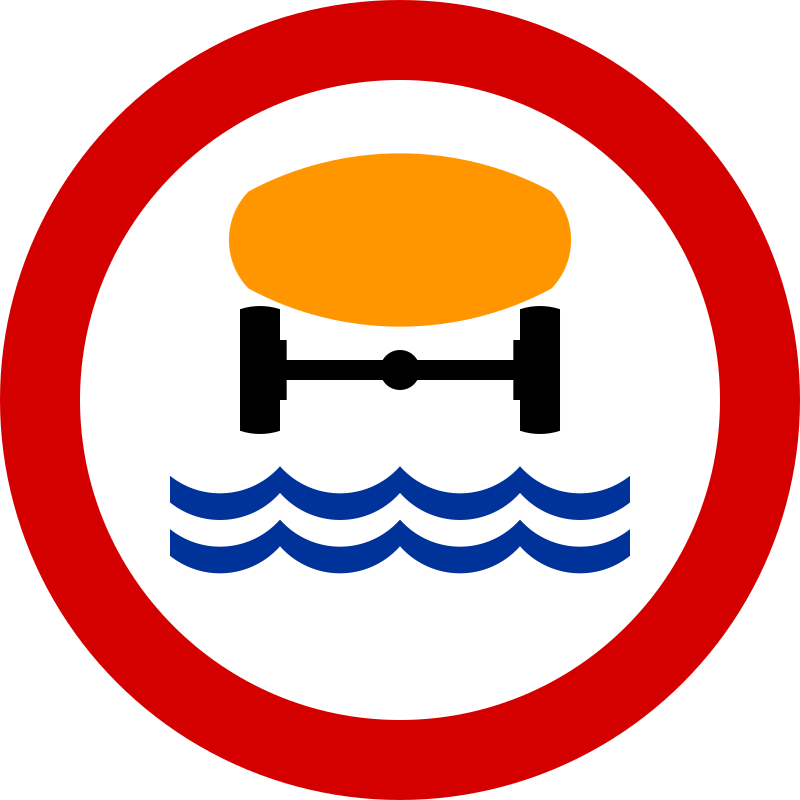
B-14 Sign: No Vehicles Carrying Water Contaminants
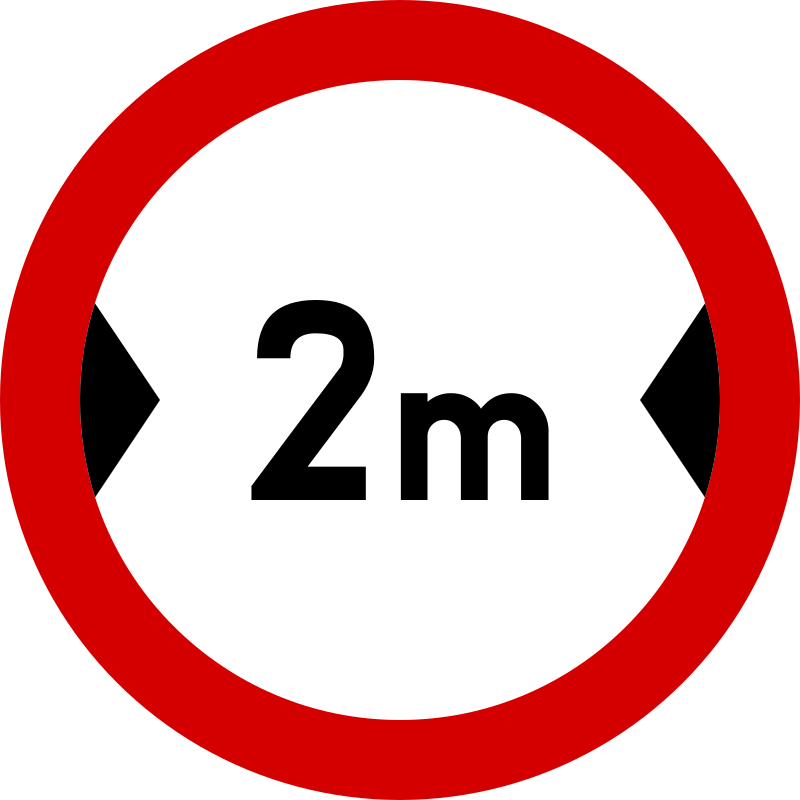
The B-15 sign prohibits vehicles wider than the specified limit from passing.
Deepen your understanding of specific road signs by reviewing official Polish traffic rules and associated real-world driving scenarios. These expert-led resources help you bridge the gap between visual recognition and practical exam application.
Gain a comprehensive understanding of what vehicles you are legally permitted to drive with a Category B licence in Poland, with a special focus on towing. This guide will break down the combined weight limits for car and trailer combinations, highlighting the specific regulations that are frequently tested in the Polish driving theory examination. Ensure you know your entitlements to avoid common errors and drive safely.
This article provides a detailed explanation of how Polish traffic signs A-7 ('Ustąp Pierwszeństwa' - Yield), B-20 ('STOP'), and D-1 ('Droga z Pierwszeństwem' - Priority Road) dictate right-of-way at intersections. Understanding the nuances of these signs is a fundamental aspect of the Polish driving theory exam, and mastering them will significantly improve your preparedness for real-world driving scenarios.
Master Polish Crossing Markings for a Safer Drive and Exam Success.
Master Polish Priority Signs and Navigate Intersections with Confidence
The B-16 sign is critical for preventing collisions with low bridges, tunnels, or overhead cables. The value on the sign is typically 0.5 meters lower than the actual height of the obstacle to allow for vehicle bounce and safety. Striking an overhead structure is a major accident that can cause structural collapse and severe vehicle damage.
The B-31 sign is placed at one end of a narrow passage (like a bridge or roadworks) where two vehicles cannot safely pass each other. If you see this sign (with the red arrow on your side), you MUST stop and wait for any oncoming vehicles that are already in or approaching the narrow section. The driver on the other side will see a blue D-5 sign, indicating they have priority.
After reviewing the full list of Polish road signs, explore specific sign categories for in-depth understanding. Challenge your knowledge with practice questions focused on sign recognition and interpretation to solidify your preparation for the driving theory exam.
Browse All Polish Road Signs