
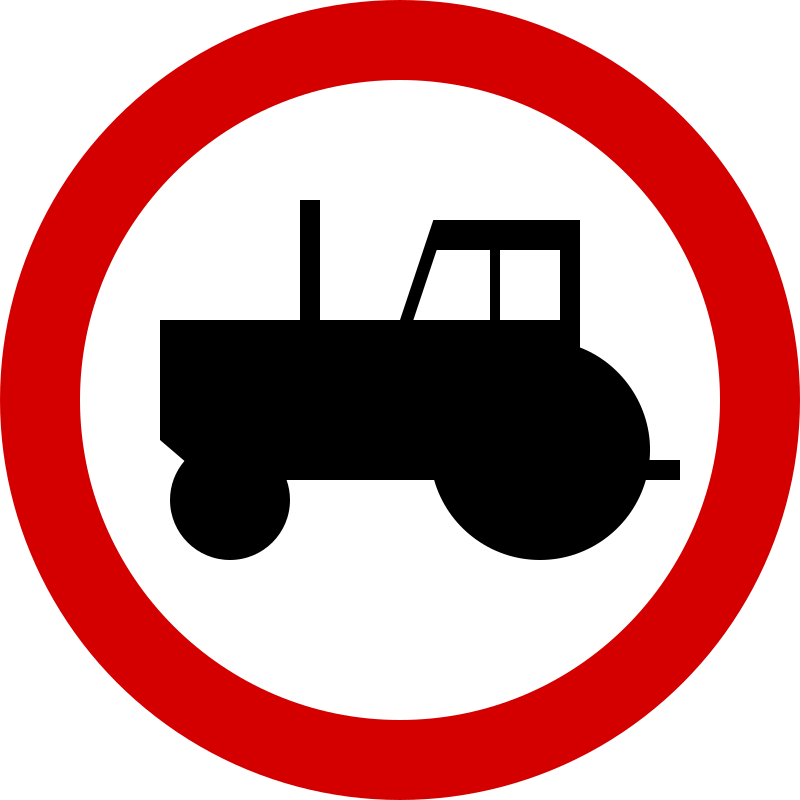
The B-6 sign is a prohibition sign indicating that the entry of agricultural tractors and other slow-moving vehicles is forbidden. You'll typically encounter this sign on busy urban roads or faster suburban routes where such vehicles could cause traffic jams or dangerous situations. It's crucial to know that this ban applies to farm tractors and also construction machinery classified as slow-moving, ensuring smoother and safer traffic flow.
This Polish prohibitory sign, B-6, clearly indicates a ban on agricultural tractors and other slow-moving vehicles. Mastering its specific meaning is crucial for your theory test revision and safe driving knowledge.
This sign is typically placed on high-traffic urban streets or fast-moving suburban roads where slow-moving farm machinery would create significant traffic congestion or dangerous overtaking situations. It covers all tractors used for farming as well as construction machinery categorized as 'slow-moving' (usually limited to 25 km/h).
Prohibits the entry of agricultural tractors and slow-moving vehicles.
Get clear, practical answers to the most common questions about the B-6 - No Agricultural Tractors road sign. Learn how the sign works, what rules it represents, and how it affects real driving situations. This FAQ strengthens your understanding and supports accurate decision making for the Polish driving theory exam in Poland.
The B-6 sign prohibits the entry of agricultural tractors, as well as construction machinery that is classified as slow-moving (typically operating at speeds up to 25 km/h). This means you cannot drive these specific types of vehicles past this sign.
No, the B-6 sign specifically bans agricultural tractors and other slow-moving vehicles. Standard passenger cars, motorcycles, and most trucks are not affected by this sign, provided they do not fall into the 'slow-moving vehicle' category or are not agricultural tractors.
In the context of the B-6 sign, 'slow-moving vehicles' generally refers to machinery that cannot reach a higher speed than 25 km/h. This typically includes certain types of construction equipment like excavators or steamrollers, in addition to agricultural tractors.
Yes, if an agricultural tractor or other prohibited slow-moving vehicle is loaded onto a flatbed trailer towed by a regular vehicle (not a tractor), then you are generally allowed to pass the B-6 sign. The restriction applies to the vehicle being driven under its own power.
The B-6 sign is used to improve traffic flow and safety on roads where slower vehicles like agricultural tractors could cause significant disruption. This is common on busy city streets or bypasses where faster traffic speeds are expected, and the presence of slow machinery would create hazardous overtaking conditions or traffic congestion.
No, the B-6 sign does not typically affect drivers of passenger cars, motorcycles, or standard trucks. Its purpose is solely to restrict agricultural tractors and other specific slow-moving vehicles from entering certain roads or areas.
A clear reference image of the B-6 - No Agricultural Tractors road sign used in Poland.
The B-6 - No Agricultural Tractors road sign may also be known by these alternative names or terms.
The B-6 - No Agricultural Tractors road sign is part of the Prohibitory Signs (B) category, which groups together signs with similar rules and functions.
Comparing related Polish road signs like the 'No Agricultural Tractors' sign helps solidify your understanding and reduces confusion during your theory test revision. Practicing traffic sign comparison improves your ability to recognise signs quickly and accurately, a key skill for exam preparation.

B-1 Sign: Road Closed to All Traffic in Both Directions
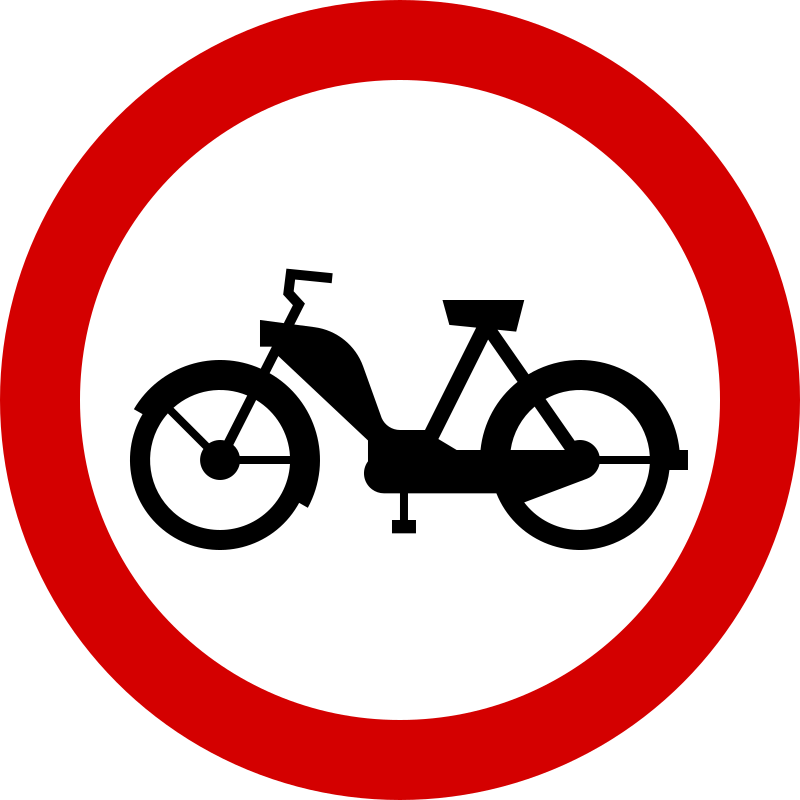
The B-10 'No Mopeds' sign prohibits entry for all mopeds past this point.
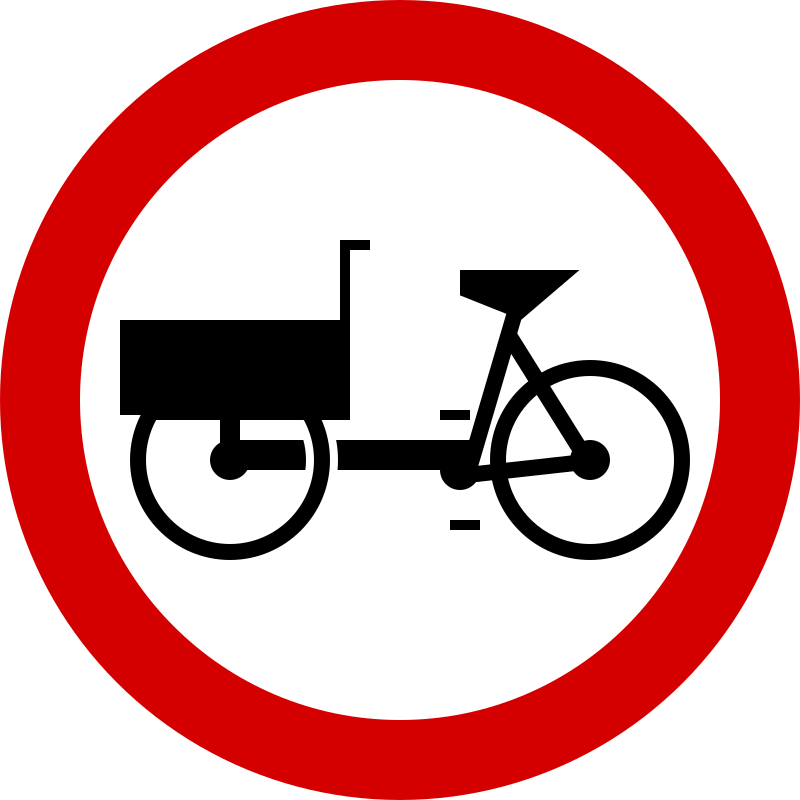
B-11: No Entry for Cycle Rickshaws and Multi-Track Carts
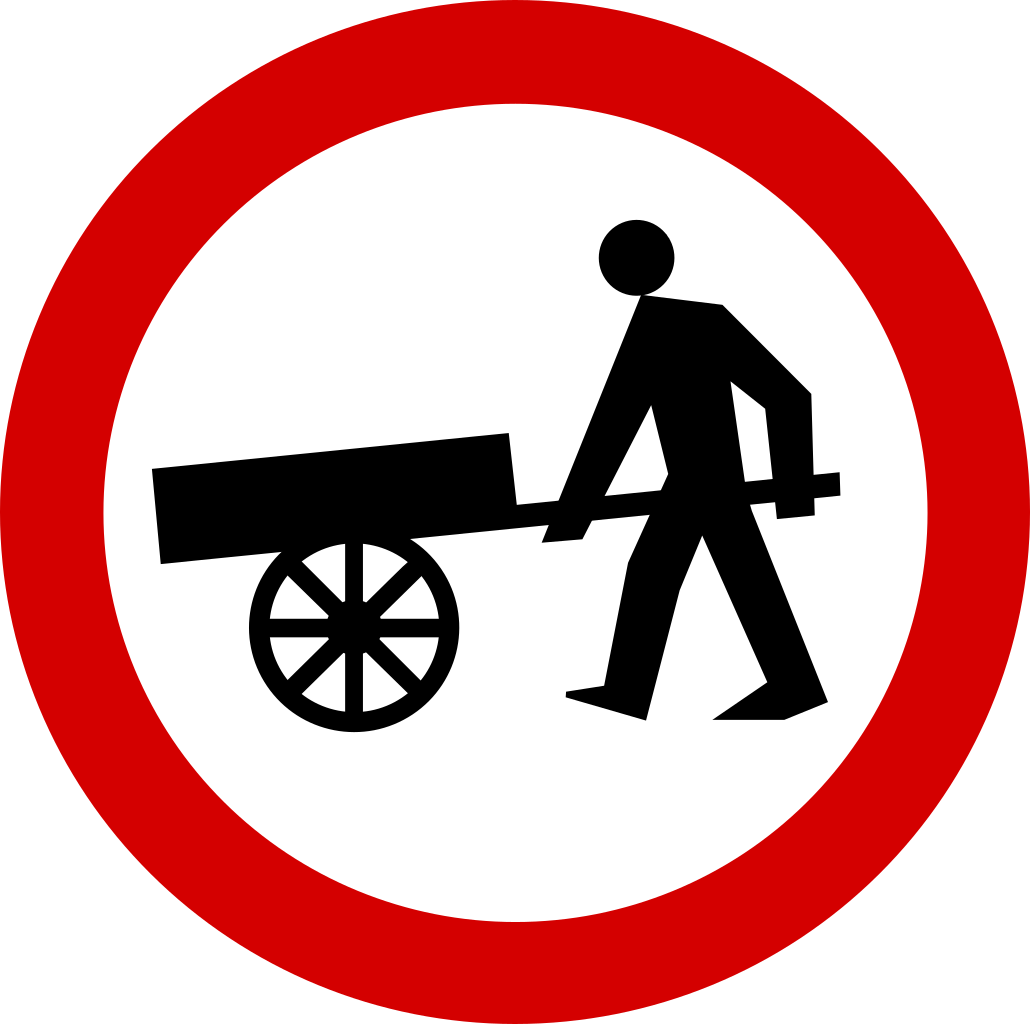
Understand the B-12 'No Handcarts' Road Sign
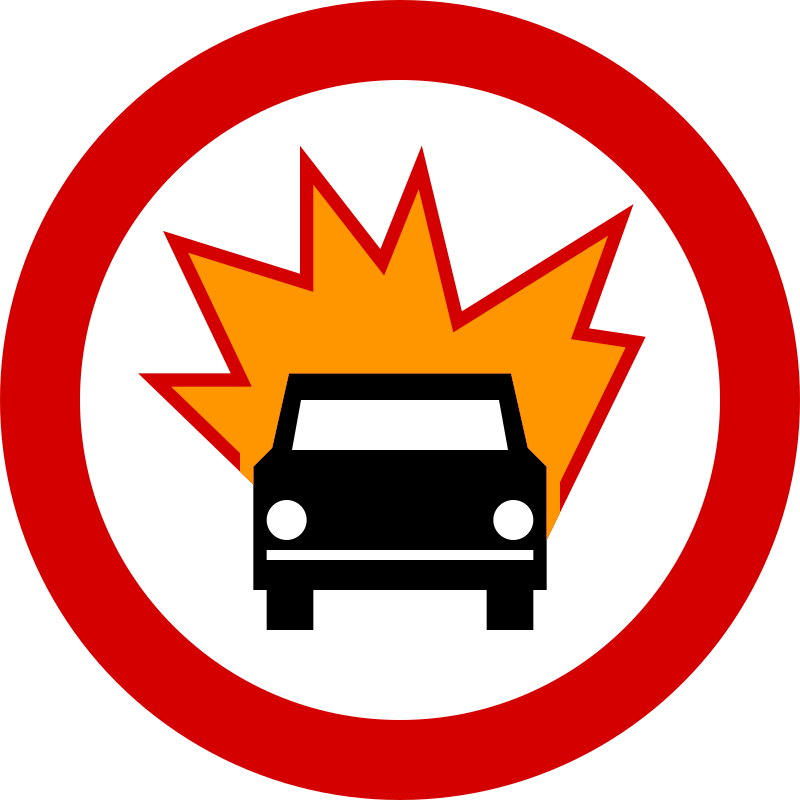
Understand the B-13 sign: No vehicles carrying explosives or flammable goods allowed.
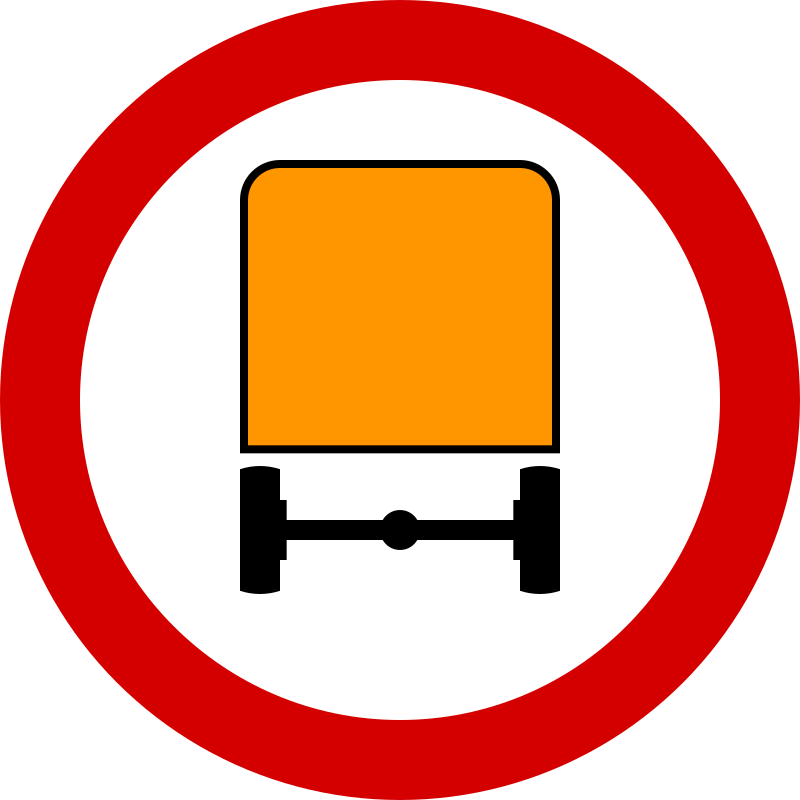
The B-13a sign means no vehicles carrying dangerous goods are allowed past this point.
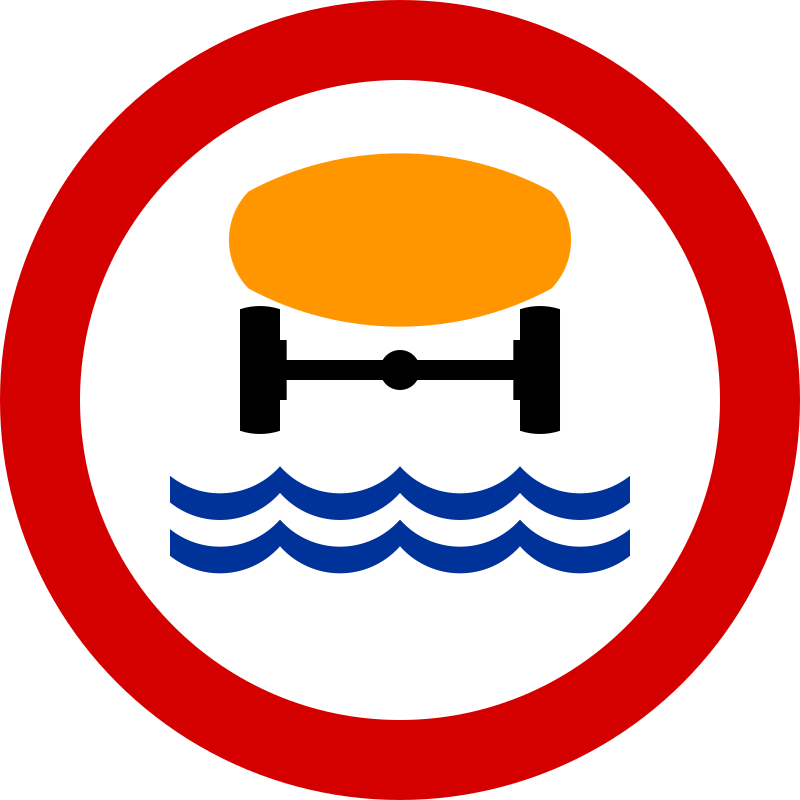
B-14 Sign: No Vehicles Carrying Water Contaminants
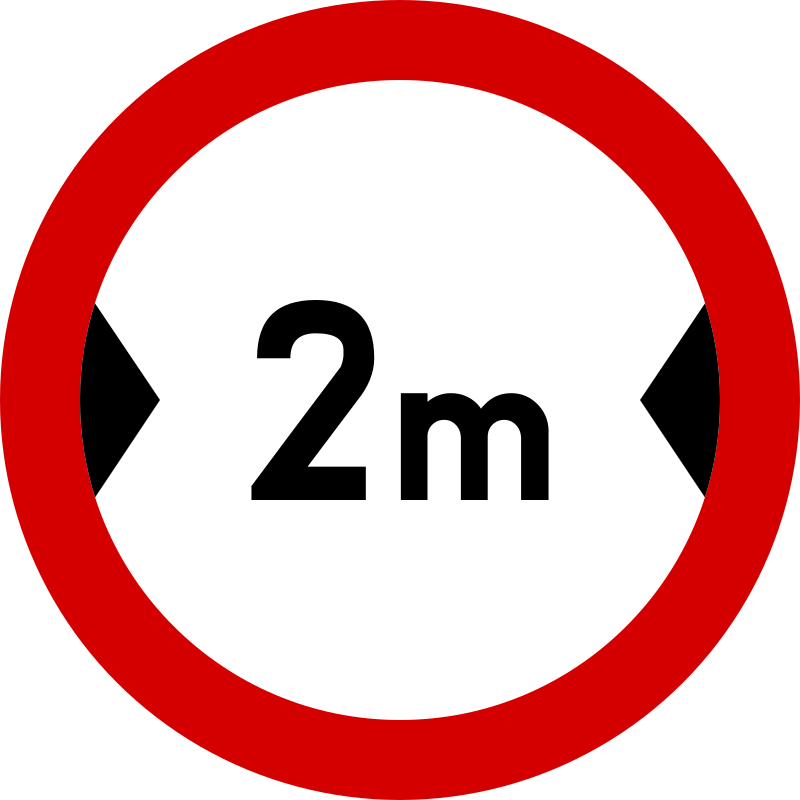
The B-15 sign prohibits vehicles wider than the specified limit from passing.
Deepen your understanding of specific road signs by reviewing official Polish traffic rules and associated real-world driving scenarios. These expert-led resources help you bridge the gap between visual recognition and practical exam application.
Master the Art of Turning Complex Machinery and Avoid Costly Mistakes on Your Polish Driving Exam.
Mastering the Rules for Tractors and Agricultural Vehicles in Poland
Learn the essential rules for agricultural tractor and trailer lights, reflectors, and warning signs as required by Polish law ('Prawo o ruchu drogowym'). This guide is tailored for the Polish driving theory exam, highlighting key details that candidates must know to ensure visibility and safety. Prepare to demonstrate your understanding of these vital technical requirements.
Identifying the nature of fluid leaks under your car is a core competency for any responsible driver and a key topic in the Polish driving theory curriculum. This guide teaches you how to use simple physical markers—such as color, smell, and location—to assess potential vehicle malfunctions. Mastering these basic maintenance checks helps you prevent engine failure and ensures you are better prepared for the technical questions on your driving exam.
This sign is more general than B-13, as it covers all categories of dangerous goods, not just explosives. It is often used at tunnel entrances where specific 'Tunnel Categories' (B, C, D, or E) may be indicated on a T-31 plate to define exactly which hazardous materials are banned. This is essential for preventing chemical leaks or mass poisonings in enclosed or sensitive spaces.
The T-9 plate is paired with A-22 (Dangerous descent) or A-23 (Steep climb). A 10% slope means the road rises or falls 10 meters for every 100 meters of horizontal travel. This information is vital for heavy vehicles (to choose the right gear for engine braking) and for all drivers in winter, as steep slopes become impassable or extremely dangerous when icy.
After reviewing the full list of Polish road signs, explore specific sign categories for in-depth understanding. Challenge your knowledge with practice questions focused on sign recognition and interpretation to solidify your preparation for the driving theory exam.
Browse All Polish Road Signs