
The B-9 road sign is a prohibition sign used in Poland that strictly forbids the movement of bicycles and bike-trailers. This sign is typically placed on roads with high speed limits or heavy traffic where cycling poses a significant safety risk, or where a dedicated cycle path (C-13) is conveniently located nearby. By directing cyclists to safer routes, the B-9 sign helps prevent accidents and maintain traffic flow on main roads. It applies to the entire width of the roadway, including the shoulder, meaning you cannot cycle on either.
This explanation details the B-9 'No Bicycles' sign, crucial for understanding cycling restrictions in Poland. Learn its specific meaning and context for your theory test revision.
The B-9 sign is used on roads with high speed limits or heavy traffic volumes that make cycling extremely dangerous. It is also mandatory where a dedicated cycle path (C-13) has been provided nearby. This sign ensures that cyclists are diverted to safer, dedicated infrastructure, preventing accidents on main arterial roads.
Prohibits the movement of bicycles and bike-trailers on both the roadway and the shoulder.
Get clear, practical answers to the most common questions about the B-9 - No Bicycles road sign. Learn how the sign works, what rules it represents, and how it affects real driving situations. This FAQ strengthens your understanding and supports accurate decision making for the Polish driving theory exam in Poland.
The B-9 sign means that cycling is prohibited on the road where this sign is displayed, including the shoulder. This is for your safety, usually because the road is too fast or busy for bicycles, or because a separate cycle path is provided nearby.
Yes, you can walk your bicycle past the B-9 sign. The prohibition applies to riding the bicycle, not to walking it like a pedestrian. You can also push a bicycle on the sidewalk if you are behaving as a pedestrian, unless a specific sign prohibits it.
You are allowed to drive a motor vehicle or moped past the B-9 sign, provided no other signs like B-10 (which prohibits mopeds) are present. You can also use a designated cycle path (C-13) if one is available nearby, as this is the safer alternative route for cyclists.
Yes, the B-9 sign prohibits not only bicycles but also bike-trailers. This means you cannot transport goods or children using a bike-trailer on a road where this sign is posted. The intention is to keep such roads clear of all bicycle-related traffic for safety reasons.
Understanding prohibition signs like B-9 is crucial for the theory exam. You need to know which vehicles are restricted from certain roads and why. Misinterpreting this sign could lead to a fine or an accident, and exam questions often test your knowledge of where cyclists are and are not permitted.
A clear reference image of the B-9 - No Bicycles road sign used in Poland.
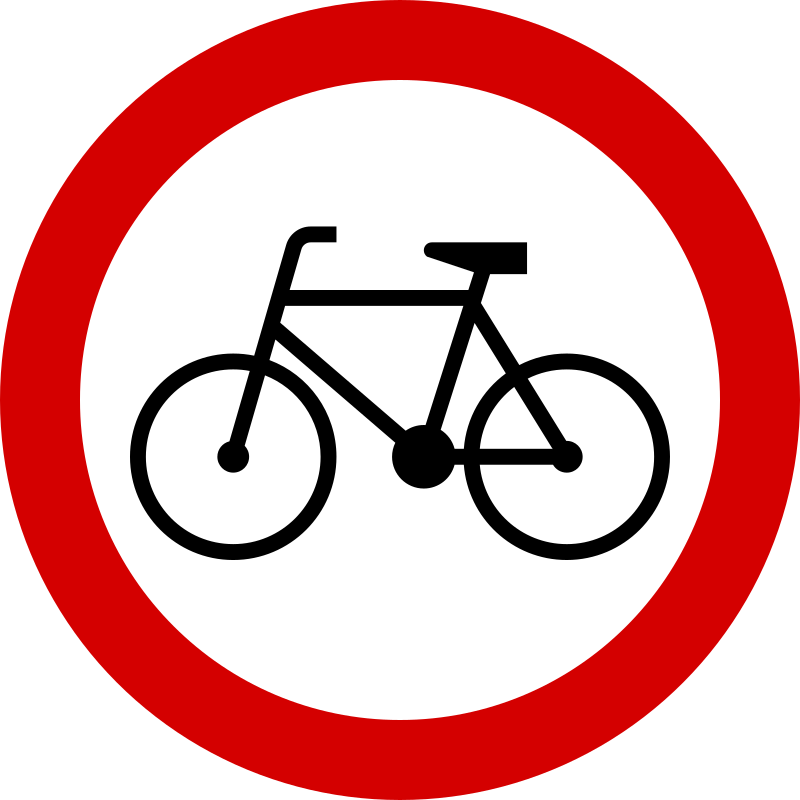
The B-9 - No Bicycles road sign may also be known by these alternative names or terms.
The B-9 - No Bicycles road sign is part of the Prohibitory Signs (B) category, which groups together signs with similar rules and functions.
Master Polish traffic rules by comparing similar road signs. Understanding the subtle differences between signs like 'No Bicycles' and others in the prohibitory category is crucial for accurate theory test revision and safe driving.

B-1 Sign: Road Closed to All Traffic in Both Directions
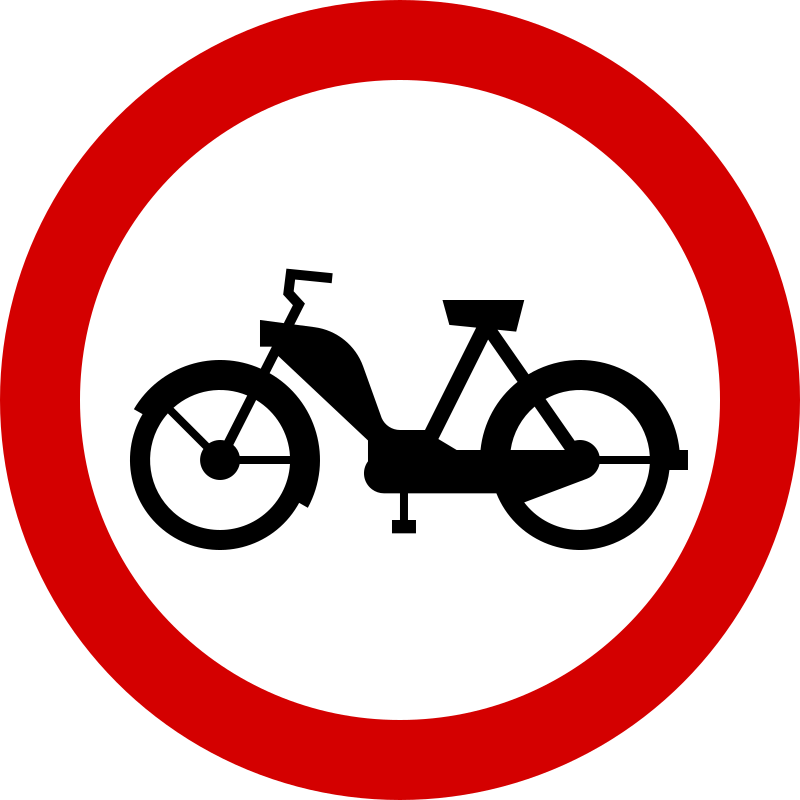
The B-10 'No Mopeds' sign prohibits entry for all mopeds past this point.
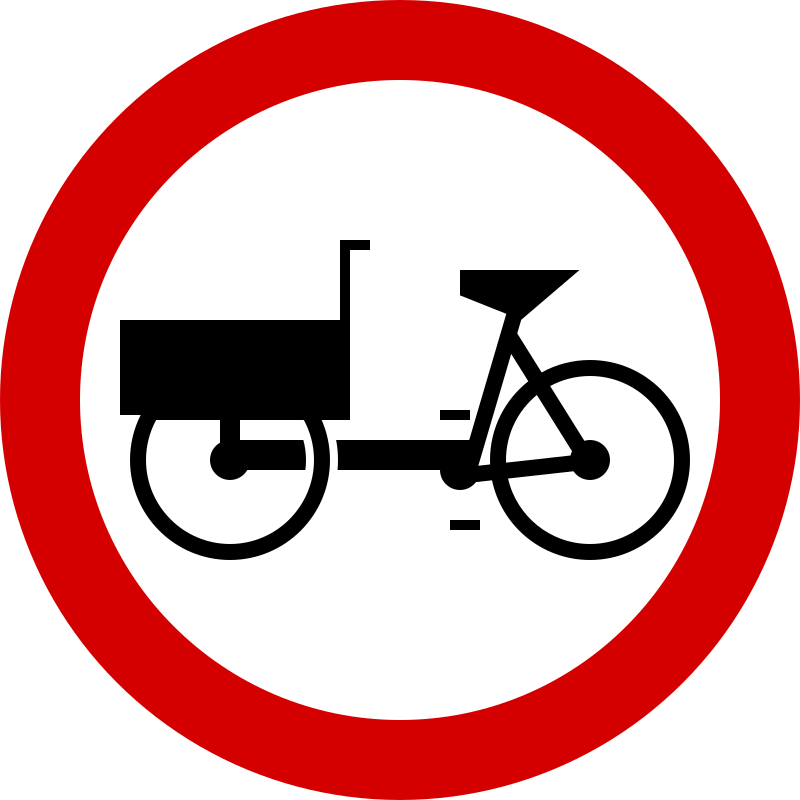
B-11: No Entry for Cycle Rickshaws and Multi-Track Carts
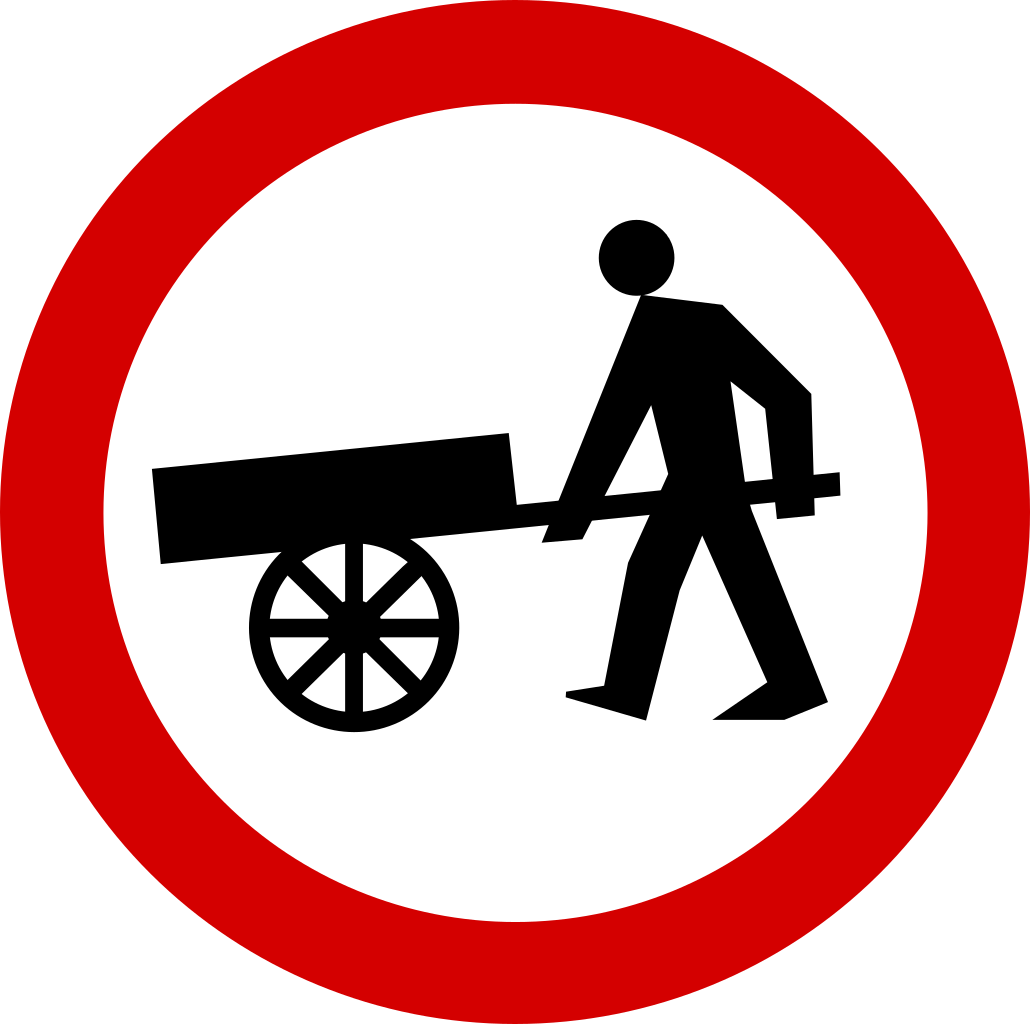
Understand the B-12 'No Handcarts' Road Sign
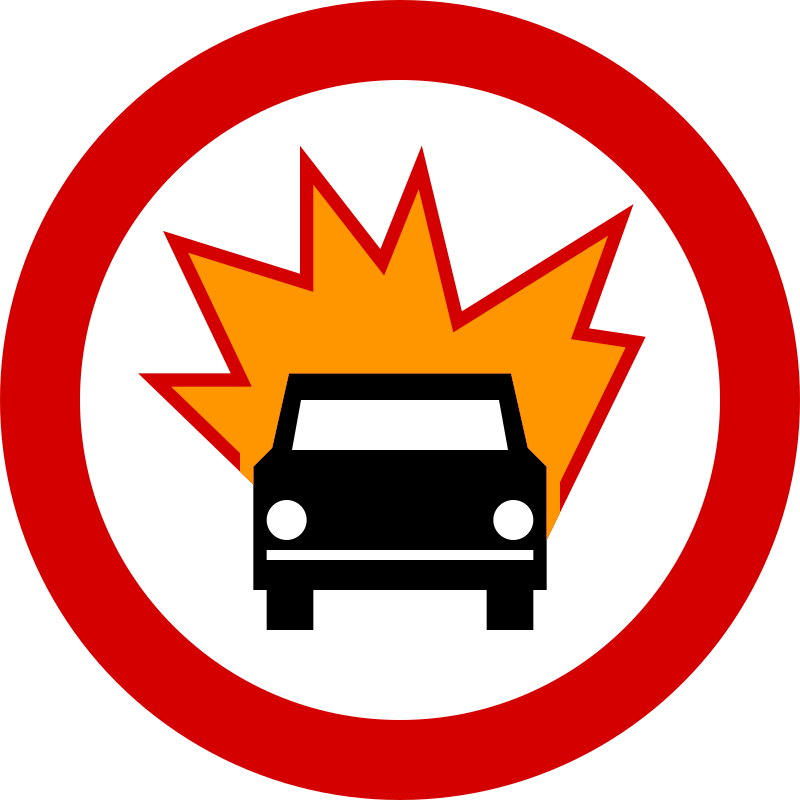
Understand the B-13 sign: No vehicles carrying explosives or flammable goods allowed.
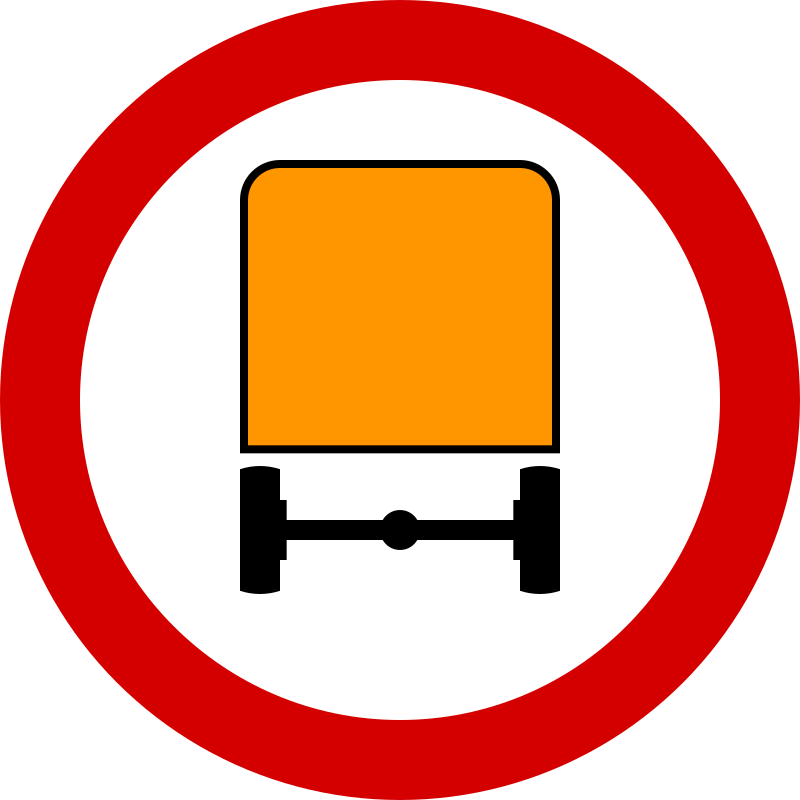
The B-13a sign means no vehicles carrying dangerous goods are allowed past this point.
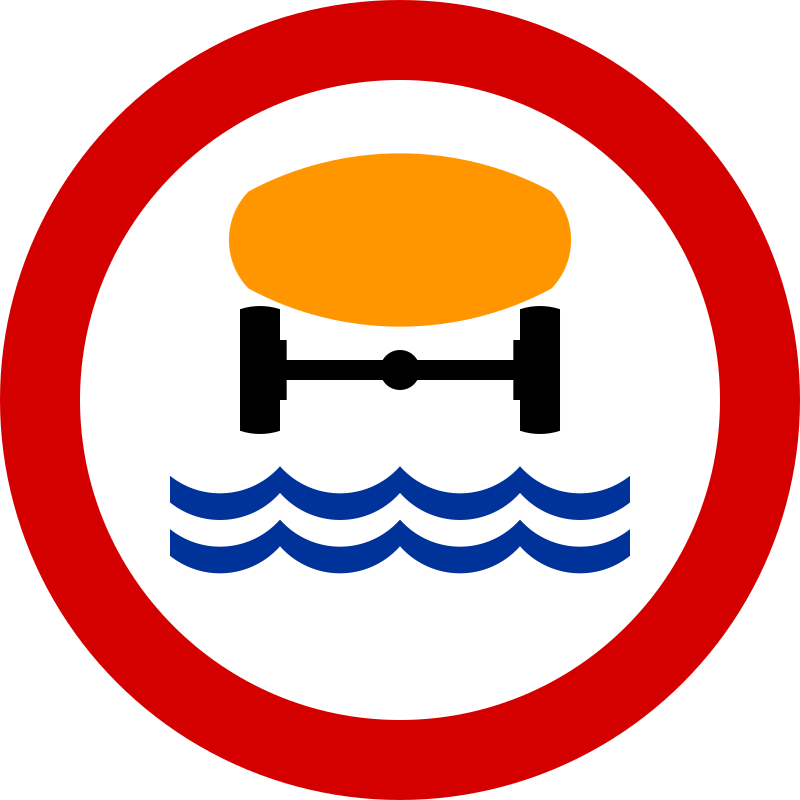
B-14 Sign: No Vehicles Carrying Water Contaminants
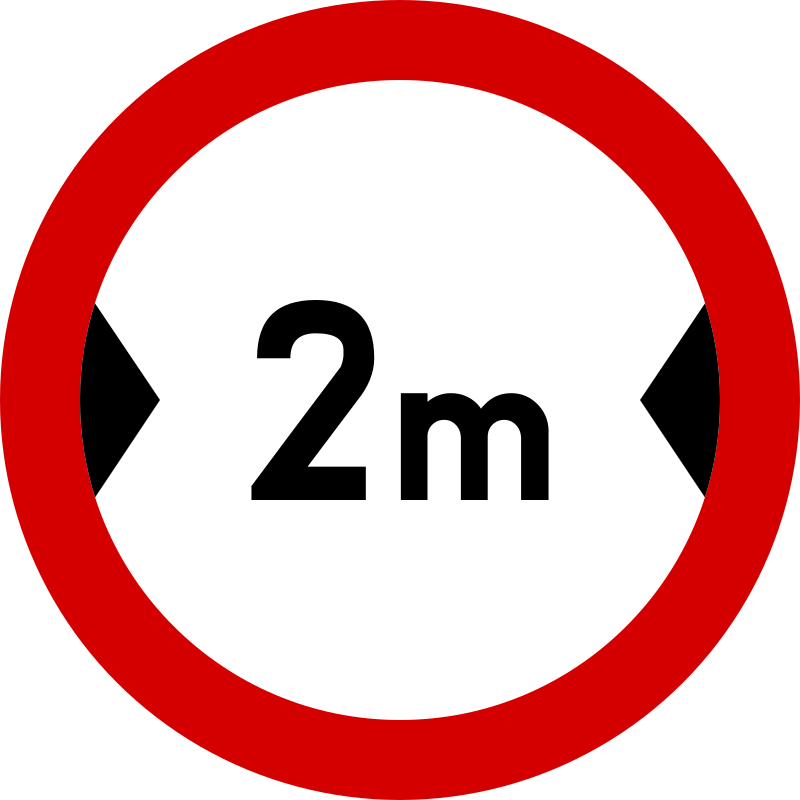
The B-15 sign prohibits vehicles wider than the specified limit from passing.
Deepen your understanding of specific road signs by reviewing official Polish traffic rules and associated real-world driving scenarios. These expert-led resources help you bridge the gap between visual recognition and practical exam application.
This article provides a detailed explanation of how Polish traffic signs A-7 ('Ustąp Pierwszeństwa' - Yield), B-20 ('STOP'), and D-1 ('Droga z Pierwszeństwem' - Priority Road) dictate right-of-way at intersections. Understanding the nuances of these signs is a fundamental aspect of the Polish driving theory exam, and mastering them will significantly improve your preparedness for real-world driving scenarios.
Learn the precise regulations for towing trailers in Poland with a Category B driving license. This guide breaks down the differences between the standard B license, the enhanced Code 96, and the full B+E category, focusing on weight limits and when each is necessary. This knowledge is vital for safe driving and for correctly answering exam questions on vehicle combinations.
Know Your Obligations: What to Do After a Road Incident in Poland.
Master Your Rights and Obligations During a Polish Roadside Inspection
The B-11 sign is used on roads with heavy traffic where wide, slow-moving pedal-powered vehicles like rickshaws or cargo bikes could cause dangerous bottle-necks. These vehicles are wider than standard bicycles and take up a significant portion of the lane, which is why they are restricted in high-flow areas.
This sign is used to close a road to all engine-powered vehicles, typically in conjunction with signs that ban cars and motorcycles. Because mopeds are often allowed on paths where cars are not, the B-10 sign is necessary to ensure that even small engines are excluded from quiet zones, parks, or specific pedestrian-priority areas.
After reviewing the full list of Polish road signs, explore specific sign categories for in-depth understanding. Challenge your knowledge with practice questions focused on sign recognition and interpretation to solidify your preparation for the driving theory exam.
Browse All Polish Road Signs