
The B-1 road sign signifies a complete prohibition of movement for all vehicles, pedestrians in columns, horse riders, and livestock drivers in both directions. This means the road ahead is closed to general traffic for safety or other reasons, and you must not proceed. While it's a broad restriction, always check for supplementary plates that might grant specific exceptions, such as for local residents or emergency services. This sign remains active until you reach the next intersection or encounter a sign that cancels its effect.
Mastering the B-1 sign's meaning is crucial for your Polish theory test revision, as it signifies a complete closure to all vehicles and traffic in both directions. This sign requires careful interpretation, especially considering potential supplementary plates that may grant exceptions for local access, making it vital for accurate road sign interpretation.
The B-1 sign is a general prohibition that effectively closes the road to all traffic. It is used on roads where through-traffic is not permitted for safety, environmental, or administrative reasons. While it covers almost everyone, you will often find supplementary plates like 'Nie dotyczy mieszkańców' (Does not apply to residents), which allow specific groups to enter. The sign remains in effect until the next intersection or until canceled by another sign.
This sign prohibits movement for all types of vehicles, columns of pedestrians, horse riders, and livestock drivers in both directions.
Get clear, practical answers to the most common questions about the B-1 - No Traffic in Both Directions road sign. Learn how the sign works, what rules it represents, and how it affects real driving situations. This FAQ strengthens your understanding and supports accurate decision making for the Polish driving theory exam in Poland.
The B-1 sign is a strict prohibition that means the road ahead is closed to all types of vehicles, as well as to columns of pedestrians, horse riders, and livestock drivers, in both directions. You must not enter the road beyond this sign unless a supplementary plate indicates an exception applies to you.
The B-1 sign prohibits driving any motor vehicle, including cars and motorcycles, past the sign. It also prohibits leading a column of pedestrians or riding a horse onto the restricted road. Essentially, any form of traffic that is not explicitly exempted by a plate below the sign is forbidden.
Yes, exceptions are common and are usually indicated by a supplementary plate placed below the B-1 sign. These plates might specify that the prohibition does not apply to residents, certain types of vehicles, or during specific hours. Always read any accompanying plates carefully to understand if you are exempt.
You can walk as an individual pedestrian, but not in a column, and you should use the sidewalk or shoulder if available. You can also push a bicycle or motorcycle by hand, treating it as if you were an individual pedestrian. However, riding a bicycle or motorcycle past the B-1 sign is prohibited.
The B-1 sign's restriction is in effect until you reach the next intersection. Alternatively, the prohibition ends if you encounter another traffic sign that explicitly cancels the effect of the B-1 sign, such as a 'End of Prohibition' sign.
Yes, the B-1 'No Traffic in Both Directions' sign is a standard prohibition sign used in Poland. It's important for drivers to recognize it and understand its implications for road access and safety, especially when preparing for the theory exam.
A clear reference image of the B-1 - No Traffic in Both Directions road sign used in Poland.

The B-1 - No Traffic in Both Directions road sign may also be known by these alternative names or terms.
The B-1 - No Traffic in Both Directions road sign is part of the Prohibitory Signs (B) category, which groups together signs with similar rules and functions.
Reviewing signs like 'No Traffic in Both Directions' alongside similar prohibitory signs aids in distinguishing their specific meanings. This focused approach sharpens your sign recognition, reducing errors during your theory test revision and improving overall traffic sign comparison skills.
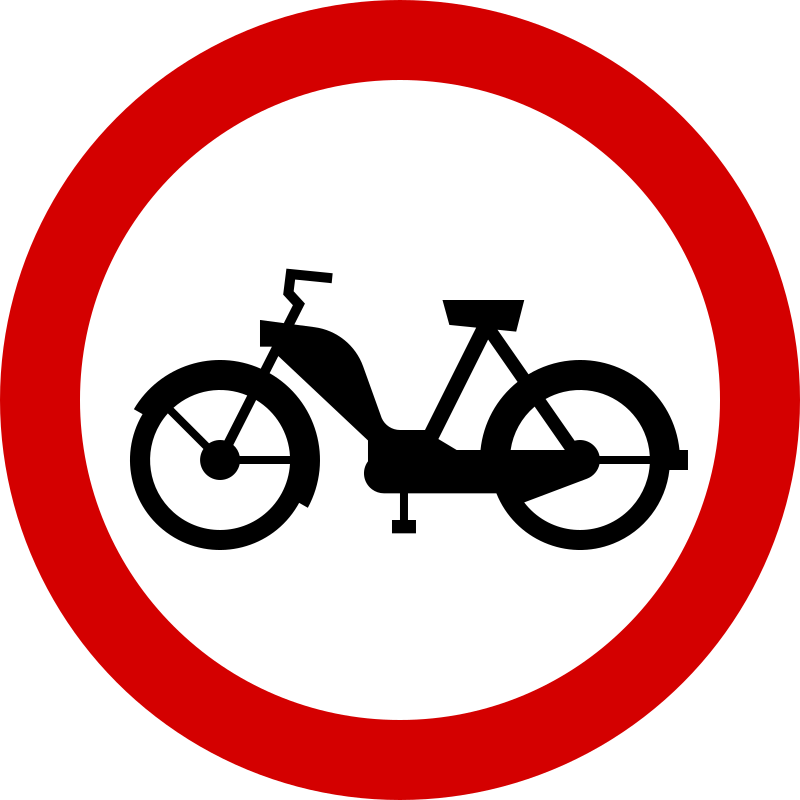
The B-10 'No Mopeds' sign prohibits entry for all mopeds past this point.
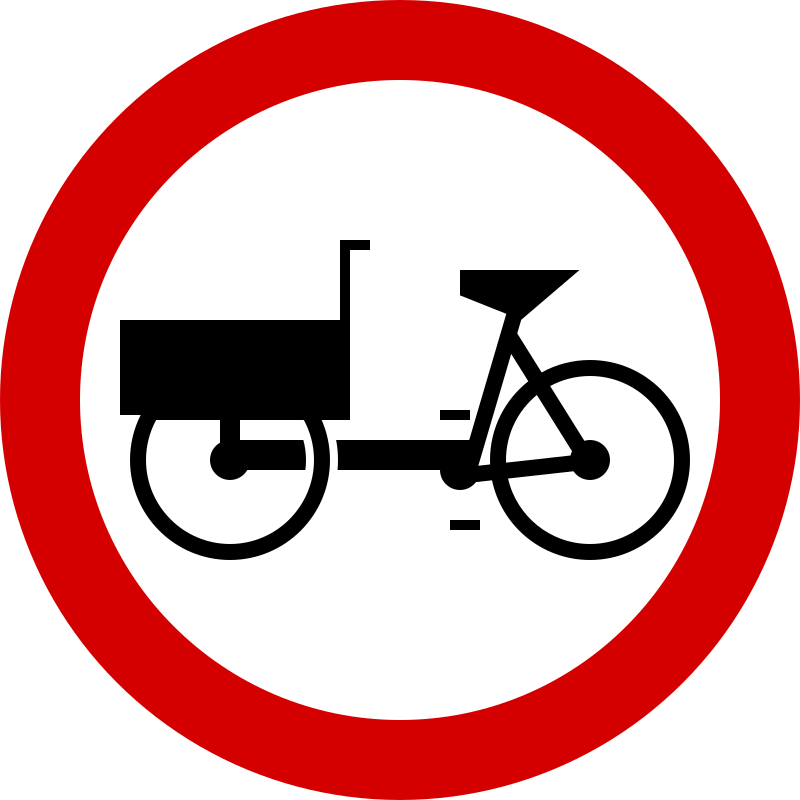
B-11: No Entry for Cycle Rickshaws and Multi-Track Carts
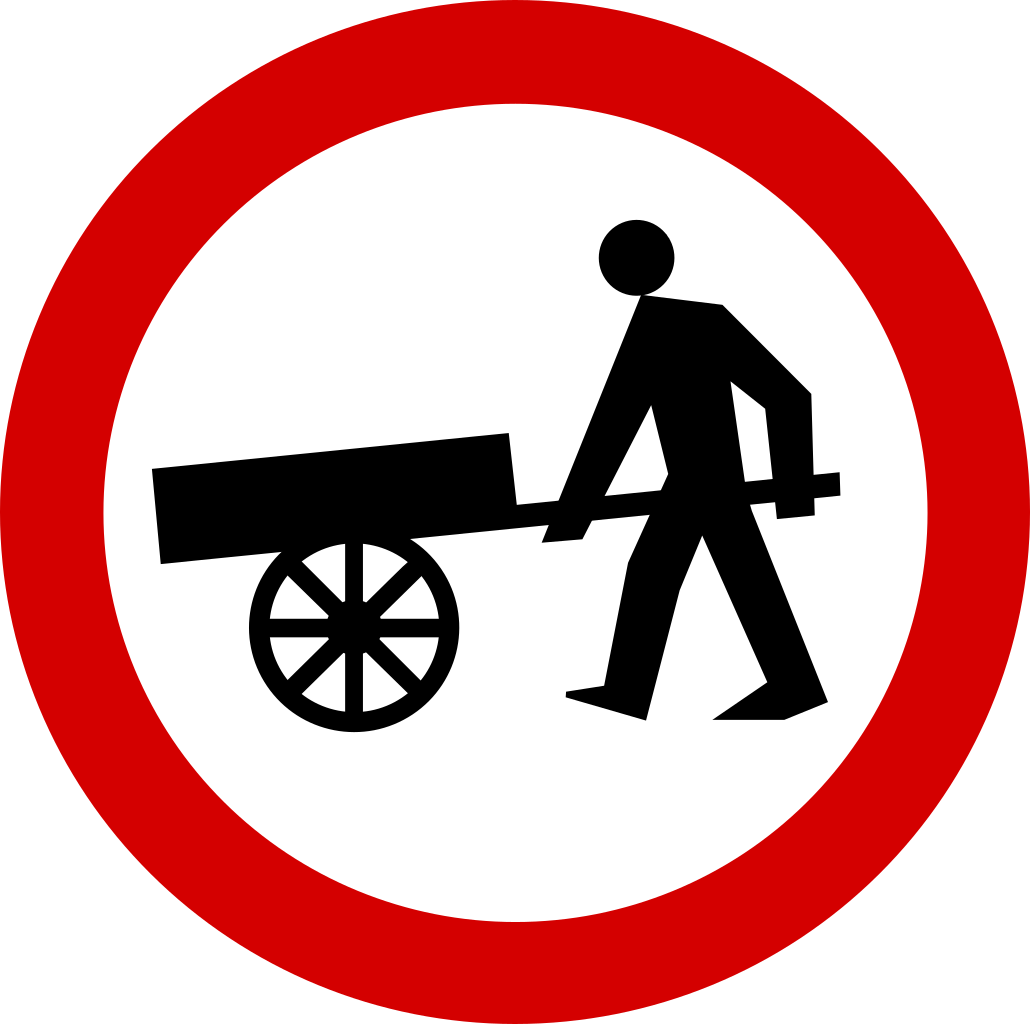
Understand the B-12 'No Handcarts' Road Sign
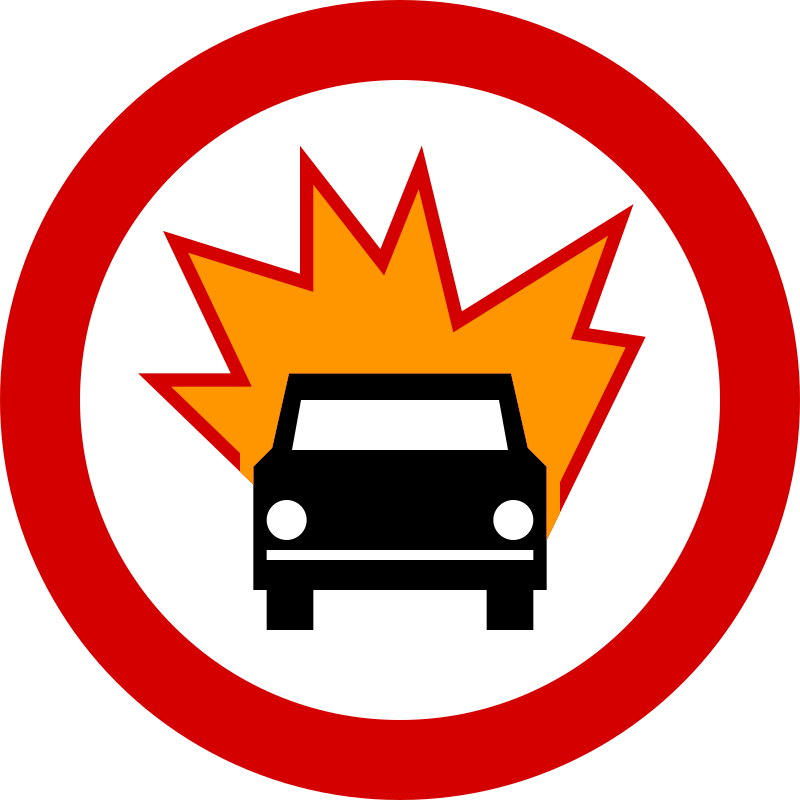
Understand the B-13 sign: No vehicles carrying explosives or flammable goods allowed.
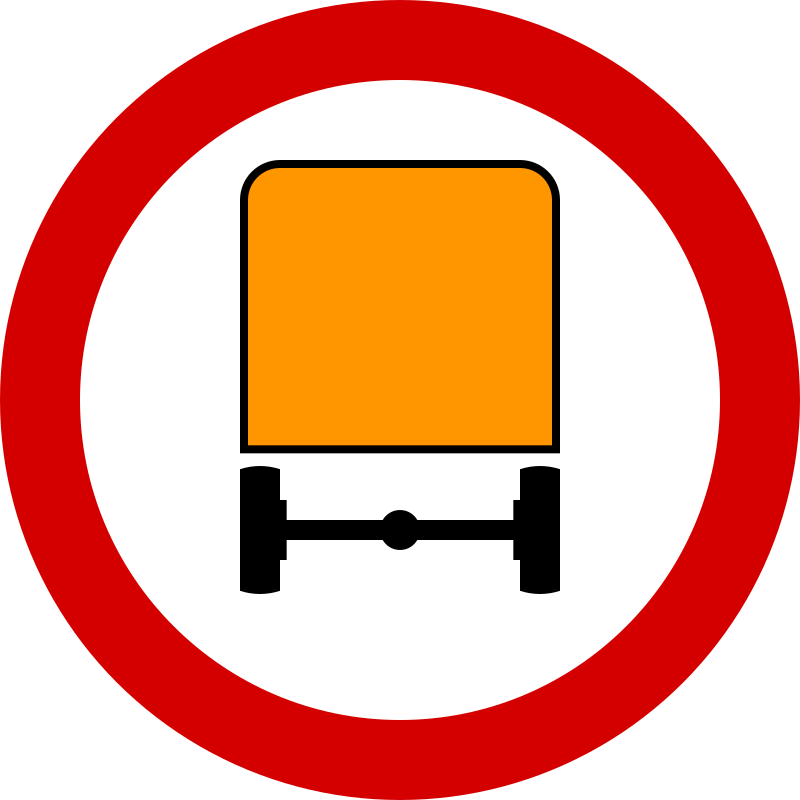
The B-13a sign means no vehicles carrying dangerous goods are allowed past this point.
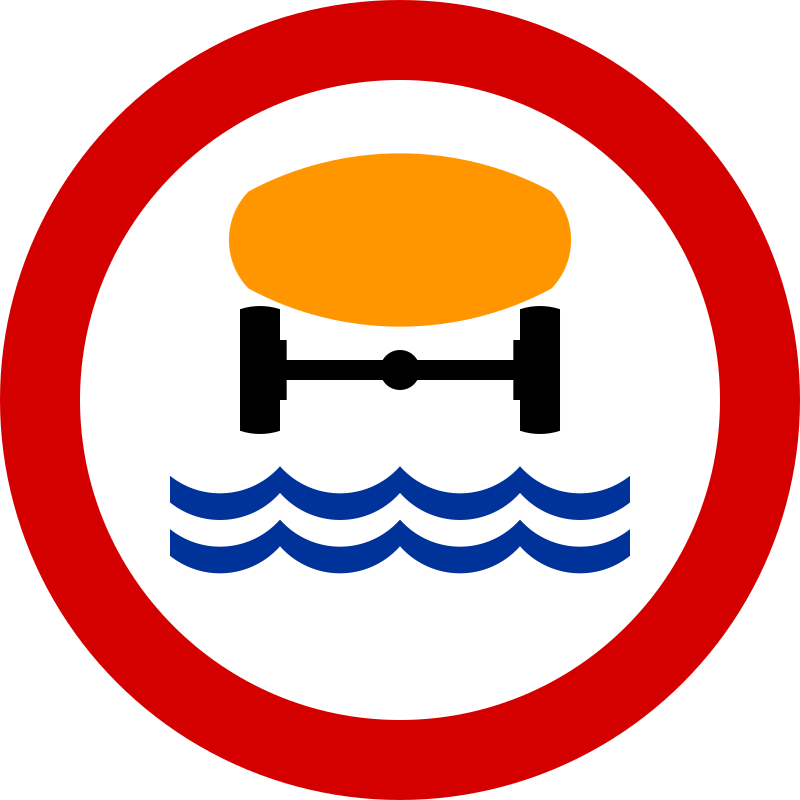
B-14 Sign: No Vehicles Carrying Water Contaminants
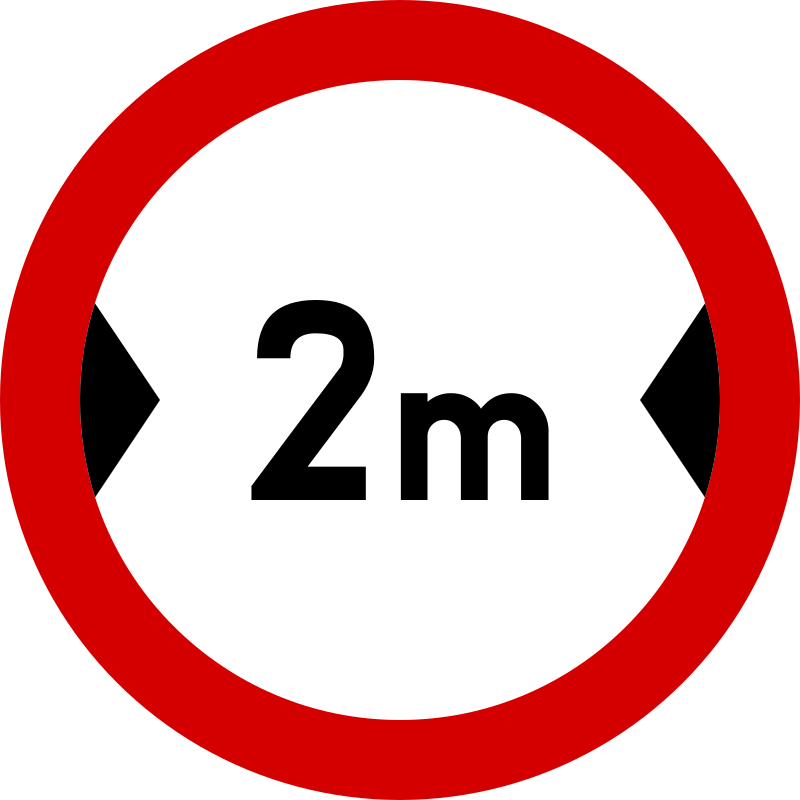
The B-15 sign prohibits vehicles wider than the specified limit from passing.
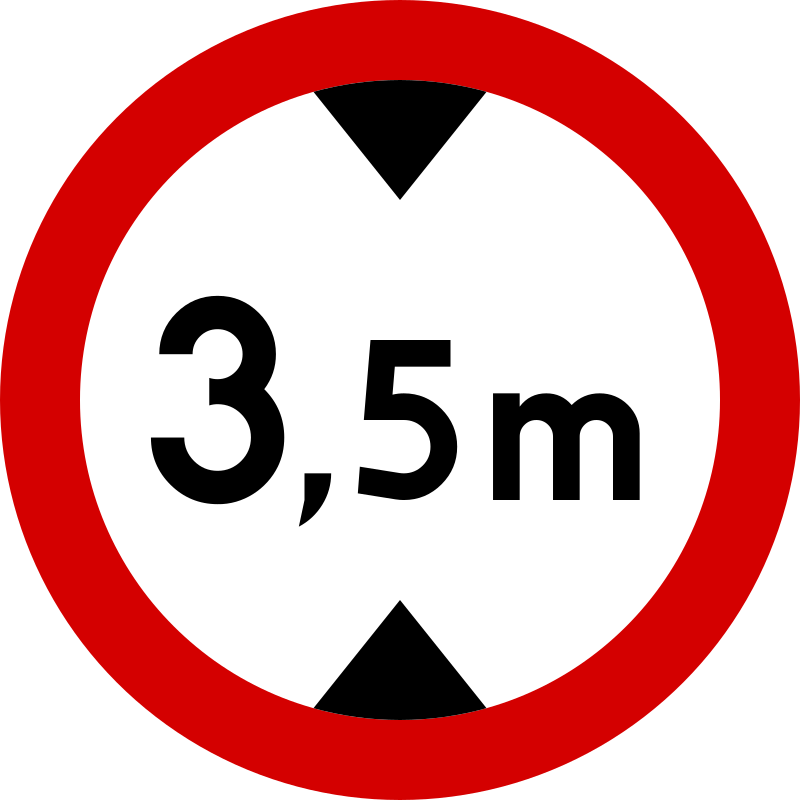
Recognise and Obey the B-16 'Height Restriction' Traffic Sign
Deepen your understanding of specific road signs by reviewing official Polish traffic rules and associated real-world driving scenarios. These expert-led resources help you bridge the gap between visual recognition and practical exam application.
This article provides a detailed explanation of how Polish traffic signs A-7 ('Ustąp Pierwszeństwa' - Yield), B-20 ('STOP'), and D-1 ('Droga z Pierwszeństwem' - Priority Road) dictate right-of-way at intersections. Understanding the nuances of these signs is a fundamental aspect of the Polish driving theory exam, and mastering them will significantly improve your preparedness for real-world driving scenarios.
Learn the precise regulations for towing trailers in Poland with a Category B driving license. This guide breaks down the differences between the standard B license, the enhanced Code 96, and the full B+E category, focusing on weight limits and when each is necessary. This knowledge is vital for safe driving and for correctly answering exam questions on vehicle combinations.
Don't Be a Road Block: Master Minimum Speeds and Smooth Traffic Flow for Your Polish Exam!
Master Your Rights and Obligations During a Polish Roadside Inspection
The B-26 sign is used on motorways, expressways, and busy main roads to prevent 'elephant racing'—where one slow truck tries to overtake another slightly slower truck, blocking all lanes of traffic. It applies to all trucks and specialized vehicles with a GVW exceeding 3.5 tonnes. This keeps the faster lanes clear for passenger cars and improves overall traffic flow and safety.
Learn the final steps to obtain your first Polish driving licence card after passing your theory and practical exams. This guide covers the application process, required documents, fee payment, and how to track and collect your Prawo Jazdy from the local office.
After reviewing the full list of Polish road signs, explore specific sign categories for in-depth understanding. Challenge your knowledge with practice questions focused on sign recognition and interpretation to solidify your preparation for the driving theory exam.
Browse All Polish Road Signs