
The B-20 'Stop' sign is a critical regulatory sign indicating you must bring your vehicle to a complete halt before proceeding. It's used where visibility is poor and a simple 'Yield' sign isn't sufficient. You'll need to stop at the designated line or, if none exists, at a point where you can clearly see oncoming traffic without obstructing it. This sign demands a full stop, not a rolling stop, and requires you to yield priority to all vehicles on the main road.
Master the critical meaning of the B-20 'Stop' sign, a key element for your Polish theory test revision. This explanation covers recognition and decision-making for complete halts and yielding to traffic, vital for safe driving and passing your exam.
The B-20 'Stop' sign is one of the most important regulatory signs. It requires every driver to bring their vehicle to a total halt—where the wheels stop spinning—before entering the intersection or crossing. It is used in places with poor visibility where a 'Yield' (A-7) sign is not enough. You must stop at the 'Stop Line' (P-12) or, if there is none, at a point where you can see clearly without obstructing the priority traffic.
You must come to a complete stop and yield to all traffic on the priority road.
Get clear, practical answers to the most common questions about the B-20 - Stop road sign. Learn how the sign works, what rules it represents, and how it affects real driving situations. This FAQ strengthens your understanding and supports accurate decision making for the Polish driving theory exam in Poland.
The B-20 'Stop' sign mandates a complete cessation of your vehicle's movement. You must stop the wheels entirely, not just slow down, before entering the intersection or crossing. After stopping, you must yield the right of way to all traffic on the priority road.
You should stop at the designated 'Stop Line' (P-12) if one is present. If there is no stop line, you must stop at a point where you have a clear view of the intersecting road and its traffic, ensuring you don't obstruct any vehicles on the priority road.
The key difference is the requirement for a complete stop. A 'Yield' sign (A-7) requires you to give way to priority traffic but doesn't always necessitate a full stop if the road is clear. The B-20 'Stop' sign, however, always demands that you bring your vehicle to a dead halt before checking for and yielding to other traffic.
A common mistake is the 'rolling stop,' where the vehicle slows down but never fully stops. Another is failing to stop at the correct position, either too far back to see, or creeping into the intersection without a full halt. Always remember to stop, look, and yield.
If the B-20 'Stop' sign is located before a railway crossing, you must perform your mandatory complete stop not only before entering the crossing area but also before the St. Andrew's Cross (G-3 or G-4 signs), ensuring absolute safety.
A clear reference image of the B-20 - Stop road sign used in Poland.
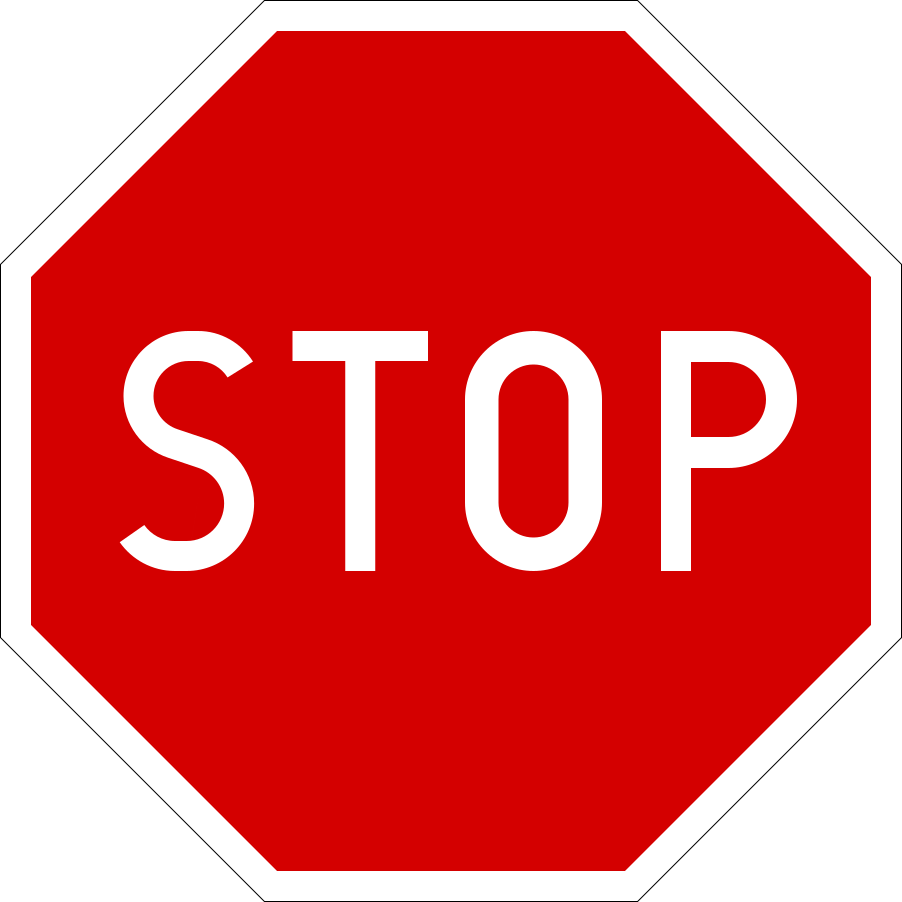
The B-20 - Stop road sign may also be known by these alternative names or terms.
The B-20 - Stop road sign is part of the Prohibitory Signs (B) category, which groups together signs with similar rules and functions.
Reviewing similar road signs like the 'Stop' sign alongside others helps cement your understanding and improve recall for the theory test. Practising traffic sign comparison is key to mastering sign recognition and avoiding common mistakes during your driving licence exam preparation.

B-1 Sign: Road Closed to All Traffic in Both Directions
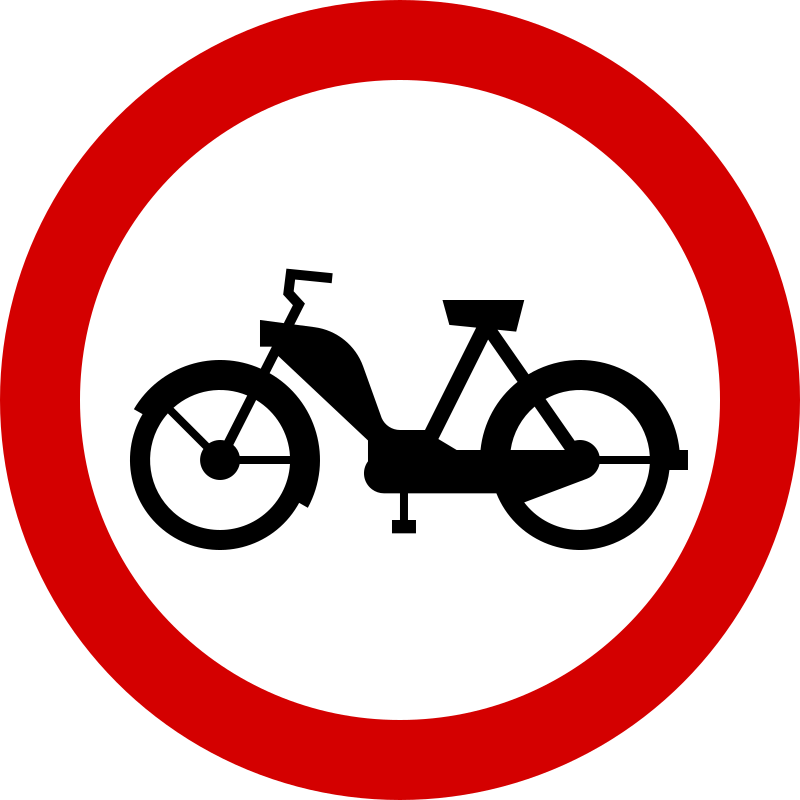
The B-10 'No Mopeds' sign prohibits entry for all mopeds past this point.
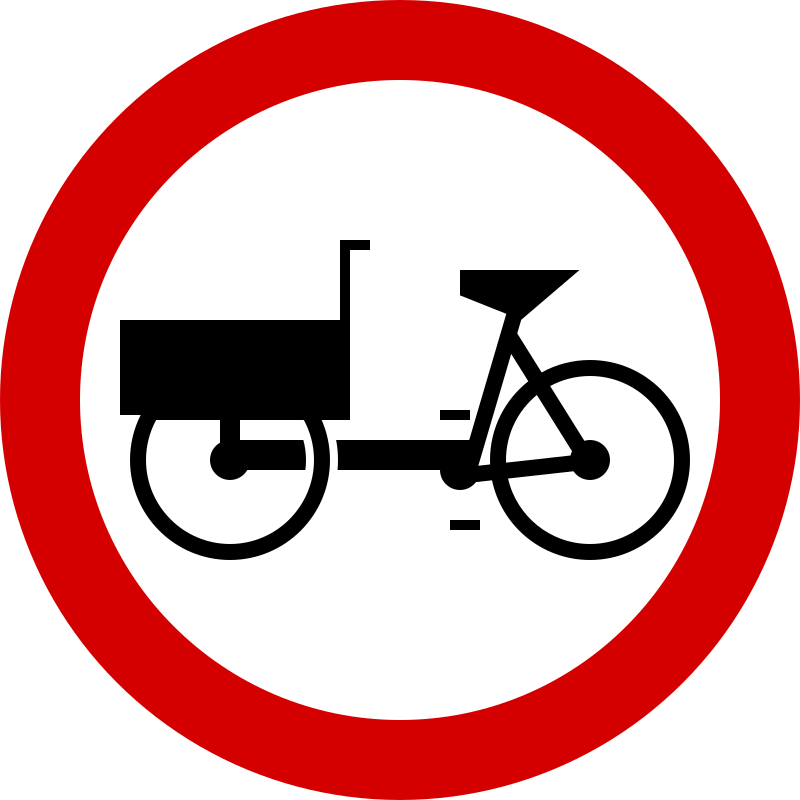
B-11: No Entry for Cycle Rickshaws and Multi-Track Carts
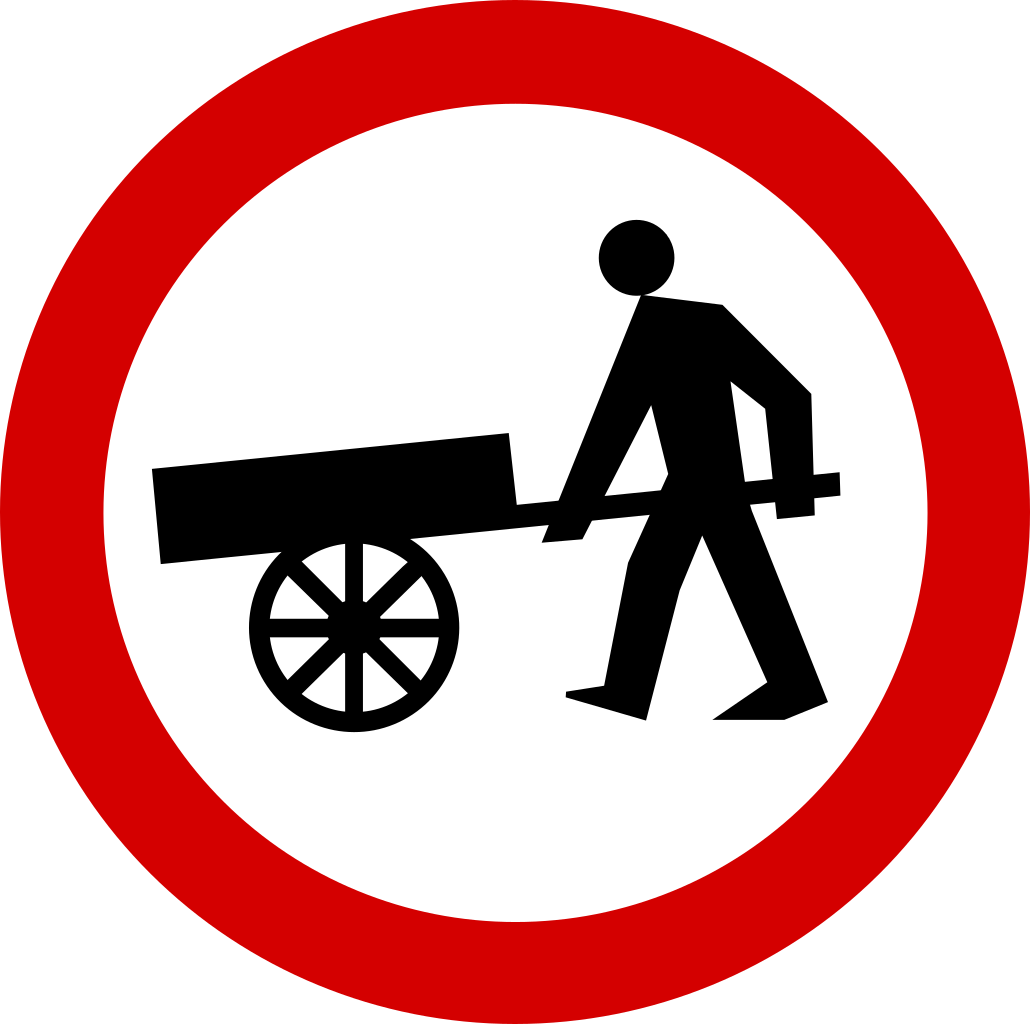
Understand the B-12 'No Handcarts' Road Sign
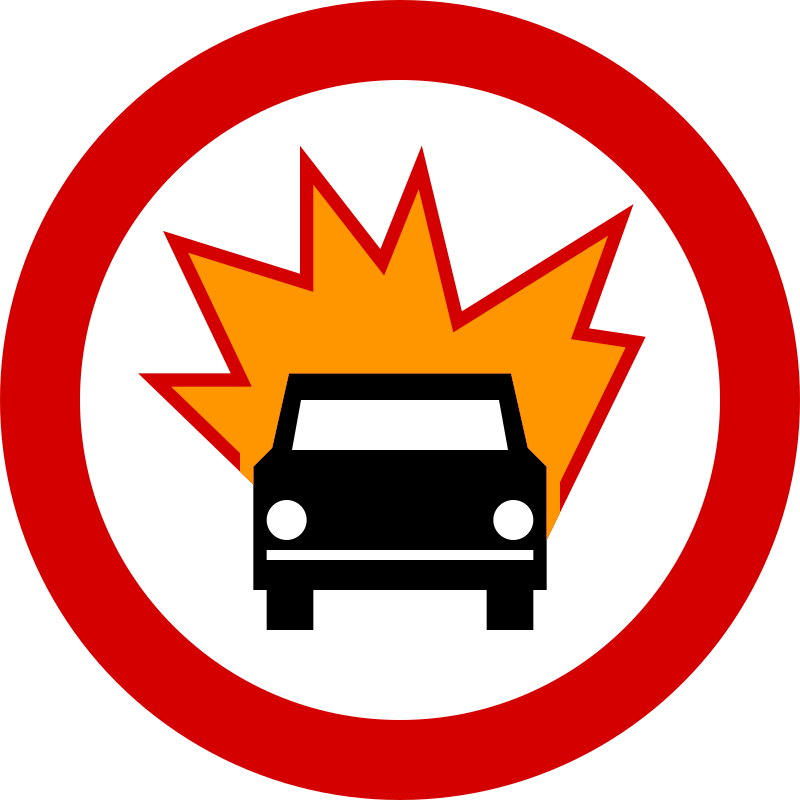
Understand the B-13 sign: No vehicles carrying explosives or flammable goods allowed.
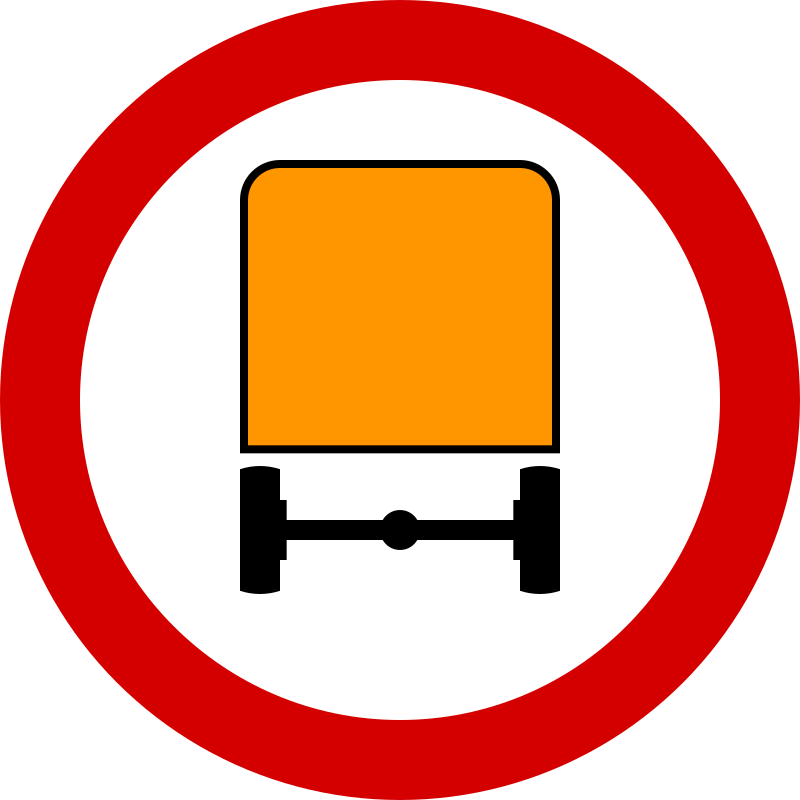
The B-13a sign means no vehicles carrying dangerous goods are allowed past this point.
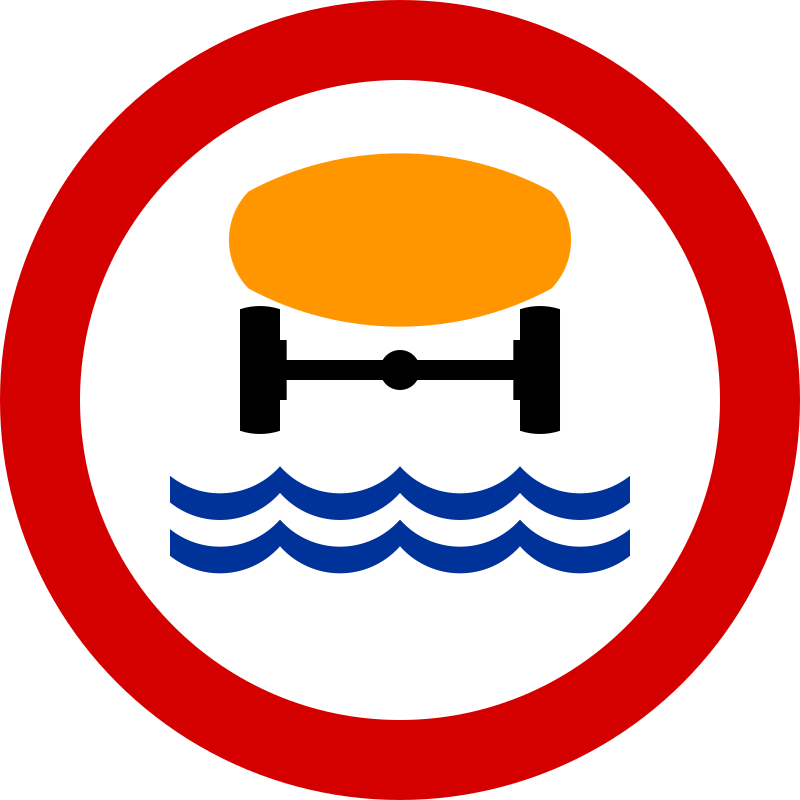
B-14 Sign: No Vehicles Carrying Water Contaminants
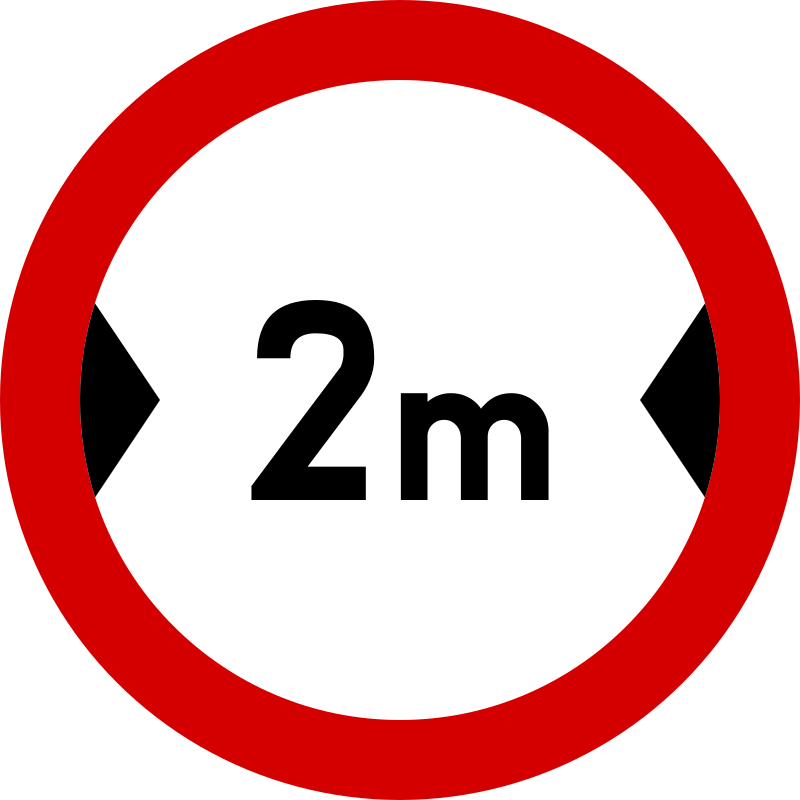
The B-15 sign prohibits vehicles wider than the specified limit from passing.
Deepen your understanding of specific road signs by reviewing official Polish traffic rules and associated real-world driving scenarios. These expert-led resources help you bridge the gap between visual recognition and practical exam application.
This article provides a detailed explanation of how Polish traffic signs A-7 ('Ustąp Pierwszeństwa' - Yield), B-20 ('STOP'), and D-1 ('Droga z Pierwszeństwem' - Priority Road) dictate right-of-way at intersections. Understanding the nuances of these signs is a fundamental aspect of the Polish driving theory exam, and mastering them will significantly improve your preparedness for real-world driving scenarios.
Gain a comprehensive understanding of what vehicles you are legally permitted to drive with a Category B licence in Poland, with a special focus on towing. This guide will break down the combined weight limits for car and trailer combinations, highlighting the specific regulations that are frequently tested in the Polish driving theory examination. Ensure you know your entitlements to avoid common errors and drive safely.
Master Polish Crossing Markings for a Safer Drive and Exam Success.
Master Polish Priority Signs and Navigate Intersections with Confidence
Learn the full process for obtaining a Category B driving licence in Poland, from getting your Profil Kandydata na Kierowcę (PKK) to passing theory and practical exams, and finally receiving your licence card. Understand key requirements and where to apply.
The E-2a is a rectangular board usually mounted on the shoulder. It serves as the final confirmation of which way to turn at a junction. It can list multiple cities in one direction and include road numbers. Unlike arrow-shaped signs, this board provides a broader overview of the directions available at that specific point in the journey. It is a staple of standard national and local road navigation.
After reviewing the full list of Polish road signs, explore specific sign categories for in-depth understanding. Challenge your knowledge with practice questions focused on sign recognition and interpretation to solidify your preparation for the driving theory exam.
Browse All Polish Road Signs