
The A-28 'Loose Gravel' sign is a crucial warning sign you'll see in Poland, alerting you to potentially slippery road conditions. It indicates areas with loose stones or gravel, often after recent resurfacing or near quarries, which can reduce tire grip and be kicked up by vehicles. When you see this sign, it’s essential to slow down significantly to maintain control, prevent skidding, and avoid damaging your vehicle or others.
This 'Loose Gravel' warning sign (A-28) indicates a surface hazard that requires immediate attention to avoid skidding or damage. Mastering road sign meaning is crucial for your Polish driving theory revision.
The A-28 sign is placed on roads that have recently been resurfaced with 'chip seal' or near quarries and gravel pits. Loose stones reduce the grip of your tires and can be thrown at high speed by other vehicles, potentially cracking your windshield or hitting pedestrians. This sign is a prompt to slow down to protect both your vehicle and others.
Warning of loose stones or gravel on the road that can be kicked up by tires or cause skidding.
Get clear, practical answers to the most common questions about the A-28 - Loose Gravel road sign. Learn how the sign works, what rules it represents, and how it affects real driving situations. This FAQ strengthens your understanding and supports accurate decision making for the Polish driving theory exam in Poland.
The A-28 sign warns drivers about loose gravel or stones on the road surface. This condition can reduce tire traction, making braking and steering more difficult, and can also cause stones to be thrown by tires, posing a risk to other vehicles and pedestrians.
When you encounter the A-28 sign, you must slow down considerably. Increase your following distance from the vehicle in front to at least double the normal gap. This helps prevent stones from being kicked up and also gives you more time to react if the vehicle ahead causes debris to fly.
Yes, you should avoid driving at high speeds, as this significantly increases the chance of throwing stones. Also, avoid braking hard, as loose gravel offers much less grip than asphalt, making skidding much more likely. Following too closely is also dangerous for the same reasons.
A common mistake is not reducing speed enough. Learners might think a slight slowdown is sufficient, but loose gravel requires a significant speed reduction for safety. Another trap is forgetting to increase the following distance, which is crucial to avoid being hit by stones from the car ahead.
This sign is usually placed temporarily after road works where a 'chip seal' surface has been applied, until excess gravel is swept away. You might also see it near quarries, gravel pits, or on rural roads where gravel is more prevalent and can easily become loose.
A clear reference image of the A-28 - Loose Gravel road sign used in Poland.
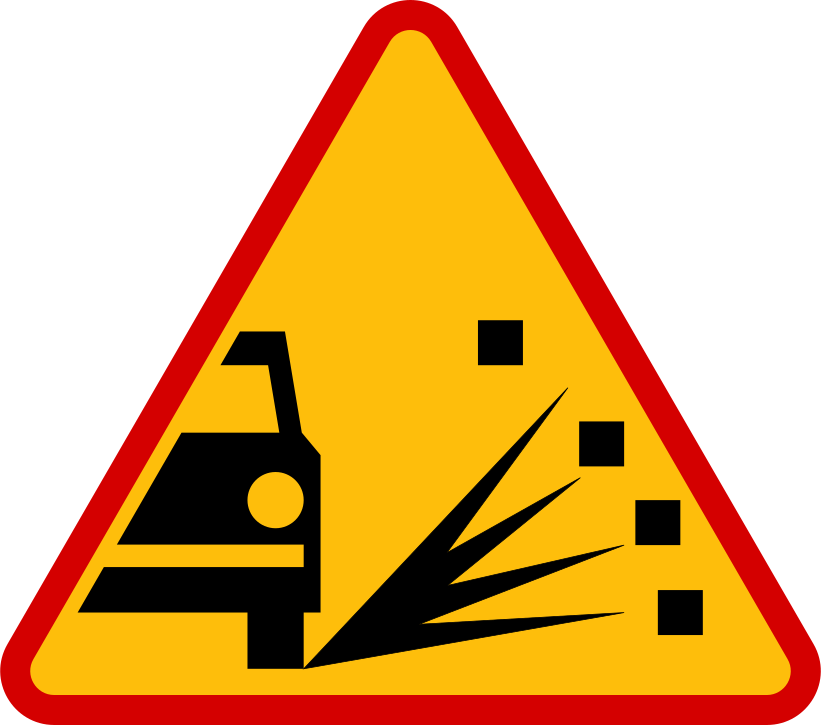
The A-28 - Loose Gravel road sign may also be known by these alternative names or terms.
The A-28 - Loose Gravel road sign is part of the Warning Signs (A) category, which groups together signs with similar rules and functions.
Comparing the 'Loose Gravel' sign with other warning signs sharpens your ability to distinguish between hazards, crucial for theory test revision. Understanding related road signs and practicing traffic sign comparison improves your recall and reduces confusion during your exam.
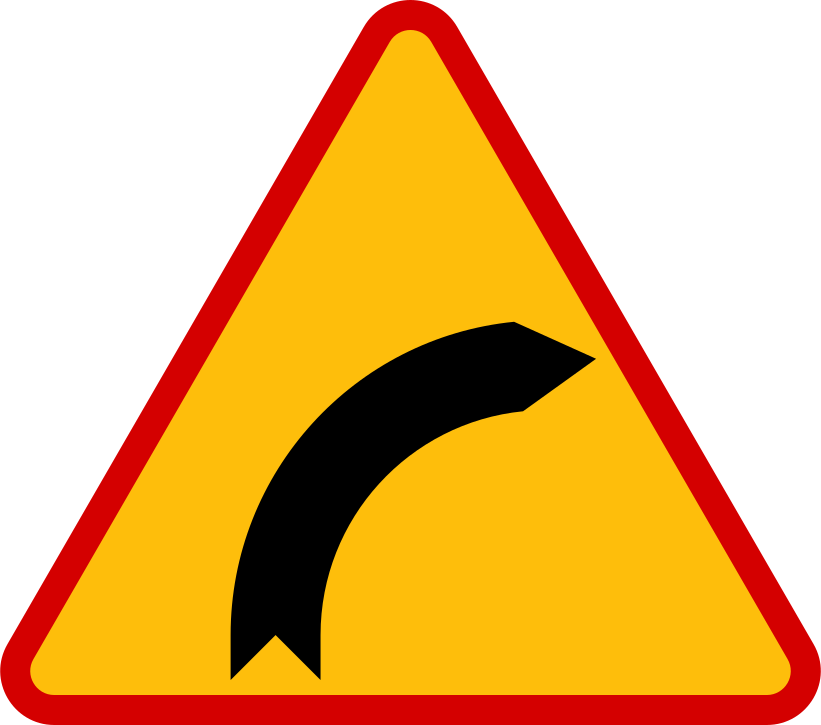
Watch Out for Dangerous Bends to the Right with the A-1 Sign
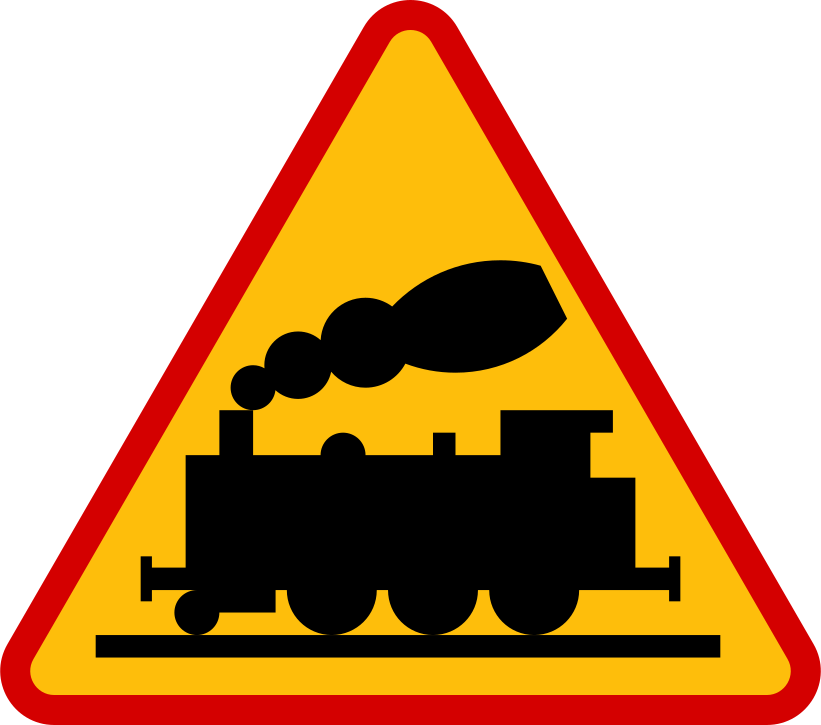
Beware of Ungated Railway Crossings with the A-10 Sign!
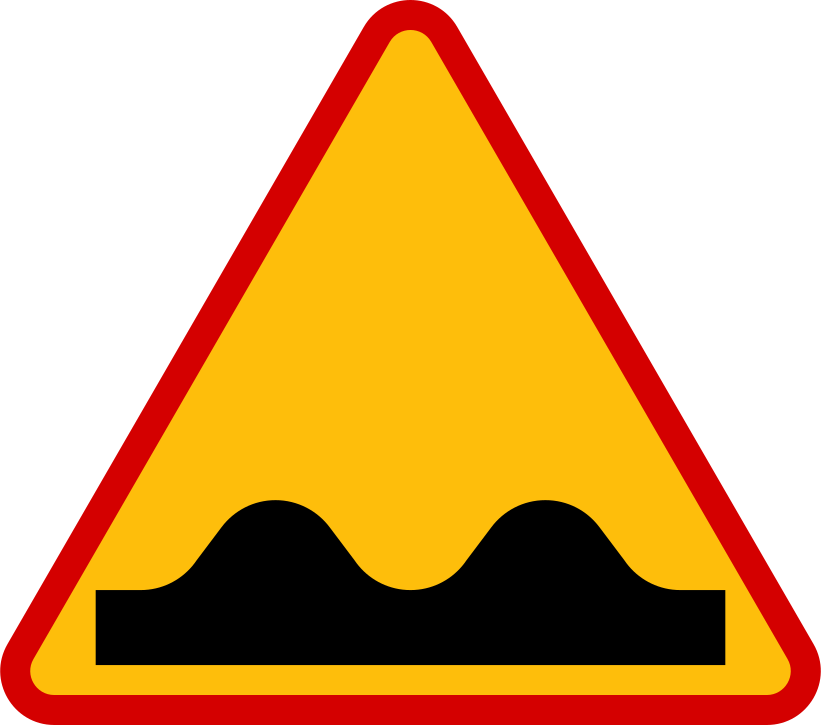
Warning: Prepare for an Uneven Road Surface Ahead!
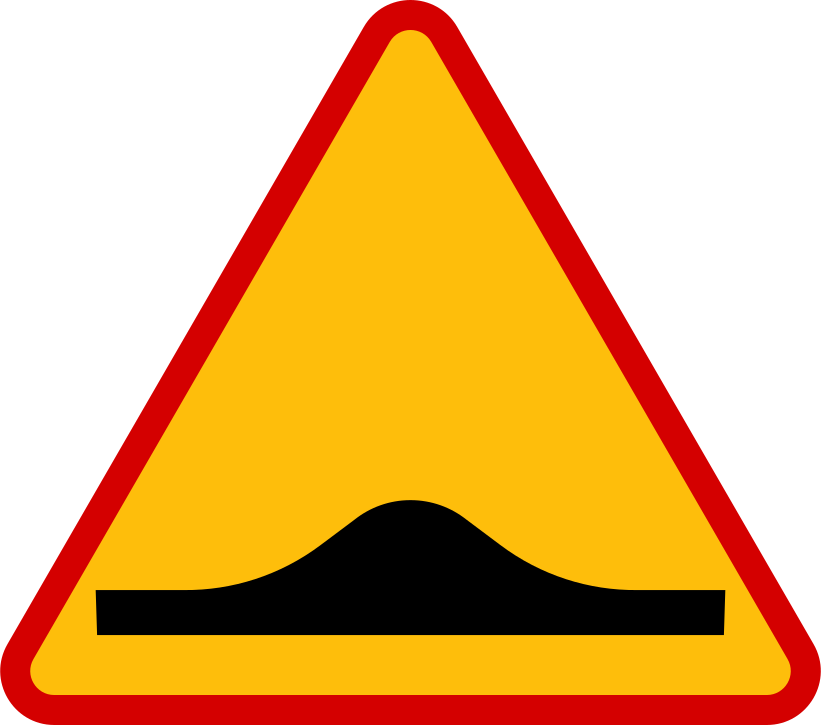
The A-11a Speed Bump sign warns you to significantly reduce your speed.
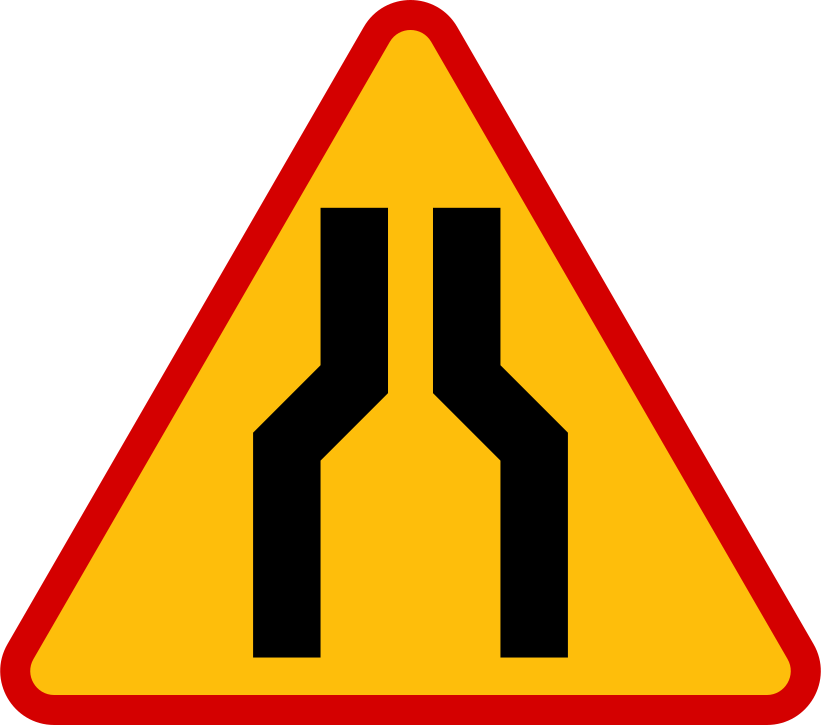
Prepare for Road Narrows on Both Sides with the A-12a Warning Sign
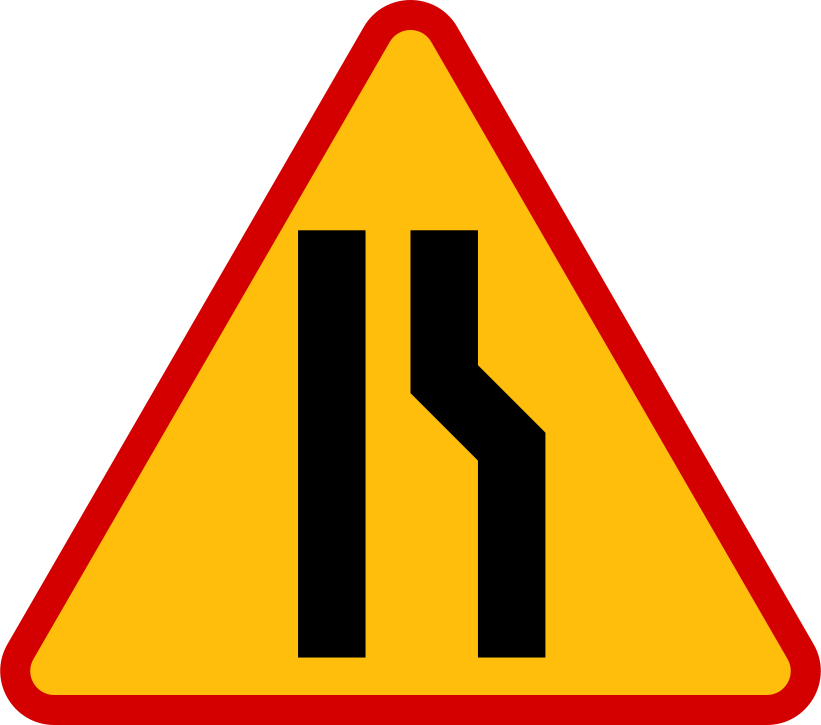
A-12b: Road Narrows Ahead on the Right – Prepare to Merge Left
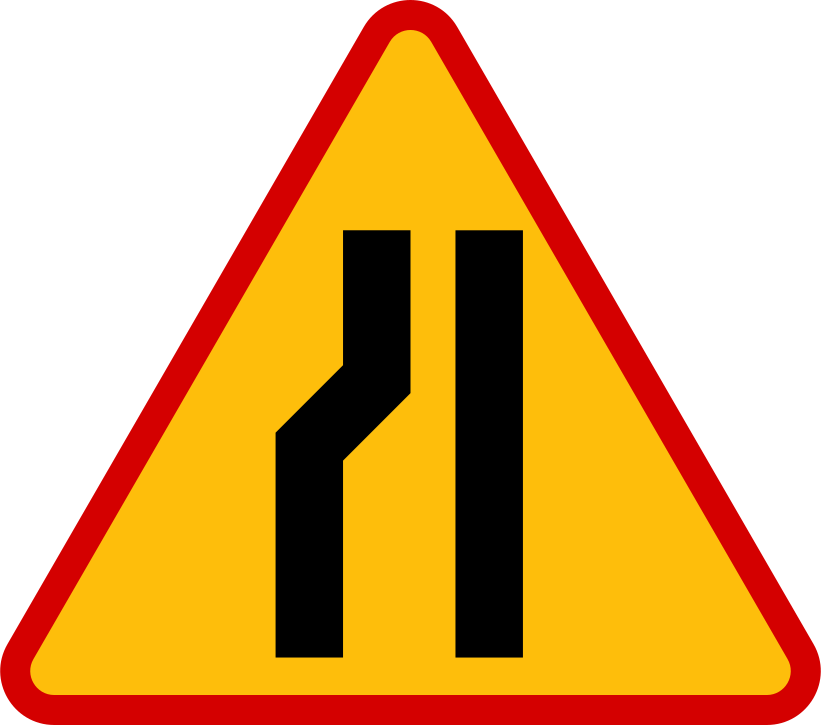
Warning: The Road Narrows Ahead on the Left!
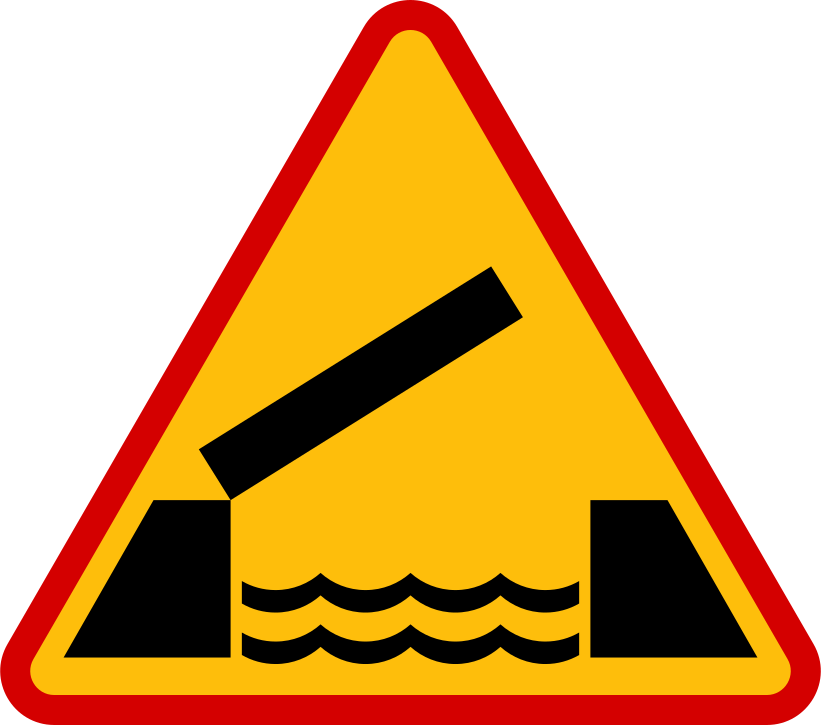
Prepare to stop for a Movable Bridge ahead!
Deepen your understanding of specific road signs by reviewing official Polish traffic rules and associated real-world driving scenarios. These expert-led resources help you bridge the gap between visual recognition and practical exam application.
Don't Be a Road Block: Master Minimum Speeds and Smooth Traffic Flow for Your Polish Exam!
Even a Second Can Be Fatal: Understand Microsleep to Drive Safely in Poland.
Navigating the rules regarding bike paths and road usage is a critical aspect of Polish traffic law. This guide clarifies when a cyclist is obligated to use a designated path marked by a C-13 sign and identifies the rare situations where road use is legally permitted. By mastering these regulations, you will better understand road safety, priority rules, and how to anticipate the actions of cyclists to pass your Polish driving theory exam with confidence.
Navigating Polish roads requires a precise understanding of rules for overtaking slow-moving vehicles, especially on continuous solid lines. This article will detail when such maneuvers are legal, the legal obligations of tractor drivers, and the consequences of violations according to Polish traffic law. Mastering this topic is essential for safe driving and succeeding in your theory exam.
The A-18a sign is placed in agricultural areas where animals are regularly moved between pastures or to and from farms. Large animals can cause immense damage to a vehicle and serious injury to occupants in a collision. They can also be easily spooked by loud noises. If you see animals on the road, you should slow down to a crawl or stop until they have passed.
The A-12a sign is used when the width of the road decreases by more than 0.2 meters on each side and the resulting passage is less than 5.5 meters wide. This often happens at bridges, tunnels, or older sections of road. It requires drivers to be careful about their vehicle's width and to be prepared to yield to larger oncoming vehicles like trucks or buses.
After reviewing the full list of Polish road signs, explore specific sign categories for in-depth understanding. Challenge your knowledge with practice questions focused on sign recognition and interpretation to solidify your preparation for the driving theory exam.
Browse All Polish Road Signs