The A-1 road sign is a crucial warning sign in Poland, alerting you to a sharp bend or curve to the right ahead. It's typically used in areas outside built-up zones where the road's radius is less than 750 meters, or the curve is particularly sharp. This sign demands your immediate attention; you must reduce your speed significantly before entering the bend to maintain control of your vehicle and ensure safety. Pay close attention to any accompanying signs, like advisory speed limits, which offer guidance on how fast is safe to proceed.
This A-1 warning sign alerts you to a sharp right turn ahead on Polish roads, often in areas with reduced visibility or a history of accidents. Correct traffic sign explanation and proper speed adjustment are critical for safe driving through these dangerous bends, helping you excel in your theory test revision and avoid loss of control.
The A-1 warning sign is typically placed outside built-up areas where a road curve has a radius of less than 750 meters or an angle greater than 5 degrees. It alerts drivers to a change in road geometry that could lead to a loss of control if approached too quickly. You may also see this sign in locations with limited visibility or a high history of accidents. Proper lane positioning is vital here to avoid drifting into oncoming traffic.
This sign warns you that the road ahead turns sharply to the right, requiring caution and a reduction in speed.
Get clear, practical answers to the most common questions about the A-1 - Dangerous Bend to the Right road sign. Learn how the sign works, what rules it represents, and how it affects real driving situations. This FAQ strengthens your understanding and supports accurate decision making for the Polish driving theory exam in Poland.
The A-1 sign is a warning that the road ahead curves sharply to the right. It's placed to alert drivers to a potentially hazardous change in road geometry that requires a reduction in speed to navigate safely. You should expect to slow down significantly before entering the bend.
Upon seeing the A-1 sign, you must reduce your speed well before the bend begins. Maintain a steady course through the curve, keeping to the right side of your lane where safe, and avoid sudden braking or steering. Gently accelerate as you exit the curve and the road straightens.
Yes, overtaking other vehicles is generally prohibited while approaching or navigating the dangerous bend indicated by the A-1 sign, especially if there isn't a dedicated overtaking lane. Parking or stopping within the curve is also forbidden as it creates a hazard. Additionally, avoid sudden heavy braking once inside the curve.
No, overtaking is highly discouraged and often prohibited when you see the A-1 'Dangerous Bend to the Right' sign. The reduced visibility and sharp turn make overtaking extremely risky. You should only consider overtaking if there is a clearly marked, separate overtaking lane designed for such maneuvers through the bend.
A common mistake is not slowing down enough before the bend, or trying to brake too late within the curve. Learners might also forget that overtaking is usually forbidden. The theory exam will test your understanding that this sign requires proactive speed adjustment *before* the hazard, not reactive maneuvering *during* it.
This sign is vital for safety because sharp bends, especially those with limited visibility, are points where accidents commonly occur. By warning you in advance, the A-1 sign allows you to adjust your speed and steering proactively, reducing the risk of skidding, losing control, or colliding with oncoming traffic or obstacles.
A clear reference image of the A-1 - Dangerous Bend to the Right road sign used in Poland.
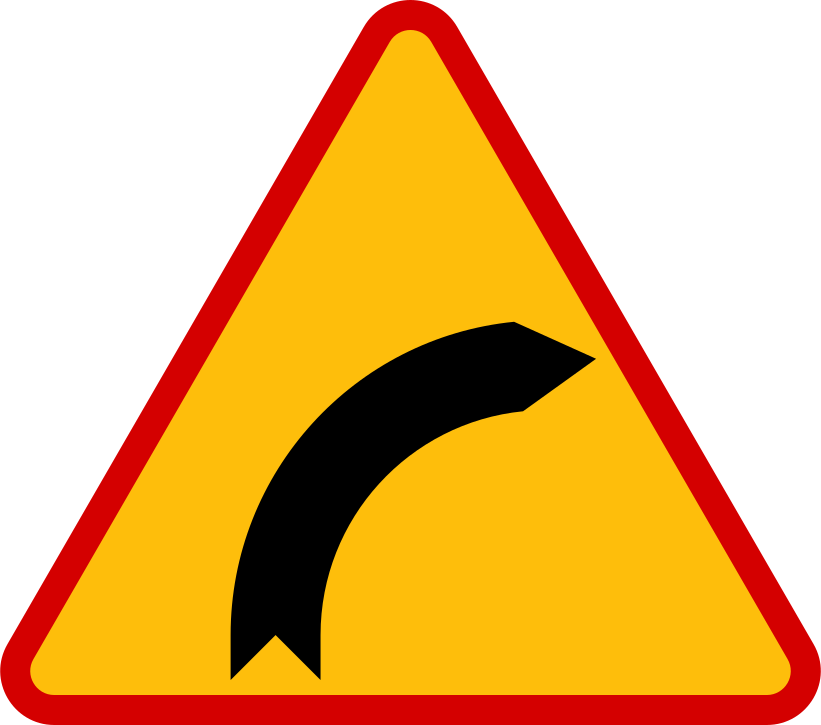
The A-1 - Dangerous Bend to the Right road sign may also be known by these alternative names or terms.
The A-1 - Dangerous Bend to the Right road sign is part of the Warning Signs (A) category, which groups together signs with similar rules and functions.
Comparing signs like 'Dangerous Bend to the Right' with others in the Warning Signs (A) group sharpens your sign recognition skills and reduces theory test mistakes. This focused approach to traffic sign comparison is key for effective revision and confident driving.
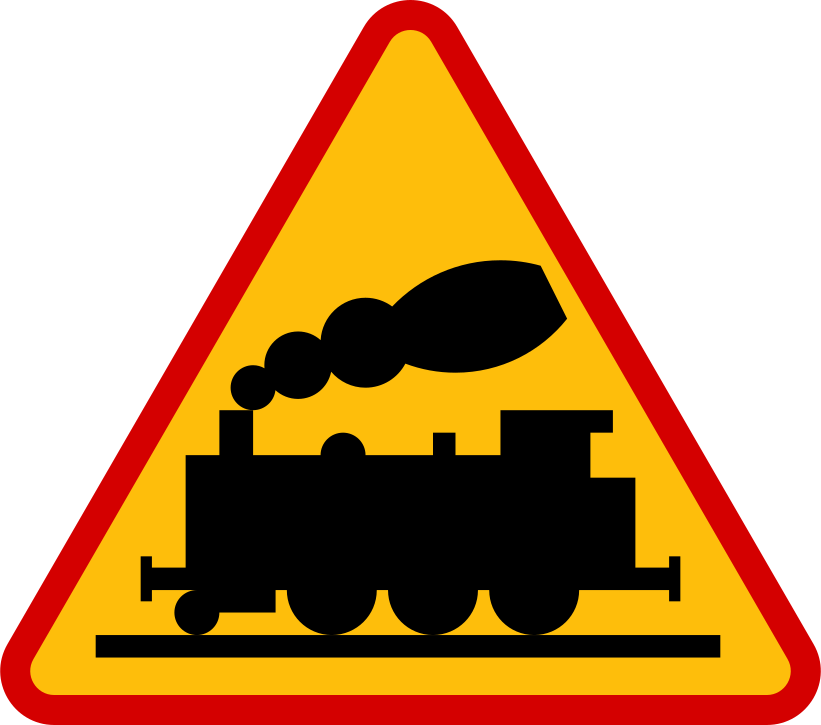
Beware of Ungated Railway Crossings with the A-10 Sign!
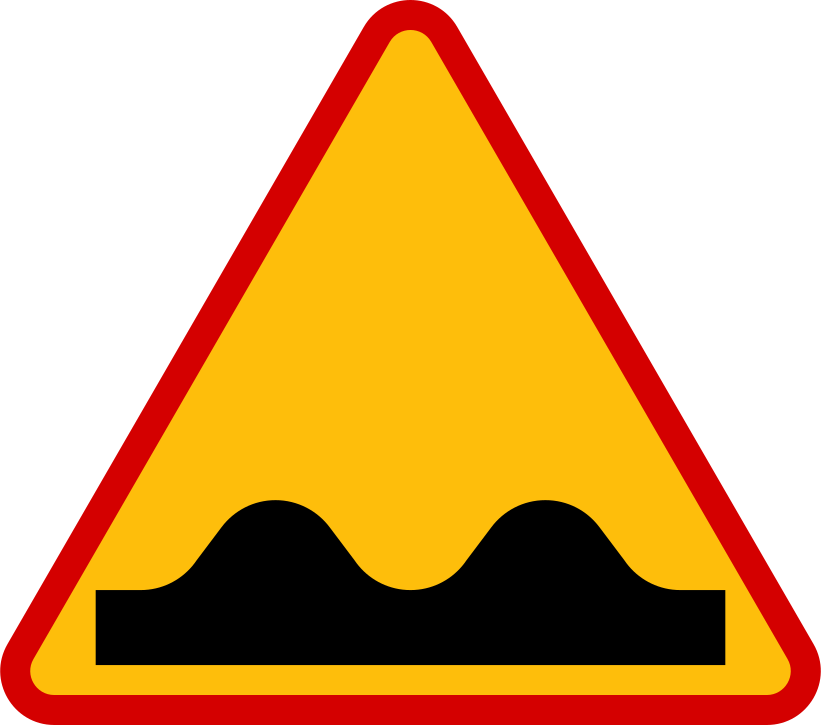
Warning: Prepare for an Uneven Road Surface Ahead!
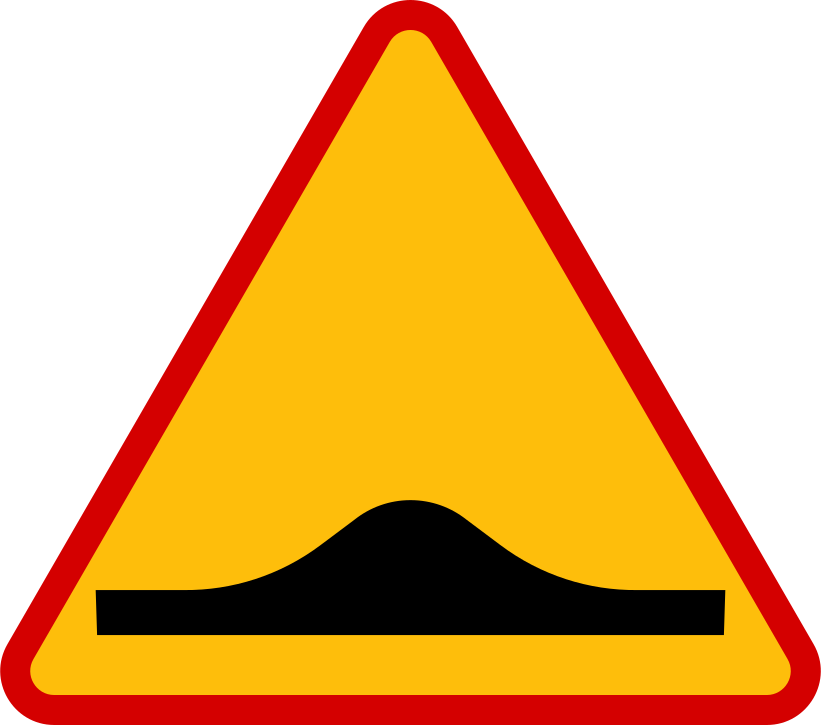
The A-11a Speed Bump sign warns you to significantly reduce your speed.
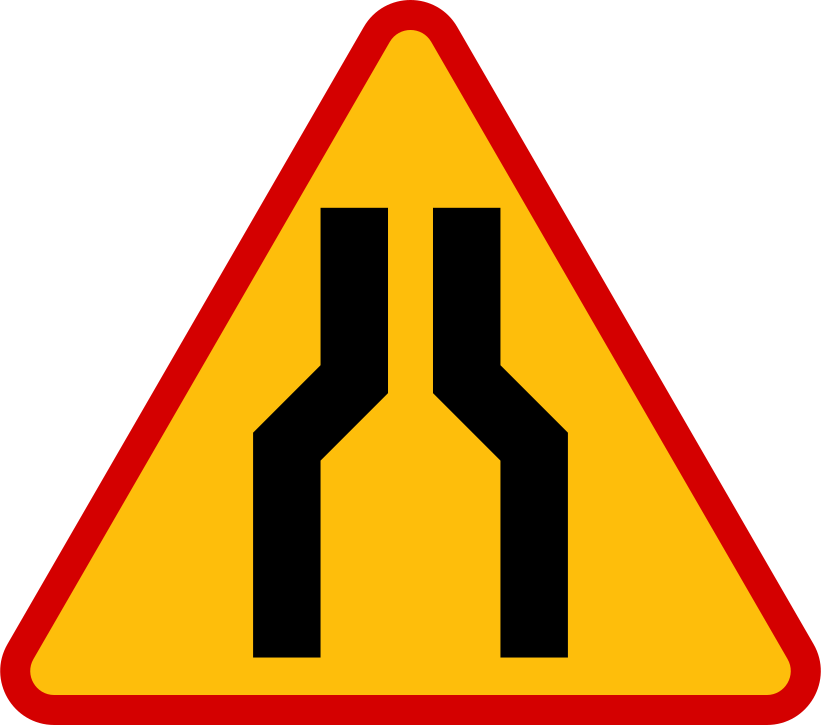
Prepare for Road Narrows on Both Sides with the A-12a Warning Sign
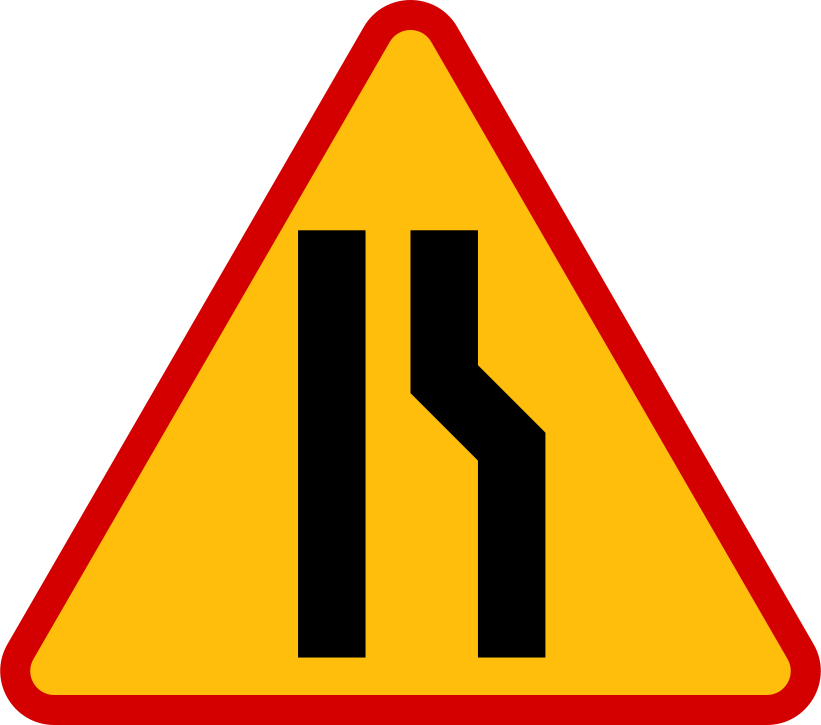
A-12b: Road Narrows Ahead on the Right – Prepare to Merge Left
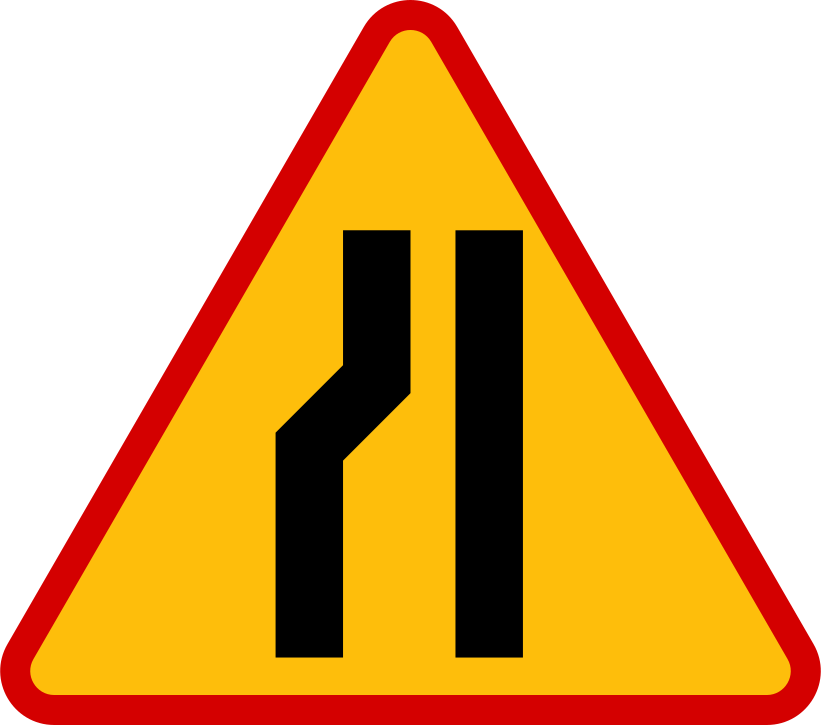
Warning: The Road Narrows Ahead on the Left!
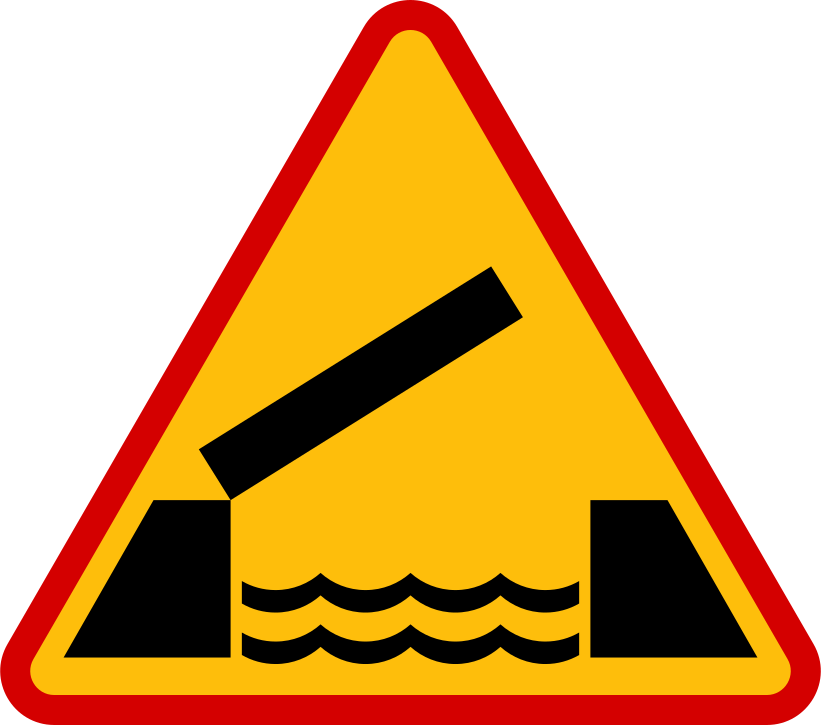
Prepare to stop for a Movable Bridge ahead!
Deepen your understanding of specific road signs by reviewing official Polish traffic rules and associated real-world driving scenarios. These expert-led resources help you bridge the gap between visual recognition and practical exam application.
Know Your Obligations: What to Do After a Road Incident in Poland.
The Polish driving theory exam tests your understanding of road rules, signs, and safe driving practices. Many candidates stumble on common errors related to priority situations, speed limits, and misinterpreting road signs. This guide focuses on these frequent pitfalls, explaining how to navigate them correctly to ensure success on your theory test and ultimately become a safer driver in Poland.
Learning how to interact with law enforcement is a crucial part of your driver training in Poland, as it helps you understand the legal procedures governing roadside controls. This guide clarifies how officers identify themselves, what behaviors are expected of you as a driver, and how traffic enforcement impacts your penalty points and record. Mastery of these rules ensures you remain compliant with the law and prepared for any roadside situation you may encounter.
Master Polish Rules for Accidents and Emergencies to Drive Responsibly and Pass Your Exam
The E-1 board is placed at a significant distance before an intersection to allow drivers to plan their lane positioning and maneuvers. It often features a schematic map of the junction, including road numbers and names of key cities. Crucially, it can also display mini-versions of other signs (like weight limits or prohibited turns) that apply specifically to one of the branches shown. This prevents last-minute 'panic' lane changes that cause accidents.
The AT-4 sign alerts the tram driver to an upcoming steep incline. While not as dangerous as a descent in terms of stopping, an ascent can cause wheel-spin on wet or icy rails. It also informs the driver that the tram will require more electrical current and may lose speed. It is essential for managing the tram's momentum and power consumption efficiently.
After reviewing the full list of Polish road signs, explore specific sign categories for in-depth understanding. Challenge your knowledge with practice questions focused on sign recognition and interpretation to solidify your preparation for the driving theory exam.
Browse All Polish Road Signs