
The A-15 'Slippery Road' traffic sign warns you that the road surface ahead may offer less grip than usual. This can be due to the road material, moisture, oil, or mud. When you see this sign, it's a crucial reminder to reduce your speed and adapt your driving behaviour. You should avoid sudden braking or steering to prevent skidding, especially in wet conditions where hydroplaning risk increases significantly.
This crucial warning sign (A-15) alerts you to potentially hazardous low-skid surfaces, demanding careful interpretation for safe driving. Familiarise yourself with its meaning for effective theory test revision and real-world road sign understanding.
The A-15 sign alerts drivers that the pavement has low skid resistance. This can be caused by a change in the road surface (like moving from asphalt to cobblestones), constant dampness in shaded areas, or the presence of oil or mud. In wet weather, the risk of hydroplaning is significantly higher on sections marked with this sign. It is a prompt to drive more gently and avoid sudden maneuvers.
Warning that the road surface may be unusually slippery due to its material, moisture, or other factors.
Get clear, practical answers to the most common questions about the A-15 - Slippery Road road sign. Learn how the sign works, what rules it represents, and how it affects real driving situations. This FAQ strengthens your understanding and supports accurate decision making for the Polish driving theory exam in Poland.
The A-15 sign warns drivers that the road surface ahead has low skid resistance. This could be because of its material, oil spills, mud, or moisture. It signals a higher risk of losing traction, especially when wet.
When you encounter the A-15 sign, you must reduce your speed and drive more gently. Avoid sudden steering, heavy braking, or rapid acceleration, as these actions can easily cause the wheels to skid or lock up on a slippery surface.
A common trap is not adjusting speed sufficiently or continuing to drive as if the road is dry. Learners might also forget to increase the following distance, which is vital on slippery surfaces. Always remember to anticipate and react proactively, not just when you feel the car losing grip.
No, the A-15 'Slippery Road' sign does not require you to stop. It is a warning sign advising you to reduce your speed and drive with extra caution due to reduced road grip. You can continue driving, but with heightened awareness and adjusted speed and driving style.
You'll often see the A-15 sign near areas where liquids might leak onto the road, such as industrial zones or places frequented by trucks. It can also be placed on roads with smooth stone surfaces or in shaded areas where moisture lingers, or before specific road surface changes.
A clear reference image of the A-15 - Slippery Road road sign used in Poland.
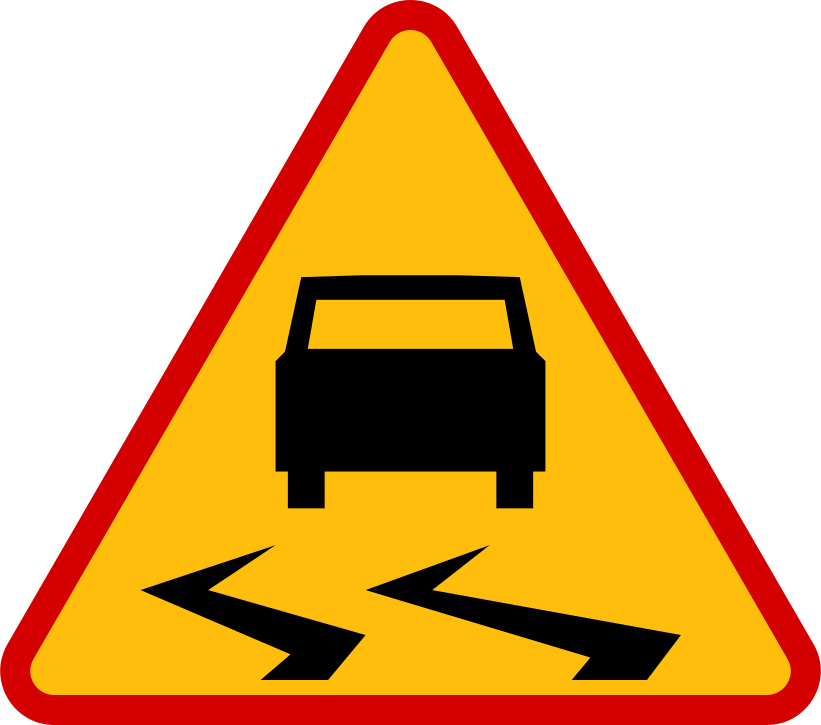
The A-15 - Slippery Road road sign may also be known by these alternative names or terms.
The A-15 - Slippery Road road sign is part of the Warning Signs (A) category, which groups together signs with similar rules and functions.
Reviewing related road signs like the A-15 Slippery Road alongside other warning signs helps solidify your understanding and boosts sign recognition accuracy. Practicing this kind of traffic sign comparison is key for effective theory test revision and fewer mistakes on the road.
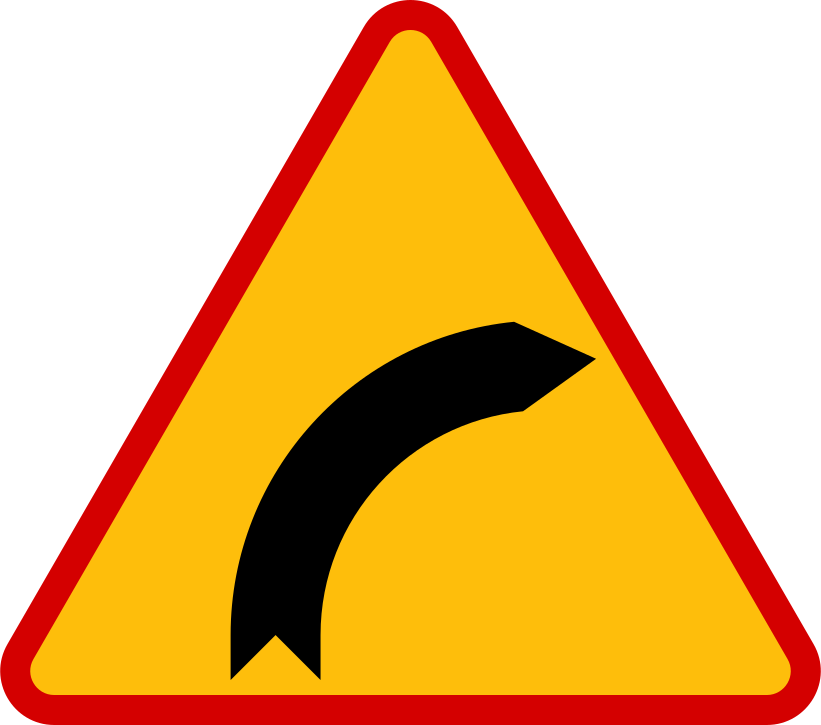
Watch Out for Dangerous Bends to the Right with the A-1 Sign
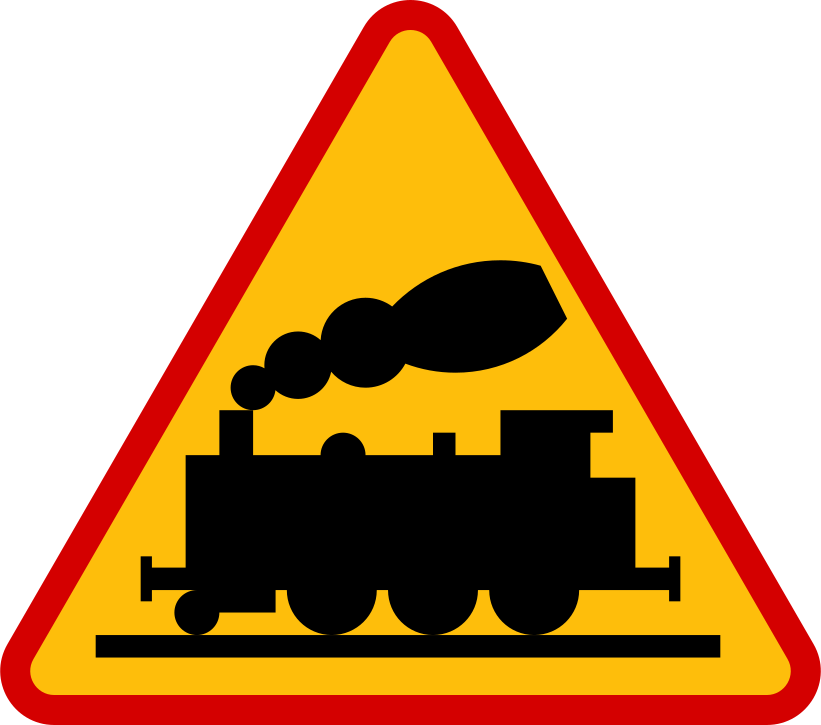
Beware of Ungated Railway Crossings with the A-10 Sign!
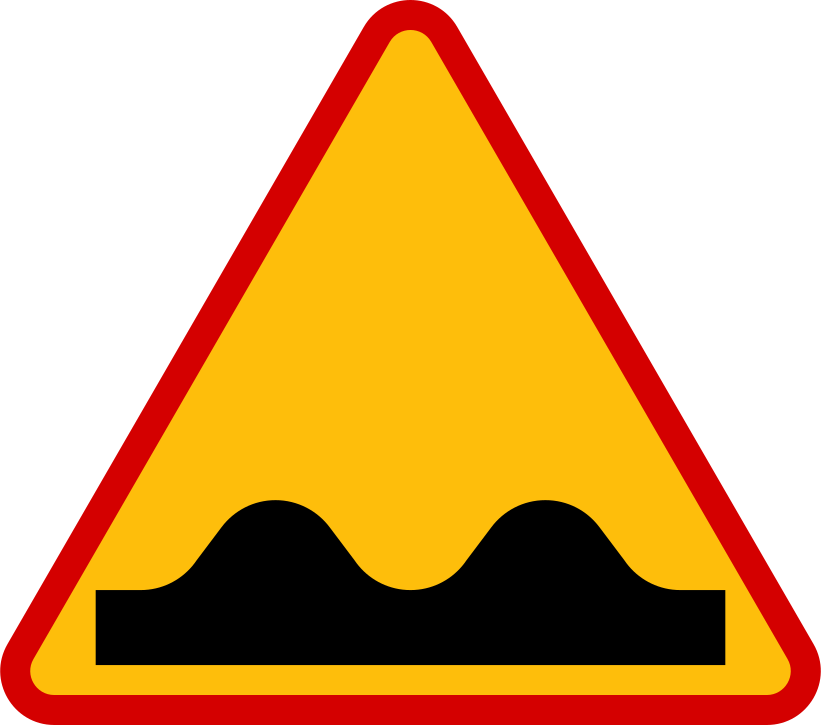
Warning: Prepare for an Uneven Road Surface Ahead!
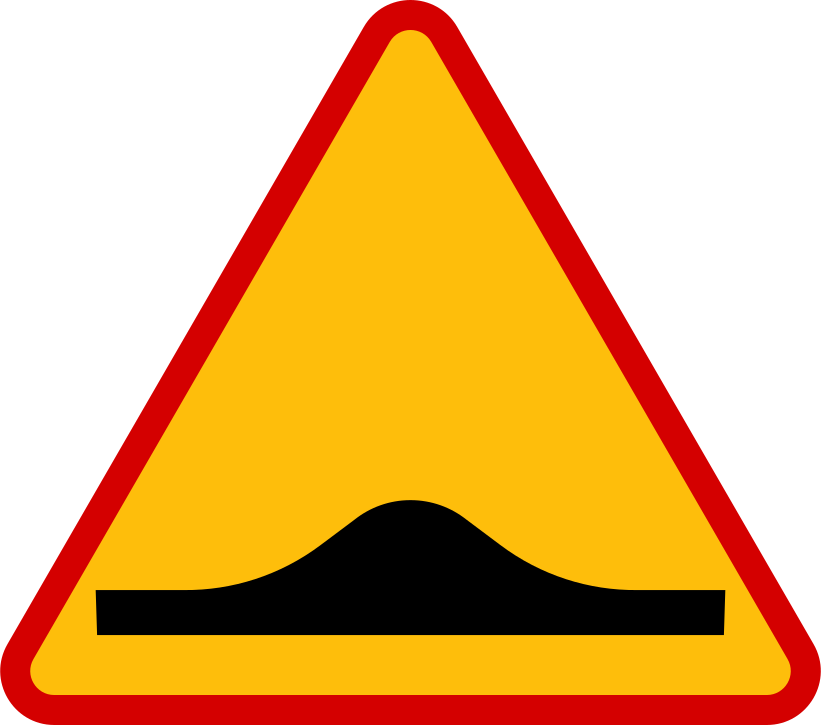
The A-11a Speed Bump sign warns you to significantly reduce your speed.
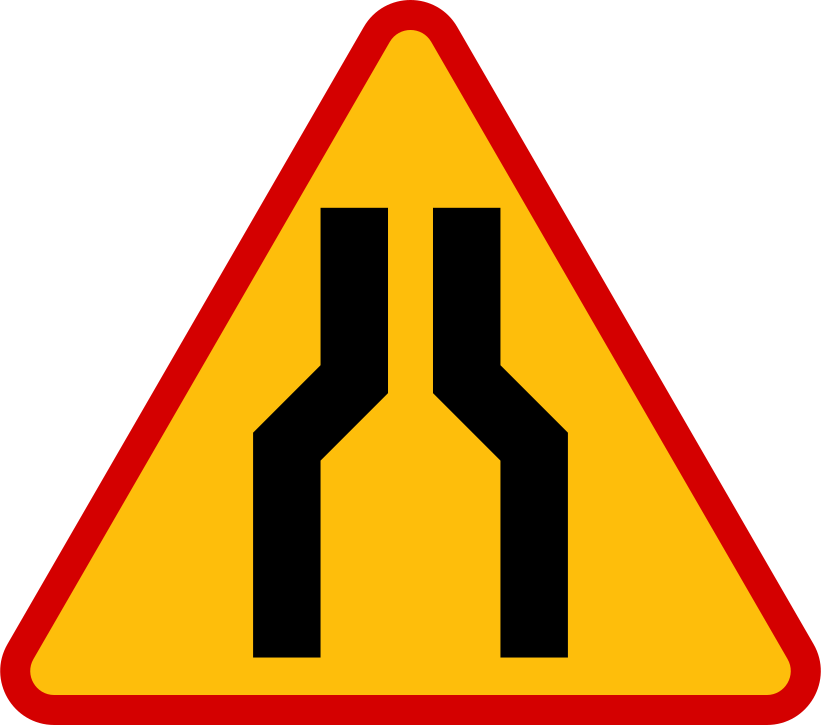
Prepare for Road Narrows on Both Sides with the A-12a Warning Sign
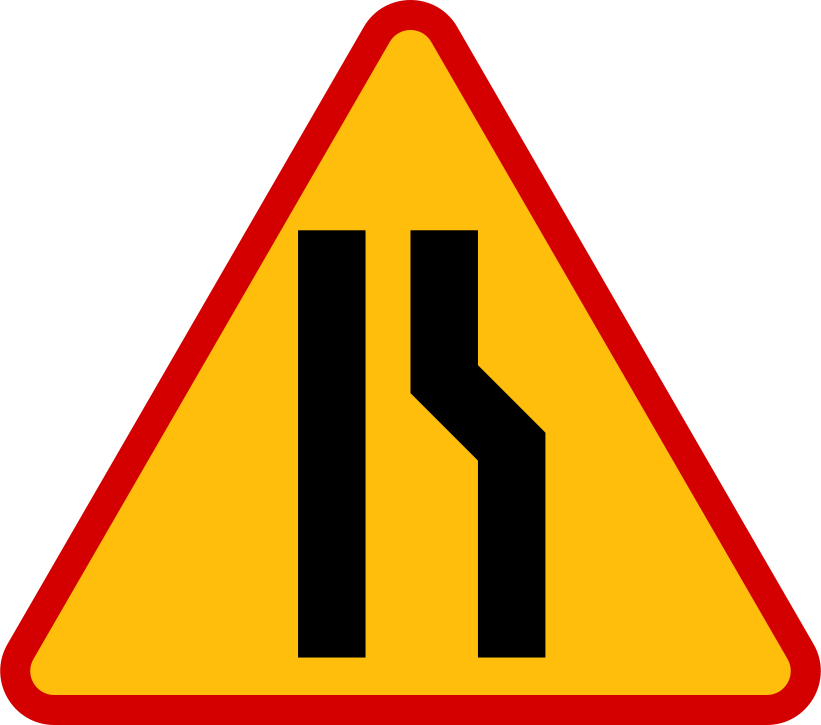
A-12b: Road Narrows Ahead on the Right – Prepare to Merge Left
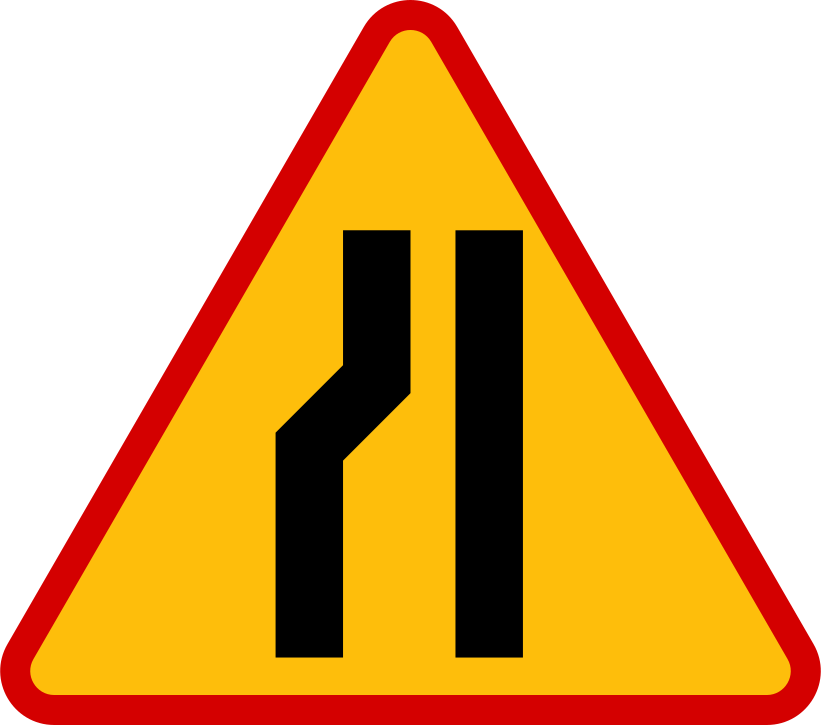
Warning: The Road Narrows Ahead on the Left!
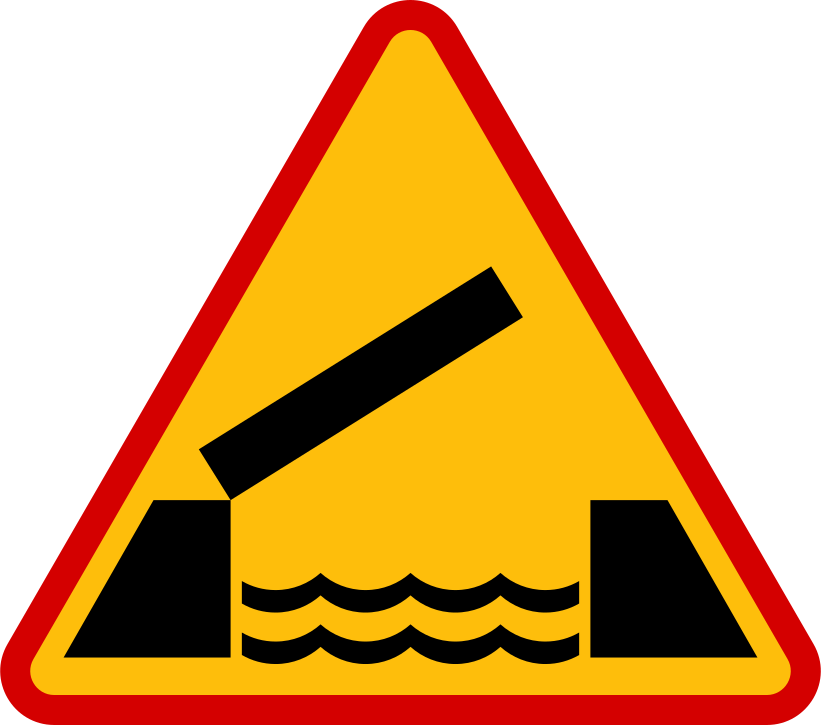
Prepare to stop for a Movable Bridge ahead!
Deepen your understanding of specific road signs by reviewing official Polish traffic rules and associated real-world driving scenarios. These expert-led resources help you bridge the gap between visual recognition and practical exam application.
Master the Rules: Avoid Fines and Accidents Caused by Improper Loading.
Don't Be a Road Block: Master Minimum Speeds and Smooth Traffic Flow for Your Polish Exam!
Learn the critical distinctions between the Polish A-16 warning sign and the D-6 pedestrian crossing sign. This guide explains your legal responsibilities when approaching these areas, including the mandatory speed reduction and yielding requirements. Understand the significant penalties, such as hefty fines and accumulating penalty points, especially the 'recydywa' (repeat offender) system in Poland, which can lead to immediate license suspension.
Every vehicle registered in Poland must have valid third-party liability insurance (OC) at all times, regardless of whether the car is driven or parked in a private garage. This guide clarifies the automated enforcement process managed by the Insurance Guarantee Fund and the substantial financial risks associated with even a single-day lapse in coverage. By mastering these administrative requirements, you will be prepared to handle vehicle ownership duties confidently and avoid avoidable legal penalties.
The A-25 sign is common in mountainous or hilly areas with rock cuttings. Rocks can fall due to erosion, rain, or freezing temperatures. The danger is twofold: being hit by a falling rock or colliding with one that is already on the road. Drivers should stay alert and avoid stopping in the 'danger zone' where the cliffs are closest to the road.
The A-13 sign is placed before bridges with movable spans (like drawbridges or bascule bridges). When the bridge is operating, traffic is stopped by red lights and often a physical barrier. This sign warns you to be prepared to stop and wait for ships to pass. These bridges can be found in coastal areas or near major rivers and canals.
After reviewing the full list of Polish road signs, explore specific sign categories for in-depth understanding. Challenge your knowledge with practice questions focused on sign recognition and interpretation to solidify your preparation for the driving theory exam.
Browse All Polish Road Signs