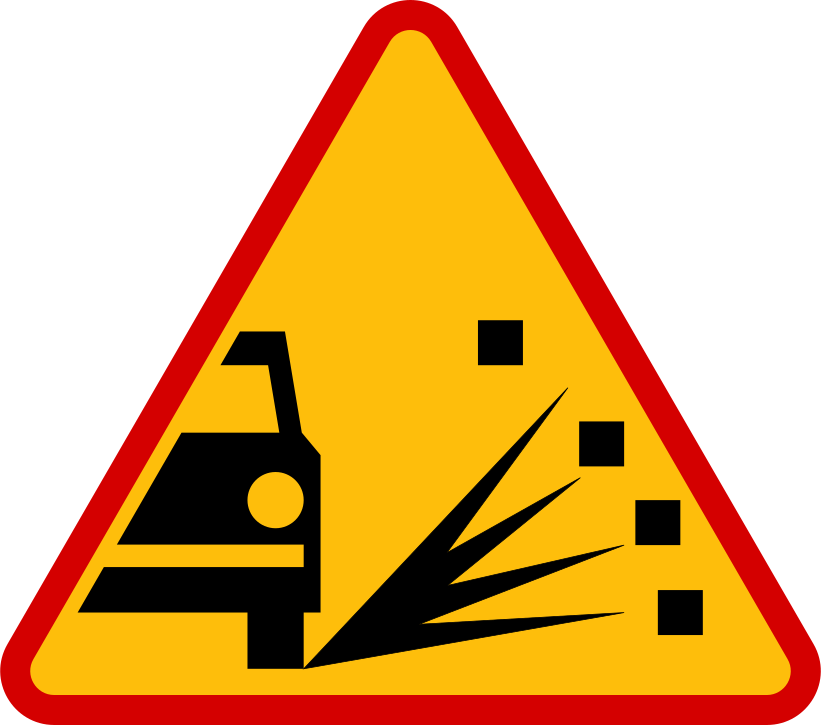
Welcome to the essential group of warning signs, also known as Group A signs. These triangular signs with their red borders and clear symbols are your advance notice of potential dangers on the road ahead. Understanding them is crucial for anticipating hazards, adjusting your speed, and making safe decisions. Mastering these signs will not only boost your confidence in real-world driving but is also a key component of passing your theory test.
An explanation of how Warning Signs (A) road signs apply in real traffic situations in Poland. Learn where these signs are typically placed, what drivers are expected to do when they appear, and how correct reactions help you stay safe, avoid fines, and succeed in your Polish driving theory exam.
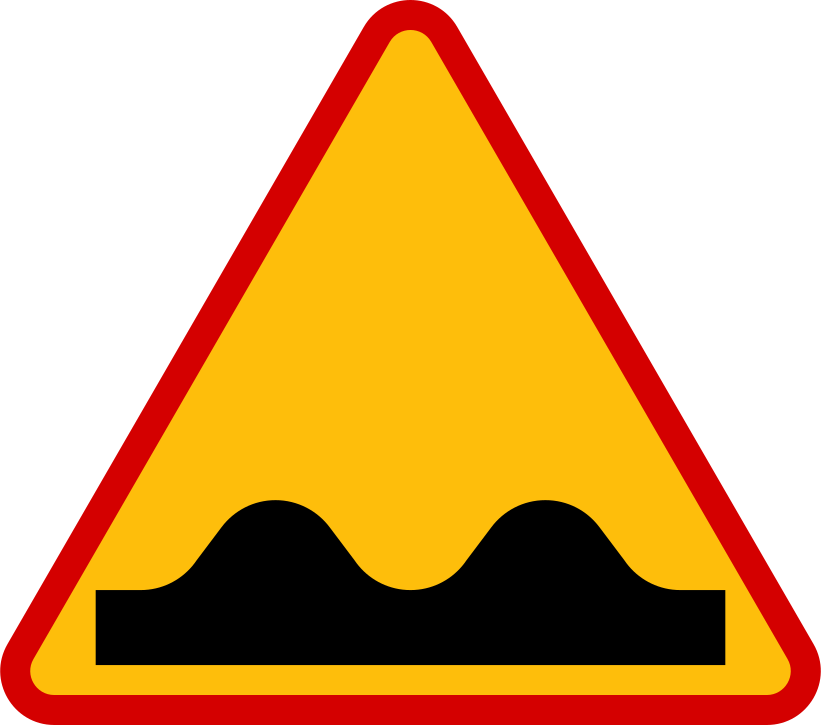
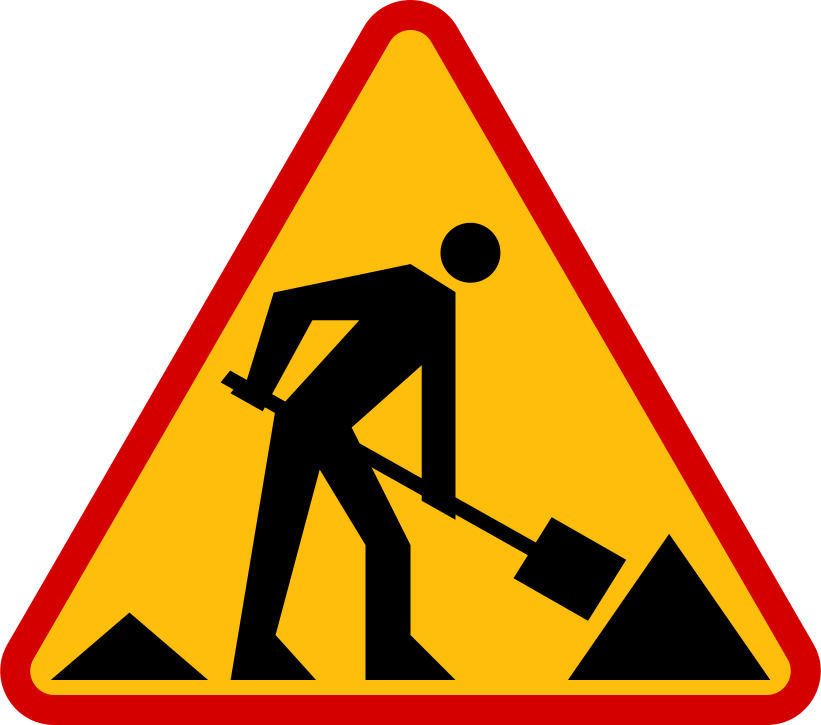
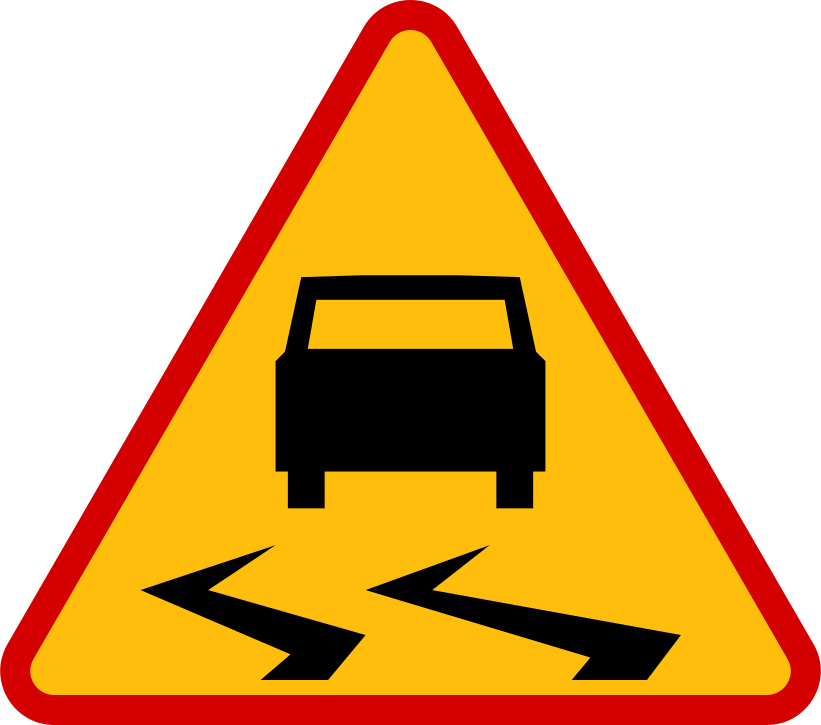
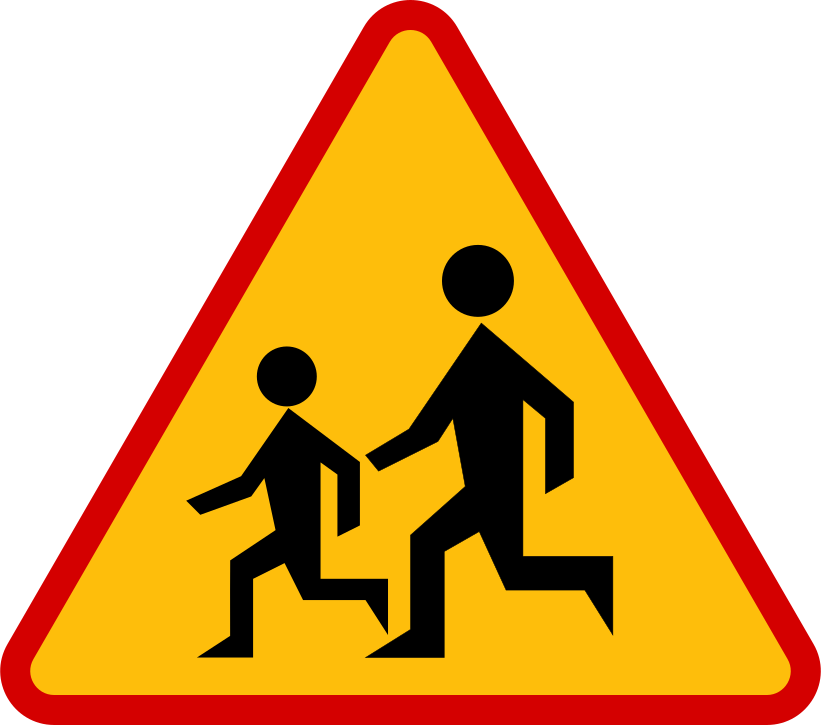
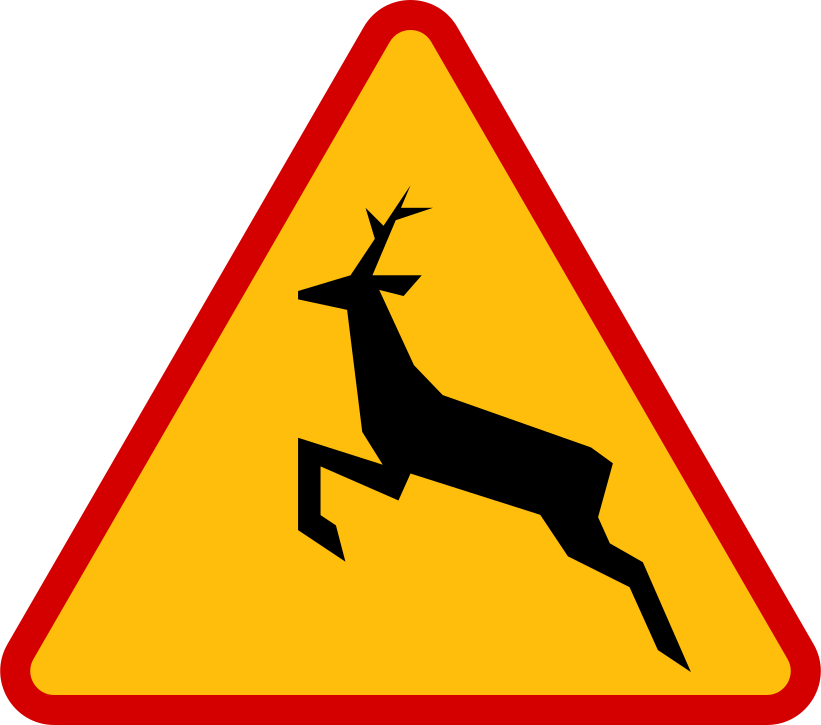
Warning signs (Group A) are strategically placed before hazards to give drivers ample time to react. You'll encounter them in various situations: before sharp bends (like A-1 and A-2), indicating upcoming intersections (A-5 to A-6e), or warning of dangerous road conditions like slippery surfaces (A-15), speed bumps (A-11a), or uneven roads (A-11). Signs like A-16 (Pedestrian Crossing) and A-17 (Children) alert you to the presence of vulnerable road users, often found near schools, parks, or residential areas. You'll also see signs warning of level crossings (A-9, A-10), road works (A-14), animal crossings (A-18a, A-18b), and even airport approaches (A-26). Some signs, such as A-20 (Two-way traffic), are vital on roads where the traffic direction might be confusing. The key is to see these signs as advisory – they tell you to be prepared, reduce speed if necessary, and look out for the potential danger they represent.
An overview of the key learning outcomes when studying the Warning Signs (A) road sign category. Understand the main concepts, sign meanings, and traffic situations covered here so you can recognise patterns, answer theory questions more confidently, and build a solid foundation for safe driving in Poland.
These signs universally alert you to potential dangers on Polish roads, requiring you to anticipate and adjust your driving. Studying this group helps you quickly identify their iconic red-bordered triangular shape and and understand the specific road conditions or traffic situations they forecast. Mastering these warning signs is crucial for developing hazard perception skills and passing your Polish driving theory test.
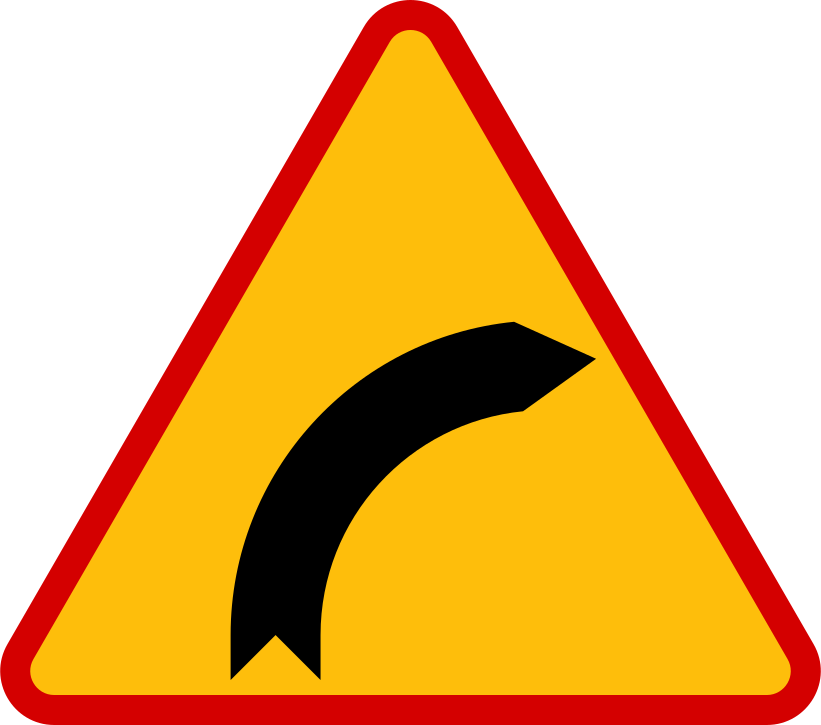
Watch Out for Dangerous Bends to the Right with the A-1 Sign
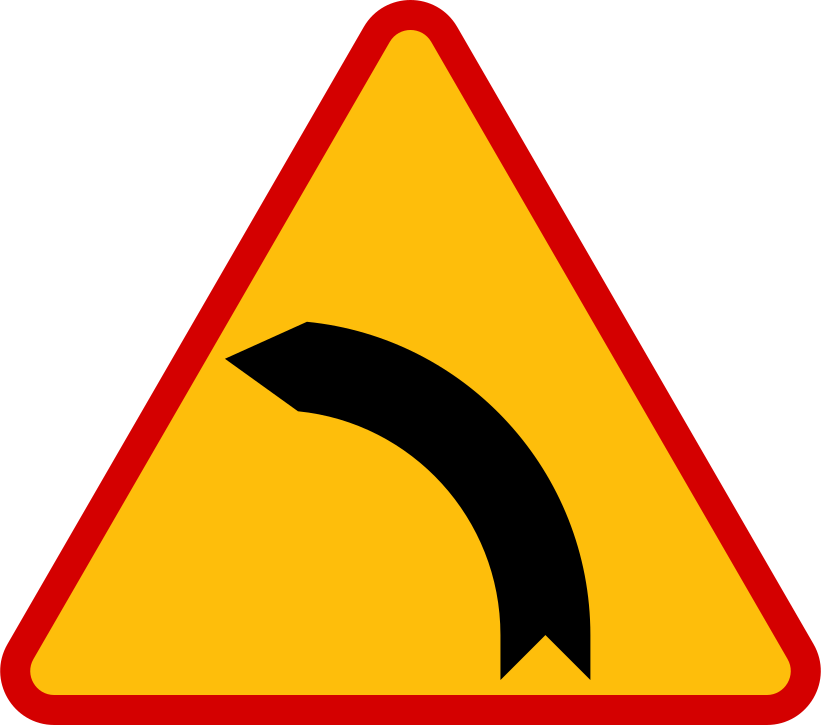
Prepare for the A-2 Dangerous Bend to the Left warning sign.
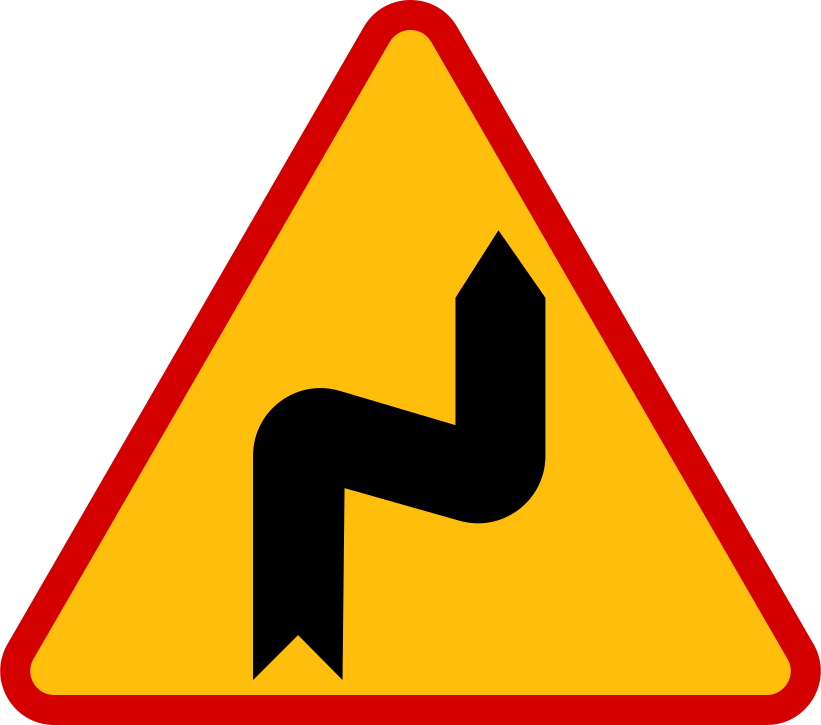
Prepare for the A-3 Double Bend - First to the Right sign on Polish roads.
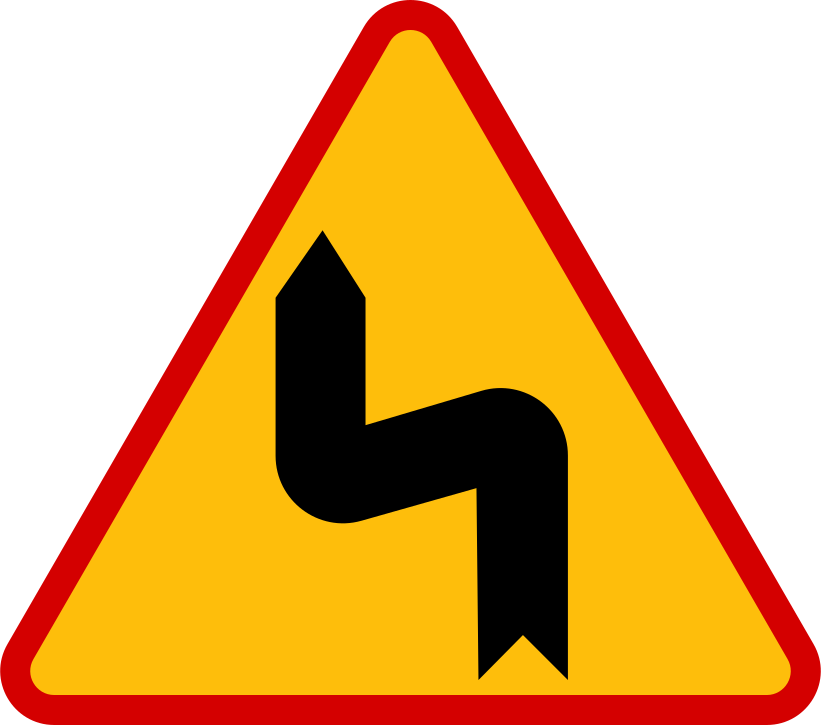
Prepare for the A-4 Double Bend Left Warning Sign on your theory test!
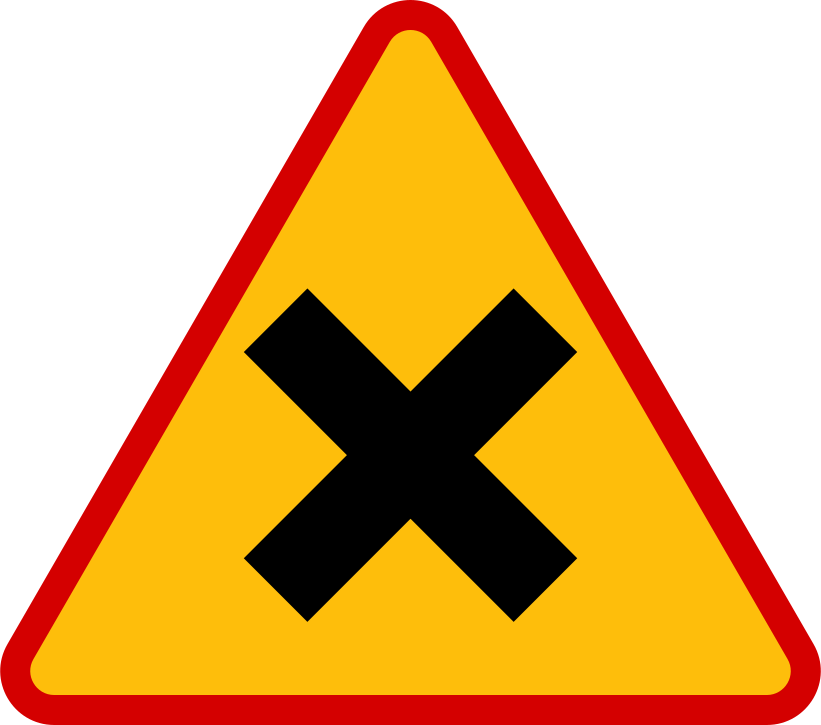
Understand the A-5 'Intersection of Equal Roads' sign and the right-hand rule
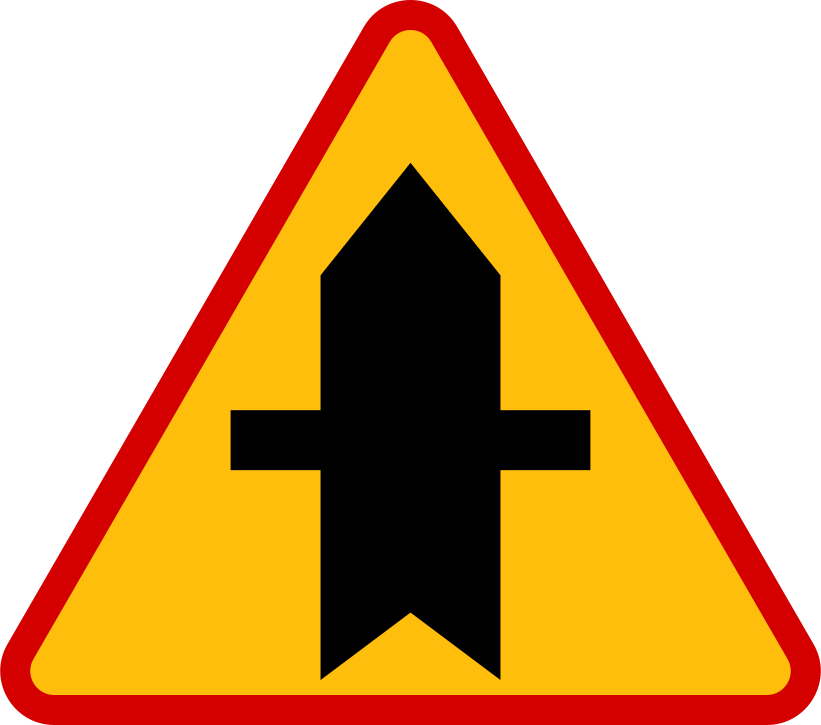
A-6a Sign: You're on the Priority Road at a Junction with Side Roads
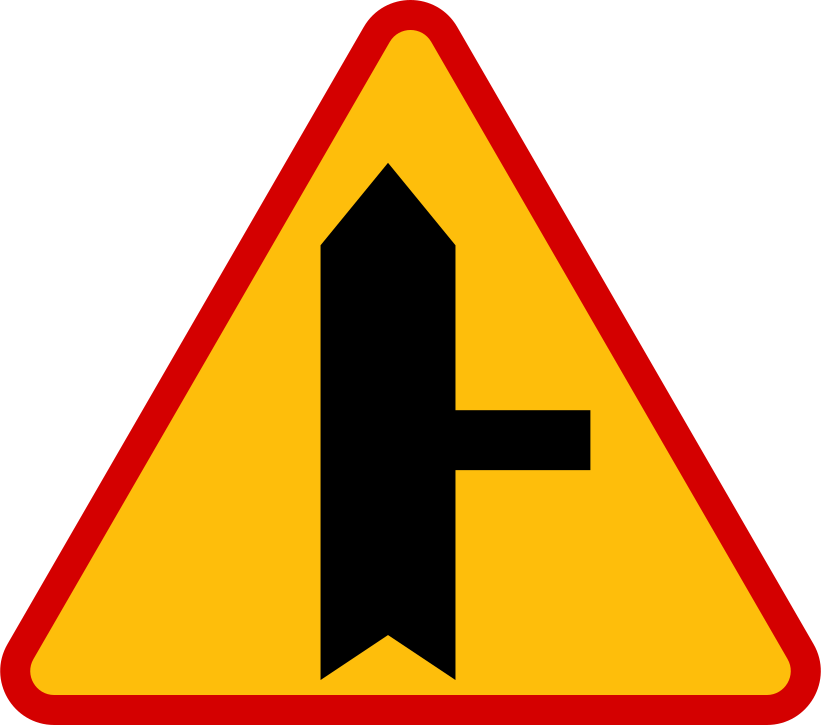
Understand the A-6b Sign: Priority Road with a Side Road Joining on the Right
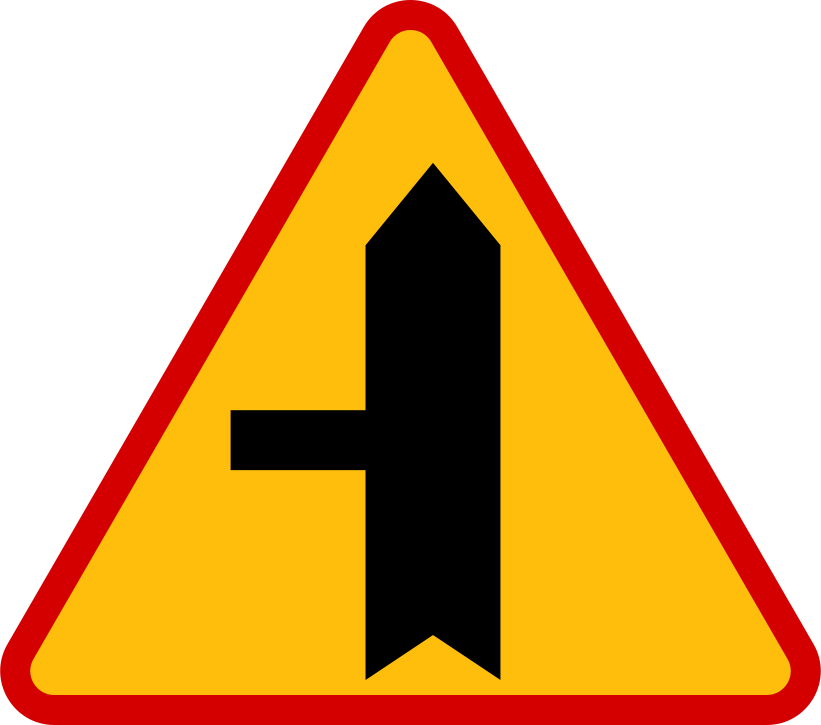
Beware of oncoming traffic from the left at this intersection.
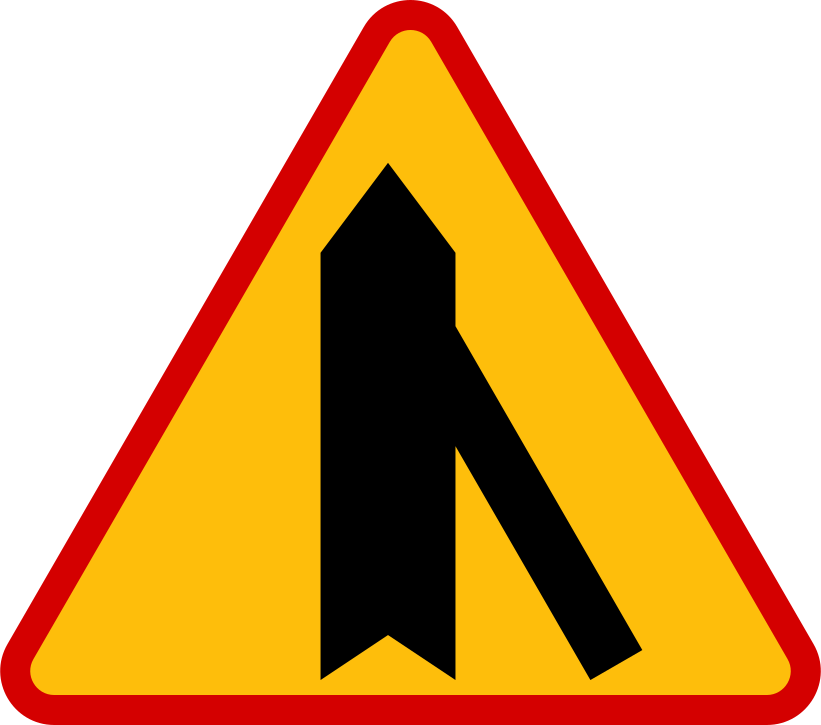
Prepare for merging traffic with the A-6d 'One-way Inflow from the Right' road sign.
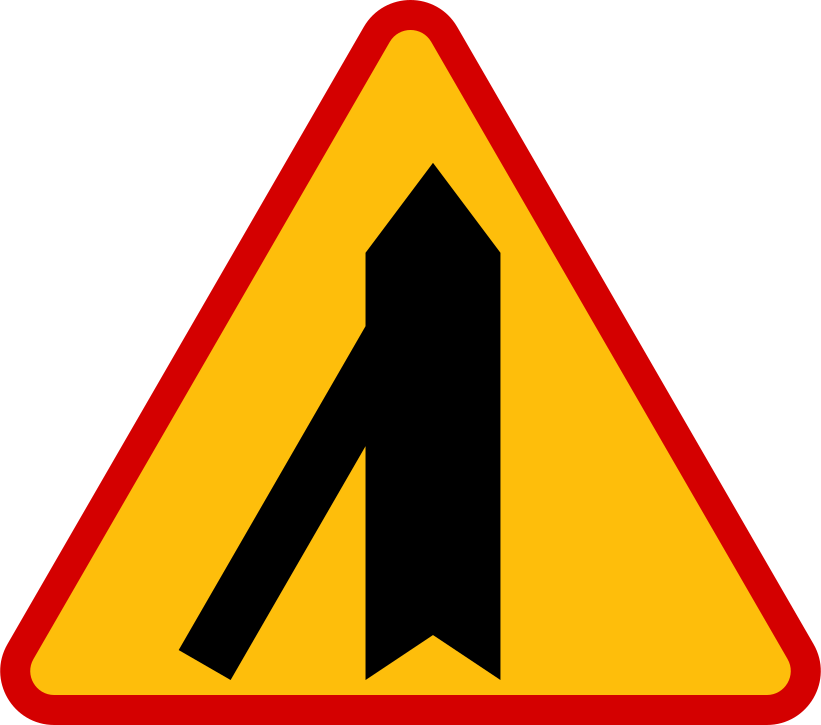
Prepare for the A-6e road sign: One-Way Traffic Merging from the Left
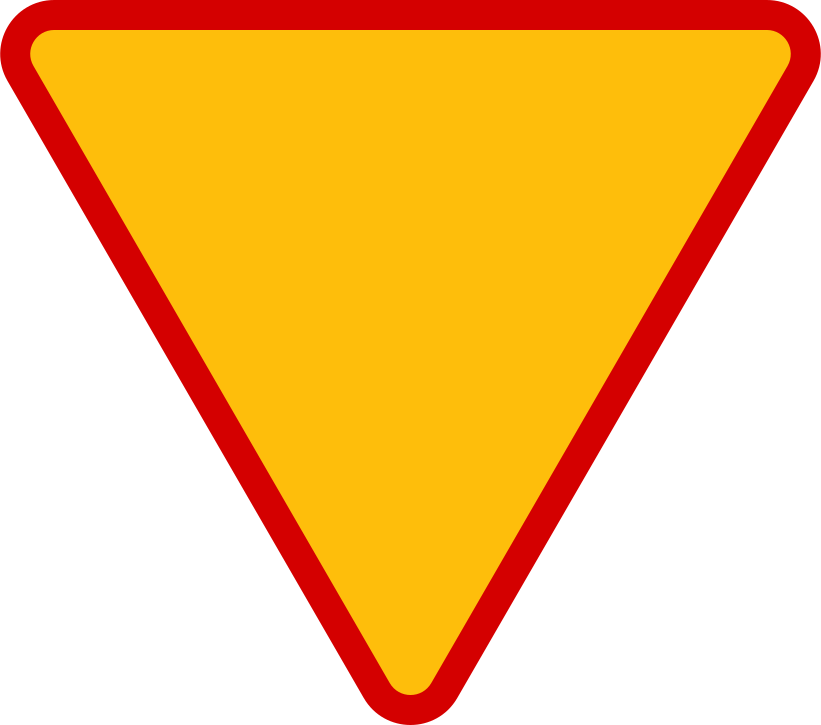
The A-7 'Give Way' Sign Means You Must Yield to Priority Traffic.
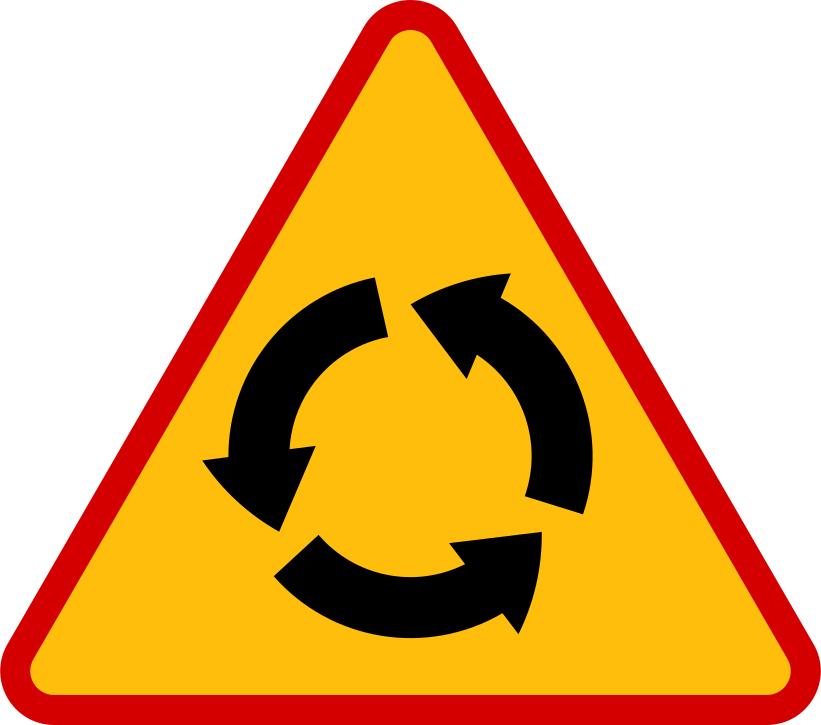
Prepare for a roundabout with the A-8 'Roundabout Ahead' warning sign.
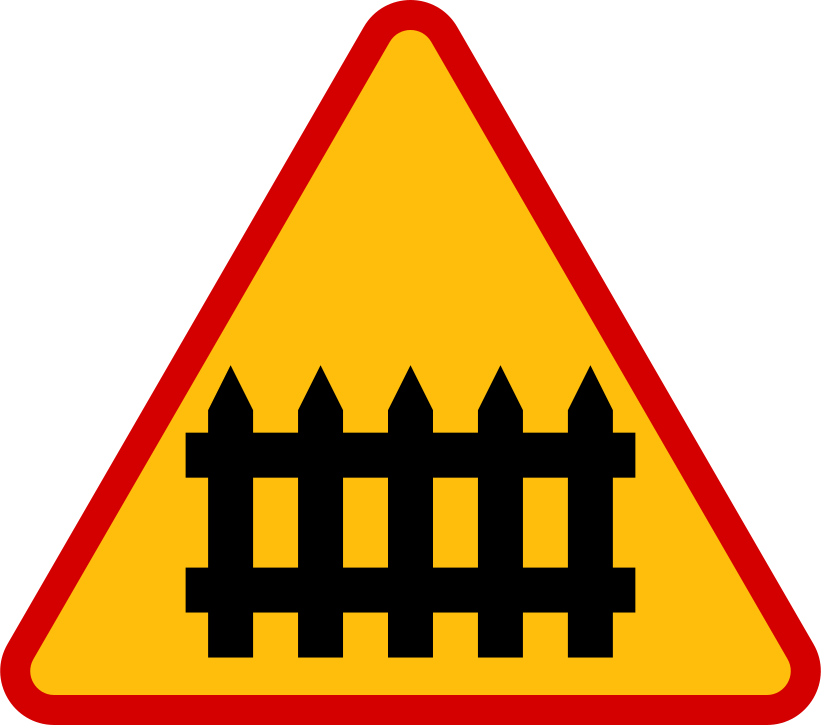
A-9 Level Crossing with Barriers: What You Must Know
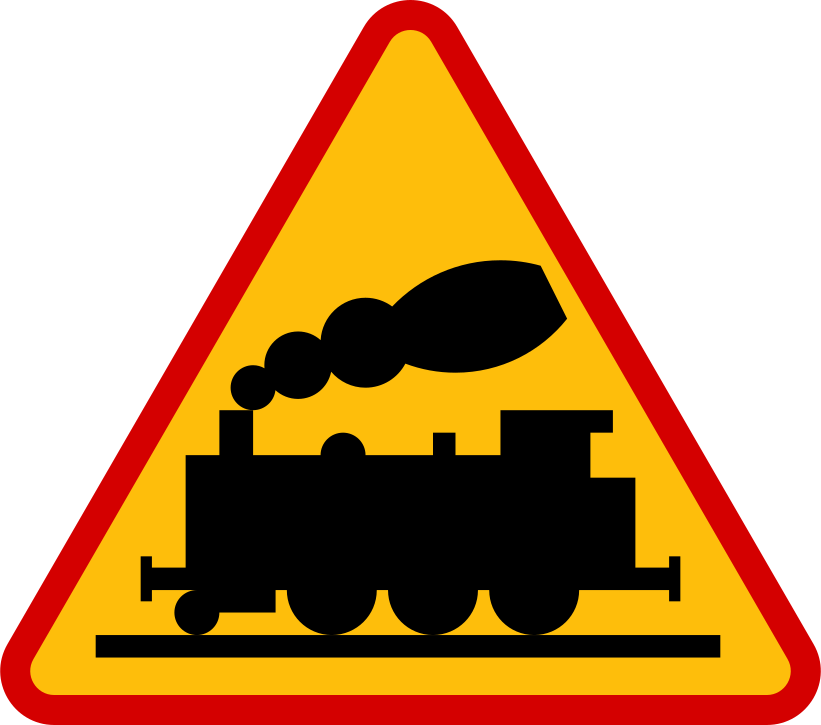
Beware of Ungated Railway Crossings with the A-10 Sign!
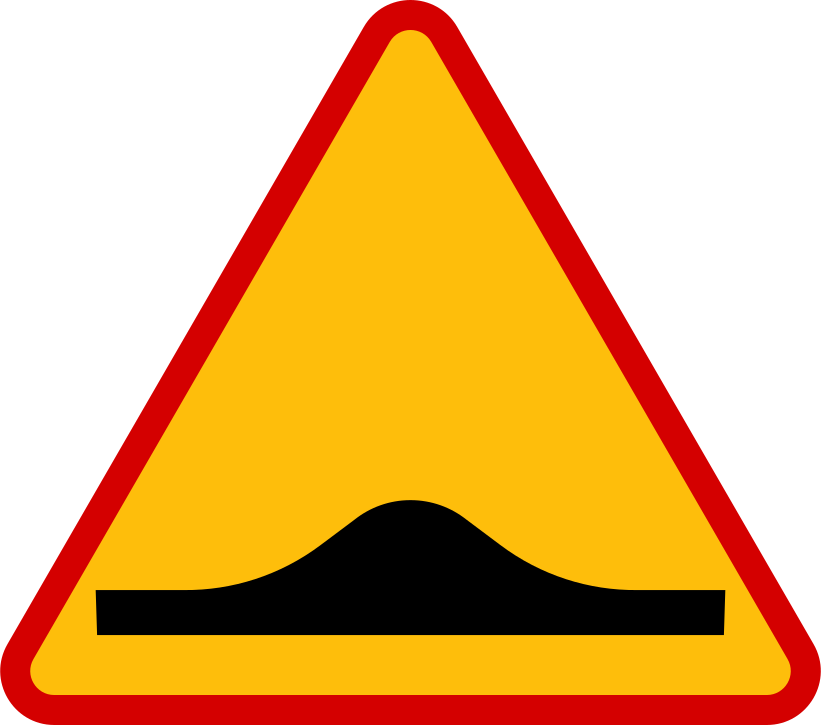
The A-11a Speed Bump sign warns you to significantly reduce your speed.
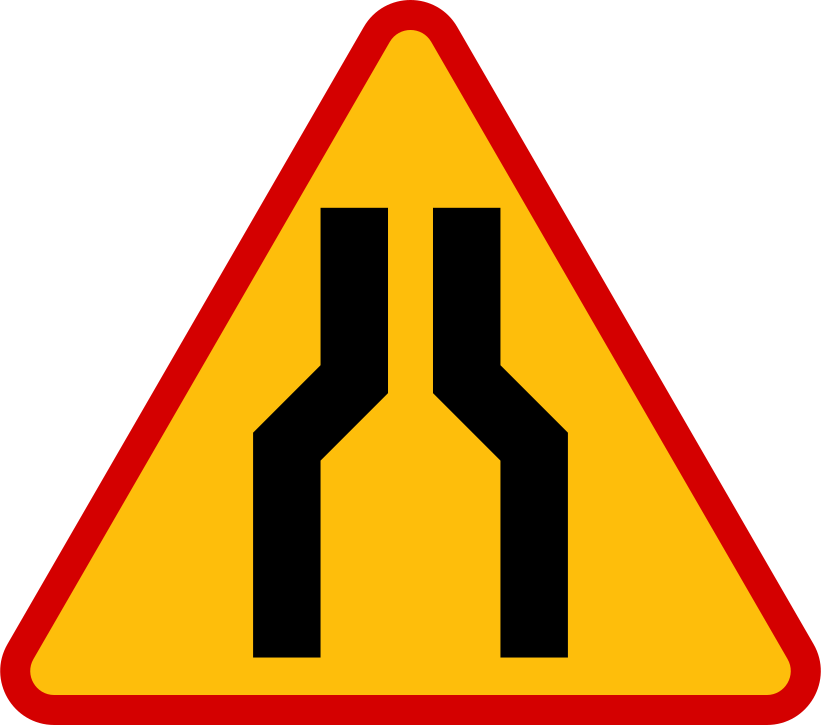
Prepare for Road Narrows on Both Sides with the A-12a Warning Sign
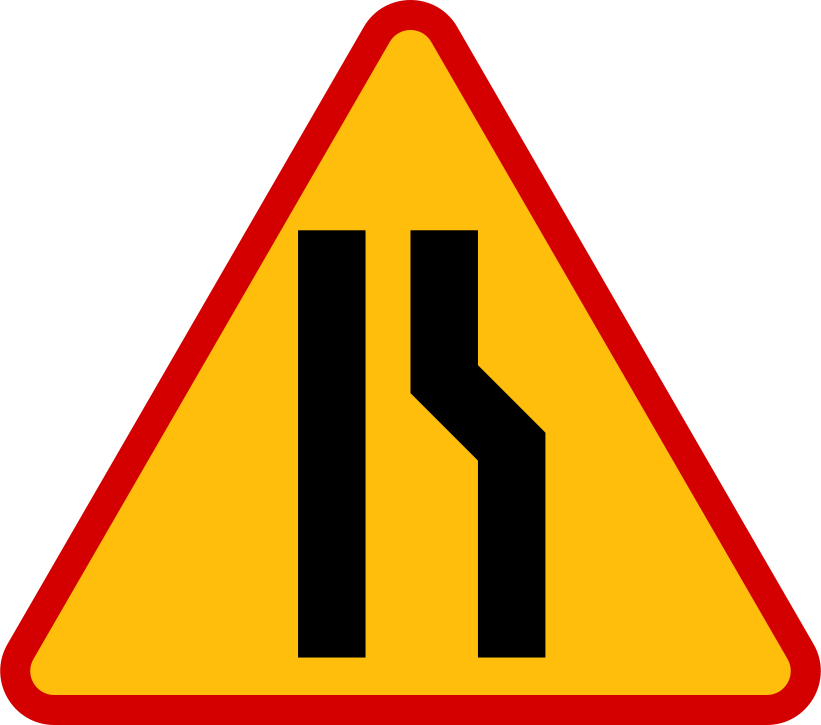
A-12b: Road Narrows Ahead on the Right – Prepare to Merge Left
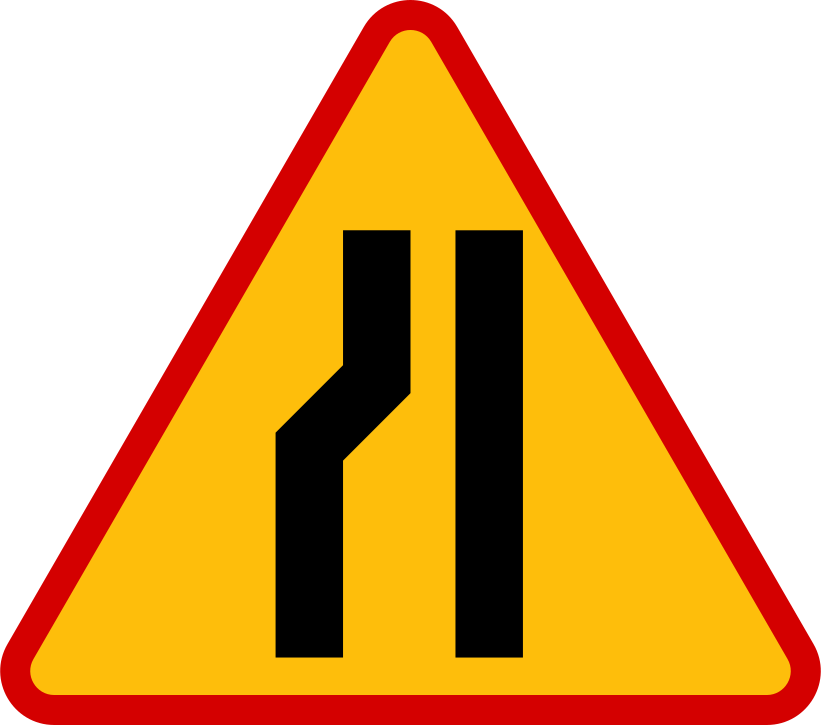
Warning: The Road Narrows Ahead on the Left!
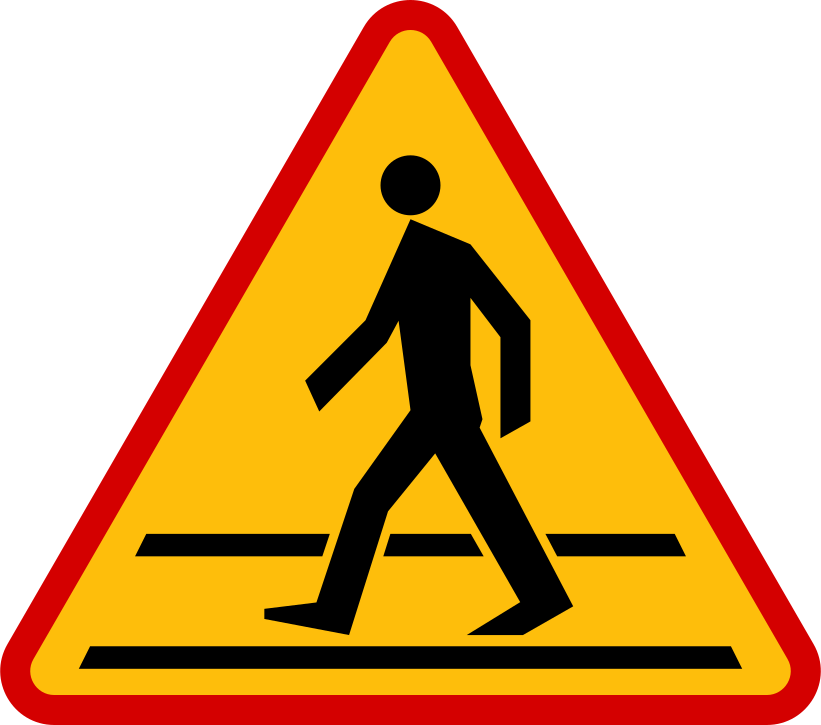
Prepare to stop for pedestrians at the upcoming A-16 crossing warning sign.
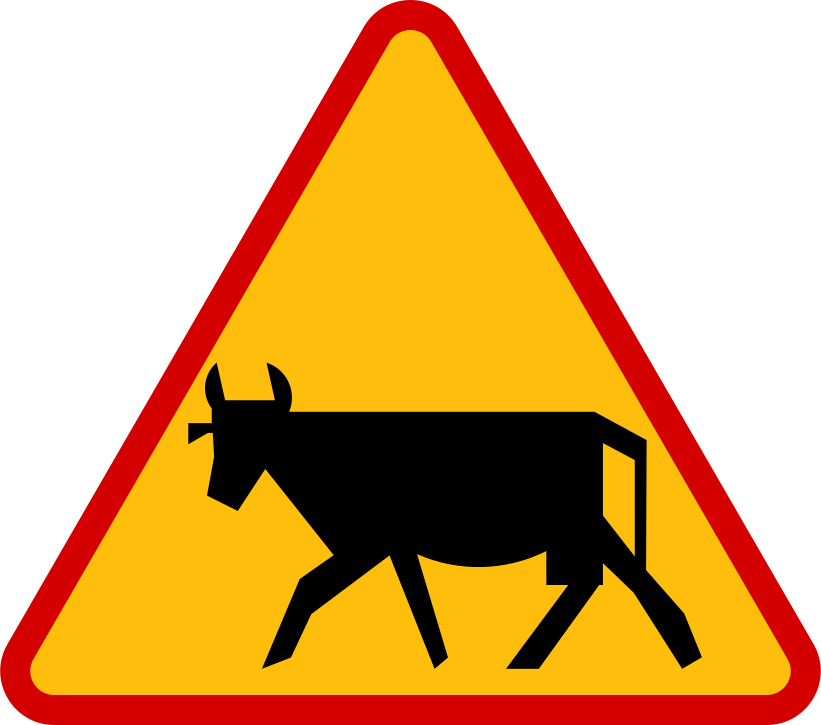
Beware of Domestic Animals Crossing the Road with the A-18a Warning Sign
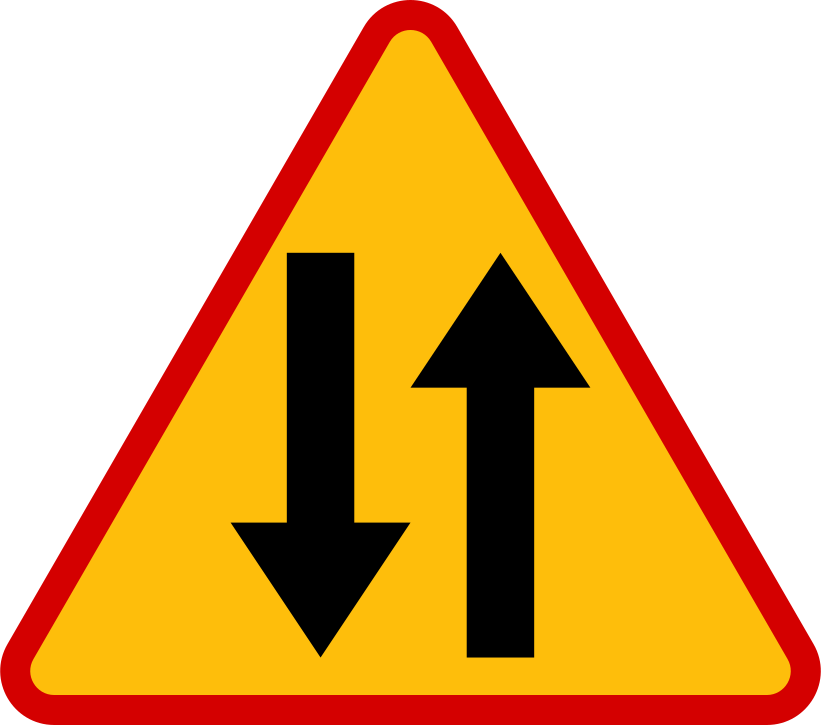
Prepare for Opposing Traffic: The A-20 Two-Way Traffic Sign Ahead
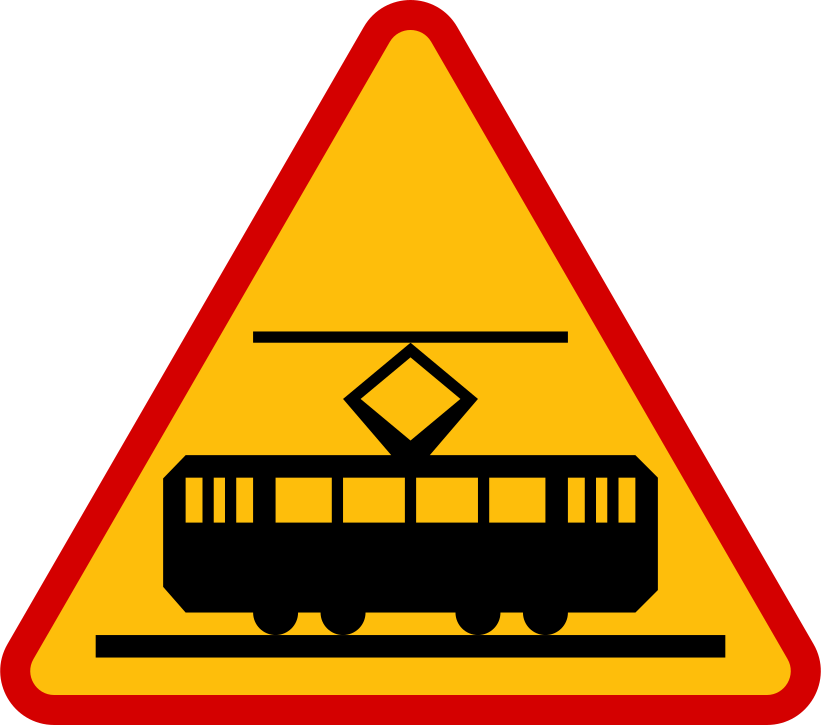
Prepare for the A-21 'Tram' warning sign, indicating tram tracks ahead.
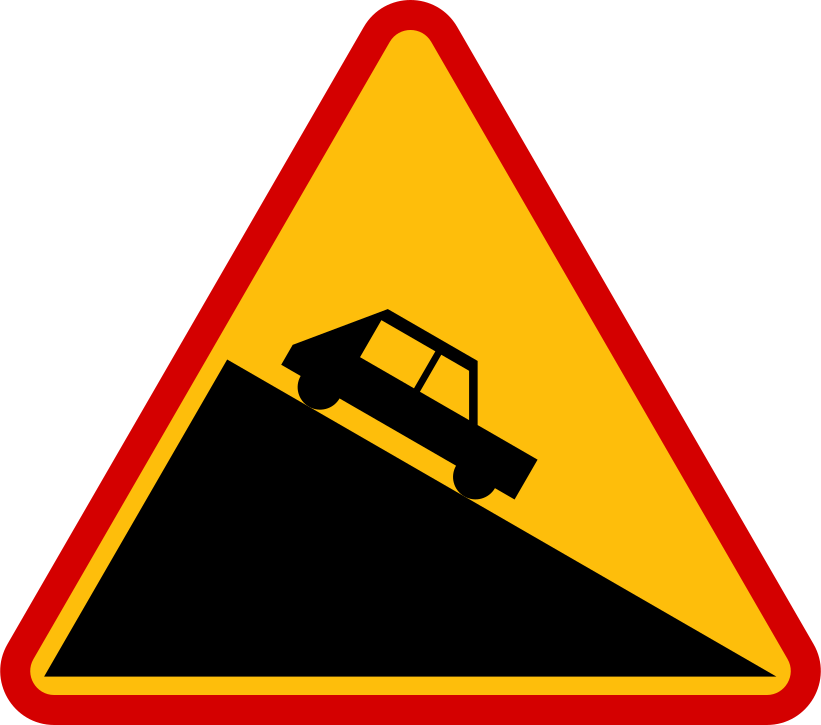
Prepare for steep downhill slopes with the A-22 Dangerous Descent warning sign.
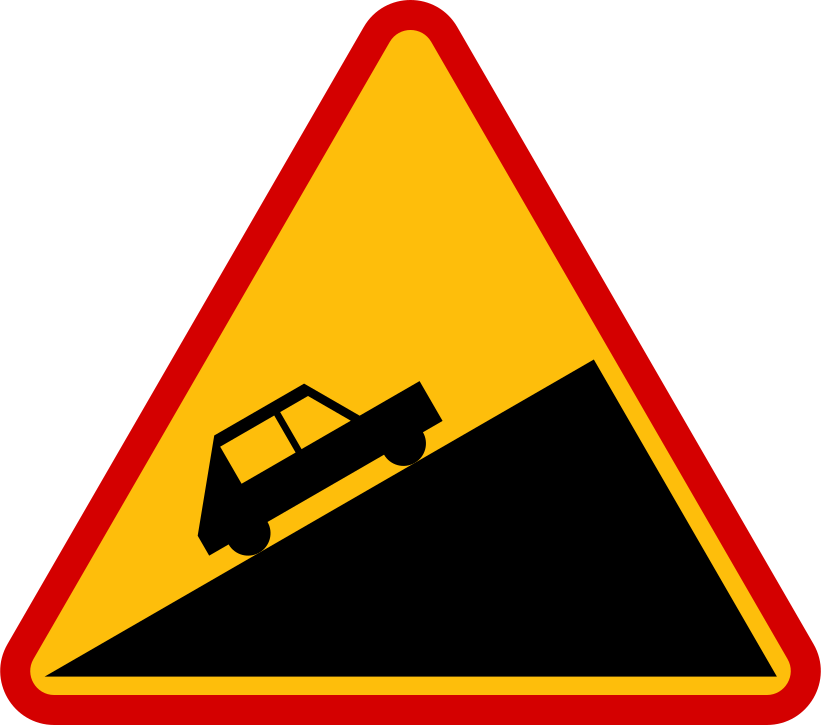
Warning: Prepare for a Steep Ascent Ahead with the A-23 Sign!
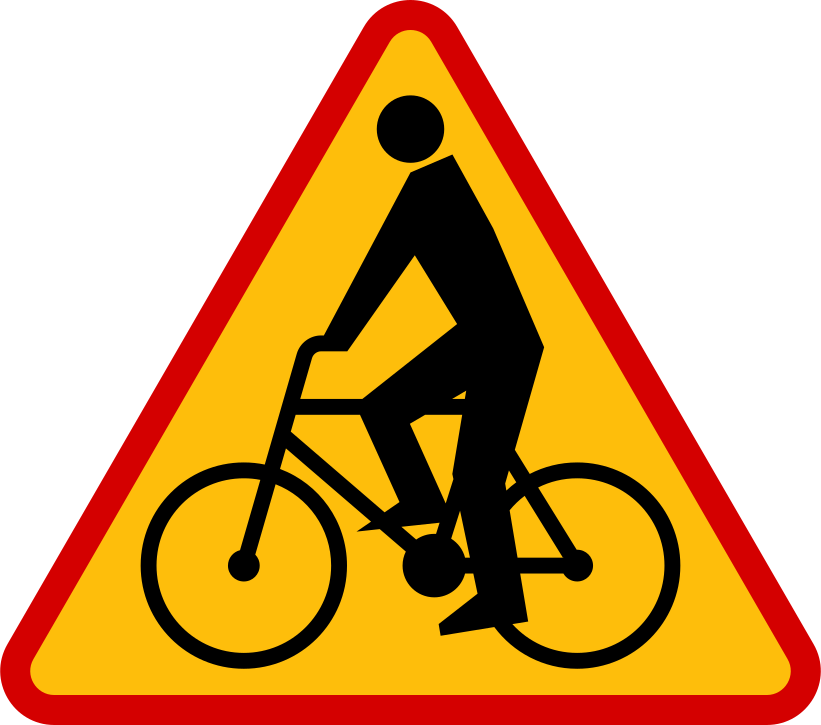
Watch out for cyclists entering or crossing the road with the A-24 warning sign.
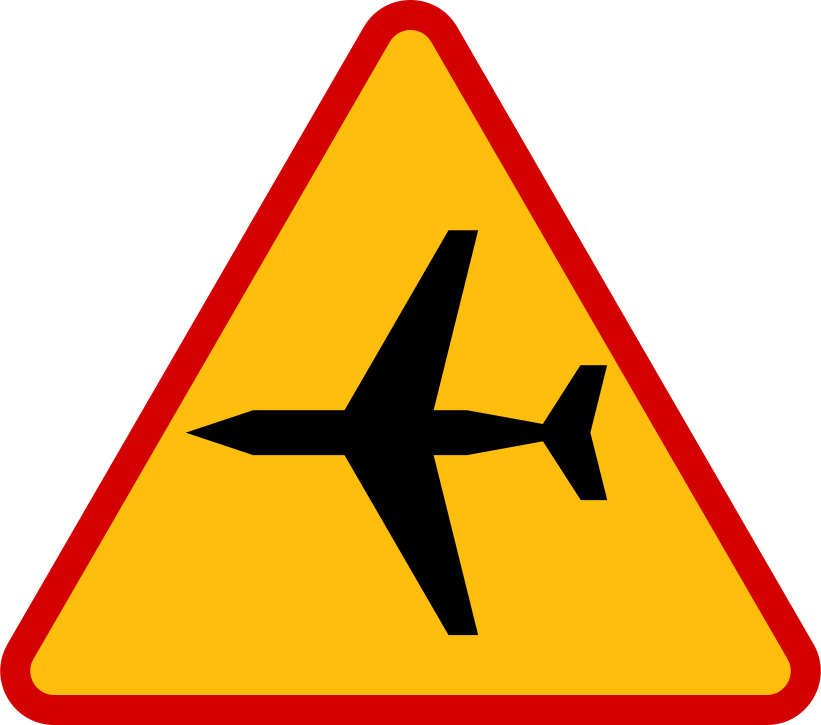
Beware of low-flying aircraft and sudden noise with the A-26 Airport warning sign.
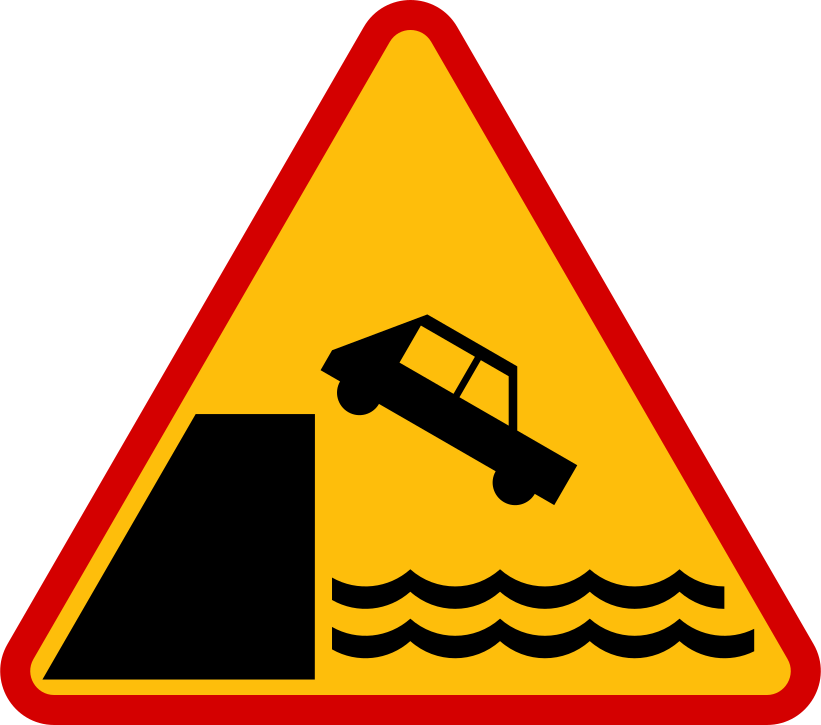
Warning: Road leads to Quayside or River Bank without a protective barrier (A-27)
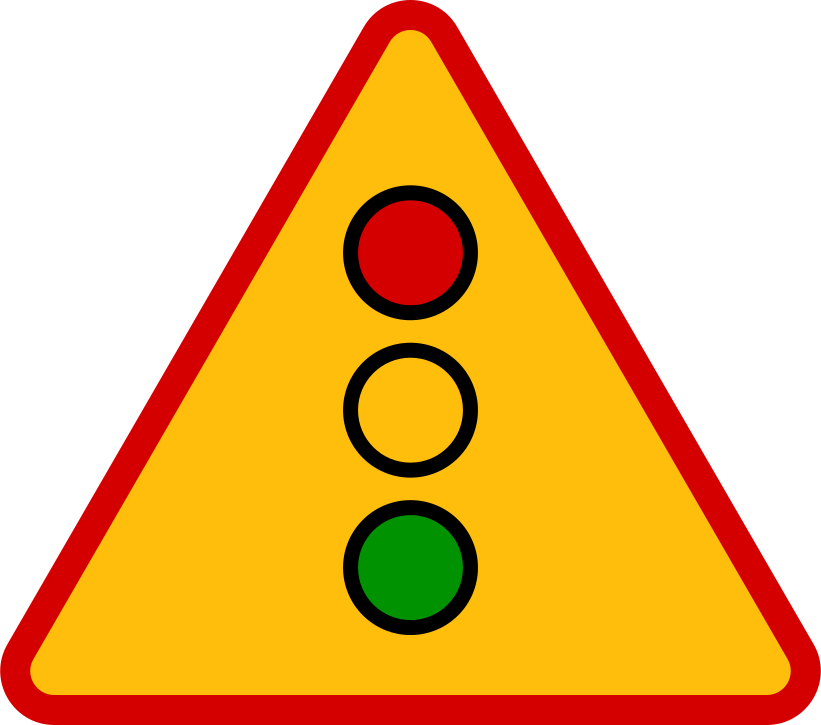
Prepare to stop: The A-29 'Traffic Signals' warning sign ahead.
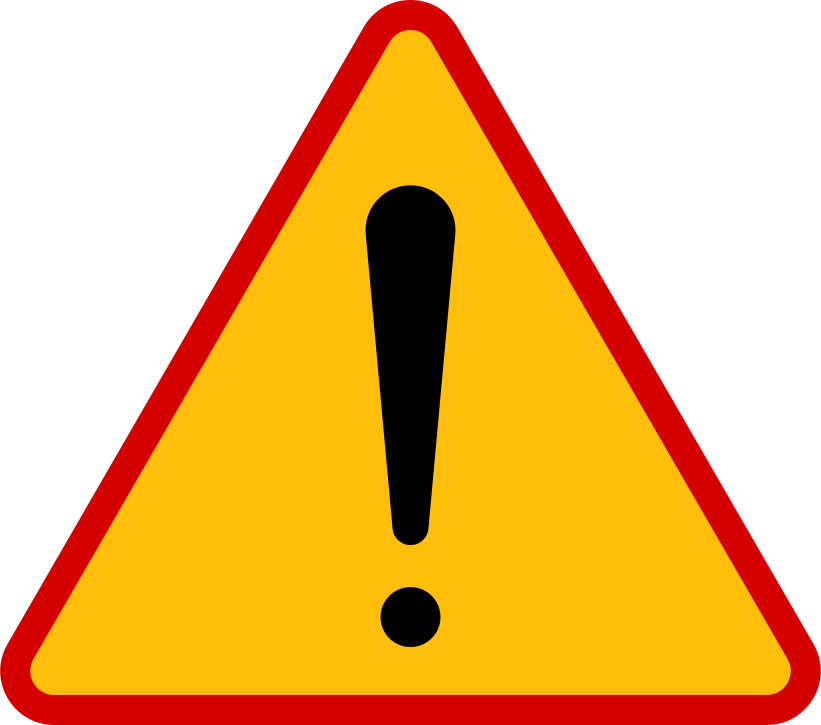
Prepare for the unexpected with the 'Other Danger' A-30 warning sign.
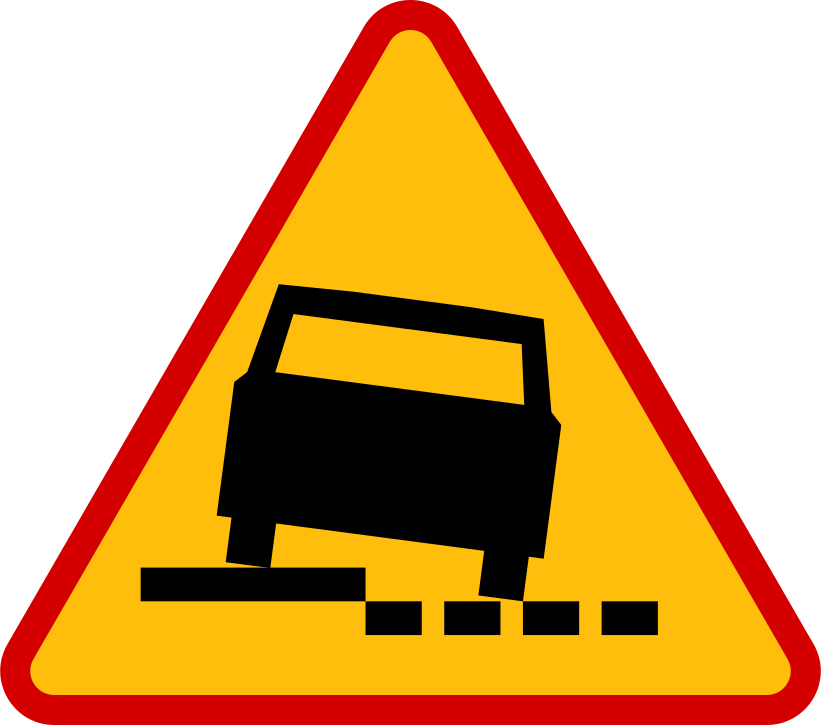
The A-31 Dangerous Shoulder sign warns you about an unsafe road edge.
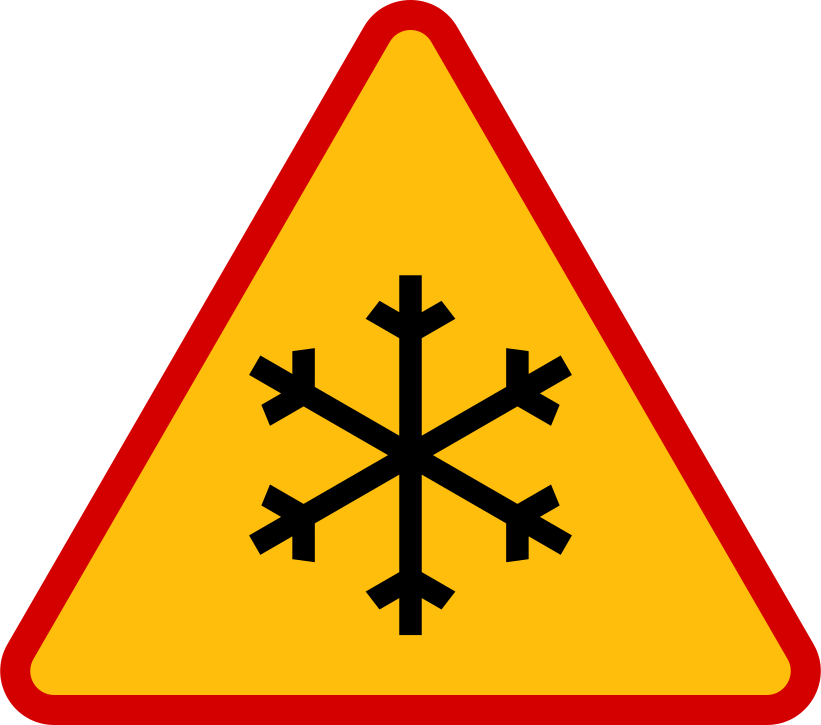
Beware of Frost or Ice on the Road with the A-32 Warning Sign!
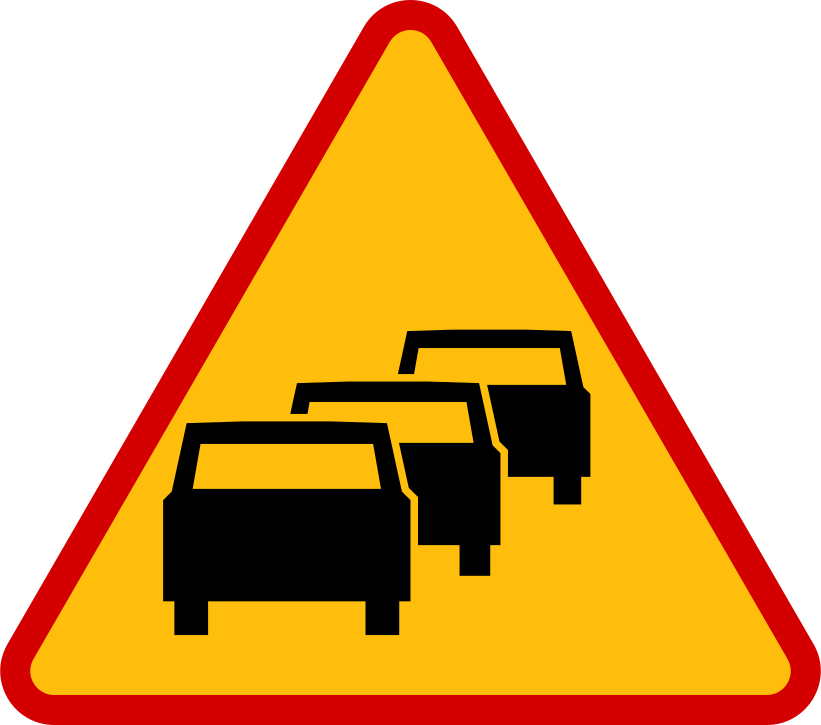
Prepare for traffic jams ahead with the A-33 warning sign!
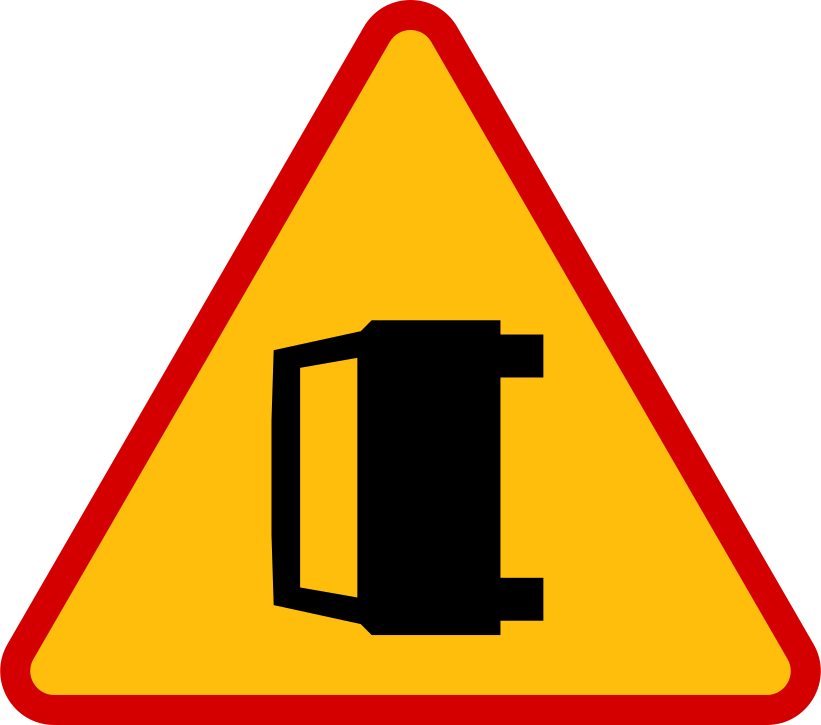
Prepare for the A-34 'Accident' warning sign and understand emergency situations on the road.
Clear answers to common questions about the Warning Signs (A) road sign category. Use this FAQ to review tricky rules, understand how these signs appear in exam scenarios, and remove confusion that often leads to mistakes in the Polish driving theory exam in Poland.
The primary purpose of warning signs is to alert drivers to potential hazards or unusual conditions ahead on the road. They are designed to give you advance notice so you have sufficient time to assess the situation, reduce speed if necessary, and drive more cautiously to avoid accidents. They are anticipatory rather than prohibitive; they don't tell you *what* to do, but rather *what to look out for*.
The distinctive triangular shape with a red border and a pictogram on a yellow background is internationally recognised and highly visible. This shape and colour combination makes them stand out from other traffic signs, ensuring drivers can spot them easily, even in poor weather conditions or at higher speeds. This visibility is crucial for their function of providing timely warnings.
The distance at which warning signs are placed before the hazard can vary, but they are generally positioned to give drivers a reasonable amount of time to react. On faster roads like rural routes or motorways, signs are typically placed further in advance than in built-up areas. Always be prepared to encounter the hazard shortly after passing the sign, especially if you are in a built-up area or approaching an intersection.
When you see a warning sign, your immediate action should be to increase your awareness and, if necessary, adjust your speed and driving behaviour. For example, upon seeing a 'Dangerous Bend' sign, you should slow down before the bend. If you see a 'Pedestrian Crossing' or 'Children' sign, you should be extra vigilant for people crossing the road and be ready to stop. Always scan the road ahead and be prepared for the situation indicated by the sign.
While warning signs primarily warn of hazards, some can imply a need for specific action that borders on prohibition. For instance, a sign for a 'Level Crossing without Barriers' (A-10) means you must stop and look/listen before crossing if a train is approaching, effectively prohibiting you from proceeding until it's safe. Similarly, a 'Roundabout Ahead' (A-8) sign implies you will need to yield to traffic already on the roundabout.
After reviewing road sign categories, dive into individual traffic sign groups. Each group page offers detailed explanations and practice questions to reinforce learning. This will ensure comprehensive preparation for your Polish driving theory exam.
Polish Road Sign Categories