
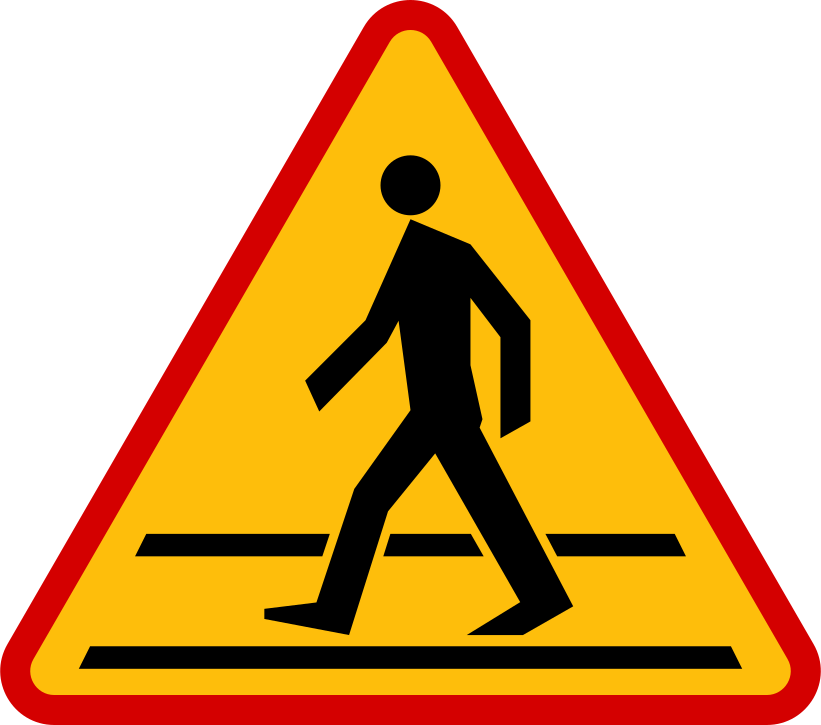
The A-16 sign is a crucial warning sign indicating an upcoming pedestrian crossing, especially on roads where speeds exceed 60 km/h or where visibility is limited. It serves as an advance warning to be vigilant and ready to stop for pedestrians who are crossing or waiting to cross. By Polish law, pedestrians on the crossing have priority, and drivers must always yield to them. Always slow down when you see this sign and scan for people.
This A-16 warning sign signifies an upcoming pedestrian crossing, requiring drivers to be vigilant and prepared to yield. Mastering its meaning is crucial for your Polish theory test revision and safe driving.
The A-16 sign is placed before pedestrian crossings (without traffic lights) on high-speed roads (over 60 km/h) or where the crossing is hidden by a curve or hill. It warns the driver to be prepared to yield to pedestrians. By law, pedestrians already on the crossing—and often those clearly waiting to enter—have the right of way. Drivers must be vigilant and ready to stop safely.
Warning of an upcoming zebra crossing where you should expect people to be crossing the road.
Get clear, practical answers to the most common questions about the A-16 - Pedestrian Crossing road sign. Learn how the sign works, what rules it represents, and how it affects real driving situations. This FAQ strengthens your understanding and supports accurate decision making for the Polish driving theory exam in Poland.
The A-16 sign is a warning sign placed before a pedestrian crossing that does not have traffic lights. It alerts drivers to be prepared to slow down or stop because pedestrians may be crossing the road. It's an advance warning, typically used on faster roads or at locations with reduced visibility like curves or hills.
When you see the A-16 sign, you must reduce your speed and be prepared to stop safely. You need to scan the sidewalks for pedestrians who might be about to step onto the crossing and be ready to yield to anyone already on it. Making eye contact with pedestrians can help confirm you've seen them and intend to stop.
Yes, you must stop and allow pedestrians to cross safely if they are on the crossing or clearly intending to cross. Polish law grants pedestrians priority in such situations. Even if they are only waiting at the side, you should slow down and be ready to yield to avoid any risk.
Yes, you must not overtake any vehicle that is slowing down or stopping at the pedestrian crossing. Avoid accelerating as you approach the crossing; always be prepared to stop. Additionally, parking near the crossing, which can obstruct views and pedestrian access, is prohibited.
The blue D-6 sign is the primary sign indicating a pedestrian crossing and is usually found in built-up areas. The A-16 sign is a warning sign placed *before* the crossing, typically on higher-speed roads or at locations where an immediate crossing might not be obvious. The A-16 provides an extra layer of advance warning to drivers.
A common trap is not understanding the 'advance warning' aspect. Learners might assume the crossing is right *at* the sign, rather than approaching. Another mistake is failing to recognise the legal obligation to yield, especially if pedestrians are only waiting to cross. Always be prepared to stop for pedestrians.
A clear reference image of the A-16 - Pedestrian Crossing road sign used in Poland.
The A-16 - Pedestrian Crossing road sign may also be known by these alternative names or terms.
The A-16 - Pedestrian Crossing road sign is part of the Warning Signs (A) category, which groups together signs with similar rules and functions.
Comparing this A-16 Pedestrian Crossing sign with similar warning signs aids crucial sign recognition and theory test revision. Mastering these distinctions reduces confusion and ensures you correctly identify traffic signs for your Polish driving licence exam.
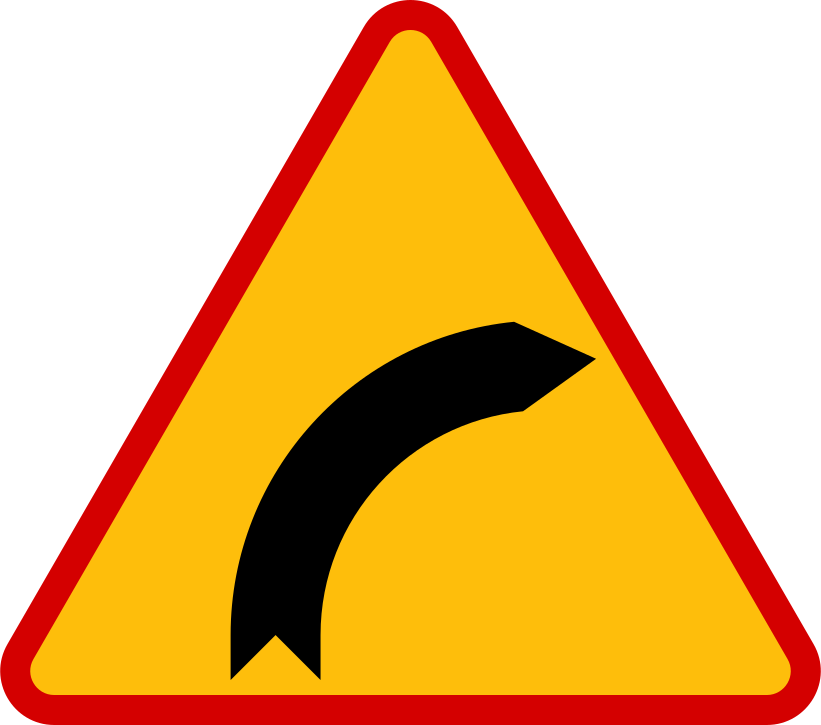
Watch Out for Dangerous Bends to the Right with the A-1 Sign
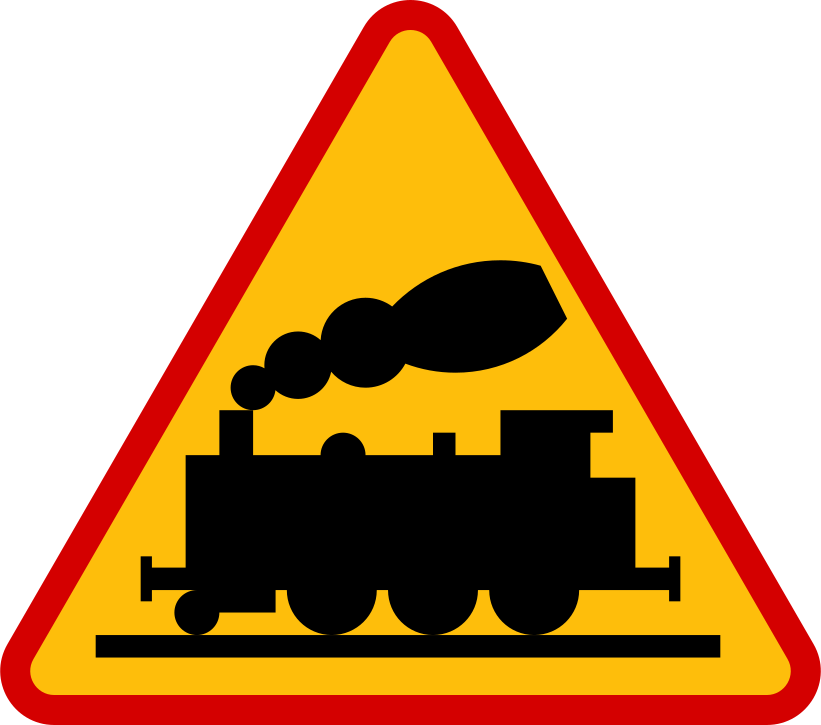
Beware of Ungated Railway Crossings with the A-10 Sign!
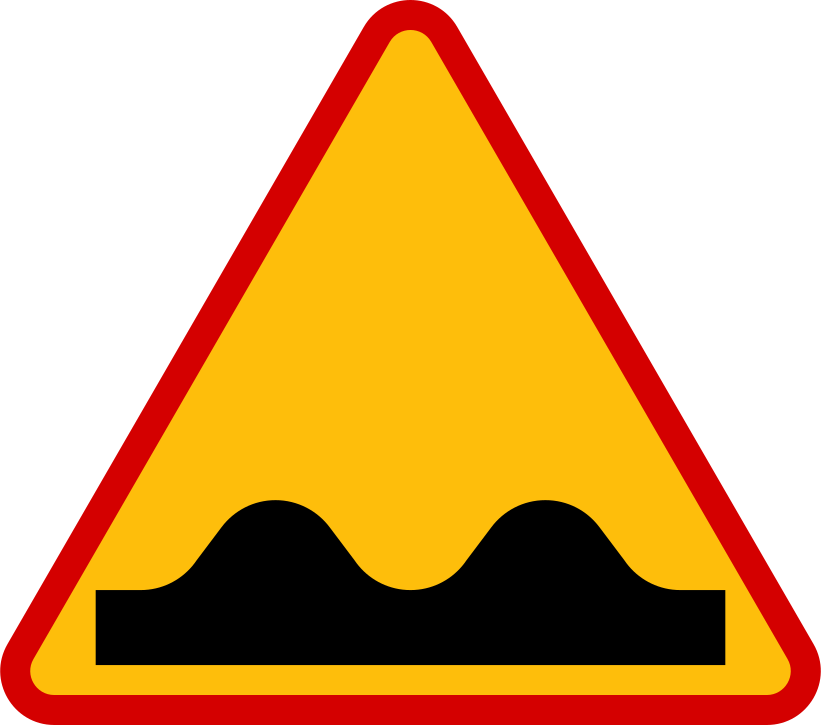
Warning: Prepare for an Uneven Road Surface Ahead!
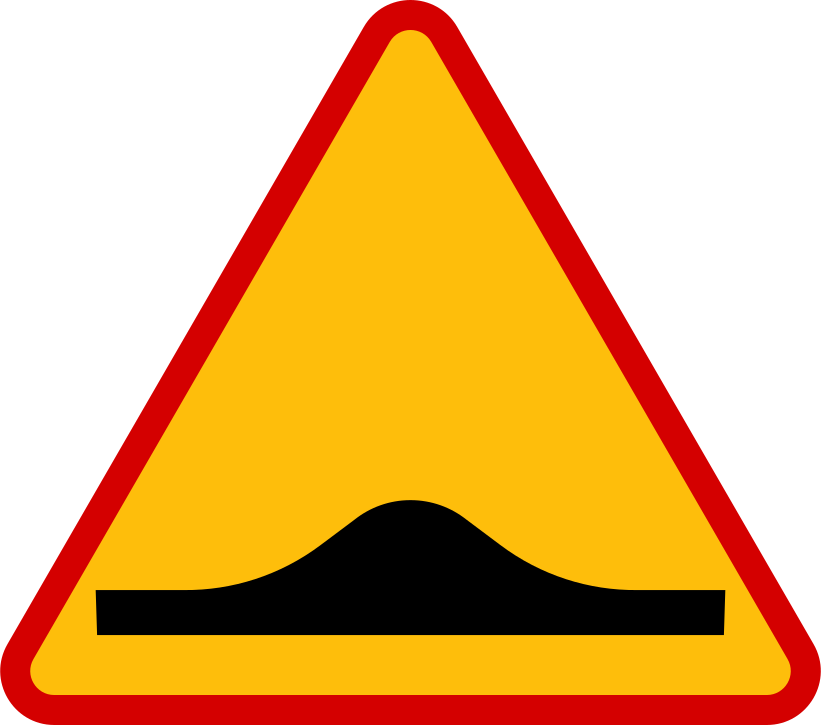
The A-11a Speed Bump sign warns you to significantly reduce your speed.
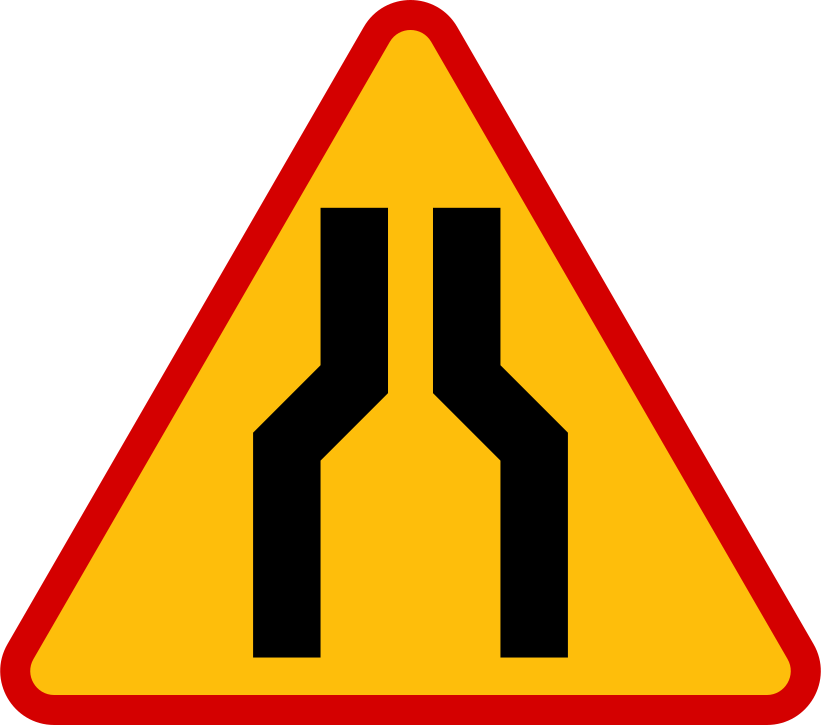
Prepare for Road Narrows on Both Sides with the A-12a Warning Sign
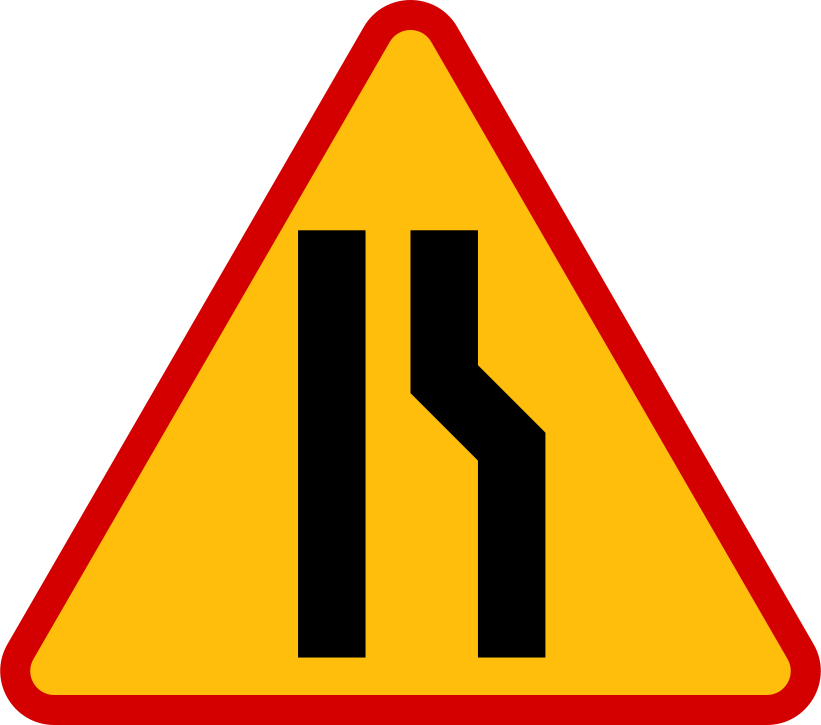
A-12b: Road Narrows Ahead on the Right – Prepare to Merge Left
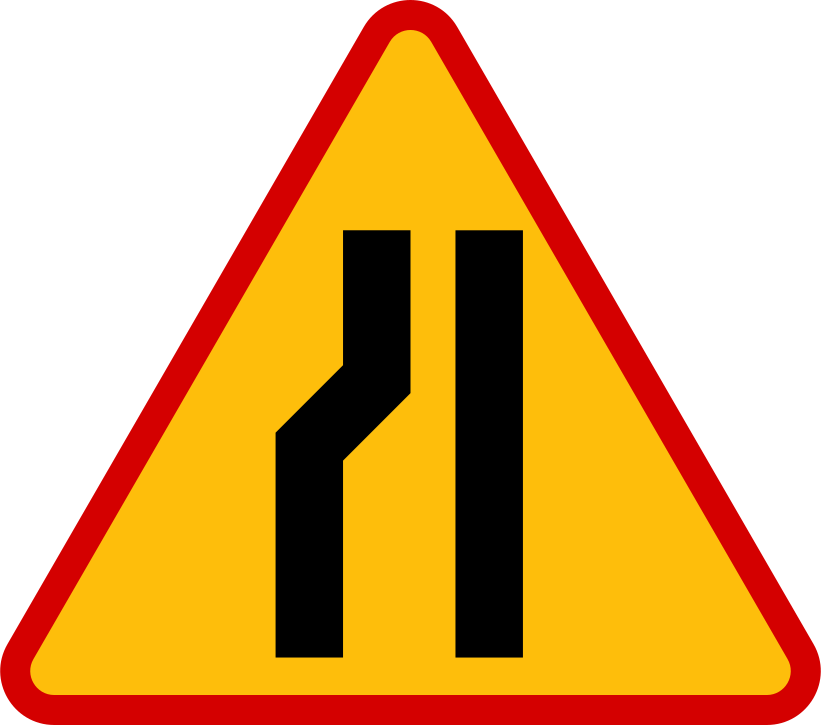
Warning: The Road Narrows Ahead on the Left!
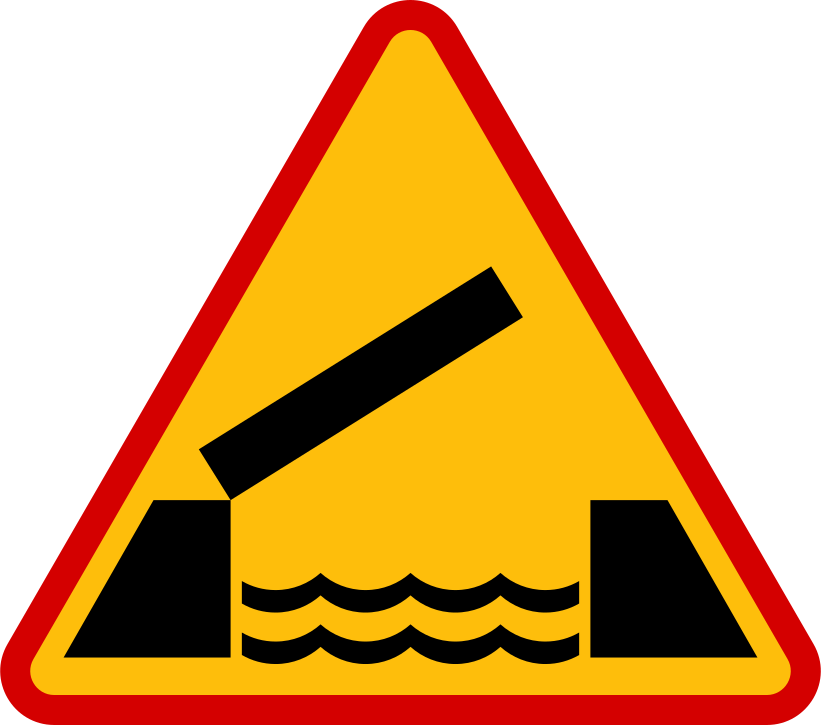
Prepare to stop for a Movable Bridge ahead!
Deepen your understanding of specific road signs by reviewing official Polish traffic rules and associated real-world driving scenarios. These expert-led resources help you bridge the gap between visual recognition and practical exam application.
Learn the critical distinctions between the Polish A-16 warning sign and the D-6 pedestrian crossing sign. This guide explains your legal responsibilities when approaching these areas, including the mandatory speed reduction and yielding requirements. Understand the significant penalties, such as hefty fines and accumulating penalty points, especially the 'recydywa' (repeat offender) system in Poland, which can lead to immediate license suspension.
Don't Be a Road Block: Master Minimum Speeds and Smooth Traffic Flow for Your Polish Exam!
Master Polish Crossing Markings for a Safer Drive and Exam Success.
Every vehicle registered in Poland must have valid third-party liability insurance (OC) at all times, regardless of whether the car is driven or parked in a private garage. This guide clarifies the automated enforcement process managed by the Insurance Guarantee Fund and the substantial financial risks associated with even a single-day lapse in coverage. By mastering these administrative requirements, you will be prepared to handle vehicle ownership duties confidently and avoid avoidable legal penalties.
The G-1c is the final marker post before the railway tracks, featuring a single diagonal red stripe. It is placed on the right side of the road at approximately 1/3 of the distance from the initial warning sign to the crossing. Passing this sign means you are usually within 50 to 80 meters of the tracks. At this stage, the driver should be at a slow, safe speed, ready to come to an absolute halt if required by lights, barriers, or a Stop sign.
The P-10 marking consists of thick white parallel stripes (zebra pattern). In Poland, drivers are required to yield to pedestrians who are already on the crossing AND to those who are clearly entering it. Drivers must approach at a speed that allows them to stop safely. Overtaking on or immediately before a pedestrian crossing is strictly prohibited and carries very heavy fines and penalty points.
After reviewing the full list of Polish road signs, explore specific sign categories for in-depth understanding. Challenge your knowledge with practice questions focused on sign recognition and interpretation to solidify your preparation for the driving theory exam.
Browse All Polish Road Signs