
The A-6a traffic sign confirms you are on the main road, and an intersection is ahead where vehicles approaching from both the left and right on subordinate roads must yield to you. While this sign grants you priority, it's crucial to remain vigilant for drivers who might not yield. This sign is often placed outside built-up areas to reinforce your right of way when proceeding straight through a junction.
This sign confirms you are on the priority road at an intersection with subordinate roads on both sides, crucial for Polish theory test revision. Mastering its interpretation ensures you recognise situations where other drivers must yield, aiding safe decision-making during your driving test.
The A-6a sign indicates that the driver is traveling on the main road (the thick vertical line) and will pass a junction with minor roads on both the left and right (the thin horizontal line). While you have the legal right of way, the sign serves as a warning to be alert for drivers on the side roads who might fail to see you or ignore their duty to yield.
You are on a priority road and will soon cross an intersection where vehicles from both sides must yield to you.
Get clear, practical answers to the most common questions about the A-6a - Intersection with Subordinate Roads (Both Sides) road sign. Learn how the sign works, what rules it represents, and how it affects real driving situations. This FAQ strengthens your understanding and supports accurate decision making for the Polish driving theory exam in Poland.
The A-6a sign's main purpose is to inform drivers that they are on a priority road and will soon encounter an intersection where traffic from intersecting minor roads must give way. It visually represents the main road (thick line) crossing subordinate roads (thin lines).
When you see the A-6a sign, you generally have the right of way. However, you should maintain a steady speed, stay alert, and be prepared for drivers on the subordinate roads who may not yield. Always check for emerging traffic from both sides before proceeding through the intersection.
A common exam trap is assuming absolute priority and not being attentive to side-road traffic. Learners might incorrectly believe they can accelerate or that other drivers will always see them. Remember, safe driving always requires vigilance, even when you have priority.
No, you should never overtake other vehicles at an intersection, even if you are on the priority road indicated by the A-6a sign. Overtaking in such areas is dangerous due to potential emerging traffic from the side roads, and it is also a prohibited action in Poland near junctions.
The A-6a specifically shows an intersection with subordinate roads on *both* sides. Other A-6 signs might indicate priority roads continuing in a specific direction (e.g., turning left or right) or subordinate roads only on one side. It's essential to read the specific sign and understand its layout.
While the A-6a sign indicates you are on a priority road, it is not a signal to increase your speed. You should maintain a safe and appropriate speed for the conditions and be ready to react to any unexpected movements from vehicles on the subordinate roads. Safety is paramount, even with priority.
A clear reference image of the A-6a - Intersection with Subordinate Roads (Both Sides) road sign used in Poland.
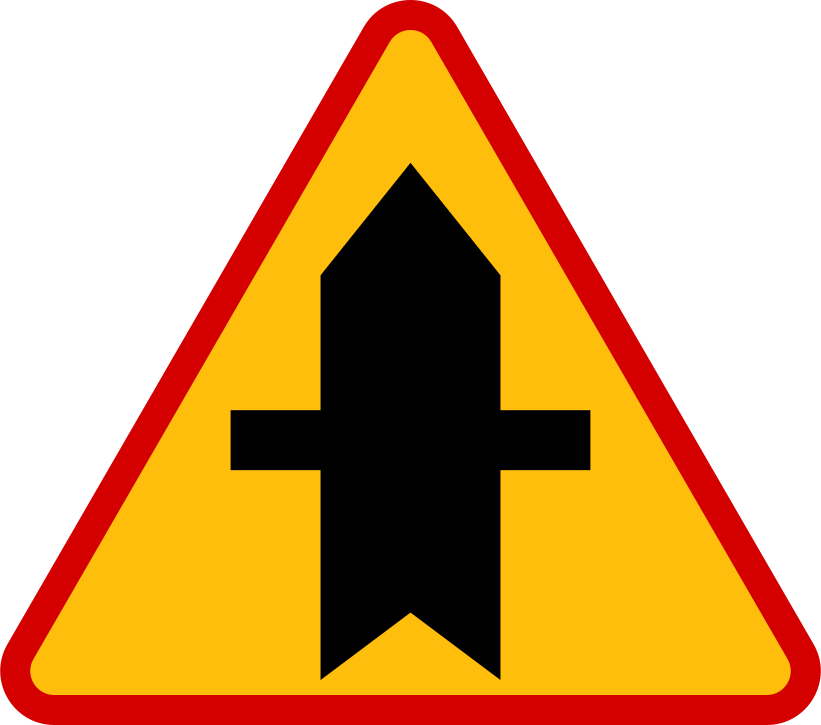
The A-6a - Intersection with Subordinate Roads (Both Sides) road sign may also be known by these alternative names or terms.
The A-6a - Intersection with Subordinate Roads (Both Sides) road sign is part of the Warning Signs (A) category, which groups together signs with similar rules and functions.
Comparing signs like the 'A-6a Intersection with Subordinate Roads (Both Sides)' with others helps solidify recognition and reduce theory test errors. Master traffic sign comparison and improve your overall sign recognition for a smoother licence process.
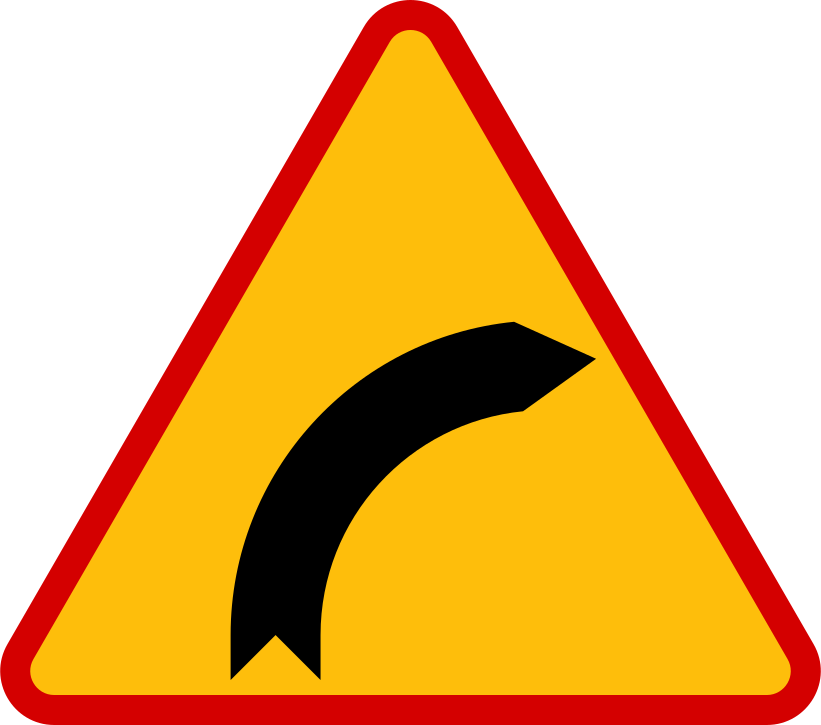
Watch Out for Dangerous Bends to the Right with the A-1 Sign
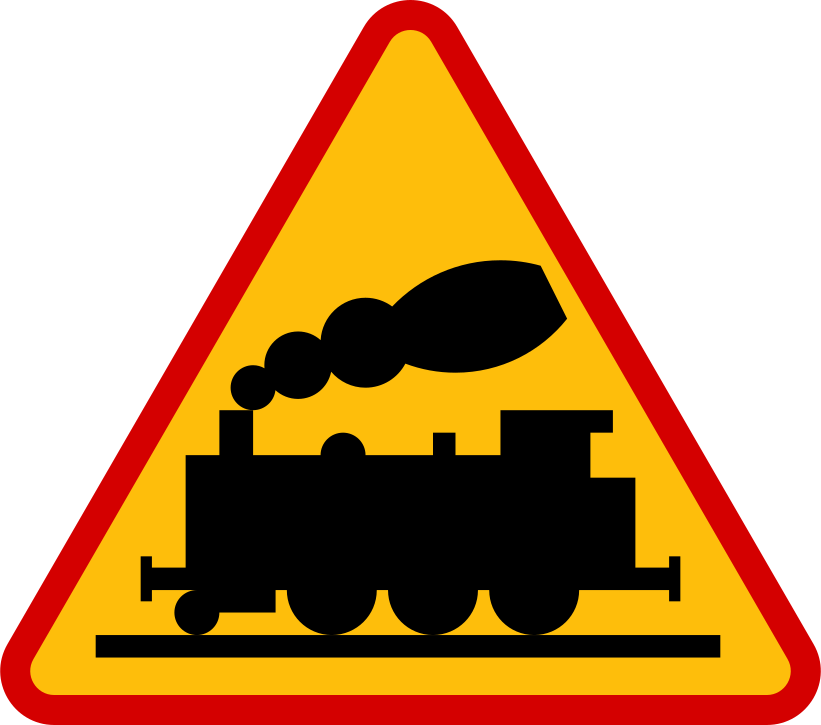
Beware of Ungated Railway Crossings with the A-10 Sign!
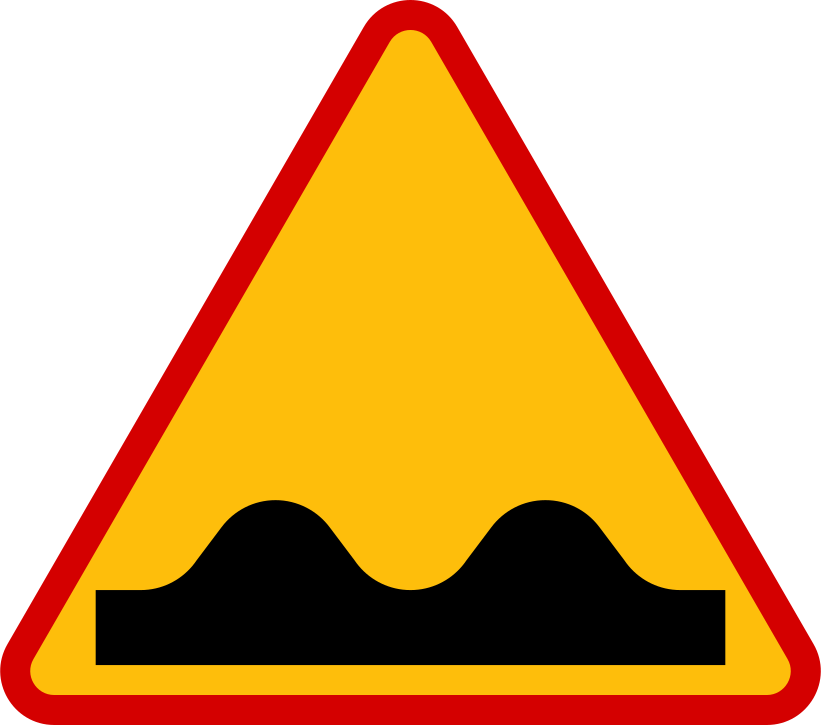
Warning: Prepare for an Uneven Road Surface Ahead!
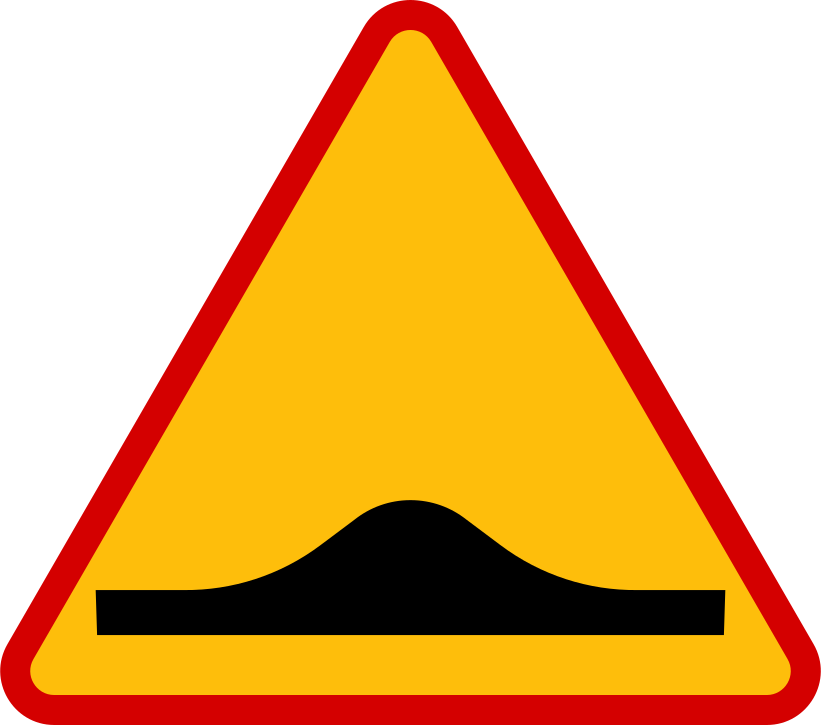
The A-11a Speed Bump sign warns you to significantly reduce your speed.
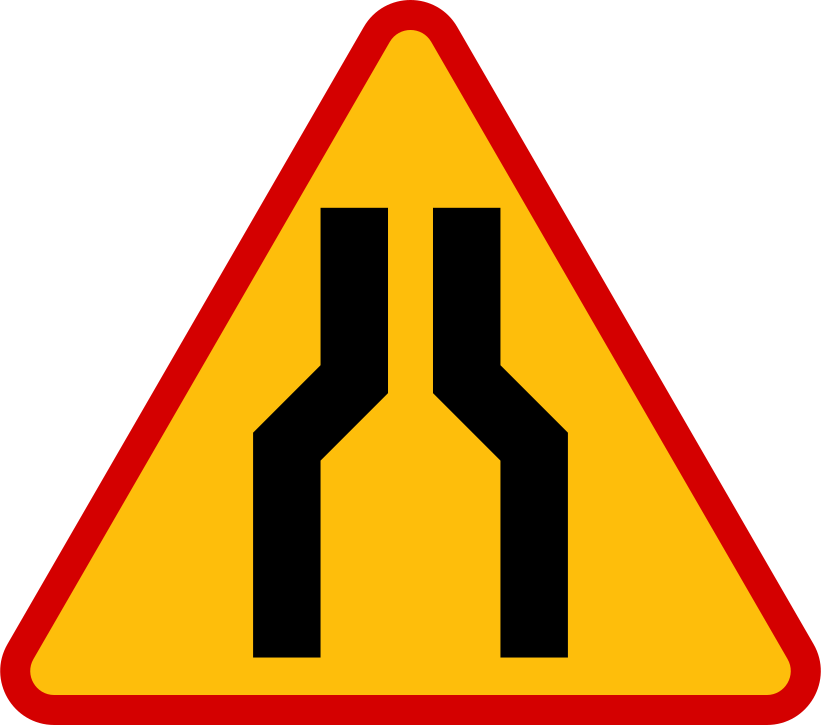
Prepare for Road Narrows on Both Sides with the A-12a Warning Sign
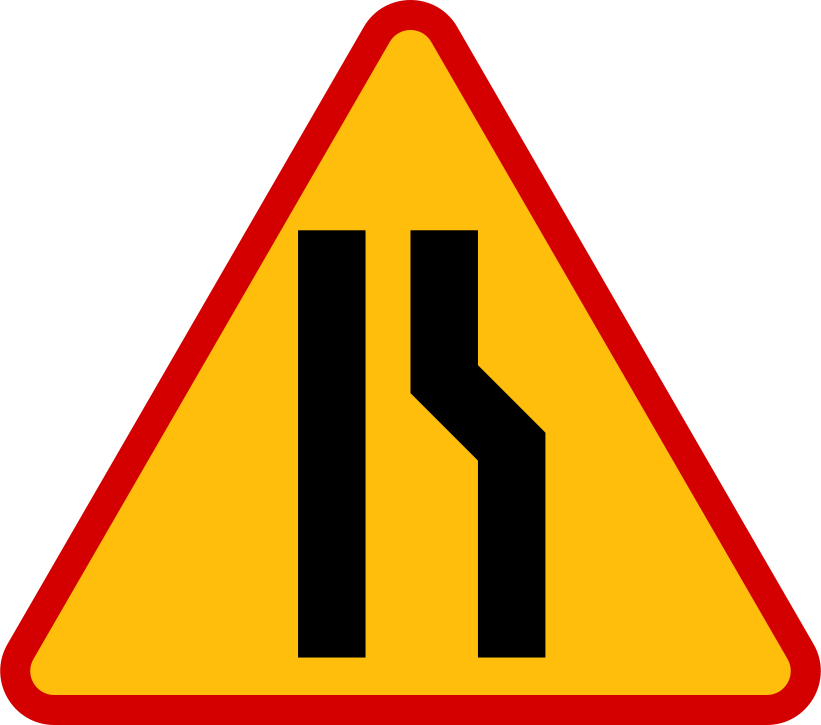
A-12b: Road Narrows Ahead on the Right – Prepare to Merge Left
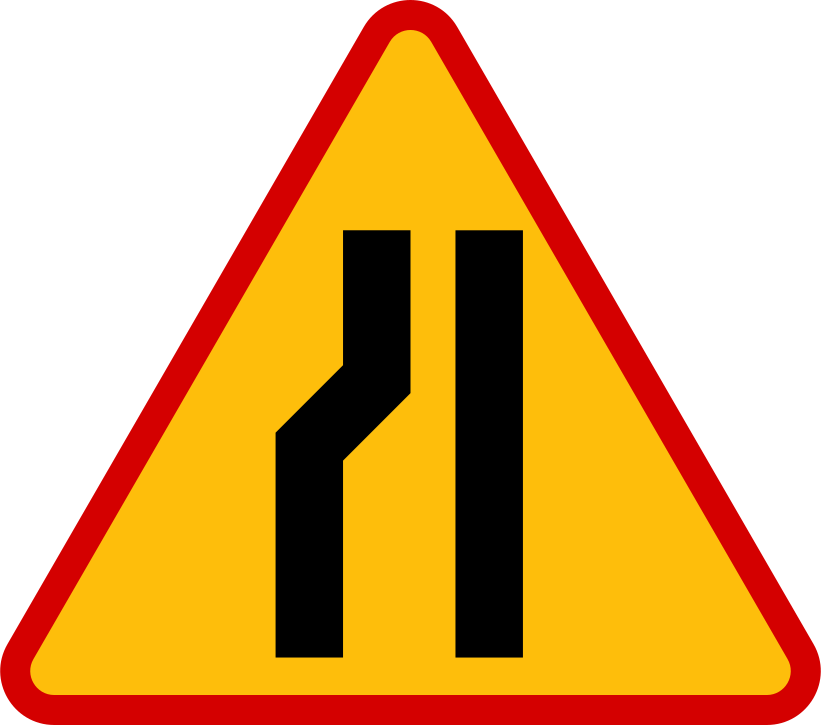
Warning: The Road Narrows Ahead on the Left!
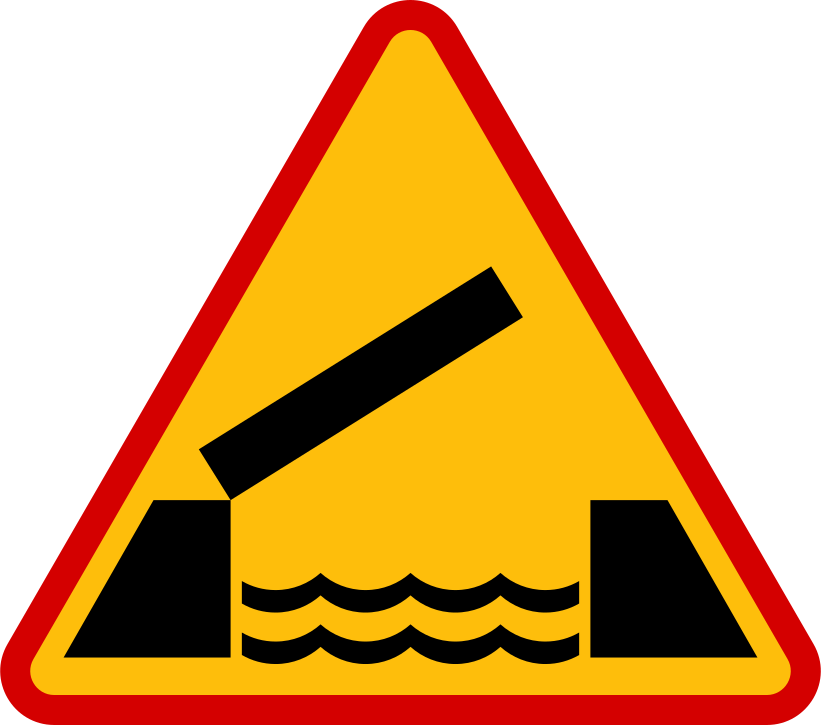
Prepare to stop for a Movable Bridge ahead!
Deepen your understanding of specific road signs by reviewing official Polish traffic rules and associated real-world driving scenarios. These expert-led resources help you bridge the gap between visual recognition and practical exam application.
When selling a car in Poland, you have specific legal duties regarding insurance and registration that must be met promptly. This article clarifies these seller obligations, including the crucial 14-day window to inform your insurer and the 30-day deadline to notify the relevant communication department, ensuring a smooth and compliant transfer of ownership for both parties.
Don't Be a Road Block: Master Minimum Speeds and Smooth Traffic Flow for Your Polish Exam!
Learning how to interact with law enforcement is a crucial part of your driver training in Poland, as it helps you understand the legal procedures governing roadside controls. This guide clarifies how officers identify themselves, what behaviors are expected of you as a driver, and how traffic enforcement impacts your penalty points and record. Mastery of these rules ensures you remain compliant with the law and prepared for any roadside situation you may encounter.
Master Your Rights and Obligations During a Polish Roadside Inspection
The D-6b sign combines the functions of the D-6 and D-6a signs. It is used in locations where a sidewalk and a bicycle path run parallel and cross the road at the same point. The sign displays both the pedestrian and the bicycle silhouettes within the white triangle on a blue background. Drivers are obligated to treat this crossing with extreme care, yielding to both people on foot and those on bikes. The same rules regarding overtaking and parking apply here as with standard crossings.
The A-17 sign indicates locations where children between the ages of 7 and 15 are likely to be present. Unlike adults, children can be unpredictable and may suddenly run into the street without looking. This sign is a signal to slow down significantly and be extra alert. It is common near primary schools, daycare centers, and organized sports fields.
After reviewing the full list of Polish road signs, explore specific sign categories for in-depth understanding. Challenge your knowledge with practice questions focused on sign recognition and interpretation to solidify your preparation for the driving theory exam.
Browse All Polish Road Signs