
The A-18b 'Wild Animals' road sign is a warning sign indicating that wild animals, such as deer, boar, or elk, may suddenly cross the road in this area. It's commonly placed in forested regions or along known animal migration routes. Drivers should significantly reduce speed, especially during dawn and dusk, and be prepared for animals to appear unexpectedly. Always be vigilant for the 'glint' of eyes reflecting headlights and remember that if you see one animal, more may follow.
This essential warning sign alerts you to the potential for wild animals, such as deer or boar, to cross the road unexpectedly in this zone. Crucial for your theory test revision, mastering this sign's interpretation ensures you anticipate hazards and adapt your speed to avoid dangerous situations.
The A-18b sign is typically found in forested areas or near known wildlife migration corridors. Wild animals are most active during dawn and dusk, and they often travel in groups. If you see one animal cross the road, expect more to follow immediately behind it. Collisions with large wildlife are often fatal for the animal and highly dangerous for the driver.
Warning that wild animals like deer, boar, or elk may suddenly cross the road in this area.
Get clear, practical answers to the most common questions about the A-18b - Wild Animals road sign. Learn how the sign works, what rules it represents, and how it affects real driving situations. This FAQ strengthens your understanding and supports accurate decision making for the Polish driving theory exam in Poland.
The A-18b sign is a warning that you are entering an area where wild animals may cross the road unexpectedly. You should anticipate this hazard, reduce your speed, and be extra cautious, particularly in wooded areas, at dawn, and at dusk.
When you see the A-18b 'Wild Animals' sign, your primary action is to reduce your speed considerably. Scan the sides of the road and the tree line for any signs of animals, and be ready to brake suddenly. It's also advisable to avoid sudden swerving, as braking is generally a safer reaction to avoid collisions with animals or other hazards.
Yes, wild animals are most active and likely to cross roads during the twilight hours of dawn and dusk. You should also be particularly vigilant during the night. Many animals' eyes reflect headlights from a distance, which can be your first visual cue that an animal is present.
A crucial point for the theory test and safe driving is understanding that wild animals rarely travel alone. If you see one animal cross, you must assume that more may follow immediately behind it. Continue to drive with extreme caution until you are well clear of the area indicated by the sign.
Common mistakes include not reducing speed sufficiently, assuming the road is clear after seeing one animal, or reacting impulsively by swerving sharply. Always remember that controlled braking is safer than swerving, and anticipate that multiple animals might be present.
A clear reference image of the A-18b - Wild Animals road sign used in Poland.
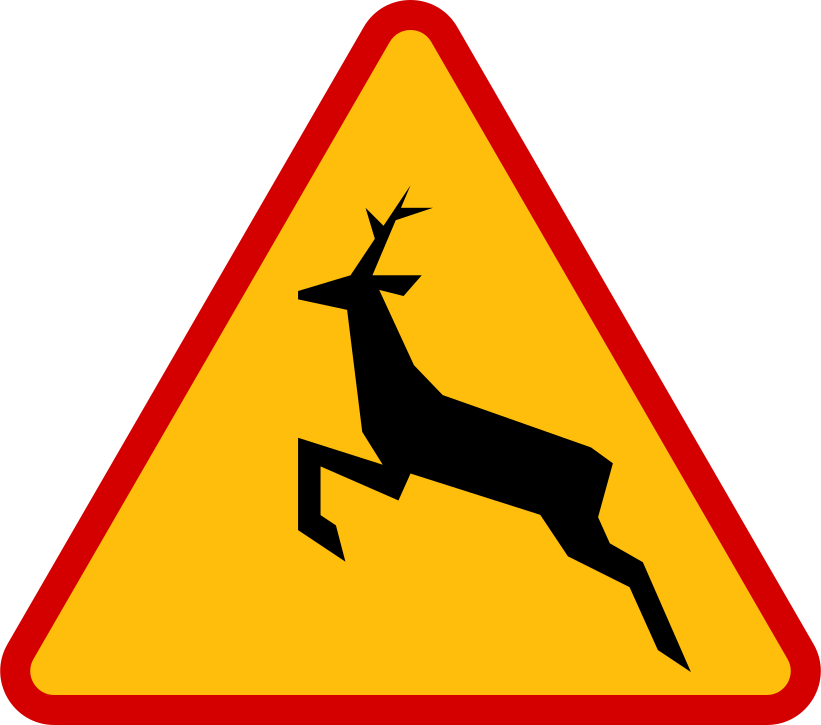
The A-18b - Wild Animals road sign may also be known by these alternative names or terms.
The A-18b - Wild Animals road sign is part of the Warning Signs (A) category, which groups together signs with similar rules and functions.
Reviewing similar road signs side-by-side helps cement your understanding and distinguish between critical differences. This focused traffic sign comparison is essential for accurate recognition during your theory test revision and builds confidence with Polish road signs.
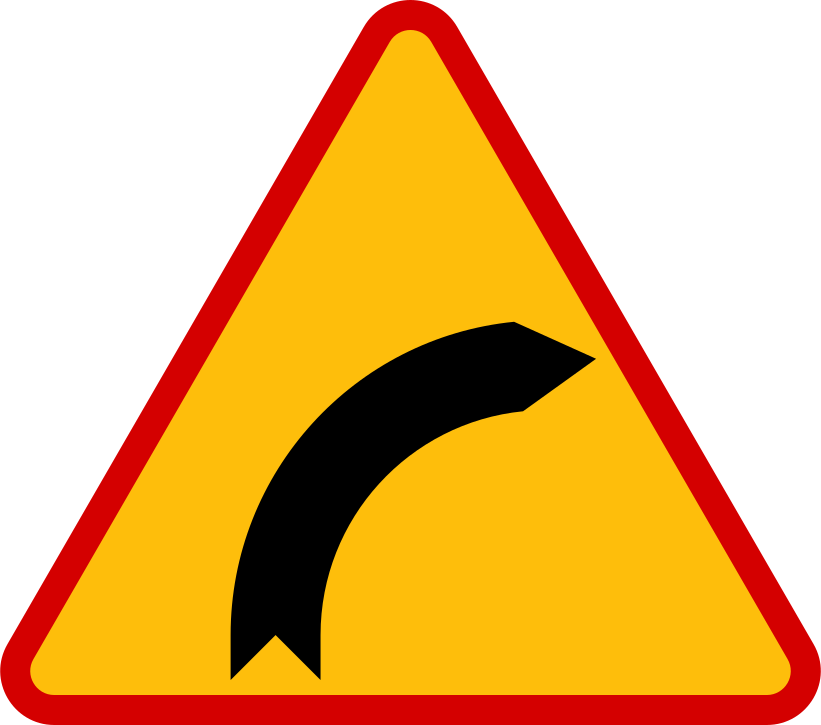
Watch Out for Dangerous Bends to the Right with the A-1 Sign
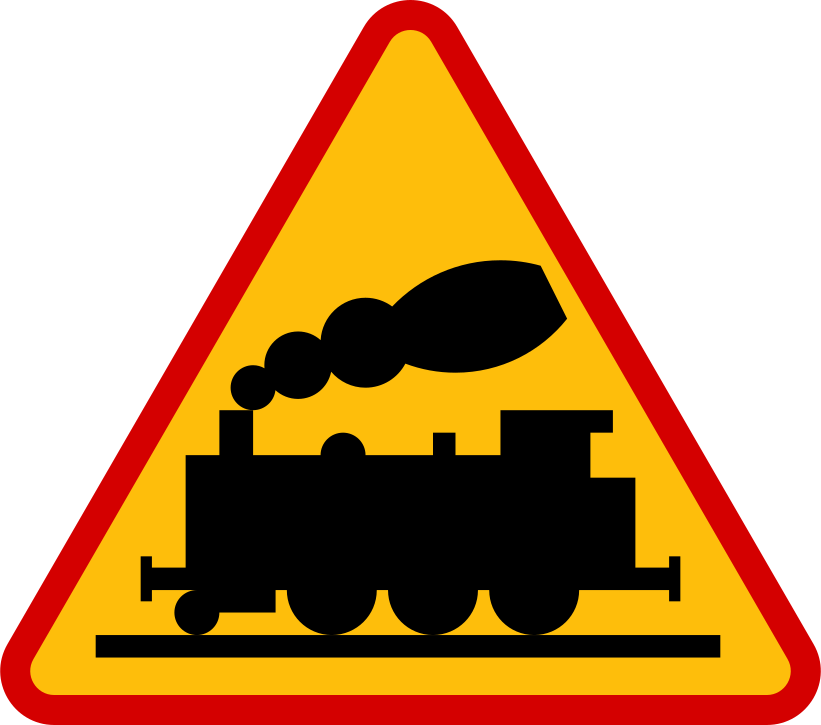
Beware of Ungated Railway Crossings with the A-10 Sign!
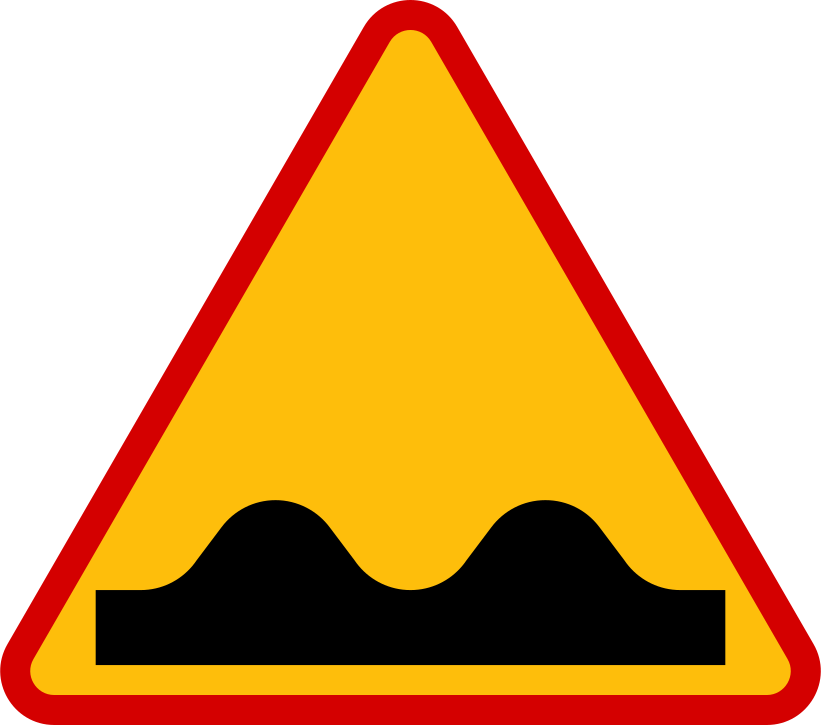
Warning: Prepare for an Uneven Road Surface Ahead!
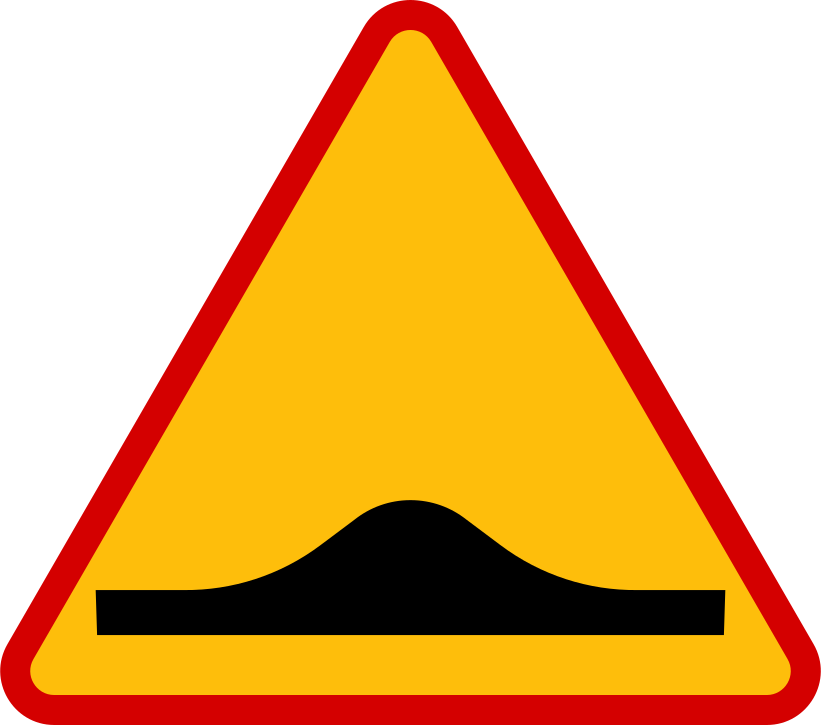
The A-11a Speed Bump sign warns you to significantly reduce your speed.
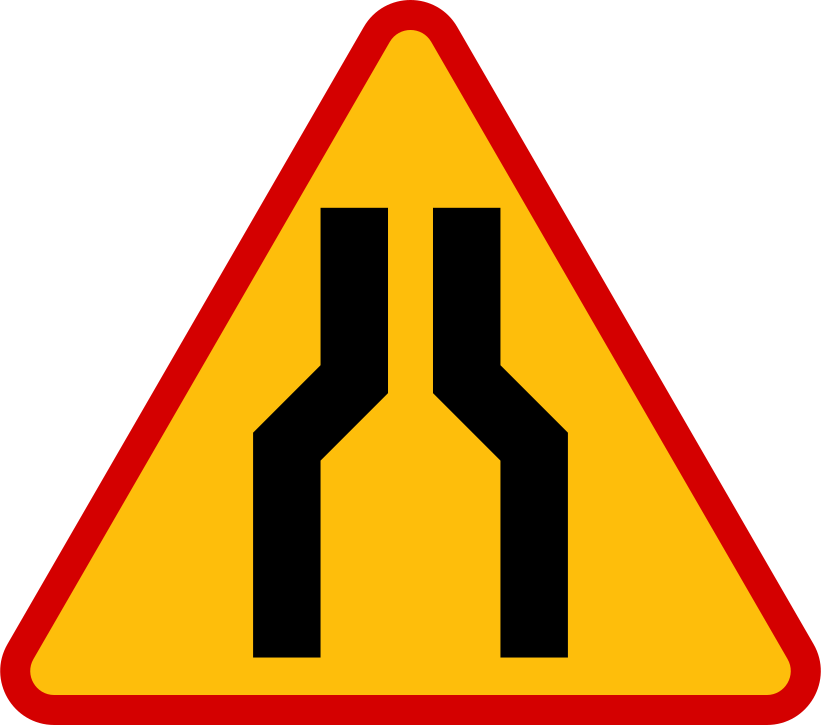
Prepare for Road Narrows on Both Sides with the A-12a Warning Sign
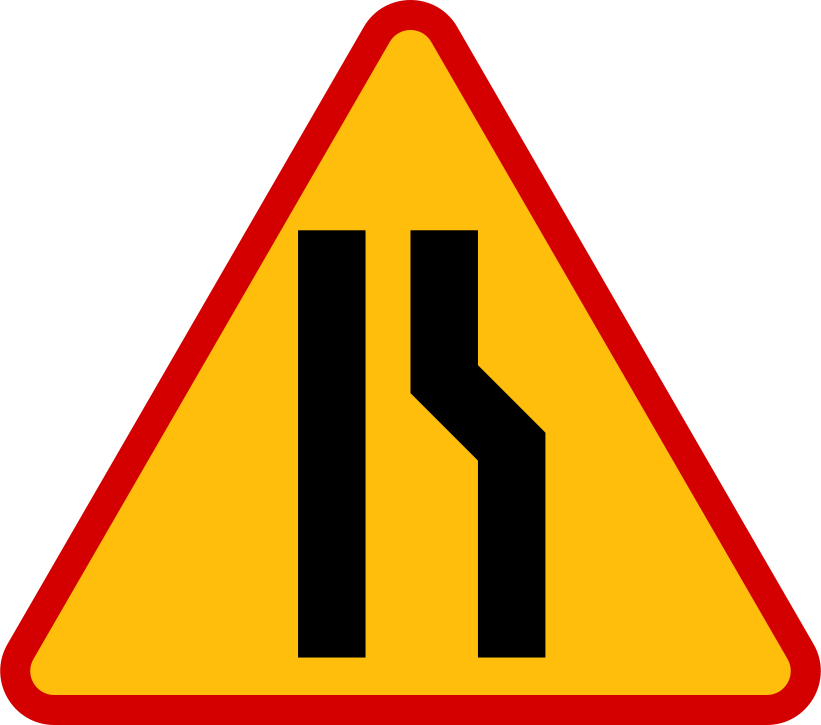
A-12b: Road Narrows Ahead on the Right – Prepare to Merge Left
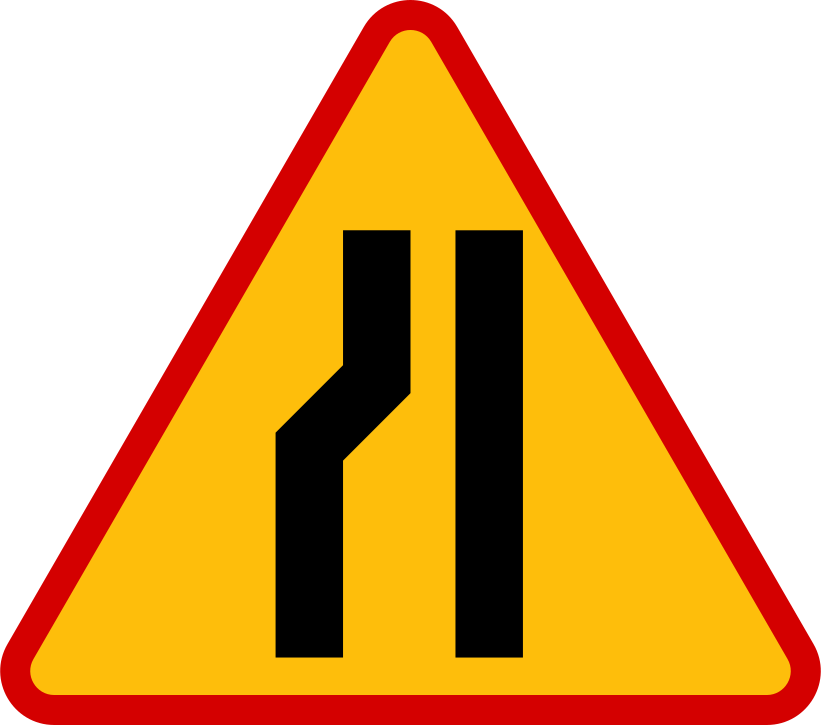
Warning: The Road Narrows Ahead on the Left!
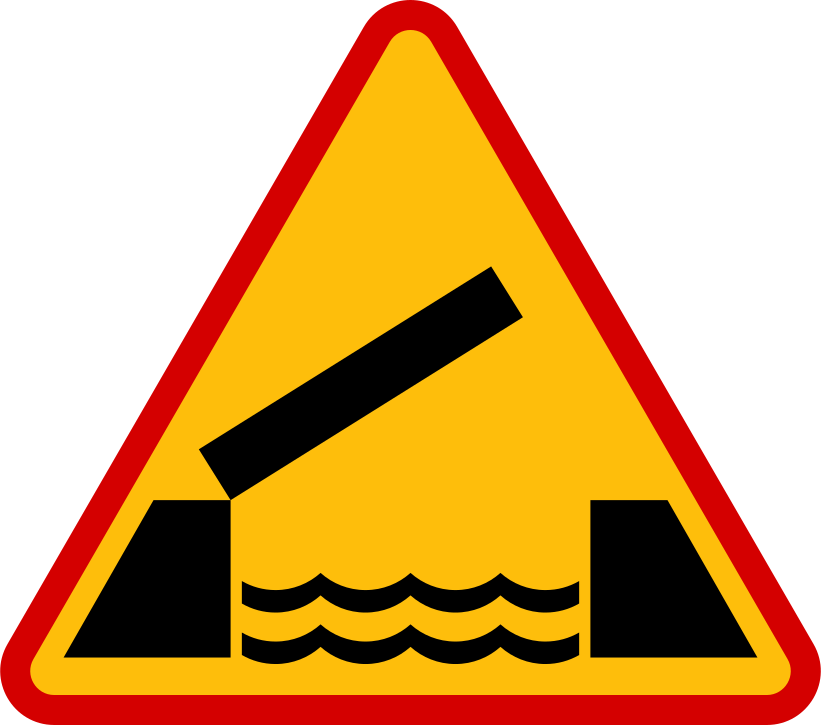
Prepare to stop for a Movable Bridge ahead!
Deepen your understanding of specific road signs by reviewing official Polish traffic rules and associated real-world driving scenarios. These expert-led resources help you bridge the gap between visual recognition and practical exam application.
Be Prepared for the Unexpected: Rural Roads and Farm Vehicles.
This article delves into the crucial meaning of the Polish D-42 'Obszar Zabudowany' (Built-up Area) sign, a key topic for your Polish driving theory exam. You will learn why this sign automatically enforces a 50 km/h speed limit and the severe penalties, including fines up to 5,000 PLN and potential license revocation, for violations. Understanding and respecting the D-42 sign is essential for safe driving and passing your theory test.
Master Roadworks: Prioritize Temporary Markings for a Safer Drive and Exam Pass.
Learning how to interact with law enforcement is a crucial part of your driver training in Poland, as it helps you understand the legal procedures governing roadside controls. This guide clarifies how officers identify themselves, what behaviors are expected of you as a driver, and how traffic enforcement impacts your penalty points and record. Mastery of these rules ensures you remain compliant with the law and prepared for any roadside situation you may encounter.
The A-18a sign is placed in agricultural areas where animals are regularly moved between pastures or to and from farms. Large animals can cause immense damage to a vehicle and serious injury to occupants in a collision. They can also be easily spooked by loud noises. If you see animals on the road, you should slow down to a crawl or stop until they have passed.
The D-43 sign is the city skyline with a red diagonal line. It signals that you are entering a rural environment. For most vehicles, the speed limit increases to 90 km/h (for single carriageways). However, you should still be cautious of farm vehicles, wild animals, and hidden driveways that are common in rural Poland. This sign also marks where you can once again use your horn for purposes other than immediate danger, such as before overtaking in low visibility.
After reviewing the full list of Polish road signs, explore specific sign categories for in-depth understanding. Challenge your knowledge with practice questions focused on sign recognition and interpretation to solidify your preparation for the driving theory exam.
Browse All Polish Road Signs