
The A-6c road sign warns you that a subordinate road is entering from the left. Although you are on the priority road and have the right of way, you must remain vigilant. This sign is crucial for safe driving as it alerts you to potential conflicts with vehicles emerging from the side road, especially on faster routes where reactions are more critical. Always be prepared to adjust your speed or take evasive action if necessary.
This essential warning sign (A-6c) alerts you to a minor road joining from the left, indicating you are on the priority route. Proper sign interpretation is crucial for safe navigation and passing your driving theory test.
The A-6c sign warns of a subordinate road entering from the left. Although you have the right of way, you should be cautious of vehicles turning left across your path or pulling out from the left. This is particularly important on rural roads where higher speeds mean less time to react to errors made by drivers on the subordinate road.
You are on the priority road and there is a minor side road joining from the left-hand side.
Get clear, practical answers to the most common questions about the A-6c - Intersection with Subordinate Road on the Left road sign. Learn how the sign works, what rules it represents, and how it affects real driving situations. This FAQ strengthens your understanding and supports accurate decision making for the Polish driving theory exam in Poland.
The A-6c sign indicates that you are on a priority road and a minor road joins from the left. While you generally have the right of way, you must be cautious of vehicles that may be entering the road from that side.
When you see the A-6c sign, you should reduce your speed slightly and scan the subordinate road on your left. Be alert for any signs of movement, such as headlights or tires, indicating a vehicle might pull out. Maintain your current speed if clear, but be ready to brake.
A common trap is assuming vehicles from the subordinate road will always yield. Learners might also be distracted by traffic on their right or underestimate the speed at which vehicles can emerge. Always prioritize checking the left side, as this is the indicated hazard.
You should not overtake on the left when approaching or near the A-6c junction, as a vehicle from the side road might turn into your path. It's also advisable not to speed up to 'beat' a vehicle that seems about to enter; safety is paramount.
No, you should not be distracted by scenery on the right. The primary hazard indicated by the A-6c sign is the potential for vehicles entering from the subordinate road on your left. Maintaining full attention to the road ahead and to your left is essential.
Ensuring your headlights are on, especially in low-visibility conditions, makes your vehicle more conspicuous to drivers on the subordinate road. This increases the chances they will see you approaching and yield the right of way correctly, enhancing overall safety at the intersection.
A clear reference image of the A-6c - Intersection with Subordinate Road on the Left road sign used in Poland.
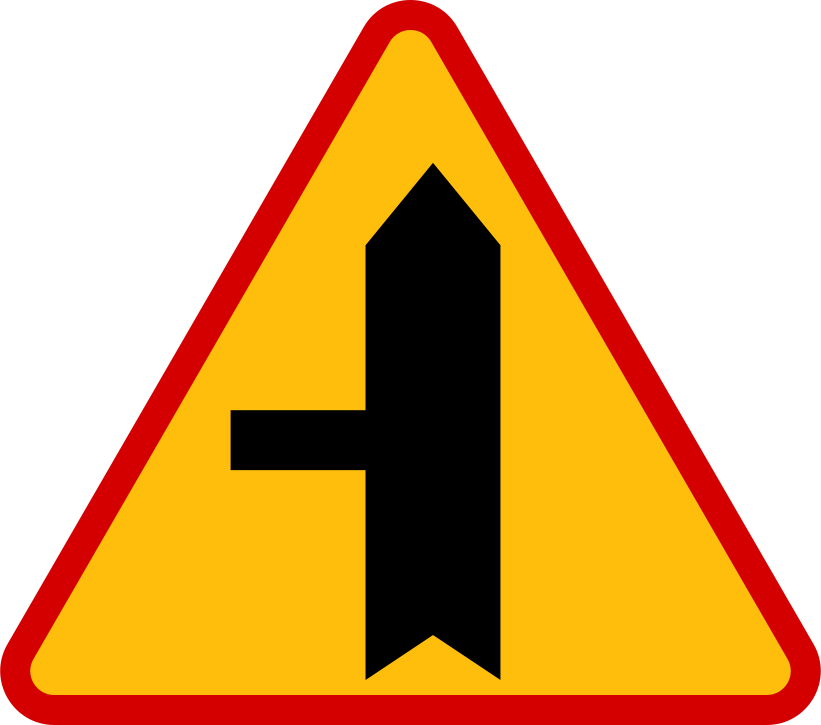
The A-6c - Intersection with Subordinate Road on the Left road sign may also be known by these alternative names or terms.
The A-6c - Intersection with Subordinate Road on the Left road sign is part of the Warning Signs (A) category, which groups together signs with similar rules and functions.
Comparing signs like 'Intersection with Subordinate Road on the Left' with others helps solidify your understanding and recognition for the theory test. This focused comparison aids in mastering tricky traffic sign comparisons and sign recognition, crucial for your driving theory revision.
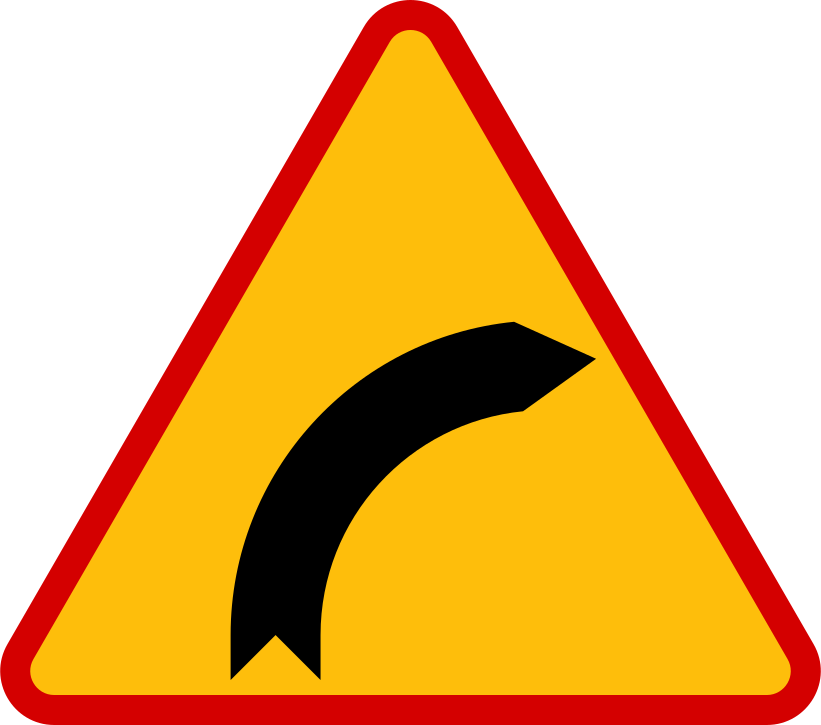
Watch Out for Dangerous Bends to the Right with the A-1 Sign
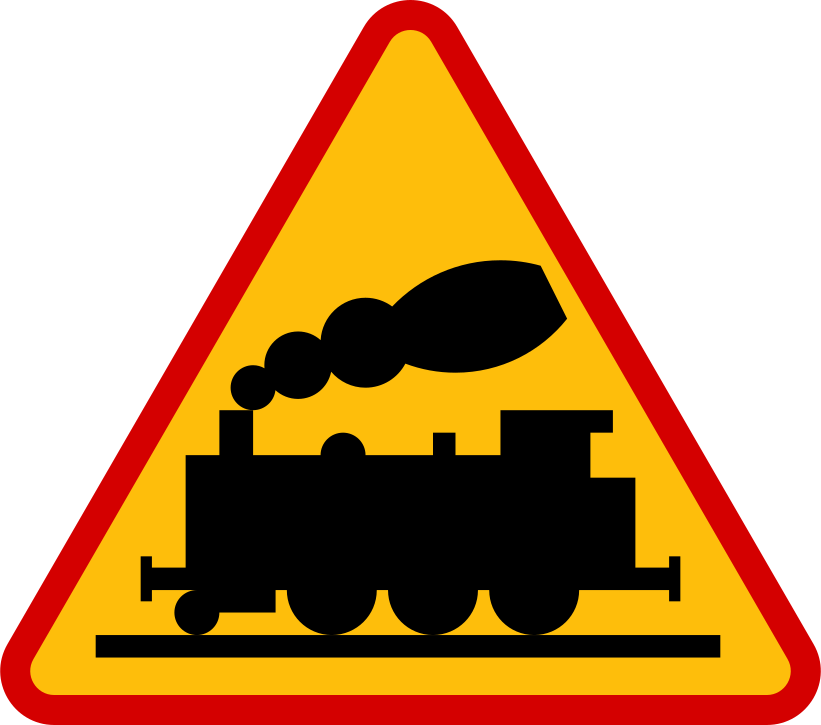
Beware of Ungated Railway Crossings with the A-10 Sign!
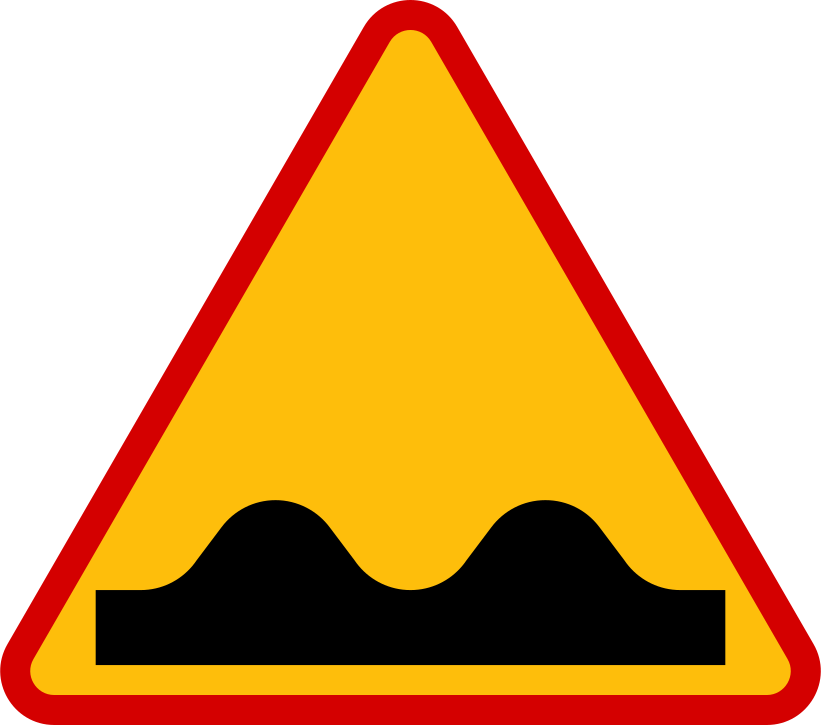
Warning: Prepare for an Uneven Road Surface Ahead!
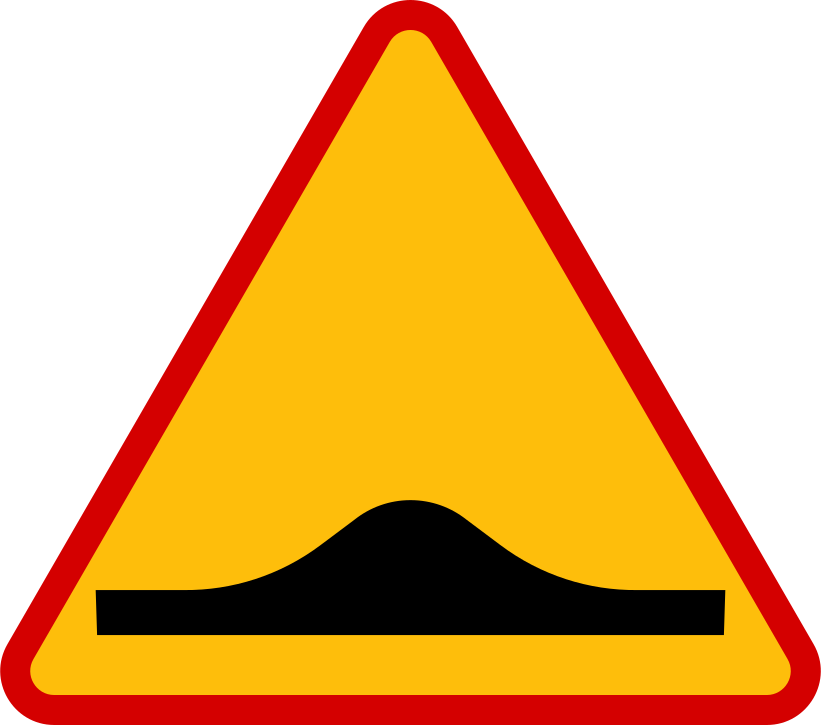
The A-11a Speed Bump sign warns you to significantly reduce your speed.
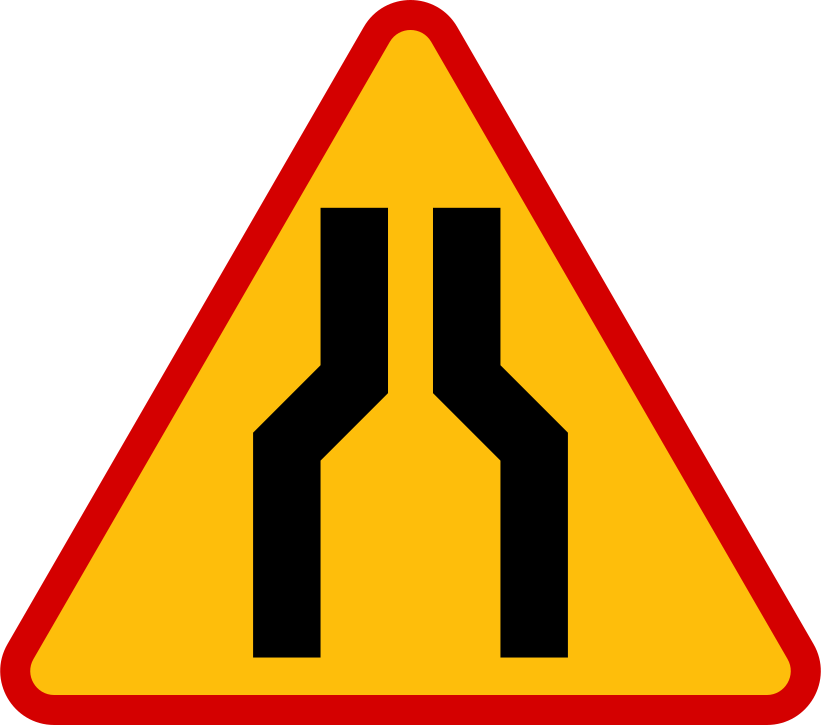
Prepare for Road Narrows on Both Sides with the A-12a Warning Sign
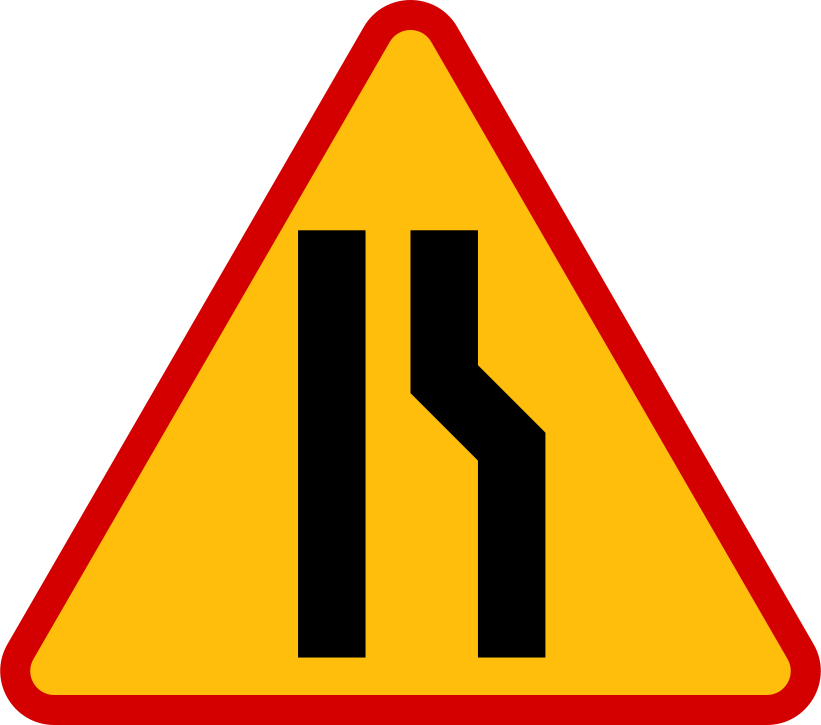
A-12b: Road Narrows Ahead on the Right – Prepare to Merge Left
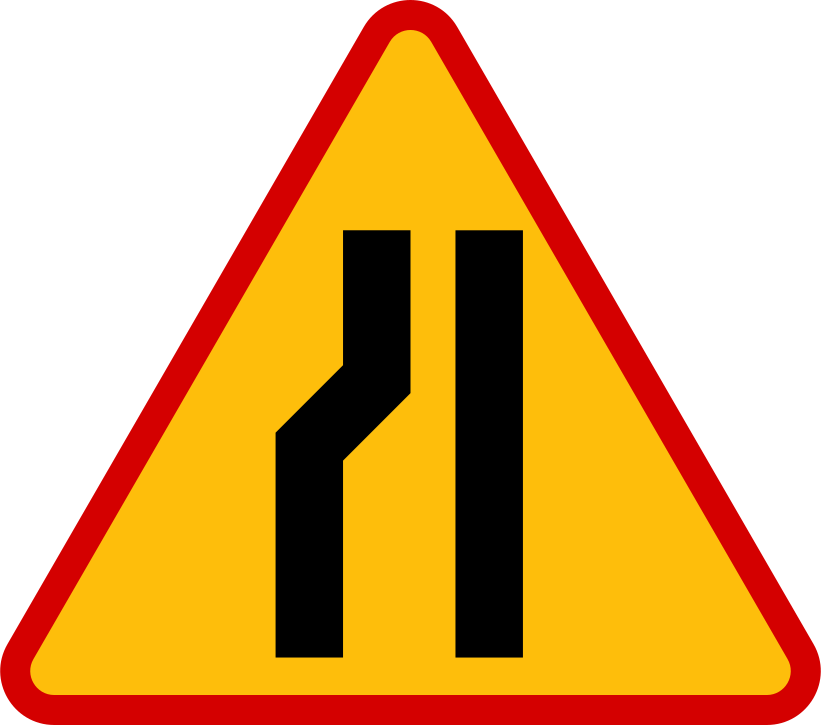
Warning: The Road Narrows Ahead on the Left!
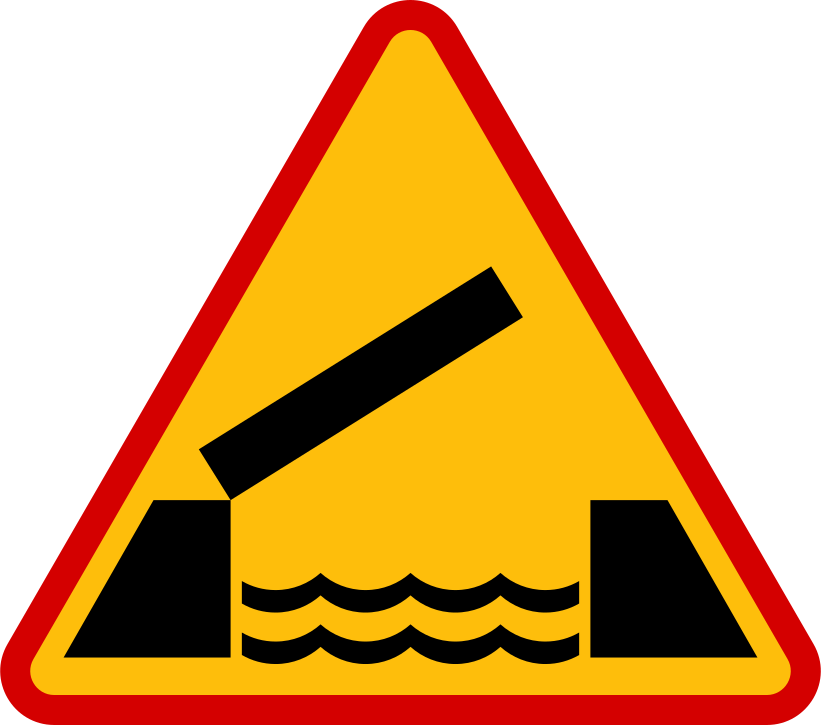
Prepare to stop for a Movable Bridge ahead!
Deepen your understanding of specific road signs by reviewing official Polish traffic rules and associated real-world driving scenarios. These expert-led resources help you bridge the gap between visual recognition and practical exam application.
Even a Second Can Be Fatal: Understand Microsleep to Drive Safely in Poland.
Learning how speed affects physical stopping distances and casualty rates is essential for every driver. This guide breaks down why lower speeds in built-up areas are mandated by law and how you can apply these safety principles to your daily driving and your theory examination performance.
Don't Be a Road Block: Master Minimum Speeds and Smooth Traffic Flow for Your Polish Exam!
The A-30 sign serves as a vital warning for drivers to prepare for unexpected hazards that fall outside standard category signs. This guide clarifies how the sign is paired with supplementary plates to indicate risks like blind or deaf pedestrians, and outlines the mandatory safety behaviors required by Polish traffic law. You will learn the legal expectations for driver conduct to ensure you are fully prepared for hazard perception questions in your theory exam.
The D-17 sign marks a tram stop. It features a black tram silhouette on a blue and white background. Trams often stop in the middle of the road, meaning passengers must cross the car lane to reach the sidewalk. In such cases, drivers are legally required to stop and allow passengers safe passage between the tram and the curb. Even if the tram is not at the stop, drivers should be alert for people waiting near the tracks.
Known in Poland as 'Agatka', this plate features a silhouette of a girl holding a lollipop sign. It is placed under D-6 or D-6b signs. It informs drivers that they are in a school zone where children aged 7 to 15 are likely to be crossing. Children often have less road awareness and might run into the street. This sign mandates extreme caution, a reduction in speed, and a high level of preparedness to stop.
After reviewing the full list of Polish road signs, explore specific sign categories for in-depth understanding. Challenge your knowledge with practice questions focused on sign recognition and interpretation to solidify your preparation for the driving theory exam.
Browse All Polish Road Signs