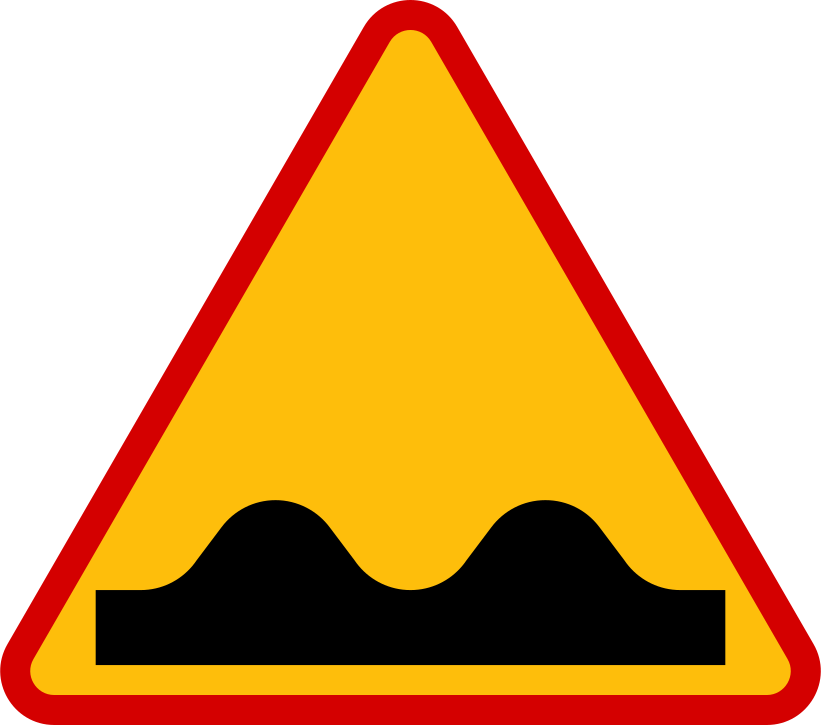
The A-11 Uneven Road sign alerts you to upcoming poor road conditions, such as bumps, dips, or general roughness. It's crucial to reduce your speed significantly and maintain a firm grip on the steering wheel to navigate safely and avoid losing control or damaging your vehicle. This warning sign is essential for ensuring a smooth and secure journey over potentially hazardous stretches of road.
This A-11 sign signals upcoming road surface irregularities that demand reduced speed and increased driver vigilance. Knowing this warning sign's meaning is crucial for safe Polish theory test revision and navigating real-world conditions.
The A-11 sign is used to alert drivers to transverse irregularities in the road surface that could be dangerous at high speeds. These bumps can cause a vehicle to lose traction, damage the suspension, or cause the driver to lose control of the steering. It is often found on older roads, areas prone to subsidence, or where temporary repairs are pending.
Warns of a stretch of road where the surface is bumpy, has dips, or is otherwise in poor condition.
Get clear, practical answers to the most common questions about the A-11 - Uneven Road road sign. Learn how the sign works, what rules it represents, and how it affects real driving situations. This FAQ strengthens your understanding and supports accurate decision making for the Polish driving theory exam in Poland.
The A-11 'Uneven Road' sign warns drivers that the road surface ahead is in poor condition, featuring bumps, dips, or irregularities. It signals that you should prepare for a potentially rough ride.
Upon seeing the A-11 sign, you must reduce your speed considerably. Keep both hands firmly on the steering wheel to maintain control and anticipate a bumpy ride. Avoid sudden steering movements or braking, as these can be more dangerous on uneven surfaces.
No, the A-11 'Uneven Road' sign is different from a dedicated speed bump sign (like A-11a). While both indicate changes in road surface, A-11 warns of natural or unrepaired irregularities, whereas A-11a specifically indicates a deliberate speed bump for traffic calming.
A common trap is confusing the 'Uneven Road' sign with signs for deliberate speed bumps. Learners might also forget to adjust their speed sufficiently or maintain proper steering control, leading to exam errors. Always remember A-11 requires a general reduction in speed due to unpredictable surface issues.
When the A-11 'Uneven Road' sign is displayed, it's wise to keep a greater distance from the vehicle in front. They might suddenly brake to avoid a particularly bad pothole, or their vehicle might sway significantly over bumps, potentially obstructing your view or path.
A clear reference image of the A-11 - Uneven Road road sign used in Poland.
The A-11 - Uneven Road road sign may also be known by these alternative names or terms.
The A-11 - Uneven Road road sign is part of the Warning Signs (A) category, which groups together signs with similar rules and functions.
Reviewing related road signs helps solidify your understanding and reduces confusion during the theory test. Comparing similar traffic signs side-by-side enhances sign recognition and is key for effective theory test revision.
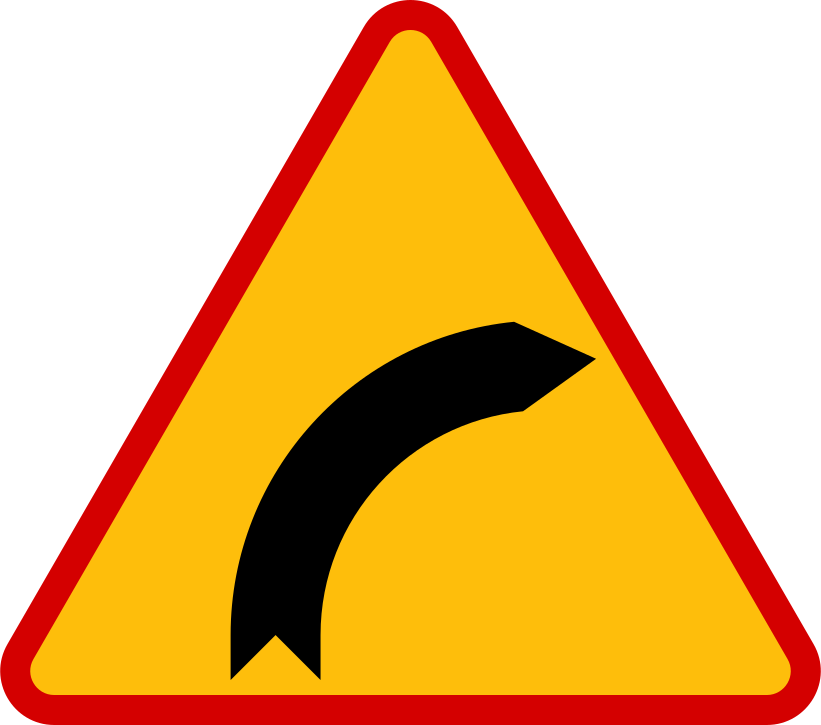
Watch Out for Dangerous Bends to the Right with the A-1 Sign
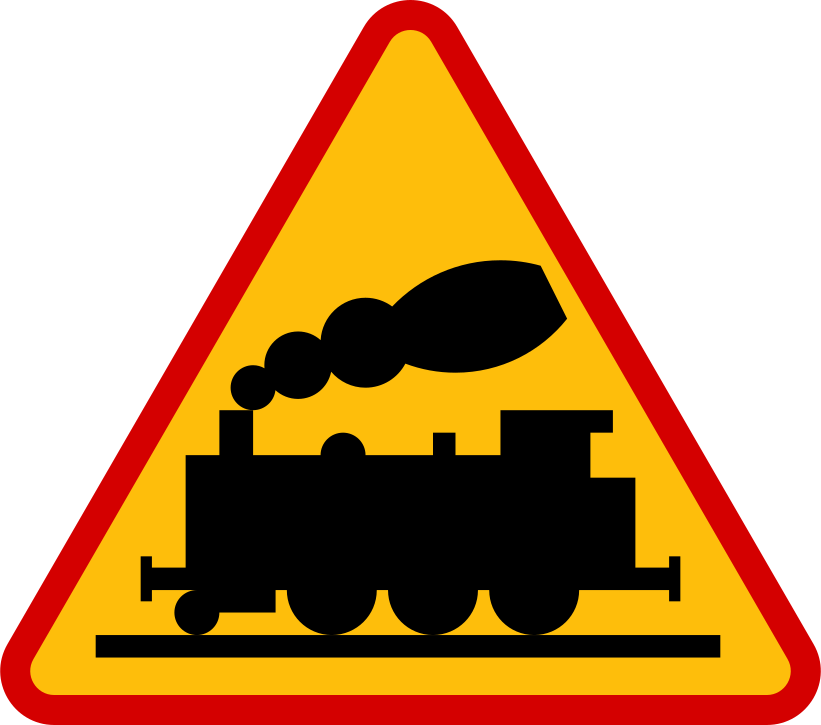
Beware of Ungated Railway Crossings with the A-10 Sign!
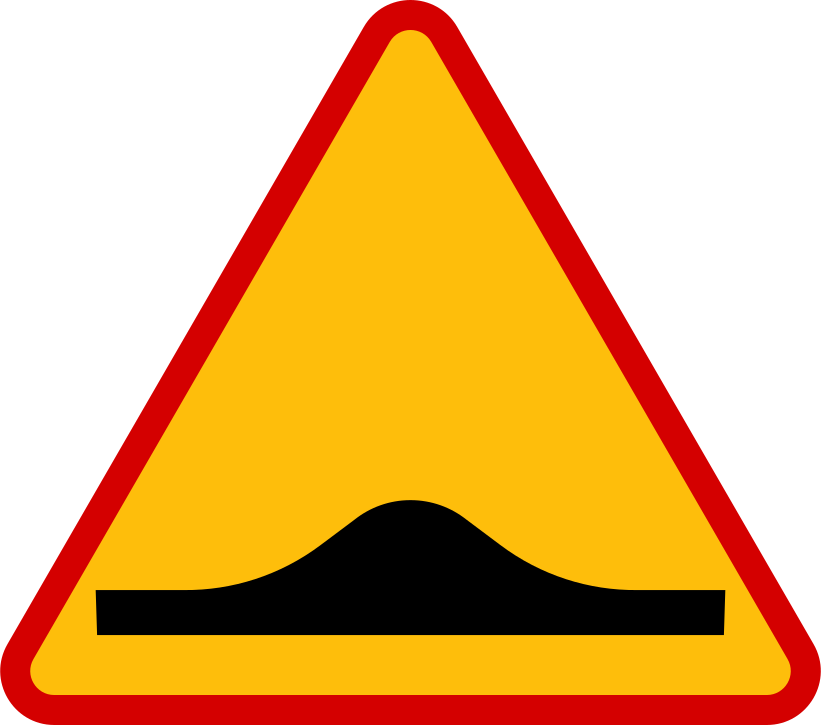
The A-11a Speed Bump sign warns you to significantly reduce your speed.
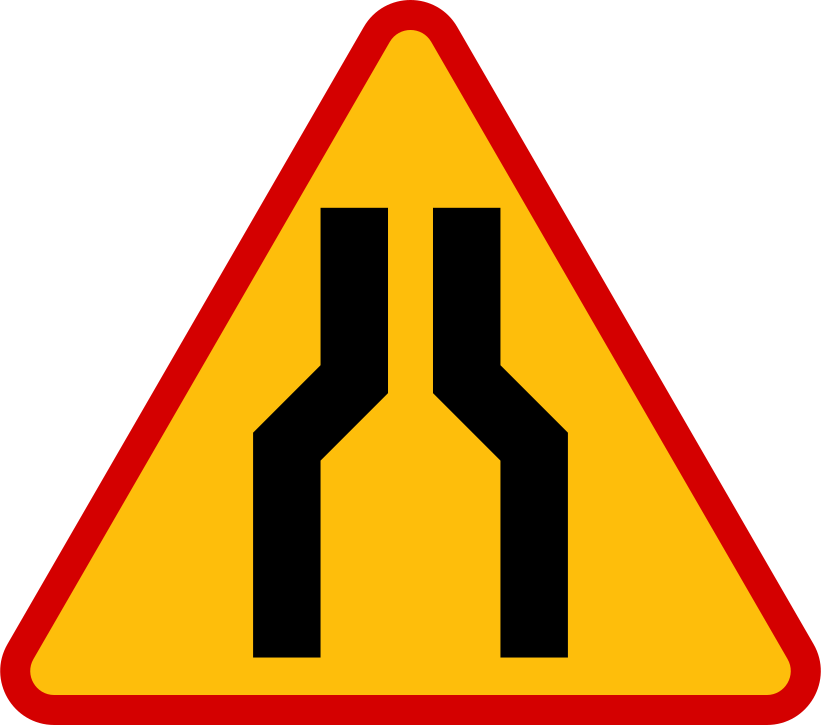
Prepare for Road Narrows on Both Sides with the A-12a Warning Sign
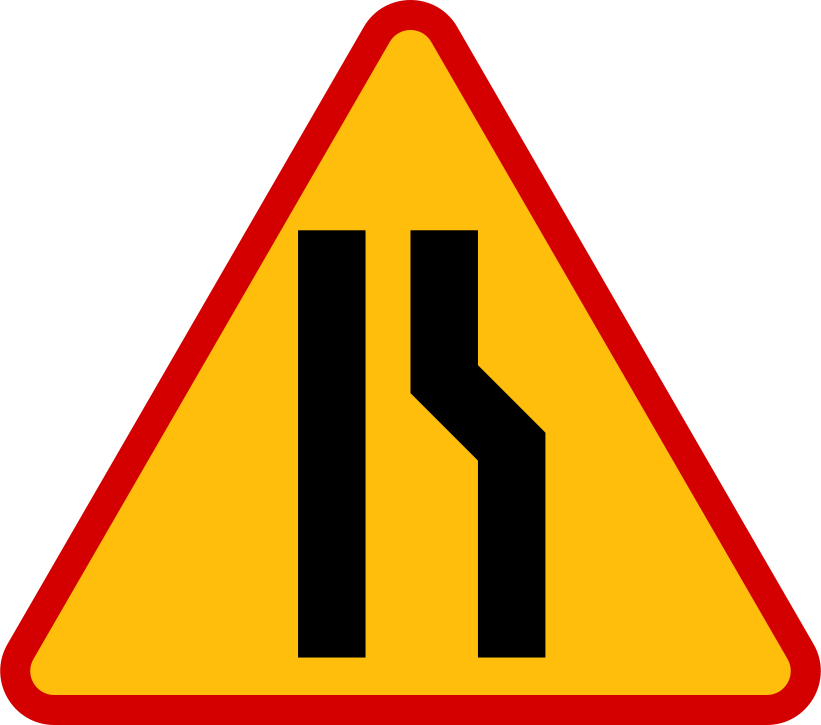
A-12b: Road Narrows Ahead on the Right – Prepare to Merge Left
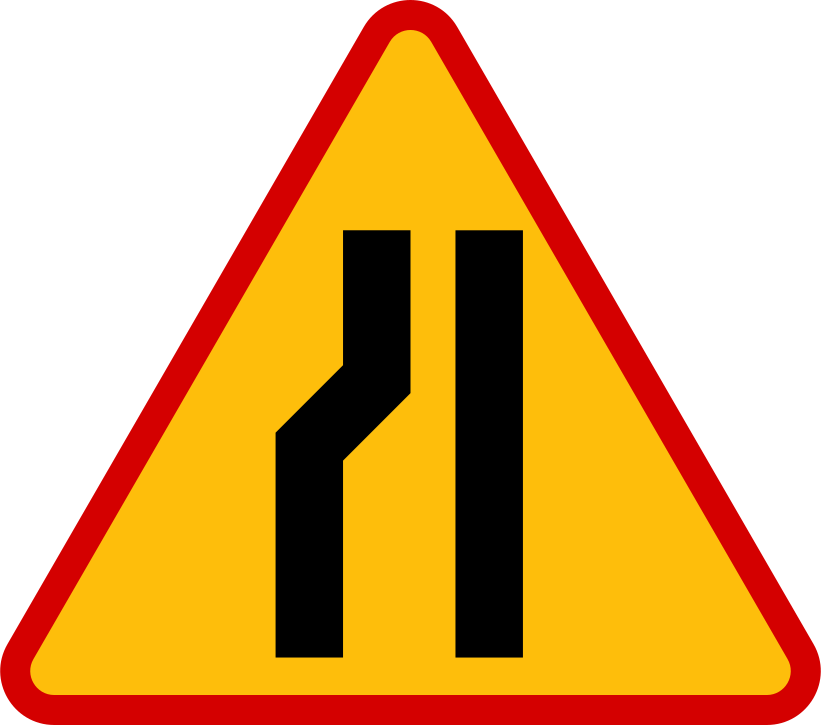
Warning: The Road Narrows Ahead on the Left!

Prepare to stop for a Movable Bridge ahead!
Deepen your understanding of specific road signs by reviewing official Polish traffic rules and associated real-world driving scenarios. These expert-led resources help you bridge the gap between visual recognition and practical exam application.
Even a Second Can Be Fatal: Understand Microsleep to Drive Safely in Poland.
Navigating Polish roads requires a precise understanding of rules for overtaking slow-moving vehicles, especially on continuous solid lines. This article will detail when such maneuvers are legal, the legal obligations of tractor drivers, and the consequences of violations according to Polish traffic law. Mastering this topic is essential for safe driving and succeeding in your theory exam.
Don't Be a Road Block: Master Minimum Speeds and Smooth Traffic Flow for Your Polish Exam!
This article provides a comprehensive breakdown of vehicles and vehicle combinations permitted under the Polish Category T driving licence, directly referencing the "Prawo o ruchu drogowym". You will learn the exact definitions of agricultural tractors, slow-moving vehicles, and how trailers can be attached. Crucially, it addresses common confusions, distinguishing Category T from other vehicle categories to ensure you are fully prepared for your theory exam and safe driving practices.
The A-17 sign indicates locations where children between the ages of 7 and 15 are likely to be present. Unlike adults, children can be unpredictable and may suddenly run into the street without looking. This sign is a signal to slow down significantly and be extra alert. It is common near primary schools, daycare centers, and organized sports fields.
The A-25 sign is common in mountainous or hilly areas with rock cuttings. Rocks can fall due to erosion, rain, or freezing temperatures. The danger is twofold: being hit by a falling rock or colliding with one that is already on the road. Drivers should stay alert and avoid stopping in the 'danger zone' where the cliffs are closest to the road.
After reviewing the full list of Polish road signs, explore specific sign categories for in-depth understanding. Challenge your knowledge with practice questions focused on sign recognition and interpretation to solidify your preparation for the driving theory exam.
Browse All Polish Road Signs