
The A-5 road sign warns you about an upcoming intersection where all roads have equal priority. This means the 'right-hand rule' is in effect: you must give way to any vehicle approaching from your right. You'll often see this sign on rural roads or in built-up areas where the intersection might not be obvious, indicating that you must slow down and prepare to yield. Always be vigilant and check for traffic from your right before entering.
This section provides a clear explanation of the A-5 'Intersection of Equal Roads' warning sign, crucial for understanding the right-hand rule and ensuring correct priority at unmarked junctions. Essential for your Polish driving theory test revision, this sign interpretation will help you identify and navigate these intersections safely and confidently.
The A-5 sign is placed before intersections where traffic from the right always has the right of way. It is typically used when a previously 'priority road' ends or when the layout of the crossing is confusing and might lead drivers to believe they have priority when they do not. This sign is a critical reminder to slow down and prepare to yield to any vehicle approaching from your right side.
Warns of an upcoming intersection where no specific road has priority, meaning the 'right-hand rule' applies.
Get clear, practical answers to the most common questions about the A-5 - Intersection of Equal Roads road sign. Learn how the sign works, what rules it represents, and how it affects real driving situations. This FAQ strengthens your understanding and supports accurate decision making for the Polish driving theory exam in Poland.
The A-5 sign indicates an upcoming intersection where no road has priority. Therefore, drivers must adhere to the 'right-hand rule', meaning vehicles approaching from the right have priority. Always slow down and be prepared to yield.
The 'right-hand rule' dictates that if you reach an intersection at the same time as another vehicle, and that vehicle is coming from your right, you must let them pass first. This rule is mandatory at intersections marked with the A-5 sign.
You should be extra cautious when approaching intersections marked with the A-5 sign, especially in residential areas or on rural roads where drivers might not expect such a junction. Always be prepared to stop, as vehicles from the right have priority, even if they appear to be on a smaller road.
A common trap is assuming you have priority because your road seems 'straighter' or 'wider'. The A-5 sign explicitly overrides such assumptions; you must always yield to traffic from the right. Another trap is not slowing down sufficiently, which could lead to a dangerous situation or failure to yield when necessary.
You are prohibited from entering the intersection without first checking thoroughly for traffic from your right. It's also forbidden to assume you have priority based on road width or direction, and maintaining high speed is unsafe as you must be ready to stop.
You are allowed to proceed through the intersection only after ensuring that no vehicle from your right requires you to yield. You can also signal your intentions to other drivers. The main action is to yield to vehicles from the right and proceed when it is safe to do so.
A clear reference image of the A-5 - Intersection of Equal Roads road sign used in Poland.

The A-5 - Intersection of Equal Roads road sign may also be known by these alternative names or terms.
The A-5 - Intersection of Equal Roads road sign is part of the Warning Signs (A) category, which groups together signs with similar rules and functions.
Studying related road signs side-by-side aids in distinguishing subtle differences, enhancing sign recognition and reducing errors on your theory test revision. Master traffic sign comparison and improve your overall understanding of Polish road rules for a smoother licence process.
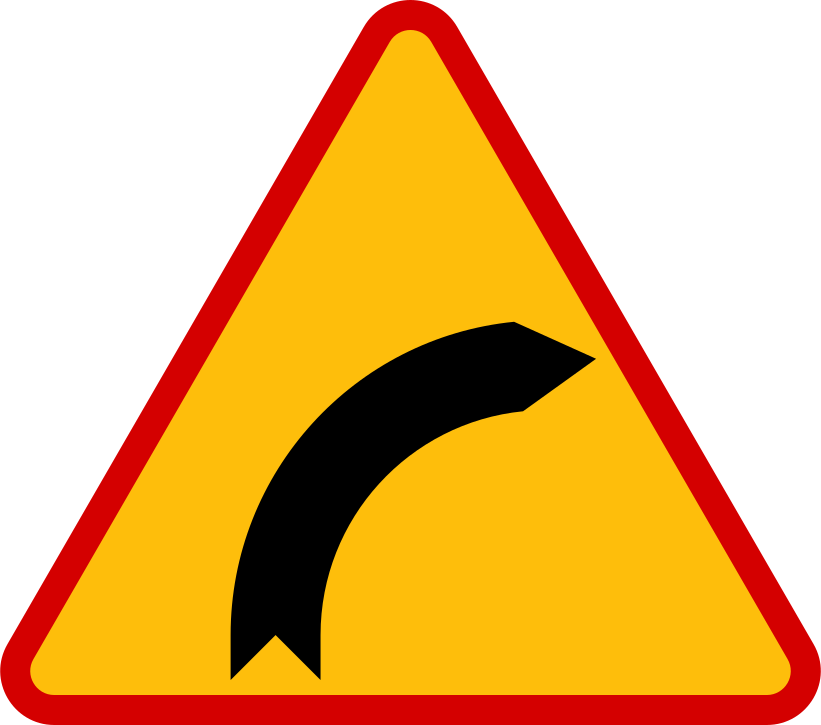
Watch Out for Dangerous Bends to the Right with the A-1 Sign
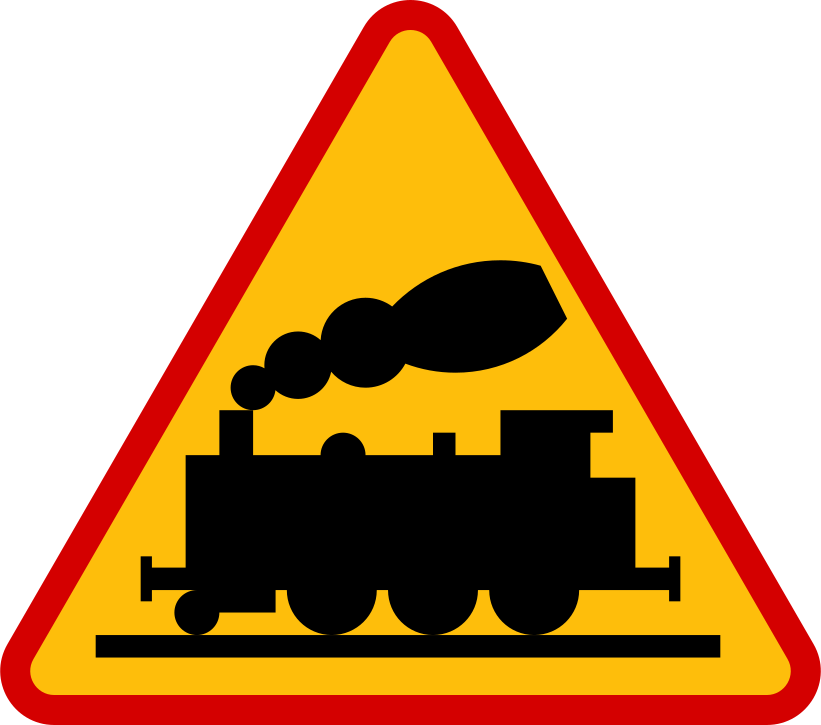
Beware of Ungated Railway Crossings with the A-10 Sign!
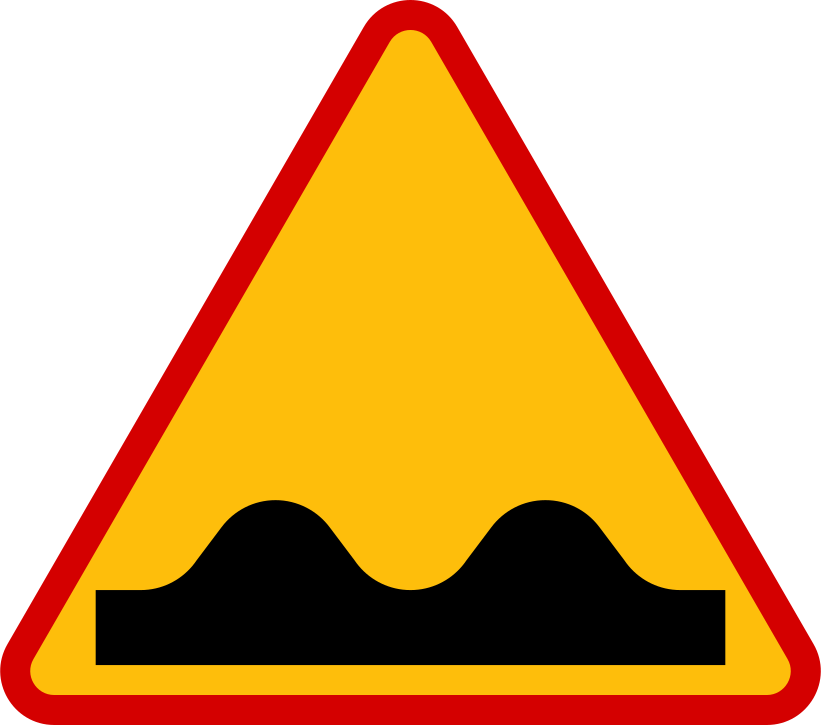
Warning: Prepare for an Uneven Road Surface Ahead!
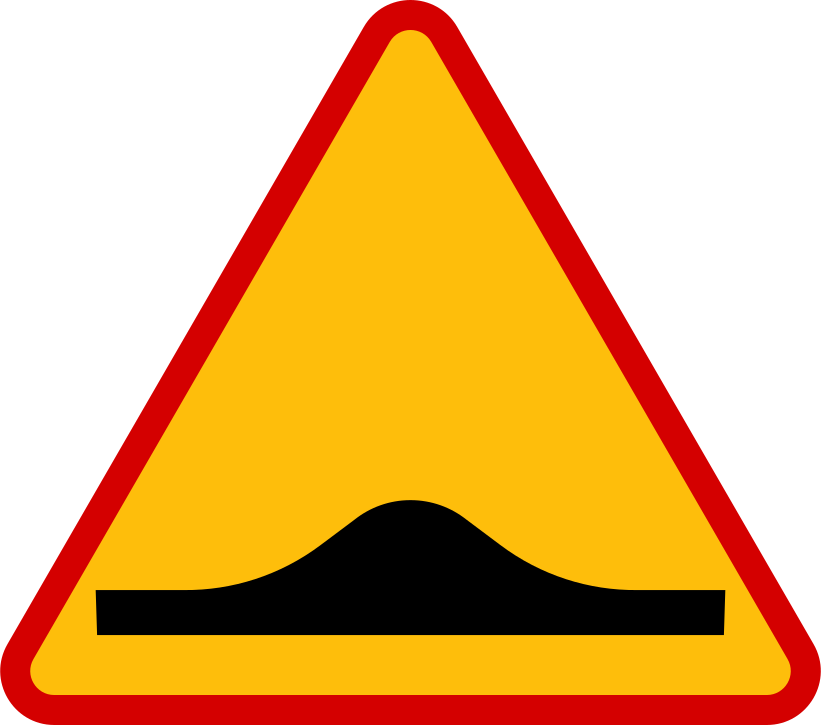
The A-11a Speed Bump sign warns you to significantly reduce your speed.
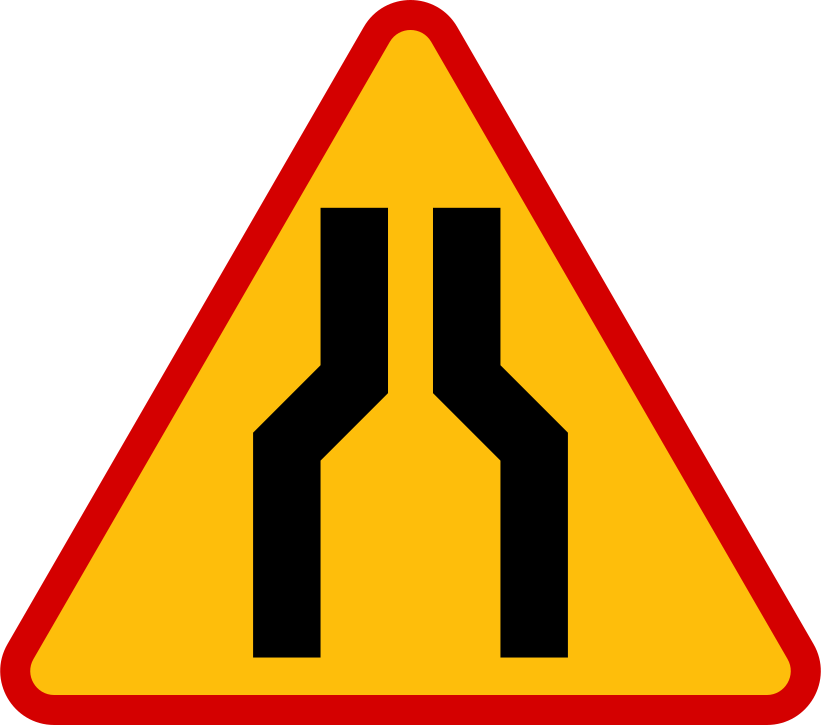
Prepare for Road Narrows on Both Sides with the A-12a Warning Sign
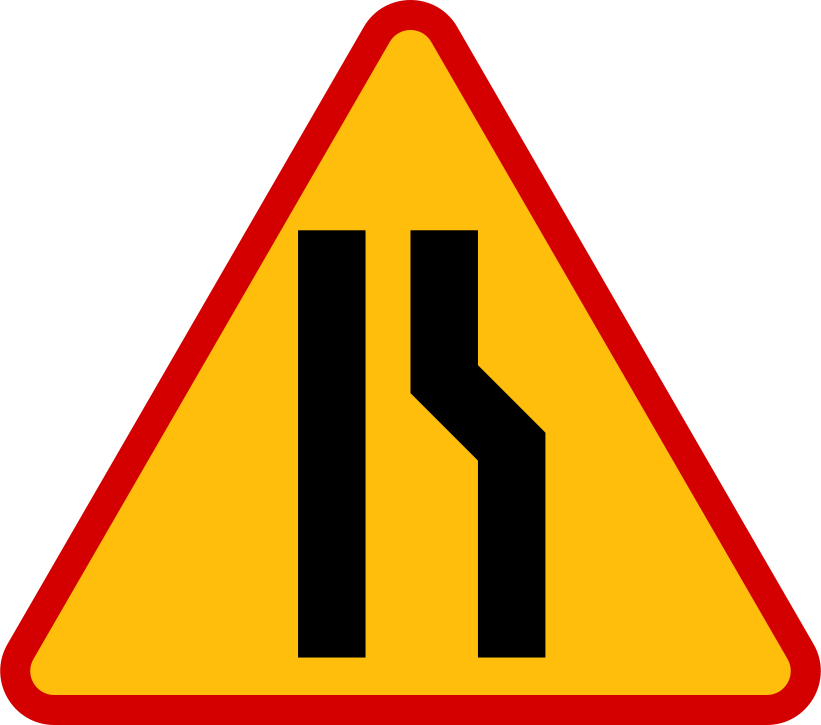
A-12b: Road Narrows Ahead on the Right – Prepare to Merge Left
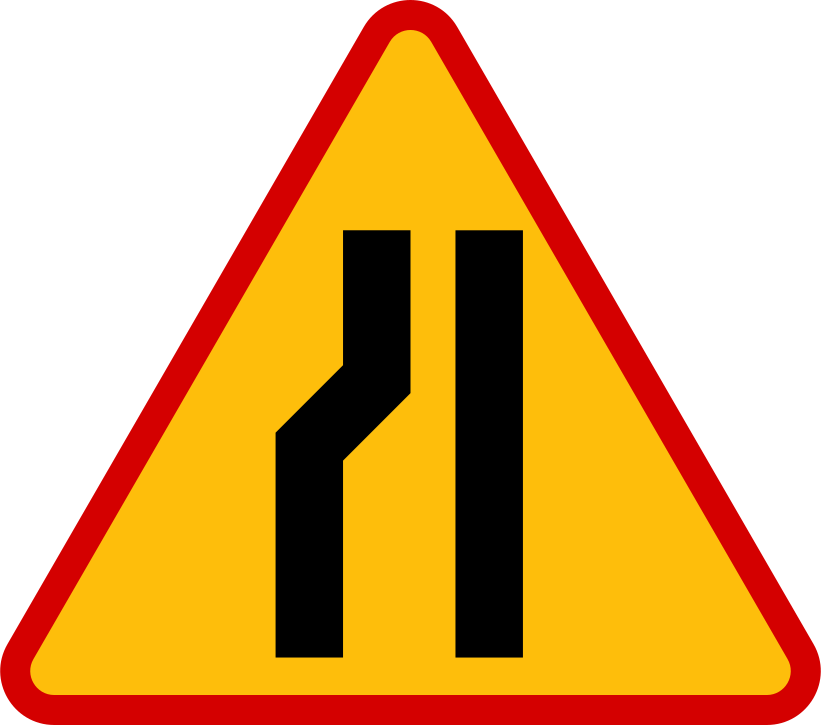
Warning: The Road Narrows Ahead on the Left!
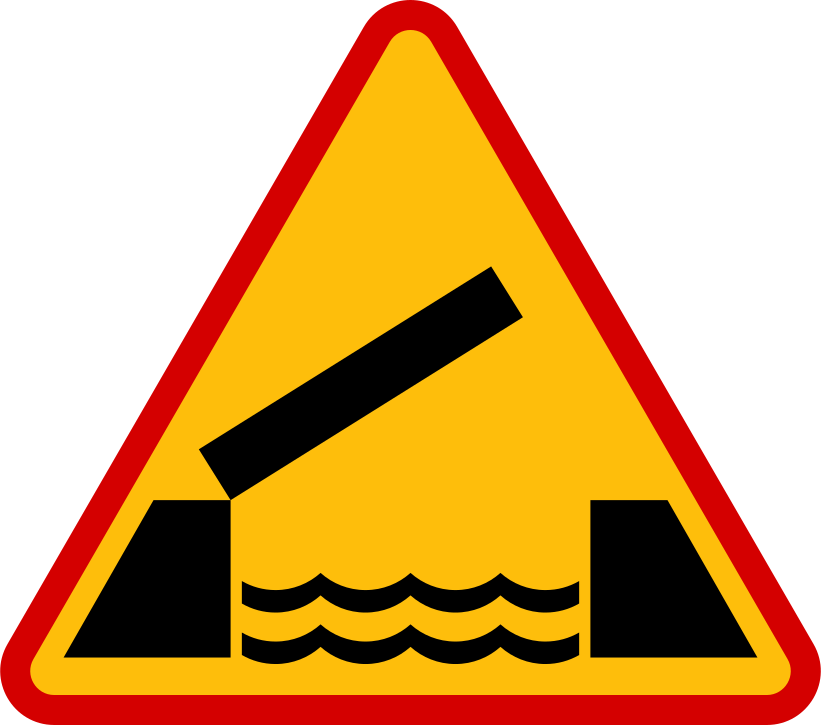
Prepare to stop for a Movable Bridge ahead!
Deepen your understanding of specific road signs by reviewing official Polish traffic rules and associated real-world driving scenarios. These expert-led resources help you bridge the gap between visual recognition and practical exam application.
The Polish driving theory exam tests your understanding of road rules, signs, and safe driving practices. Many candidates stumble on common errors related to priority situations, speed limits, and misinterpreting road signs. This guide focuses on these frequent pitfalls, explaining how to navigate them correctly to ensure success on your theory test and ultimately become a safer driver in Poland.
Learn the critical distinctions between the Polish A-16 warning sign and the D-6 pedestrian crossing sign. This guide explains your legal responsibilities when approaching these areas, including the mandatory speed reduction and yielding requirements. Understand the significant penalties, such as hefty fines and accumulating penalty points, especially the 'recydywa' (repeat offender) system in Poland, which can lead to immediate license suspension.
Know Your Obligations: What to Do After a Road Incident in Poland.
Master the Critical First Steps After a Road Accident
The D-2 sign officially cancels the priority status previously granted by the D-1 sign. It appears as the standard yellow diamond but is crossed out with a thick black diagonal line. This sign is usually placed before an intersection with another priority road, an equal-priority intersection (where the 'right-hand rule' applies), or a roundabout. It serves as a critical warning for drivers to transition from 'priority' mindset to 'yielding' mindset.
The G-3 sign consists of two crossed white boards with red borders. It is placed immediately before the tracks at a level crossing without barriers (Category D) or with automatic signals (Category C). It marks the legal point where a driver must stop when a train is approaching. If there is no Stop line (P-12), you must stop your vehicle no closer than 5 meters from the nearest rail, or directly before this sign.
After reviewing the full list of Polish road signs, explore specific sign categories for in-depth understanding. Challenge your knowledge with practice questions focused on sign recognition and interpretation to solidify your preparation for the driving theory exam.
Browse All Polish Road Signs