
You'll encounter the B-29 'No Use of Audible Warning Devices' sign, often placed outside built-up areas near sensitive locations like nature reserves, parks, or hospitals. Its purpose is to reduce noise pollution. While using your horn is generally prohibited in built-up areas in Poland, this sign specifically extends that ban to certain rural or semi-rural zones where honking might otherwise be unnecessary. You should only use your horn if it's the only way to prevent an immediate accident.
Master the 'No Use of Audible Warning Devices' (B-29) sign for your Polish theory test, crucial for understanding noise-sensitive zones. This traffic sign explanation clarifies when and why horns are restricted, aiding your exam preparation and safe driving knowledge.
The B-29 sign is used outside of built-up areas near nature reserves, parks, health resorts, or hospitals to minimize noise pollution. In Poland, using a horn in built-up areas is already prohibited by law (Article 29 of the Traffic Act), so this sign is specifically for rural or semi-rural locations where drivers might otherwise honk unnecessarily. You may only use the horn if it is the only way to avoid an accident.
Prohibits the use of the horn except in cases of immediate danger.
Get clear, practical answers to the most common questions about the B-29 - No Use of Audible Warning Devices road sign. Learn how the sign works, what rules it represents, and how it affects real driving situations. This FAQ strengthens your understanding and supports accurate decision making for the Polish driving theory exam in Poland.
The B-29 sign prohibits the use of your vehicle's horn except in situations where it's absolutely necessary to avoid an immediate danger or accident. This means no honking to greet friends, express frustration, or alert others to a green traffic light in these quiet zones.
You are permitted to use your horn only if it is the sole means of preventing a serious accident. For example, if another vehicle is drifting into your lane and a quick honk is the only way to alert the driver and avoid a collision.
B-29 signs are usually found in areas where noise needs to be minimised to protect the environment or people. This includes locations near nature reserves, national parks, health resorts, or hospitals, typically outside of built-up city centres.
The prohibition indicated by the B-29 sign remains in effect until you reach the next intersection or encounter a B-30 sign, which signifies the end of the prohibition. After passing either of these, normal horn usage rules (as applicable to the area you are driving in) apply again.
A common trap is assuming the ban on honking only applies within built-up areas. Remember, the B-29 sign extends this restriction to specific quieter zones outside built-up areas. Another mistake is not understanding what constitutes 'immediate danger' – casual honking is never allowed under this sign.
A clear reference image of the B-29 - No Use of Audible Warning Devices road sign used in Poland.
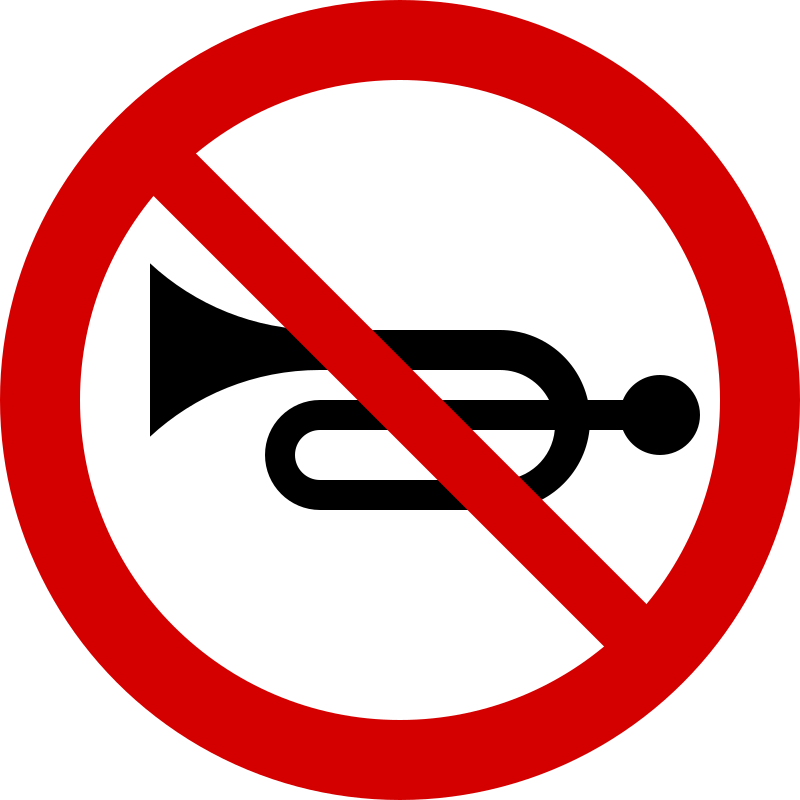
The B-29 - No Use of Audible Warning Devices road sign may also be known by these alternative names or terms.
The B-29 - No Use of Audible Warning Devices road sign is part of the Prohibitory Signs (B) category, which groups together signs with similar rules and functions.
Reviewing similar Polish road signs side-by-side helps solidify your memory and distinction skills, crucial for accurate theory test revision. Master traffic sign comparison and enhance your sign recognition for confident driving.

B-1 Sign: Road Closed to All Traffic in Both Directions
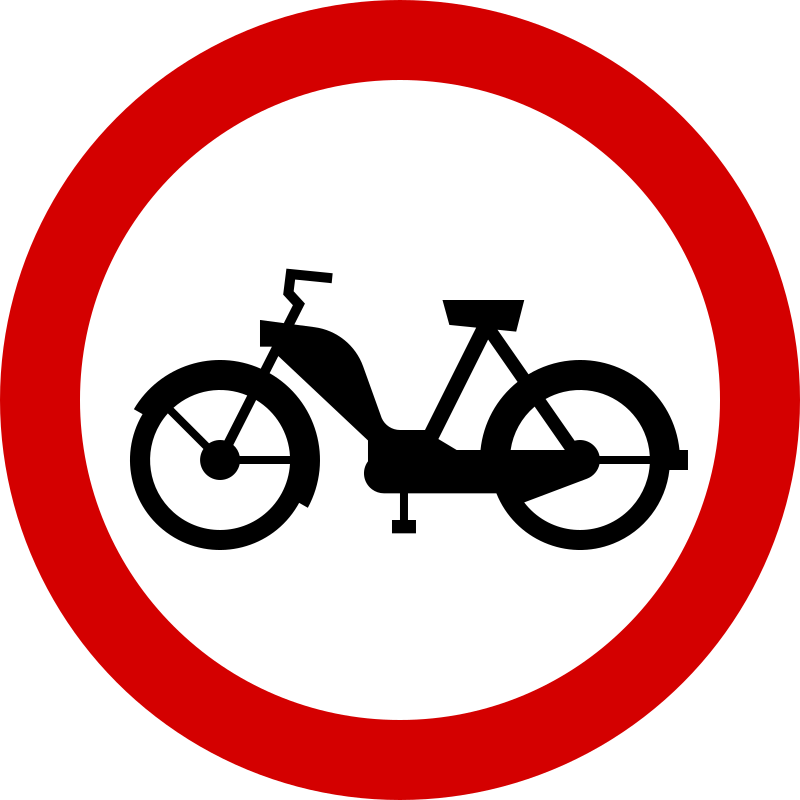
The B-10 'No Mopeds' sign prohibits entry for all mopeds past this point.
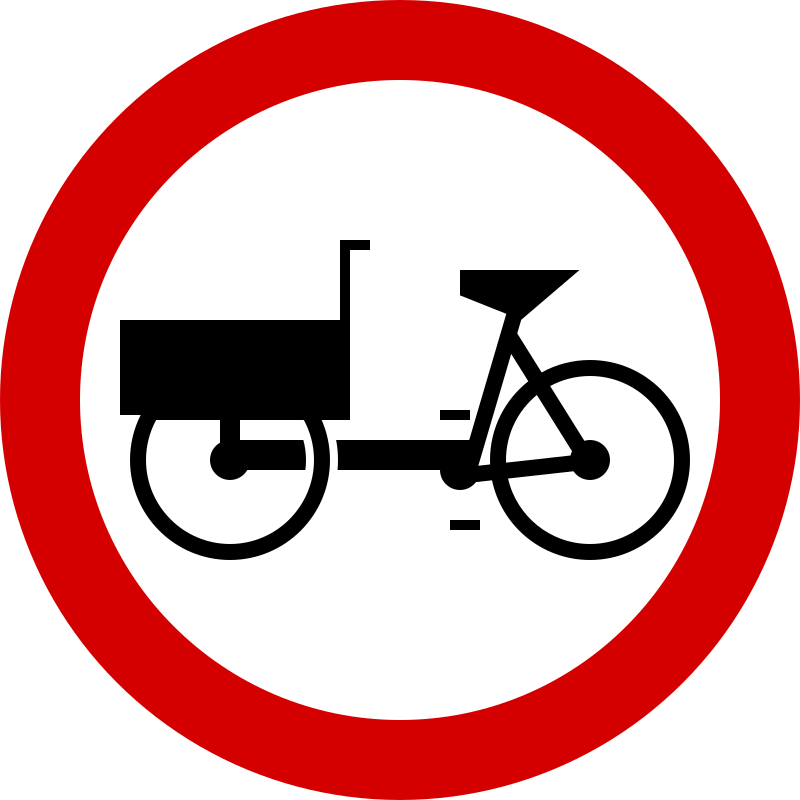
B-11: No Entry for Cycle Rickshaws and Multi-Track Carts
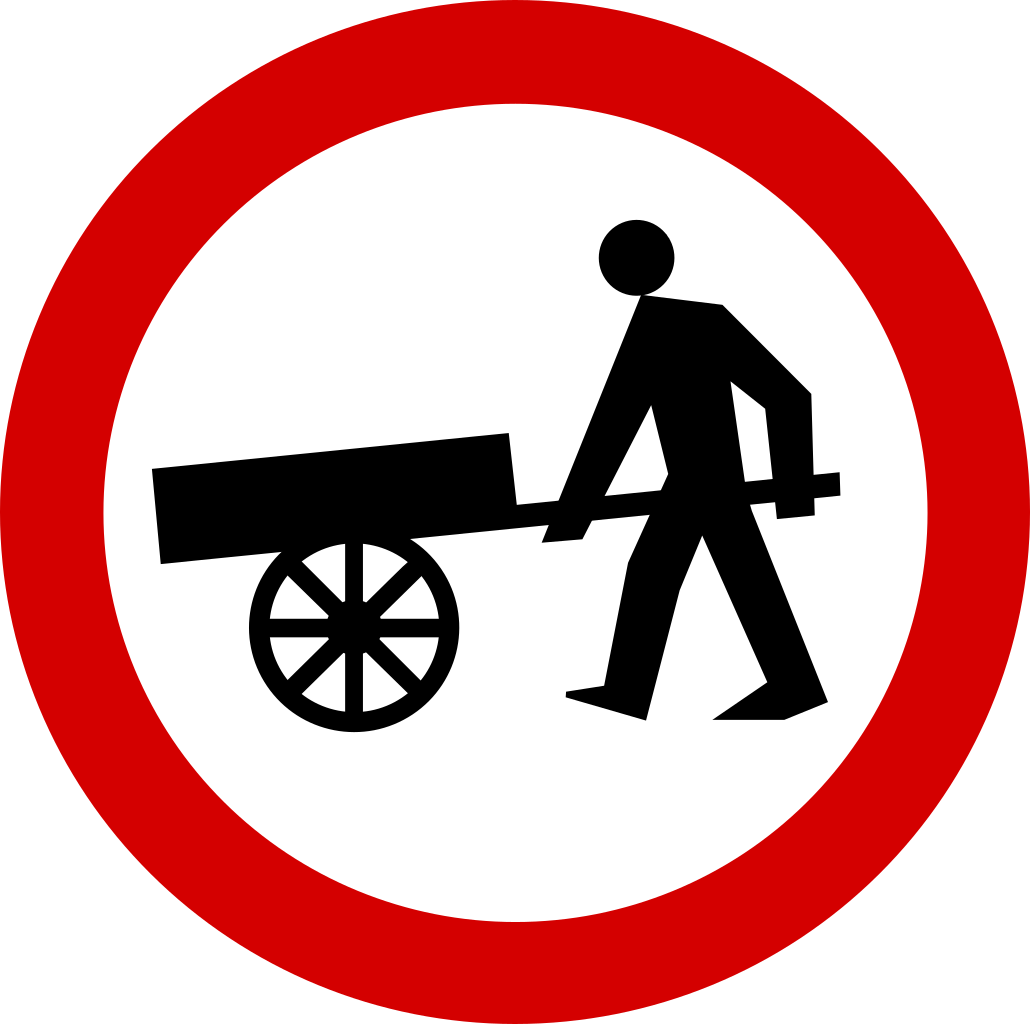
Understand the B-12 'No Handcarts' Road Sign
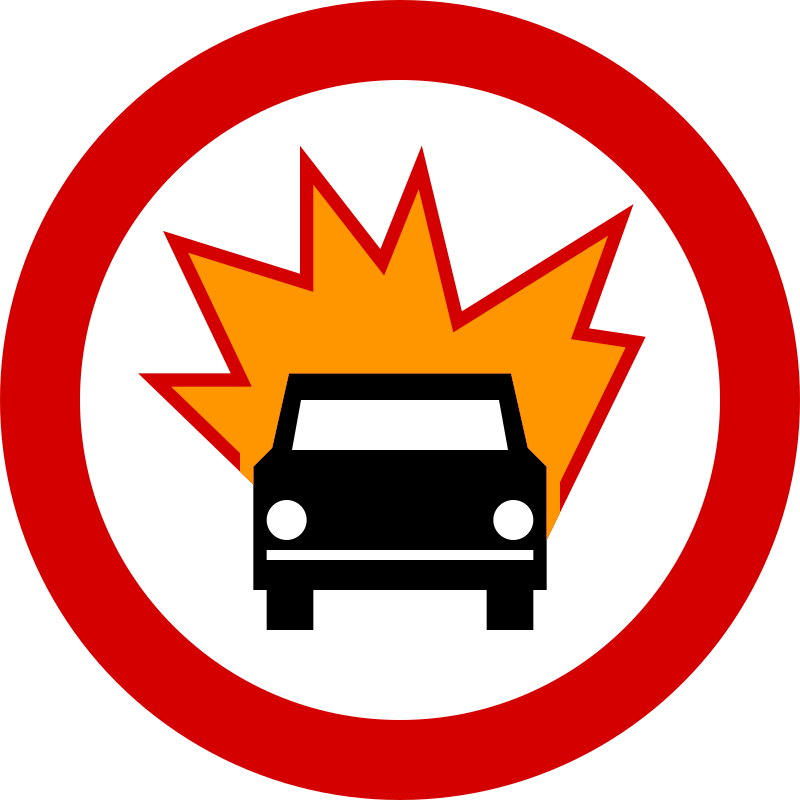
Understand the B-13 sign: No vehicles carrying explosives or flammable goods allowed.
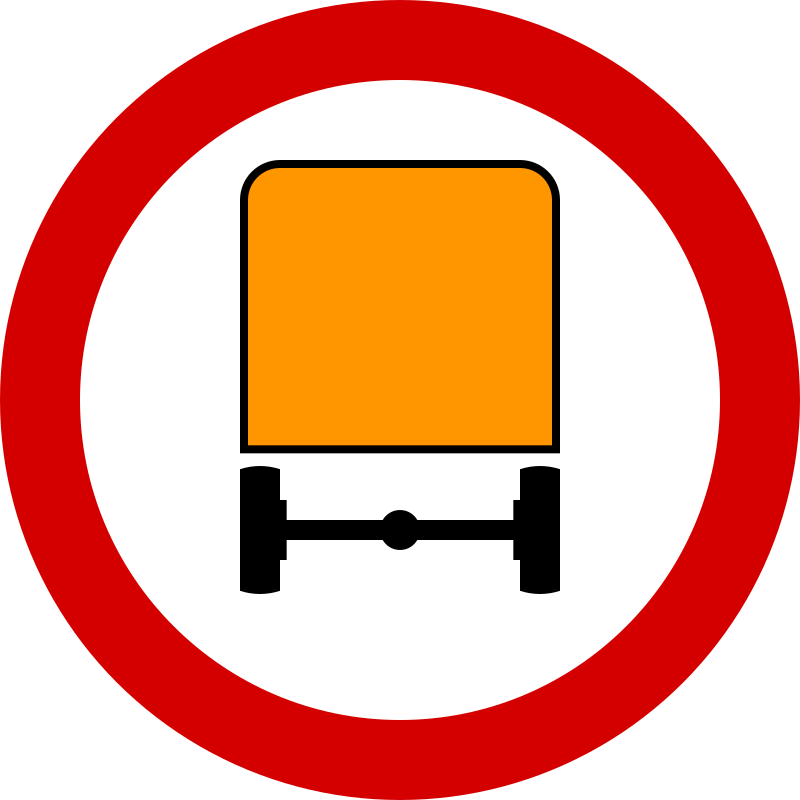
The B-13a sign means no vehicles carrying dangerous goods are allowed past this point.
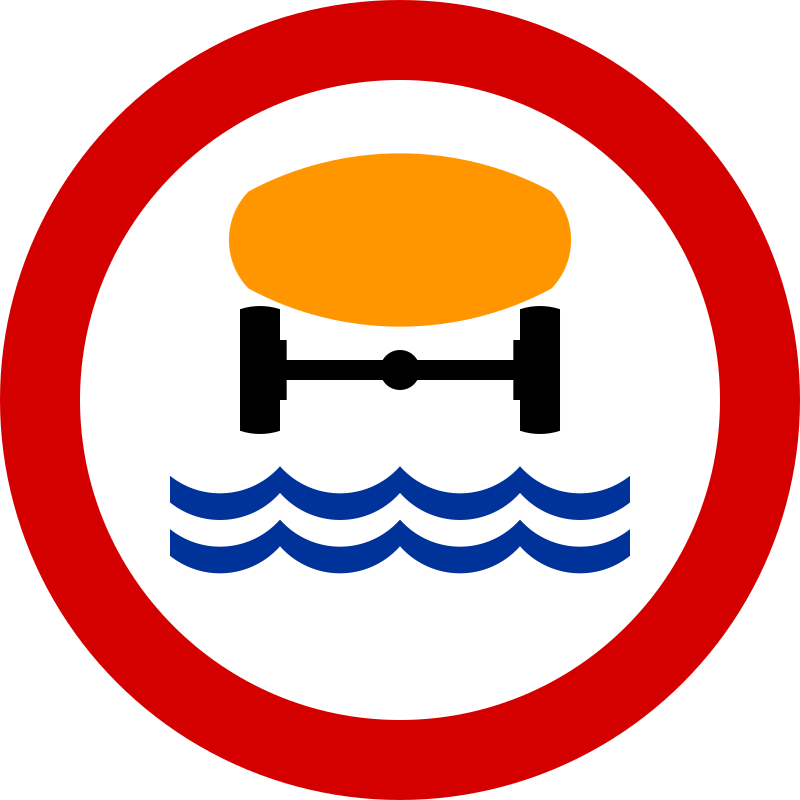
B-14 Sign: No Vehicles Carrying Water Contaminants
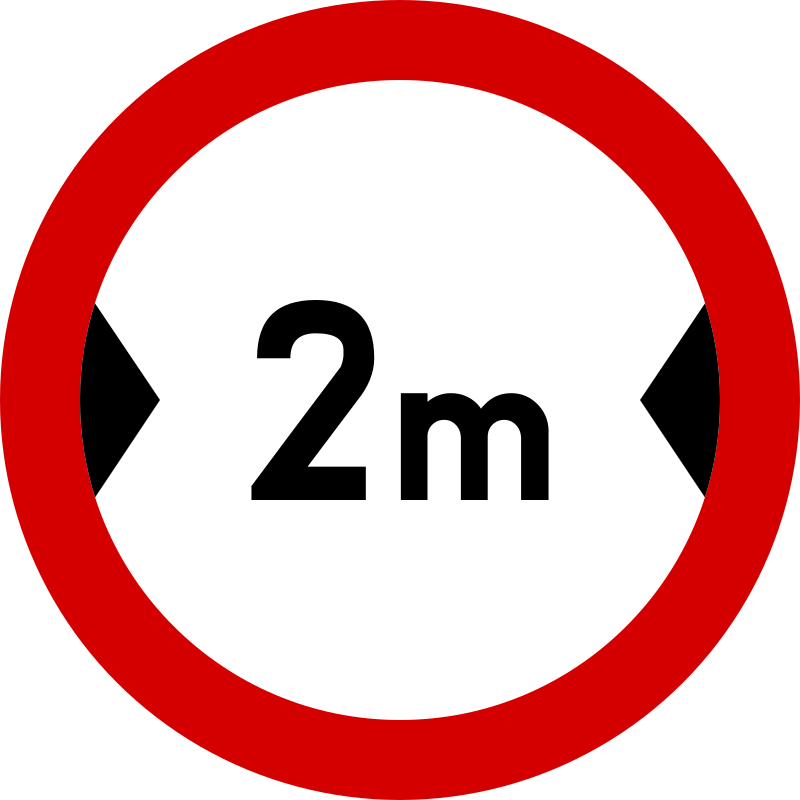
The B-15 sign prohibits vehicles wider than the specified limit from passing.
Deepen your understanding of specific road signs by reviewing official Polish traffic rules and associated real-world driving scenarios. These expert-led resources help you bridge the gap between visual recognition and practical exam application.
Master Your Duties: Avoid Severe Penalties for Leaving an Accident Scene in Poland.
Your Essential Guide to First Aid After an Accident – Pass Your Polish Theory Exam!
This article will demystify the B-33 speed limit sign in Poland, explaining how it functions as a prohibitory sign that overrides general speed regulations. You'll learn why these specific signs are critical for the theory exam and how to interpret their requirements to drive safely and legally. Understanding these nuances is key to succeeding in your Polish driving theory test.
Navigating Polish intersections requires a clear understanding of priority rules, particularly the differing obligations imposed by the mandatory Stop sign (B-20) and the Yield sign (A-7). This article will break down the legal requirements for each sign, explaining precisely when and how you must act to ensure safety and compliance with Polish traffic law. Mastering these distinctions is vital for success in your driving theory exam and for safe driving.
The A-1 warning sign is typically placed outside built-up areas where a road curve has a radius of less than 750 meters or an angle greater than 5 degrees. It alerts drivers to a change in road geometry that could lead to a loss of control if approached too quickly. You may also see this sign in locations with limited visibility or a high history of accidents. Proper lane positioning is vital here to avoid drifting into oncoming traffic.
The A-25 sign is common in mountainous or hilly areas with rock cuttings. Rocks can fall due to erosion, rain, or freezing temperatures. The danger is twofold: being hit by a falling rock or colliding with one that is already on the road. Drivers should stay alert and avoid stopping in the 'danger zone' where the cliffs are closest to the road.
After reviewing the full list of Polish road signs, explore specific sign categories for in-depth understanding. Challenge your knowledge with practice questions focused on sign recognition and interpretation to solidify your preparation for the driving theory exam.
Browse All Polish Road Signs